Erectile Dysfunction After Prostate Surgery: Rehabilitation and ICI Therapy in Tokyo
Erectile dysfunction (ED) following prostate surgery is one of the most commonly reported — and least openly discussed — quality-of-life concerns among men who have undergone radical prostatectomy or other prostate procedures. If you are living in Tokyo as an expatriate, or travelling here for treatment, finding clear information in English about your rehabilitation options can feel overwhelming. This article explains how post-surgical ED occurs, what evidence-based rehabilitation looks like, and how intracavernosal injection (ICI) therapy works as a treatment option for men who do not respond adequately to oral medications.
What you’ll learn in this article:
- Why prostate surgery causes ED, and how nerve-sparing techniques affect outcomes
- The evidence base for penile rehabilitation after prostatectomy
- How intracavernosal injection (ICI / Trimix or Bimix) therapy works and who it is suitable for
- Realistic timelines and expected results for ED recovery
- How to access English-speaking ED consultations in Tokyo
Have a question about this treatment?
Message us on LINE or WhatsApp — our English-speaking team usually replies the same day.
Why Prostate Surgery Causes Erectile Dysfunction
Radical prostatectomy — surgical removal of the prostate gland, typically performed for prostate cancer — requires working in close proximity to the cavernous nerves, the paired nerve bundles that run along either side of the prostate and are responsible for triggering erections. Even when a nerve-sparing technique is used, temporary or permanent neuropraxia (nerve trauma without complete severing) is common. The result is that the normal neurological signals required to achieve an erection are disrupted, sometimes profoundly.
Beyond nerve trauma, reduced blood flow to the erectile tissue of the penis (the corpora cavernosa) after surgery can lead to smooth muscle fibrosis — essentially, the gradual replacement of flexible erectile tissue with scar-like tissue. Clinical reports indicate that without active rehabilitation, this process may significantly reduce the potential for natural erection recovery, even as the nerves slowly heal. This is why proactive penile rehabilitation is now considered standard of care in many urology guidelines, not simply a “wait and see” approach.
How Common Is Post-Prostatectomy ED?
The prevalence of ED following radical prostatectomy varies widely depending on the surgical technique used, the patient’s pre-operative erectile function, age, and comorbidities. Studies suggest that ED affects approximately 25–75% of men following nerve-sparing prostatectomy, with higher rates in non-nerve-sparing procedures. Even in the most favourable bilateral nerve-sparing cases, spontaneous return of unaided erections adequate for intercourse may take 12–24 months or longer. This is a significant window during which rehabilitative intervention can make a meaningful difference.
What Is Penile Rehabilitation?
Penile rehabilitation is an umbrella term for any strategy intended to preserve erectile tissue health and accelerate nerve recovery during the period after prostate surgery. The underlying rationale is that keeping oxygenated blood flowing regularly through the corpora cavernosa — even artificially — helps prevent the smooth muscle fibrosis described above.
The most widely adopted components of a rehabilitation programme include:
- PDE5 inhibitors (oral medications): Sildenafil (Viagra) or tadalafil (Cialis) taken on a scheduled basis, even before spontaneous erections return. These drugs work by relaxing smooth muscle in the penile arteries, promoting blood flow. They are generally the first-line option and are available at BIOTOPE CLINIC as part of the men’s health consultation.
- Vacuum erection devices (VED): Mechanical pumps that draw blood into the penis through negative pressure, producing a temporary erection without pharmacological input. VEDs are typically used once or twice daily as a rehabilitation tool rather than solely for intercourse.
- Intracavernosal injection (ICI) therapy: Direct injection of vasoactive (blood vessel-widening) medication into the penile tissue, producing a reliable erection regardless of nerve function. ICI is the subject of the next section.
Intracavernosal Injection (ICI) Therapy: How It Works
Intracavernosal injection therapy involves the self-injection of a small volume of vasoactive medication directly into the corpus cavernosum — one of the two cylindrical chambers of penile erectile tissue. The medication most commonly used is a compounded formulation called Trimix (a combination of alprostadil, papaverine, and phentolamine) or Bimix (alprostadil and papaverine without phentolamine). These agents act locally on smooth muscle, causing rapid vasodilation and engorgement independent of neural input. Because ICI bypasses the nerve pathways damaged during prostatectomy, it is effective even in men with significant neurological injury.
An erection typically develops within 5–20 minutes of injection and lasts 30–60 minutes, depending on the dosage and the individual patient’s response. The injection itself is performed with a very fine-gauge needle into the lateral aspect of the shaft, away from the urethra and major vessels. Most patients, once trained by a physician, manage the injection comfortably at home.
ICI as Part of a Rehabilitation Protocol
Beyond its use for intercourse, ICI therapy is increasingly used as a rehabilitative tool in the early post-surgical period. By generating regular, pharmacologically induced erections, ICI helps maintain the oxygenation of erectile tissue, potentially slowing or preventing smooth muscle fibrosis. Some clinicians recommend beginning ICI within 4–8 weeks of surgery in patients who fail to respond to oral PDE5 inhibitors. A physician assessment is always required before starting ICI, as dosing must be individualised and technique must be taught safely.
Dr. Karibe’s Note
Many of our international patients are surprised to find that ICI therapy — while it sounds confronting at first — is very well tolerated once the technique is properly demonstrated. The fine needle used is similar to an insulin syringe.
In my experience at BIOTOPE CLINIC, most men feel confident enough to self-inject at home after a single supervised training session. The most important message I give to post-prostatectomy patients is this: early intervention matters.
The longer erectile tissue remains without adequate oxygenation, the more difficult recovery becomes. Please do not wait for natural erections to return on their own before seeking a consultation.
Comparing ED Treatment Options After Prostate Surgery
The table below compares the principal rehabilitation and treatment options available to men following prostate surgery, to help readers understand where each approach fits.
| Treatment | How It Works | Requires Intact Nerve Function? | Onset | Suitable for Early Rehab? | Notes |
|---|---|---|---|---|---|
| Oral PDE5 inhibitors (sildenafil / tadalafil) | Amplify nerve-triggered vasodilation | Partial — some nerve function needed | 30–60 min (sildenafil); daily (tadalafil) | Yes — first-line option | May be ineffective if nerve damage is significant |
| Vacuum erection device (VED) | Mechanical negative pressure | No | 5–10 min | Yes | Non-pharmacological; useful adjunct |
| Intracavernosal injection (ICI / Trimix / Bimix) | Direct local smooth muscle relaxation | No | 5–20 min | Yes — used from 4–8 weeks post-op | Physician training required; highly reliable |
| Penile prosthesis (implant) | Surgically implanted inflatable or semi-rigid device | No | Immediate (after surgery) | No — typically considered after 2 years if other options fail | Permanent; last-resort option |
Common Misconceptions About Post-Prostatectomy ED
Misconception 1: “If I had nerve-sparing surgery, my erections will return quickly on their own”
Nerve-sparing techniques reduce — but do not eliminate — the risk of long-term ED. Even with successful bilateral nerve preservation, the nerves themselves undergo a period of stunned function (neuropraxia) that can last many months. Studies suggest spontaneous unassisted erection recovery in nerve-sparing prostatectomy patients typically takes 12–24 months, and this figure applies only to men with good pre-operative function and no other risk factors. Waiting passively without rehabilitation may reduce the long-term potential for recovery due to progressive fibrosis in the erectile tissue.
Misconception 2: “ICI is only for men who have permanently lost erectile function”
This is a misunderstanding that sometimes prevents men from accessing ICI early enough to benefit from it as a rehabilitative tool. ICI is not reserved solely for permanent ED. In the post-prostatectomy rehabilitation context, it is used to maintain erectile tissue health during the nerve recovery phase — even in men who may eventually regain some natural function. Starting ICI early is associated in clinical literature with better long-term outcomes, not with dependence on injections indefinitely.
Cost of ED Rehabilitation and ICI Therapy in Tokyo
Cost structures for men’s health and ED services in Tokyo vary between providers. At BIOTOPE CLINIC, the initial consultation fee is ¥3,300, and surgical consultations with Dr. Karibe are available from ¥2,200.
Ongoing medication costs for oral PDE5 inhibitors (sildenafil or tadalafil) and any compounded ICI formulations will be discussed individually at consultation, as prescribing requirements and dosage differ between patients.
It is worth noting that ED treatments following prostate cancer surgery may in some cases intersect with insurance-covered oncology follow-up care in Japan — this is best discussed with your urologist and the clinic team. BIOTOPE CLINIC‘s men’s health services operate on a self-pay basis. For an accurate quote, we recommend booking a consultation.
Have a question about this treatment?
Message us on LINE or WhatsApp — our English-speaking team usually replies the same day.
What to Expect: Before, During and After ICI Therapy
Before Starting ICI
A thorough medical consultation is required before ICI is prescribed. Dr. Karibe will review surgical history, current medications (particularly anticoagulants such as warfarin or aspirin, which may affect injection safety), cardiovascular health, and pre-operative erectile function. A physical examination and, where appropriate, basic blood work may be arranged. Patients should be honest about all medications and supplements they are taking.
During the Training Session
The first ICI injection is performed under physician supervision at the clinic. Dr. Karibe or a trained member of the clinical team will demonstrate the injection site (typically the 10 o’clock or 2 o’clock position on the lateral shaft), the angle and depth of needle insertion, and how to apply pressure afterwards. The starting dose is deliberately conservative; titration upwards occurs at follow-up appointments based on response and tolerability.
After — Monitoring and Follow-up
Patients are typically observed at the clinic for 30–60 minutes after the first injection to ensure the erection resolves naturally and to check for any adverse reaction. The primary risk to be aware of is prolonged erection (priapism) — defined as erection lasting more than 4 hours — which requires urgent medical attention. Patients are given clear instructions on what to do if this occurs. With correct dosing, priapism is uncommon. Mild bruising or discomfort at the injection site is normal and resolves quickly.
In Dr. Karibe’s clinical experience at BIOTOPE CLINIC, patients who attend a structured follow-up schedule — typically at 4–6 week intervals in the early rehabilitation phase — report greater confidence in self-administration and better titration of dosage than those who manage independently without check-ins.
Who Is a Good Candidate for ICI Therapy?
ICI therapy is generally appropriate for:
- Men with post-prostatectomy ED who have not achieved satisfactory results with oral PDE5 inhibitors
- Men who are contraindicated for PDE5 inhibitors (e.g. those taking nitrate medications for heart conditions — though this group requires additional cardiovascular review)
- Men in the early post-surgical rehabilitation phase wishing to preserve erectile tissue health
- Men with psychogenic or neurogenic ED unrelated to prostate surgery
ICI may not be appropriate for men with severe coagulation disorders, certain anatomical penile abnormalities (such as Peyronie’s disease with significant curvature), or those who are unable to learn self-injection technique safely. A full medical review at consultation will clarify individual suitability.
Frequently Asked Questions
- Q. How soon after prostate surgery can I start ICI therapy?
- Most clinicians recommend waiting until surgical healing is complete — typically 4–8 weeks post-operatively — before beginning ICI. The exact timing depends on the type of surgery, the patient’s recovery, and any concurrent treatments such as radiotherapy. A consultation with Dr. Karibe will clarify the appropriate starting point for each individual.
- Q. Will ICI therapy work if my nerves were not spared during surgery?
- Yes. This is one of the key advantages of ICI over oral medications. Because ICI acts directly on the smooth muscle of the corpora cavernosa rather than amplifying a nerve signal, it can produce a reliable erection even in men with complete or near-complete nerve damage. Clinical studies indicate response rates for ICI in post-prostatectomy ED in the range of 70–90%, even when oral medications have failed.
- Q. Is the injection painful?
- Most patients report that the injection is significantly less uncomfortable than they anticipated. The needle gauge used is very fine — comparable to an insulin needle — and the injection volume is small. Mild discomfort or a brief burning sensation may occur, particularly with Trimix formulations containing alprostadil. This typically diminishes as the patient becomes more experienced with the technique.
- Q. Can ICI therapy be used long-term, or is it a temporary measure?
- ICI can be used both as a long-term treatment option and as a temporary rehabilitative measure during nerve recovery. Some men use ICI indefinitely as their preferred method of managing ED; others are able to transition back to oral medications or unaided function as nerve recovery progresses. This is an individual outcome and cannot be predicted in advance.
- Q. Is English-language support available for ED consultations in Tokyo?
- Yes. Within this clinic group, English-speaking consultations for ED and men’s health are available at BIOTOPE CLINIC in Shirokanedai (Minato-ku), where Dr. Jun Karibe conducts personal consultations. All English enquiries are handled by the BIOTOPE-based English-speaking team via LINE or WhatsApp.
Have a question about this treatment?
Message us on LINE or WhatsApp — our English-speaking team usually replies the same day.
Where to Get ED Rehabilitation and ICI Therapy Consultations in Tokyo
Within our clinic group, English-speaking consultations are handled at BIOTOPE CLINIC in Shirokanedai (Minato-ku, Tokyo) by Dr. Jun Karibe. Our sister clinic, Kojimachi Dermatology and Plastic Surgery Clinic in Ichigaya (Chiyoda-ku), handles Japanese-language insurance dermatology and serves as the group’s main office, but does not currently offer English-speaking doctor consultations. Bookings and enquiries in English: LINE or WhatsApp.
Dr. Karibe holds board certification from the Japan Society of Plastic and Reconstructive Surgery. BIOTOPE CLINIC‘s men’s health programme includes oral PDE5 inhibitors (sildenafil and tadalafil) and intracavernosal injection (ICI) therapy — Trimix and Bimix self-injection under physician guidance — for patients who do not respond adequately to oral therapy. This is a treatment available at BIOTOPE CLINIC in Shirokanedai — feel free to ask about it during a consultation with Dr. Karibe.
Summary
Erectile dysfunction after prostate surgery is a well-documented consequence of radical prostatectomy, arising primarily from nerve trauma and consequent reduction in erectile tissue oxygenation. Active penile rehabilitation — rather than passive waiting — is supported by clinical evidence as the preferred approach. Oral PDE5 inhibitors (sildenafil, tadalafil) are the first-line option, but a meaningful proportion of post-prostatectomy patients do not respond adequately to oral therapy, particularly in the early post-surgical period when nerve function remains impaired.
Intracavernosal injection (ICI) therapy with Trimix or Bimix offers a reliable, nerve-independent alternative for this group. Studies suggest response rates of 70–90% in post-prostatectomy patients, including those who have not responded to PDE5 inhibitors. When used as part of a structured rehabilitation protocol from 4–8 weeks post-operatively, ICI may also help preserve erectile tissue health and improve long-term outcomes. Physician training and regular follow-up are essential components of safe, effective ICI use.
If you have questions about ED rehabilitation or ICI therapy after prostate surgery, English-speaking consultations are handled at BIOTOPE CLINIC in Shirokanedai (Minato-ku, Tokyo) by Dr. Karibe. Our sister clinic Kojimachi Dermatology and Plastic Surgery Clinic in Ichigaya (Chiyoda-ku) handles Japanese-language insurance dermatology. English enquiries: LINE or WhatsApp.
24/7 Consultation & Booking
Book a Consultation or Treatment
Our English-speaking team responds via LINE or WhatsApp — usually the same day.
References
- Montorsi F, Guazzoni G, Strambi LF, et al. Recovery of spontaneous erectile function after nerve-sparing radical retropubic prostatectomy with and without early intracavernosal injections of alprostadil: results of a prospective, randomized trial. Journal of Urology. 1997.
- Padma-Nathan H, McCullough AR, Levine LA, et al. Randomized, double-blind, placebo-controlled study of postoperative nightly sildenafil citrate for the prevention of erectile dysfunction after bilateral nerve-sparing radical prostatectomy. International Journal of Impotence Research. 2008.
- Burnett AL, Nehra A, Breau RH, et al. Erectile dysfunction: AUA guideline. Journal of Urology. 2018.
- Tal R, Alphs HH, Krebs P, Nelson CJ, Mulhall JP. Erectile function recovery rate after radical prostatectomy: a meta-analysis. Journal of Sexual Medicine. 2009.
- Mulhall JP, Bivalacqua TJ, Becher EF. Standard operating procedure for the preservation of erectile function outcomes after radical prostatectomy. Journal of Sexual Medicine. 2013.
SUPERVISED BY
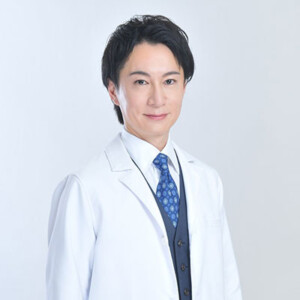
Dr. Jun Karibe
MD
Director
Education & Career
Certifications
Awards
MEDICAL REVIEW