Seeing an English-Speaking Dermatologist in Tokyo for Eczema: What to Expect
Finding reliable medical care in a foreign country is stressful at the best of times — and when you are dealing with a flare of eczema (atopic dermatitis), that stress can feel all the more acute. Whether you have just arrived in Tokyo or have been living here for years, navigating the Japanese healthcare system in a language you do not speak fluently is a genuine barrier to getting the help you need.
This guide explains what to expect when you visit an English-speaking dermatologist in Tokyo for eczema: from how a consultation unfolds and what treatments are typically offered, through to realistic costs, common misconceptions, and where in Tokyo you can access care in English.
- What eczema is and how it is clinically diagnosed in Japan
- What happens during a dermatology consultation for eczema in Tokyo
- Standard and advanced treatment options available, including insurance-covered and cosmetic approaches
- Realistic cost ranges and what affects the final price
- Where to find English-speaking dermatological care in Tokyo
Have a question about this treatment?
Message us on LINE or WhatsApp — our English-speaking team usually replies the same day.
What Is Eczema and How Is It Diagnosed?
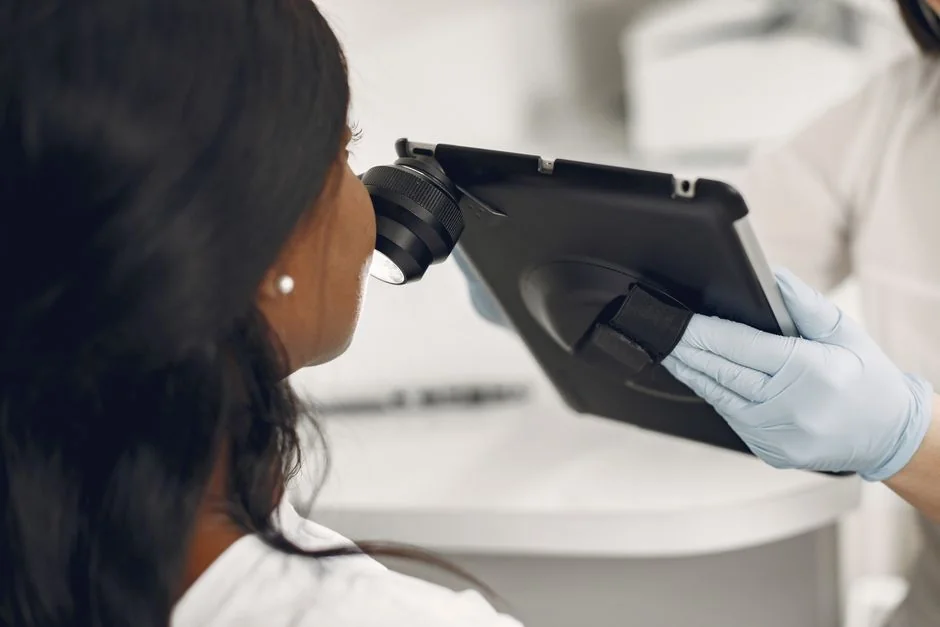
Eczema — most commonly atopic dermatitis — is a chronic inflammatory skin condition characterised by intense itching, redness, dryness, and in more severe cases, weeping or crusted skin. It is caused by a combination of genetic factors that impair the skin barrier and an overactive immune response to environmental triggers.
In Japan, atopic dermatitis is diagnosed and staged using clinical criteria established by the Japanese Dermatological Association, which broadly align with international standards (the Hanifin and Rajka criteria).
A dermatologist will examine the distribution and appearance of your rash, review your personal and family history of atopy (a tendency toward allergies, asthma, or hay fever), and may order patch testing or allergy blood panels to identify specific triggers.
Is Eczema Common in Japan?
Atopic dermatitis is one of the most prevalent skin conditions treated in Japanese clinics.
Studies suggest that approximately 10–20% of children and 1–3% of adults in Japan are affected at any one time. For expatriates, relocation to Tokyo — with its distinct seasons, humidity shifts, and different pollens or food exposures — can trigger new-onset eczema or aggravate existing disease.
What Happens During a Consultation for Eczema in Tokyo
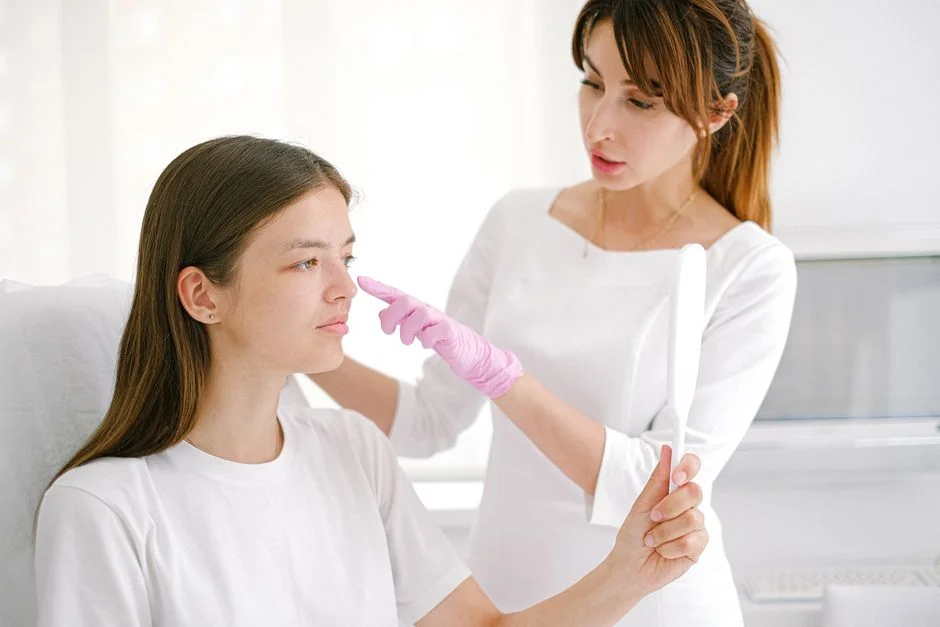
An initial dermatology consultation in Tokyo follows a structured format. Understanding the sequence in advance can reduce anxiety, particularly if this is your first time in the Japanese medical system.
Registration and History-Taking
You will typically complete a brief intake form covering your medical history, current medications, and allergy status. At an English-friendly clinic, this form is available in English and the reception team is prepared to guide you through it. Bring your Japanese health insurance card (if you have one), a list of any current medications, and — if possible — photographs of previous flares, which can be helpful when your skin happens to be calm on the day of the visit.
The Clinical Examination
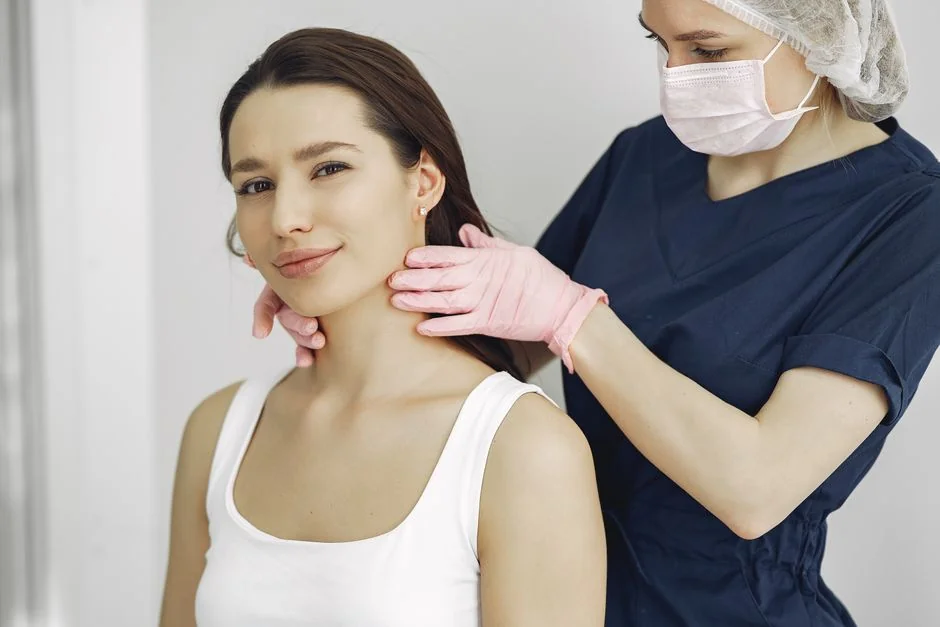
The dermatologist will examine the affected areas directly under good lighting, assessing skin texture, inflammation, and signs of secondary infection. A short standardised scoring tool — such as the EASI (Eczema Area and Severity Index) — may be used to grade severity. This score helps guide treatment decisions and provides a baseline against which your progress can be measured at follow-up appointments.
Discussion of Triggers and Lifestyle Factors
A thorough consultation will include discussion of your environment: housing type, heating and cooling systems, skincare products, occupational exposures, diet, and stress levels. In Dr. Karibe’s clinical experience at BIOTOPE CLINIC, international patients often identify triggers they were unaware of until a systematic review is conducted — common examples include Japanese laundry detergents, tatami-related house dust mites, or unfamiliar food ingredients.
Dr. Karibe’s Note
Many of our international patients are surprised to discover that eczema management in Japan is highly structured, with clear treatment steps based on severity. The first consultation tends to be longer than patients expect, because we take time to map out triggers and establish a baseline — this foundation makes a significant difference to longer-term outcomes. If you have brought photographs of previous flares, please do share them; they are genuinely useful when your skin is currently calm.
Eczema Treatment Options Available in Tokyo
Treatment for eczema in Japan follows a stepwise protocol. The severity of your condition will determine which options are recommended and in what combination.
First-Line and Insurance-Covered Treatments
For most patients, first-line management consists of prescription-strength topical corticosteroids (steroid creams and ointments), emollients to restore the skin barrier, and oral antihistamines to reduce itching and improve sleep. These are standard across Japanese dermatology and are generally covered by national health insurance (shakai hoken or kokumin kenko hoken) where applicable.
For patients who do not respond adequately to topical steroids, tacrolimus ointment (a topical immunosuppressant) is frequently added. In moderate-to-severe cases, short courses of oral immunosuppressants may be considered. Clinical reports indicate that narrowband UVB phototherapy — a specialised light treatment delivered in a clinical setting — can achieve significant symptom reduction in patients with widespread, treatment-resistant atopic dermatitis, with some trials reporting 50–70% reductions in EASI scores after a full course of sessions.
Cosmetic and Supportive Treatments
When eczema is in remission but has left behind post-inflammatory hyperpigmentation, scarring, or significantly compromised skin texture, some patients seek cosmetic dermatology support. Gentle options — selected carefully to avoid triggering a fresh flare — may be discussed at consultation. BIOTOPE CLINIC offers Dermapen (a microneedling treatment that can support skin barrier recovery and improve texture in appropriately selected, stable-skin patients); this is a treatment available at BIOTOPE CLINIC in Shirokanedai — feel free to ask about it during a consultation with Dr. Karibe. Similarly, if stress is a contributing factor and nutritional deficiencies are suspected, the clinic’s orthomolecular (nutritional) therapy and IV vitamin drip options may be discussed as adjunctive support.
What People Often Get Wrong About Eczema Care in Tokyo
Misconception 1: “Japanese Doctors Will Just Give Me a Steroid Cream and That Is It”
This is one of the most common assumptions among expatriates, often stemming from brief, rushed consultations in other countries. Japanese dermatology follows detailed clinical guidelines, and experienced dermatologists take a multi-step approach that includes barrier repair, trigger identification, phototherapy where appropriate, and close follow-up. A thorough first consultation may take considerably longer than a typical GP appointment.
Misconception 2: “I Cannot Use the Japanese Health System Because My Japanese Is Poor”
While language is a genuine challenge at most clinics, English-speaking dermatology consultations do exist in Tokyo. At BIOTOPE CLINIC in Shirokanedai, Dr. Karibe and the English-speaking team handle consultations for international patients — including dermatological concerns such as eczema. You do not need to bring a translator or rely on a translation app to receive a thorough medical consultation.
Eczema Treatment Costs in Tokyo
Costs vary depending on whether your treatment falls under the Japanese health insurance system or is provided on a self-pay (cosmetic or private) basis.
| Treatment / Service | Insurance Coverage | Approximate Cost |
|---|---|---|
| Initial dermatology consultation (BIOTOPE CLINIC) | Self-pay | ¥3,300 |
| Topical steroids / antihistamines (prescription) | Covered (with insurance card) | Variable — typically low co-pay |
| Narrowband UVB phototherapy | Covered at qualifying clinics | Variable per session with insurance |
| Dermapen (skin texture / post-eczema) | Self-pay (cosmetic) | ¥9,800–¥220,000 |
| IV vitamin drip (supportive / wellness) | Self-pay | Discuss at consultation |
| Gut microbiome analysis (adjunctive) | Self-pay | Discuss at consultation |
If you hold Japanese national health insurance, many first-line eczema treatments — including prescription topicals and phototherapy at covered facilities — will be substantially subsidised. Private or cosmetic treatments are always self-pay. For an accurate quote tailored to your situation, we recommend booking a consultation.
Have a question about this treatment?
Message us on LINE or WhatsApp — our English-speaking team usually replies the same day.
Where to Get English-Speaking Dermatology Consultations in Tokyo
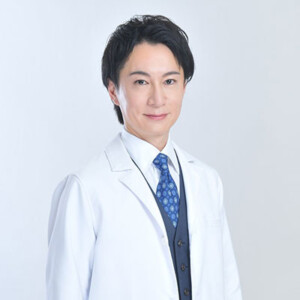
Within our clinic group, English-speaking consultations are handled at BIOTOPE CLINIC in Shirokanedai (Minato-ku, Tokyo) by Dr. Jun Karibe, a board-certified plastic surgeon certified by the Japan Society of Plastic and Reconstructive Surgery, with extensive experience in both dermatological and cosmetic concerns. Our sister clinic, Kojimachi Dermatology and Plastic Surgery Clinic in Ichigaya (Chiyoda-ku), is the group’s main office and handles insurance-covered dermatology consultations — but these are conducted in Japanese. All English enquiries and bookings should be directed to BIOTOPE CLINIC via LINE or WhatsApp.
At BIOTOPE CLINIC in Shirokanedai, the team frequently sees patients who have been managing their eczema without adequate support simply because language was a barrier to seeking care. An English consultation removes that obstacle, allowing for a thorough clinical history and a treatment plan communicated clearly in your language.
Frequently Asked Questions
- Q. Can I use my Japanese health insurance at BIOTOPE CLINIC for eczema?
- Insurance coverage depends on the specific treatment and the clinic’s registration status at the time of your visit. It is best to confirm this directly when booking. Many cosmetic and adjunctive treatments are self-pay, while standard prescription treatments (topical steroids, antihistamines) are typically insurance-eligible at qualifying facilities. Please ask the team when you make your enquiry.
- Q. How many appointments will I need before my eczema is under control?
- There is no single answer, as eczema is a chronic condition with a course that varies significantly between individuals. Mild cases may stabilise within a few weeks of consistent treatment; moderate-to-severe atopic dermatitis typically requires ongoing management and periodic review. Your dermatologist will outline a realistic follow-up schedule at your first consultation.
- Q. I am only visiting Tokyo for a short time. Is a one-off consultation still worthwhile?
- Yes — a single consultation can be highly useful for confirming a diagnosis, obtaining a prescription for appropriate topical treatments to use during your stay, and receiving clear written advice to share with your doctor at home. The team at BIOTOPE CLINIC is experienced in supporting international patients who require clear, portable documentation of their care.
- Q. Will the doctor write a prescription I can take to a pharmacy in Japan?
- Yes. Following a consultation, the doctor can issue a prescription that you can take to any registered pharmacy (yakkyoku) in Japan. The reception team can advise on nearby pharmacies where English-speaking staff may be available.
- Q. Are there any treatments I should stop before my consultation?
- If possible, avoid applying new topical products or steroids in the 24–48 hours before your appointment so that the dermatologist can assess your skin in its current state. Do not discontinue any regular prescribed medication without first consulting your existing doctor. Bringing your current skincare products to the appointment can also be helpful.
Have a question about this treatment?
Message us on LINE or WhatsApp — our English-speaking team usually replies the same day.
Summary
Eczema is a manageable condition, and receiving care from an English-speaking dermatologist in Tokyo is a realistic option — not simply a privilege reserved for those who speak Japanese. A thorough first consultation covering your history, triggers, and skin examination is the foundation of effective long-term management. Treatment typically begins with prescription topicals and emollients and can be stepped up to phototherapy or other options where needed.
Costs for standard eczema care in Japan are reasonable, particularly where health insurance applies. Cosmetic or supportive treatments for post-eczema skin concerns are available on a self-pay basis and can be discussed at the same appointment.
If you have questions about eczema or would like to discuss your skin concerns, English-speaking consultations are handled at BIOTOPE CLINIC in Shirokanedai (Minato-ku, Tokyo) by Dr. Karibe. Our sister clinic, Kojimachi Dermatology and Plastic Surgery Clinic in Ichigaya (Chiyoda-ku), handles Japanese-language insurance dermatology. English enquiries: LINE or WhatsApp.
24/7 Consultation & Booking
Book a Consultation or Treatment
Our English-speaking team responds via LINE or WhatsApp — usually the same day.
References
- Katoh N, Ohya Y, Ikeda M, et al. Clinical practice guidelines for the management of atopic dermatitis. Journal of Dermatology. 2019.
- Wollenberg A, Barbarot S, Bieber T, et al. Consensus-based European guidelines for treatment of atopic eczema (atopic dermatitis) in adults and children. Journal of the European Academy of Dermatology and Venereology. 2018.
- Dogra S, Mahajan R. Phototherapy for atopic dermatitis. Indian Journal of Dermatology, Venereology and Leprology. 2015.
- Hanifin JM, Rajka G. Diagnostic features of atopic dermatitis. Acta Dermato-Venereologica. 1980.
- Silverberg JI. Epidemiology of atopic dermatitis in adults: results from a cross-sectional survey. Annals of Allergy, Asthma and Immunology. 2019.
Related Articles
You may also find these articles useful.
- English Speaking Dermatologist Tokyo: Complete Guide
- Eczema Treatment Tokyo: Options for Foreigners
- Eczema Treatment Tokyo: Options for Foreigners Explained
- Looking for an English-Speaking Dermatology and Aesthetic Clinic in Tokyo?
- English-Speaking Beauty Clinic Tokyo: Consultation Guide
SUPERVISED BY
Dr. Jun Karibe
MD
Director
Education & Career
Certifications
Awards
MEDICAL REVIEW