Animal-Derived vs Human-Derived Hyaluronidase: Safety and Allergy Risk Compared
If you are considering having a hyaluronic acid filler dissolved, it is entirely reasonable to want to know what is actually being injected into your face — and whether an enzyme taken from sheep or cattle testes carries more allergy risk than a laboratory-made human version.
This is one of the most common questions raised by patients who have had filler placed elsewhere and now want it corrected.
This article compares animal-derived and human-derived (recombinant) hyaluronidase on the two points that matter most: how they perform, and how they differ in allergy and safety profile. It also covers the regulatory position in Japan, which is different from the United States or the United Kingdom.
What you’ll learn in this article:
- What hyaluronidase is and why its biological source affects allergy risk
- Published allergy incidence figures for animal-derived and recombinant preparations
- Whether one type dissolves hyaluronic acid filler more effectively than the other
- Cost in Tokyo and how hyaluronidase is regulated in Japan
- Who should be screened carefully, and who should avoid it
Have a question about this treatment?
Message us on LINE or WhatsApp — our English-speaking team usually replies the same day.
What Is Hyaluronidase, and Why Does Its Source Matter?
Hyaluronidase is an enzyme that breaks down hyaluronic acid — the same substance used in most modern dermal fillers. Injected into an area of unwanted or misplaced filler, it degrades the gel so the tissue can return closer to its previous state.
It is also the emergency treatment used when filler compresses or enters a blood vessel, a rare but serious complication. In that setting, speed matters more than any other consideration.
The enzyme itself exists naturally in the human body. What differs between commercial products is where the injected version comes from — and, crucially, how much foreign animal protein comes with it.
Animal-derived hyaluronidase
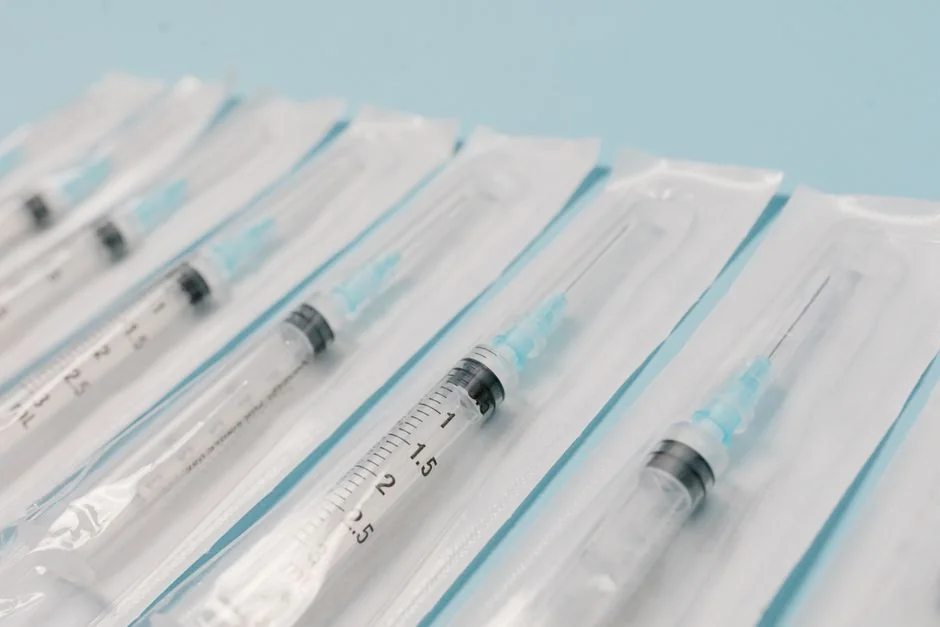
These preparations are extracted from animal testicular tissue. In the United States, Amphadase is derived from bovine (cattle) testes and Vitrase from ovine (sheep) testes, both supplied at 150 and 200 USP units per millilitre respectively.
Because they are biological extracts, they contain residual animal proteins alongside the active enzyme. That residue is the main theoretical driver of allergic sensitisation.
Human-derived (recombinant) hyaluronidase
Recombinant human hyaluronidase — rHuPH20, marketed in the United States as Hylenex — is not harvested from any animal. According to its US prescribing information, it is produced by genetically engineered Chinese Hamster Ovary cells carrying a DNA plasmid encoding a soluble fragment of human hyaluronidase (PH20).
The result is a highly purified enzyme with a human amino acid sequence. A 2021 aesthetic-medicine guideline published in the Journal of Clinical and Aesthetic Dermatology describes the recombinant product as the purest formulation available, with no documented cases of allergy reported at the time of writing.
Animal-Derived vs Human-Derived: Safety and Allergy Risk Compared

The honest summary is that allergic reactions to hyaluronidase of any origin are uncommon, but the two categories do not carry an identical risk profile.
| Feature | Animal-derived (ovine / bovine) | Human-derived (recombinant rHuPH20) |
|---|---|---|
| Source | Sheep or cattle testicular extract | Genetically engineered cell culture; human PH20 sequence |
| Example products | Vitrase (ovine), Amphadase (bovine), UK-licensed animal-derived preparations | Hylenex recombinant |
| Residual foreign protein | Present; the main theoretical allergy driver | Minimal; described as the purest available formulation |
| Reported allergy signal | Hypersensitivity and, rarely, anaphylaxis reported; historical concern strongest with bovine products | No documented allergy cases reported in the 2021 guideline; label still lists hypersensitivity as a contraindication |
| Cross-reactivity concerns | Avoid in patients allergic to bovine collagen or bee stings due to possible cross-reactivity | Not associated with bee sting or bovine collagen cross-reactivity |
| Typical vial size | Often 1,500 units per vial — easier storage and dilution | 150 units/mL; multiple vials may be needed for firm fillers |
| Status in Japan | Not approved domestically for dissolving cosmetic filler; obtained by physician-directed import |
How often do reactions actually occur?
Figures vary by source and by how “reaction” is defined. A 2025 comparison study in Aesthetic Surgery Journal reports the incidence of allergic reactions to hyaluronidase at 0.05 to 0.69 percent, with urticaria and angioedema occurring at even lower frequency.
The US prescribing information for the recombinant product states that allergic reactions have been reported in fewer than 0.1 percent of patients receiving hyaluronidase, with anaphylactic-like reactions occurring rarely. The 2021 guideline is more conservative still, noting that since 1949 there have been four published case reports of allergic reactions to hyaluronidase requiring adrenaline.
One practical detail is worth remembering: the same 2025 review notes that these reactions can present up to 120 hours — five days — after injection. A calm first hour does not entirely close the window.
Who is at higher risk?
Clinical reports indicate that patients with a history of allergy to bee or wasp stings warrant particular caution before animal-derived hyaluronidase, because of possible cross-reactivity. The 2021 guideline reports that people with large local reactions to stings carry an anaphylaxis risk of up to 5 percent, with a substantially higher figure quoted for those who have previously had sting-related anaphylaxis.
Allergy to bovine collagen is a second screening flag. Neither of these applies in the same way to the recombinant human product, which is one of the main practical reasons a clinician might select it.
In consultations at BIOTOPE CLINIC in Shirokanedai, Dr. Karibe’s team reviews allergy history — including reactions to stings and to previous injectable treatments — before any hyaluronidase is used, and explains which preparation is planned.
Does the Source Affect How Well Filler Dissolves?
This is where the evidence is genuinely mixed, and where readers are often given a one-sided answer.
An in vitro study published in Facial Plastic Surgery & Aesthetic Medicine in 2023 compared ovine and human recombinant hyaluronidase across nine hyaluronic acid fillers and found that the recombinant form degraded more hyaluronic acid on average (p = 0.014).
A larger 2025 in vitro comparison in Aesthetic Surgery Journal reached a more equivocal conclusion, stating that ovine hyaluronidase appears to be just as effective as recombinant hyaluronidase in terms of dissolving product. That study also found that 300 units of hyaluronidase was sufficient to degrade 0.2 mL of the most resistant hyaluronic acid fillers within one hour.
Both are laboratory studies, not head-to-head trials in living tissue. Taken together, studies suggest that dose and technique matter more to the outcome than the choice between ovine and recombinant enzyme.
What People Often Get Wrong
Misconception 1: “Human-derived means zero immune response.”
It does not. Reference material from the US National Library of Medicine’s StatPearls notes that approximately 6 percent of the population carries anti-rHuPH20 antibodies, although these are non-neutralising. The recombinant product’s own label still lists known hypersensitivity to hyaluronidase as a contraindication.
Misconception 2: “A skin test before treatment removes the risk.”
A preliminary intradermal test is described in the product labelling — roughly 0.02 mL (3 units) of a 150 unit/mL solution, with a wheal and pseudopods appearing within 5 minutes counting as positive. However, the 2025 review states that consensus panels have not demonstrated much utility in routine skin testing given how low the incidence of allergic reaction is, and the 2021 guideline advises against routine intradermal testing in the absence of a compatible clinical history. Careful history-taking and readiness to treat a reaction are more useful than a reflexive test.
Cost in Tokyo and Regulatory Status in Japan
Hyaluronidase is generally handled in Japanese aesthetic practice as an unapproved drug — it does not hold Japanese marketing approval for dissolving cosmetic filler, and clinics obtain it through physician-directed import. This is standard across the sector, but it has consequences patients should understand.
Official guidance from Japanese public health authorities states plainly that health damage caused by personally imported medicines is not eligible for Japan’s national adverse drug reaction relief system, and that quality, efficacy and safety have not been confirmed under Japan’s Pharmaceuticals and Medical Devices Act for such products. Ask any clinic which preparation they use and how it was sourced.
On cost, our group’s published price list (effective 1 October 2023, tax included) lists hyaluronidase at 11,000 yen per 0.1 mL for filler placed within the group, and 22,000 yen per 0.1 mL for filler originally injected at another clinic. Most corrections require more than 0.1 mL, and firm or large-volume filler requires more enzyme, so the final figure depends on the area and the product being dissolved. Prices are subject to change — please see the clinic’s official price page or contact us for a current quote. For an accurate quote, please book a consultation.
Have a question about this treatment?
Message us on LINE or WhatsApp — our English-speaking team usually replies the same day.
What to Expect, and Who Is a Good Candidate
Before: Expect a consultation covering what filler was injected, when, and where, plus a full allergy history. Photographs and palpation help identify how much product remains.
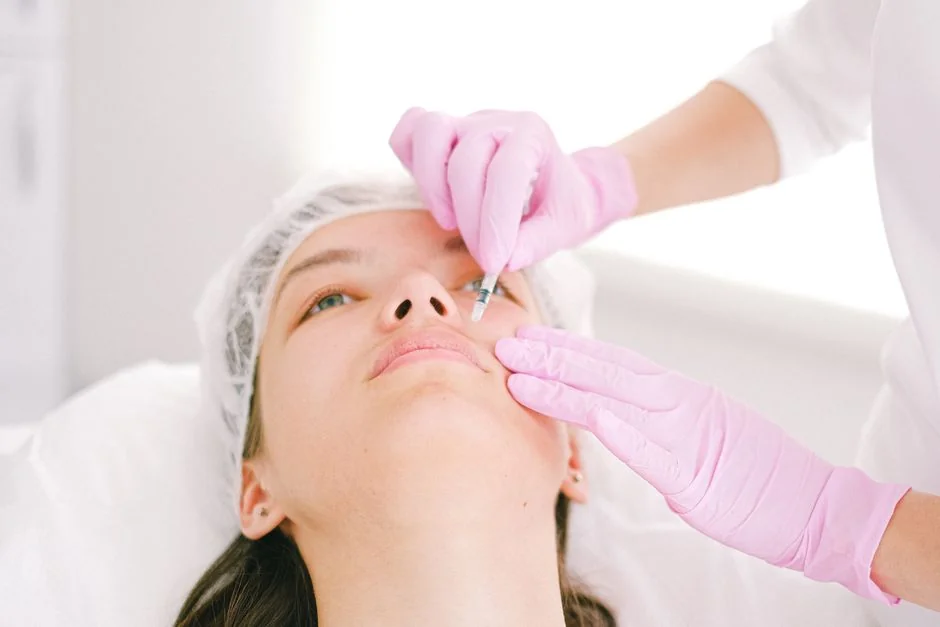
During: The enzyme is injected directly into the filler deposit, usually with topical anaesthetic. The procedure itself typically takes only a few minutes per area.
After: Swelling, redness and bruising at the injection points are common and usually settle within a few days. Softening is often visible within 24 to 48 hours, though firmer fillers may need a second session.
Good candidates include people with overfilled or migrated filler, visible lumps or nodules, a bluish Tyndall effect under thin skin, or asymmetry after injection. It is also the standard first-line treatment for suspected vascular compromise after filler.
Who should be cautious or avoid it: anyone with a known hypersensitivity to hyaluronidase; those with a history of anaphylaxis to bee or wasp stings or to bovine collagen, particularly with animal-derived preparations; and patients with active infection at the injection site. Pregnancy and breastfeeding warrant an individual discussion. Note that hyaluronidase only degrades hyaluronic acid — it has no effect on permanent or semi-permanent fillers.
Frequently Asked Questions
- Q. Is human-derived hyaluronidase always the safer choice?
- It has the more favourable purity and cross-reactivity profile, and published reports of allergy are extremely rare. However, allergy to animal-derived preparations is also uncommon, and the choice often depends on availability, vial size and the volume of filler to be dissolved.
- Q. Do I need an allergy test before treatment?
- Not routinely. Published guidance indicates that routine intradermal testing has limited value given the very low incidence of reactions, and that a careful allergy history is more informative. Your doctor may still test in selected cases.
- Q. How soon will I see a result?
- Softening is often noticeable within one to two days, with the fuller picture at one to two weeks once swelling settles. Firmer, highly cross-linked fillers may need more than one session.
- Q. Can hyaluronidase dissolve all fillers?
- No. It acts only on hyaluronic acid. Fillers based on other materials will not respond, which is one reason knowing exactly what was injected is important.
Have a question about this treatment?
Message us on LINE or WhatsApp — our English-speaking team usually replies the same day.
Summary
Animal-derived hyaluronidase and recombinant human hyaluronidase both degrade hyaluronic acid filler effectively, and laboratory comparisons disagree on whether one has a modest edge. The clearer difference is immunological: the recombinant human product is the more purified option and is not associated with bee sting or bovine collagen cross-reactivity, while overall allergy rates for either remain low, reported in the range of roughly 0.05 to 0.69 percent and under 0.1 percent depending on the source consulted.
What protects you most is not the label on the vial but the process around it — an accurate history of what filler you had, honest allergy screening, an appropriate dose, and a clinic equipped to manage a reaction if one occurs.
Within our clinic group, both BIOTOPE CLINIC (Shirokanedai, Minato-ku) and Kojimachi Dermatology & Plastic Surgery Clinic (Ichigaya, Chiyoda-ku) offer English-language consultation with Dr. Jun Karibe’s team.
Hyaluronidase treatment for dissolving hyaluronic acid filler is handled at Kojimachi Dermatology & Plastic Surgery Clinic,BIOTOPE CLINIC (Shirokanedai, Minato-ku). Bookings and enquiries in English: LINE or WhatsApp.
Related injectable treatments — including hyaluronic acid filler, Botox and skin-tightening devices such as HIFU — are also available at BIOTOPE CLINIC in Shirokanedai; feel free to ask about them during a consultation with Dr. Karibe.
If you have questions about animal-derived versus human-derived hyaluronidase, both BIOTOPE CLINIC (Shirokanedai, Minato-ku) and Kojimachi Dermatology & Plastic Surgery Clinic (Ichigaya, Chiyoda-ku) offer English-language consultation with Dr. Karibe and his team. Hyaluronidase treatment is primarily handled at BIOTOPE CLINIC. English enquiries: LINE or WhatsApp.
24/7 Consultation & Booking
Book a Consultation or Treatment
Our English-speaking team responds via LINE or WhatsApp — usually the same day.
References
- Safran T, Khalaf R, Metelitsa A, Woodward J, Nikolis A. Comparison of the Degradability of Hyaluronic Acid by Ovine and Recombinant Human Hyaluronidase. Aesthetic Surgery Journal. 2025;45(10):1086–1093.
- Beatrous BP, Liddell PH, Turner LM, Raucher D, Jordan JR. In Vitro Comparison Between Ovine and Human Recombinant Hyaluronidase on Hyaluronic Acid Fillers. Facial Plastic Surgery & Aesthetic Medicine. 2023;25(5):391–395.
- Murray G, Convery C, Walker L, Davies E. Guideline for the Safe Use of Hyaluronidase in Aesthetic Medicine, Including Modified High-dose Protocol. Journal of Clinical and Aesthetic Dermatology. 2021;14(8):E69–E75.
- Daniels P, Patel P. Hyaluronidase. StatPearls. National Library of Medicine, NCBI Bookshelf. Updated 2026.
- HYLENEX recombinant (hyaluronidase human injection) US Prescribing Information. Halozyme Therapeutics. US Food and Drug Administration / DailyMed. https://www.fda.gov/
Related Articles
You may also find these articles useful.
- Dermal Filler Tokyo: Price Guide & Clinic Selection Tips
- How Long Should You Stay in Tokyo for HA Filler? Downtime, Bruising & Flying Guide
- Under Eye Filler Tokyo: Risks, Benefits & Costs
- Lip Filler Tokyo: Cost, Treatment & Clinic Guide
- Filler for Jawline and Cheeks Tokyo
SUPERVISED BY

Dr. Jun Karibe
MD
Director
Education & Career
Certifications
Awards
MEDICAL REVIEW