Collagen Booster Treatments in Tokyo: What to Expect, How They Work, and Where to Start
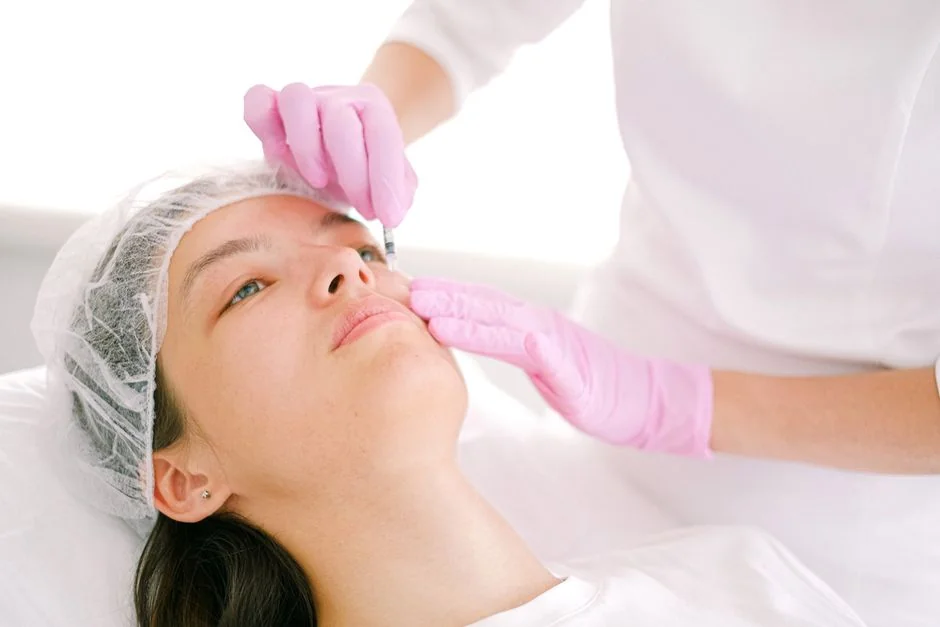
If you have noticed your skin looking less firm, more hollow, or simply less vibrant than it once did, you are not alone — and you are certainly not imagining it. Collagen loss is a natural part of ageing, and many of our international patients in Tokyo come to us specifically looking for safe, evidence-based ways to restore that underlying structure.
This article explains what collagen booster treatments are, how the main options compare, what results are realistic, and what they typically cost at a reputable clinic in central Tokyo.
What you’ll learn in this article:
- What collagen booster treatments are and how they stimulate the skin from within
- The key differences between injectable, device-based, and topical collagen-stimulating options
- Realistic results and how long they tend to last
- Typical cost ranges at a Tokyo clinic in 2024–2025
- Who is — and who is not — a good candidate for these treatments
Have a question about this treatment?
Message us on LINE or WhatsApp — our English-speaking team usually replies the same day.
What Is a Collagen Booster Treatment?
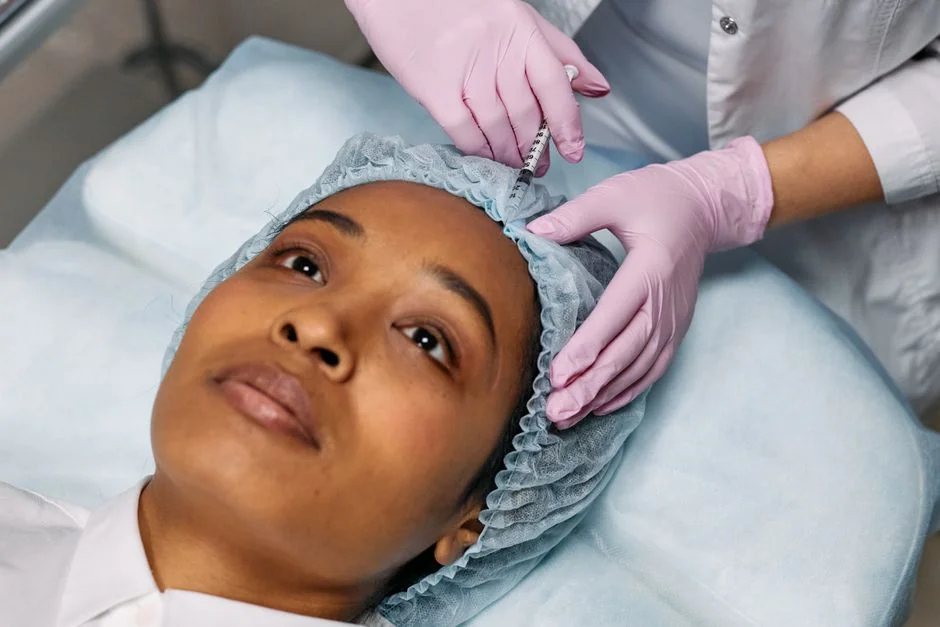
Collagen is a structural protein that gives skin its firmness, elasticity, and overall volume. From the mid-twenties onwards, the body produces roughly 1% less collagen per year, a process that accelerates after hormonal changes such as menopause. The visible result is skin laxity, deepening lines, hollowed cheeks, and a general loss of the “lift” the face once had naturally.
A collagen booster treatment is any clinically validated procedure designed to stimulate the body’s own fibroblasts — the cells responsible for producing collagen — rather than simply masking the deficit with an external filler.
The goal is to encourage genuine biological renewal beneath the skin’s surface. There are several broad categories, each working through a different mechanism.
How Do Collagen Booster Treatments Work?
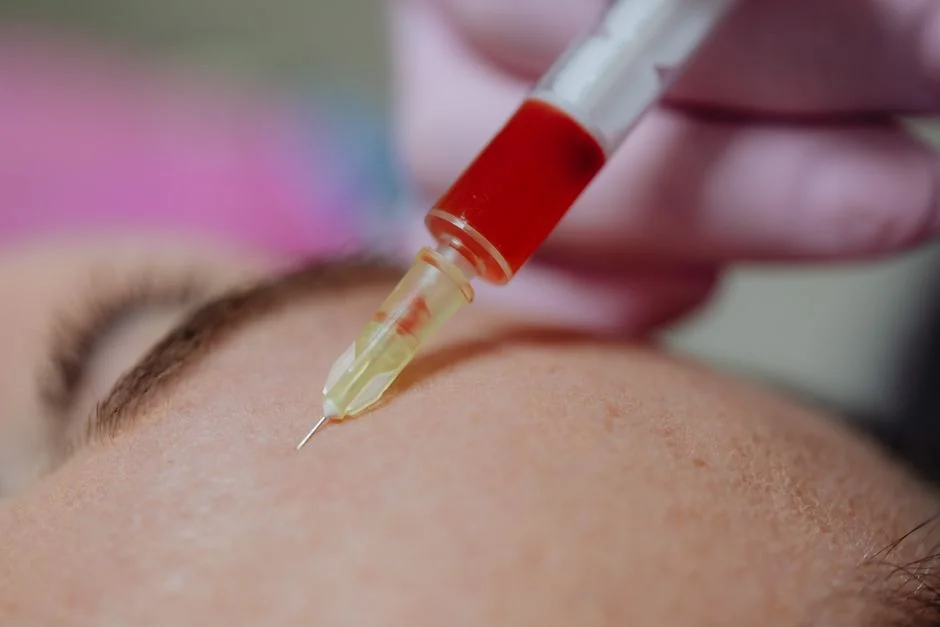
Different treatments trigger collagen synthesis through different pathways. Understanding these mechanisms helps set realistic expectations and makes it easier to choose the right option with your physician.
Radiofrequency Microneedling (RF Microneedling)
Devices such as Morpheus8 and POTENZA combine fine needles with radiofrequency (RF) energy. The needles create controlled micro-injuries in the dermis, while the RF heat — delivered at precise depths — stimulates fibroblast activity and promotes collagen remodelling. Clinical reports indicate that RF microneedling can produce measurable improvements in skin laxity and texture after a series of two to four sessions, with collagen remodelling continuing for three to six months after each treatment.
Morpheus8 is available at the BIOYOPE CLINIC or Kojimachi Dermatology & Plastic Surgery Clinic — feel free to ask about it during a consultation.
High-Intensity Focused Ultrasound (HIFU)
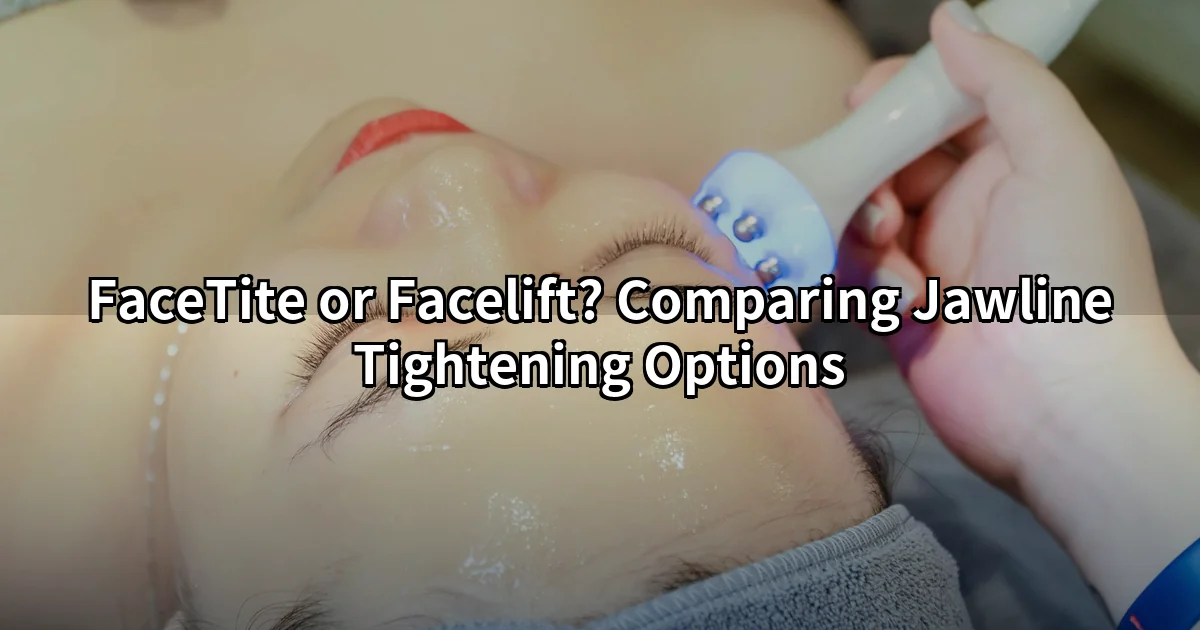
HIFU delivers focused ultrasound energy to the deeper structural layers of the skin, including the SMAS (superficial muscular aponeurotic system) — the same layer addressed in surgical facelifts.
The thermal effect at these deeper layers stimulates new collagen production and contraction of existing fibres, producing a gradual lifting and tightening effect without any incisions.
Polynucleotide (PDRN / PN) and Biostimulator Injectables
A newer and increasingly popular category of collagen boosters involves injecting bioactive compounds — such as polynucleotides (derived from purified DNA fragments) or poly-L-lactic acid (PLLA) — directly into the dermis. These substances do not add volume immediately; instead, they signal the skin to produce its own collagen over several weeks. JUVELOOK, available at this clinic, falls within this category of regenerative injectable biostimulators.
CO2 Fractional Laser
The CO2 fractional laser creates thousands of microscopic treatment zones in the skin, triggering a wound-healing response and subsequent collagen synthesis. It is particularly effective for textural concerns such as acne scars and enlarged pores, while simultaneously improving overall skin tone and firmness.
Dr. Karibe’s Note
Many of our international patients are surprised to find that the most effective approach to collagen restoration is rarely a single treatment.
In practice, we often combine a device-based treatment — such as HIFU or RF microneedling — with an injectable biostimulator, because each works on a different layer of the skin and through a different mechanism.
A thorough consultation is essential before deciding on any protocol, as skin type, depth of concern, and individual healing response all influence the plan.
Comparing Key Collagen Booster Treatments
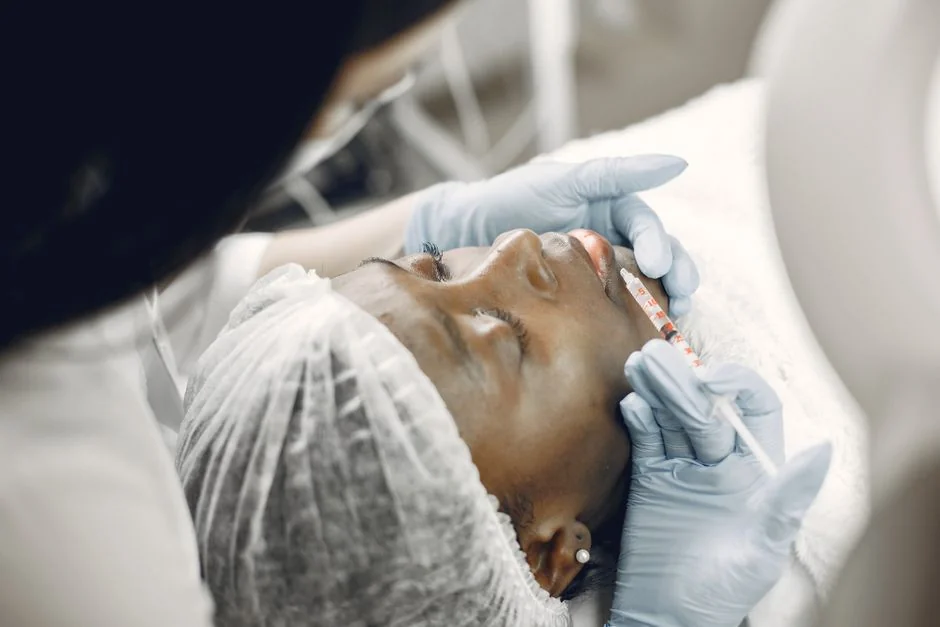
The following table provides a comparative overview of the main collagen-stimulating treatments available at the clinic, to assist readers in understanding their options before booking a consultation.
| Treatment | Mechanism | Target Depth | Sessions Typically Needed | Downtime | Best For |
|---|---|---|---|---|---|
| HIFU | Focused ultrasound heat | Deep dermis / SMAS | 1–2 per year | Minimal (1–2 days mild swelling) | Skin laxity, jowls, brow lift |
| Morpheus8 (RF Microneedling) | RF energy + micro-injury | Mid to deep dermis | 2–4 sessions | 3–5 days redness/pinpoint marks | Skin tightening, texture, pores |
| POTENZA (RF Microneedling) | RF energy + micro-injury | Adjustable (superficial to deep) | 2–4 sessions | 2–4 days | Fine lines, skin renewal |
| JUVELOOK (Injectable Biostimulator) | Polynucleotide / PN stimulation | Intradermal injection | 3–5 sessions | Minimal (mild swelling/bruising) | Skin quality, hydration, thin skin |
| CO2 Fractional Laser | Controlled ablation + heat | Epidermis and dermis | 1–3 sessions | 5–10 days | Scars, pores, texture, pigmentation |
What Results Can Be Expected?
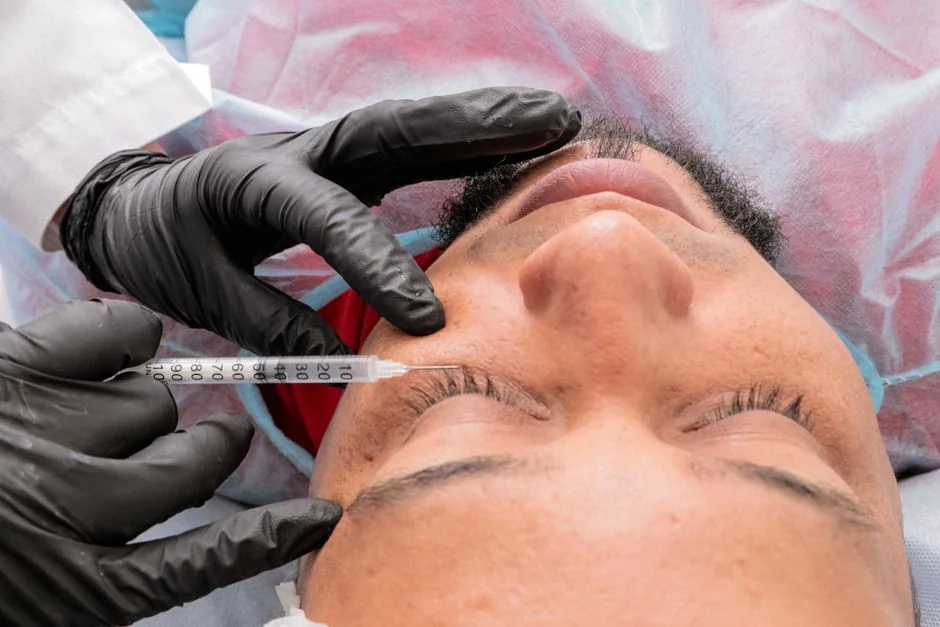
Because collagen booster treatments work by stimulating biological processes rather than immediately filling or lifting tissue, results are gradual. Most patients notice an initial improvement in skin texture and hydration within four to eight weeks, with more noticeable lifting and tightening becoming apparent at three to six months.
Studies suggest that HIFU produces clinically measurable improvements in skin laxity in approximately 60–70% of treated patients, with effects lasting 12–18 months on average.
It is important to understand that outcomes vary depending on age, baseline skin quality, lifestyle factors such as sun exposure and smoking, and overall health. No procedure can replicate the structural collagen of a 25-year-old dermis, but meaningful, natural-looking improvement is achievable for most suitable candidates.
In our clinical experience at Kojimachi Dermatology & Plastic Surgery Clinic, patients who commit to a multi-session protocol and support their treatment with appropriate skincare — such as medical-grade formulations from the Zo Skin Health range — tend to sustain their results longer than those who treat skin renewal as a one-time event.
Common Misconceptions About Collagen Booster Treatments
Misconception 1: “Collagen creams and supplements do the same thing.”
Topical collagen molecules are generally too large to penetrate the skin barrier and reach the dermis where collagen synthesis occurs.
While certain ingredients — such as retinoids and vitamin C — have well-documented evidence for supporting collagen production at the cellular level, they do not produce the same degree of structural change as device-based or injectable collagen stimulators. Oral collagen supplements show some emerging evidence, but current data remains less robust than for in-clinic procedures.
Misconception 2: “One session is enough.”
Many patients arrive expecting a single treatment to deliver long-lasting, dramatic results. In reality, most collagen-stimulating protocols require a series of sessions to achieve optimal outcomes, and maintenance treatments every 12–18 months are typically recommended.
This is not a sales tactic — it reflects the biology of collagen production and the rate at which the body naturally breaks collagen down over time.
Cost of Collagen Booster Treatments in Tokyo
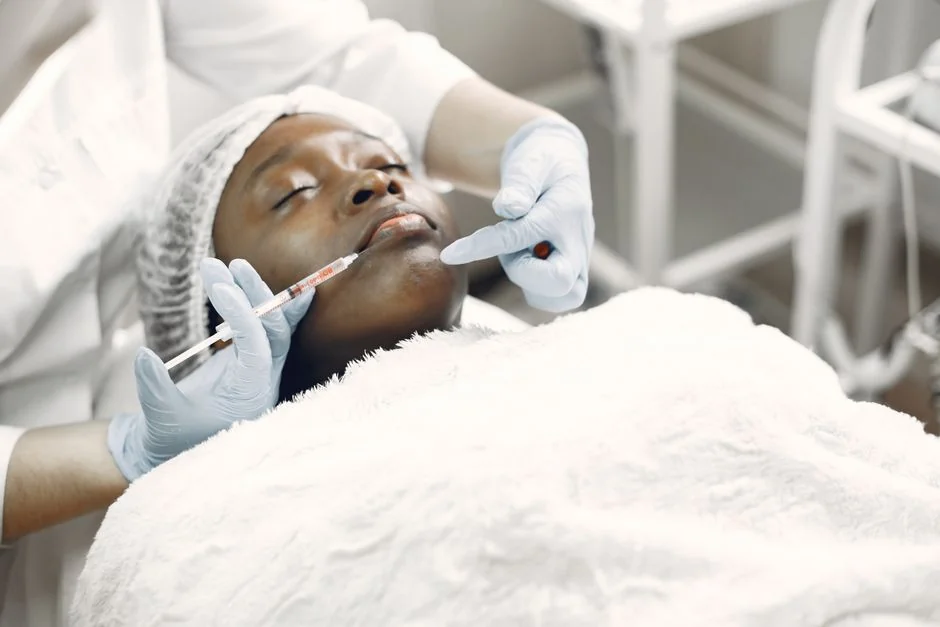
Pricing at BIOYOPE CLINIC or Kojimachi Dermatology & Plastic Surgery Clinic varies depending on the treatment chosen, the area treated, and the number of sessions in the protocol. The ranges below reflect the clinic’s official pricing as of 2024–2025.
- HIFU: ¥25,000–¥110,000 per session (area dependent)
- Morpheus8 / RF Microneedling (POTENZA): ¥35,000–¥49,800 (POTENZA); Morpheus8 — consult for specific pricing
- JUVELOOK (injectable biostimulator): ¥11,000–¥267,300 (dependent on volume and area)
- CO2 Fractional Laser: ¥11,000–¥66,000 per session
- Dermapen (for skin quality and collagen support): ¥9,800–¥220,000
- Initial consultation: ¥3,300 / Surgical consultation with Dr. Karibe: ¥2,200
For an accurate quote, we recommend booking a consultation.
Have a question about this treatment?
Message us on LINE or WhatsApp — our English-speaking team usually replies the same day.
What to Expect: Before, During, and After Treatment
Before
A thorough consultation is essential before any collagen booster treatment. The physician will assess your skin type, medical history, current medications (including blood thinners and retinoid use), and aesthetic goals. Patients are typically advised to avoid prolonged sun exposure and to discontinue certain topical actives — such as prescription retinoids — for several days prior to treatment.
During
Most collagen booster procedures are performed in-clinic without general anaesthesia. A topical numbing cream is applied beforehand for device-based treatments or injections, and the procedure itself typically takes 30–60 minutes depending on the area. Patients generally remain comfortable throughout, though some warmth, pressure, or mild stinging is normal.
After
Downtime varies by treatment. HIFU ,RF such as Volnewmer or XERF and injectable biostimulators involve minimal downtime — mild swelling or redness resolving within one to two days.
RF microneedling may leave the skin red with pinpoint marks for three to five days. CO2 fractional laser carries the most recovery time, with visible peeling and redness lasting up to ten days. Diligent sun protection after any collagen booster treatment is essential to protect the newly remodelling skin.
Who Is a Good Candidate?
Collagen booster treatments are generally well-suited to adults in their late twenties and older who are experiencing early to moderate signs of skin laxity, volume loss, or textural change.
They are particularly valuable for patients who want to address these concerns without surgery, or who wish to extend the results of prior surgical or non-surgical rejuvenation.
Patients who are not considered suitable candidates include:
- Pregnant or breastfeeding women
- Individuals with active skin infections, open wounds, or inflammatory conditions in the treatment area
- Those with certain autoimmune conditions or on immunosuppressive medication (requires careful physician evaluation)
- Patients with metal implants or pacemakers in or near the treatment area (particularly for RF-based devices)
- Individuals with very advanced skin laxity who may be better served by surgical options
A consultation with a board-certified physician is the safest and most reliable way to determine which treatment — or combination of treatments — is appropriate for your specific concerns and medical background.
Frequently Asked Questions
- Q. How long do collagen booster results last?
- This depends on the treatment type and the individual’s natural ageing process. HIFU results typically last 12–18 months, while injectable biostimulators such as JUVELOOK may require top-up sessions every 6–12 months. Ongoing collagen loss means maintenance is part of any long-term skin health strategy.
- Q. Is HIFU or RF microneedling better for collagen stimulation?
- The two technologies work at different depths and through different mechanisms, so they are not directly interchangeable. HIFU targets deeper structural layers and is particularly effective for lifting and contouring, while RF microneedling works more within the dermis and is excellent for skin texture, tightening, and pore refinement. Many patients benefit from combining both, though this is determined on a case-by-case basis during consultation.
- Q. Are collagen booster treatments painful?
- Most patients describe tolerable discomfort rather than significant pain. Topical anaesthetic cream is applied before device-based treatments and injections to minimise sensation. Some warmth or pressure during HIFU is common. Pain tolerance varies between individuals, and the treating physician will adjust settings or approach to ensure patient comfort.
- Q. Can collagen booster treatments be combined with other procedures?
- Yes, combination protocols are common and often yield better outcomes than any single treatment in isolation. For example, HIFU may be paired with injectable biostimulators to address both deep structure and skin quality simultaneously. Your physician will advise on safe timing and sequencing to avoid overloading the skin.
- Q. Are these treatments safe for darker skin tones?
- This is an important question that is frequently overlooked. Some laser-based treatments carry a higher risk of post-inflammatory hyperpigmentation in Fitzpatrick skin types IV–VI. RF-based devices and injectable biostimulators are generally considered safer across a broader range of skin tones. An experienced physician will assess your skin type carefully and adjust treatment parameters accordingly.
Have a question about this treatment?
Message us on LINE or WhatsApp — our English-speaking team usually replies the same day.
Summary
Collagen booster treatments represent one of the most scientifically grounded categories of non-surgical aesthetic medicine available today.
Whether through high-intensity focused ultrasound, radiofrequency microneedling, injectable biostimulators, or fractional laser, each approach works by engaging the body’s own regenerative biology rather than simply adding an external substance.
Results are gradual, realistic, and — for well-selected candidates — often meaningfully satisfying.
The key to a safe and effective outcome lies in accurate diagnosis, appropriate treatment selection, and a physician-guided protocol. Tokyo offers a wide range of clinics providing these services, and it is worth seeking out a facility with board-certified physicians who can assess your individual needs thoroughly.
If you have questions about collagen booster treatment Tokyo, our team at BIOTOPE CLINIC or Kojimachi Dermatology & Plastic Surgery Clinic in Ichigaya, Tokyo would be happy to help. We offer consultations in English.
24/7 Consultation & Booking
Book a Consultation or Treatment
Our English-speaking team responds via LINE or WhatsApp — usually the same day.
References
- Suh DH, Shin MK, Lee SJ, et al. Intense focused ultrasound tightening in Asian skin: clinical and pathological results. Dermatologic Surgery. 2011.
- Alster TS, Tanzi EL. Improvement of neck and cheek laxity with a nonablative radiofrequency device: a lifting experience. Dermatologic Surgery. 2004.
- Alexiades-Armenakas M, Dover JS, Arndt KA. Fractional laser skin resurfacing and remodeling of the dermis. Seminars in Cutaneous Medicine and Surgery. 2008.
- Amin SP, Goldberg DJ. Clinical comparison of four hair removal lasers and light sources. Journal of Cosmetic and Laser Therapy. 2006.
- Lacombe V. Sculptra: a stimulatory filler. Facial Plastic Surgery. 2009.
Related Articles
You may also find these articles useful.
- Morpheus8 RF Microneedling Tokyo: Cost & Results
- Skin Tightening Treatment Tokyo: Options and Cost
- Non-Surgical Facelift Tokyo for Foreigners: Full Guide
- How to Treat Facial Sagging: HIFU, RF Microneedling, Fillers, and Facelift Options Explained
SUPERVISED BY
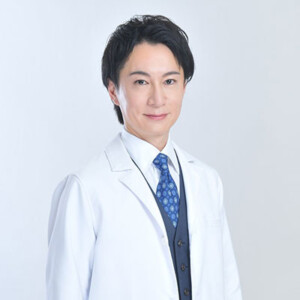
Dr. Jun Karibe
MD
Director
Education & Career
Certifications
Awards
MEDICAL REVIEW