HIFU vs RF Microneedling for Facial Sagging: Which Is Right for You?
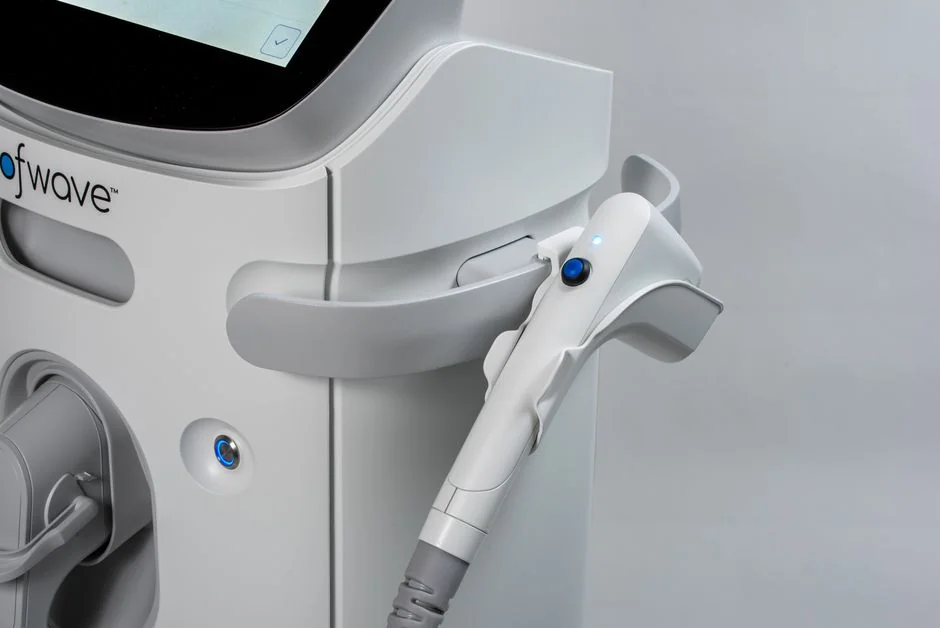
Noticing that your cheeks, jawline, or brow have begun to lose their firmness is one of the most common concerns among people in their thirties and beyond — and it can feel frustrating when skincare alone stops making a visible difference. This article compares two of the most clinically established non-surgical lifting treatments available today: High-Intensity Focused Ultrasound (HIFU) and Radiofrequency (RF) Microneedling, explaining how each works, what results are realistic, what they cost in Tokyo, and how to decide which approach suits your skin.
What you’ll learn in this article:
- How HIFU and RF microneedling work, and why they target different tissue depths
- What results you can realistically expect from each treatment
- How much each treatment costs in Tokyo
- Who is a suitable candidate — and who should wait or consider alternatives
- Common misconceptions that lead people to choose the wrong treatment
Have a question about this treatment?
Message us on LINE or WhatsApp — our English-speaking team usually replies the same day.
What Is HIFU?
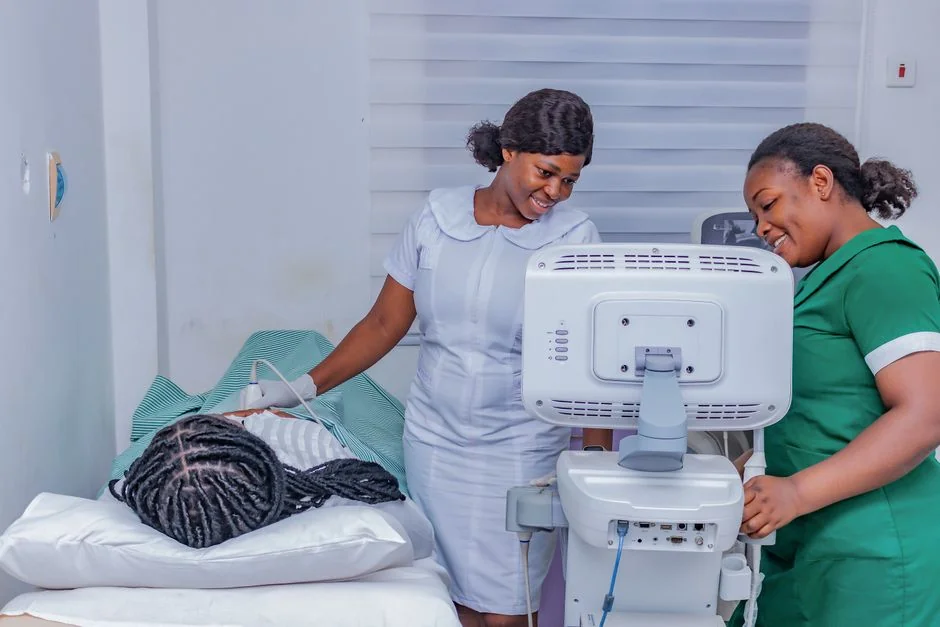
HIFU stands for High-Intensity Focused Ultrasound. It delivers precisely focused ultrasound energy to specific depths beneath the skin — most importantly, to the SMAS layer (the superficial musculoaponeurotic system), which is the same fibromuscular layer that surgeons address during a surgical facelift.
By creating controlled heat injury at depths of 1.5 mm, 3.0 mm, and 4.5 mm without breaking the skin surface, HIFU stimulates the body’s natural collagen-repair response.
Over the following weeks and months, this leads to gradual tightening and a subtle but measurable lifting effect. Because the ultrasound energy bypasses the outer skin layers, the surface itself is left essentially undisturbed.
HIFU is particularly well-regarded for lifting the brow, tightening the mid-face, and improving jawline definition. It is not primarily a skin-texture treatment — its strength lies in addressing deeper structural laxity.
What Is RF Microneedling(Morpheus8 or POTENZA)?
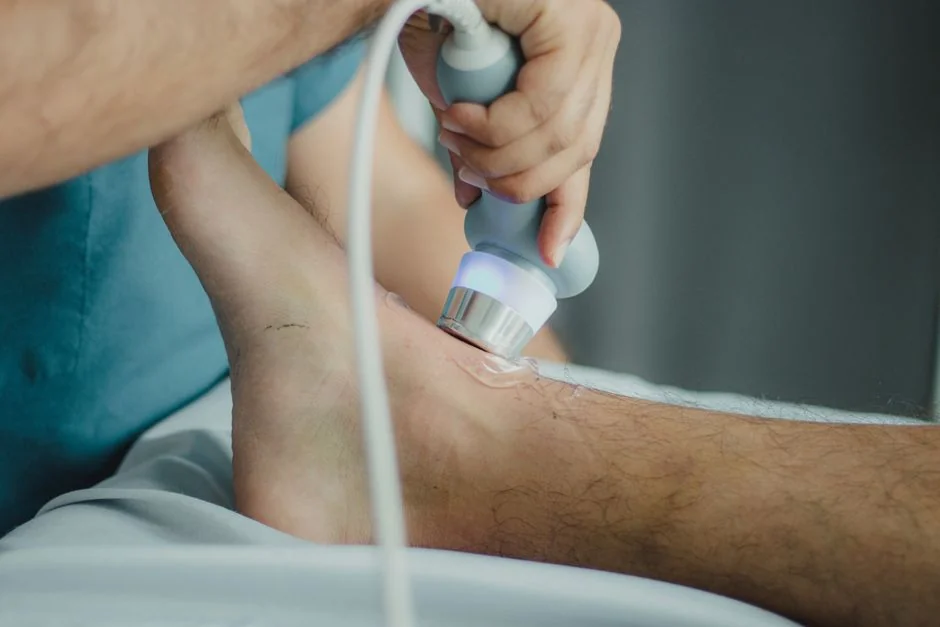
RF Microneedling combines two established technologies: microneedling (the controlled creation of microscopic channels in the skin using fine needles) and radiofrequency energy (heat delivered through those needle tips directly into the dermis).
The combination allows radiofrequency energy to be deposited at a precise, adjustable depth in the skin, triggering both wound-healing collagen production and tissue coagulation for skin-tightening effects.
Unlike HIFU, RF microneedling works primarily within the dermis — the structural middle layer of the skin.
This makes it especially effective for improving skin texture, minimising pore size, reducing fine lines, addressing acne scarring, and tightening skin laxity in the lower face and neck. The controlled needling also allows customisation for different areas and skin types.
At BIOTOPE CLINIC in Shirokanedai, Morpheus8 is the RF microneedling platform used by Dr. Karibe. Morpheus8 uses bipolar radiofrequency delivered through a matrix of fine needles and can penetrate to depths of up to 8 mm, allowing it to treat both the dermis and, in certain protocols, the superficial fat layer beneath — making it one of the more versatile RF microneedling devices available.
How They Compare: A Side-by-Side Overview
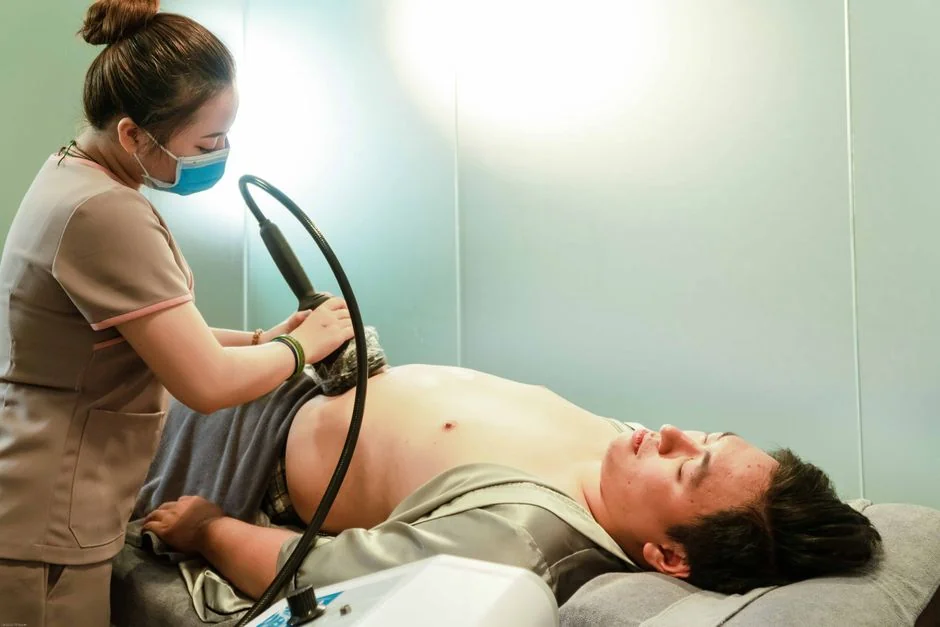
Both treatments target facial laxity through heat-induced collagen remodelling, but their mechanisms, target depths, and ideal indications differ in meaningful ways. The table below summarises the key clinical differences.
| Feature | HIFU | RF Microneedling (Morpheus8) |
|---|---|---|
| Energy type | Focused ultrasound | Radiofrequency + mechanical microneedling |
| Primary target depth | 1.5 mm – 4.5 mm (dermis to SMAS) | 0.5 mm – 8 mm (dermis to sub-dermis) |
| Skin surface disruption | None (fully non-invasive) | Minimal (micro-channels close within hours) |
| Primary lifting target | Structural/SMAS-level lifting (brow, mid-face, jawline) | Dermal tightening, lower face, neck, texture |
| Skin texture improvement | Modest | Significant (pores, scars, fine lines) |
| Downtime | Minimal (mild redness, 1–2 days) | Mild to moderate (redness/pinpoint marks, 2–4 days) |
| Sessions typically needed | 1 (maintenance every 6–12 months) | 1–3 (spaced 4–6 weeks apart) |
| Best suited for | Brow ptosis, mid-face descent, jawline blurring | Skin laxity + texture, lower face, acne scarring |
| Pain level (approximate) | Moderate (tolerable with topical anaesthetic) | Moderate (topical anaesthetic standard) |
| Cost range at BIOTOPE CLINIC | ¥25,000 – ¥110,000 | Morpheus8 pricing on consultation |
Expected Results: What the Evidence Shows
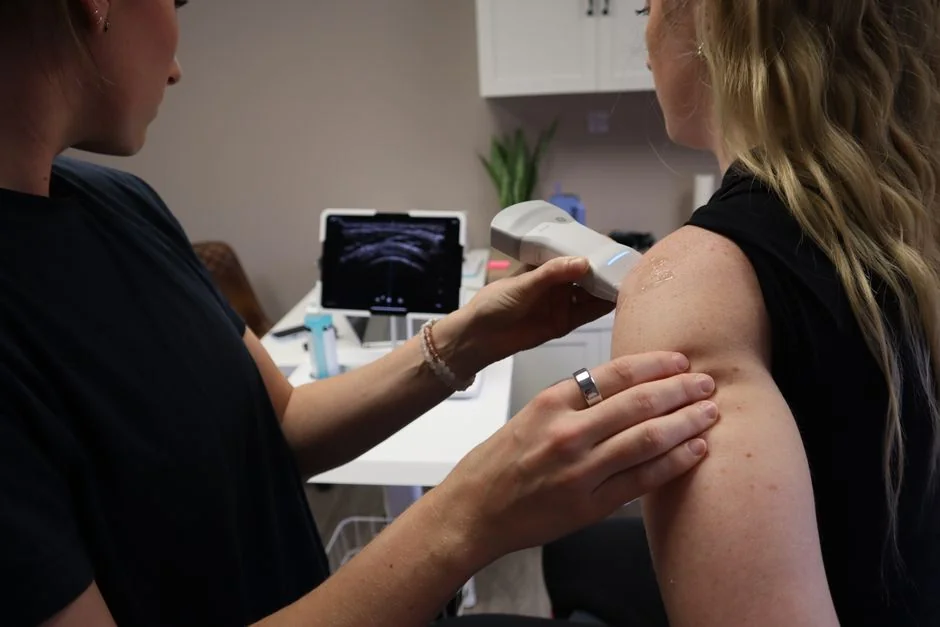
Neither treatment produces overnight results.
Both work by stimulating the body’s own collagen production — a biological process that unfolds gradually over three to six months following each session.
For HIFU, clinical studies suggest meaningful improvements in skin laxity and lifting when assessed by objective measurement. A published review in the journal Dermatologic Surgery reported that high-intensity focused ultrasound produced statistically significant improvements in brow position, nasolabial fold depth, and overall skin firmness in the majority of treated subjects, with effects sustained at six months in most patients. Results tend to be most noticeable in patients with mild to moderate laxity rather than advanced sagging.
For RF microneedling, clinical reports indicate that three sequential treatments with fractional RF devices produced measurable improvement in skin laxity scores and patient-reported satisfaction in the majority of subjects across multiple published trials.
A study published in the Journal of Cosmetic and Laser Therapy found that RF microneedling demonstrated both statistically and clinically significant improvements in skin texture and subdermal tightening, particularly in the lower face and neck, when assessed at three months post-treatment.
In Dr. Karibe’s clinical experience at BIOTOPE CLINIC, patients who respond most visibly to HIFU are typically those whose primary concern is lifting — a drooping brow, a less defined jawline, or early jowling.
Patients who also have concerns about pore size, fine lines, or superficial skin quality often see more well-rounded improvement with RF microneedling or a combination approach.
Cost in Tokyo
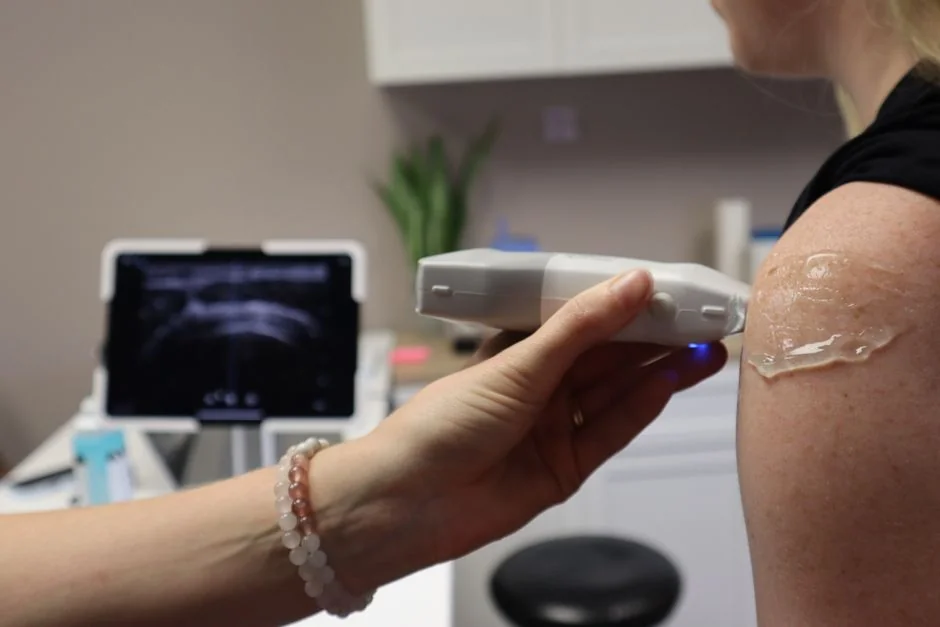
Pricing for energy-based lifting treatments varies considerably across Tokyo, depending on the device used, the number of shots or passes applied, and the clinical setting. At BIOTOPE CLINIC in Shirokanedai, the following price ranges apply:
- HIFU: ¥25,000 – ¥110,000 per session (treatment area and shot count are determined at consultation)
- Morpheus8 (RF Microneedling): Pricing is confirmed at consultation, as it depends on treatment zones and depth protocol
- Initial consultation fee: ¥5500/ Dr. Karibe surgical consultation: ¥3300
It is worth noting that while HIFU is typically a single-session treatment (with maintenance sessions recommended every six to twelve months), RF microneedling protocols often involve a series of two to three sessions spaced four to six weeks apart for optimal results. The total cost of a full RF microneedling course should therefore be factored into any budget comparison with HIFU.
For an accurate quote, we recommend booking a consultation.
Have a question about this treatment?
Message us on LINE or WhatsApp — our English-speaking team usually replies the same day.
What to Expect: Before, During and After
Before Treatment
Both treatments are typically performed without general anaesthesia. A topical numbing cream is applied to the face approximately thirty to forty-five minutes before the procedure begins. During the consultation, Dr. Karibe will assess skin laxity, tissue quality, and facial anatomy to determine the appropriate treatment depth and energy level.
Patients should avoid retinoids and exfoliating acids for several days prior to RF microneedling.
Active skin infections, open wounds, or a recent tan may require postponement. For HIFU, dental implants or metal implants in the treatment area are discussed at consultation, as certain implants may affect treatment planning.
During the Procedure
HIFU sessions typically last 30–60 minutes for a full-face treatment. A transducer handpiece is moved across the face in a systematic pattern; patients often describe a warm, intermittent prickling sensation. RF microneedling with Morpheus8 takes a similar amount of time and involves the stamping of the needle array across the treatment area, with most patients describing a sensation of warmth and mild pressure rather than sharp pain.
After Treatment
Following HIFU, most patients experience mild redness and a sensation of warmth that typically resolves within twenty-four to forty-eight hours. No significant skin disruption occurs.
Following RF microneedling, pinpoint redness and mild swelling are common for two to four days; small grid-like marks from the needle array may be visible for the first one to two days. Both treatments allow a return to normal daily activities quickly, though sun protection and gentle skincare are important in the recovery period.
Common Misconceptions About HIFU and RF Microneedling
Misconception 1: “More shots means better results with HIFU”
A number of clinics market HIFU by advertising a high shot count — 600, 800, or even 1,000 shots — as a sign of superior value. In practice, the clinical benefit of HIFU depends on accurate transducer placement, correct depth selection, and appropriate energy delivery, not on maximising the number of shots fired. Shots delivered at incorrect depths or in areas where they are not clinically warranted do not improve outcomes and may cause discomfort without benefit. At BIOTOPE CLINIC, treatment planning is based on individual anatomy rather than a preset shot count.
Misconception 2: “RF microneedling is essentially the same as regular microneedling”
Standard microneedling (such as Dermapen) stimulates collagen via the wound-healing response triggered by the micro-channels themselves. RF microneedling adds a second mechanism — radiofrequency heat — delivered directly into the dermis through the needle tips, which coagulates tissue and drives additional collagen remodelling at depth. The clinical result, particularly for skin tightening and subdermal lifting, is meaningfully different from standard microneedling alone. The two treatments are not interchangeable for a patient primarily seeking to address laxity.
Dr. Karibe’s Note
Many of our international patients arrive having researched HIFU and RF microneedling extensively online, but are unsure which one to prioritise given their specific concern.
A common question I receive is: “Can I combine both?” In many cases, yes — HIFU and RF microneedling address different tissue levels and can complement each other well when scheduled appropriately.
However, combining treatments on the same day is not always advisable, and the correct sequencing depends on the individual’s skin condition, downtime tolerance, and goals. This is something we assess carefully during the initial consultation at BIOTOPE CLINIC.
Who Is a Good Candidate?
Good candidates for HIFU
- Adults in their late thirties to mid-fifties with mild to moderate facial laxity
- Those whose primary concern is a drooping brow, blurred jawline, or early jowl formation
- People who want a genuinely non-invasive treatment with no skin surface disruption
- Those looking for a once-yearly maintenance treatment rather than a course of sessions
Good candidates for RF Microneedling
- Adults with skin laxity combined with concerns about texture, enlarged pores, fine lines, or acne scarring
- Those primarily concerned with the lower face, jawline, neck, or decolletage
- People who are comfortable with a short post-treatment recovery period
- Those seeking a series of treatments to progressively improve skin quality over several months
Who should consult carefully before proceeding
- Patients with significant skin laxity or deep jowls — a surgical consultation (thread lift, facelift) may yield more meaningful results
- Those with active inflammatory skin conditions, open wounds, or recent isotretinoin use
- Patients who are pregnant or breastfeeding
- Individuals with implantable electronic devices (pacemakers) — requires pre-consultation clearance
- Those with certain metal facial implants — discussed individually at consultation
Both HIFU (available from ¥25,000) and Morpheus8 RF microneedling are treatments available at BIOTOPE CLINIC in Shirokanedai — feel free to ask about either, or about a combined approach, during a consultation with Dr. Karibe.
Where to Get HIFU or RF Microneedling in Tokyo
Within our clinic group, English-speaking consultations are handled at BIOTOPE CLINIC in Shirokanedai (Minato-ku, Tokyo) by Dr. Jun Karibe. Our sister clinic, Kojimachi Dermatology & Plastic Surgery Clinic in Ichigaya (Chiyoda-ku), handles Japanese-language insurance dermatology and serves as the group’s main office. Bookings and enquiries in English: LINE or WhatsApp.
At BIOTOPE CLINIC in Shirokanedai, we frequently see patients who have had HIFU performed elsewhere and are returning either for maintenance or because their initial results did not meet expectations — often due to incorrect depth settings or a very high shot-count protocol that prioritised volume over precision. Dr. Karibe’s approach involves a thorough assessment of individual facial anatomy before any energy settings are selected.
Frequently Asked Questions
- Q. How long does it take to see results from HIFU?
- Initial tightening can sometimes be noticed within the first few weeks, but the primary lifting effect from collagen remodelling typically becomes visible over two to three months following treatment, with the full result apparent at around six months. Results vary between individuals depending on skin quality, age, and the degree of laxity present at the time of treatment.
- Q. Is RF microneedling safe for all skin tones?
- RF microneedling is generally considered safer for darker skin tones than some laser treatments, because radiofrequency energy is not absorbed selectively by melanin (skin pigment). However, this does not mean there is zero risk for any skin type, and a thorough consultation including skin tone assessment is important before proceeding. At BIOTOPE CLINIC, Dr. Karibe assesses each patient’s Fitzpatrick skin type as part of treatment planning.
- Q. Can HIFU replace a surgical facelift?
- No. HIFU can produce a noticeable improvement in mild to moderate skin laxity and is a well-established non-surgical option, but it cannot replicate the degree of lifting achievable through surgical facelift procedures. For patients with significant jowling, heavy skin redundancy, or deep structural descent, a surgical consultation is likely to be more relevant. Dr. Karibe, as a board-certified plastic surgeon, can discuss both surgical and non-surgical options during consultation.
- Q. How often should I repeat these treatments?
- HIFU is typically performed once, with maintenance sessions recommended every six to twelve months as collagen production naturally continues to decline with age. RF microneedling protocols often involve an initial course of two to three sessions spaced four to six weeks apart, followed by periodic maintenance. The appropriate interval depends on the individual’s response and ongoing goals, which is reviewed at follow-up.
- Q. Can the two treatments be done together?
- In many cases, HIFU and RF microneedling can be part of the same treatment plan, as they address different tissue depths and complement each other’s effects. Whether they are performed on the same day or in separate sessions depends on clinical assessment, the patient’s tolerance for downtime, and the specific areas being treated. This is best discussed directly with Dr. Karibe at consultation.
Have a question about this treatment?
Message us on LINE or WhatsApp — our English-speaking team usually replies the same day.
Summary
HIFU and RF microneedling are both well-established, non-surgical approaches to facial laxity, but they work differently and serve somewhat different patient needs. HIFU reaches deep into the structural layer of the face to produce a lifting effect most visible at the brow, mid-face, and jawline, with no skin surface disruption and a single-session protocol.
RF microneedling, particularly with a platform such as Morpheus8, combines collagen stimulation with dermal and sub-dermal tightening, making it well-suited for patients who also have concerns about skin texture, pores, fine lines, or lower-face laxity.
The right choice — or whether a combination approach is appropriate — depends on individual anatomy, skin quality, degree of laxity, and treatment goals. Neither option should be selected based solely on price or shot count. A thorough in-person consultation with a qualified practitioner is the appropriate starting point.
If you have questions about HIFU or RF microneedling for facial sagging, English-speaking consultations are handled at BIOTOPE CLINIC in Shirokanedai (Minato-ku, Tokyo) by Dr. Karibe. Our sister clinic, Kojimachi Dermatology & Plastic Surgery Clinic in Ichigaya (Chiyoda-ku), handles Japanese-language insurance dermatology. English enquiries: LINE or WhatsApp.
24/7 Consultation & Booking
Book a Consultation or Treatment
Our English-speaking team responds via LINE or WhatsApp — usually the same day.
References
- Fabi SG. Noninvasive skin tightening: focus on new ultrasound techniques. Clinical, Cosmetic and Investigational Dermatology. 2015.
- Biesman BS, Cohen JL, DiBernardo BE, et al. Treatment of subcutaneous fat and skin laxity using a novel fractional radiofrequency system. Journal of Drugs in Dermatology. 2012.
- Suh DH, Shin MK, Lee SJ, et al. Intense focused ultrasound tightening in Asian skin: clinical and pathologic results. Dermatologic Surgery. 2011.
- Minkis K, Alam M. Ultrasound skin tightening. Dermatologic Clinics. 2014.
- Alexiades-Armenakas M, Dover JS, Arndt KA. Fractional laser skin resurfacing. Journal of Drugs in Dermatology. 2012.
Related Articles
You may also find these articles useful.
- Embrace RF vs HIFU vs Deep Plane Facelift Tokyo
- FaceTite Tokyo: RF-Assisted Lipolysis for Facial Contouring
- Skin Tightening Treatment Tokyo: Options and Cost
- Non-Surgical Facelift Tokyo for Foreigners
SUPERVISED BY
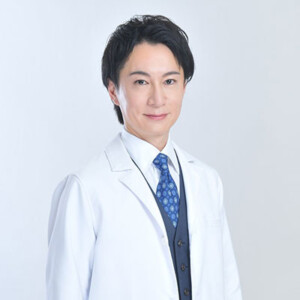
Dr. Jun Karibe
MD
Director
Education & Career
Certifications
Awards
MEDICAL REVIEW