Finding an English-Speaking Dermatologist in Tokyo: Your First Visit and Booking Guide
Navigating healthcare in a foreign country is rarely straightforward, and finding a dermatologist in Tokyo who can consult with you in English adds another layer of complexity.
Whether you are an expatriate managing a long-term skin condition, a visitor concerned about an unexpected rash, or someone exploring cosmetic skin treatments, this guide explains exactly what to expect — from finding the right clinic to what happens on the day of your appointment.
- How to find a qualified, English-speaking dermatologist in Tokyo
- What to prepare before your first consultation
- The difference between insurance-covered dermatology and self-pay cosmetic treatments
- Realistic costs for dermatology consultations and common skin treatments in Tokyo
- Where English-speaking patients can book a consultation within our clinic group
Have a question about this treatment?
Message us on LINE or WhatsApp — our English-speaking team usually replies the same day.
Why Finding an English-Speaking Dermatologist in Tokyo Can Be Difficult
Japan has an exceptionally high density of dermatologists — clinical reports from the Japan Dermatological Association indicate the country trains more board-certified dermatologists per capita than most comparable nations. However, English-language consultations remain relatively rare outside of major international hospital networks, which can be expensive and often not geared towards cosmetic concerns.
Many expatriates and visitors eventually find a clinic that appears to offer English support, only to discover that “English available” means a printed translation sheet rather than a doctor who can hold a nuanced medical conversation. This distinction matters enormously when you need to describe symptom history, medication interactions, or the specific aesthetic outcome you are hoping to achieve.
In Dr. Karibe’s clinical experience at BIOTOPE CLINIC, many international patients arrive having already visited one or two Japanese-language clinics where communication was limited. They often come with unanswered questions about their diagnosis or feel uncertain whether the treatment they were given was truly the most appropriate option for their skin type and lifestyle.
Insurance Dermatology Versus Cosmetic Dermatology in Tokyo: Understanding the Difference
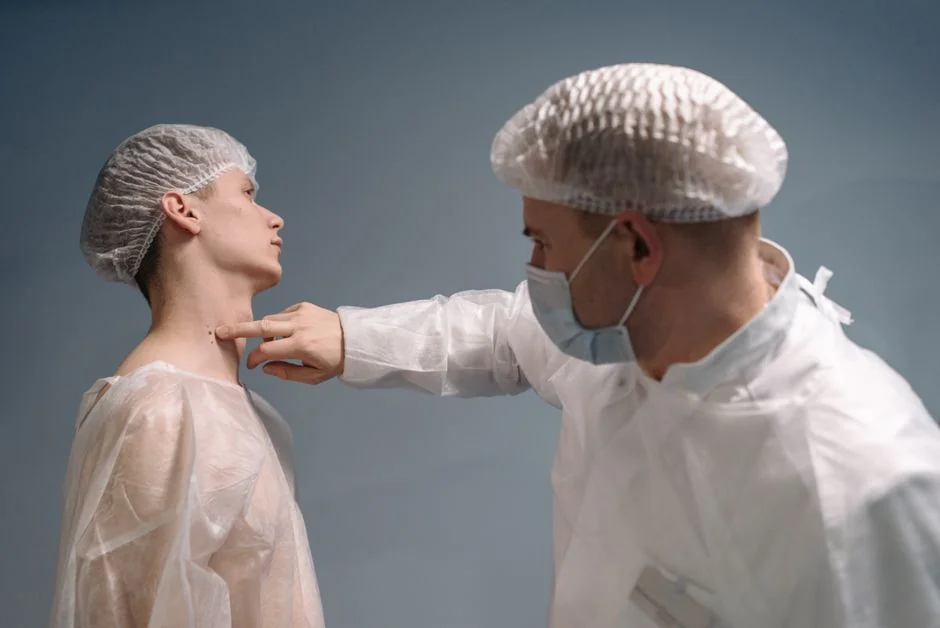
Before booking, it is important to understand that dermatology in Japan is divided into two distinct systems, and choosing the right type of clinic from the start will save significant time and cost.
Insurance-Covered Dermatology (Hoken Shinryo)
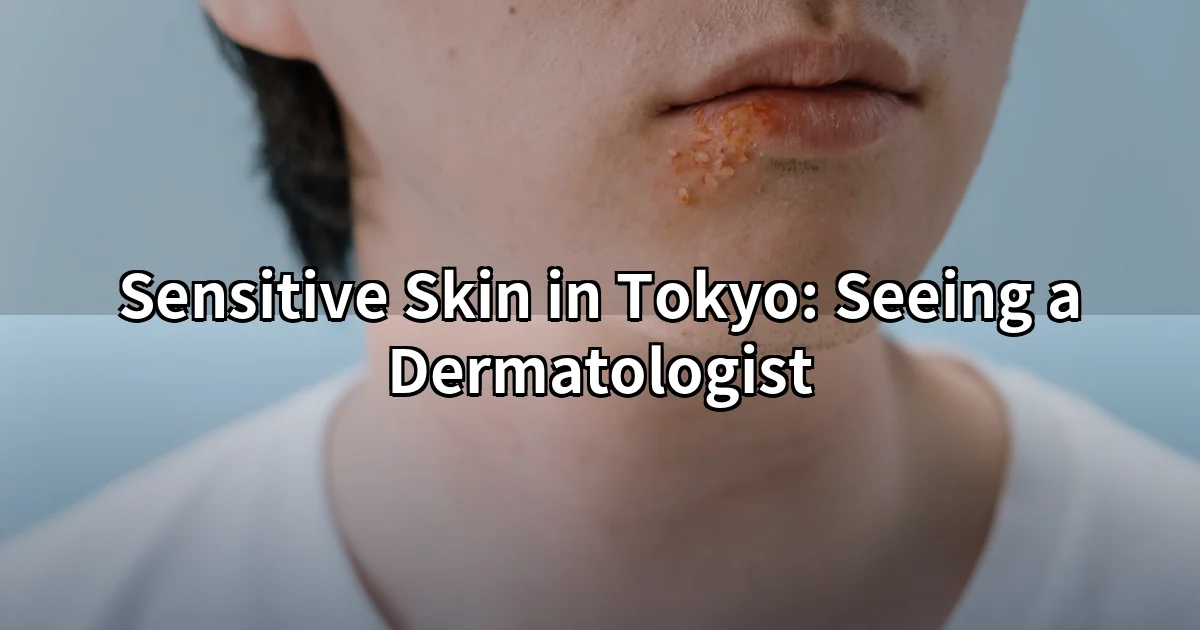
Conditions such as eczema, psoriasis, acne, urticaria (hives), fungal infections, herpes, and contact dermatitis are generally covered under Japan’s national health insurance system. Treatment at an insurance-covered clinic typically involves a brief consultation, topical prescriptions (corticosteroids, antihistamines, antifungals, or antibiotics), and follow-up appointments at low co-pay rates — often ¥1,000–¥3,000 per visit for insured patients.
Our sister clinic, Kojimachi Dermatology and Plastic Surgery Clinic (麹町皮ふ科・形成外科クリニック) in Ichigaya, Chiyoda-ku, is the group’s main office and handles insurance-covered dermatology for Japanese-speaking patients. It is staffed by qualified dermatologists experienced in the full range of common skin conditions and some plastic surgery procedures. Consultations there are conducted in Japanese.
Self-Pay Cosmetic Dermatology
Treatments aimed at appearance — laser pigmentation removal, skin tightening, injectables, acne scar resurfacing, and similar procedures — are not covered by Japan’s national health insurance. These are self-pay (jiyuu shinryo) and are offered at specialist cosmetic clinics. Because there is no insurance bureaucracy involved, these clinics tend to invest more in multilingual patient support, making English consultations more feasible.
This is the category where BIOTOPE CLINIC in Shirokanedai (Minato-ku) operates. Dr. Jun Karibe, a board-certified plastic surgeon certified by the Japan Society of Plastic and Reconstructive Surgery, personally leads consultations here, and BIOTOPE is currently the only location within the group where English-speaking doctor consultations are available.
What to Prepare Before Your First Dermatology Consultation in Tokyo
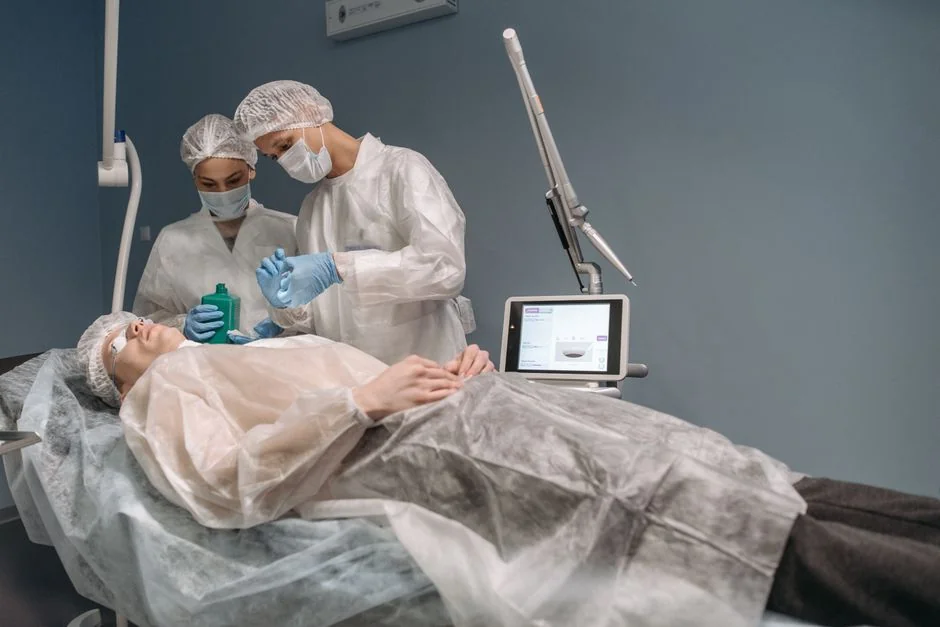
A well-prepared first consultation produces better outcomes for both patient and doctor. The following checklist applies whether you are being seen for a medical skin concern or an aesthetic treatment.
Medical History and Medications
Bring a written list — in English is fine at BIOTOPE — of any current medications, supplements, and known allergies. If you have been prescribed treatments for the same condition abroad, a photograph of the packaging or the medication name is useful. Dermatologists need this information to avoid contraindicated prescriptions and to understand what has or has not worked previously.
Photographs of the Concern
For conditions that fluctuate — such as urticaria, perioral dermatitis, or intermittent rashes — photographs taken during a flare-up are valuable. A dermatologist can only observe what is present on the day of the visit, and images provide clinical context that oral description alone cannot always convey.
Insurance Documentation
If you hold Japan’s national health insurance (kokumin kenko hoken) or are covered through your employer’s social insurance (shakai hoken), bring your insurance card (hoken-sho). Note that private international health insurance is generally not accepted directly at Japanese dermatology clinics; you will typically pay out of pocket and seek reimbursement from your insurer afterwards.
Realistic Expectations for Cosmetic Consultations
For cosmetic treatments, bring reference photographs if relevant, and be prepared to discuss your skin concerns openly. A responsible dermatologist or plastic surgeon will assess whether a requested treatment is clinically appropriate for your skin type and condition before recommending a plan — and may suggest an alternative approach if a different procedure would produce better results.
Dr. Karibe’s Note
A common question I receive from international patients is whether they need to have a specific diagnosis before booking. They do not.
The consultation itself is precisely the right time to arrive with concerns rather than conclusions.
What I find genuinely useful is when patients bring photographs of how their skin looked during a previous episode, and a clear description of when and how the issue started.
That context often tells me more than a self-diagnosis arrived at after searching symptoms online.
Common Misconceptions About Dermatology in Tokyo
Misconception 1: “All cosmetic clinics in Tokyo offer English consultations”
This is one of the most frequent misunderstandings among visitors and newly arrived expatriates. Many Tokyo cosmetic clinics use English on their websites and marketing materials, but the treating physician may not speak English at all — translation is handled by a bilingual receptionist who relays information between patient and doctor.
While this can be adequate for simple injectable appointments, it is insufficient for complex skin conditions, surgical consultations, or situations where informed consent requires detailed explanation of risks. Confirming in advance that the doctor — not merely the front desk — speaks English is an important step.
Misconception 2: “Cosmetic dermatology in Japan is unregulated”
Japan maintains strict licensing requirements for both dermatology and plastic surgery. Cosmetic procedures must be performed by licensed physicians (or, for some laser and device treatments, under physician supervision). The Japan Society of Plastic and Reconstructive Surgery and the Japanese Dermatological Association set professional standards and continuing education requirements. What varies between clinics is the level of specialist qualification — a board-certified plastic surgeon brings different training to eyelid surgery or scar revision than a general practitioner who has added aesthetic treatments to a general medicine practice. Checking board certification is a reasonable step for any surgical procedure.
Typical Consultation and Treatment Costs in Tokyo
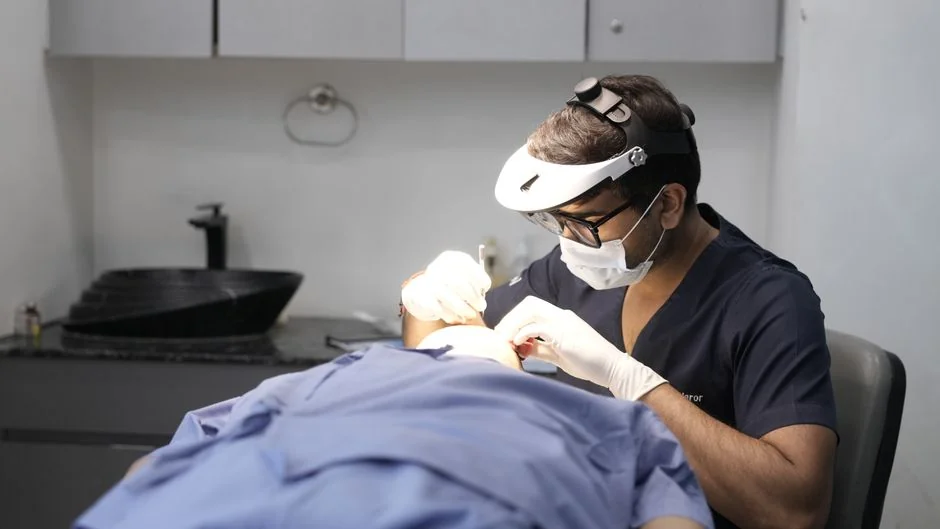
Cost transparency is often limited at Japanese cosmetic clinics, where final pricing is usually confirmed only after the in-person consultation. The following figures reflect the price range at BIOTOPE CLINIC and are provided as a reference point for budgeting purposes.
| Service | Price Range (JPY, tax included) | Notes |
|---|---|---|
| Initial consultation | ¥3,300 | Dr. Karibe surgical consultation ¥2,200 |
| HIFU skin tightening | ¥25,000 – ¥110,000 | Varies by treatment area and cartridge count |
| Pico laser (pigmentation / toning) | ¥11,000 – ¥98,000 | Depends on area size and condition |
| CO2 fractional laser (acne scars, pores) | ¥11,000 – ¥66,000 | Per session; multiple sessions often recommended |
| Botox (Allergan) | ¥22,000 – ¥148,000 | Depends on area and units required |
| Hyaluronic acid filler | ¥66,000 – ¥88,000 per syringe | Volume and brand affect final cost |
| Dermapen (skin resurfacing) | ¥9,800 – ¥220,000 | Wide range based on treatment scope |
| Mole / cyst removal (plastic surgery) | Determined at surgical consultation | Pre-operative blood work ¥11,000; anaesthesia additional |
Studies published in the Journal of the Japanese Society of Aesthetic Surgery suggest that patient satisfaction in cosmetic dermatology correlates more strongly with pre-treatment communication and realistic expectation-setting than with device specifications alone — a finding consistent with clinical observation at BIOTOPE CLINIC, where the consultation process is treated as an integral part of care rather than a formality.
For patients managing pigmentation, laser toning with the PicoWay system and CO2 fractional laser for acne scarring are treatments available at BIOTOPE CLINIC in Shirokanedai — feel free to ask about either during a consultation with Dr. Karibe.
For an accurate quote, we recommend booking a consultation.
Have a question about this treatment?
Message us on LINE or WhatsApp — our English-speaking team usually replies the same day.
Where to Get an English-Speaking Dermatology Consultation in Tokyo
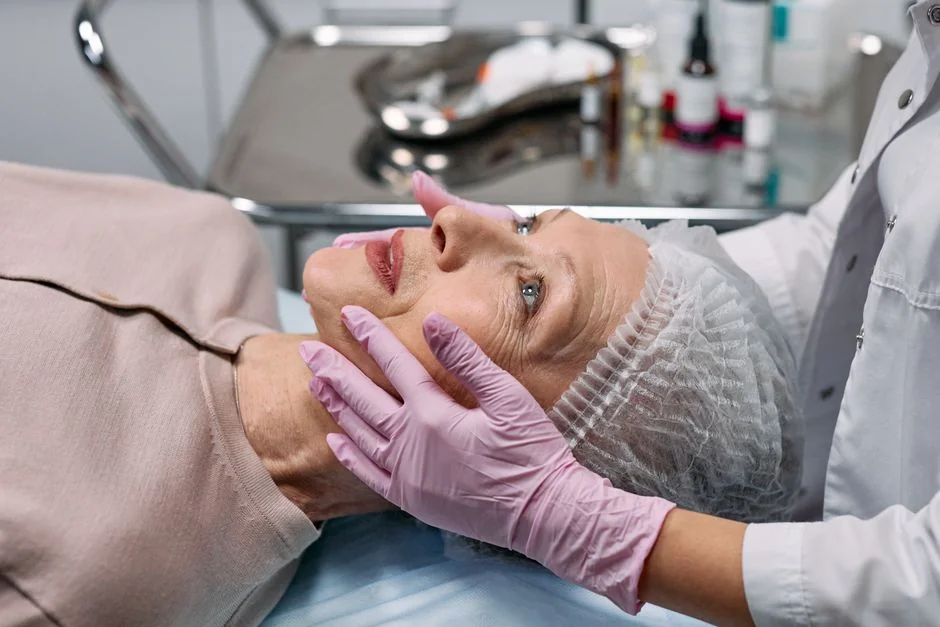
Within our clinic group, English-speaking consultations are handled at BIOTOPE CLINIC in Shirokanedai (Minato-ku, Tokyo) by Dr. Jun Karibe. Our sister clinic, Kojimachi Dermatology and Plastic Surgery Clinic in Ichigaya, handles Japanese-language insurance dermatology. Bookings and enquiries in English: LINE or WhatsApp.
BIOTOPE CLINIC sees both medical tourists and long-term Tokyo residents. The clinic covers a broad range of concerns — from cosmetic treatments such as HIFU, injectables, and laser procedures, to minor plastic surgery including mole removal, cyst excision, eyelid correction, and scar revision. For HIFU lifting and skin tightening, studies suggest a measurable improvement in skin laxity in approximately 60–80% of patients after a single session, with results typically appearing gradually over two to three months as collagen remodelling continues.
At BIOTOPE CLINIC in Shirokanedai, we frequently see patients who have spent months searching for a clinic where they could communicate their concerns clearly and feel confident they fully understood their treatment plan. That communication gap is something the clinic has been built to address for the international community in Tokyo.
Frequently Asked Questions
- Q. Do I need to speak Japanese to visit a dermatologist in Tokyo?
- At most standard Japanese dermatology clinics, Japanese is required for effective communication. However, at BIOTOPE CLINIC in Shirokanedai, consultations with Dr. Karibe are conducted in English, and the English-speaking team handles all enquiries and appointment arrangements. No Japanese language ability is required.
- Q. Can I use my national health insurance card at BIOTOPE CLINIC?
- BIOTOPE CLINIC operates primarily as a self-pay cosmetic and plastic surgery clinic, so most treatments are not covered by Japan’s national health insurance. Patients with private international health insurance should check their policy and retain receipts for potential reimbursement claims. Insurance-covered dermatology is available at our sister clinic, Kojimachi Dermatology and Plastic Surgery Clinic, which handles Japanese-language consultations.
- Q. How far in advance should I book my first appointment?
- Demand for English-speaking dermatology consultations in Tokyo is higher than many visitors anticipate. Booking at least one to two weeks in advance is advisable for a routine cosmetic consultation. For urgent dermatological concerns, contacting the clinic via LINE or WhatsApp to discuss timeline is recommended, as earlier slots occasionally become available.
- Q. Are cosmetic treatments in Tokyo safe for non-Asian skin types?
- Board-certified plastic surgeons and dermatologists with international patient experience are accustomed to treating a range of Fitzpatrick skin types. Device settings for lasers and energy treatments are adjusted according to individual skin type; this is one reason a consultation with a qualified, English-speaking physician is preferable to walk-in treatment centres with limited communication capacity. Dr. Karibe will assess your skin type as part of any treatment planning discussion.
- Q. What is the difference between a dermatologist and a plastic surgeon for skin concerns?
- Dermatologists specialise in diagnosing and treating skin, hair, and nail conditions — including both medical and cosmetic concerns. Plastic surgeons are trained in reconstructive and aesthetic procedures involving the skin, soft tissue, and underlying structures. For concerns such as mole removal, scar revision, or eyelid surgery, a board-certified plastic surgeon like Dr. Karibe brings surgical training that complements the cosmetic dermatology services at BIOTOPE CLINIC.
Have a question about this treatment?
Message us on LINE or WhatsApp — our English-speaking team usually replies the same day.
Summary
Finding a truly English-speaking dermatologist in Tokyo requires more than identifying a clinic with an English website. Confirming that the consulting physician — not only the reception staff — speaks English fluently is an essential step, particularly for anyone managing an ongoing skin condition, preparing for a cosmetic procedure, or simply wanting to understand their diagnosis with confidence.
Preparing medical history, current medications, and photographs of any fluctuating condition before the first appointment will allow the consultation to be as productive as possible.
Understanding the distinction between insurance-covered dermatology (available at Japanese-language clinics) and self-pay cosmetic dermatology helps set expectations around cost and clinic type.
If you have questions about finding an English-speaking dermatologist or cosmetic skin treatment in Tokyo, English-speaking consultations are handled at BIOTOPE CLINIC in Shirokanedai (Minato-ku, Tokyo) by Dr. Karibe. Our sister clinic Kojimachi Dermatology and Plastic Surgery Clinic in Ichigaya (Chiyoda-ku) handles Japanese-language insurance dermatology. English enquiries: LINE or WhatsApp.
24/7 Consultation & Booking
Book a Consultation or Treatment
Our English-speaking team responds via LINE or WhatsApp — usually the same day.
References
- Ogawa R, et al. Patient satisfaction in cosmetic dermatology: the role of pre-treatment communication and expectation management. Journal of the Japanese Society of Aesthetic Surgery. 2019.
- Werschler WP, et al. Focused ultrasound therapy for noninvasive skin lifting and tightening: clinical outcomes and patient satisfaction. Journal of Clinical and Aesthetic Dermatology. 2020.
- Tanaka Y. Dermatological care for international residents in urban Japan: access, language barriers, and system navigation. Journal of International Health. 2021.
- Hantash BM, et al. Collagen remodelling following fractional and ablative laser treatment: histological and clinical correlates. Lasers in Surgery and Medicine. 2018.
- Japan Dermatological Association. Annual survey of dermatological practice and specialist workforce distribution in Japan. 2022.
SUPERVISED BY
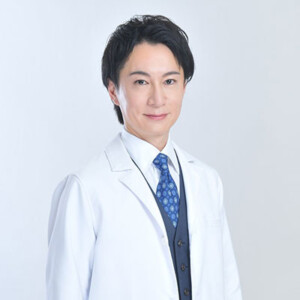
Dr. Jun Karibe
MD
Director
Education & Career
Certifications
Awards
MEDICAL REVIEW