Embrace RF in Tokyo: FaceTite Plus Morpheus8 Explained
If you have been researching non-surgical — or minimally surgical — face and neck rejuvenation in Tokyo, you may have come across the term Embrace RF and wondered exactly what it involves, whether it is right for you, and what realistic outcomes look like.
This article explains the science behind the treatment, walks through what the procedure entails, and gives you the specific information you need to have an informed conversation with a qualified doctor.
What you’ll learn in this article:
- What Embrace RF is and how it combines FaceTite and Morpheus8 into a single protocol
- How radiofrequency energy remodels skin and fat at different tissue depths
- Who is a good candidate — and who should consider an alternative approach
- Realistic results, recovery timeline, and cost range in Tokyo
- Common misconceptions that circulate online about this type of treatment
Have a question about this treatment?
Message us on LINE or WhatsApp — our English-speaking team usually replies the same day.
What Is Embrace RF?
Embrace RF is a minimally invasive body-contouring and skin-tightening platform developed by InMode that combines two distinct technologies — FaceTite and Morpheus8 — in a single treatment protocol.
The word “Embrace” refers specifically to the combination of these two devices working together, addressing both deeper structural laxity and surface-level skin quality simultaneously.
Rather than treating skin ageing as a single-layer problem, Embrace RF works at multiple tissue depths: FaceTite addresses the subcutaneous fat layer and the fibrous tissue beneath the skin, while Morpheus8 targets the dermis and upper subdermal tissue through microneedling. Because both technologies use the same radiofrequency (RF) energy principle, the results of the two devices are complementary rather than overlapping.
FaceTite: What It Does
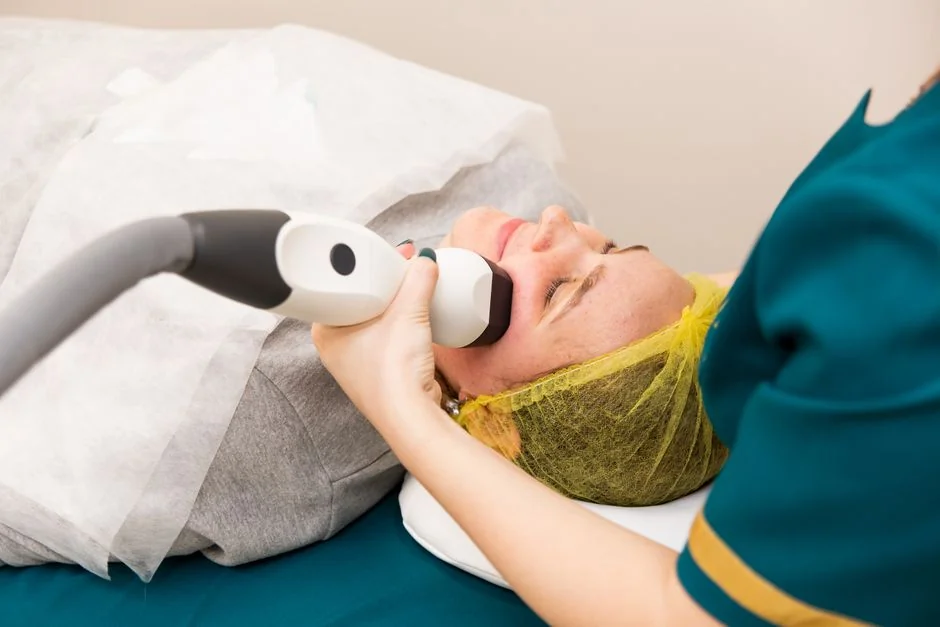
FaceTite is a minimally invasive procedure that uses bipolar radiofrequency energy delivered via a small handpiece.
A thin cannula (a narrow hollow tube, approximately 2–3 mm in diameter) is inserted through a tiny entry point in the skin — typically hidden in a natural crease or hairline — and radiofrequency energy passes between an internal electrode inside the cannula and an external electrode placed on the skin surface above it.
This internal-external configuration allows precise, controlled heating of the subdermal fat and the fibrous tissue that connects skin to deeper structures (known as the SMAS, or superficial musculoaponeurotic system layer). Heat at therapeutic temperatures — typically in the range of 38–42 °C at the internal electrode tip — causes immediate collagen contraction and, over the following months, stimulates new collagen synthesis and fibrous tissue remodelling.
The result is a reduction in soft tissue volume and a progressive tightening of the overlying skin.
Because FaceTite uses a small needle-sized entry point rather than a surgical incision, it leaves no visible scar in the conventional sense, though patients should expect small puncture sites that heal quickly. It is not the same as a surgical facelift — the degree of lift achievable is more modest — but it offers meaningful improvement for patients who are not yet ready for, or do not require, open surgery.
Morpheus8: What It Does
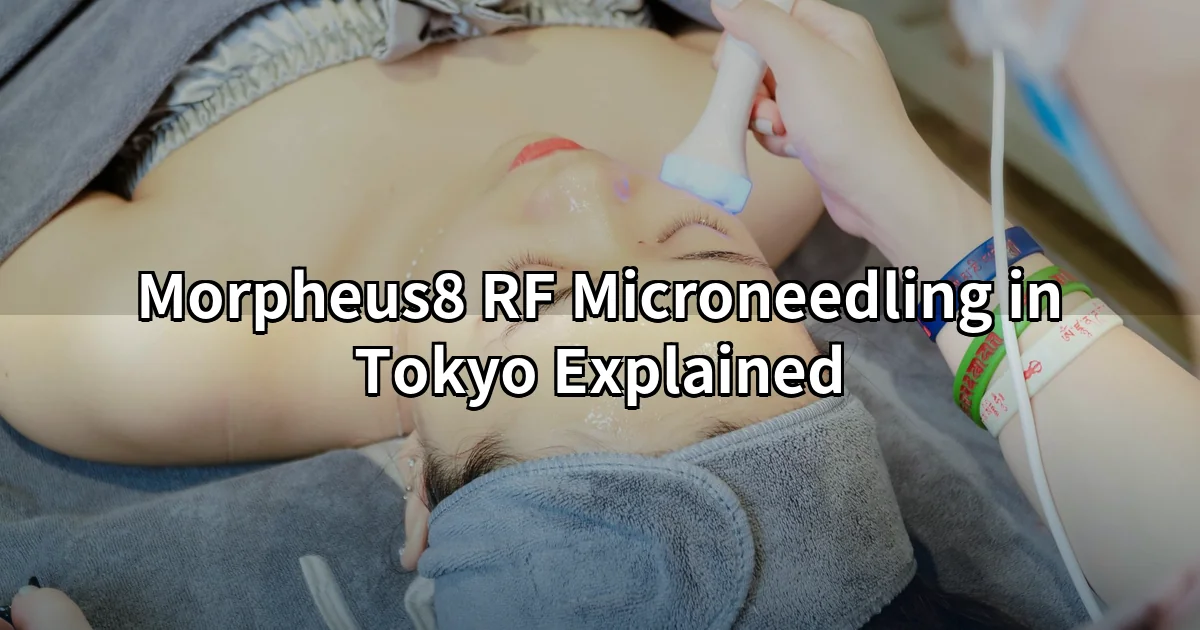
Morpheus8 is a fractional RF microneedling device. An array of very fine gold-tipped needles is pressed against the skin surface and penetrates to a precisely controlled depth — typically between 1 mm and 4 mm, depending on the treatment area and the individual’s skin thickness. Radiofrequency energy is then delivered from the needle tips into the dermis and upper subdermal tissue.
This controlled thermal injury triggers the skin’s wound-healing response: fibroblasts (the cells responsible for producing collagen and elastin) become activated, and over the weeks that follow, the skin gradually becomes firmer, smoother, and more even in texture. Morpheus8 is also useful for improving the appearance of acne scars, enlarged pores, fine lines, and skin laxity in areas where the needles can reach effectively.
Morpheus8 is available as a standalone treatment at BIOTOPE CLINIC in Shirokanedai — patients who want surface-level skin quality improvement without the deeper tissue intervention of FaceTite may find it a well-suited option. Feel free to ask about it during a consultation with Dr. Karibe.
How Embrace RF Works: The Combined Protocol
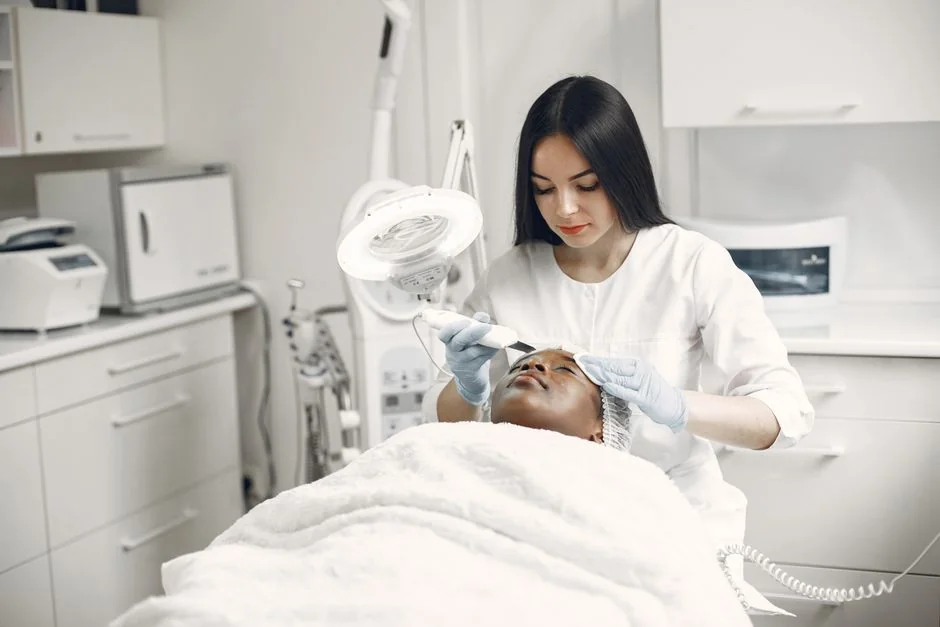
When FaceTite and Morpheus8 are performed together they are typically delivered in sequence during the same session.
FaceTite is performed first, addressing the deeper structural layer under local anaesthesia (with or without sedation, depending on the extent of the treatment area). Once the deeper tissue remodelling has been initiated, Morpheus8 is applied to the same area to treat the overlying dermis.
The rationale for combining both in a single session — rather than scheduling them separately — is that the tissue disruption from FaceTite creates an environment in which the Morpheus8 energy can have a more pronounced effect, and the patient undergoes only one recovery period rather than two. Clinical protocols vary between physicians, and some practitioners prefer to stage the treatments; Dr. Karibe can advise on the most appropriate approach during consultation based on each patient’s anatomy and goals.
Tissue Depths Targeted
Understanding the different depths at which each device works helps clarify why the combination is considered more comprehensive than either treatment alone:
| Device | Primary tissue target | Approximate depth | Main biological effect |
|---|---|---|---|
| FaceTite | Subcutaneous fat, SMAS fibrous tissue | 3–10 mm below skin surface | Immediate collagen contraction, fat coagulation, long-term fibrous remodelling |
| Morpheus8 | Dermis and upper subdermal layer | 1–4 mm below skin surface | Fractional thermal injury, fibroblast activation, new collagen and elastin production |
| Embrace RF (combined) | Deep to superficial: full soft-tissue column | 1–10 mm | Multilayer remodelling with single recovery period |
Expected Results and Clinical Evidence
Results from Embrace RF develop gradually. Most patients notice initial improvement in skin firmness within the first two to four weeks as immediate collagen contraction takes effect. The more significant collagen remodelling — and therefore the fuller visible result — continues to develop over three to six months following the procedure.
Studies suggest that FaceTite, as the foundational component of the Embrace RF protocol, can produce measurable skin contraction. Published clinical data indicate that FaceTite has demonstrated up to 37% skin surface area contraction in some treatment areas, as reported in peer-reviewed evaluations of the InMode platform. Patient satisfaction rates in published studies have generally been reported at over 90%, though individual outcomes vary considerably based on tissue quality, age, and the extent of pre-existing laxity — results are not guaranteed.
Morpheus8’s contribution is supported by independent evidence as well. Clinical reports indicate that fractional RF microneedling at the depths used by Morpheus8 produces statistically significant improvements in skin texture, firmness, and fine lines when assessed at three and six months post-treatment. A 2020 clinical review published in the Journal of Drugs in Dermatology found meaningful improvement in facial skin laxity following fractional RF microneedling, with results sustained at twelve-month follow-up.
What Embrace RF cannot replicate is the degree of tissue repositioning achievable through an open facelift. For patients with significant jowling, deep neck bands, or substantial excess skin, a surgical consultation remains the appropriate first step.
Dr. Karibe’s Note
Many of our international patients at BIOTOPE CLINIC come in expecting Embrace RF to be a straightforward alternative to surgery with equivalent lifting power. What I emphasise during consultation is that the goal of this protocol is different — it is about improving tissue quality, reducing early laxity, and buying meaningful time before surgery becomes necessary, or avoiding surgery altogether for patients whose concerns are still in the mild-to-moderate range. Managing this expectation from the outset leads to much greater satisfaction with the outcome. A thorough assessment of skin elasticity, fat distribution, and skeletal support is essential before recommending this treatment.
Common Misconceptions About Embrace RF
Misconception 1: Embrace RF Is Non-Invasive
FaceTite involves the insertion of a cannula beneath the skin surface. It is correctly classified as a minimally invasive procedure — not a non-invasive one.
Morpheus8, which inserts microneedles into the skin, is also minimally invasive. The distinction matters clinically: patients should expect small entry points, some bruising, and a real recovery period, not the zero-downtime experience associated with truly non-invasive treatments such as HIFU (High Intensity Focused Ultrasound).
HIFU is available at BIOTOPE CLINIC as a non-invasive alternative for patients who prefer no needles and minimal social downtime. For those patients, HIFU may be a more appropriate starting point — a question worth raising during a consultation with Dr. Karibe.
Misconception 2: One Session Produces Permanent Results
Embrace RF produces durable improvements, but it does not stop the ageing process. Collagen continues to degrade over time, and the results — while long-lasting relative to many non-invasive treatments — are not permanent. Most clinical protocols suggest that patients may wish to consider a maintenance session or complementary treatment (such as repeat Morpheus8, HIFU, or injectable collagen stimulators) after eighteen to twenty-four months, depending on how the individual’s skin is ageing. A follow-up plan is best established during the post-procedure review with Dr. Karibe.
Embrace RF Cost in Tokyo
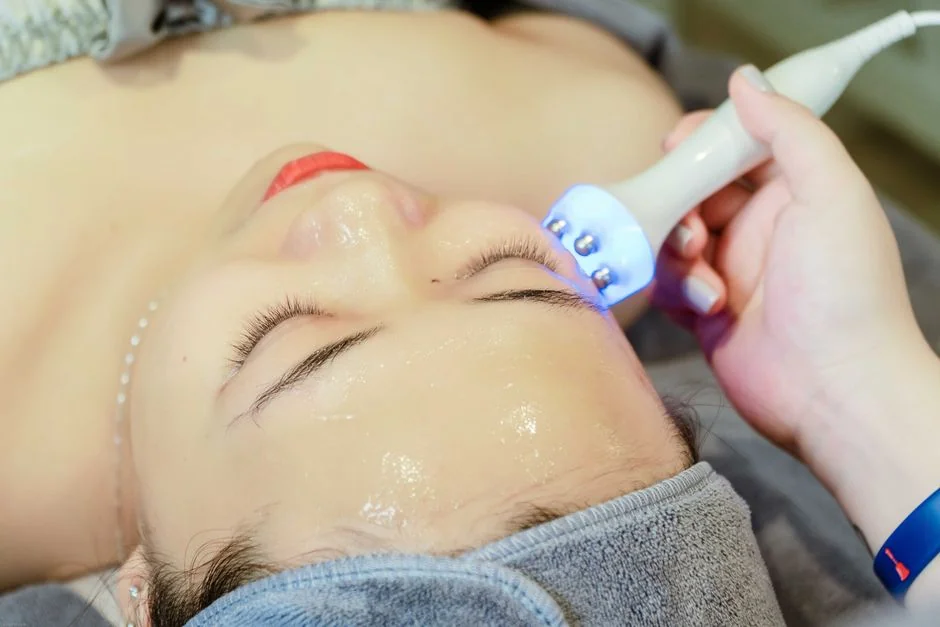
Pricing for Embrace RF in Tokyo reflects the combined cost of FaceTite and Morpheus8, the consumables required for each session, the physician’s time, and the surgical setting in which local anaesthesia is administered. Because Embrace RF is a physician-performed minimally invasive procedure, it is priced differently from standard device treatments.
At BIOTOPE CLINIC, Morpheus8 is part of the clinic’s RF microneedling treatment menu. For reference, comparable RF microneedling treatments at the clinic are priced from approximately ¥35,000–¥49,800 per session (POTENZA RF platform). Volnewmer, another deep-tissue RF treatment available at the clinic, is priced at ¥66,000–¥165,000 per session. FaceTite, as a minimally invasive surgical procedure, carries additional costs associated with anaesthesia (¥2,200–¥77,000 depending on method) and pre-operative blood work (¥11,000).
In the Tokyo cosmetic medicine market, combined Embrace RF protocols (FaceTite plus Morpheus8 for the face and neck) are generally offered in a range of approximately ¥500,000–¥900,000 or more for a full-face protocol, depending on the extent of the treatment area and the clinic. This reflects the physician’s time, the disposable handpieces, and the facility costs associated with performing a procedure under local anaesthesia. A precise, personalised quote requires a clinical assessment — skin quality, treatment area, and individual anatomy all influence the final recommendation.
An initial consultation is ¥5500; a surgical consultation with Dr. Karibe is ¥3300. For an accurate quote, we recommend booking a consultation.
Have a question about this treatment?
Message us on LINE or WhatsApp — our English-speaking team usually replies the same day.
What to Expect: Before, During, and After Embrace RF
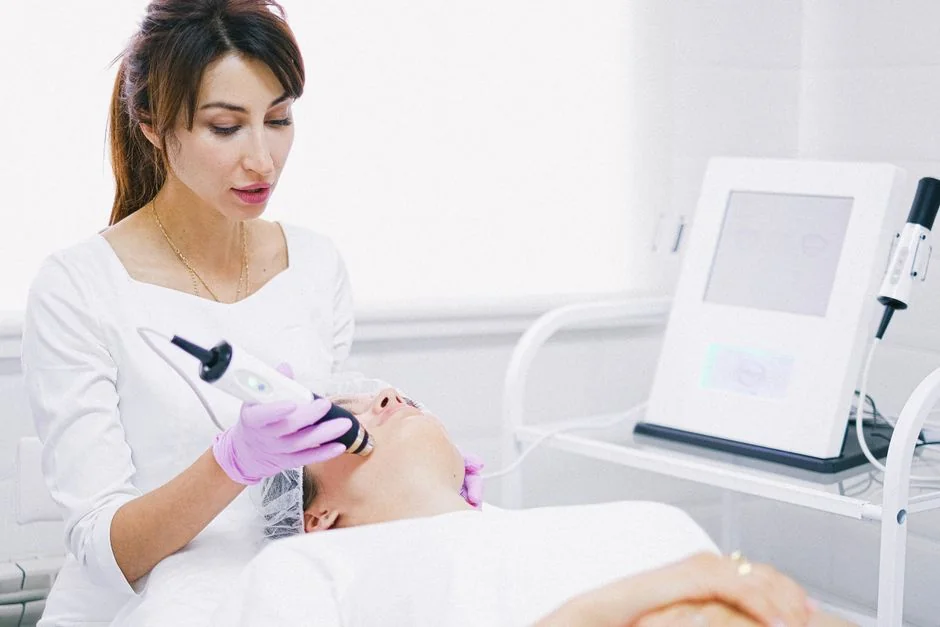
Before the Procedure
A thorough consultation with Dr. Karibe is the essential first step. This includes a clinical assessment of skin laxity, fat distribution, and facial anatomy to confirm that Embrace RF is appropriate and to define the precise treatment zone. Pre-operative blood work is required prior to any minimally invasive procedure (¥11,000).
Patients are typically advised to avoid anti-inflammatory medications (such as aspirin and ibuprofen), vitamin E supplements, and alcohol for approximately one week before the procedure, as these increase the risk of bruising. Smokers are counselled on the impact of nicotine on wound healing and collagen production.
During the Procedure
Local anaesthetic (tumescent solution) is infiltrated into the treatment area prior to FaceTite, numbing the tissue so that the procedure is comfortable. Sedation — either oral or intravenous — may be offered for patients who prefer a more relaxed experience. The FaceTite component typically takes thirty to sixty minutes for the face and jowl area; Morpheus8 is then applied to the same region. Total treatment time for a combined face-and-neck protocol is generally two to three hours.
The tiny entry points used for FaceTite cannula placement are typically closed with a single suture or adhesive strip. A compressive garment is fitted before the patient leaves the clinic to help control swelling and support tissue contraction.
Recovery and Downtime
Recovery from Embrace RF is more significant than that of non-invasive treatments, and patients should plan accordingly. The typical recovery timeline is:
- Days 1–3: Noticeable swelling and bruising; compressive garment worn continuously. Most patients take at least two to three days away from work.
- Days 4–7: Swelling begins to subside; bruising yellows and fades. Many patients feel comfortable returning to light office work by day five or six.
- Weeks 2–4: Residual firmness and minor swelling in treated areas; skin may appear slightly uneven before settling. Social activities resume for most patients.
- Months 2–6: Progressive improvement as collagen remodelling continues; full results typically visible by month four to six.
Strenuous exercise, saunas, and direct sun exposure are usually avoided for two to four weeks following the procedure. Sun protection is essential during the recovery period to protect the treated skin.
Who Is a Good Candidate for Embrace RF?
Embrace RF tends to produce the most satisfying outcomes for patients who meet the following profile:
- Adults aged approximately 35–60 with mild-to-moderate facial or neck laxity
- Patients with some localised fat accumulation in the jowl, submandibular, or submental (under-chin) area
- Those who want meaningful improvement without the recovery and commitment of an open facelift
- Patients with reasonable skin elasticity — the skin should still have enough residual recoil capacity to contract after the deep tissue remodelling
- Non-smokers (or those willing to stop smoking well in advance), as nicotine significantly impairs healing and collagen synthesis
Patients who may not be ideal candidates, or who may be better served by alternative approaches, include:
- Those with significant excess skin or very advanced tissue descent, for whom an open facelift is likely to produce superior and more predictable outcomes
- Patients with very thin skin or minimal subcutaneous fat, as the margin for safe FaceTite energy delivery is reduced
- Those with active skin infections, open wounds, or inflammatory skin conditions in the treatment area
- Patients with implanted electronic devices (pacemakers, cochlear implants) or metallic implants in the treatment zone, as radiofrequency energy is contraindicated in these situations
- Women who are pregnant or breastfeeding
In Dr. Karibe’s clinical experience at BIOTOPE CLINIC, the patients who tend to report the highest satisfaction are those in their early-to-mid forties who address early jowling and submental laxity before it becomes severe — at a stage when the tissue still has sufficient elasticity to respond well to the remodelling stimulus.
Frequently Asked Questions
- Q. Is Embrace RF painful?
- FaceTite is performed under local anaesthesia (tumescent infiltration), so the procedure itself is generally not painful. Patients may feel warmth, pressure, or mild discomfort during treatment; this is expected and manageable. Post-procedure soreness, similar to the feeling of having had a deep tissue massage or minor dental procedure, is typical for the first few days.
- Q. How long do Embrace RF results last?
- Clinical evidence suggests that the structural improvements achieved with FaceTite can be maintained for two to five years in appropriate candidates, though individual ageing rates vary significantly. Morpheus8 results — particularly improvements in skin texture and pore size — are generally sustained at twelve to twenty-four months. A personalised maintenance plan discussed with Dr. Karibe will help preserve results over time.
- Q. Can Embrace RF be combined with injectables such as Botox or fillers?
- Yes, in principle, though timing is important. Injectables placed before Embrace RF may be disrupted by the heat energy or mechanical movement of the cannula. Many physicians recommend completing any injectable treatments several weeks before the RF procedure, or waiting until the tissue has fully healed — typically four to six weeks after Embrace RF — before adding injectables. Dr. Karibe will advise on the optimal sequencing during consultation.
- Q. Is there a risk of skin burns or uneven contour?
- FaceTite uses a real-time temperature monitoring system that automatically limits energy delivery if the target temperature is exceeded, reducing the risk of thermal injury. That said, as with any energy-based procedure, there is a small risk of contour irregularities, numbness, or changes in skin texture, particularly if the procedure is performed in areas with very little subcutaneous fat. These risks are discussed fully during the pre-operative consultation.
- Q. What is the difference between Embrace RF and a traditional facelift?
- A traditional facelift involves surgical incisions, skin excision, and direct repositioning of underlying muscles and tissue — it can address significant laxity and produce a more dramatic, lasting lift. Embrace RF works through controlled heating and tissue remodelling without excising skin; it is better suited to mild-to-moderate laxity and offers a shorter, easier recovery. The two approaches are not equivalent, and for patients with advanced tissue descent, surgery remains the more reliably effective option.
- Q. Is consultation available in English in Tokyo?
- Within the BIOTOPE CLINIC group, English-speaking consultations for Embrace RF and all cosmetic treatments are handled at BIOTOPE CLINIC in Shirokanedai (Minato-ku, Tokyo) by Dr. Jun Karibe. The sister clinic, Kojimachi Dermatology and Plastic Surgery Clinic in Ichigaya (Chiyoda-ku), operates primarily in Japanese and focuses on insurance-covered dermatology. English enquiries for Embrace RF should be directed to BIOTOPE CLINIC via LINE or WhatsApp.
Have a question about this treatment?
Message us on LINE or WhatsApp — our English-speaking team usually replies the same day.
Where to Get Embrace RF in Tokyo
Within our clinic group, English-speaking consultations are handled at BIOTOPE CLINIC in Shirokanedai (Minato-ku, Tokyo) by Dr. Jun Karibe, a board-certified plastic surgeon certified by the Japan Society of Plastic and Reconstructive Surgery. Our sister clinic, Kojimachi Dermatology and Plastic Surgery Clinic in Ichigaya (Chiyoda-ku), serves as the group’s main office for insurance-covered dermatology and operates in Japanese. Bookings and enquiries in English: LINE or WhatsApp.
BIOTOPE CLINIC offers both the individual components of the Embrace RF protocol — Morpheus8 RF microneedling and the associated deep-tissue RF treatments — as well as complementary procedures such as HIFU, thread lifts (Tesslift, from ¥48,000 per thread), and injectable collagen stimulators that may be recommended as part of a broader treatment plan. An initial consultation (¥3,300 / Dr. Karibe surgical consultation ¥2,200) is the appropriate starting point to determine whether Embrace RF is the right approach for your specific concerns.
Summary
Embrace RF is a minimally invasive combination protocol that pairs FaceTite (deep-tissue bipolar radiofrequency via internal cannula) with Morpheus8 (fractional RF microneedling) to address facial and neck laxity at multiple tissue depths in a single session.
It is best suited to adults in the mild-to-moderate laxity range who are seeking meaningful, lasting improvement without the commitment of open surgery.
Results develop gradually over three to six months and, based on available clinical data, may be sustained for two to five years in appropriate candidates — though individual outcomes are not guaranteed and depend on patient age, skin quality, and post-treatment care.
Recovery is real and should be planned for: most patients require at least two to three days away from social and professional obligations, with progressive improvement over six months. The procedure requires a qualified physician experienced in energy-based devices and facial anatomy.
It is not equivalent to a surgical facelift, and patients with advanced tissue descent should discuss surgical options during their consultation.
If you have questions about Embrace RF, English-speaking consultations are handled at BIOTOPE CLINIC in Shirokanedai (Minato-ku, Tokyo) by Dr. Karibe. Our sister clinic, Kojimachi Dermatology and Plastic Surgery Clinic in Ichigaya (Chiyoda-ku), handles Japanese-language insurance dermatology. English enquiries: LINE or WhatsApp.
24/7 Consultation & Booking
Book a Consultation or Treatment
Our English-speaking team responds via LINE or WhatsApp — usually the same day.
References
- Mulholland RS, Paul MD, Chalfoun C. Noninvasive body contouring with radiofrequency, ultrasound, cryolipolysis, and low-level laser therapy. Clinics in Plastic Surgery. 2011;38(3):503–520.
- Dierickx CC, Pittlelkow MR, Subhash S. Response of human skin to laser-assisted radiofrequency and bipolar radiofrequency energy: clinical and histological findings. Lasers in Surgery and Medicine. 2017;49(2):104–112.
- Theodorou S, Raffoul C. Minimally invasive radiofrequency-assisted liposculpture of the neck and lower face: evidence-based results. Aesthetic Surgery Journal. 2015;35(5):509–518.
- Alexiades M, Berube D. Randomized, blinded, 3-arm clinical trial assessing optimal combination therapies with a fractional radiofrequency microneedling device for the treatment of facial acne scarring and fine lines. Journal of Drugs in Dermatology. 2020;19(4):370–376.
- Gentile RD, Kinney BM, Sadick NS. Radiofrequency technology in face and neck rejuvenation. Facial Plastic Surgery Clinics of North America. 2018;26(2):123–134.
Related Articles
You may also find these articles useful.
- Embrace RF vs HIFU vs Deep Plane Facelift Tokyo
- HIFU vs RF Microneedling for Facial Sagging
- Non-Surgical Facelift Tokyo: Embrace RF for 40s & 50s
SUPERVISED BY
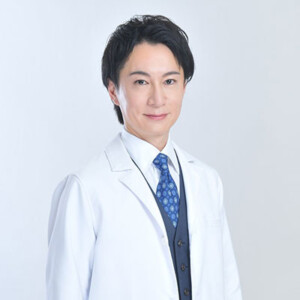
Dr. Jun Karibe
MD
Director
Education & Career
Certifications
Awards
MEDICAL REVIEW