Finding an English-Speaking Dermatologist in Tokyo: A Complete Insurance Coverage Guide
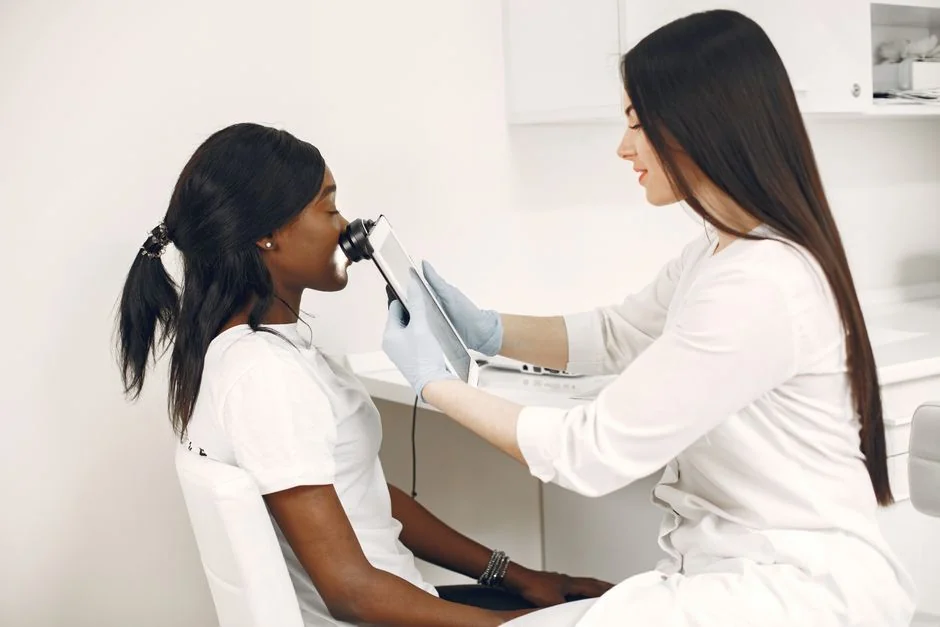
Navigating Japan’s healthcare system in a foreign language is genuinely stressful — especially when you are dealing with a skin condition that needs prompt attention.
Whether you have just arrived in Tokyo or have been living here for years, knowing which treatments are covered by Japanese health insurance, what to expect at a dermatology consultation, and where to find an English-speaking doctor can make the experience far less daunting.
This guide walks you through the essentials: how Japanese health insurance applies to dermatology, what is and is not covered, realistic costs, and how to access English-language consultations in Tokyo.
What you will learn in this article:
- How Japan’s public health insurance system applies to dermatology treatments
- Which common skin conditions and treatments are typically covered
- What falls outside insurance coverage and must be paid out-of-pocket
- Realistic cost ranges for both insured and cosmetic dermatology in Tokyo
- Where to access English-speaking dermatology consultations in the city
Have a question about this treatment?
Message us on LINE or WhatsApp — our English-speaking team usually replies the same day.
How Japanese Health Insurance Works for Dermatology
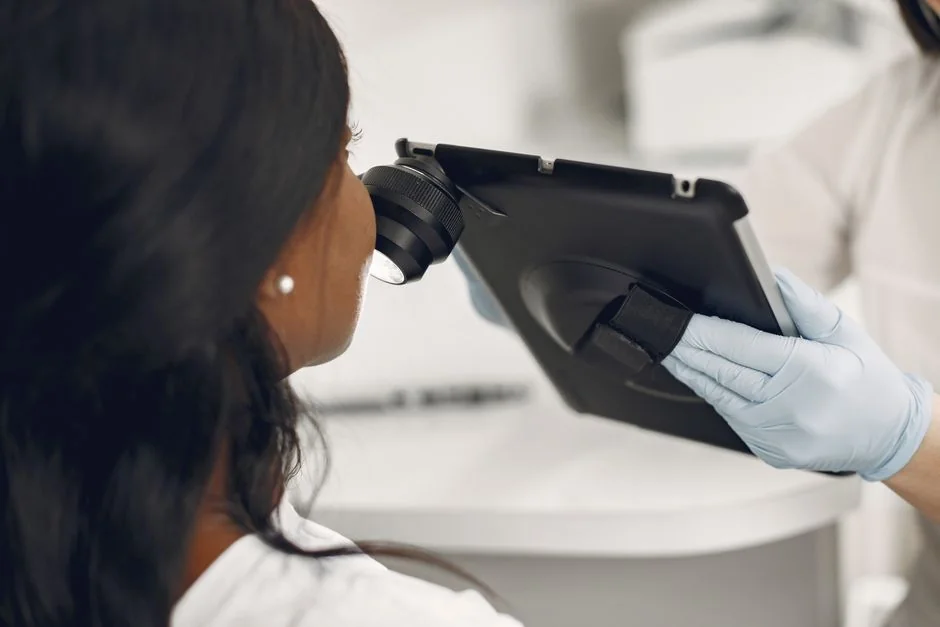
Japan operates a universal health insurance system. Most residents — including many foreign nationals on long-term visas — are enrolled in either Shakai Hoken (社会保険, employer-based insurance) or Kokumin Kenko Hoken (国民健康保険, the national health insurance programme for the self-employed or those not covered through an employer).
Under both schemes, patients typically pay 30% of the official medical fee at the point of care; the insurance fund covers the remaining 70%.
For dermatology specifically, this cost-sharing model applies to consultations, diagnostics (such as patch testing or skin biopsies), and prescription medications dispensed for medically recognised conditions. The key distinction that English-speaking patients often miss is that Japan’s insurance system draws a firm line between medical necessity and cosmetic desire. Treatments deemed aesthetic — even partially — are excluded from coverage.
Who Is Eligible?
Foreign nationals residing in Japan for three months or longer on qualifying visas are generally required to enrol in the national health insurance system. Short-term visitors and medical tourists are not eligible and will pay full self-pay (jishu) rates. If you are uncertain about your enrolment status, your municipal ward office (区役所) is the correct first point of contact.
What Is Covered: Insurance-Eligible Dermatology Conditions and Treatments
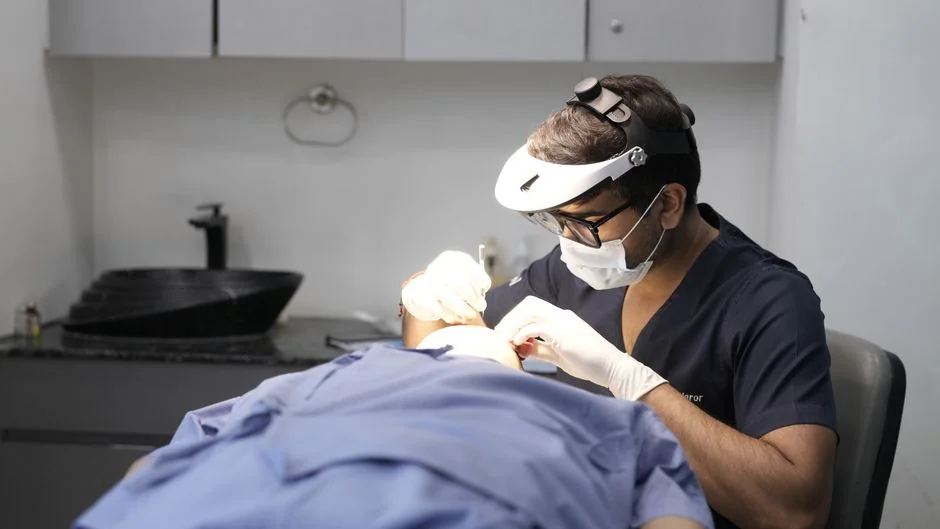
The following conditions and treatments are generally eligible for insurance coverage in Japan when diagnosed and prescribed by a licensed physician:
- Atopic dermatitis and eczema — including topical corticosteroids (steroid creams), tacrolimus ointment, and dupilumab injections for moderate-to-severe cases
- Urticaria (hives) — oral and topical antihistamines
- Acne vulgaris — topical retinoids, benzoyl peroxide, and oral antibiotics where clinically indicated
- Fungal infections — antifungal creams and oral antifungals (e.g. for tinea pedis or onychomycosis)
- Herpes zoster (shingles) and herpes simplex — antiviral medications such as acyclovir and valacyclovir
- Psoriasis — topical treatments, narrowband UVB phototherapy, and in more complex cases, biologic agents
- Bacterial skin infections — topical and systemic antibiotics
- Warts (viral verruca) — liquid nitrogen cryotherapy
- Contact dermatitis — patch testing, topical steroids, and immunosuppressants where appropriate
- Sebaceous cysts and benign moles causing symptoms — surgical excision may be covered when medically justified
Studies suggest that atopic dermatitis affects approximately 15–20% of children and 1–3% of adults globally, making it one of the most frequently presenting conditions in dermatology clinics worldwide (Williams et al., The Lancet). In Japan, prevalence rates are broadly consistent with these figures, and insurance-covered treatment pathways are well established.
What Is Not Covered: Cosmetic and Aesthetic Treatments
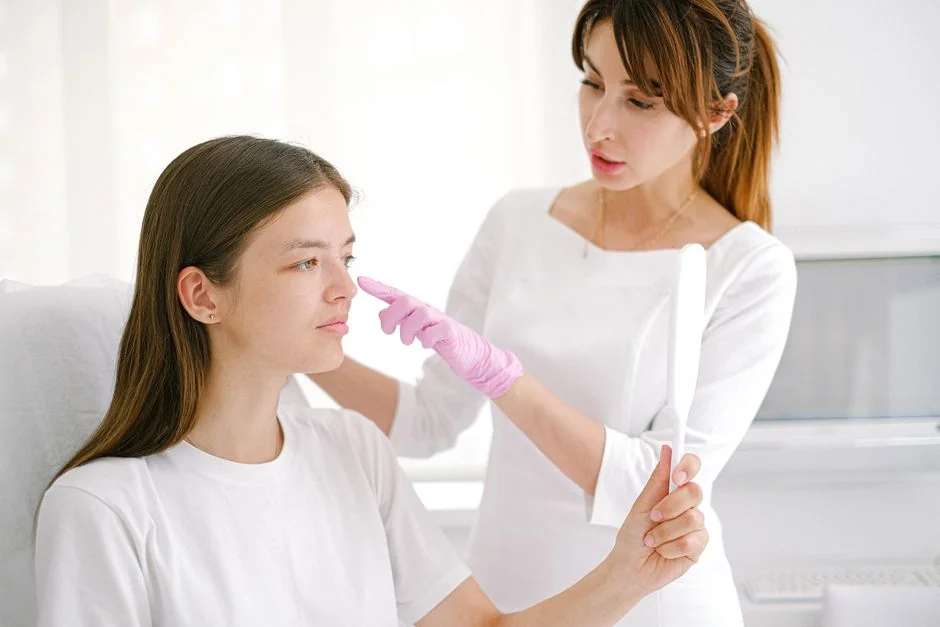
Japan’s insurance system explicitly excludes treatments whose primary purpose is aesthetic improvement rather than medical treatment. This is a source of confusion for many international patients who may be accustomed to broader coverage in their home countries.
The following are generally not covered by Japanese health insurance:
- Laser treatments for pigmentation, melasma, or age spots (including pico laser and CO2 fractional laser for cosmetic purposes)
- HIFU (High-Intensity Focused Ultrasound) for skin lifting and tightening
- Botox injections for cosmetic purposes (wrinkles, facial slimming)
- Hyaluronic acid fillers
- Chemical peels for cosmetic skin texture improvement
- RF microneedling devices (such as Morpheus8)
- Cosmetic mole removal (moles that are not symptomatic or suspicious)
- Double eyelid surgery or cosmetic blepharoplasty
- Thread lifts and liposuction
- Nutritional IV drips and supplementation programmes
Note: There is a grey area around certain procedures — for example, ptosis correction (drooping eyelid) may qualify for insurance coverage if it is causing functional impairment to vision. An accurate assessment requires a consultation with a qualified physician.
Common Misconceptions About Dermatology and Insurance in Japan
Misconception 1: “My acne treatment will be covered regardless of what I choose”
Insurance covers acne treatments that fall within the approved formulary — typically certain topical agents and oral antibiotics. However, treatments that are widely used for acne internationally, such as oral isotretinoin (Accutane/Roaccutane), have a more restricted prescribing pathway in Japan and are not universally available at all clinics. Cosmetic procedures targeting acne scarring — such as CO2 fractional laser or Dermapen — are entirely self-pay.
Misconception 2: “Cosmetic clinics cannot treat medical skin conditions”
This misunderstanding prevents some patients from accessing the combination of medical and cosmetic care they need. Plastic surgeons and cosmetic dermatologists in Japan who hold appropriate medical licences are qualified to diagnose and treat medical skin conditions — though they may choose to refer complex cases. At BIOTOPE CLINIC in Shirokanedai, Dr. Karibe is a board-certified plastic surgeon certified by the Japan Society of Plastic and Reconstructive Surgery, and consultations can address both medical concerns and cosmetic goals in a single appointment.
Dr. Karibe’s Note
Many of our international patients arrive with two separate concerns: a persistent skin condition they want properly diagnosed, and a cosmetic goal they have been putting off. A common question I receive is whether they need to visit two different clinics. In most cases, a single consultation at BIOTOPE CLINIC can address both sides — we can review a medical concern, discuss whether insurance may apply at an appropriate facility, and outline any cosmetic options that are relevant. Understanding the full picture from the outset saves both time and uncertainty.
Cost Overview: Insured vs. Self-Pay Dermatology in Tokyo
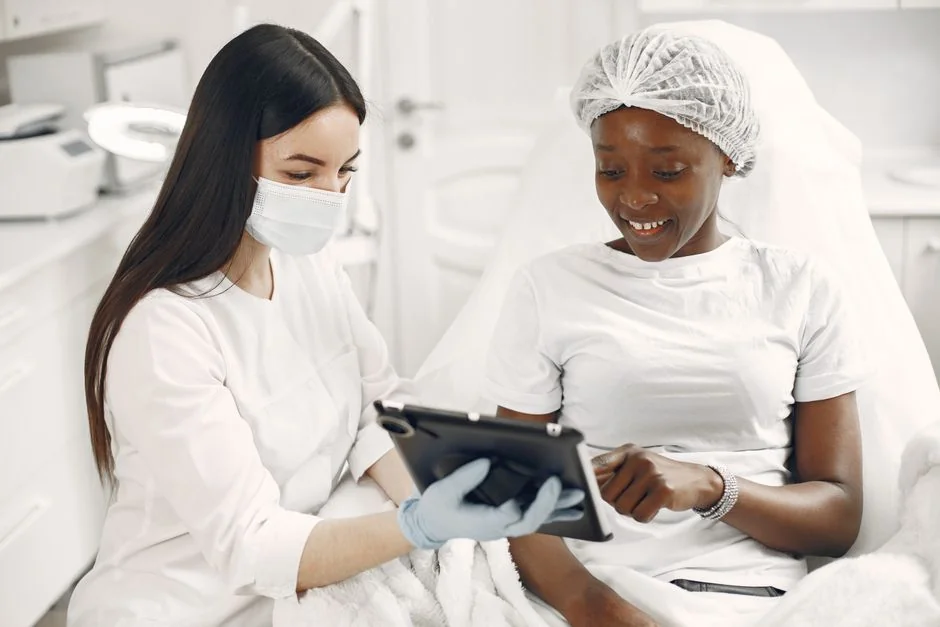
The table below provides a practical comparison of typical costs for common dermatology scenarios in Tokyo, distinguishing between insurance-covered visits and out-of-pocket cosmetic treatments.
| Treatment / Service | Insurance Covered? | Approximate Patient Cost (30% co-pay or self-pay) |
|---|---|---|
| Initial dermatology consultation | Yes (if enrolled) | Approx. ¥1,000–¥2,000 (30% share) |
| Prescription topical steroid or antihistamine | Yes | Approx. ¥500–¥2,500 depending on medication |
| Antiviral course (e.g. shingles) | Yes | Approx. ¥2,000–¥6,000 (30% share) |
| Narrowband UVB phototherapy (per session) | Yes (for psoriasis, eczema etc.) | Approx. ¥1,500–¥3,000 per session |
| Initial cosmetic consultation at BIOTOPE CLINIC | No — self-pay | ¥3,300 (initial) / ¥2,200 (Dr. Karibe surgical) |
| HIFU (skin lifting) | No | ¥25,000–¥110,000 at BIOTOPE CLINIC |
| Botox (Allergan) — cosmetic | No | ¥22,000–¥148,000 at BIOTOPE CLINIC |
| Pico laser (pigmentation) | No | ¥11,000–¥98,000 at BIOTOPE CLINIC |
| CO2 fractional laser (acne scars) | No | ¥11,000–¥66,000 at BIOTOPE CLINIC |
| Mole removal (cosmetic) | No | Consultation required for accurate quote |
Insurance-covered cost estimates above assume standard national health insurance co-payment rates and will vary based on the specific procedure codes applied. For an accurate quote on any cosmetic procedure, we recommend booking a consultation.
Have a question about this treatment?
Message us on LINE or WhatsApp — our English-speaking team usually replies the same day.
Where to Get English-Speaking Dermatology Consultations in Tokyo
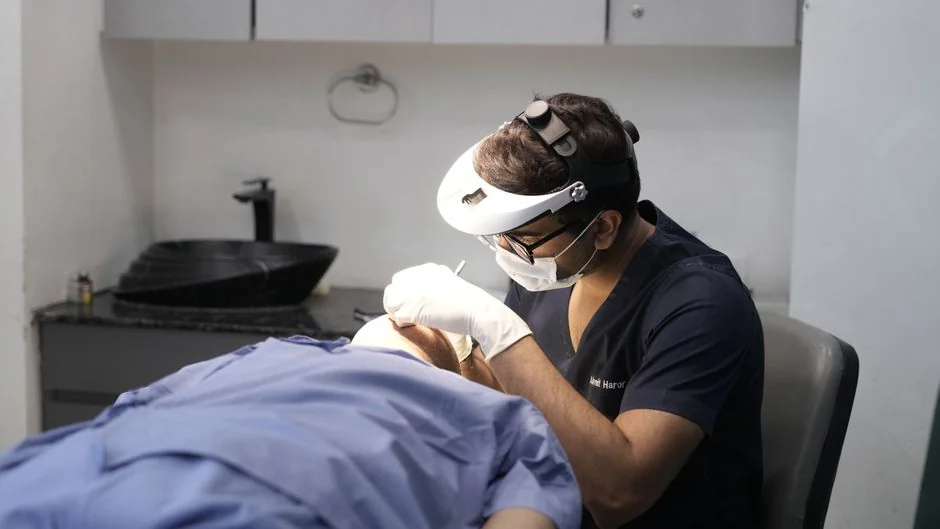
Finding a dermatologist who speaks English fluently and can discuss your medical and cosmetic concerns with clinical precision is a genuine challenge in Tokyo.
Many hospitals have interpretation services, but these are rarely available for dermatology specifically, and the nuance required for skin condition discussion is easily lost through general interpreters.
Within our clinic group, English-speaking consultations are handled at BIOTOPE CLINIC in Shirokanedai (Minato-ku, Tokyo) by Dr. Jun Karibe.
Dr. Karibe is a board-certified plastic surgeon with extensive experience in both reconstructive and cosmetic dermatology, and the clinic’s English-speaking team is equipped to guide international patients through the full process — from initial enquiry to post-treatment care.
Our sister clinic, Kojimachi Dermatology & Plastic Surgery Clinic, located in Ichigaya (Chiyoda-ku), serves as the group’s main base for insurance-covered dermatology in Japanese. It is an excellent resource for Japanese-speaking patients or those accompanied by a Japanese-speaking companion, offering the full range of insurance-eligible dermatology services. However, English-speaking consultations are not currently available at that location.
In Dr. Karibe’s clinical experience at BIOTOPE CLINIC, a significant proportion of English-speaking patients present with conditions that have gone undiagnosed for longer than necessary — not due to lack of access to clinics, but due to uncertainty about how to navigate the system in Japanese. A single English-language consultation can clarify both the medical picture and the treatment options available, whether they fall under insurance or not.
HIFU for skin tightening and PicoWay laser for pigmentation treatment are among the cosmetic options available at BIOTOPE CLINIC in Shirokanedai — feel free to ask about either during a consultation with Dr. Karibe.
Frequently Asked Questions
- Q. Can I use Japanese national health insurance even though I am a foreign national?
- Yes, in most cases. Foreign nationals residing in Japan for three months or more on a qualifying long-stay visa are generally required to enrol in either the national health insurance programme (Kokumin Kenko Hoken) or an employer-based scheme (Shakai Hoken). Once enrolled, you pay the standard 30% co-payment at the point of care. Short-term visitors and medical tourists are not eligible and pay full self-pay rates.
- Q. Is cosmetic acne scar treatment ever covered by insurance?
- Cosmetic procedures targeting acne scarring — such as CO2 fractional laser, Dermapen, or chemical peels — are not covered by Japanese health insurance and are classified as self-pay aesthetic treatments. Medically necessary treatments for active acne (topical agents, oral antibiotics) may be covered when prescribed appropriately. A consultation is the most reliable way to understand which elements of your care qualify.
- Q. Do I need a referral to visit a dermatologist in Japan?
- In Japan, you can generally visit a specialist clinic directly without a formal referral from a general practitioner. However, if you are visiting a large hospital (tokutei kino byoin), a referral letter (shokaijo) may be required or a surcharge applied for not having one. Private specialist clinics, including dermatology and plastic surgery clinics, typically accept direct bookings.
- Q. What documents should I bring to a dermatology appointment in Tokyo?
- Bring your health insurance card (hoken-sho) if you are enrolled, a valid photo ID, and any relevant medical records or previous prescriptions if available. For cosmetic consultations, before-and-after photographs of a specific concern can also be helpful for the physician to review.
- Q. Are there any skin treatments covered by insurance that I might not expect?
- Narrowband UVB phototherapy for conditions such as psoriasis and atopic dermatitis is a commonly overlooked insurance-covered treatment. Clinical reports indicate it can achieve meaningful improvement in moderate-to-severe psoriasis, with some studies citing a 75% reduction in PASI score (a standard measure of psoriasis severity) in a proportion of treated patients. If you have a chronic inflammatory skin condition, it is worth asking a physician whether phototherapy is an appropriate and covered option for your case.
Have a question about this treatment?
Message us on LINE or WhatsApp — our English-speaking team usually replies the same day.
Summary
Japan’s universal health insurance system provides meaningful coverage for a broad range of medically necessary dermatology treatments — from topical medications and oral antibiotics to phototherapy for chronic skin conditions. However, the line between medical and cosmetic treatment is firmly drawn, and aesthetic procedures from laser resurfacing to injectables fall entirely outside the scope of insurance.
For English-speaking residents and visitors in Tokyo, the principal challenge is accessing a clinician who can explain these distinctions clearly, diagnose accurately, and discuss all available options — insured and cosmetic — in English. Understanding your coverage status, the relevant treatment categories, and the realistic cost landscape in advance makes the process considerably more manageable.
If you have questions about finding an English-speaking dermatologist or navigating insurance coverage for skin conditions in Tokyo, English-speaking consultations are handled at BIOTOPE CLINIC in Shirokanedai (Minato-ku, Tokyo) by Dr. Karibe. Our sister clinic, Kojimachi Dermatology & Plastic Surgery Clinic in Ichigaya (Chiyoda-ku), handles Japanese-language insurance dermatology. English enquiries: LINE or WhatsApp.
24/7 Consultation & Booking
Book a Consultation or Treatment
Our English-speaking team responds via LINE or WhatsApp — usually the same day.
References
- Williams H, Stewart A, von Mutius E, et al. Is eczema really on the increase worldwide? A systematic review. The Journal of Allergy and Clinical Immunology. 2008.
- Menter A, Korman NJ, Elmets CA, et al. Guidelines of care for the management of psoriasis and psoriatic arthritis. Journal of the American Academy of Dermatology. 2010.
- Takahashi H, Iizuka H. Psoriasis in Japan: epidemiological and clinical observation. The Journal of Dermatology. 2012.
- Saeki H, Furue M, Furukawa F, et al. Guidelines for management of atopic dermatitis. The Journal of Dermatology. 2009.
- Tanew A, Radakovic-Fijan S, Schemper M, Honigsmann H. Narrowband UV-B phototherapy vs photochemotherapy in the treatment of chronic plaque-type psoriasis. Archives of Dermatology. 1999.
SUPERVISED BY
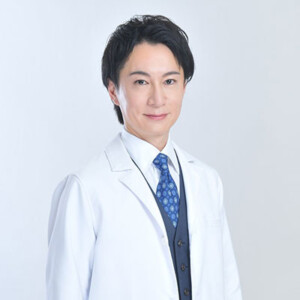
Dr. Jun Karibe
MD
Director
Education & Career
Certifications
Awards
MEDICAL REVIEW