Cyst Removal in Tokyo: What to Expect at a Dermatologist or Plastic Surgeon
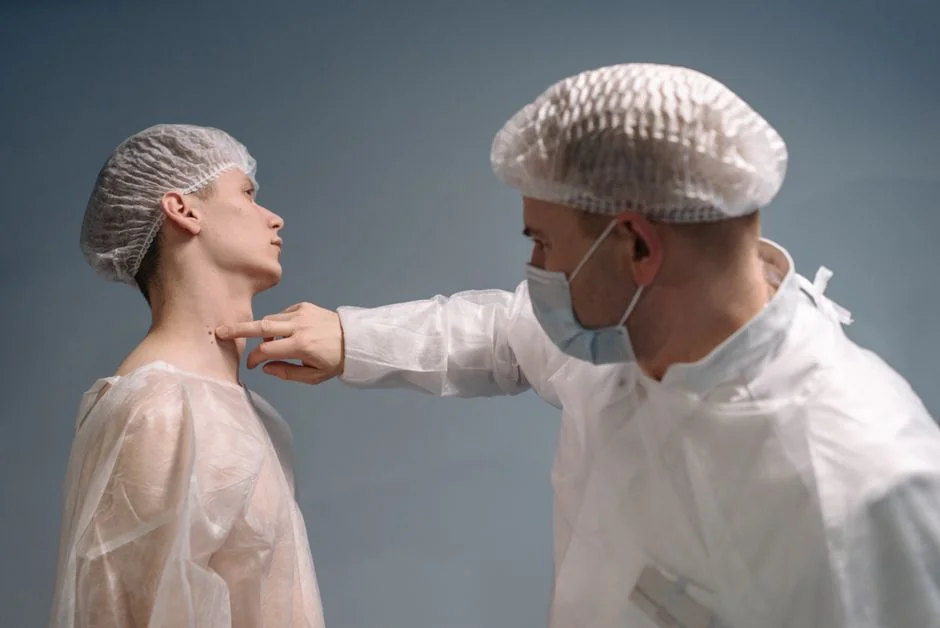
Discovering a lump beneath your skin — whether on your scalp, back, face, or neck — can be unsettling, particularly when you are living abroad and unsure how to navigate the Japanese healthcare system.
The good news is that most skin cysts are benign and highly treatable, and Tokyo offers a high standard of care for their removal.
This article explains what skin cysts are, how they are removed, what the procedure costs in Tokyo, and what recovery typically looks like.
What you’ll learn in this article:
- The difference between common types of skin cysts and why removal is often recommended
- How cyst excision is performed at a dermatology or plastic surgery clinic in Tokyo
- Realistic cost ranges for cyst removal in Japan (both private and insurance-covered)
- What to expect before, during, and after the procedure
- How to access an English-speaking consultation in Tokyo
Have a question about this treatment?
Message us on LINE or WhatsApp — our English-speaking team usually replies the same day.
What Is a Skin Cyst?
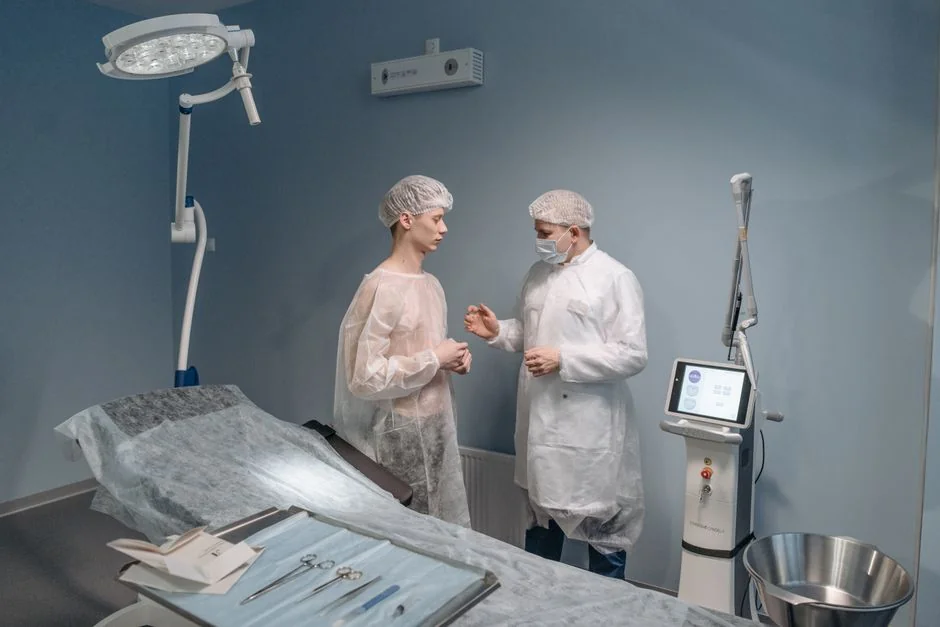
A skin cyst is a closed, sac-like pocket of tissue that forms just beneath the surface of the skin.
It typically contains fluid, semi-solid matter, or keratin — the protein that makes up skin, hair, and nails.
Cysts are almost always benign (non-cancerous), though any new or changing lump should be evaluated by a qualified clinician.
Common Types of Skin Cysts
The most frequently encountered types in clinical practice are:
- Epidermoid cysts (often incorrectly called “sebaceous cysts”) — the most common type, arising from the outermost layer of the skin. They feel firm, are usually slow-growing, and contain a white, cheesy substance called keratin.
- Pilar cysts — similar in appearance to epidermoid cysts but arising from hair follicles. They are most often found on the scalp.
- Lipomas — soft, movable lumps composed of fatty tissue rather than a true cyst wall. They are handled differently from cysts and are worth discussing with your doctor to confirm the diagnosis.
- Milia — very small keratin-filled cysts that appear as white or yellowish dots, most commonly around the eyes and cheeks.
A dermatologist or plastic surgeon can usually diagnose a cyst by clinical examination. In some cases, an ultrasound may be used to confirm the cyst’s depth and contents before treatment is planned.
Why Removal Is Recommended
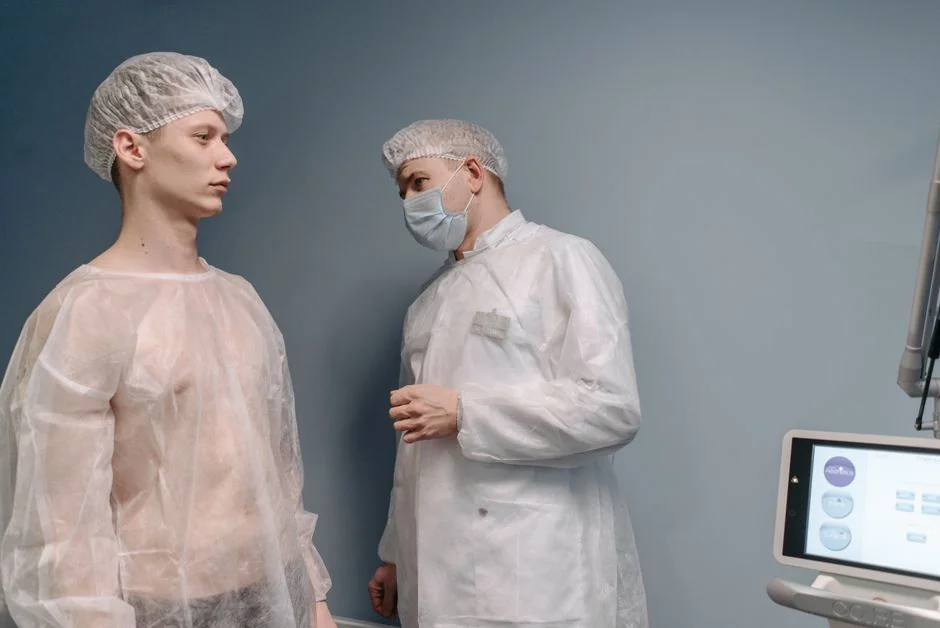
Many cysts remain stable and cause no symptoms for years. However, removal is often advisable in the following situations:
- The cyst has become inflamed, infected, or painful
- It is growing in size or location (such as near an eyelid or joint)
- It is causing cosmetic concern or affecting confidence
- There is diagnostic uncertainty about the nature of the lump
Importantly, attempting to squeeze or drain a cyst at home is strongly discouraged. Without removal of the cyst wall, recurrence is almost certain, and introducing bacteria increases the risk of abscess formation.
Common Misconceptions About Cyst Removal
Misconception 1: “Draining a cyst is the same as removing it”
This is one of the most persistent misunderstandings. Draining a cyst — a quick procedure sometimes offered in general clinics — removes the contents but leaves the fibrous cyst wall intact. Clinical evidence consistently shows that if the wall is not excised in its entirety, the cyst will refill and recur. True resolution requires complete surgical excision of the wall.
Misconception 2: “An infected cyst must be operated on immediately”
Counterintuitively, surgery on an actively infected cyst is generally not recommended. When a cyst is inflamed, the tissue planes are distorted and oedematous (swollen with fluid), making clean excision very difficult and increasing the risk of incomplete removal and scarring. Standard practice is to treat the infection first — sometimes with incision and drainage to relieve pressure, followed by a course of antibiotics — and then schedule definitive excision once inflammation has fully resolved, typically four to six weeks later.
Dr. Karibe’s Note
Many of our international patients arrive having been told to “just leave it” by a clinician overseas, only to find the cyst has grown or repeatedly become infected over months or years. A common question I receive is whether the scar from removal will be noticeable.
The honest answer is that a small linear scar is inevitable, but with careful technique and proper wound care it tends to fade significantly within six to twelve months. Placement of the incision along natural skin tension lines (Langer’s lines) is a detail that matters — it is something we pay close attention to at BIOTOPE CLINIC in Shirokanedai when planning the procedure with each patient.
How Cyst Excision Works
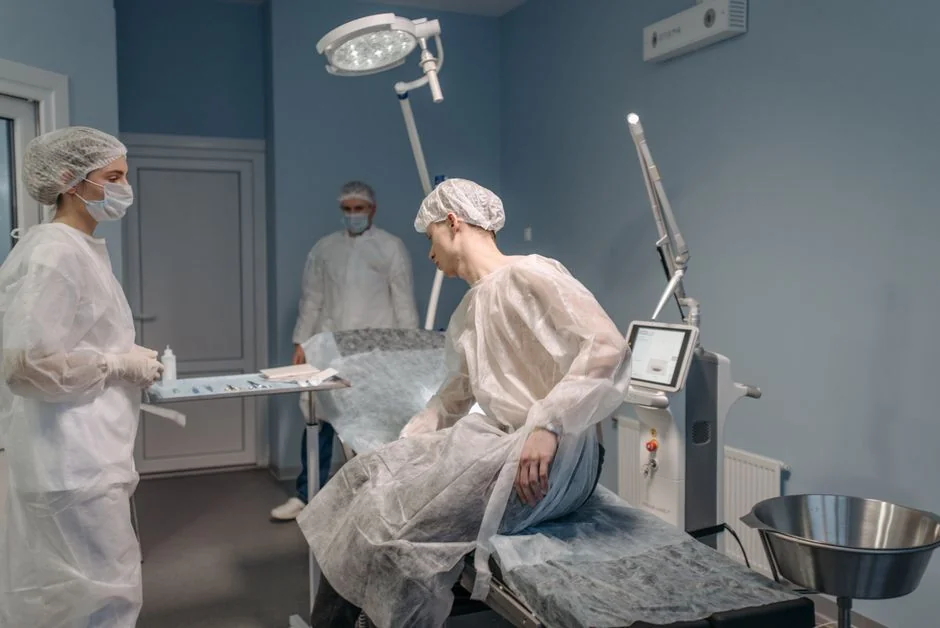
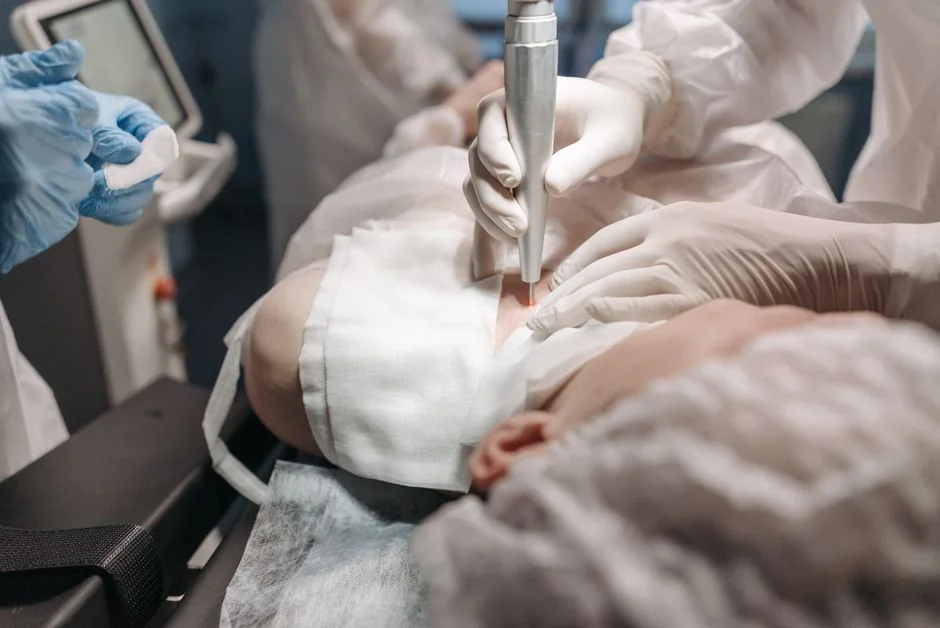
Cyst excision is a minor surgical procedure performed under local anaesthesia (an injection to numb the area). The patient is awake throughout and should feel pressure but not pain.
Step-by-Step Overview
- Consultation and examination — The clinician confirms the diagnosis, discusses risks and expectations, and identifies the ideal incision line.
- Local anaesthesia — A small injection of anaesthetic (typically lidocaine) is administered around the cyst. The area takes effect within a few minutes.
- Incision — A small elliptical or linear cut is made over the cyst. For epidermoid cysts, a minimal-excision (punch biopsy) technique may be used for smaller lesions to reduce scarring.
- Dissection and removal — The cyst is carefully separated from the surrounding tissue and removed whole, wall intact. This is the step that determines whether recurrence will occur.
- Closure — The wound is closed with sutures. Depending on the size and depth, internal (absorbable) sutures may be placed to reduce tension on the outer layer, followed by fine skin sutures.
- Specimen handling — Excised tissue may be sent for histopathological analysis (laboratory examination) to confirm the diagnosis, which is standard good practice.
The procedure typically takes 20 to 45 minutes depending on the size and location of the cyst. Patients can usually walk out of the clinic immediately afterwards.
Cost of Cyst Removal in Tokyo
Insurance-Covered Treatment
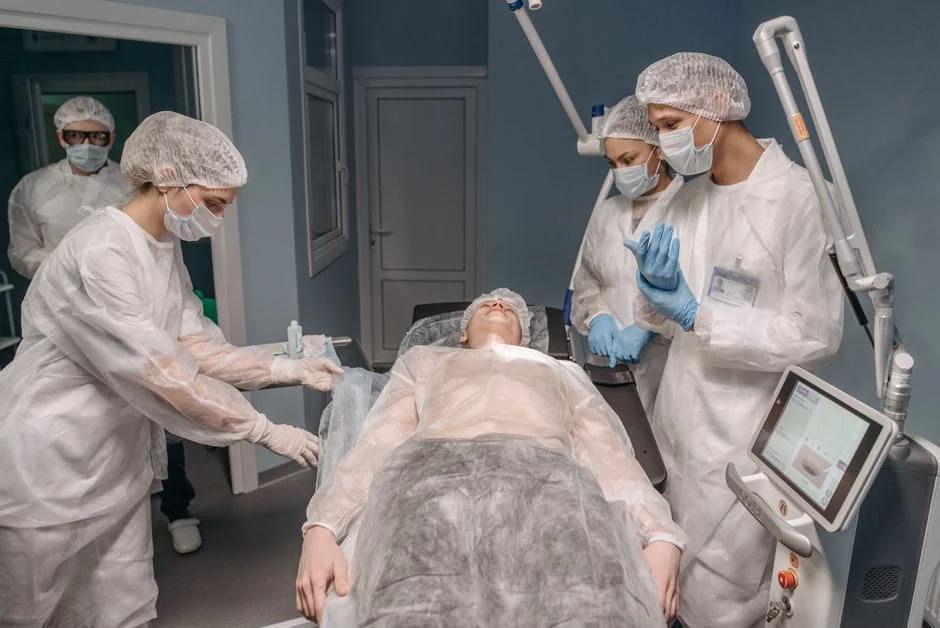
Cyst excision is, in many cases, covered under Japan’s national health insurance (Shakai Hoken or Kokumin Kenko Hoken) when the cyst is symptomatic or diagnostically uncertain. Under insurance, patients typically pay 30% of the total fee (the standard co-payment rate for most adults).
The out-of-pocket cost under insurance commonly falls in the range of approximately ¥3,000–¥15,000 depending on cyst size, technique, and whether histopathology is requested. The group’s insurance-covered dermatology and plastic surgery services are handled at Kojimachi Dermatology & Plastic Surgery Clinic in Ichigaya (Chiyoda-ku) — the group’s main office — but consultations there are conducted in Japanese.
Private (Self-Pay) Treatment
For patients who prefer to be seen at an English-speaking clinic, or who do not hold Japanese health insurance, private cyst removal is available. Private fees in Tokyo for excision of a single cyst typically range from approximately ¥30,000 to ¥80,000 depending on size, location, complexity, and whether the procedure is performed by a plastic surgeon versus a general dermatologist. Additional charges may apply for anaesthesia and pre-operative assessment where required. For an accurate quote, we recommend booking a consultation.
Comparison: Insurance vs. Private for Cyst Removal in Tokyo
| Factor | Insurance-Covered (Japanese) | Private / English-Speaking Clinic |
|---|---|---|
| Language of consultation | Japanese | English available at BIOTOPE CLINIC |
| Typical patient cost (single cyst) | Approx. ¥3,000–¥15,000 (30% co-pay) | Approx. ¥30,000–¥80,000 |
| Insurance requirement | Valid Japanese health insurance required | None required |
| Booking process | Japanese-language enquiry | LINE or WhatsApp in English |
| Who performs the procedure | Dermatologist or plastic surgeon | Dr. Jun Karibe (board-certified plastic surgeon) |
| Histopathology | Usually included under insurance | Available; may be billed separately |
Have a question about this treatment?
Message us on LINE or WhatsApp — our English-speaking team usually replies the same day.
What to Expect: Before, During, and After
Before the Procedure
At the initial consultation, the clinician will examine the cyst, take a brief medical history, and discuss the approach. Patients are generally advised to avoid blood-thinning medications such as aspirin or ibuprofen for several days beforehand if medically safe to do so, as these can increase bleeding. Alcohol should also be avoided in the 24 hours prior.
During the Procedure
The procedure itself is well tolerated by the vast majority of patients. The most uncomfortable moment is usually the initial anaesthetic injection, which causes a brief stinging sensation. Once numb, patients may feel tugging or light pressure but should not experience pain. Communicating openly with the doctor during the procedure if anything is felt is always encouraged.
After the Procedure and Recovery
Most patients resume normal daily activities on the same day or the following morning.
The wound should be kept clean and dry for the first 24–48 hours. Sutures are typically removed at a follow-up appointment five to fourteen days after the procedure, depending on location and tension. Strenuous exercise and swimming are usually advised against for one to two weeks to allow the wound to heal properly.
Studies suggest that recurrence rates for epidermoid cysts following complete wall excision are low — clinical literature reports recurrence in fewer than 5% of cases when the wall is removed intact. Incomplete removal, by contrast, is associated with much higher recurrence rates. Scar maturation takes three to twelve months, during which the appearance of the scar typically continues to improve.
At BIOTOPE CLINIC in Shirokanedai, Dr. Karibe frequently sees patients who have had a previous drainage or incomplete excision elsewhere and are seeking a definitive solution. Scar revision is also available at the clinic if the outcome of a prior procedure elsewhere has been aesthetically unsatisfactory — this is a treatment available at BIOTOPE CLINIC in Shirokanedai, and patients are welcome to ask about it during a consultation with Dr. Karibe.
Who Is a Good Candidate?
Cyst removal is suitable for most healthy adults who have a confirmed or suspected benign cyst that is causing physical discomfort, recurrent infection, or cosmetic concern. It is a low-risk procedure that can typically be offered to patients regardless of age, provided general health allows for local anaesthesia.
The procedure may require additional planning or medical clearance in patients who:
- Are taking anticoagulant (blood-thinning) medication such as warfarin or newer oral anticoagulants
- Have poorly controlled diabetes, which can affect wound healing
- Are currently pregnant (deferral until after delivery is typically advised unless the cyst is causing significant problems)
- Have a known allergy to local anaesthetics — alternatives are available and should be discussed in advance
Patients with active infection or inflammation at the cyst site will generally be advised to complete a course of treatment before excision is scheduled, as discussed earlier.
Where to Get Cyst Removal in Tokyo (English Consultation)
Within our clinic group, English-speaking consultations are handled at BIOTOPE CLINIC in Shirokanedai (Minato-ku, Tokyo) by Dr. Jun Karibe, a board-certified plastic surgeon certified by the Japan Society of Plastic and Reconstructive Surgery. Cyst excision is among the surgical procedures performed at the clinic. Our sister clinic, Kojimachi Dermatology & Plastic Surgery Clinic in Ichigaya (Chiyoda-ku), handles Japanese-language insurance-covered dermatology and is the group’s main office. Bookings and enquiries in English: LINE or WhatsApp.
Frequently Asked Questions
- Q. Will cyst removal leave a visible scar?
- A small scar is an inevitable result of any surgical incision. With careful technique — including placement along natural skin tension lines and fine suture closure — scars typically fade to a faint line over six to twelve months. The final appearance depends on factors including skin type, the location of the cyst, and individual healing. Results cannot be guaranteed in advance, and this is discussed openly during the consultation.
- Q. Can I have a cyst removed if I do not have Japanese health insurance?
- Yes. Private cyst removal is available without Japanese health insurance at BIOTOPE CLINIC in Shirokanedai. An English-speaking consultation with Dr. Karibe can be arranged, and a treatment plan with pricing will be discussed at that appointment. The initial consultation fee is ¥3,300, and a surgical consultation with Dr. Karibe is ¥2,200.
- Q. Is it safe to remove a cyst on the face or near the eye?
- Cysts in delicate areas such as the face or periorbital region (around the eye) can be safely excised by an experienced plastic surgeon. The approach and incision design are adapted to the specific site to minimise visible scarring and protect underlying structures. Patients with cysts near the eyelid may also wish to ask about related procedures such as blepharoplasty during their consultation.
- Q. How long does the whole process take from consultation to recovery?
- For a straightforward, non-infected cyst, the consultation, procedure, and wound healing typically span two to four weeks in total. This includes the initial consultation, a brief interval for pre-operative preparation, the procedure itself (usually 20–45 minutes), and suture removal at a follow-up visit five to fourteen days later. Most patients experience minimal disruption to daily life.
- Q. Is the removed cyst always sent for laboratory analysis?
- In good clinical practice, excised tissue is commonly submitted for histopathological analysis to confirm the diagnosis and exclude any unexpected findings. This is particularly recommended when there is any diagnostic uncertainty. The results are typically available within one to two weeks and are reviewed at a follow-up appointment.
Have a question about this treatment?
Message us on LINE or WhatsApp — our English-speaking team usually replies the same day.
Summary
Skin cysts are common, benign, and very effectively treated by complete surgical excision. The key to lasting results is complete removal of the cyst wall under local anaesthesia — draining alone will not prevent recurrence. Tokyo offers a high standard of care for this procedure, and it is accessible to English-speaking patients without Japanese health insurance through private clinic services.
Recovery is typically straightforward, with most patients returning to daily activities on the same day. Scar appearance improves progressively over months, and recurrence following complete excision is uncommon. Clinical literature indicates a recurrence rate below 5% when the cyst wall is fully removed intact.
If you have questions about cyst removal, English-speaking consultations are handled at BIOTOPE CLINIC in Shirokanedai (Minato-ku, Tokyo) by Dr. Karibe. Our sister clinic, Kojimachi Dermatology & Plastic Surgery Clinic in Ichigaya (Chiyoda-ku), handles Japanese-language insurance dermatology. English enquiries: LINE or WhatsApp.
24/7 Consultation & Booking
Book a Consultation or Treatment
Our English-speaking team responds via LINE or WhatsApp — usually the same day.
References
- Zuber TJ. Minimal excision technique for epidermoid (sebaceous) cysts. American Family Physician. 2002.
- Weir CB, St. Hilaire NJ. Epidermal inclusion cyst. StatPearls Publishing. 2023.
- Lee HE, Yang CH, Chen CH, Hong HS, Kuan YZ. Comparison of the recurrence rate of epidermal cysts after three different surgical methods. Dermatologic Surgery. 2006.
- Nakamura M. Surgical management of epidermoid cysts in Japanese patients: a retrospective review of technique and outcomes. Journal of Dermatological Treatment. 2018.
- Salasche SJ. Surgery of the skin: procedural dermatology. Chapter on cyst excision. Elsevier. 2005.
Related Articles
You may also find these articles useful.
- Hair Loss Treatment Tokyo: AGA Options for Expats
- Laser Skin Treatment Tokyo: English-Speaking Clinic Guide
- Acne Treatment at Tokyo Dermatologist: What to Expect
- Mole Removal Tokyo: Cost and Procedure Guide
SUPERVISED BY
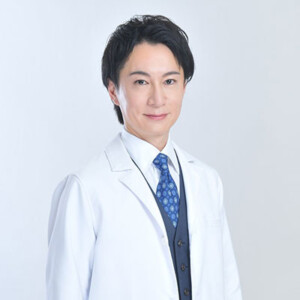
Dr. Jun Karibe
MD
Director
Education & Career
Certifications
Awards
MEDICAL REVIEW