Gut Microbiome Testing in Tokyo: What It Reveals About Your Health
If you have been experiencing persistent digestive discomfort, unexplained fatigue, skin flare-ups, or a general sense that something is “off” despite normal blood test results, you are not alone — and the answers may lie in your gut.
Gut microbiome testing has emerged as a practical tool for uncovering imbalances in the trillions of micro-organisms that live in your digestive tract and influence far more of your health than most people realise.
This article explains what gut microbiome testing involves, what the results can and cannot tell you, how the process works in a Tokyo clinical setting, and who is most likely to benefit from it.
What you’ll learn in this article:
- What the gut microbiome is and why it matters to overall health
- How microbiome testing works and what a results report looks like
- What conditions or symptoms the test may help clarify
- What gut microbiome testing costs in Tokyo
- How to access testing and interpretation through an English-speaking doctor in Tokyo
Have a question about this treatment?
Message us on LINE or WhatsApp — our English-speaking team usually replies the same day.
What Is the Gut Microbiome — and Why Does It Matter?
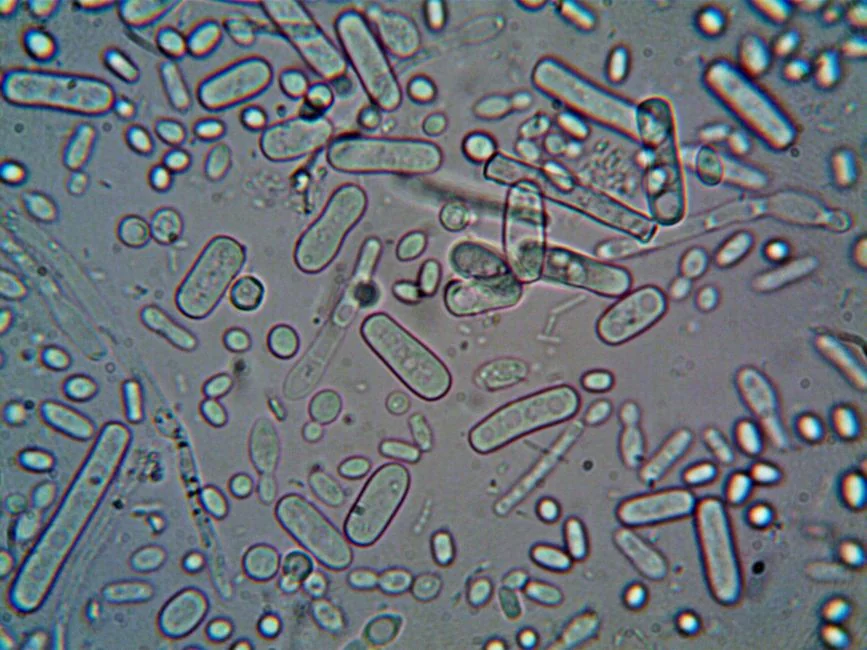
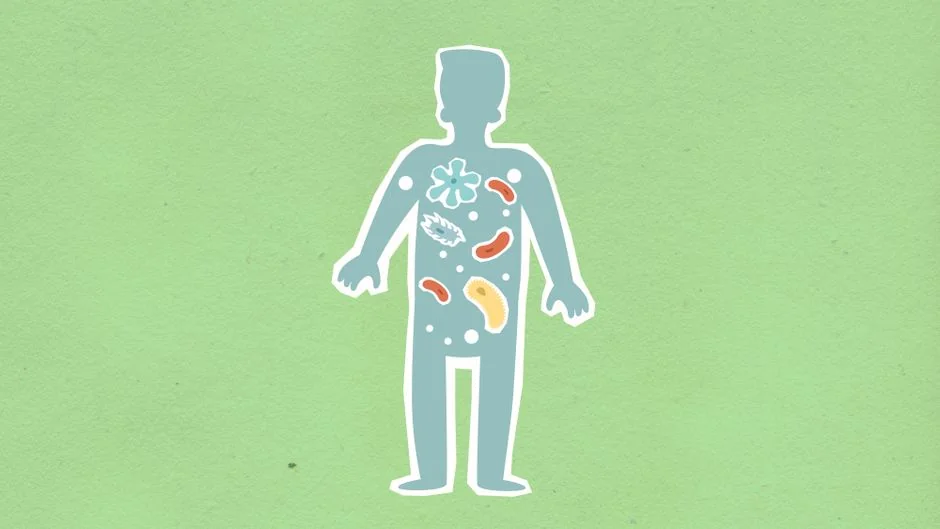
The gut microbiome refers to the vast community of bacteria, fungi, viruses, and other micro-organisms that colonise the human digestive tract, predominantly the large intestine. Research published in Cell and other leading journals has estimated that the human gut hosts somewhere between 500 and 1,000 distinct bacterial species, with the total microbial gene count outnumbering human genes by a factor of approximately 150 to 1.
This microbial community is not merely a passenger in the body. Studies suggest it plays a central role in digestion and nutrient absorption, immune system regulation, inflammation control, hormone metabolism, and even mood and cognitive function through what researchers call the gut-brain axis.
An imbalance in the composition of these micro-organisms — a state known as dysbiosis — has been linked in clinical literature to conditions ranging from irritable bowel syndrome (IBS) and inflammatory bowel disease to obesity, type 2 diabetes, atopic dermatitis, and anxiety disorders.
Understanding your individual microbiome composition is therefore not simply a curiosity. For many patients, it offers a concrete framework for explaining symptoms that have otherwise been difficult to pin down.
How Gut Microbiome Testing Works
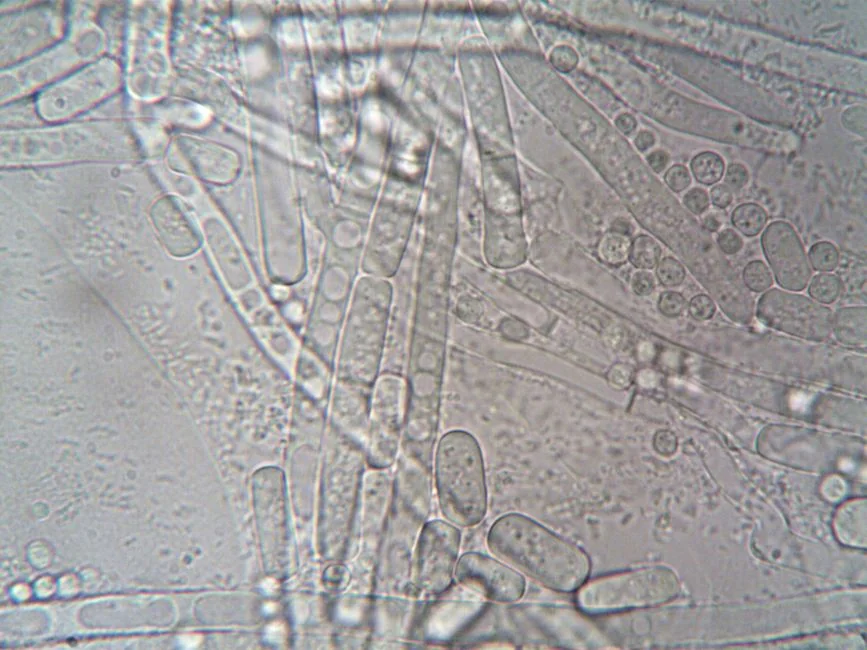
The sample collection process
Gut microbiome analysis is performed on a stool (faecal) sample collected at home using a kit provided by the clinic.
The process is straightforward: a small amount of stool is collected using a supplied swab or sampling tool, placed in a stabilising solution, and returned to the clinic or sent directly to the laboratory. No dietary preparation or fasting is typically required, though some laboratories recommend avoiding antibiotics and probiotic supplements for two to four weeks prior to sampling for the most accurate results.
Laboratory analysis: what the sequencing reveals
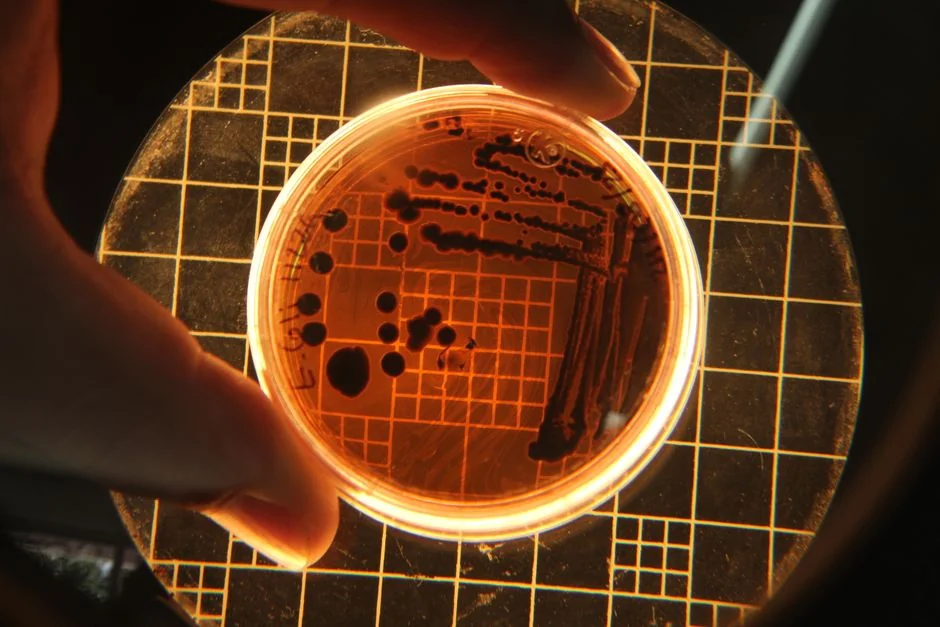
The sample is analysed using DNA sequencing technology — most commonly 16S rRNA gene sequencing or, in more comprehensive panels, whole metagenome shotgun sequencing. In plain terms, the laboratory reads the genetic signatures of the micro-organisms present in the sample and compares them against large reference databases to identify which species are present, in what quantities, and whether any are significantly elevated or reduced relative to healthy population norms.
The resulting report typically presents data on:
- Microbial diversity — a higher diversity score is generally associated with better health outcomes
- Ratio of key bacterial phyla — particularly Firmicutes and Bacteroidetes, the two dominant groups
- Presence of beneficial bacteria — such as Lactobacillus, Bifidobacterium, and butyrate-producing species
- Presence of potentially problematic species — including certain opportunistic bacteria that may be elevated in dysbiosis
- Functional markers — in advanced panels, indicators of metabolic activity such as short-chain fatty acid production
Interpreting the results
A raw sequencing report alone is of limited value without clinical interpretation. The data must be contextualised against the patient’s symptoms, medical history, diet, and lifestyle. This is where physician oversight becomes essential: a knowledgeable clinician can translate the report into practical guidance — whether dietary changes, targeted probiotic or prebiotic supplementation, lifestyle adjustments, or further investigation.
Dr. Karibe’s Note
Many of our international patients at BIOTOPE CLINIC are surprised to find that gut microbiome testing is not just for digestive complaints. We frequently see patients who come in concerned about persistent skin issues — acne, eczema flare-ups, or unusual dryness — and whose microbiome results reveal significant dysbiosis. The gut-skin connection is well-documented in the literature, and in many cases addressing the microbiome becomes a meaningful part of a broader wellness plan. A consultation is always the best starting point, as the test results need clinical context to be genuinely useful.
What Conditions Might Gut Microbiome Testing Help Clarify?
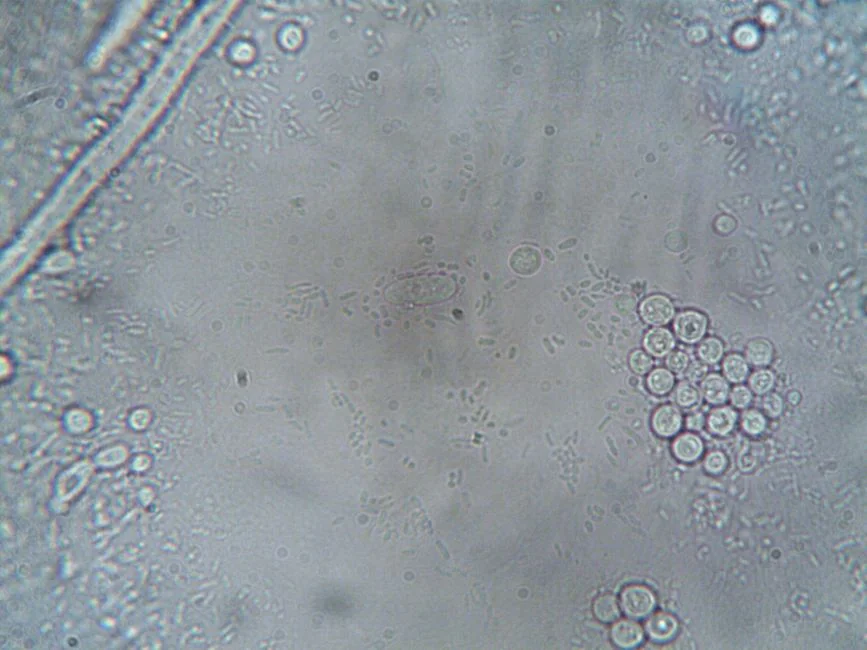
Gut microbiome testing is not a diagnostic tool in the traditional sense — it does not diagnose specific diseases in the way that a blood glucose test diagnoses diabetes. Rather, it provides a detailed picture of microbial composition that, when interpreted alongside clinical assessment, may help explain or contribute to the management of a range of conditions.
Clinical reports indicate that dysbiosis has been identified in a significant proportion of patients with IBS, with some studies suggesting that altered Firmicutes-to-Bacteroidetes ratios are present in up to 50–60% of IBS cases examined. Research has also linked low microbiome diversity with increased systemic inflammation, compromised immune tolerance, and poorer metabolic outcomes. The test may be particularly informative for patients experiencing:
- Unexplained bloating, irregular bowel habits, or abdominal discomfort
- Chronic fatigue without a clear medical cause
- Recurrent skin conditions including acne, atopic dermatitis, or rosacea
- Difficulty managing weight despite dietary changes
- Mood dysregulation, brain fog, or poor sleep quality
- Post-antibiotic recovery and restoring a healthy microbial balance
Common Misconceptions About Gut Microbiome Testing
Misconception 1: “A probiotic supplement will fix whatever the test finds.”
This is one of the most prevalent misunderstandings. Not all probiotics are clinically equivalent, and taking a generic over-the-counter product without knowing which specific bacterial strains are depleted may have little meaningful effect. The value of testing lies precisely in enabling targeted, evidence-informed interventions rather than generic supplementation. A physician can recommend specific strains, doses, or dietary protocols based on actual results.
Misconception 2: “If my results look normal, my gut health is perfect.”
Microbiome science is a rapidly evolving field, and the reference ranges used by different laboratories vary. A report that shows no obvious red flags does not necessarily mean all is well — it means the snapshot taken at that point in time did not reveal major deviations from population averages. Conversely, a low diversity score or elevated opportunistic species should be discussed with a doctor rather than treated as a definitive diagnosis of illness. The test is a starting point for a conversation, not a verdict.
Gut Microbiome Testing: Cost in Tokyo
The cost of gut microbiome analysis in Tokyo varies depending on the comprehensiveness of the panel. At BIOTOPE CLINIC in Shirokanedai, gut microbiome analysis is offered as part of the preventive medicine programme alongside other assessments such as orthomolecular (nutritional) therapy, genetic testing, and IV drip therapy. Please contact the clinic directly for current pricing on the specific panel that suits your needs, as packages and available tests are updated periodically.
As a general guide to the Tokyo market, basic microbiome screening panels (covering major phyla and diversity scoring) tend to range from approximately ¥30,000~, while more comprehensive metagenomics panels that include functional markers and strain-level identification may range from ¥30,000 to ¥80,000 or more. The initial consultation fee at BIOTOPE CLINIC is ¥5500.
It is worth factoring in the follow-up consultation required to interpret results — this is not an optional extra but an essential part of making the test clinically meaningful. For an accurate quote tailored to your situation, we recommend booking a consultation.
Have a question about this treatment?
Message us on LINE or WhatsApp — our English-speaking team usually replies the same day.
What to Expect: Before, During, and After Testing
Before the test
At an initial consultation, the physician will review your medical history, current symptoms, diet, and any recent use of antibiotics or medications that might affect results. You will be provided with a sample collection kit and clear instructions. In most cases, no special preparation is required beyond avoiding antibiotics and prolonged use of high-dose probiotics in the weeks preceding the test, unless the physician advises otherwise.
Collecting the sample
Collection is done privately at home and takes only a few minutes. The stabilised sample is then returned to the clinic or posted to the affiliated laboratory. Turnaround time for results is typically two to four weeks depending on the panel selected.
After results are available
A follow-up consultation is scheduled to go through the report in detail. The physician will explain the findings in plain language, connect them to any symptoms you have reported, and outline practical next steps. These may include dietary modifications (such as increasing prebiotic-rich foods), targeted probiotic recommendations, lifestyle changes, or, where relevant, further investigation through other tests. In some cases, the microbiome data is reviewed alongside results from nutritional blood testing, which is also available through BIOTOPE CLINIC‘s preventive medicine programme — feel free to ask about combined assessments during your consultation with Dr. Karibe.
Who Is a Good Candidate for Gut Microbiome Testing?

Gut microbiome analysis is generally safe and non-invasive for most adults. It may be particularly worthwhile for individuals who:
- Have persistent digestive symptoms that have not been fully explained by standard testing
- Are interested in a proactive, data-driven approach to general wellness and disease prevention
- Have recently completed a course of antibiotics and wish to understand and support recovery of healthy gut flora
- Are managing chronic skin conditions, autoimmune tendencies, or metabolic concerns and want to explore the gut-health connection
- Are expatriates or frequent travellers whose diet and environment have changed significantly
Testing is not a substitute for conventional medical investigation when serious symptoms are present. If you are experiencing significant gastrointestinal bleeding, severe unexplained weight loss, or any symptom that may indicate an acute condition, you should seek prompt medical attention. Microbiome testing is best positioned as part of an integrative or preventive health approach, not as a first-line diagnostic for acute illness.
Gut Microbiome Testing vs. Related Health Assessments: A Quick Comparison
| Assessment | What it measures | Invasiveness | Best suited for |
|---|---|---|---|
| Gut microbiome analysis | Bacterial species composition, diversity, functional markers | Non-invasive (stool sample) | Digestive health, skin, immunity, metabolic wellness |
| Comprehensive blood panel / orthomolecular testing | Vitamins, minerals, hormones, inflammatory markers | Minimally invasive (venous blood draw) | Nutritional deficiencies, fatigue, immune function |
| Genetic testing | Inherited predispositions to disease, metabolic traits | Non-invasive (saliva or cheek swab) | Long-term health risk profiling, personalised prevention |
| Food sensitivity / allergy testing | Immune reactivity to specific foods (IgG/IgE) | Minimally invasive (blood draw) | Identifying dietary triggers for symptoms |
At BIOTOPE CLINIC in Shirokanedai, Dr. Karibe’s preventive medicine programme can incorporate several of these assessments together. Discussing your specific concerns during an initial consultation will help determine which combination is most relevant for you.
Frequently Asked Questions
- Q. Is gut microbiome testing covered by Japanese health insurance?
- Gut microbiome analysis is currently considered a preventive or elective assessment in Japan and is not covered under the national health insurance system. It is offered on a self-pay basis. Our sister clinic, Kojimachi Dermatology & Plastic Surgery Clinic in Ichigaya, handles insurance-covered dermatology and general skin conditions in Japanese; for microbiome testing and preventive medicine with English-language support, BIOTOPE CLINIC in Shirokanedai is the appropriate destination.
- Q. How accurate is gut microbiome testing?
- Modern DNA sequencing methods are technically robust and reproducible, but it is important to understand that the science of interpreting microbiome data is still evolving. Different laboratories use different reference databases and algorithms, which can affect how results are classified. Results are most meaningful when reviewed by a physician who can contextualise findings against your full clinical picture rather than treated as standalone diagnostic outputs.
- Q. How often should I repeat the test?
- The gut microbiome is dynamic and can shift meaningfully in response to diet, lifestyle, illness, medication, and other factors. Many patients find it useful to re-test after three to six months of implementing recommendations, in order to assess whether interventions have had the desired effect. Your physician can advise on the most appropriate interval based on your individual goals and progress.
- Q. Can gut microbiome testing help with weight management?
- Research has found associations between specific microbial profiles and metabolic outcomes including body weight, insulin sensitivity, and fat storage — though the relationship is complex and bidirectional. Testing can provide useful contextual information within a broader weight management plan, but it should be viewed as one piece of the puzzle alongside dietary assessment, physical activity, hormonal evaluation, and other factors.
- Q. Do I need to speak Japanese to access this service in Tokyo?
- At BIOTOPE CLINIC in Shirokanedai, consultations for gut microbiome testing and all preventive medicine services are available in English with Dr. Karibe. Enquiries can be made via LINE or WhatsApp.
Have a question about this treatment?
Message us on LINE or WhatsApp — our English-speaking team usually replies the same day.
Where to Get Gut Microbiome Testing in Tokyo
Within our clinic group, English-speaking consultations are handled at BIOTOPE CLINIC in Shirokanedai (Minato-ku, Tokyo) by Dr. Jun Karibe. Our sister clinic, Kojimachi Dermatology & Plastic Surgery Clinic in Ichigaya, handles Japanese-language insurance dermatology. Bookings and enquiries in English: LINE or WhatsApp.
BIOTOPE CLINIC offers gut microbiome analysis as part of a broader preventive medicine programme that also includes orthomolecular (nutritional) therapy, genetic testing, NMN supplementation, and IV drip therapy with vitamin C, glutathione, and other compounds. Whether you are looking to investigate a specific symptom or take a proactive approach to long-term health, the team at BIOTOPE can help guide you to the assessments most suited to your needs.
If you have questions about gut microbiome testing, English-speaking consultations are handled at BIOTOPE CLINIC in Shirokanedai (Minato-ku, Tokyo) by Dr. Karibe. Our sister clinic Kojimachi Dermatology & Plastic Surgery Clinic in Ichigaya (Chiyoda-ku) handles Japanese-language insurance dermatology. English enquiries: LINE or WhatsApp.
24/7 Consultation & Booking
Book a Consultation or Treatment
Our English-speaking team responds via LINE or WhatsApp — usually the same day.
References
- Sender R, Fuchs S, Milo R. Revised Estimates for the Number of Human and Bacteria Cells in the Body. Cell. 2016;164(3):337–340.
- Qin J, Li R, Raes J, et al. A human gut microbial gene catalogue established by metagenomic sequencing. Nature. 2010;464(7285):59–65.
- Quigley EMM. Gut Bacteria in Health and Disease. Gastroenterology & Hepatology. 2013;9(9):560–569.
- Cryan JF, O’Riordan KJ, Cowan CSM, et al. The Microbiota-Gut-Brain Axis. Physiological Reviews. 2019;99(4):1877–2013.
- Mayer EA, Tillisch K, Gupta A. Gut/brain axis and the microbiota. Journal of Clinical Investigation. 2015;125(3):926–938.
Related Articles
You may also find these articles useful.
- Stem Cells vs Exosomes vs Supernatant in Tokyo
- Body Contouring Treatment Tokyo Clinic Guide
- Anti-Aging Treatments Tokyo: Complete Guide for Expats
- IV Vitamin Drip Tokyo: Wellness Treatment for Expats
SUPERVISED BY

Dr. Jun Karibe
MD
Director
Education & Career
Certifications
Awards
MEDICAL REVIEW