What Is Epicanthoplasty, and What Do “Japanese” and “Korean” Styles Actually Mean?

If you have been researching eye-opening surgery, you have probably come across the terms “Japanese-style” and “Korean-style” epicanthoplasty used as if they were two fixed, official procedures.
It is a confusing way for the topic to be marketed, especially when you are trying to work out which result matches your own face and comfort level with change.
This article explains what epicanthoplasty actually does, how the “natural” and “dramatic” looks are really achieved from a surgical standpoint, what recovery and realistic costs look like in Tokyo, and how to think about candidacy before booking a consultation.
What you’ll learn in this article:
- What epicanthoplasty is and why the epicanthal fold affects eye shape
- Why “Japanese vs Korean” is a design philosophy, not a distinct surgical technique
- What the published surgical literature says about satisfaction, scarring, and recurrence
- Realistic cost expectations and where to get an accurate quote in Tokyo
- Who is, and is not, a good candidate for this surgery
Have a question about this treatment?
Message us on LINE or WhatsApp — our English-speaking team usually replies the same day.
The epicanthal fold is the small vertical skin fold that covers the inner corner of the eye.
It is extremely common in people of East Asian descent, and clinical reports indicate it is present in roughly 40% of Asian individuals, compared with only about 2-5% of non-Asian individuals.
Epicanthoplasty is the surgical procedure that releases or reshapes this fold, lengthening the visible horizontal width of the eye and, in many cases, softening the appearance of the inner corner.
It is very often performed together with double eyelid surgery, since adjusting the epicanthal fold changes how the inner end of a double eyelid crease sits. On its own, epicanthoplasty does not create a crease; it changes the shape and openness of the inner corner.
How Epicanthoplasty Works: Conservative vs Fold-Opening Approaches
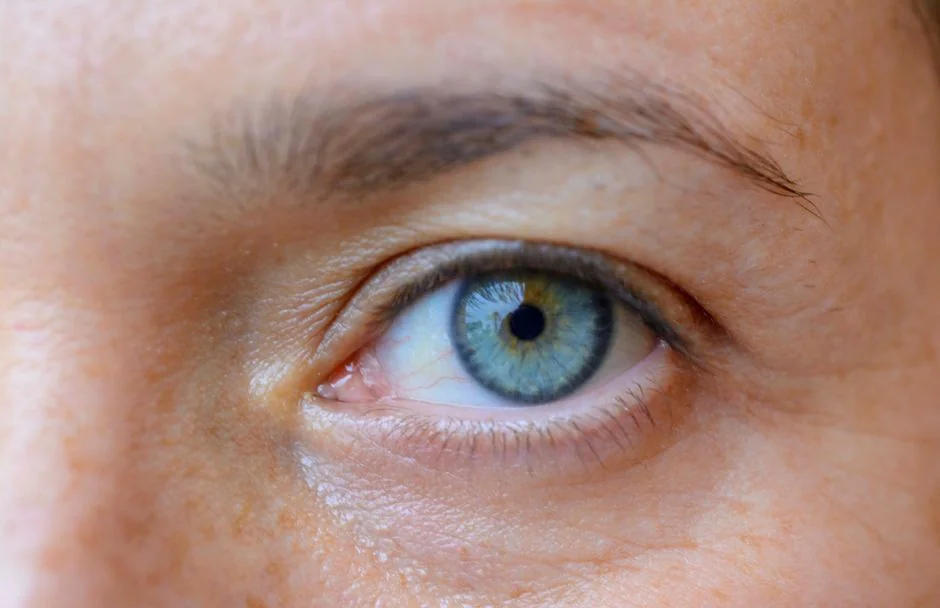
Surgically, there is no single technique called “Japanese epicanthoplasty” or “Korean epicanthoplasty” in the medical literature.
Surgeons in both countries, and elsewhere, draw from the same family of techniques — Z-plasty, skin redraping, Y-V advancement, and V-W plasty among them — and the popular “Japanese” and “Korean” labels really describe two ends of a design spectrum rather than two separate operations.In mc clinic I always decide after the consultation and listening carefully to the patients ideals.
The “conservative” or “natural” end of the spectrum
This approach releases only a small amount of fold tension, preserves more of the original inner-corner shape, and aims for a subtle increase in eye width that is not obvious to people who did not know the patient beforehand. It is generally associated with what marketing materials call the “Japanese style.”
The “fold-opening” or “dramatic” end of the spectrum
This approach releases more of the epicanthal tension and repositions the inner corner further toward the nose, producing a more noticeably rounder, more open inner eye shape. It is generally associated with what marketing materials call the “Korean style,” and is often combined with lateral canthoplasty (outer corner adjustment) for additional width.
A 2025 review in the Journal of Cosmetic Dermatology, which examined 85 publications on epicanthoplasty scarring, concluded that no single method suits every patient: skin redraping tends to be versatile across mild-to-severe folds, Z-epicanthoplasty is generally reserved for mild-to-moderate folds, and more extensive Y-V or V-W plasty techniques are typically used for severe folds. The choice of technique, in other words, should be driven by anatomy and the degree of change wanted — not by a nationality label.
| Aspect | Conservative (“natural”) approach | Fold-opening (“dramatic”) approach |
|---|---|---|
| Design goal | Subtle widening, corner shape largely preserved | Rounder, more open inner corner |
| Typical fold release | Partial tension release | More complete tension release, often with corner repositioning |
| Often combined with | Suture-method double eyelid surgery | Incisional double eyelid surgery, sometimes lateral canthoplasty |
| Visible change to others | Subtle, easily read as natural | More noticeable, larger perceived eye shape change |
| Typical downtime | Around 1-2 weeks of visible swelling/redness | Similar, occasionally slightly longer with combined procedures |
| Reversibility | Difficult to reverse once fold tissue is released | Difficult to reverse; revision surgery is possible but more complex |
Common Misconceptions About Japanese vs Korean Epicanthoplasty
Misconception 1: “Japanese” and “Korean” epicanthoplasty are two officially recognised surgical techniques. In the peer-reviewed literature, epicanthoplasty techniques are classified by their mechanism — Z-plasty, skin redraping, Y-V advancement, and so on — not by country. The “Japanese vs Korean” framing is a consumer shorthand for how conservative or dramatic the intended result is, and the same surgeon may use either technique family to achieve either look depending on your anatomy.
Misconception 2: epicanthoplasty always leaves a visible scar or carries high complication rates. A 2023 case series in the Saudi Journal of Ophthalmology following 35 patients who underwent Park’s modified Z-epicanthoplasty found that 82.9% had no visible scar elevation or hypertrophy at follow-up, with a median patient satisfaction score of 9 out of 10. A 2026 meta-analysis published in Medicine (Baltimore) similarly found comparable, generally low complication rates between the two most-studied techniques (skin redraping and Z-plasty), though it noted Z-plasty was associated with better scar scores and higher reported satisfaction in the pooled data.
Have a question about this treatment?
Message us on LINE or WhatsApp — our English-speaking team usually replies the same day.
Cost of Epicanthoplasty in Tokyo
Epicanthoplasty is an elective cosmetic procedure and is not covered by Japanese national health insurance. Pricing depends on the specific technique used, whether it is combined with double eyelid surgery or lateral canthoplasty, and the complexity of your anatomy. Please see the clinic’s official price page or contact us for a current quote.
Within our clinic group, both BIOTOPE CLINIC (Shirokanedai, Minato-ku) and Kojimachi Dermatology & Plastic Surgery Clinic (Ichigaya, Chiyoda-ku) offer English-language consultation with Dr. Jun Karibe’s team. Epicanthoplasty and related cosmetic eyelid procedures are handled at BIOTOPE CLINIC, where Dr. Karibe personally consults on cosmetic and plastic surgery cases. Bookings and enquiries in English: LINE or WhatsApp.
For an accurate quote, please book a consultation.
Have a question about this treatment?
Message us on LINE or WhatsApp — our English-speaking team usually replies the same day.
What to Expect: Before, During, and After Surgery

Before surgery
Your consultation should include a physical assessment of your epicanthal fold severity, eyelid crease preference, and any prior eyelid surgery. At BIOTOPE CLINIC in Shirokanedai, we frequently see patients who bring reference photos to describe how subtle or pronounced they want the change to be — this is a useful starting point, but the surgeon still needs to confirm what your own anatomy will support.
During surgery
Epicanthoplasty is typically performed under local anaesthesia, often on the same day as double eyelid surgery if both are being done. Surgical time varies depending on technique and whether it is combined with other eyelid procedures, generally taking under two hours.
After surgery
Swelling and bruising around the inner corner are expected for the first several days, with most visible swelling settling over one to two weeks. Sutures, where used, are typically removed within about a week. Final results, including scar softening, generally continue to refine over several months as swelling fully resolves and any residual redness fades.
Who Is a Good Candidate — and Who Should Avoid It?
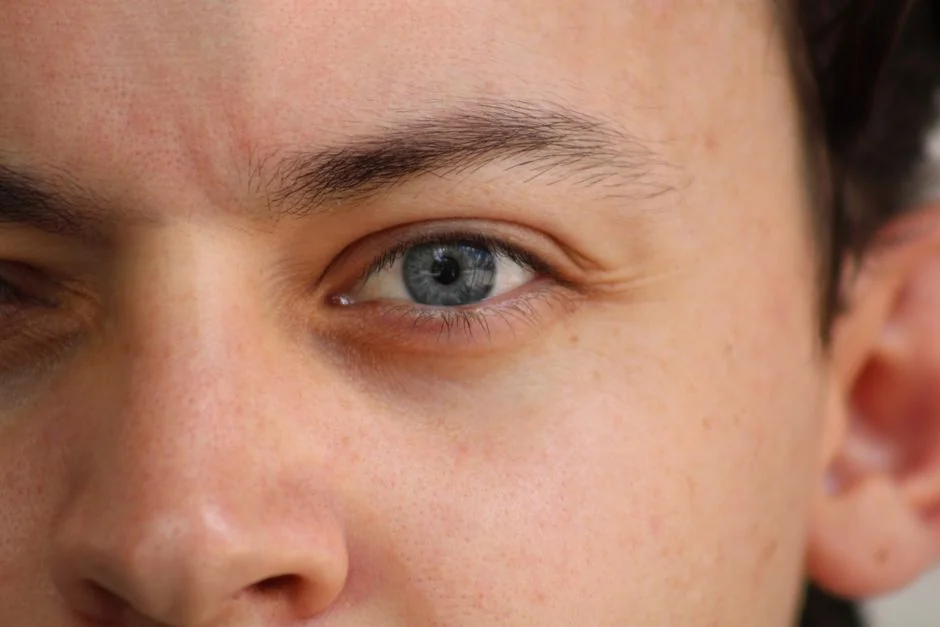
Good candidates are generally adults with a visible epicanthal fold who understand that the change is permanent and want either a subtle or more pronounced widening of the inner eye, and who have realistic expectations about scar healing timelines. It is also worth having a clear idea in advance of how much visible change you actually want, since conservative and fold-opening designs are difficult to convert from one to the other after the fact.
This surgery is generally not appropriate for people with active eye infections or inflammatory eyelid conditions, those with a history of severe keloid or hypertrophic scarring, and anyone seeking the procedure to address distress that is better addressed through other means rather than a specific anatomical concern. A thorough in-person or video consultation is the only reliable way to determine candidacy.
This is a treatment available at BIOTOPE CLINIC in Shirokanedai — feel free to ask about it during a consultation with Dr. Karibe, including whether combining it with scar-focused treatments such as later pigmentation laser touch-ups would suit your healing plan.
Frequently Asked Questions

- Q. Can I choose exactly how “Japanese” or “Korean” I want my result to look?
- You can describe your preferred degree of change, but the final design depends on your own epicanthal fold anatomy and how much tension can be safely released. A surgeon will translate your preference into a specific technique choice rather than a fixed national style.
- Q. Does epicanthoplasty have to be combined with double eyelid surgery?
- No, it can be performed on its own, but many patients choose to combine it with double eyelid surgery because the two procedures affect how the inner end of the crease and the inner corner sit together. Your surgeon can advise whether combining them suits your case.
- Q. How long do results take to fully settle?
- Most visible swelling resolves within one to two weeks, but scars and final corner shape typically continue to refine over several months. Clinical follow-up studies commonly assess final scar appearance at six months or later.
- Q. Is the result permanent?
- Epicanthoplasty involves releasing or removing fold tissue, so the change is intended to be permanent. That said, published data shows recurrence of some fold tension is possible with certain techniques, which is one reason technique selection matters.
Have a question about this treatment?
Message us on LINE or WhatsApp — our English-speaking team usually replies the same day.
Summary
“Japanese” and “Korean” epicanthoplasty are best understood as marketing shorthand for a conservative-to-dramatic design spectrum, not as two distinct surgical techniques with fixed outcomes.
The actual surgical decision comes down to which technique — Z-plasty, skin redraping, or a more extensive approach — suits your fold severity and how much visible change you want, and published outcome data suggests high satisfaction and generally low complication rates when technique is matched appropriately to the case.
If you have questions about Japanese vs Korean epicanthoplasty, both BIOTOPE CLINIC (Shirokanedai, Minato-ku) and Kojimachi Dermatology & Plastic Surgery Clinic (Ichigaya, Chiyoda-ku) offer English-language consultation with Dr. Karibe and his team. Epicanthoplasty is primarily handled at BIOTOPE CLINIC. English enquiries: LINE or WhatsApp.
24/7 Consultation & Booking
Book a Consultation or Treatment
Our English-speaking team responds via LINE or WhatsApp — usually the same day.
References
- Fineide FA, Allen RC, Bohman E, Tønseth KA, Utheim TP, Khan AZ. Minimizing Postoperative Scars in Epicanthoplasty: A Concise Review. Journal of Cosmetic Dermatology. 2025.
- Bai M, Gong C. Meta-analysis of the skin redraping method and the Z-plasty method in the correction of epicanthus. Medicine (Baltimore). 2026.
- Fatani DR, Alsuhaibani OS, Alsuhaibani AH. Cosmetic outcomes of epicanthoplasty for epicanthus tarsalis. Saudi Journal of Ophthalmology. 2023.
- Okumura K, Tamura T, Funakoshi Y, Teranishi H. Time-Series and Demographic Trends in Cosmetic Surgery: Multicenter Analysis of Double-eyelid Embedding in Japan. Plastic and Reconstructive Surgery Global Open. 2025.
Related Articles
You may also find these articles useful.
- Double Eyelid Surgery Tokyo: English-Speaking Clinic Guide
- Ptosis Correction Surgery Tokyo: Droopy Eyelid Treatment
- How Long Should You Stay in Tokyo for Double Eyelid Surgery? Downtime, Pain & Flying Guide
- Under Eye Bags Surgery Tokyo: Transconjunctival Guide
- Under Eye Filler Tokyo: Risks, Benefits & Costs
SUPERVISED BY

Dr. Jun Karibe
MD
Director
Education & Career
Certifications
Awards
MEDICAL REVIEW