Skin Tightening Tokyo: A Complete Guide to Non-Surgical Skin Lifting Treatments
Looking for Skin Tightening Treatment in Tokyo?
If you are searching for skin tightening treatment in Tokyo, you are certainly not alone.
Many people begin noticing early signs of facial ageing in their thirties and forties. The jawline becomes less defined. The cheeks start to descend. Fine lines deepen. Furthermore, the neck often loses firmness before patients expect it to.
Fortunately, modern cosmetic medicine offers a wide range of non-surgical options that can tighten skin, improve facial contours, and stimulate collagen production without the downtime associated with surgery.
Today, some of the most effective treatments include:
- HIFU (High-Intensity Focused Ultrasound)
- RF Microneedling (POTENZA / Morpheus8)
- Thread Lift (Tesslift)
- Botox
- Hyaluronic Acid Fillers
- Combination Skin Tightening Protocols
At Kojimachi Dermatology & Plastic Surgery Clinic, we regularly treat international patients seeking natural-looking skin tightening and facial rejuvenation. Every treatment plan is customized according to facial anatomy, skin quality, and long-term aesthetic goals.
In this guide, you will learn:
- Why skin becomes loose over time
- Which skin tightening technologies actually work
- The differences between HIFU, RF microneedling, and thread lifts
- Typical treatment costs in Tokyo
- Recovery timelines
- Who is a good candidate for treatment
Whether you are living in Japan or visiting Tokyo, this guide will help you understand your options and make an informed decision.
Why Does Skin Become Loose?
Understanding facial ageing helps explain why different treatments work better for different patients.
Many people assume ageing occurs only because the skin becomes thinner.
However, the process is much more complex.
Several structural changes occur simultaneously.
Collagen Loss
Collagen is the primary structural protein responsible for skin strength and firmness.
Beginning in the mid-twenties, collagen production gradually declines.
Research suggests that adults lose approximately 1% of collagen production each year.
Consequently, skin becomes thinner and less resilient over time.
Elastin Breakdown
Elastin allows skin to stretch and return to its original position.
Unfortunately, elastin production is extremely limited after early adulthood.
As elastin fibers degrade, skin becomes less elastic and more prone to sagging.
Fat Redistribution
Facial fat does not simply disappear with age.
Instead, it shifts.
Some compartments lose volume, while others descend due to gravity.
This process contributes to:
- Jowls
- Nasolabial folds
- Marionette lines
- Midface flattening
Therefore, successful skin tightening often requires more than simply tightening the skin surface.
Bone Remodeling
Many patients are surprised to learn that facial bones change with age.
The eye sockets enlarge.
The jawline loses projection.
Cheekbone support gradually decreases.
These skeletal changes contribute significantly to facial ageing.
External Factors
Several lifestyle factors accelerate skin laxity.
These include:
- Ultraviolet exposure
- Smoking
- Air pollution
- Sleep deprivation
- Weight fluctuations
- Chronic stress
Consequently, prevention remains an important component of any long-term rejuvenation strategy.
Why Choosing the Right Treatment Matters
One of the biggest mistakes patients make is assuming every skin tightening device works the same way.
In reality, different technologies target completely different tissue depths.
For example:
Surface-Level Treatments
Primarily improve:
- Skin texture
- Fine lines
- Mild firmness
Deep Tissue Treatments
Target:
- SMAS layer
- Facial support structures
- Jowls
- Jawline laxity
As a result, treatment selection should always begin with a proper medical assessment.
An experienced physician evaluates:
- Skin thickness
- Fat distribution
- Facial anatomy
- Degree of laxity
- Age-related changes
Only then can the most effective treatment plan be developed.
What Is the Best Non-Surgical Skin Tightening Treatment?
This is one of the most common questions patients ask.
The honest answer is:
There is no single best treatment.
Instead, the best treatment depends on:
- Your age
- Degree of sagging
- Skin quality
- Recovery preferences
- Long-term goals
For example:
Mild Skin Laxity
Often responds well to:
- HIFU
- RF Microneedling
Moderate Laxity
Frequently benefits from:
- HIFU + RF Microneedling
- Thread Lift
Significant Sagging
May require:
- Surgical consultation
- Facelift assessment
Understanding these distinctions helps patients avoid disappointment and choose treatments that match their anatomy.
HIFU (High-Intensity Focused Ultrasound)
Among non-surgical lifting technologies, HIFU remains one of the most established treatments worldwide.
Unlike lasers or superficial RF devices, HIFU can reach the:
SMAS (Superficial Musculoaponeurotic System)
This is the same structural layer addressed during a surgical facelift.
How HIFU Works
HIFU delivers focused ultrasound energy beneath the skin surface.
The energy creates precise thermal coagulation points.
These microscopic injuries trigger the body’s natural healing response.
Consequently, collagen production increases over the following months.
Importantly, the skin surface remains intact.
This explains why downtime is minimal despite deep tissue treatment.
Areas Commonly Treated
HIFU is particularly effective for:
- Jawline tightening
- Mild jowls
- Neck laxity
- Lower face lifting
- Double chin improvement
- Brow lifting
Many patients choose HIFU because it offers visible improvement without surgery.
Scientific Evidence
Multiple clinical studies have demonstrated significant improvement in skin laxity following HIFU treatment.
Published literature reports:
- Improved jawline definition
- Enhanced neck contour
- Increased collagen density
- High patient satisfaction
Most studies report satisfaction rates between 70% and 80% in appropriately selected patients.
Cost of HIFU in Tokyo
At Kojimachi Dermatology & Plastic Surgery Clinic:
HIFU ranges from ¥25,000 to ¥110,000 per session
depending on treatment area and shot count.
Dr. Karibe’s Clinical Perspective
One of the most common misconceptions I encounter is that HIFU produces immediate facelift-level results. While HIFU is an excellent technology, it works through collagen remodeling, not mechanical repositioning. Therefore, patients should evaluate results after approximately three months rather than several days. In my experience, the most satisfied patients are those who understand that skin tightening is a gradual biological process rather than an instant transformation.
RF Microneedling Tokyo: Morpheus8 and POTENZA
While HIFU targets deeper structural support layers, RF microneedling focuses on collagen remodeling throughout the dermis and subdermis.
As a result, RF microneedling is often the preferred option for patients who want to improve not only skin laxity but also:
- Enlarged pores
- Acne scars
- Fine lines
- Skin texture
- Crepey skin
- Early facial ageing
For many patients, RF microneedling provides a more comprehensive skin-quality improvement than HIFU alone.
How RF Microneedling Works
RF microneedling combines two proven technologies:
Microneedling
Tiny sterile needles create controlled micro-injuries within the skin.
These microchannels stimulate the body’s natural healing process.
Radiofrequency Energy
At the same time, radiofrequency energy is delivered directly into deeper tissue layers.
The heat stimulates:
- Collagen synthesis
- Elastin production
- Fibroblast activation
- Tissue remodeling
Consequently, the skin gradually becomes firmer, smoother, and more resilient.
Morpheus8 vs POTENZA
Patients frequently ask whether Morpheus8 or POTENZA is superior.
In reality, both are excellent technologies.
The optimal choice depends on individual goals.
Morpheus8
Known for:
- Deep penetration
- Strong tightening effects
- Body and face applications
- Significant collagen stimulation
POTENZA
Known for:
- Treatment flexibility
- Multiple needle tip options
- Acne scar improvement
- Reduced downtime
- Enhanced drug delivery capabilities
Both devices can produce excellent outcomes when properly selected.
What Conditions Does RF Microneedling Treat?
RF microneedling is particularly effective for:
- Mild-to-moderate skin laxity
- Enlarged pores
- Acne scars
- Fine wrinkles
- Rough skin texture
- Lower face tightening
Many patients choose RF microneedling because it addresses multiple concerns simultaneously.
Recovery After RF Microneedling
Downtime is typically short.
Most patients experience:
- Mild redness
- Temporary swelling
- Slight sensitivity
These symptoms generally resolve within:
2–5 days
Because recovery is relatively quick, RF microneedling remains popular among working professionals.
Cost of RF Microneedling in Tokyo
At Kojimachi Dermatology & Plastic Surgery Clinic:
POTENZA
¥35,000–¥49,800 per session
Morpheus8 / Advanced RF Microneedling Programs
¥9,800–¥220,000
depending on treatment depth and treatment area.
Thread Lift Tokyo (Tesslift)
For patients seeking more immediate lifting results, a Thread Lift may be an excellent option.
Unlike HIFU or RF microneedling, thread lifting physically repositions tissue.
Therefore, visible improvement often occurs immediately after treatment.
What Is a Thread Lift?
A thread lift is a minimally invasive procedure that uses absorbable sutures placed beneath the skin.
These specialized threads:
- Lift sagging tissue
- Support facial contours
- Stimulate collagen production
Over time, the threads dissolve naturally.
However, collagen formation around the threads helps maintain improvement.
Areas Commonly Treated
Thread lifts are particularly effective for:
- Jowls
- Jawline definition
- Midface descent
- Early neck laxity
- Marionette lines
Patients seeking a stronger lifting effect than HIFU often consider thread lifting.
Tesslift Thread Lift
At Kojimachi Dermatology & Plastic Surgery Clinic, we offer Tesslift.
Tesslift combines:
- Mechanical lifting
- Mesh technology
- Collagen stimulation
This combination often provides more durable support compared with traditional smooth threads.
Recovery After Thread Lift
Most patients experience:
- Mild swelling
- Bruising
- Tenderness
These effects usually improve within:
3–7 days
Patients generally return to normal activities quickly.
Cost of Thread Lift in Tokyo
Tesslift:
¥48,000 per thread
The total cost depends on:
- Facial anatomy
- Degree of sagging
- Number of threads required
A personalized treatment plan is developed during consultation.
Botox and Filler for Skin Tightening
Strictly speaking, Botox and fillers do not tighten skin.
However, they frequently enhance skin tightening results.
Therefore, many physicians combine them with HIFU or RF microneedling.
Botox for Facial Contouring
Botox can improve:
- Platysmal neck bands
- Jawline contour
- Lower face slimming
- Brow position
By relaxing specific muscles, Botox creates a more lifted appearance.
Hyaluronic Acid Fillers
Volume loss often contributes to facial sagging.
In these situations, restoring lost volume can dramatically improve facial support.
Fillers are commonly used for:
- Cheeks
- Temples
- Jawline
- Chin
When combined with skin tightening devices, fillers frequently produce more balanced rejuvenation.
Costs
Botox (Allergan)
¥22,000–¥148,000
Hyaluronic Acid Filler
¥66,000–¥88,000 per syringe
HIFU vs RF Microneedling: Which Is Better?
This is one of the most searched questions regarding non-surgical facial rejuvenation.
The answer depends entirely on your goals.
Choose HIFU If:
Your primary concern is:
- Jowls
- Jawline laxity
- Neck sagging
- Facial lifting
HIFU generally reaches deeper support structures.
Choose RF Microneedling If:
Your primary concern is:
- Acne scars
- Pores
- Fine wrinkles
- Skin quality
- Mild laxity
RF microneedling excels at improving skin texture and dermal quality.
Choose Both If:
Many patients achieve the best outcomes by combining treatments.
For example:
HIFU
Targets deeper support structures.
RF Microneedling
Improves the skin itself.
Together, they address multiple layers of facial ageing.
Dr. Karibe’s Clinical Perspective
One of the most common mistakes patients make is focusing exclusively on one device. In reality, facial ageing occurs at multiple anatomical levels. Skin quality changes, collagen decreases, facial fat shifts, and deeper support structures weaken simultaneously.
For this reason, combination therapy often produces superior outcomes. A patient with early jowling may benefit from HIFU for lifting, RF microneedling for skin quality, and a small amount of filler for structural support. Rather than asking which device is “best,” the better question is which combination best
addresses your specific anatomy and goals.
Cost of Skin Tightening in Tokyo
One of the most common questions international patients ask is:
“How much does skin tightening cost in Tokyo?”
The answer depends on several factors, including:
- The treatment selected
- The treatment area
- The severity of skin laxity
- The number of sessions required
- Whether combination therapy is recommended
While Tokyo offers world-class cosmetic medicine, treatment costs are often competitive compared with major cities such as London, New York, Sydney, or Singapore.
Skin Tightening Treatment Costs at Kojimachi Dermatology & Plastic Surgery Clinic
Below are approximate treatment costs at our Ichigaya clinic.
|
Treatment |
Price Range |
|---|---|
|
HIFU |
¥25,000–¥110,000 |
|
POTENZA RF Microneedling |
¥35,000–¥49,800 |
|
Morpheus8 / Advanced RF Programs |
¥9,800–¥220,000 |
|
Volnewmer RF Tightening |
¥66,000–¥165,000 |
|
Tesslift Thread Lift |
¥48,000 per thread |
|
Botox (Allergan) |
¥22,000–¥148,000 |
|
Hyaluronic Acid Filler |
¥66,000–¥88,000 per syringe |
|
Initial Consultation |
¥3,300 |
|
Surgical Consultation with Dr. Karibe |
¥2,200 |
Actual pricing depends on your treatment plan and anatomy.
Therefore, a consultation is essential before obtaining a precise quotation.
Are Skin Tightening Treatments Worth the Cost?
Many patients compare the cost of non-surgical treatment with surgical procedures.
However, these options serve different purposes.
Non-Surgical Skin Tightening
Benefits include:
- Minimal downtime
- Lower risk
- Natural-looking improvement
- Gradual collagen stimulation
Surgical Facelift
Benefits include:
- More dramatic lifting
- Longer-lasting results
- Correction of advanced sagging
The best option depends on your goals and degree of skin laxity.
What Happens Before Treatment?
Before beginning any skin tightening treatment, a detailed consultation is essential.
At Kojimachi Dermatology & Plastic Surgery Clinic, every patient undergoes a personalized assessment.
Medical Evaluation
Your physician will review:
- Medical history
- Previous cosmetic procedures
- Current medications
- Skin condition
- Facial anatomy
This step ensures both safety and optimal treatment selection.
Facial Assessment
The consultation also evaluates:
Skin Quality
- Thickness
- Elasticity
- Texture
- Sun damage
Facial Structure
- Volume loss
- Fat distribution
- Jawline definition
- Degree of tissue descent
These factors help determine whether HIFU, RF microneedling, thread lifting, fillers, or combination therapy is most appropriate.
What Happens During Treatment?
Treatment experiences vary depending on the chosen procedure.
HIFU Procedure
A typical HIFU session lasts:
30–90 minutes
depending on the treatment area.
During treatment:
- Ultrasound energy is delivered below the skin surface
- Patients may feel brief sharp sensations
- No incisions are required
Most patients tolerate treatment well.
RF Microneedling Procedure
For RF microneedling:
- Topical anesthetic cream is applied
- Tiny needles enter the skin
- Radiofrequency energy is delivered into deeper tissues
Patients often describe the sensation as:
- Warm
- Mildly prickly
- Tolerable
Treatment usually takes:
30–60 minutes
Thread Lift Procedure
Thread lifts involve:
- Local anesthesia
- Placement of absorbable threads
- Immediate tissue repositioning
The procedure typically takes:
30–60 minutes
Most patients return home shortly afterward.
Recovery After Skin Tightening Treatment
Recovery varies considerably depending on treatment type.
Fortunately, most non-surgical options require little downtime.
HIFU Recovery
HIFU has one of the shortest recovery periods.
Patients may experience:
- Mild tenderness
- Temporary swelling
- Slight tightness
These symptoms generally resolve within a few days.
Most people return to work immediately.
RF Microneedling Recovery
Recovery typically includes:
- Redness
- Mild swelling
- Temporary sensitivity
Symptoms usually improve within:
2–5 days
Makeup can often be applied after 24 hours.
Thread Lift Recovery
Thread lifts generally require slightly more recovery.
Patients may notice:
- Bruising
- Swelling
- Mild asymmetry during healing
Most visible recovery occurs within:
3–7 days
How Long Do Skin Tightening Results Take?
One of the biggest misunderstandings involves treatment timing.
Many patients expect immediate results.
However, collagen remodeling requires time.
HIFU Results Timeline
Immediately After Treatment
Some patients notice subtle tightening.
However, this is not the final result.
One Month
Early collagen stimulation begins.
Minor lifting may become visible.
Three Months
Most patients begin seeing meaningful improvement.
Jawline definition often improves significantly.
Six Months
Collagen remodeling continues.
Final results become more apparent.
RF Microneedling Results Timeline
RF microneedling also requires patience.
First Month
- Improved skin texture
- Smaller pores
- Better skin quality
Three Months
- Increased firmness
- Improved elasticity
- Visible tightening
Six Months
Continued collagen remodeling
Maximum improvement often occurs several months after treatment.
How Long Do Results Last?
Longevity varies according to:
- Age
- Genetics
- Lifestyle
- Smoking status
- Sun exposure
- Treatment type
HIFU
Results typically last:
12–24 months
RF Microneedling
Results often last:
6–18 months
with maintenance sessions.
Thread Lift
Results generally last:
12–24 months
depending on tissue quality and thread type.
Who Is a Good Candidate for Skin Tightening?
The ideal candidate typically:
- Is between 35 and 65 years old
- Has mild-to-moderate skin laxity
- Maintains a stable weight
- Has realistic expectations
- Wants natural-looking improvement
Patients who start treatment earlier often achieve better long-term outcomes.
Who May Need Alternative Treatment?
Some individuals may benefit more from surgical consultation.
These include patients with:
- Significant neck laxity
- Severe jowling
- Excess skin
- Advanced facial ageing
In these situations, surgery may provide more predictable improvement.
Dr. Karibe’s Clinical Perspective
One of the most rewarding aspects of non-surgical skin tightening is seeing gradual, natural improvement. Friends and family often notice patients looking fresher, healthier, or more rested without being able to identify exactly why. This subtle enhancement is often preferable to dramatic changes. The best candidates are not those seeking perfection, but those seeking sustainable, long-term rejuvenation that respects their natural facial anatomy.
Common Misconceptions About Skin Tightening Treatments
Many patients begin researching skin tightening in Tokyo after seeing dramatic before-and-after photos online. Unfortunately, not all information on the internet accurately reflects what modern skin tightening treatments can realistically achieve.
Understanding the facts can help you make better decisions and avoid disappointment.
Misconception 1: “HIFU Is the Same as a Surgical Facelift”
This is perhaps the most common misconception.
While HIFU targets the SMAS layer—the same anatomical layer addressed during facelift surgery—the mechanism is completely different.
A facelift physically repositions tissue.
HIFU stimulates collagen production.
Consequently:
HIFU Can:
✔ Improve jawline definition
✔ Reduce mild jowling
✔ Tighten neck skin
✔ Produce natural-looking lifting
HIFU Cannot:
✘ Remove excess skin
✘ Reposition deep facial structures dramatically
✘ Replicate surgical facelift results
Patients with severe skin laxity generally achieve better outcomes through surgical consultation.
Misconception 2: “More Energy Means Better Results”
Some patients believe that higher energy settings automatically create stronger tightening.
However, this is not necessarily true.
Excessive energy may increase the risk of:
- Prolonged swelling
- Nerve irritation
- Discomfort
- Uneven results
Experienced physicians customize treatment parameters for each patient.
Therefore, treatment quality matters far more than simply increasing energy levels.
Misconception 3: “Results Should Be Immediate”
Many patients evaluate their results too early.
This is especially common after:
- HIFU
- RF Microneedling
- Collagen-stimulating procedures
Remember:
The treatment session starts the process.
Your body performs the actual remodeling.
Consequently, the best results often appear:
3–6 months after treatment
Patience is essential.
Misconception 4: “One Treatment Lasts Forever”
Unfortunately, ageing continues.
Even highly successful treatments require maintenance.
Most physicians recommend:
HIFU
Every 12–18 months
RF Microneedling
Every 6–12 months
Thread Lift
Every 12–24 months
Regular maintenance often produces better long-term outcomes than waiting until skin laxity becomes severe.
Frequently Asked Questions
What Is the Best Skin Tightening Treatment in Tokyo?
There is no single best treatment.
The ideal treatment depends on:
- Age
- Skin quality
- Degree of sagging
- Facial anatomy
- Recovery preferences
Many patients benefit most from a customized combination approach.
Is HIFU Safe?
Yes.
HIFU has been used worldwide for many years and has a strong safety profile when performed by trained medical professionals.
Most side effects are mild and temporary.
Is RF Microneedling Better Than HIFU?
Not necessarily.
The two treatments address different concerns.
HIFU
Best for:
- Lifting
- Jawline definition
- Jowls
- Neck laxity
RF Microneedling
Best for:
- Pores
- Acne scars
- Fine lines
- Skin quality
- Mild laxity
Many patients benefit from both.
How Many Sessions Will I Need?
Treatment plans vary.
Generally:
HIFU
1 session annually
RF Microneedling
2–4 sessions initially
Thread Lift
Typically performed as needed
Your physician will recommend a personalized schedule.
Is There Downtime?
Downtime is generally minimal.
HIFU
Little to none
RF Microneedling
2–5 days
Thread Lift
3–7 days
Many international patients schedule treatments during short visits to Tokyo.
Can Tourists Receive Skin Tightening Treatment in Tokyo?
Absolutely.
Many of our patients visit Tokyo specifically for aesthetic treatment.
Most non-surgical procedures fit easily into a travel itinerary.
However, procedures involving bruising or swelling should ideally be scheduled early during your stay.
Are Skin Tightening Treatments Covered by Japanese Health Insurance?
No.
Skin tightening procedures are classified as cosmetic treatments.
Therefore:
- HIFU
- RF Microneedling
- Thread Lifts
- Botox
- Fillers
are all self-pay treatments.
Why Choose BIOTOPE CLINIC or Kojimachi Dermatology & Plastic Surgery Clinic?
Choosing the right clinic is just as important as choosing the right treatment.
At BIOTOPE CLINIC or Kojimachi Dermatology & Plastic Surgery Clinic, we provide comprehensive facial rejuvenation solutions for both Japanese and international patients.
English-Speaking Consultations
Many international patients feel more comfortable discussing treatment options in English.
Our team routinely works with:
- Expats
- Tourists
- Medical travelers
- International residents in Japan
This allows patients to make informed decisions without language barriers.
Board-Certified Plastic Surgery Expertise
Dr. Jun Karibe is a board-certified plastic surgeon with extensive experience in:
- Facial rejuvenation
- Skin tightening
- Injectable treatments
- Surgical and non-surgical lifting procedures
Every treatment plan is developed based on anatomy, evidence, and long-term outcomes.
Comprehensive Treatment Options
We offer:
Skin Tightening
- HIFU
- RF Microneedling
- POTENZA
- Morpheus8
- Volnewmer
Injectable Treatments
- Botox
- Hyaluronic Acid Fillers
Minimally Invasive Procedures
- Thread Lift (Tesslift)
Surgical Options
- Facelift consultation
- Eyelid surgery
- Facial rejuvenation surgery
This comprehensive approach allows us to recommend the treatment that truly fits the patient rather than forcing every patient into the same procedure.
Dr. Karibe’s Final Advice
The most successful skin tightening treatments are often the ones that look natural.
Patients frequently tell me that they do not want to look “done.”
They simply want to look:
- Healthier
- More rested
- Less tired
- More youthful
Modern skin tightening technologies are excellent at achieving these goals when expectations are realistic and treatment selection is appropriate.
Rather than chasing dramatic changes, I encourage patients to think about long-term collagen preservation and facial ageing prevention. Starting treatment early often produces the most natural and satisfying outcomes.
Summary
If you are searching for Skin Tightening in Tokyo, several highly effective non-surgical options are available.
These include:
- HIFU
- RF Microneedling
- POTENZA
- Morpheus8
- Thread Lift
- Botox
- Hyaluronic Acid Fillers
Each treatment works differently, targets different tissue layers, and suits different stages of facial ageing.
For patients with mild-to-moderate skin laxity, these procedures can provide meaningful improvement with minimal downtime and natural-looking results.
The key to success is choosing the right treatment—or combination of treatments—based on your anatomy, skin quality, and goals.
At BIOTOPE CLINIC or Kojimachi Dermatology & Plastic Surgery Clinic in Minato-ku, Tokyo, we provide personalized treatment plans and English-speaking consultations for international patients.
If you are considering Skin Tightening Treatment in Tokyo, we would be delighted to help you explore your options.
Dr. Karibe’s Note
Many of our international patients are surprised to learn that the timeline for skin tightening results is quite different from, say, a filler injection. With collagen-stimulating technologies like HIFU and RF microneedling, the treatment session itself is just the beginning — the real work happens over the following months as your body rebuilds its own structural proteins. A common question I receive is: ‘When will I see results?’ My honest answer is always: allow three months before making any final assessment, and consider photography at baseline to track the change objectively.
Who Is a Good Candidate for Skin Tightening?
Non-surgical skin tightening is generally most suitable for individuals in their late thirties to early sixties who have mild-to-moderate laxity and reasonably good baseline skin quality. Patients who maintain a stable weight and do not smoke tend to see better and longer-lasting results. Those with significant volume loss may benefit from a combined approach that includes injectable treatments alongside device-based tightening.
Skin tightening treatments are generally not recommended for individuals who are pregnant or breastfeeding, those with active skin infections or inflammatory skin conditions in the treatment area, patients with certain implanted electronic devices (pacemakers or cochlear implants can contraindicate some RF devices), those with very thin skin or very advanced laxity (where surgical options may be more appropriate), and patients with unrealistic expectations about the degree of lifting achievable without surgery.
In our clinical experience at BIOTOPE CLINIC or Kojimachi Dermatology & Plastic Surgery Clinic, patients who achieve the best outcomes are those who approach these treatments as part of an ongoing skin health strategy rather than expecting a single session to replicate the results of a surgical facelift.
Common Misconceptions About Skin Tightening
Misconception 1: ‘One session of HIFU is equivalent to a surgical facelift’
This is perhaps the most widespread misunderstanding in the field. While HIFU does target the SMAS layer — the same layer addressed in surgical facelifts — the degree of lifting achievable non-surgically is meaningfully more modest. A single HIFU session can produce a perceptible improvement in jawline definition and mild jowling, but it cannot reposition tissue to the same extent as surgical intervention. Patients with significant sagging may ultimately be better served by a thread lift or surgical consultation.
Misconception 2: ‘More shots or higher energy always means better results’
There is a common assumption that more intensive treatment parameters automatically translate to superior outcomes. In practice, excessively high energy settings or unnecessarily dense shot patterns can cause unwanted side effects — including prolonged swelling, temporary nerve sensitivity, and in rare cases, contour irregularities — without proportionally improving the clinical result. The appropriate protocol is determined by an experienced physician assessing the individual patient, not by a formulaic approach.
Frequently Asked Questions
- Q. How many sessions of HIFU or RF microneedling will I need?
- This depends on the individual’s degree of laxity, age, and skin quality. Many patients with mild-to-moderate laxity begin with a single HIFU session and reassess at three months; others benefit from a course of two to three RF microneedling sessions spaced four to six weeks apart. A physician assessment at the initial consultation will give you the most accurate recommendation for your specific situation.
- Q. Is skin tightening treatment painful?
- Most patients describe HIFU as involving brief, sharp sensations during energy delivery — generally tolerable with topical anaesthetic cream. RF microneedling with topical anaesthetic is typically described as a warm prickling sensation. Thread lift procedures are performed under local anaesthetic injection, which is the most uncomfortable part for many patients; the thread placement itself is usually well tolerated after that.
- Q. Can I have skin tightening treatment if I have previously had dermal fillers?
- In most cases, yes — however, this depends on the type of filler, how much was used, and how long ago it was placed. Some RF-based devices can cause previously placed hyaluronic acid filler to migrate or break down more rapidly. It is important to disclose your full treatment history to the physician at consultation so that the appropriate treatment plan can be designed safely.
- Q. Are skin tightening treatments covered by Japanese national health insurance?
- No. Cosmetic skin tightening procedures — including HIFU, RF microneedling, and thread lifts — are classified as aesthetic (cosmetic) treatments in Japan and are not covered by the national health insurance system. All costs are paid out of pocket. The clinic will provide a clear cost breakdown at the time of consultation.
- Q. Is it safe to have skin tightening treatment as a non-Japanese speaker at a Tokyo clinic?
- At Kojimachi Dermatology & Plastic Surgery Clinic, consultations are available in English, and the team is experienced in working with international patients. Being able to communicate your medical history, concerns, and expectations clearly is important for safe and effective treatment — so choosing a clinic that offers English-language support is a reasonable priority for expatriates and medical tourists.
Summary
Skin tightening is a broad category that encompasses several well-established technologies — most notably HIFU, RF microneedling, and thread lifting — each with a different mechanism of action, suitable patient profile, and realistic outcome range. None of these treatments can replicate the degree of correction achievable through surgery, but for patients with mild-to-moderate laxity who prefer a non-surgical approach, they can produce meaningful, natural-looking improvements with minimal downtime.
In Tokyo, costs for these treatments range from approximately ¥25,000 for an entry-level HIFU session to ¥220,000 or more for comprehensive RF microneedling protocols, with combination approaches costing more in total but potentially delivering superior results. A consultation with a board-certified physician is the indispensable first step in identifying which option — or which combination — is appropriate for your individual anatomy and goals.
If you have questions about skin tightening treatment in Tokyo, our team at BIOTOPE CLINIC or Kojimachi Dermatology & Plastic Surgery Clinic, Tokyo would be happy to help. We offer consultations in English.
24/7 Consultation & Booking
Book a Consultation or Treatment
Our English-speaking team responds via LINE or WhatsApp — usually the same day.
References
- Fabi SG. Noninvasive skin tightening: focus on new ultrasound techniques. Clinical, Cosmetic and Investigational Dermatology. 2015;8:47–52.
- Gold MH, Sensing W, Biron JA. Clinical study of HiFU (High Intensity Focused Ultrasound) facial and neck lifting: a preliminary report. Journal of Cosmetic and Laser Therapy. 2020;22(4–5):191–197.
- Alexiades-Armenakas M, Dover JS, Arndt KA. Fractional laser skin resurfacing and tightening — a multicenter study. Dermatologic Surgery. 2011;37(11):1563–1570.
- Dayan E, Burns AJ, Rohrich RJ, Theodorou S. The use of radiofrequency in aesthetic surgery. Plastic and Reconstructive Surgery Global Open. 2020;8(8):e2861.
- Kaminer MS, Weiss R, Newman J. Multicenter pivotal study of a non-invasive focused ultrasound system for lifting and tightening of the face and neck. Lasers in Surgery and Medicine. 2015;47(S26):30.
Related Articles
You may also find these articles useful.
- How to Treat Facial Sagging: HIFU, RF Microneedling, Fillers, and Facelift Options Explained
- Popular Non-Surgical Skin Tightening Treatments in Tokyo for International Patients
SUPERVISED BY
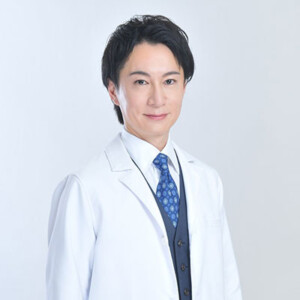
Dr. Jun Karibe
MD
Director
Education & Career
Certifications
Awards
MEDICAL REVIEW