Masseter Botox in Tokyo: Cost, Effects, and What to Expect
If you have been considering slimming your jawline, reducing teeth grinding, or simply achieving a softer facial contour, masseter Botox may already be on your radar. For many English-speaking expatriates and visitors in Tokyo, however, navigating Japan’s cosmetic clinic landscape — language barriers included — can feel overwhelming. This article explains everything you need to know about masseter Botox in Tokyo: how the treatment works, what realistic results look like, what it costs, and how to decide whether it is right for you.
- What masseter Botox is and why it is performed
- How the procedure works and what happens during a session
- Expected results, including timeline and longevity
- Typical cost range for masseter Botox in Tokyo
- Who is a good candidate — and who should proceed with caution
What Is Masseter Botox?
The masseter is a powerful chewing muscle located on each side of the jaw, just in front of the ears. When this muscle becomes enlarged — a condition known as masseter hypertrophy — it can create a wide, square-shaped lower face. Masseter Botox refers to the injection of botulinum toxin type A (commonly known by the brand name Botox, though several formulations exist) directly into this muscle.
By temporarily reducing the muscle’s activity, the masseter gradually decreases in size over several weeks. The result is a slimmer, more tapered jawline. Beyond aesthetics, the treatment is also used therapeutically to relieve bruxism (teeth grinding or clenching), jaw tension, and associated headaches.
Why Is It Especially Popular in East Asia?
Masseter hypertrophy is more prevalent among East Asian populations, partly due to genetic facial structure and partly due to dietary habits involving firmer foods. Because of this, jaw-slimming Botox has a long clinical track record in South Korea, Japan, and Taiwan. In Tokyo in particular, it is one of the most frequently requested facial Botox procedures at cosmetic dermatology and plastic surgery clinics.
How Masseter Botox Works
Botulinum toxin works by blocking the nerve signals that instruct a muscle to contract. When injected into the masseter, it does not paralyse the muscle entirely — you will still be able to chew normally — but it significantly reduces the force and frequency of contractions. Over time, reduced use causes the muscle to shrink through a process called disuse atrophy, just as any underused muscle naturally decreases in bulk.
The procedure itself is straightforward. The treating physician identifies the masseter by asking the patient to clench their jaw, which makes the muscle visibly prominent. Several small injections are then made at precise points within the muscle. The entire session typically takes fewer than 15 minutes.
Which Botox Formulation Is Used?
In Japan, approved botulinum toxin products include Allergan’s Botox (onabotulinumtoxinA) and Allergan-licensed Dysport (abobotulinumtoxinA), among others. The dosage units differ between formulations, so a reputable clinic will always specify which product is being used and explain the unit conversion. A standard masseter treatment typically uses 20–30 units of Botox per side (roughly 50–75 units of Dysport), though this varies based on muscle size.
Expected Results: Timeline and Longevity
Results from masseter Botox are not instant. Most patients begin to notice a softening of the jaw contour at around four to six weeks, with the full aesthetic effect — noticeable facial slimming — typically visible at two to three months. This is because the muscle takes time to reduce in bulk even after its activity has been curtailed.
Clinical studies support this timeline. A 2021 study published in Aesthetic Surgery Journal reported that patients receiving masseter Botox showed statistically significant reductions in masseter thickness and lower facial width at 12 weeks post-injection, with high satisfaction rates. The same study noted that repeated treatments over time may produce longer-lasting results as muscle mass progressively decreases.
Results typically last between four and six months with the first treatment. With repeated sessions, some patients find that the interval between maintenance injections can be extended to six to twelve months, as the muscle may not fully regain its original bulk between treatments.
Results for Bruxism (Teeth Grinding)
Patients seeking relief from bruxism often notice improvements in jaw tension and morning headaches within two to four weeks, which is somewhat faster than the aesthetic timeline. A 2020 systematic review in the Journal of Oral Rehabilitation found that botulinum toxin injections significantly reduced self-reported bruxism symptoms and pain scores in the majority of patients studied. While the treatment does not cure bruxism, it can provide meaningful symptomatic relief when other approaches — such as occlusal splints — have not been fully effective.
Masseter Botox Cost in Tokyo
Cosmetic Botox injections are not covered by Japan’s national health insurance (Kokumin Kenko Hoken), as they are classified as aesthetic procedures. Prices are therefore set independently by each clinic. The following table provides a general overview of what patients can typically expect to pay in Tokyo.
| Treatment | Price at Our Clinic | Notes |
|---|---|---|
| Masseter Botox — Korean brand (both sides) | ¥9,900 – ¥45,000 | Standard option; price varies by dose |
| Masseter Botox — Allergan (both sides) | ¥22,000 – ¥148,000 | Premium brand; recommended for precise dosing |
| Forehead / frown line Botox (add-on) | ¥9,900 – ¥45,000 (Korean) / ¥22,000+ (Allergan) | Often combined with masseter treatment |
| Hyaluronic acid filler (chin / jawline) | ¥66,000 – ¥88,000 per syringe | Sometimes paired for enhanced V-line effect |
| Initial consultation | ¥3,300 | Surgical consultation with Dr. Karibe: ¥2,200 |
It is worth noting that price alone should not be the primary deciding factor. The anatomy of the masseter and the precise injection depth are important considerations — too shallow, and the toxin may spread to unintended muscles; too deep or at an incorrect angle, and the result may be uneven. Choosing a clinic staffed by a qualified physician with specific experience in facial anatomy is strongly advisable.
Dr. Karibe’s Note
Many of our international patients are surprised to find that masseter Botox requires more units than, say, a forehead treatment — and that the dose needs to be tailored carefully to the individual’s muscle volume. A common question I receive is: ‘Will I look unnatural or have difficulty chewing?’ In practice, when the dose is appropriately calibrated, patients retain full chewing function and the result looks entirely natural. The goal is proportion, not an overly sharp or gaunt appearance.
What to Expect: Before, During, and After the Procedure
Before Your Appointment
A thorough consultation should precede any injection. During this consultation, the physician will assess the size and symmetry of your masseter muscles, discuss your aesthetic goals, and review your medical history. It is important to disclose any neuromuscular conditions, current medications (particularly blood thinners or certain antibiotics), and any previous Botox treatments elsewhere.
Patients are generally advised to avoid alcohol for 24 hours before the procedure and to inform the clinic of any dental appointments scheduled in the coming weeks, as intense jaw activity shortly after injection is best minimised.
During the Procedure
The skin is cleansed and, at some clinics, a topical anaesthetic cream is applied for comfort, though many patients find the injections well-tolerated without it. Using a fine needle, the physician administers several small injections into each masseter. You may feel a brief pinching sensation. The procedure is typically complete within 10 to 15 minutes.
After the Procedure: Recovery and Downtime
One of the key advantages of masseter Botox is its minimal downtime. Most patients return to normal activities immediately. Minor bruising or swelling at the injection sites may occur but generally resolves within a day or two. For the first few hours, it is advisable to avoid rubbing or massaging the injected area and to remain upright rather than lying flat.
For the first week, avoiding extreme heat (saunas, hot baths) and strenuous exercise is typically recommended to prevent premature diffusion of the toxin. Eating normally is permitted, though very hard or chewy foods are best avoided in the first 24 hours.
Who Is a Good Candidate?
The ideal candidate for masseter Botox is someone with confirmed masseter hypertrophy — meaning the squareness of their lower face is largely the result of muscle bulk rather than bone structure. A physical examination, and sometimes ultrasound imaging, can help distinguish between the two. Patients seeking relief from bruxism-related jaw pain or headaches are also strong candidates.
In our clinical experience at Kojimachi Dermatology & Plastic Surgery Clinic, patients with moderate to pronounced masseter enlargement tend to see the most satisfying facial contouring results. Those whose jaw width is primarily determined by the mandible (jawbone) itself may experience a more subtle change in facial outline, and this should be discussed openly during the consultation.
Who Should Proceed with Caution or Avoid the Treatment?
- Pregnant or breastfeeding individuals: Botulinum toxin injections are contraindicated during pregnancy and are not recommended while breastfeeding.
- Patients with neuromuscular disorders: Conditions such as myasthenia gravis or Lambert-Eaton syndrome may be affected by botulinum toxin and generally represent a contraindication.
- Those with very slender facial features: Patients who already have a narrow lower face may experience a result that appears excessively gaunt.
- Patients taking certain medications: Aminoglycoside antibiotics and some muscle relaxants can potentiate the effects of botulinum toxin and should be disclosed prior to treatment.
- Known allergy to any component of the product: Though rare, hypersensitivity to botulinum toxin or its excipients is a contraindication.
Common Misconceptions About Masseter Botox
Misconception 1: “Botox Will Make My Face Look Frozen or Expressionless”
This concern is understandable but largely unfounded when it comes to masseter injections specifically. The masseter is a chewing muscle, not a muscle of facial expression. Injecting it has no effect on your ability to smile, raise your eyebrows, or convey emotion. Provided the physician stays within the boundaries of the masseter and uses an appropriate dose, facial expressivity is entirely unaffected.
Misconception 2: “Results Are Permanent After Just One Session”
Masseter Botox is not a permanent procedure. Botulinum toxin is gradually metabolised by the body, and the nerve-muscle signal eventually recovers. If maintenance injections are not continued, the masseter will regain its original size over time. Some patients do find that after several repeat treatments the muscle remains somewhat reduced even between sessions — but this varies considerably between individuals, and a permanent outcome cannot be assumed or guaranteed after a single treatment.
Combining Masseter Botox with Other Treatments
For patients seeking a more comprehensive facial contouring or rejuvenation result, masseter Botox is often combined with complementary treatments. Hyaluronic acid chin filler can enhance the V-line effect by adding definition to the chin, balancing the slimmed jaw. Botox in the forehead and between the brows is frequently treated at the same session.
At our clinic in Ichigaya, Tokyo, we frequently see patients who combine masseter Botox with treatments such as HIFU (high-intensity focused ultrasound) for skin lifting and tightening, or Morpheus8 RF microneedling for overall skin quality improvement — creating a holistic facial rejuvenation plan rather than targeting a single concern in isolation. If you are interested in a combined approach, this is something that can be explored during your consultation.
Frequently Asked Questions
- Q. How many units of Botox are needed for masseter treatment?
- The number of units required depends on the size and firmness of the masseter muscle. Most patients require approximately 20–30 units of onabotulinumtoxinA (Botox) per side, totalling 40–60 units for both sides. Your physician will assess your muscle volume during consultation and recommend an appropriate dose. Using too few units tends to produce underwhelming results, while excess may cause temporary jaw fatigue.
- Q. Will I be able to eat normally after masseter Botox?
- Yes. The dose used for cosmetic jaw slimming is calibrated to reduce muscle bulk without impairing chewing function. You may notice very mild fatigue when chewing particularly hard foods in the first week or two, but normal eating should not be affected. Most patients report no meaningful change in their ability to eat.
- Q. How soon can I have a repeat treatment?
- Most physicians recommend waiting at least three to four months before repeating the treatment. Many patients schedule follow-up appointments at four to six months, when the muscle activity begins to recover. Over time, and with consistent treatment, some patients find they can extend this interval as the muscle gradually reduces in baseline volume.
Summary
Masseter Botox is a well-established, minimally invasive treatment that can meaningfully slim and soften the lower face while also providing relief from bruxism-related jaw tension. Results are gradual rather than immediate, with the full aesthetic effect visible at around two to three months. At Kojimachi Dermatology & Plastic Surgery Clinic, the procedure starts from ¥9,900–¥45,000 (Korean brand) or ¥22,000–¥148,000 (Allergan), depending on the product and dose used.
Good candidates are those with genuine masseter hypertrophy who have realistic expectations: the treatment offers natural-looking improvement, not a dramatic or permanent transformation. As with any injectable procedure, the expertise of the administering physician matters considerably, and a thorough initial consultation is an essential first step.
If you have any questions about masseter Botox in Tokyo, our team at Kojimachi Dermatology & Plastic Surgery Clinic in Ichigaya, Tokyo would be happy to help. We offer consultations in English.
24/7 Consultation & Booking
Book a Consultation or Treatment
Our English-speaking team responds via LINE or WhatsApp — usually the same day.
SUPERVISED BY
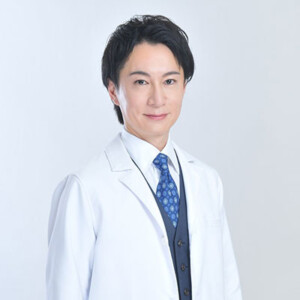
Dr. Jun Karibe
MD
Director
Education & Career
Certifications
Awards
This article is for general informational purposes only and does not constitute medical advice or a diagnosis. Please consult a qualified physician for any health concerns.
References: Japanese Dermatological Association / Japan Society of Plastic and Reconstructive Surgery (JSAPS)
MEDICAL REVIEW