HIFU vs RF Microneedling for Facial Sagging: Which Treatment Is Right for You?

HIFU vs RF Microneedling in Tokyo: Which Is Better for Facial Sagging?
Noticing that your jawline looks less defined, your cheeks have lost youthful firmness or your skin feels looser than before is a common and understandable concern. Facial sagging is a natural part of ageing, but modern non-surgical technology now offers meaningful ways to improve skin firmness without surgery.
Two of the most popular energy-based lifting treatments in Tokyo are HIFU and RF microneedling, including devices such as Morpheus8. Both treatments stimulate collagen and can improve facial laxity, but they work at different depths and are best suited to different concerns.
At BIOTOPE CLINIC ,Dermatology & Plastic Surgery Clinic, Tokyo, we offer English-speaking consultations for patients considering non-surgical facial tightening, HIFU, RF microneedling, Morpheus8, thread lift, injectables or surgical facial rejuvenation.
In this article, we explain:
- What HIFU is
- What RF microneedling is
- How HIFU and RF microneedling work
- Which treatment is better for sagging, pores and skin texture
- Results, downtime and pain level
- Typical costs in Tokyo
- Who is a good candidate for each treatment
- When to consider alternatives such as thread lift or facelift
- Frequently asked questions from English-speaking patients
What Is HIFU?
HIFU stands for High-Intensity Focused Ultrasound.
It is a non-invasive skin-tightening treatment that uses focused ultrasound energy to heat tissue beneath the skin. The energy is delivered at precise depths, creating small thermal coagulation points without cutting, injecting or damaging the skin surface.
In aesthetic medicine, HIFU is used to tighten and lift areas such as:
- Jawline
- Cheeks
- Brow area
- Under the chin
- Neck
- Lower face
One reason HIFU is popular is that it can target deeper support layers, including the SMAS layer, which is the superficial musculoaponeurotic system. This is the fibrous layer that surgeons address during facelift surgery.
Ultrasound therapy for sagging skin is described by the American Society for Dermatologic Surgery as a treatment that improves moderately loose or sagging skin by depositing focused ultrasound energy beneath the surface.
How Does HIFU Work?
HIFU delivers focused ultrasound energy beneath the skin.
This energy creates controlled heat at specific depths, often including:
- 1.5 mm for superficial dermis
- 3.0 mm for deeper dermis
- 4.5 mm for the SMAS layer
The heat stimulates wound-healing responses and collagen remodelling. Over time, collagen fibres tighten and new collagen forms.
This process is gradual. Patients do not usually see the final result immediately. Improvement typically develops over 2 to 3 months, with continued collagen remodelling after that.
A 2023 systematic review of microfocused ultrasound found it effective for tightening mildly to moderately lax facial skin, although study designs and outcome measures varied.
What Is RF Microneedling?
RF microneedling combines two technologies:
- Microneedling — tiny needles create controlled micro-injuries in the skin.
- Radiofrequency energy — heat is delivered into the dermis through the needle tips.
This stimulates collagen and elastin production while also tightening existing collagen fibres.
RF microneedling is often used for:
- Skin laxity
- Pores
- Fine lines
- Acne scars
- Uneven texture
- Lower-face firmness
- Neck crepiness
- Mild jowling
Compared with HIFU, RF microneedling more directly improves the skin surface and dermal quality.
A 2023 review concluded that radiofrequency and RF microneedling appear to have a low risk of scarring or hyperpigmentation in skin of colour, although proper technique remains essential.
What Is Morpheus8?
Morpheus8 is one of the best-known RF microneedling platforms. It delivers radiofrequency energy through microneedles into the deeper layers of the skin and subdermal tissue.
Morpheus8 is often used for:
- Lower-face tightening
- Jawline contour improvement
- Neck tightening
- Acne scars
- Enlarged pores
- Skin texture
- Fine lines
- Mild subdermal remodelling
InMode describes Morpheus8 as a fractional RF microneedling technology designed to target deeper layers of the skin.
At BIOTOPE CLINIC, Dermatology & Plastic Surgery Clinic, RF microneedling options may be discussed during consultation depending on your skin condition, laxity and goals.
HIFU vs RF Microneedling: Key Differences
HIFU and RF microneedling are both collagen-stimulating treatments, but they are not the same.
|
Feature |
HIFU |
RF Microneedling |
|---|---|---|
|
Energy type |
Focused ultrasound |
Radiofrequency |
|
Skin entry |
None |
Microneedles enter the skin |
|
Main target |
Deeper lifting layers, including SMAS |
Dermis and superficial subdermal tissue |
|
Best for |
Lifting, jawline, mild sagging |
Texture, pores, scars, fine lines, laxity |
|
Surface improvement |
Mild / indirect |
Stronger / more direct |
|
Downtime |
Minimal |
Mild to moderate |
|
Pain |
Deep aching or heat |
Stinging, pressure, heat |
|
Results timeline |
2–3 months |
1–3 months |
|
Typical course |
Often single session or annual maintenance |
Often 2–3 sessions |
|
Skin tones |
Broadly suitable |
Broadly suitable when properly performed |
The simplest way to think about the difference is:
HIFU is more focused on lifting. RF microneedling is more focused on skin quality and tightening.
Which Is Better for Facial Sagging?
For facial sagging, the best treatment depends on the type and depth of laxity.
HIFU May Be Better If Your Main Concern Is:
- Jawline laxity
- Mild jowling
- Lower-face sagging
- Brow or cheek lifting
- Neck tightening
- Desire for no skin punctures
- Minimal downtime
- A once-yearly maintenance approach
Because HIFU can target deeper structural layers, it may be better for patients whose main concern is early facial descent or loss of definition.
RF Microneedling May Be Better If Your Main Concern Is:
- Skin texture
- Enlarged pores
- Fine lines
- Acne scars
- Mild laxity
- Neck crepiness
- Lower-face skin firmness
- Combination of sagging and skin quality concerns
RF microneedling is often a stronger choice for patients who want both tightening and visible improvement in the skin surface.
HIFU Results: What Can You Expect?
HIFU may improve:
- Jawline definition
- Mild jowling
- Cheek firmness
- Brow position
- Neck laxity
- Overall skin tightness
Results usually appear gradually. Some patients feel tightening earlier, but visible improvement usually becomes clearer after 2 to 3 months.
A 2024 clinical study of HIFU combined with other energy-based treatment reported clinically significant improvement in skin tightening in most treated patients, supporting the role of ultrasound-based tightening in selected patients.
However, HIFU is not a surgical facelift. It does not remove excess skin, reposition deep tissue or create dramatic lifting in severe sagging.
RF Microneedling Results: What Can You Expect?
RF microneedling may improve:
- Fine lines
- Enlarged pores
- Acne scars
- Skin texture
- Mild laxity
- Lower-face firmness
- Neck crepiness
- Overall skin smoothness
Results develop gradually over 1 to 3 months as collagen remodelling occurs.
Many patients need a course of 2 to 3 sessions, usually spaced several weeks apart, for optimal improvement.
A 2026 systematic review evaluated fractional RF microneedling for facial rejuvenation and reported that studies generally support improvements in aesthetic outcomes, safety and patient satisfaction, though protocols differ across devices and studies.
Dr. Karibe’s Note
Many international patients ask: “Which is stronger — HIFU or RF microneedling?”
In reality, the better question is: “Which treatment targets my problem more precisely?”
If the main issue is early jawline sagging with relatively good skin texture, HIFU may be very appropriate because it targets deeper support layers.
If the concern is loose skin plus pores, acne scars, fine lines or rough texture, RF microneedling may provide broader improvement because it works directly in the dermis.
In many patients, these treatments are not competitors. They are complementary. HIFU can target deeper lifting, while RF microneedling can improve skin quality and dermal tightening.
The right plan should be based on anatomy, not marketing.
HIFU and RF Microneedling Cost in Tokyo
Treatment cost in Tokyo varies depending on the device, treatment area, number of shots or passes and clinic policy.
At BIOTOPE CLINIC , Dermatology & Plastic Surgery Clinic in Minato-ku, Tokyo, approximate pricing includes:
|
Treatment |
Approximate Price |
|---|---|
|
HIFU |
¥25,000–¥110,000 |
|
RF microneedling / POTENZA listing |
¥35,000–¥49,800 per session |
|
Initial consultation |
¥3,300 |
|
Surgical / aesthetic consultation with Dr. Karibe |
¥2,200 |
|
Thread lift / Tesslift |
¥48,000 per thread |
|
Hyaluronic acid filler |
¥66,000–¥88,000 per syringe |
|
Allergan Botox |
¥22,000–¥148,000 |
HIFU is often performed as a single session with maintenance every 6 to 12 months, depending on the patient.
RF microneedling is often recommended as a course of 2 to 3 sessions, so total cost should be considered as a treatment course rather than only a single session.
For an accurate quote, consultation is recommended.
HIFU vs RF Microneedling: Downtime
Downtime differs between the two treatments.
|
Treatment |
Typical Downtime |
|---|---|
|
HIFU |
Minimal redness or swelling for 1–2 days |
|
RF microneedling |
Redness, swelling and pinpoint marks for 2–5 days |
HIFU usually has less visible downtime because the skin surface is not punctured.
RF microneedling causes small needle entry points, so redness and pinpoint marks are expected for a few days.
HIFU vs RF Microneedling: Pain Level
Both treatments involve some discomfort, but the sensation is different.
HIFU Sensation
HIFU often feels like:
- Deep heat
- Brief aching
- Tingling
- Sharp pulses over bony areas
The discomfort occurs only during energy delivery and usually stops quickly.
RF Microneedling Sensation
RF microneedling may feel like:
- Pressure
- Heat
- Stamping sensation
- Needle prickling
- Burning warmth
Topical numbing cream is usually applied before RF microneedling to reduce discomfort.
What to Expect Before Treatment
Before HIFU or RF microneedling, the clinician will assess:
- Skin laxity
- Skin thickness
- Pores and texture
- Acne scars
- Pigmentation risk
- Medical history
- Current medications
- Previous cosmetic procedures
- Skin tone and tendency toward hyperpigmentation
- Whether surgery or thread lift may be more appropriate
Patients should avoid excessive sun exposure before treatment. Active skin infections, severe inflammation, open wounds or significant acne flare-ups may require postponement.
What Happens During HIFU?
During HIFU:
- The skin is cleansed.
- Ultrasound gel is applied.
- The applicator is placed on the skin.
- Energy is delivered in controlled lines.
- The clinician treats the planned areas.
- The skin is cleaned and aftercare is explained.
Treatment time is usually 30 to 90 minutes, depending on the area.
What Happens During RF Microneedling?
During RF microneedling:
- The skin is cleansed.
- Topical numbing cream is applied for 30 to 60 minutes.
- The skin is disinfected.
- The RF microneedling handpiece is stamped across the treatment area.
- RF energy is delivered through the needle tips.
- Cooling or calming skincare may be applied.
- Aftercare instructions are provided.
Treatment time varies depending on the device, area and protocol.
Aftercare After HIFU
After HIFU, patients are usually advised to:
- Avoid excessive heat on the day of treatment
- Avoid strong facial massage for several days
- Use sunscreen daily
- Continue gentle skincare
- Avoid irritating skincare if redness occurs
- Follow clinic-specific instructions
Most patients return to normal activities immediately.
Aftercare After RF Microneedling
After RF microneedling, patients are usually advised to:
- Avoid makeup for 24 hours or as instructed
- Avoid retinoids and exfoliating acids for several days
- Avoid sauna, hot yoga and heavy sweating for 24–48 hours
- Avoid picking or rubbing the skin
- Use gentle cleanser and moisturiser
- Apply sunscreen carefully after the skin barrier recovers
- Avoid direct sun exposure
- Follow all clinic-specific instructions
Because RF microneedling creates microchannels in the skin, early aftercare is important to reduce irritation and infection risk.
Side Effects and Risks of HIFU
HIFU is generally well tolerated, but side effects can occur.
Common temporary effects include:
- Redness
- Swelling
- Tenderness
- Tingling
- Mild bruising
- Temporary numbness
Less common risks include:
- Prolonged swelling
- Nerve irritation
- Burns
- Fat loss if settings are inappropriate
- Asymmetry
- Unsatisfactory lifting
Risk is reduced by correct diagnosis, appropriate settings and experienced technique.
Side Effects and Risks of RF Microneedling
RF microneedling is also generally well tolerated when performed correctly.
Common temporary effects include:
- Redness
- Swelling
- Pinpoint marks
- Dryness
- Roughness
- Mild crusting
- Tenderness
Less common risks include:
- Infection
- Post-inflammatory hyperpigmentation
- Scarring
- Burns
- Prolonged redness
- Acne flare
- Fat loss if energy is delivered too deeply or aggressively
- Uneven texture
A major advantage of RF microneedling is that it is not a pigment-targeting laser. This can make it useful for a wide range of skin tones, but safety still depends on settings, device quality and provider experience.
Are HIFU and RF Microneedling Safe for Asian Skin?
Both HIFU and RF microneedling can be suitable for Asian skin when performed properly.
Asian skin types are often more prone to post-inflammatory hyperpigmentation after aggressive laser or inflammatory procedures. Because HIFU does not disrupt the surface, and RF microneedling can deliver energy below the epidermis with controlled settings, both can be useful options.
However, no treatment is risk-free.
Patients with a history of pigmentation, keloids, melasma, active acne or strong inflammatory reactions should discuss these risks during consultation.
Who Is a Good Candidate for HIFU?
Good candidates for HIFU include patients who:
- Have mild to moderate facial sagging
- Want jawline or neck tightening
- Prefer a completely non-invasive treatment
- Want minimal downtime
- Have early jowling
- Have mild brow or cheek descent
- Want maintenance after previous lifting treatment
- Understand that results are gradual
HIFU is often appropriate for patients who want lifting without needles, incisions or visible recovery.
Who Is a Good Candidate for RF Microneedling?
Good candidates for RF microneedling include patients who:
- Have mild to moderate laxity
- Have enlarged pores
- Have acne scars
- Have fine lines
- Have rough skin texture
- Have lower-face or neck crepiness
- Want skin quality improvement
- Can accept several days of redness
- Are willing to complete a course of treatments
RF microneedling is especially helpful when the concern is not only sagging, but also skin quality.
Who Should Avoid or Postpone Treatment?
HIFU or RF microneedling may need to be postponed or avoided in patients who are:
- Pregnant or breastfeeding
- Experiencing active skin infection
- Experiencing open wounds in the treatment area
- Having a severe acne flare
- Using certain implanted electronic devices, especially relevant for RF treatments
- Prone to keloid scarring, especially for microneedling
- Recently treated with certain aggressive procedures
- Unable to follow aftercare
- Expecting a surgical facelift result from a non-surgical device
Patients with severe skin laxity should consider consultation for thread lift, FaceTite or surgical facelift rather than relying only on devices.
HIFU vs RF Microneedling vs Thread Lift
Some patients need more structural support than either HIFU or RF microneedling can provide.
|
Treatment |
Best For |
Downtime |
Main Limitation |
|---|---|---|---|
|
HIFU |
Deep non-invasive tightening |
Minimal |
Limited for severe sagging |
|
RF microneedling |
Texture + dermal tightening |
2–5 days |
Less structural lifting than threads or surgery |
|
Thread lift |
Mechanical lifting |
Several days to 1 week |
Temporary, requires careful technique |
|
Surgical facelift |
Significant sagging |
2–4 weeks |
Surgery, scars, anaesthesia |
Thread lift may be considered when the patient wants more visible lift than devices can provide, but is not ready for surgery.
Can HIFU and RF Microneedling Be Combined?
Yes. HIFU and RF microneedling can be combined strategically.
A common approach is:
- HIFU for deeper lifting and SMAS-level tightening
- RF microneedling for dermal tightening, pores, texture and fine lines
They are usually not performed too aggressively at the same depth or too close together without a plan. Timing should be decided by the physician based on skin thickness, inflammation risk and treatment goals.
Common Misconceptions About HIFU and RF Microneedling
Misconception 1: HIFU Is the Same as a Surgical Facelift
HIFU can lift and tighten mildly lax tissue, but it cannot remove excess skin or surgically reposition deeper facial structures.
Misconception 2: RF Microneedling Is Only for Acne Scars
RF microneedling is excellent for acne scars and pores, but it can also improve fine lines, laxity and lower-face firmness.
Misconception 3: More Sessions Always Mean Better Results
More is not always better. Overtreatment can increase irritation, swelling or unwanted side effects. Proper spacing allows collagen remodelling.
Misconception 4: These Treatments Work Immediately
Some tightening may be felt early, but true results develop gradually as collagen remodels over weeks to months.
Misconception 5: No Downtime Means No Risk
Even non-surgical treatments require correct technique. Burns, pigmentation, nerve irritation and unsatisfactory results are possible if settings or patient selection are inappropriate.
How to Choose the Right Clinic in Tokyo
When choosing a clinic for HIFU or RF microneedling in Tokyo, look for:
- Physician-led assessment
- English-speaking consultation support
- Clear explanation of device and settings
- Diagnosis-based treatment planning
- Experience with Asian and international skin types
- Realistic explanation of results
- Transparent pricing
- Combination treatment options
- Aftercare guidance
- No pressure to choose a single device
A good clinic should explain not only what treatment can help, but also what it cannot do.
Frequently Asked Questions About HIFU vs RF Microneedling in Tokyo
Is HIFU better than RF microneedling?
Not always. HIFU is often better for deeper lifting and jawline sagging. RF microneedling is often better for pores, fine lines, acne scars and skin texture. Many patients benefit from a combination.
Is RF microneedling better than HIFU for facial sagging?
RF microneedling can improve mild laxity, especially when skin quality is also a concern. For deeper structural lifting, HIFU may be more appropriate.
Can HIFU and RF microneedling be combined?
Yes. HIFU can target deeper lifting layers, while RF microneedling can improve dermal firmness and texture. Timing should be planned by the physician.
Which treatment has less downtime?
HIFU usually has less downtime because it does not puncture the skin. RF microneedling usually causes redness and pinpoint marks for several days.
Which treatment hurts more?
Pain varies. HIFU feels like deep aching or heat. RF microneedling feels like pressure, heat and needle stamping, but numbing cream is used.
How long do results last?
Results from both treatments often last around 12 to 18 months, depending on age, skin condition, lifestyle and maintenance.
How many sessions do I need?
HIFU is often performed as one session with maintenance. RF microneedling often requires 2 to 3 sessions for optimal results.
Are these treatments safe for darker skin tones?
Both can be suitable for a broad range of skin tones when performed properly. RF microneedling may have a lower pigmentation risk than some pigment-targeting lasers, but settings and aftercare still matter.
Can I wear makeup after treatment?
After HIFU, makeup can often be applied soon after if the skin is calm. After RF microneedling, makeup is usually avoided for at least 24 hours or as instructed by the clinic.
Can tourists get HIFU or RF microneedling in Tokyo?
Yes. These treatments are often feasible for visitors because downtime is limited. RF microneedling requires more aftercare and sun avoidance, so timing should be planned carefully.
What if I have severe sagging?
Severe sagging usually responds better to thread lift, FaceTite or surgical facelift consultation. HIFU and RF microneedling may improve skin quality but cannot replace surgery.
Why Choose Biopote Clinic?
BIOTOPE CLINIC, Dermatology & Plastic Surgery Clinic is located in Minato-ku, Tokyo, and provides dermatology, plastic surgery and cosmetic treatments for Japanese and international patients.
For facial sagging and skin tightening, we offer:
- English-speaking consultation support
- HIFU treatment
- RF microneedling options
- Morpheus8 / RF-based skin tightening consultation
- Botox
- Hyaluronic acid filler
- Thread lift
- Surgical aesthetic consultation
- Combination treatment planning
- Realistic assessment of non-surgical vs surgical options
Our approach is anatomical, conservative and personalised. We do not believe that one device is best for everyone. The right treatment depends on the patient’s skin thickness, laxity, texture, facial structure and long-term goals.
Summary
HIFU and RF microneedling in Tokyo are both effective non-surgical options for patients concerned about facial sagging, jawline definition and skin firmness.
HIFU is a completely non-invasive ultrasound treatment that targets deeper support layers, including the SMAS layer. It is often suitable for patients whose main concern is early sagging or loss of jawline definition.
RF microneedling uses microneedles and radiofrequency energy to remodel the dermis and improve skin quality. It is often better for patients who want improvement in pores, acne scars, fine lines, rough texture and mild laxity.
Neither treatment is universally better. The best choice depends on your anatomy, degree of sagging, skin quality, downtime tolerance and goals.
If you are considering HIFU, RF microneedling or Morpheus8 in Tokyo, our English-speaking team at Kojimachi Dermatology & Plastic Surgery Clinic in Ichigaya would be happy to help you understand your options and choose the safest, most appropriate treatment plan.
24/7 Consultation & Booking
Book a Consultation or Treatment
Our English-speaking team responds via LINE or WhatsApp — usually the same day.
References
- Suh DH, Oh YJ, Lee SJ, et al. A intense-focused ultrasound tightening for the treatment of infraorbital laxity. Journal of Cosmetic and Laser Therapy. 2012.
- Alster TS, Tanzi EL. Noninvasive lifting of arm, thigh, and knee skin with transcutaneous intense focused ultrasound. Dermatologic Surgery. 2012.
- Taub AF, Tucker RD, Palange A. Facial tightening with an advanced 4-MHz monopolar radiofrequency device. Journal of Clinical and Aesthetic Dermatology. 2012.
- Alexiades M, Berube D. Randomized, blinded, 3-arm clinical trial assessing optimal temperature and duration for treatment with minimally invasive fractional radiofrequency. Dermatologic Surgery. 2015.
- Oni G, Hoxworth R, Teotia S, et al. Evaluation of a microfocused ultrasound system for improving skin laxity and tightening in the lower face. Aesthetic Surgery Journal. 2014.
Related Articles
You may also find these articles useful.
- How to Treat Facial Sagging: HIFU, RF Microneedling, Fillers, and Facelift Options Explained
- HIFU in Tokyo: Non-Surgical Skin Tightening Explained
- Morpheus8 RF Microneedling Tokyo: Cost & Results
- Non-Surgical Facelift Tokyo for Foreigners: Full Guide
- Skin Tightening Treatment Tokyo: Options and Cost
SUPERVISED BY
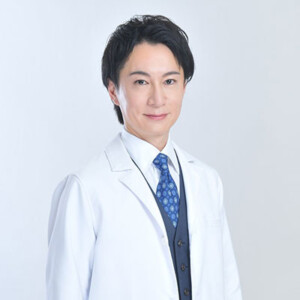
Dr. Jun Karibe
MD
Director
Education & Career
Certifications
Awards
MEDICAL REVIEW