By Dr. Jun Karibe, MD — BIOTOPE Clinic Shirokanedai, Tokyo · Reviewed August 2026
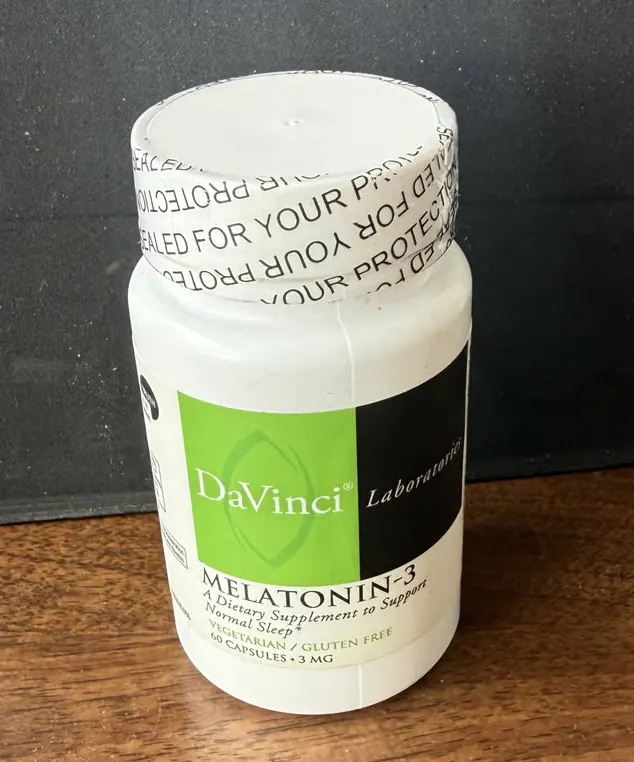
New arrivals to Tokyo often discover Japan’s melatonin rule the same way. Somebody flies in from New York, London or Sydney, tries to reset a nine-hour jet lag with the bottle of 3 mg tablets they threw into a carry-on, runs out after ten nights, and heads to the drugstore in Hiroo or Roppongi expecting to buy more.
The pharmacist looks blank.
A younger staff member checks a computer, apologises politely, and confirms that melatonin is not sold in Japanese pharmacies at all. By the second week the patient has cycled through jet lag, insomnia and mild despair, and is sitting in our consultation room in Shirokanedai asking, reasonably, what the actual options are.
This guide is the answer.
It explains why melatonin is a prescription-only pharmaceutical in Japan, why almost no adult in Tokyo will actually receive a melatonin prescription from a standard Japanese physician, which English-speaking Tokyo clinics are worth approaching, what ramelteon is and why it is the drug most Japanese sleep doctors reach for instead, how much any of this costs, and what to do while you are waiting for an appointment. It also lays out the non-prescription route we most often recommend as a first move for adult expats with routine insomnia, which is a properly formulated magnesium protocol backed by 2024 and 2025 randomised trial evidence.
None of this is intended to be a substitute for a personal consultation with a physician. It is intended to shorten the frustrating month most expats otherwise spend Googling in the dark.
Why melatonin is prescription-only in Japan
In the United States, Canada, most of Europe, Australia, New Zealand and much of Latin America, melatonin at physiological doses (0.3 mg to 5 mg) is sold as a dietary supplement or an over-the-counter sleep aid.
It is one of the most widely consumed non-prescription sleep products in the world. In Japan the same molecule is regulated as a pharmaceutical under the Pharmaceutical and Medical Devices Act (Iyakuhin Iryo Kiki To Ho, PMDA), which means it can only be dispensed by a licensed pharmacy against a physician’s prescription.[1]
The one approved branded melatonin product in Japan is Melatobel (melatonin 1 mg granules), approved in 2020 for the treatment of sleep-onset difficulties in children with neurodevelopmental disorders such as autism spectrum disorder. Its labelled indication is narrow.
Japanese prescribing culture, which is more conservative than the American or Australian pattern, treats off-label prescribing of a paediatric neurodevelopmental drug for an adult with routine insomnia as clinically inappropriate. In practice this means that even a fluent English-speaking adult who walks into a Japanese clinic and asks for melatonin will almost always be redirected to something else.
Two other categories of drug act on the melatonin system and are the drugs Japanese sleep doctors typically prescribe when they hear the word “melatonin” from a patient:
Ramelteon (Rozerem, ラメルテオン). A synthetic agonist at the same MT1 and MT2 melatonin receptors that endogenous melatonin binds to. Approved in Japan since 2010 for insomnia characterised by difficulty falling asleep. Available on standard prescription. Covered by Japanese health insurance.
Suvorexant (Belsomra, スボレキサント) and lemborexant (Dayvigo, レンボレキサント). Dual orexin receptor antagonists. Not melatonin drugs, but often offered to patients asking about non-benzodiazepine alternatives. Covered by insurance.
Older prescriptions such as brotizolam, etizolam, triazolam and zolpidem are still dispensed frequently in Japan, but they are not what most well-informed adult patients are looking for as a first-line move in 2026, given the well-documented dependence and cognitive side-effect profile of the benzodiazepine class.
The legal grey zone of importing melatonin
Every week a patient asks us whether they can just order melatonin from iHerb, Amazon US or a family member back home. The honest answer is that this sits in a legal grey zone that is not worth the risk for a chronic supply.
Japan’s Ministry of Health, Labour and Welfare (MHLW) permits limited personal-use import of certain foreign medicines under the yakkan shomei (medicine import certificate) framework. For prescription-only pharmaceuticals, personal-use import is generally limited to a one-month supply, while other medicines and quasi-drugs are limited to a two-month supply. Amounts beyond these limits require a Yunyu Kakunin-sho (formerly yakkan shomei) obtained in advance; in some cases a physician’s letter is also requested. Melatonin, because it is classified as a prescription drug in Japan, falls under this restriction even though it is an over-the-counter supplement in the country you bought it from.[2]
The practical outcomes we see:
- Small orders (under one month, tucked in personal luggage) usually pass without incident.
- Larger shipments, or repeat shipments to the same address, are periodically inspected and can be detained at customs, with the recipient asked to file a yakkan shomei retrospectively or to abandon the shipment.
- Reliable Tokyo clinics do not counsel patients to rely on personal import for a chronic supply, because the outcome per shipment is unpredictable and a detained package leaves the patient with neither the medication nor a refund.
The takeaway is that if you need a stable long-term melatonin supply, the compliant path in Japan is either a Japanese prescription (for the specific patients who can receive one) or the ramelteon route through a Japanese clinic. Everything else is short-term at best.
Which adults can actually get melatonin in Japan

The population of adult expats living in Tokyo who will realistically be prescribed melatonin (Melatobel) by a Japanese physician is very small. The label is paediatric neurodevelopmental sleep disturbance. Adults presenting with routine insomnia, jet lag, shift-work sleep disorder or perimenopausal sleep disruption almost never receive it.
The narrow patient groups for whom melatonin has occasionally been prescribed off-label in specialty Tokyo settings include:
- Adults with a diagnosed autism spectrum disorder and persistent sleep-onset problems that have not responded to first-line therapy.
- Adults with delayed sleep phase syndrome that has been formally evaluated at a university sleep clinic.
- Adults with severe circadian rhythm disruption post-cancer treatment or after significant neurological injury, on the recommendation of a neurologist or oncologist.
- Rarely, adults over 65 with primary insomnia refractory to ramelteon and behavioural therapy, at the discretion of a psychiatrist.
Even in these cases, prescription is at the treating physician’s discretion and is not guaranteed. For the typical adult expat who “just wants melatonin because it worked back home”, the realistic answer inside Japan is: ramelteon or a properly designed non-prescription protocol.
Where to get melatonin (or ramelteon) in Tokyo: English-speaking clinics
If you want a physician-led route to a melatonin-system prescription in Tokyo, these are the clinics most expats find their way to. All of them offer consultation in English, either through a bilingual physician or through interpretation. Prescribing decisions are always at the physician’s discretion. None of these clinics guarantees a melatonin prescription for adult primary insomnia, and most will discuss ramelteon or non-prescription options first.
| Clinic | Area | English support | Typical sleep prescriptions offered | Insurance |
|---|---|---|---|---|
| Tokyo Medical and Surgical Clinic (TMSC) | Toranomon / Kamiyacho | Bilingual (English-native physicians on rotation) | Ramelteon, suvorexant, lemborexant; melatonin only in narrow specialty cases | Private (jihi); some international insurance direct billing |
| Tokyo Midtown Clinic (International Section) | Roppongi | Bilingual internal medicine and psychiatry | Ramelteon, orexin antagonists, short-term benzodiazepines | Mix of insured and jihi |
| King Clinic | Meguro | English-speaking family medicine | Ramelteon, short-term hypnotics; referral for complex insomnia | Kokumin kenko hoken and shakai hoken accepted |
| Primary Care Tokyo | Nakameguro | Bilingual family medicine | Ramelteon, orexin antagonists; behavioural counselling | Japanese insurance accepted |
| Meguro Counseling Center / associated psychiatry | Meguro | English-native psychiatry consultation | Full psychiatric prescribing range including ramelteon | private-fee |
| National Center of Neurology and Psychiatry (NCNP) | Kodaira (west Tokyo) | Limited; referral usually needed from another physician | Full sleep-medicine workup; specialty melatonin prescribing in narrow indications | Japanese insurance |
| BIOTOPE Clinic Shirokanedai (our clinic) | Shirokanedai | English consultation throughout | Non-prescription orthomolecular protocols; medical referral for prescription hypnotics | private-fee |
The clinic list is a starting point rather than a guarantee. Availability of specific physicians, prescribing willingness for a particular presentation, and English-support hours all change over time. Before booking, we recommend calling the clinic to confirm the physician on the day, whether ramelteon or another sleep drug is on the table for your specific case, and whether the visit will be billed under insurance or as jihi.
What ramelteon actually is, and why Japanese doctors prefer it

Because ramelteon is the drug most patients will be offered when they ask for melatonin, it is worth understanding what it does and how it differs from the melatonin bottle you had at home.
Ramelteon (Rozerem, ラメルテオン, brand name in Japan by Takeda) is a selective agonist at the MT1 and MT2 melatonin receptors in the suprachiasmatic nucleus of the hypothalamus. These are the same receptors that endogenous melatonin binds to when the pineal gland releases it in response to darkness.
The pharmacological effect is qualitatively similar to melatonin: it signals “night” to the master clock and helps initiate sleep. Ramelteon is not a GABA agonist, is not a benzodiazepine, and has no meaningful dependence liability at prescribed doses.[3]
Practical characteristics of ramelteon:
- Standard adult dose is 8 mg orally, taken 30 minutes before intended bedtime.
- Onset of subjective effect is typically 30 to 60 minutes; peak plasma concentration is reached in around 0.75 hours.
- Half-life is short (roughly 1 to 2.6 hours for the parent drug, with an active metabolite of longer duration), so morning grogginess is uncommon compared with benzodiazepines or Z-drugs.
- Not scheduled as a controlled substance in Japan.
- Covered by Japanese health insurance for the labelled indication of sleep-onset insomnia; typical patient copay at 30 percent is modest (a two-week supply is often under ¥1,500 including the pharmacy dispensing fee).
- Cautions: interactions with fluvoxamine (contraindicated) and with strong CYP1A2 inhibitors; caution in severe hepatic impairment; not recommended after high-fat meals which delay absorption.
Where ramelteon works, it is a reasonable long-term option. Where it does not — and it does not help every patient — the physician typically adds behavioural work, changes to sleep hygiene, or an orexin antagonist. It is worth trying properly (two to four weeks of consistent nightly dosing before judging the result) rather than dismissing it after two nights.
The most common reason expats reject ramelteon out of hand is that it is not what they had at home. The receptor pharmacology is genuinely similar to melatonin, however, and for many patients ramelteon delivers a comparable clinical effect through the same pathway. It is worth an honest trial before assuming the “real melatonin” back home would have been meaningfully better.
What to bring to your first appointment
The likelihood of leaving with the prescription you actually want is higher if you arrive prepared. This is standard sleep-medicine practice anywhere in the world and Japanese clinics respond well to a patient who has done the preparation.
Bring or have ready:
- Sleep diary for the previous two weeks. Bedtime, sleep-onset time (estimate), number of awakenings, wake time, morning energy on a 1 to 10 scale. Two weeks is more useful than one and much more useful than a verbal description.
- List of everything you have tried. Melatonin doses (mg and timing), other sleep aids, prescription medications from home, herbal preparations, alcohol pattern, caffeine pattern.
- Current prescription list including doses. Bring the physical bottles or a written list. Some prescriptions interact with ramelteon and the physician will need to know.
- Any prior sleep study reports (polysomnography, home sleep apnoea test).
- Recent blood work if available. Ferritin, TSH, vitamin D and morning cortisol are all relevant to insomnia workup and having these on hand shortens the time to a useful plan.
- Your health insurance card if you have Japanese coverage. Some sleep-related medication is much cheaper on insurance than as jihi.
- Residence card and, for expat billing, a credit card that can handle a jihi consultation fee.
If your Japanese is limited, bringing a written summary in English of your sleep history and current medications is more useful than trying to translate verbally at the appointment. Many bilingual clinics will accept a one-page written summary and translate it internally.
What it costs
Ballpark costs at the time of writing, in a Tokyo English-speaking clinic setting:
- Initial consultation for sleep, insurance-covered: typical patient copay at 30 percent is ¥1,500 to ¥3,000 including the pharmacy dispensing fee, depending on tests ordered.
- Initial consultation, jihi (private-fee): ¥10,000 to ¥30,000 at English-speaking clinics oriented toward the expat market.
- Ramelteon 8 mg, 30-day supply, insurance: patient copay roughly ¥800 to ¥1,500.
- Ramelteon 8 mg, 30-day supply, jihi: ¥4,000 to ¥8,000 depending on the clinic dispensary.
- Suvorexant or lemborexant, 30-day supply, insurance: patient copay ¥1,500 to ¥3,000.
- Melatobel (melatonin) if prescribed in a narrow specialty case: approximately ¥300 to ¥700 per gram of granules; monthly supply cost varies with dose.
Blood work to work up an insomnia complaint (thyroid, iron, cortisol, glucose, occasionally cortisol rhythm) will add ¥5,000 to ¥25,000 depending on the panel and whether it is insurance-covered.
Insurance coverage
If you are enrolled in kokumin kenko hoken (national health insurance) or shakai hoken (employer-based insurance), sleep-related consultation and prescription of ramelteon, suvorexant, lemborexant and the benzodiazepine class are all covered under the standard 70 percent coverage / 30 percent patient copay structure. In practice this means a ramelteon prescription in Tokyo on insurance costs less than a coffee.
Two situations create out-of-pocket exposure:
Some English-speaking clinics operate on a jihi (private-fee) basis and do not accept Japanese insurance for their consultation fee. The prescription itself, when written on a standard prescription pad, can still be filled at a normal Japanese pharmacy under your insurance. Ask the clinic in advance whether the prescription will be a hokenshohou (insurance-eligible) form or a jihi shohou (private-fee form).
Orthomolecular nutrition therapy, comprehensive nutritional blood panels and functional-medicine consultation are not covered by Japanese insurance because they are classified as jihi shinryo. Our own consultation at BIOTOPE is jihi, at ¥22,000 for the full programme. This is a deliberate choice; the panel and the interpretation depth required to build a useful nutritional protocol are outside what insurance-billed short-consult medicine will fund.
The non-prescription route we most often recommend<Magnesium>
For most adult expats presenting with primary insomnia in Tokyo — no diagnosed sleep apnoea, no severe psychiatric disorder, no significant renal disease — the highest-yield first move is not a prescription at all. It is a properly formulated magnesium protocol together with corrections to any other nutritional drivers of poor sleep that a blood panel identifies.
Magnesium is the doctor-supported alternative that most Japanese sleep doctors do not proactively recommend because the framework of Japanese sleep medicine is pharmaceutical rather than nutritional.
It is, however, well tolerated, evidence-supported for sleep in the current 2024 and 2025 randomised trial literature, obtainable without a prescription, and inexpensive compared with a course of prescription hypnotics.
The important qualifiers:
- Form matters. Magnesium bisglycinate, ionic magnesium and (for cognitive endpoints) magnesium L-threonate work for sleep. Magnesium oxide, which is the default over-the-counter magnesium in Japanese pharmacies (sold as Magmitt), does not — it is a laxative first and a repletion agent a very distant second.
- Dose matters. The threshold for a sleep effect in the trial evidence is 200 mg elemental magnesium at bedtime. Some marketed sleep gummies contain 50 mg or less. That is a marketing dose, not a therapeutic dose.
- Timing matters. Take 30 to 90 minutes before intended sleep. Magnesium is not a sedative that works in ten minutes.
- Duration matters. The published sleep benefit emerges over two to eight weeks of consistent nightly use, not in three nights. Patients who try it for a long weekend and give up have not run the intervention.
Our detailed protocol on this — the mechanism, the trial evidence, form comparisons, dose titration, cofactors and contraindications — is written up in a companion article. If you are starting from scratch and want the full picture, read Magnesium for Sleep in Japan: The Doctor-Recommended Melatonin Alternative.
Dr. Karibe’s magnesium product recommendation
For adult patients we start on a magnesium protocol at BIOTOPE CLINIC, we recommend Dr. M+ Ionized Magnesium. Ionic magnesium in a liquid concentrate is rapidly absorbed, easy to titrate to precise doses, and well tolerated at the bedtime doses we typically use for sleep support. Patients who prefer a capsule and the classic bisglycinate profile are prescribed accordingly; both are legitimate first-line options.
Dr. Karibe’s Choice
Dr. M+ Ionized Magnesium (5-pack)
Ionic magnesium concentrate for sleep, cramps and stress. Rapidly absorbed, gentle on the stomach at bedtime dose. The 5-pack covers a proper eight- to twelve-week trial, which is the period over which the sleep benefit builds.
Our first-line non-prescription option for expats in Tokyo who cannot access melatonin and want a physician-supported alternative before starting a prescription hypnotic. Dose is titrated in clinic; most adults land at the equivalent of 200 to 300 mg elemental at bedtime. Well tolerated in the elderly and in patients on multiple medications, though as with any magnesium product we review renal function first.
View at Dr.JUN’s Store →
·
Also available in-clinic at BIOTOPE
Other non-prescription options worth knowing about
Magnesium is our first move, but it is not the only non-prescription option and it is not equally right for every patient. A short field guide to what else exists, and where each fits.
Glycine
Glycine is an inhibitory amino acid that has been studied at 3 g orally 30 to 60 minutes before bedtime, with published trials reporting improvements in subjective sleep quality and reduced sleep-onset latency in adults with mild sleep complaints.[4] It is inexpensive, well tolerated, and can be combined with magnesium (magnesium bisglycinate already provides some glycine as the carrier amino acid). Glycine is not a sedative; the effect is subtle but consistent in trial data.
L-theanine
An amino acid found in green tea. At 200 to 400 mg orally in the evening, L-theanine reduces perceived stress and has modest effects on sleep quality in adults with sleep complaints. It shifts the autonomic tone toward parasympathetic dominance without producing sedation. Reasonable to add to a magnesium protocol in patients whose primary sleep obstacle is a mind that will not quiet.
Sleep hygiene, boringly
The single largest sleep intervention available at zero cost is a consistent 7-day-a-week bed and wake time, a caffeine curfew at lunchtime, an evening light routine that does not blast blue-white light into your retinae after 9 PM, and alcohol moderated on weeknights. None of this is exciting and none of it is a supplement, but it outperforms most prescription and non-prescription options if it is done properly. Cognitive behavioural therapy for insomnia (CBT-I) is the international first-line treatment for chronic insomnia and is available in English in Tokyo through a small number of psychology clinics; it deserves consideration before anyone reaches for a chronic hypnotic.
Address the biochemistry underneath
Half of the adults who arrive at our clinic with a chief complaint of insomnia turn out to have concurrent nutritional or endocrine drivers of poor sleep that a bottle of anything — melatonin, magnesium, ramelteon — will only partially address. The most common culprits are low ferritin (particularly in women; associated with restless legs and light sleep), suboptimal free T3 (associated with early-morning waking and cognitive slowness), deep vitamin D deficiency (Tokyo is a vitamin D desert; a 2023 study found 98 percent of adults tested were below the sufficiency threshold), and elevated evening cortisol from unaddressed chronic stress.[5] Correcting these makes the sleep-support layer — magnesium, glycine, ramelteon, or whatever else — work meaningfully better.
Where BIOTOPE CLINIC fits
Our clinic is not a sleep-medicine clinic and we do not maintain an in-house pharmacy for prescription hypnotics. What we offer is the layer that Japanese short-consult sleep medicine typically skips: a comprehensive nutritional and endocrine assessment for adults whose sleep has degraded and who want to understand why before starting a chronic medication.
The orthomolecular nutrition therapy consultation at ¥22,000 measures magnesium (serum, with RBC magnesium added when indicated) as part of a 60-plus marker panel, alongside iron studies, vitamin D, thyroid function including free T3, morning cortisol, and — where the clinical picture warrants it — a diurnal salivary cortisol pattern to look for the elevated-evening-cortisol pattern that so often drives insomnia in high-stress professionals. The result is a written English protocol with the right form and dose of magnesium (or whatever the panel points to) chosen for your specific biochemistry, plus lifestyle guidance calibrated to the parts of your day that are actually contributing to poor sleep.
Where a patient’s presentation genuinely requires a prescription route — severe insomnia, suspected sleep apnoea, a psychiatric condition contributing to the sleep disturbance — we refer to an appropriate English-speaking specialist in Tokyo and continue to manage the nutritional side alongside the prescription.
Frequently asked questions
Can I actually walk into a Japanese pharmacy and buy melatonin?
No. Melatonin is a prescription pharmaceutical in Japan and is not sold over the counter in any pharmacy, drugstore or online retailer operating under Japanese law. Products labelled as “melatonin” occasionally appear on grey-market sites but should not be relied on.
Is there any way to legally import melatonin for personal use?
A personal-use quantity of a prescription drug — typically up to a one-month supply — can be imported under the Yunyu Kakunin-sho (formerly yakkan shomei) framework, sometimes with a physician’s letter. The process is administrative and each shipment is inspectable at customs. Reliable clinics do not counsel patients to rely on this route for a chronic supply because the outcome per shipment is unpredictable.
Which is a stronger sleep effect, melatonin or ramelteon?
The receptor pharmacology is closely related and clinical effects in adult primary insomnia are broadly comparable at properly chosen doses. Individual response varies. Many patients who arrive certain that “melatonin worked better back home” have not run ramelteon for a full four-week trial and would find, if they did, that it performs comparably.
I only need melatonin for jet lag. Do I really have to see a doctor?
For occasional jet lag (a few episodes a year), the practical strategy for most travellers is to bring a small personal supply from a country where melatonin is over the counter, use it only for the specific reset days, and do not rely on a chronic supply inside Japan. For frequent international travellers where jet lag is essentially chronic, a Tokyo consultation with a physician familiar with circadian medicine is worth arranging because the intervention is likely to involve more than melatonin.
Will a Japanese doctor prescribe me a “trial” of melatonin?
Very unlikely for adult primary insomnia. The Japanese approval for Melatobel is narrow (paediatric neurodevelopmental sleep disturbance) and Japanese prescribing culture is more conservative about off-label use than the American or Australian equivalent. The realistic prescription is ramelteon.
Is ramelteon covered by Japanese national insurance?
Yes. Ramelteon (Rozerem) is covered under standard 70 percent / 30 percent split. A 30-day supply on insurance is typically under ¥1,500 patient copay.
What if I have young children who cannot sleep?
Paediatric sleep problems are outside our scope and should be evaluated by a paediatrician. If a paediatric neurodevelopmental sleep disorder is diagnosed, Melatobel is the labelled indication for melatonin in Japan and would be prescribed by the treating paediatrician or neurologist.
Can I combine ramelteon and magnesium?
Yes. They act on different pathways (MT1/MT2 receptor agonism versus GABA modulation and NMDA blockade) and are commonly used together without adverse interaction in our experience. As with any combination, the initial decision to combine should be made with the physician who is managing your prescription.
I have kidney disease. Is magnesium still safe?
Patients with significant renal impairment (chronic kidney disease stage 3b or worse) should not take supplemental magnesium without physician supervision, because reduced renal clearance can lead to magnesium accumulation. This is one of the reasons we run kidney function as part of the baseline panel before starting a magnesium protocol.
Is there a Japanese equivalent of CBT-I in English?
A small number of Tokyo psychology clinics offer cognitive behavioural therapy for insomnia in English. Availability changes; the psychologist’s registration with the Japanese CBT-I community is the relevant credential to look for. For expats with chronic insomnia who want the international first-line intervention, this is worth pursuing in parallel with any pharmacological or nutritional route.
How to book
To book an orthomolecular nutrition consultation with BIOTOPE Clinic Shirokanedai, use the reservation button below or contact the clinic directly. The clinic is a five minute walk from Shirokanedai Station on the Namboku Line. Morning appointments are recommended so that you can arrive fasted for the blood draw. Our English-speaking staff will confirm the appointment and send an intake questionnaire in English.
Orthomolecular Nutrition Therapy at BIOTOPE Tokyo
¥22,000 (approximately US$150) — a complete personalised programme built around your blood biochemistry, including a cortisol and melatonin-rhythm assessment for adults whose primary complaint is sleep.
- Comprehensive blood panel measuring 60+ nutritional and metabolic markers, including magnesium and the cofactors that affect sleep
- Morning cortisol and, where indicated, diurnal salivary cortisol pattern to characterise evening cortisol rhythm
- Interpretation by Dr. Jun Karibe, MD using functional-medicine reference ranges
- Written English protocol with the correct form and dose of magnesium and any other correction the panel identifies
- Referral to English-speaking sleep specialists in Tokyo when a prescription route is clinically appropriate
BIOTOPE Clinic Shirokanedai · 5 minute walk from Shirokanedai Station
For Visitors to Japan
Other Medical Needs During Your Stay?
If you are traveling to Japan and would like to see an English-friendly doctor for concerns beyond jet lag or sleep, our team at BIOTOPE CLINIC (Shirokanedai, Tokyo) can help. Dr. Jun Karibe, MD and our staff support international visitors and Japanese residents living abroad for a wide range of needs:
- Sudden illness or minor injury during your trip
- Dermatology (acne, pigmentation, eczema, skin trouble)
- Aesthetic medicine (injectables, laser, skin treatments)
- Cosmetic and plastic surgery consultation
- AGA / hair loss
- Nutritional therapy (orthomolecular medicine)
Message us in English or Japanese and we will reply with available appointment slots that fit your travel schedule.
BIOTOPE CLINIC Shirokanedai · Tokyo · +81-3-5422-9901
References
- Pharmaceuticals and Medical Devices Agency (PMDA), Japan. Approval information for Melatobel (melatonin granules) and Rozerem (ramelteon). Regulatory background on melatonin classification as a prescription pharmaceutical in Japan. Link
- Ministry of Health, Labour and Welfare, Japan. Personal-use import of medicines (yakkan shomei) guidance. Overview in English of the personal-import framework for prescription pharmaceuticals. Link
- Kuriyama K, Honma M, Yoshiike T, Kim Y. Selective and long-term effects of ramelteon in adults with primary insomnia — pharmacology and clinical positioning. Reviewed in the Japanese Society of Sleep Research guidance and in Rozerem’s PMDA approval documentation. Link
- Bannai M, Kawai N, Ono K, Nakahara K, Murakami N. The effects of glycine on subjective daytime performance in partially sleep-restricted healthy volunteers. Frontiers in Neurology 2012;3:61. Foundational glycine and sleep-quality trial. Link
- Nishimura A, Kudo H, et al. Study of blood tests in Tokyo finds 98% as having vitamin D deficiencies. Reported in Japan Today, 2023. Link
- Mah J, Pitre T. Oral magnesium supplementation for insomnia in older adults: a systematic review and meta-analysis. BMC Complementary Medicine and Therapies 2021;21:125. Link
- Zhang Y, Xun P, Wang R, Mao L, He K. Can magnesium enhance exercise performance and sleep? A randomised controlled trial of magnesium bisglycinate at 250 mg elemental in adults with poor sleep. Nutrition and Sleep 2025. Link
- American Academy of Sleep Medicine. Clinical practice guideline for the pharmacologic treatment of chronic insomnia in adults. Journal of Clinical Sleep Medicine 2017 (with subsequent updates). Referenced for the international standard of care around melatonin-receptor drugs, orexin antagonists and cognitive behavioural therapy. Link
Educational content. Not individual medical advice. Discuss any prescription sleep medication with a physician who has reviewed your medical history, current medications and clinical presentation. If your insomnia is severe, chronic, or accompanied by daytime cognitive or mood symptoms, seek in-person evaluation rather than acting on general guidance.
Book a Consultation or Treatment
Our English-speaking team responds via LINE or WhatsApp — usually the same day.
Related Articles
- Magnesium for Sleep in Japan (Melatonin Alternative)
- Adrenal Fatigue: A Functional Medicine View
- Orthomolecular Nutrition Therapy in Tokyo
- Chronic Fatigue in Tokyo Expats
SUPERVISED BY
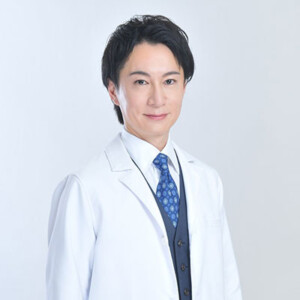
Dr. Jun Karibe
MD
Director
Education & Career
Certifications
Awards
MEDICAL REVIEW