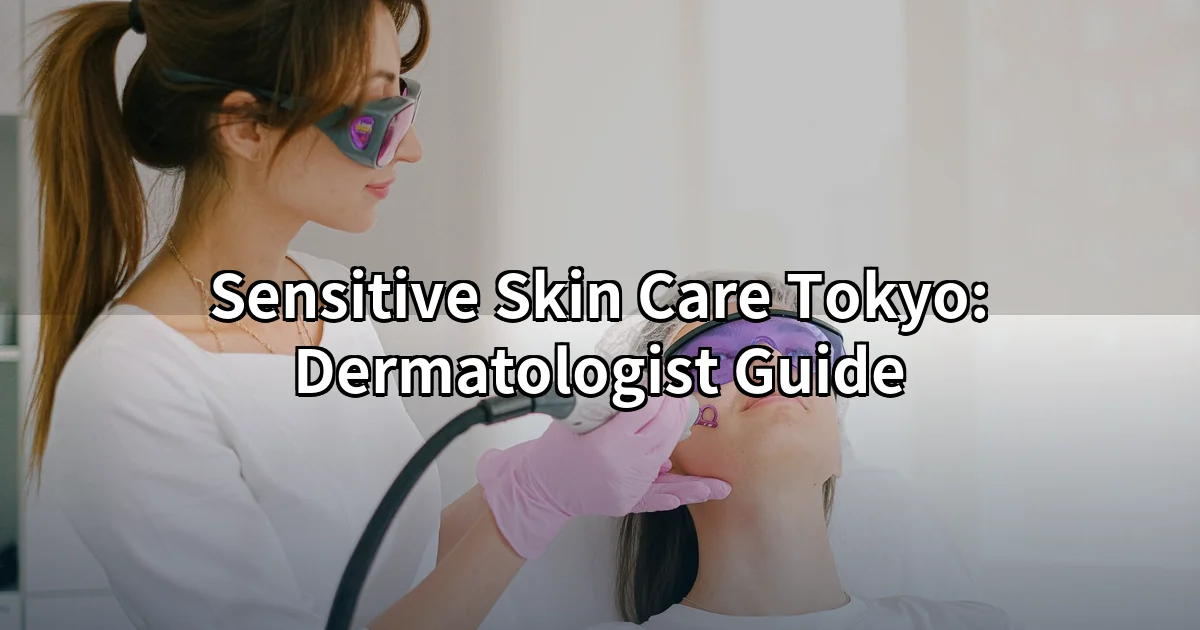
Sensitive Skin in Tokyo: How to See a Dermatologist in Japan as an English Speaker
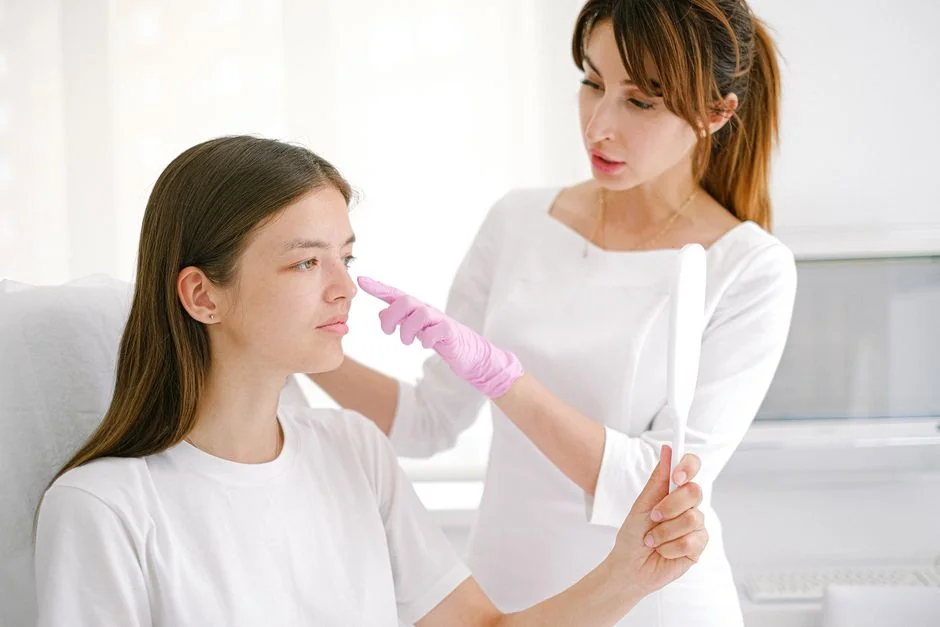
Living in or visiting Japan with sensitive skin can feel overwhelming — a new climate, unfamiliar skincare products, different water quality, and a healthcare system that operates almost entirely in Japanese.
If you have been searching for a dermatologist in Tokyo who can communicate with you clearly in English, understand your concerns, and provide evidence-based treatment, this guide is written for you.
Below, you will find a practical overview of what sensitive skin means medically, what to expect from a dermatology consultation in Japan, which treatments are most commonly recommended, and how to access English-speaking care in Tokyo.
- What “sensitive skin” means clinically and why Japan’s environment can trigger flares
- What happens during a dermatology consultation in Japan
- Common treatments available for sensitive skin conditions
- Realistic cost ranges for consultations and skin care treatments in Tokyo
- Where English-speaking patients can be seen by a doctor in Tokyo
Have a question about this treatment?
Message us on LINE or WhatsApp — our English-speaking team usually replies the same day.
What Does “Sensitive Skin” Mean Medically?
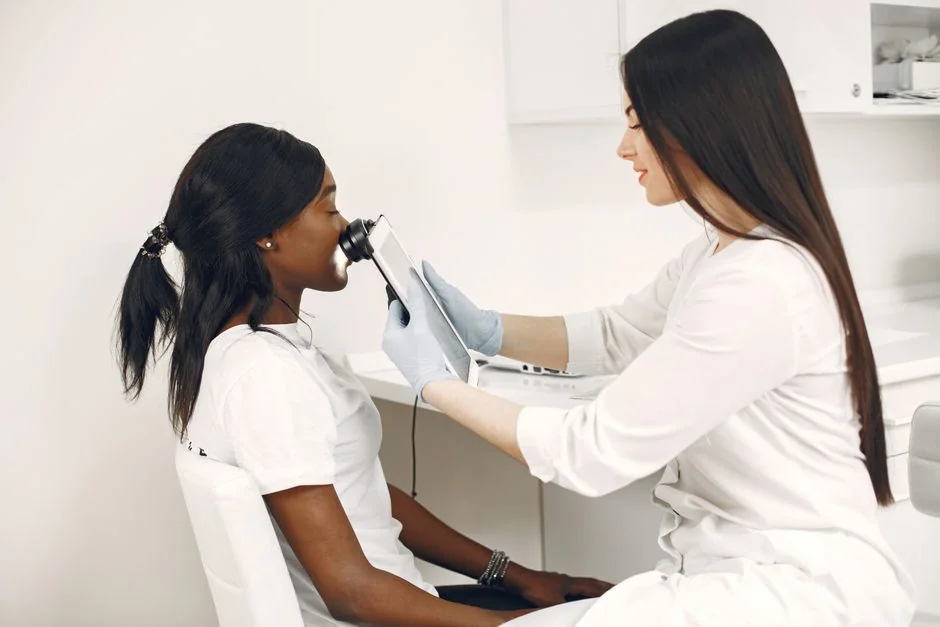
The term “sensitive skin” is used loosely in popular culture to describe a range of experiences: redness, stinging, itching, tightness, or breakouts triggered by environmental or topical stimuli. Clinically, however, these symptoms often correspond to specific diagnosable conditions rather than a single skin “type.”
The most common underlying diagnoses include atopic dermatitis (eczema), rosacea, contact dermatitis, seborrheic dermatitis, and perioral dermatitis.
Each has distinct causes, triggers, and treatment pathways. Without an accurate diagnosis, even well-intentioned skincare routines can worsen symptoms.
Why Japan Can Affect Sensitive Skin
Japan’s climate is characterised by dramatic seasonal transitions — hot, humid summers followed by dry, cold winters. These shifts in humidity and temperature are a recognised trigger for barrier dysfunction, the mechanism by which skin becomes more reactive to external stimuli.
Additionally, expatriates and visitors often find that Japanese tap water (which tends to be soft in most urban areas), local sunscreen formulations, and even dietary changes can all influence skin behaviour. Stress related to relocation is also a documented aggravating factor in conditions such as atopic dermatitis and rosacea.
What to Expect From a Dermatology Consultation in Japan
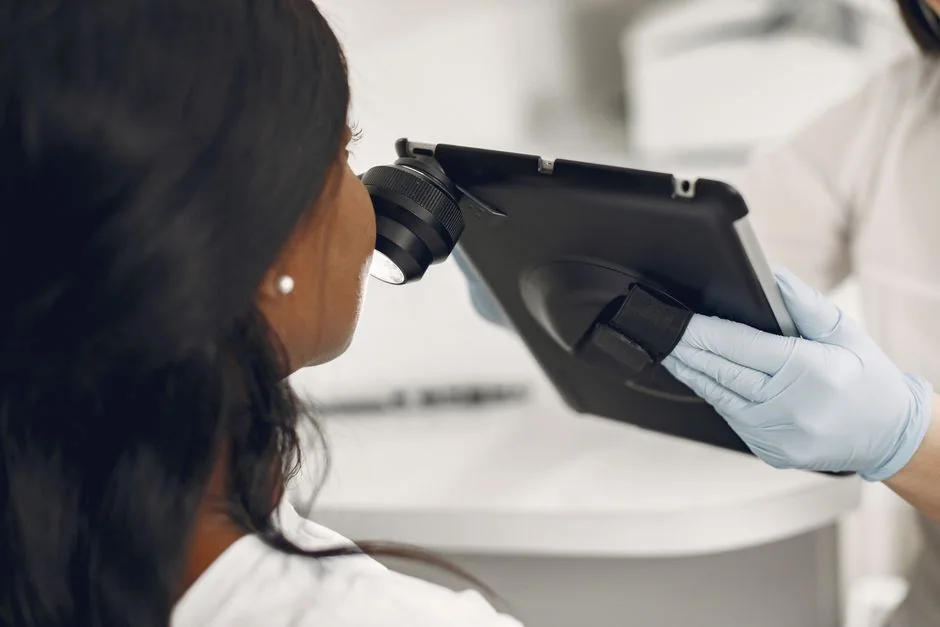
Dermatology consultations in Japan typically begin with a structured intake process: a written form asking about symptoms, duration, prior diagnoses, medications, and allergies. Most public hospitals and insurance-covered clinics conduct consultations in Japanese, which can be a significant barrier for non-Japanese speakers.
At a clinic equipped with English-speaking medical staff, the consultation follows a broadly international format: the doctor takes a history, examines the affected areas, may perform a patch test (to identify contact allergens) or a simple skin scraping if fungal infection is suspected, and then proposes a treatment plan. Prescription medications can be dispensed on-site or at a nearby dispensing pharmacy.
Insurance-Covered Dermatology in Japan
Japan’s national health insurance (Kokumin Kenko Hoken or employer-based Shakai Hoken) covers medically necessary dermatology, including prescription topical medications, oral antihistamines, antibiotics, antifungals, and narrowband UVB phototherapy for certain chronic conditions.
To access insurance-covered care, patients generally need a valid Japanese health insurance card.
Visitors without Japanese health insurance will pay out of pocket, but consultation fees at private clinics are often predictable and straightforward. Many common diagnoses can be addressed in a single consultation with a take-home prescription.
Common Treatments for Sensitive Skin Conditions
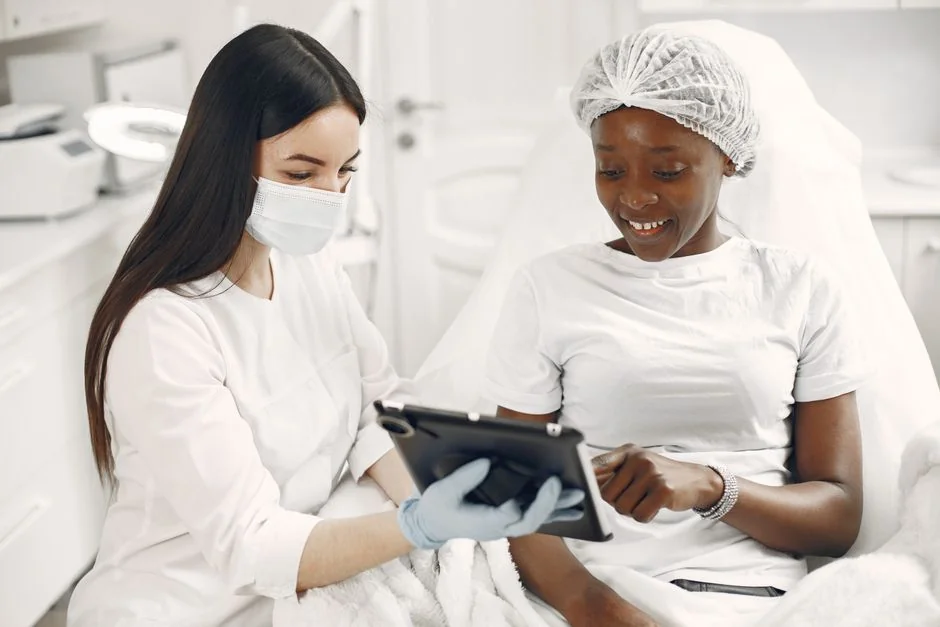
The specific treatment recommended will depend on the diagnosis. Below is an overview of the most frequently used approaches for sensitive skin conditions in a clinical setting.
| Condition | Common First-Line Treatment | Notes |
|---|---|---|
| Atopic dermatitis (eczema) | Topical corticosteroids, emollients, antihistamines | Immunosuppressants (e.g. tacrolimus) for moderate-to-severe cases |
| Rosacea | Topical metronidazole or azelaic acid, oral low-dose antibiotics | Trigger avoidance (alcohol, heat, spice) is equally important |
| Contact dermatitis | Patch testing, avoidance of identified allergen, topical steroids | May require changes to skincare or occupational environment |
| Seborrheic dermatitis | Antifungal topicals (ketoconazole), mild steroid formulations | Affects scalp, eyebrows, and nasolabial folds; often recurrent |
| Perioral dermatitis | Cessation of topical steroids, oral tetracycline class antibiotics | Paradoxically worsened by topical steroids if misdiagnosed |
Cosmetic and Supportive Treatments for Reactive Skin
Once the primary inflammatory condition is under control, some patients wish to address residual redness, post-inflammatory hyperpigmentation, or textural changes. Low-fluence laser treatments and carefully selected skin boosters can be considered in stable, non-inflamed skin.
For patients whose skin has recovered but shows signs of photo-ageing or pore irregularity, treatments such as a Pico laser or a gentle cosmetic peel may be appropriate when selected conservatively. These discussions benefit from a dermatologist’s input to ensure the skin barrier is robust enough before energy-based treatments are introduced. This is a conversation available during a consultation with Dr. Karibe at BIOTOPE CLINIC in Shirokanedai.
For patients concerned about skin quality and hydration — a common secondary complaint after periods of barrier disruption — medical-grade skincare systems such as Zo Skin Health are available at BIOTOPE CLINIC and can be prescribed alongside a treatment plan tailored to skin sensitivity.
What People Often Get Wrong About Sensitive Skin
Misconception 1: “Sensitive skin” is a skin type, not a condition. Many patients arrive having self-diagnosed “sensitive skin” as a permanent state and accordingly avoid all active ingredients indefinitely. In practice, most reactive skin presentations have a treatable underlying cause. With appropriate diagnosis and management, many patients significantly expand their skincare tolerance over time.
Misconception 2: Natural or “clean” products are always safer for reactive skin. Many botanical extracts — lavender, tea tree oil, citrus-derived fragrance components — are among the most common contact allergens identified in patch testing. The assumption that natural equals hypoallergenic is not supported by dermatological evidence and can lead to prolonged flaring when patients continue using products they believe to be “gentle.”
Dr. Karibe’s Note
Many of our international patients at BIOTOPE CLINIC arrive having seen multiple practitioners in their home countries without resolution, partly because they were treated empirically rather than with a clear diagnosis. A common question I receive is: “Can I use my existing skincare while I’m in Japan?” The answer depends entirely on what is in those products and what your skin is reacting to.
Patch testing or a detailed ingredient review during a consultation can save a great deal of time and unnecessary discomfort. Japanese pharmacies carry excellent barrier-repair options, and I am happy to provide specific recommendations based on your skin’s current state.
Cost of Dermatology and Skin Care Consultations in Tokyo
For English-speaking patients consulting at a private cosmetic and dermatology clinic, the following cost ranges reflect what patients can expect at BIOTOPE CLINIC. These are cash-pay (non-insurance) fees.
- Initial consultation: ¥3,300
- Pico laser (for post-inflammatory pigmentation or uneven tone): ¥11,000–¥98,000 depending on area and session plan
- CO2 fractional laser (for textural concerns following acne): ¥11,000–¥66,000
- Dermapen (for skin quality and texture): ¥9,800–¥220,000 depending on protocol
- Salicylic acid peel (for congested or acne-prone reactive skin): ¥11,000–¥308,000
It is worth noting that studies suggest a meaningful proportion of patients with treatment-resistant or frequently recurring sensitive skin presentations benefit from professional patch testing and structured treatment plans rather than repeated over-the-counter product trials, which can be both costlier and less effective over time. A clinical study published in Contact Dermatitis found that patch testing identified a causative allergen in approximately 60–70% of patients referred for suspected allergic contact dermatitis, highlighting the diagnostic value of a structured consultation.
For an accurate quote tailored to your specific concern, booking a consultation is recommended.
Have a question about this treatment?
Message us on LINE or WhatsApp — our English-speaking team usually replies the same day.
Where to See an English-Speaking Dermatologist in Tokyo
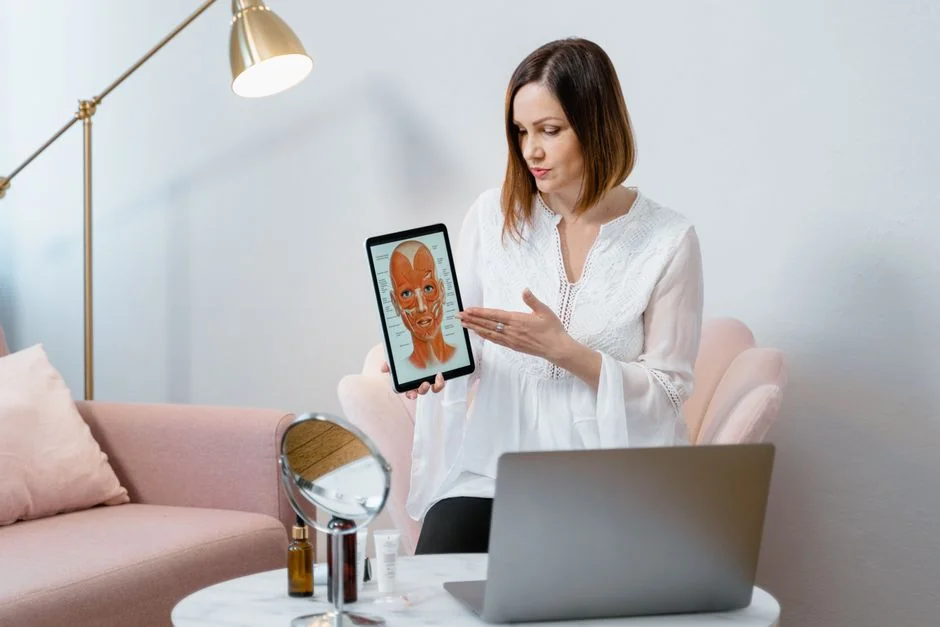
Navigating Japan’s healthcare system without Japanese language ability is one of the most consistent practical challenges faced by expatriates and medical tourists in Tokyo. Most general hospitals and neighbourhood dermatology clinics operate exclusively in Japanese, and online translation tools do not reliably capture the nuance required for accurate medical history-taking.
Within our clinic group, English-speaking consultations are handled at BIOTOPE CLINIC in Shirokanedai (Minato-ku, Tokyo) by Dr. Jun Karibe.
Dr. Karibe is a board-certified plastic surgeon certified by the Japan Society of Plastic and Reconstructive Surgery, and the clinic provides both dermatological and cosmetic care under one roof, with an English-speaking team managing all international patient enquiries. Our sister clinic, Kojimachi Dermatology & Plastic Surgery Clinic in Ichigaya (Chiyoda-ku), serves as the group’s main office for insurance-covered dermatology conducted in Japanese.
Bookings and enquiries in English are handled at BIOTOPE CLINIC via LINE or WhatsApp.
At BIOTOPE CLINIC in Shirokanedai, the team frequently sees patients who have been managing reactive skin without a formal diagnosis — often self-treating with over-the-counter products purchased online or abroad — and who are experiencing either a first flare or a worsening of a pre-existing condition in the Japanese climate. A structured consultation helps to establish a clear baseline and a realistic care plan.
Frequently Asked Questions
- Q. Do I need Japanese health insurance to see a dermatologist in Tokyo?
- No. Many clinics, including BIOTOPE CLINIC, accept self-pay patients without Japanese health insurance. You will pay consultation and treatment fees directly. If you do hold valid Japanese health insurance, some medically necessary treatments may be covered at clinics registered with the insurance system — your clinic can advise on eligibility.
- Q. Can I bring my existing skincare products for the doctor to review?
- Yes, and this is often encouraged. Bringing the products you currently use — including cleansers, moisturisers, serums, and sunscreen — allows the clinician to identify potential irritants or allergens in your routine. Photographs of current skin presentation can also be useful if symptoms are not active on the day of your visit.
- Q. Is it safe to undergo laser or cosmetic treatments if I have sensitive or reactive skin?
- Energy-based treatments are not categorically unsuitable for people with a history of sensitive skin, but timing, skin condition at the time of treatment, and device selection matter significantly. A dermatologist or plastic surgeon will assess barrier integrity and inflammatory status before recommending any energy-based procedure. Treatments are typically deferred until active inflammation has resolved.
- Q. How long does a consultation take at BIOTOPE CLINIC?
- Initial consultations typically last between 20 and 40 minutes, depending on the complexity of the concern and whether multiple issues are being discussed. The English-speaking team can assist with intake paperwork prior to your appointment to streamline the process.
- Q. Can I book a consultation as a tourist or short-term visitor to Japan?
- Yes. BIOTOPE CLINIC welcomes visitors to Tokyo for consultations, and prescriptions can be issued for conditions that can be safely managed with take-home medication. For treatments requiring follow-up (such as a laser course), the clinic can discuss what is achievable within your available time in Japan.
Have a question about this treatment?
Message us on LINE or WhatsApp — our English-speaking team usually replies the same day.
Summary
Sensitive skin is a broad descriptor that encompasses several distinct, diagnosable, and treatable conditions. Seeing a qualified dermatologist — rather than continuing to self-manage — often leads to faster resolution, more confident skincare choices, and a clearer understanding of what your skin actually needs in Tokyo’s climate.
For English-speaking patients in Japan, accessing that care in your own language significantly improves the accuracy of the consultation and the quality of informed consent around any treatment. Clinical evidence consistently supports the value of patch testing and structured diagnosis over empirical product trialling in patients with persistent reactive skin presentations.
If you have questions about sensitive skin or wish to schedule a dermatology consultation in English, English-speaking consultations are handled at BIOTOPE CLINIC in Shirokanedai (Minato-ku, Tokyo) by Dr. Karibe. Our sister clinic Kojimachi Dermatology & Plastic Surgery Clinic in Ichigaya (Chiyoda-ku) handles Japanese-language insurance dermatology. English enquiries: LINE or WhatsApp.
24/7 Consultation & Booking
Book a Consultation or Treatment
Our English-speaking team responds via LINE or WhatsApp — usually the same day.
References
- Warshaw EM, Maibach HI, Taylor JS, et al. North American contact dermatitis group patch test results: 2011–2012. Dermatitis. 2015.
- Farage MA, Miller KW, Maibach HI. Degenerative changes in aging skin. In: Textbook of Aging Skin. Springer; 2010.
- Tsakok T, Woolf R, Smith CH, Weidinger S, Flohr C. Atopic dermatitis: the skin barrier and beyond. British Journal of Dermatology. 2019.
- Thyssen JP, Linneberg A, Menne T, Johansen JD. The epidemiology of contact allergy in the general population — prevalence and main findings. Contact Dermatitis. 2007.
- Elias PM, Schmuth M. Abnormal skin barrier in the etiopathogenesis of atopic dermatitis. Current Allergy and Asthma Reports. 2009.
Related Articles
You may also find these articles useful.
- Sensitive Skin Care Tokyo: English-Speaking Dermatologist
- English Speaking Dermatologist Tokyo: Complete Guide
- English-Speaking Dermatologist Tokyo: Fees & Costs
- English Speaking Dermatologist Tokyo: First Visit Guide
SUPERVISED BY
Dr. Jun Karibe
MD
Director
Education & Career
Certifications
Awards
MEDICAL REVIEW