Autologous Cultured Stem Cell Therapy in Tokyo: A Complete Guide to Skin Rejuvenation
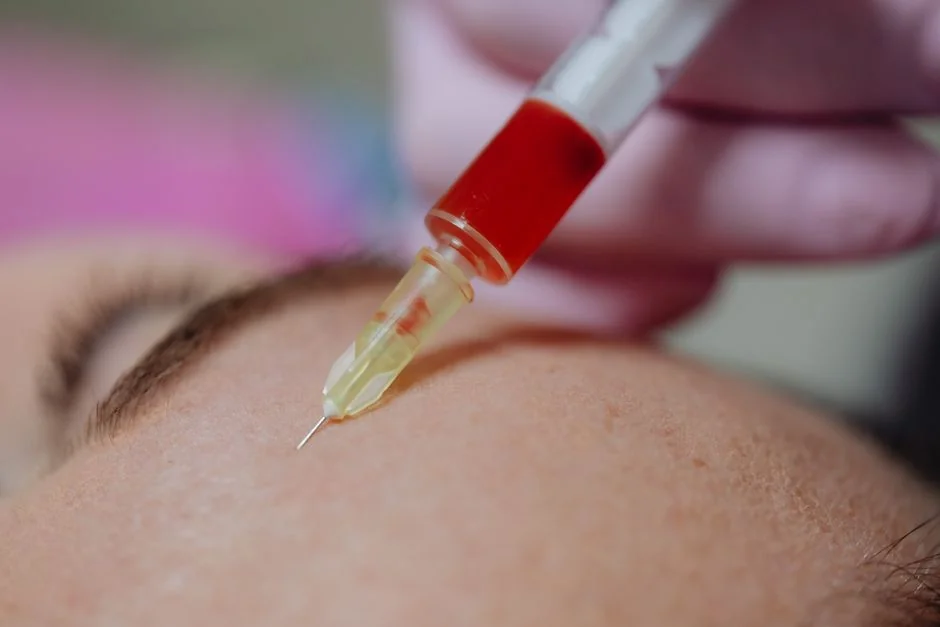
As interest in regenerative medicine grows, more English-speaking residents and visitors in Tokyo are researching autologous cultured stem cell therapy as a potential approach to long-term skin rejuvenation.
The science sounds compelling — using your own cells to restore skin quality — but separating realistic expectations from marketing language can be genuinely difficult.
This guide explains what autologous cultured stem cell therapy actually involves, how the procedure works in practice, what clinical evidence currently supports, the realistic cost range in Tokyo, and who tends to be a suitable candidate.
What you’ll learn in this article:
- What autologous cultured stem cell therapy is and how it differs from standard PRP or growth factor treatments
- The mechanism behind skin rejuvenation using your own harvested cells
- Realistic results, timeline, and limitations based on current clinical evidence
- Approximate cost of stem cell skin therapy in Tokyo
- Who is a suitable candidate — and who should approach this treatment with caution
Have a question about this treatment?
Message us on LINE or WhatsApp — our English-speaking team usually replies the same day.
What Is Autologous Cultured Stem Cell Therapy?
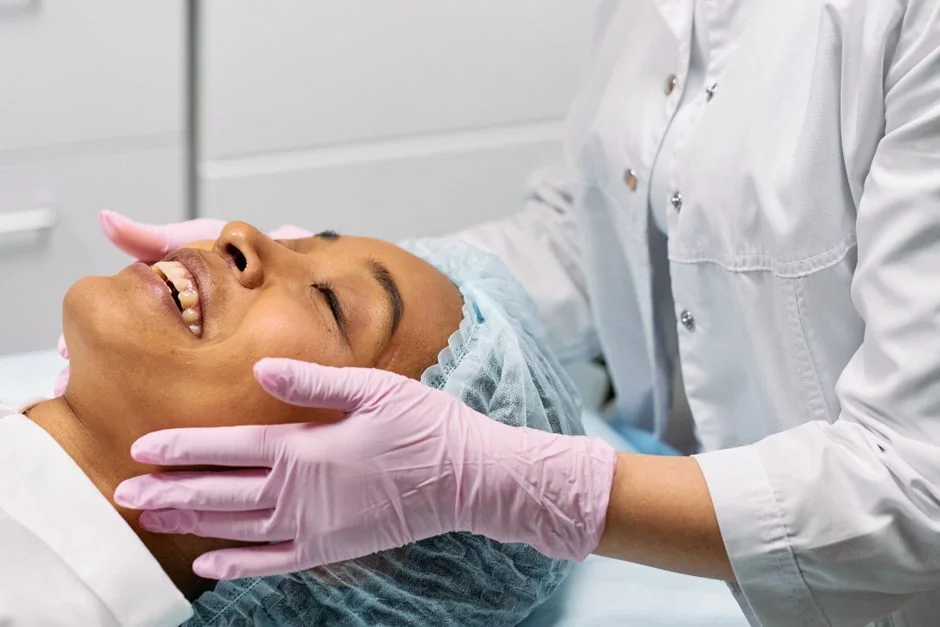
Autologous cultured stem cell therapy is a form of regenerative medicine in which a small sample of your own tissue — typically skin or adipose (fat) tissue — is processed in a certified laboratory to isolate and multiply specific cell populations.
These expanded cells are then reintroduced into the treatment area, usually the face, to stimulate collagen production, improve tissue quality, and promote skin renewal.
The term autologous simply means “from the same individual.”
Because the cells come from your own body, the risk of allergic reaction or immune rejection is substantially lower than with any donor-derived material.
Cultured refers to the laboratory process of growing these cells in controlled conditions before they are reinjected — a step that distinguishes this treatment from simpler same-session procedures.
How Does It Differ from PRP or Exosome Therapy?
It is worth clarifying the distinction, because these treatments are sometimes grouped together loosely.
Platelet-rich plasma (PRP) concentrates growth factors from your blood plasma and is administered in a single session without cell culture.
Exosome therapy introduces extracellular vesicles — particles secreted by cells — rather than living cells themselves. Autologous cultured stem cell therapy specifically involves isolating, expanding, and reimplanting living cell populations, a process that requires laboratory infrastructure, time, and regulatory compliance.
How the Treatment Works: From Harvest to Reinjection
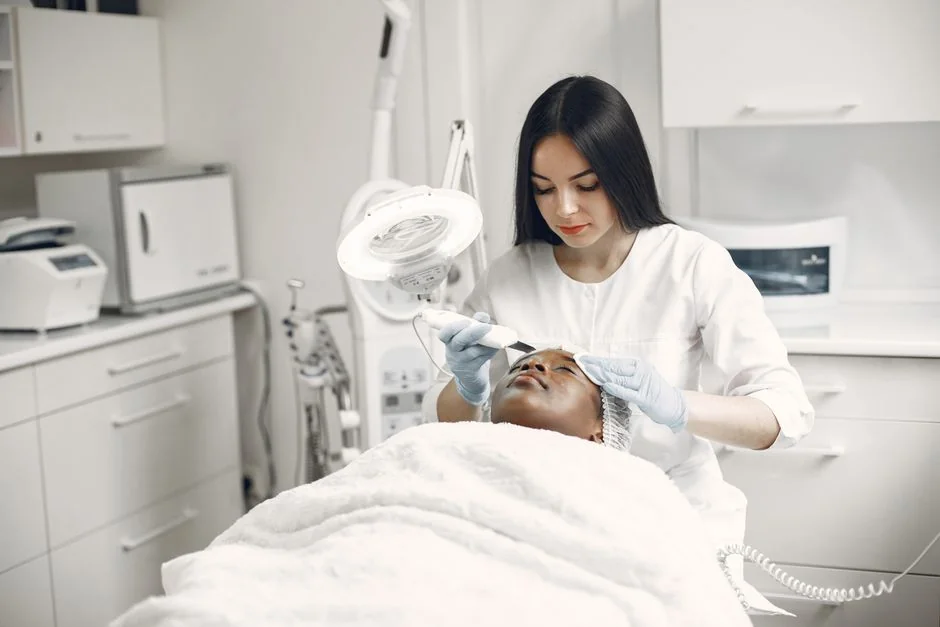
The process typically unfolds over several weeks and involves a coordinated sequence of steps between the clinic and a certified cell-processing facility.
Step 1: Tissue Harvest
A small biopsy — commonly a few millimetres of skin from behind the ear, or a minor fat aspiration from the abdomen or inner thigh — is performed under local anaesthesia. The procedure takes approximately 20 to 30 minutes and leaves a minimal scar in a discreet location.
Step 2: Laboratory Culture
The harvested tissue is transported to a certified cell-processing laboratory, where technicians isolate the target cell populations (most commonly dermal fibroblasts, the cells responsible for producing collagen and elastin). These cells are then cultured and expanded — a process that usually takes three to six weeks, depending on the protocol and the volume of cells required.
Step 3: Quality Testing and Preparation
Before any cells can be returned to the patient, they must pass sterility and viability testing to confirm safety and potency. The cells are then prepared in a sterile injectable solution.
Step 4: Reinjection
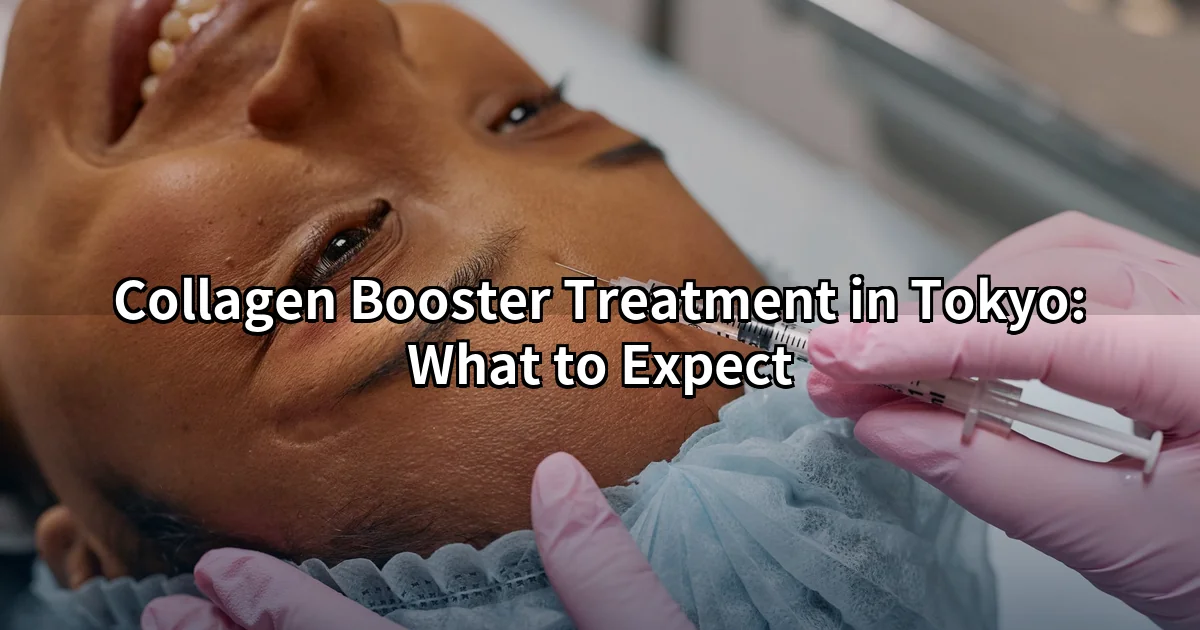
The cultured cells are injected into the dermis of the target area — typically the face, neck, or décolletage — using a fine needle technique. Sessions may be performed once or repeated over several months, depending on the treatment plan and the patient’s response.
What Clinical Evidence Currently Supports
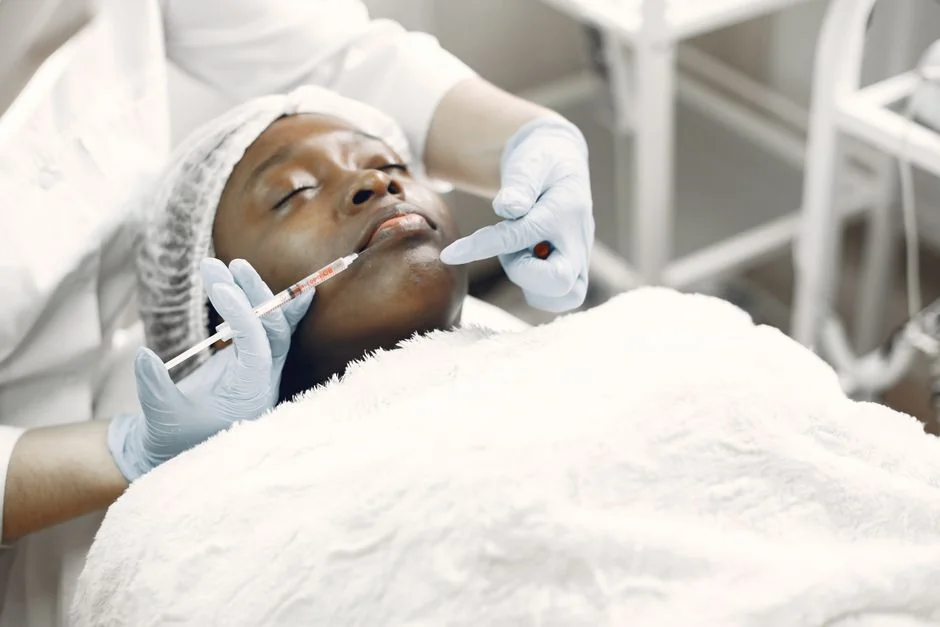
Autologous fibroblast therapy — one of the most studied forms of cultured cell skin treatment — has been evaluated in multiple peer-reviewed studies. Clinical reports indicate improvements in skin texture, fine line depth, and dermal thickness following a course of treatment, with some studies suggesting measurable increases in collagen density at three to six months post-treatment.
A randomised controlled trial published in dermatology literature reported that patients receiving autologous fibroblast injections showed statistically significant improvement in nasolabial fold depth compared with placebo controls, with effects sustained at 12-month follow-up in a proportion of participants.
It is important to approach the evidence with appropriate context. Results vary based on age, baseline skin condition, the quality of the cell-processing protocol, and the specific cell population used.
Studies suggest that patients with moderate photoageing and good baseline cell viability tend to show the most consistent outcomes. This is not a treatment that delivers immediate or dramatic transformation; the biological process of collagen remodelling takes months to manifest visibly.
Dr. Karibe’s Note
Many of our international patients are surprised to learn that autologous stem cell and fibroblast treatments are not yet standardised across clinics in Japan — the cell-processing facility, the culture protocol, and the physician’s injection technique all have a meaningful influence on outcomes.
A thorough pre-treatment consultation is essential, not only to assess candidacy but to understand exactly which cell populations are being used, how they are processed, and what the realistic trajectory of results looks like for your skin type and age. At BIOTOPE CLINIC in Shirokanedai, Dr. Karibe takes time to walk through these questions in English so patients can make a fully informed decision.
Common Misconceptions About Stem Cell Skin Therapy
Misconception 1: “Stem cell therapy” always means true stem cells
Many clinics use the phrase “stem cell therapy” loosely to describe treatments that involve growth factors, conditioned media (liquid derived from stem cell cultures but containing no living cells), or PRP. True autologous cultured stem cell therapy involves living cell populations that have been isolated, expanded, and verified — a considerably more complex and costly process. Patients should ask specifically whether the treatment involves live cultured cells or simply cell-derived products.
Misconception 2: Results are immediate and equivalent to surgery
Because regenerative therapies work by stimulating the body’s own biological processes, results emerge gradually over weeks to months rather than days. The improvements — typically in skin texture, firmness, and fine line reduction — are real but subtle compared with surgical intervention. For patients seeking structural changes to volume or facial contour, complementary approaches may be worth discussing.
Autologous Cultured Stem Cell Therapy vs. Comparable Regenerative Approaches
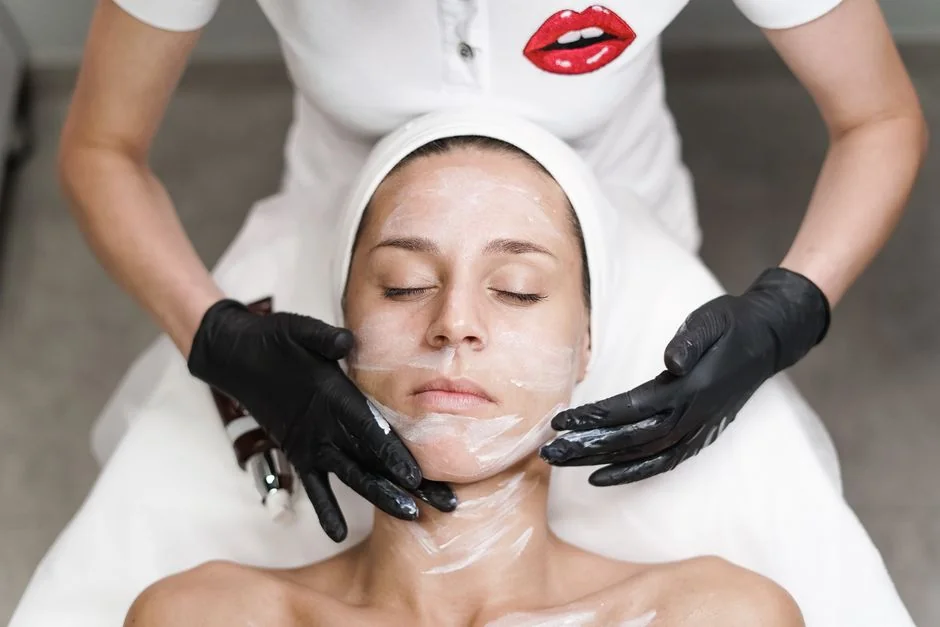
| Treatment | Cell Source | Lab Culture Required | Primary Mechanism | Approx. Sessions | Onset of Visible Results |
|---|---|---|---|---|---|
| Autologous cultured fibroblast therapy | Patient’s own skin biopsy | Yes (3–6 weeks) | Dermal collagen and elastin stimulation via living cells | 1–3 | 3–6 months |
| PRP (Platelet-Rich Plasma) | Patient’s own blood | No (same-session centrifuge) | Growth factor release from platelets | 3–6 | 4–8 weeks |
| Exosome therapy | Donor-derived or lab-produced vesicles | No (pre-prepared product) | Intercellular signalling; anti-inflammatory | 1–3 | 4–8 weeks |
| Hyaluronic acid filler | Synthetic (non-autologous) | No | Volume replacement; hydration | 1 | Immediate |
| HIFU (High-Intensity Focused Ultrasound) | N/A (energy device) | No | Thermal coagulation; collagen remodelling | 1–2 per year | 1–3 months |
Cost of Autologous Cultured Stem Cell Therapy in Tokyo
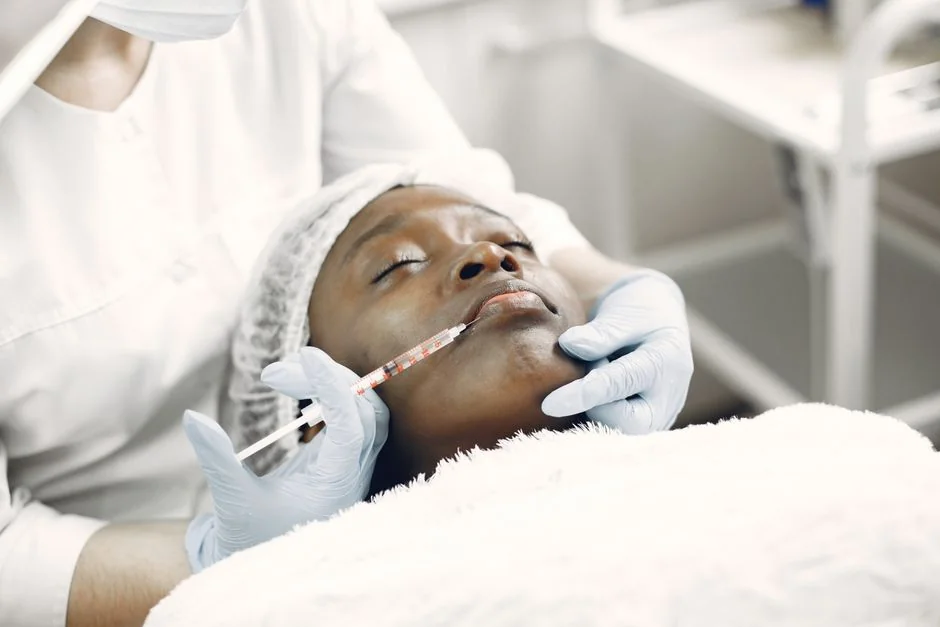
Autologous cultured stem cell therapy is among the more costly aesthetic medicine procedures available in Japan, primarily because it involves certified laboratory cell processing, quality testing, and multiple clinical appointments. In Tokyo, the total cost for a course of treatment — including tissue harvest, laboratory culture, and reinjection sessions — typically ranges from approximately ¥500,000 to ¥1,500,000 or more, depending on the clinic, the volume of cells produced, and the number of treatment sessions planned.
This range reflects substantial variation in the quality of cell-processing facilities, the specific protocol used, and the extent of physician involvement. Patients should treat any quotation significantly below this range with caution and ask detailed questions about laboratory accreditation and cell viability standards.
For patients exploring a broader skin rejuvenation programme, it may be worth considering how autologous cell therapy fits alongside other evidence-based treatments. HIFU, for example, is available at BIOTOPE CLINIC in Shirokanedai from ¥25,000 to ¥110,000 and offers a collagen-stimulating lifting effect with no downtime — a treatment worth discussing with Dr. Karibe if a multi-modality approach to skin quality is of interest. Similarly, Dermapen (RF microneedling) is available from ¥9,800 to ¥220,000 and is frequently used alongside regenerative protocols to enhance penetration and stimulate additional remodelling.
For an accurate quote, we recommend booking a consultation.
Have a question about this treatment?
Message us on LINE or WhatsApp — our English-speaking team usually replies the same day.
What to Expect: Before, During, and After Treatment
Before Treatment
A detailed medical consultation is essential before any commitment. The physician will review your medical history, assess your skin condition, and discuss whether your baseline health and cell viability make you a suitable candidate. Blood tests may be requested. Patients taking anticoagulants or immunosuppressants will need specific guidance regarding pre-treatment adjustments.
During the Harvest Appointment
The biopsy or minor fat aspiration is carried out under local anaesthesia and typically takes under 30 minutes. Discomfort is minimal for most patients, and there is no requirement for general anaesthesia. The treated area will be dressed, and you can generally return to daily activities the same day, though strenuous exercise is usually avoided for a few days.
During the Reinjection Appointment
Reinjection sessions are typically straightforward outpatient appointments. A topical numbing cream is applied before treatment. Some mild redness, swelling, or pinpoint bruising at injection sites is normal and usually resolves within a few days. Patients should avoid intense sun exposure and high-temperature environments (saunas, hot baths) for one to two weeks following each session.
After Treatment: Timeline and Maintenance
Visible skin improvement typically begins to emerge at approximately three months post-treatment, with the most notable changes often observed between three and six months as collagen remodelling progresses. Some clinicians recommend a repeat course after twelve to eighteen months to maintain and build on results, though individual protocols vary.
Who Is a Good Candidate?
In Dr. Karibe’s clinical experience at BIOTOPE CLINIC, patients who tend to respond most favourably to regenerative skin therapies are those with moderate rather than severe skin laxity, who are in good general health, non-smokers or those willing to cease smoking well in advance of treatment, and who hold realistic expectations about gradual, natural-looking improvement rather than transformative or surgical-level change.
Ideal candidates generally include adults in their mid-thirties to early sixties with early to moderate signs of photoageing — fine lines, loss of skin firmness, uneven texture — who have not responded sufficiently to topical treatments alone but are not yet seeking surgical correction.
Who Should Approach This Treatment with Caution or Avoid It
- Individuals with active autoimmune conditions or those on systemic immunosuppressive therapy — cell viability and treatment safety require careful physician review
- Patients with a history of keloid scarring, as the biopsy site carries some risk of abnormal healing
- Those with active skin infections, open wounds, or active inflammatory skin conditions in the treatment area
- Pregnant or breastfeeding individuals
- Patients with unrealistic expectations of surgical-equivalent outcomes
Frequently Asked Questions
- Q. Is autologous cultured stem cell therapy approved or regulated in Japan?
- Japan’s Act on the Safety of Regenerative Medicine (施行された再生医療等の安全性の確保等に関する法律), which came into force in 2014, regulates the clinical use of cell therapies, including autologous cultured cell treatments. Clinics offering such treatments are required to submit a plan to a certified review board and comply with ongoing safety reporting requirements. Patients should confirm that any clinic they consider is operating under the correct regulatory framework before proceeding.
- Q. How long do the results last?
- Clinical data suggests that improvements in collagen density and skin texture can be sustained for twelve months or longer in responding patients, with some published follow-up studies indicating measurable effects at two years. However, the ageing process continues after treatment, and many patients opt for a maintenance session at twelve to eighteen months. Individual longevity of results depends significantly on skin condition at baseline, lifestyle factors, and sun protection habits.
- Q. Can autologous stem cell therapy be combined with other treatments?
- Combination approaches are common in clinical practice. Devices such as HIFU, Dermapen, or CO2 fractional laser may be used at different time points in a skin rejuvenation programme alongside regenerative cell therapy. The sequencing and interval between treatments matters, and a physician experienced in regenerative dermatology should advise on the optimal plan for each individual patient.
- Q. Is this treatment painful?
- Both the biopsy and the reinjection sessions involve some discomfort, but this is generally well managed with local anaesthesia and topical numbing agents respectively. Most patients describe the harvest procedure as feeling like a minor injection and report mild soreness at the biopsy site for a few days afterwards. The reinjection is typically described as comparable to filler or PRP injections.
- Q. How is autologous cultured stem cell therapy different from “stem cell facials” advertised at spas?
- Spa-based “stem cell facials” almost invariably use plant-derived stem cell extracts or conditioned media — products that do not contain living human cells and bear no scientific relationship to true autologous cultured cell therapy. True autologous therapy requires tissue harvest from the patient, certified laboratory processing under Japan’s regenerative medicine regulations, sterility and viability testing, and physician-administered reinjection. The two should not be compared.
Have a question about this treatment?
Message us on LINE or WhatsApp — our English-speaking team usually replies the same day.
Where to Get English-Speaking Consultations in Tokyo
Within our clinic group, English-speaking consultations are handled at BIOTOPE CLINIC in Shirokanedai (Minato-ku, Tokyo) by Dr. Jun Karibe, a board-certified plastic surgeon certified by the Japan Society of Plastic and Reconstructive Surgery. Our sister clinic, Kojimachi Dermatology and Plastic Surgery Clinic in Ichigaya (Chiyoda-ku), serves as the group’s main office and handles Japanese-language insurance-covered dermatology. Bookings and enquiries in English: LINE or WhatsApp.
At BIOTOPE CLINIC in Shirokanedai, the team frequently sees international patients seeking a thorough, medically grounded discussion of regenerative skin options — including how autologous cell approaches compare with or complement energy-based treatments such as HIFU or Dermapen, which are also available at the clinic.
Dr. Karibe’s consultations provide the space to work through these questions in detail, in English, and to design a programme appropriate to each patient’s skin condition, timeline, and goals.
Summary
Autologous cultured stem cell therapy represents one of the more scientifically grounded approaches to skin rejuvenation currently available in Tokyo, drawing on the body’s own cellular biology to stimulate collagen production and improve dermal quality over time.
The evidence base — while still maturing — indicates meaningful improvements in skin texture and firmness for appropriately selected patients, with clinical reports suggesting effects sustained at twelve months and beyond in many cases.
The treatment is not a replacement for surgical correction, nor does it deliver rapid visible change. It suits patients who are seeking a biologically rooted, gradual improvement in skin quality and who understand that collagen remodelling is a months-long process.
Regulatory compliance, laboratory quality, and physician expertise are all critical variables in Japan’s regenerative medicine landscape — factors worth exploring carefully before committing to any provider.
If you have questions about autologous cultured stem cell therapy or regenerative skin rejuvenation in Tokyo, English-speaking consultations are handled at BIOTOPE CLINIC in Shirokanedai (Minato-ku, Tokyo) by Dr. Karibe. Our sister clinic Kojimachi Dermatology and Plastic Surgery Clinic in Ichigaya (Chiyoda-ku) handles Japanese-language insurance dermatology. English enquiries: LINE or WhatsApp.
24/7 Consultation & Booking
Book a Consultation or Treatment
Our English-speaking team responds via LINE or WhatsApp — usually the same day.
References
- Weiss RA, Weiss MA, Beasley KL, Munavalli G. Autologous cultured fibroblast injection for facial contour deformities: a prospective, placebo-controlled, Phase III clinical trial. Dermatologic Surgery. 2007.
- Watson D, Keller GS, Lacombe V, Fodor PB, Rawnsley J, Lask GP. Autologous fibroblasts for treatment of facial rhytids and dermal depressions — a pilot study. Archives of Facial Plastic Surgery. 1999.
- Nilforoushzadeh MA, Rahimi Jamnani M, Siadat AH, Ansari N, Soveyzi F, Zarkob H. Fibroblast cell therapy in regenerative medicine and chronic wound healing: a systematic review. Journal of Skin and Stem Cell. 2018.
- Japan Ministry of Health, Labour and Welfare. Act on the Safety of Regenerative Medicine. Government of Japan. 2014.
- Tiede S, Ernst N, Bayat A, Paus R, Tronnier V, Zechel C. Basic fibroblast growth factor: a potential new therapeutic tool for the treatment of hypertrophic and keloid scars. Annals of Anatomy. 2009.
Related Articles
You may also find these articles useful.
- Autologous Cultured Stem Cell Therapy Tokyo
- Exosome Therapy Tokyo: Skin Rejuvenation Guide
- Embrace RF vs HIFU vs Deep Plane Facelift Tokyo
SUPERVISED BY
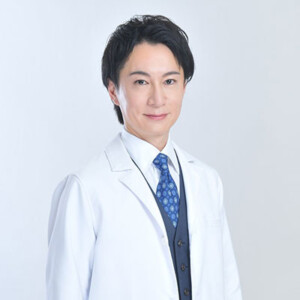
Dr. Jun Karibe
MD
Director
Education & Career
Certifications
Awards
MEDICAL REVIEW