Sensitive Skin Care in Tokyo: A Complete Guide to Seeing a Dermatologist in Japan as a Foreigner
If your skin has been feeling more reactive, dry, flushed, or irritated than usual since arriving in Japan — or if you have had a pre-existing sensitive skin condition that has flared up and you are unsure how to navigate the Japanese healthcare system — you are far from alone. Environmental changes, hard water, seasonal humidity shifts, unfamiliar skincare products, and even dietary differences can all disrupt even the most resilient complexions. This guide explains everything English-speaking expatriates, long-term residents, and visitors to Tokyo need to know about getting proper dermatological care for sensitive skin, including what to expect at a Japanese clinic, which treatments are available, and how costs are structured.
- What “sensitive skin” means medically and why it often worsens after moving to Japan
- How to access a dermatologist in Tokyo as a non-Japanese speaker
- Which clinical treatments — from prescription medications to device-based therapies — are appropriate for sensitive skin
- Cost ranges for dermatological consultations and treatments in Tokyo
- Common misconceptions foreigners hold about sensitive skin care in Japan
What Is Sensitive Skin — and Is It a Medical Condition?
The term “sensitive skin” is widely used but rarely well-defined. In clinical dermatology, it generally refers to skin that produces exaggerated or unpleasant sensory reactions — stinging, burning, itching, redness, or tightness — in response to triggers that would not normally affect the average person. These triggers may include temperature changes, certain cosmetic ingredients, ultraviolet light, wind, pollution, or even emotional stress.
Importantly, sensitive skin is not always a standalone diagnosis. It is frequently a symptom of an underlying condition such as atopic dermatitis (eczema), rosacea, contact dermatitis, seborrheic dermatitis, or psoriasis. A board-certified dermatologist can assess whether your skin reactivity has an identifiable cause or whether it represents what researchers call “idiopathic sensitive skin” — heightened reactivity without a clear dermatological disease.
A 2019 global survey published in Journal of the European Academy of Dermatology and Venereology estimated that approximately 60–70% of women and 50–60% of men worldwide self-report having sensitive or very sensitive skin.
However, clinical evaluation often reveals that a significant proportion of these individuals have a diagnosable condition that responds well to targeted treatment.
Why Does Sensitive Skin Often Worsen in Japan?
Japan’s climate varies dramatically by season: cold, dry winters in Tokyo can deplete the skin’s moisture barrier, while hot and humid summers may trigger sweat-related irritation, miliaria (heat rash), or fungal conditions. Tap water in many Tokyo neighbourhoods is moderately to highly chlorinated, which some individuals with reactive skin find irritating.
Japanese over-the-counter skincare products, while often high quality, may contain ingredients — certain brightening agents, fragrances, or exfoliating acids — that are unfamiliar to skin accustomed to different formulations. A change in diet, including increased soy and fermented foods, has also been associated anecdotally with skin microbiome shifts, though the evidence in this area remains preliminary.
Navigating Japanese Dermatology as a Foreigner
Japan has an excellent national healthcare system, and many dermatological conditions can be treated at low cost under national health insurance (国民健康保険, Kokumin Kenkō Hoken) if you are enrolled. However, language is frequently the most significant barrier. Most public hospital dermatology departments and local clinics operate entirely in Japanese, and medical interpreters are rarely available on short notice.
Clinics that offer English-language consultations — such as those staffed by doctors with international training or those specifically welcoming foreign patients — can make an enormous practical difference. At such clinics, you can describe your symptoms accurately, ask follow-up questions about your diagnosis, and understand your treatment plan fully. This is not a luxury: for YMYL (your money, your life) medical decisions, clear communication is essential.
National Health Insurance vs. Self-Pay (自費)
Dermatological treatments fall into two broad categories in Japan: those covered by insurance and those classified as cosmetic or aesthetic (自費診療, jihi shinryō), which are self-pay.
Insurance-covered care typically includes prescription medications such as topical steroids, antihistamines, antivirals, antifungals, and immunosuppressants, as well as certain procedural treatments such as narrowband UVB phototherapy for conditions like atopic dermatitis or vitiligo.
Cosmetic or aesthetic treatments — including laser therapies, RF (radiofrequency) devices, and injectable treatments — are not covered by insurance regardless of your residency status. If your concern is primarily medical (i.e., a diagnosed skin disease), insurance-covered options may be sufficient and highly cost-effective. If your goals include skin texture improvement, tone correction, or anti-ageing, self-pay aesthetic treatments are typically recommended.
Medical Treatments Available for Sensitive Skin Conditions
Prescription Medications for Reactive Skin
For patients with atopic dermatitis or chronic eczema, the mainstay of treatment remains topical corticosteroids (steroids applied to the skin) to manage active flares, combined with consistent use of medical-grade emollients. In cases where topical steroids are insufficient or patients are concerned about long-term steroid use, topical calcineurin inhibitors — non-steroidal immunosuppressants such as tacrolimus — are an effective and well-evidenced alternative.
For suspected allergic contact dermatitis, patch testing may be arranged to identify specific allergens. Antihistamines are commonly prescribed for itch management. If a fungal component is suspected (which can mimic eczema and is diagnosed via skin scraping), antifungal medications will be prescribed instead. Accurate diagnosis before initiating treatment is essential — particularly because certain conditions that resemble eczema, such as rosacea, may worsen with topical steroids.
Narrowband UVB Phototherapy
For patients with moderate to severe atopic dermatitis, psoriasis, or chronic urticaria (hives) that does not respond adequately to topical treatment, narrowband UVB phototherapy is a well-established second-line option. It involves exposure of the affected skin to specific ultraviolet wavelengths in a controlled clinical setting, typically two to three times per week over several weeks. A 2020 Cochrane-adjacent systematic review noted that narrowband UVB achieves clinically significant improvement in EASI scores (a standardised measure of eczema severity) in a majority of patients with moderate-to-severe atopic dermatitis. This treatment is available at our clinic — feel free to ask about it during a consultation.
Device-Based Treatments for Sensitive or Reactive Skin
It may seem counterintuitive to consider laser or energy-based treatments for sensitive skin, but several technologies are specifically designed to improve skin resilience, reduce redness, and strengthen the barrier without causing excessive trauma. The key is careful patient selection and appropriately adjusted treatment parameters.
Photofacial with the Stella M22 IPL (intense pulsed light) system, for example, is used for redness and diffuse rosacea-like flushing. Low-energy laser toning with a pico-second laser such as the PicoWay can address pigmentation irregularities with minimal heat delivery to surrounding tissue.
For patients experiencing enlarged pores or post-inflammatory marks, CO2 fractional laser at conservative settings may be considered once active inflammation has been fully controlled.
Dr. Karibe’s Note
Many of our international patients arrive having already self-diagnosed as having “sensitive skin” and having avoided all active skincare for months out of caution — only to discover at consultation that their skin is actually quite resilient, but has been reacting to one or two specific ingredients or to Japan’s seasonal dryness.
A thorough clinical assessment often opens up options they had assumed were off-limits. Conversely, some patients who believe their skin is simply “normal but a little dry” turn out to have undiagnosed mild eczema that would benefit greatly from a targeted prescription approach. Please do not hesitate to come in for an evaluation even if you are unsure whether your concern is “serious enough” — that is exactly what consultations are for.
Sensitive Skin and Aesthetic Treatments: What Is Safe?
A common question among foreign patients is whether they can pursue aesthetic treatments — anti-ageing injectables, laser skin rejuvenation, or lifting procedures — at the same time as managing a sensitive skin condition. In most cases, the answer is yes, provided active inflammation has been resolved first and the treating physician is fully aware of the patient’s skin history.
| Treatment | Suitable for Sensitive Skin? | Key Considerations | Approximate Price Range (Tokyo) |
|---|---|---|---|
| Narrowband UVB Phototherapy | Yes (insurance-covered for qualifying conditions) | Requires consistent attendance; UV goggles worn; low side-effect profile | Low-cost under insurance; self-pay varies |
| HIFU (Skin Lifting & Tightening) | Yes, if skin is not actively inflamed | Avoid over active eczema or rosacea flares; suitable for laxity concerns | ¥25,000–¥110,000 |
| Pico Laser (PicoWay) | Generally yes, with adjusted settings | Suitable for pigmentation; avoid if active redness or rosacea is present | ¥11,000–¥98,000 |
| CO2 Fractional Laser | Conditionally — requires stable skin | Not appropriate during active dermatitis; suitable post-remission for scarring/pores | ¥11,000–¥66,000 |
| Botox Injection | Yes — not contraindicated by sensitive skin | Useful for hyperhidrosis (excessive sweating) and facial dynamics | ¥9,900–¥148,000 (brand-dependent) |
| Dermapen (Microneedling) | With caution | Can stimulate barrier repair; avoid during active flares; patch test advised | ¥9,800–¥220,000 |
Cost of Seeing a Dermatologist for Sensitive Skin in Tokyo
For English-speaking patients, understanding the cost structure of Japanese dermatological care in advance helps avoid confusion at the clinic counter. Below are the relevant price points at Our Clinic.
- Initial consultation: ¥3,300 — This covers a comprehensive assessment of your skin concerns, medical history review, and treatment recommendations.
- Surgical consultation with Dr. Karibe: ¥2,200 — For patients considering procedural or surgical options.
- Prescription medications: Variable — covered partially or fully under national health insurance for qualifying conditions such as atopic dermatitis.
- Device-based cosmetic treatments: See the table above for ranges — final pricing depends on the area treated, number of sessions required, and device settings.
Preventive and supportive approaches — such as IV drip therapy with vitamin C or glutathione (used by some patients to support skin barrier health from within), nutritional supplementation with NMN, or gut microbiome analysis — are also available at the clinic and may be discussed during consultation as complementary options. For an accurate quote tailored to your specific situation, we recommend booking a consultation.
Who Is a Good Candidate for Dermatological Assessment?
Any foreigner living in or visiting Tokyo who is experiencing skin symptoms that have not responded to standard over-the-counter care, or who has a known skin condition requiring professional management, is an appropriate candidate for a dermatological consultation.
You do not need to have a severe or dramatic presentation — early assessment often leads to simpler, more effective treatment.
Patients who are particularly well suited to clinic-based sensitive skin management include those with: a known history of atopic dermatitis, rosacea, psoriasis, or contact dermatitis; those whose skin has deteriorated since moving to Japan;
those who are pregnant or breastfeeding and need guidance on safe topical options; and those considering aesthetic treatments who are concerned about how their reactive skin may respond.
Who Should Be Cautious or Wait Before Treatment?
Patients with actively infected or weeping skin (secondary bacterial or viral infection over inflamed eczema, for example) will typically need antimicrobial treatment first before any aesthetic procedures can be safely undertaken. Individuals currently undergoing systemic immunosuppressive therapy for other conditions should disclose this at consultation, as it affects both diagnosis and treatment choices. Those who have recently changed multiple skincare products simultaneously are advised to simplify their routine and allow a washout period before assessment, if possible, to make it easier to identify the causative agent.
Common Misconceptions About Sensitive Skin Care in Japan
Misconception 1: “Japanese Skincare Products Are Always Safe for Sensitive Skin”
Japan has a strong international reputation for gentle, high-quality skincare, and many Japanese formulations are indeed well-tolerated.
However, “gentle” branding does not guarantee suitability for every individual’s skin. Certain popular Japanese cosmetic categories — including whitening products containing arbutin or niacinamide, exfoliating toners, and enzyme-based cleansers — can irritate reactive skin types, particularly those with a compromised barrier. In our clinical experience at Kojimachi Dermatology & Plastic Surgery Clinic, a number of patients have arrived presenting with product-induced contact dermatitis from skincare they had assumed was hypoallergenic. A dermatologist can provide personalised product guidance based on your specific skin status.
Misconception 2: “You Must Speak Japanese to Receive Proper Medical Care in Tokyo”
While it is true that many Japanese dermatology clinics operate exclusively in Japanese, this is not universal. Clinics that have intentionally structured their services to accommodate English-speaking international patients — including providing English consultations, written treatment summaries, and multilingual reception support — exist in central Tokyo. The barrier to care is logistical rather than absolute, and finding the right clinic removes it entirely.
Frequently Asked Questions
- Q. Can I use my Japanese national health insurance at a dermatology clinic for sensitive skin?
- Yes, if you are enrolled in Japan’s national health insurance system and your condition has a diagnosable medical basis (such as atopic dermatitis or allergic contact dermatitis), your consultation fee and prescription medications will typically be partially covered. Purely cosmetic or aesthetic treatments — such as laser skin rejuvenation or injectables — are not covered by insurance and are charged at the self-pay (自費) rate. It is best to clarify your insurance status and treatment goals at the time of booking.
- Q. How many sessions will I need before my sensitive skin improves?
- This depends entirely on the underlying cause and chosen treatment pathway. For straightforward atopic dermatitis managed with topical medications, many patients notice meaningful improvement within two to four weeks of beginning a structured regimen. Device-based treatments such as phototherapy or laser may require multiple sessions — typically four to eight — spaced at regular intervals. A realistic treatment timeline will be discussed at your initial consultation, and no clinic can guarantee specific results within a fixed period.
- Q. Is it safe to have laser or energy-based treatments if I have sensitive skin?
- Laser and energy-based treatments are not categorically contraindicated for sensitive skin, but they require careful assessment. The key factors are whether any active inflammation, infection, or dermatitis has been fully resolved prior to treatment, and whether the device parameters are appropriately adjusted for your skin type and condition. A physician experienced in treating international patients with varied skin types will assess candidacy individually before recommending any device-based procedure.
Summary
Sensitive skin is a nuanced concern that sits at the intersection of medical dermatology and aesthetic care. For English-speaking foreigners in Tokyo, the most important first step is finding a clinic that can communicate clearly, diagnose accurately, and tailor treatment to your specific skin history — rather than applying a one-size-fits-all approach. Japan’s dermatological care quality is high, and both insurance-covered medical treatments and self-pay aesthetic options are available to address a wide spectrum of sensitive skin presentations.
Whether you are seeking prescription management for a flaring eczema, guidance on which aesthetic devices are safe for your reactive skin, or simply a thorough baseline assessment after relocating to Tokyo, a board-certified dermatologist with experience treating international patients can make a significant difference to your skin health and peace of mind.
If you have any questions about sensitive skin care or seeing a dermatologist in Tokyo, our team at our BIOTOPE Clinic, Tokyo would be happy to help. We offer consultations in English.
References
- Misery L, et al. Sensitive skin in the world: an epidemiological approach. Journal of the European Academy of Dermatology and Venereology. 2018. PubMed Search
- Czarnowicki T, et al. Atopic dermatitis endotypes and implications for targeted therapeutics. Journal of Allergy and Clinical Immunology. 2019. PubMed
- Garritsen FM, et al. Photo(chemo)therapy in the management of atopic dermatitis: an updated systematic review with implications for practice and research. British Journal of Dermatology. 2014. PubMed
- Zuberbier T, et al. Patient perspectives on the management of atopic dermatitis. Journal of Allergy and Clinical Immunology. 2006. PubMed Search
- Elmariah SB, Lerner EA. Topical therapies for pruritus. Seminars in Cutaneous Medicine and Surgery. 2011. PubMed
24/7 Consultation & Booking
Book a Consultation or Treatment
Our English-speaking team responds via LINE or WhatsApp — usually the same day.
SUPERVISED BY
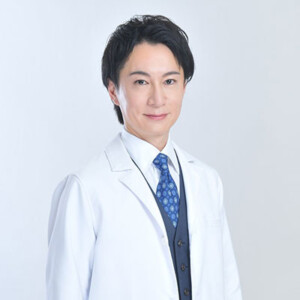
Dr. Jun Karibe
MD
Director
Education & Career
Certifications
Awards
This article is for general informational purposes only and does not constitute medical advice or a diagnosis. Please consult a qualified physician for any health concerns.
MEDICAL REVIEW