GLP-1, Fat-Dissolving Injections or Liposuction in Tokyo: Which Option Is Right for You?
Deciding how to address stubborn fat — whether you have a few targeted areas of concern or a broader weight-loss goal — can feel genuinely overwhelming, particularly when navigating a healthcare system in a second language.
Three approaches come up repeatedly in international patient enquiries: GLP-1 receptor agonist medications, fat-dissolving injections, and surgical liposuction. Each works through a completely different mechanism, suits a different patient profile, and carries a different cost, recovery, and realistic outcome.
This article breaks down all three options clearly so you can arrive at a consultation with the right questions — and the right expectations.
What you’ll learn in this article:
- How GLP-1 medications, fat-dissolving injections, and liposuction each work
- Which approach suits which body type, lifestyle, and goal
- Realistic costs for each option in Tokyo
- Recovery and downtime to expect
- Key misconceptions that lead patients to choose the wrong treatment
Have a question about this treatment?
Message us on LINE or WhatsApp — our English-speaking team usually replies the same day.
Understanding the Three Approaches
GLP-1 Receptor Agonists (Ozempic, Wegovy, Saxenda)
GLP-1 (glucagon-like peptide-1) receptor agonists are injectable or oral medications originally developed for type 2 diabetes management. They work by mimicking a natural gut hormone that slows gastric emptying, reduces appetite, and signals satiety to the brain.
Over time, reduced caloric intake leads to overall body weight reduction — including fat loss across multiple areas simultaneously.
In Japan, these medications are available through licensed clinics offering weight-management programmes, typically as self-administered subcutaneous injections taken weekly.
Because they act systemically, the fat loss is distributed rather than targeted. Clinical trials published in the New England Journal of Medicine (Wilding et al., 2021) found that participants using semaglutide (the active ingredient in Ozempic and Wegovy) lost an average of approximately 15% of body weight over 68 weeks, compared with roughly 2.4% in the placebo group — a meaningful difference that underscores the medication’s efficacy for appropriate candidates.
Side effects are common and include nausea, vomiting, constipation, and — with longer use — possible muscle mass loss alongside fat loss. These medications require ongoing prescription, regular monitoring, and are not a permanent structural solution.
Fat-Dissolving Injections (Deoxycholic Acid / PCDC)
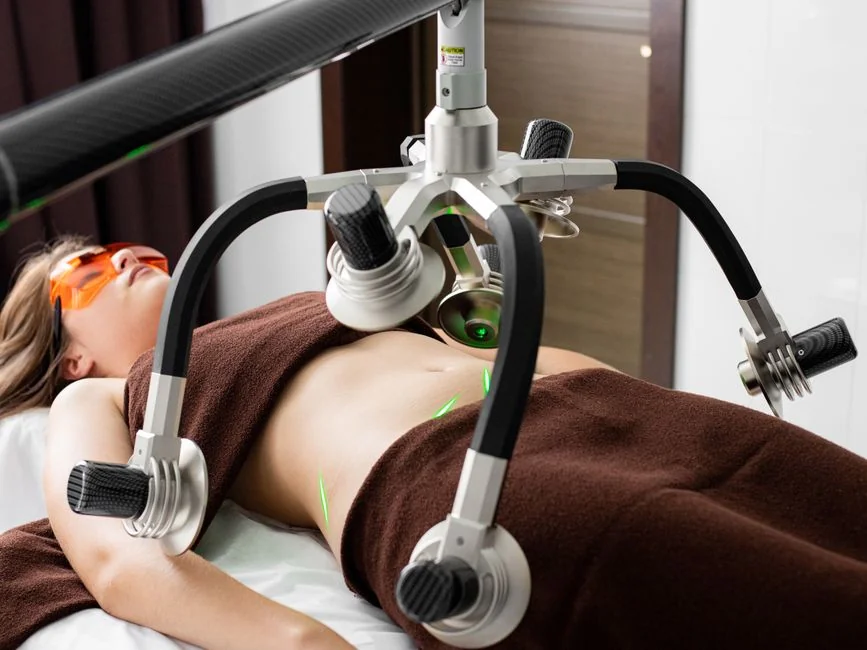
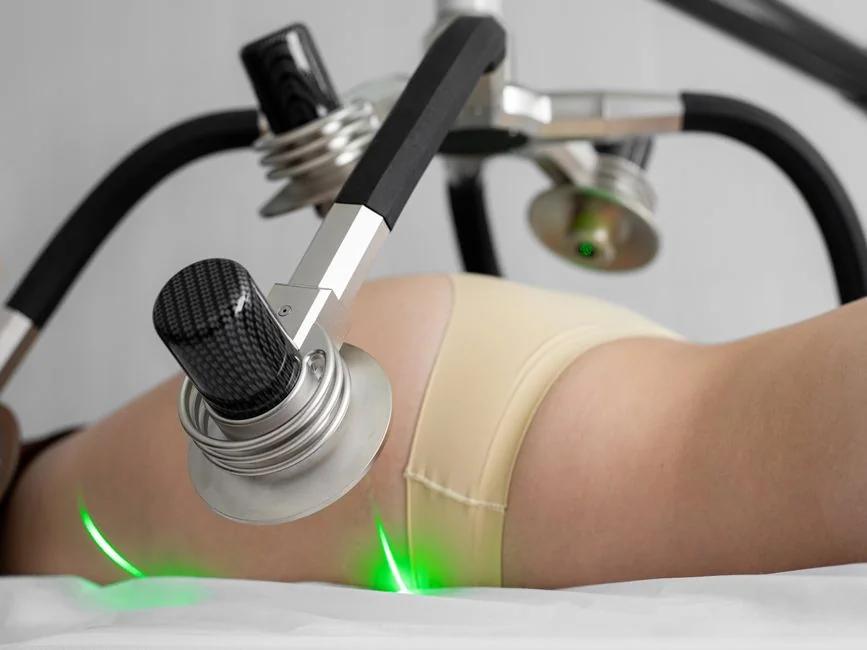
Fat-dissolving injections use compounds such as deoxycholic acid or phosphatidylcholine/deoxycholate (PCDC) blends to chemically disrupt the membranes of fat cells in a localised area. The destroyed cells are then processed and cleared by the body’s lymphatic system over several weeks.
The result is a gradual, targeted reduction in fat volume in the injected zone — most commonly under the chin, jawline, inner thighs, or abdomen.
Treatment involves multiple injections per session, usually with a fine needle, and mild swelling and tenderness are expected for several days to two weeks afterward. Most patients require two to four sessions spaced four to six weeks apart to see a satisfying result. Clinical reports indicate that localised deoxycholic acid treatments can reduce submental (under-chin) fat volume by approximately 20–30% after a complete treatment course, though individual variation is significant.
Fat-dissolving injections are a non-surgical option and represent a reasonable middle ground for patients who have a specific small-to-moderate pocket of fat but do not want surgery or systemic medication. They are available at BIOTOPE CLINIC in Shirokanedai — feel free to ask about suitability during a consultation with Dr. Karibe.
Liposuction
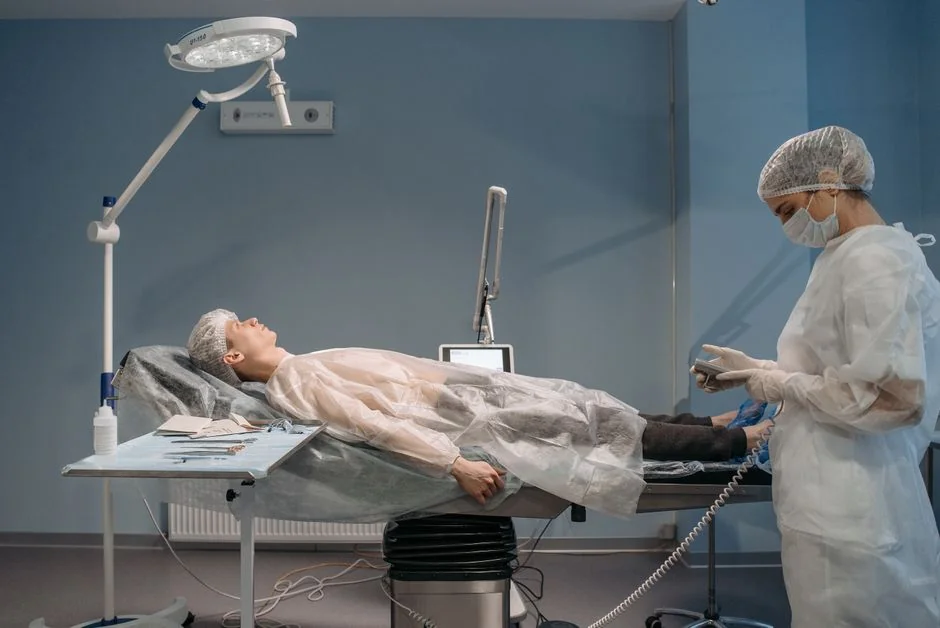
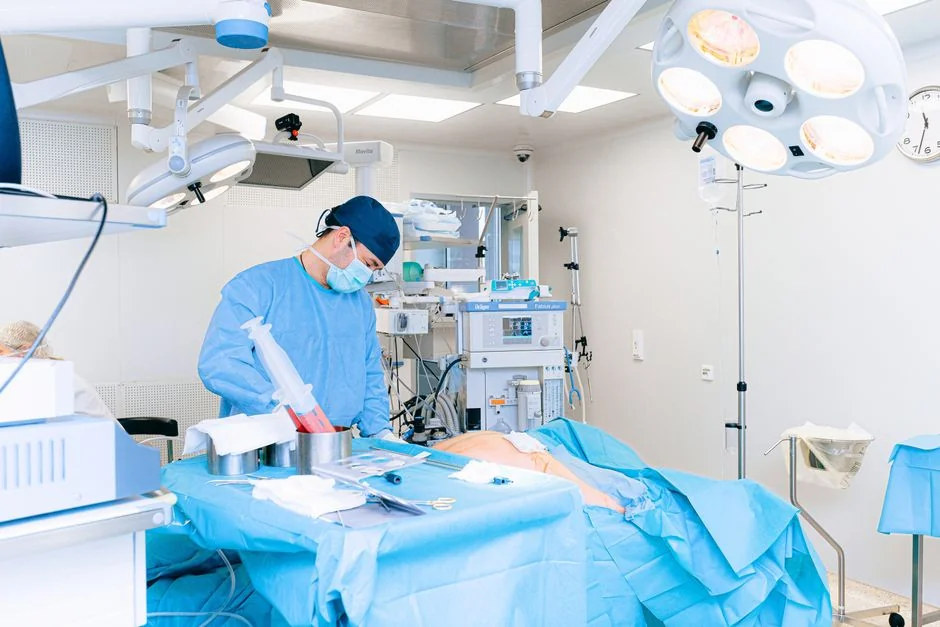
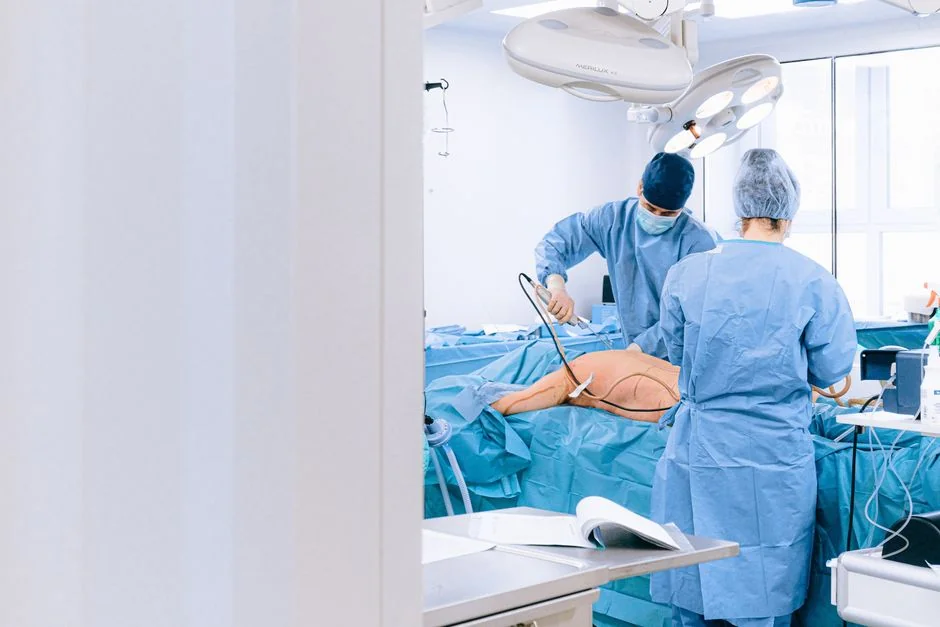
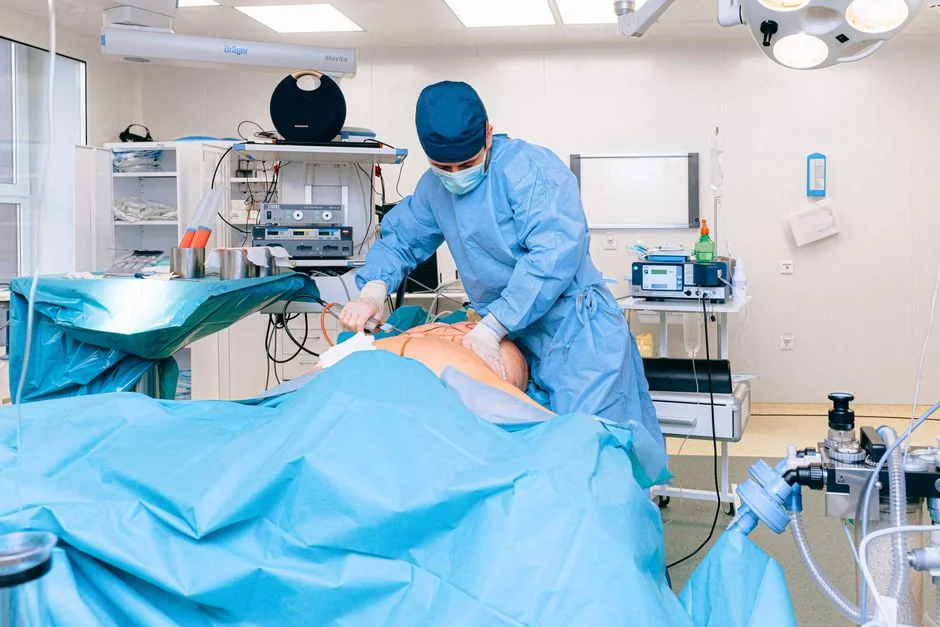
Surgical liposuction physically removes fat cells from a target area through a small cannula (a thin tube) inserted under the skin. Under local or general anaesthesia, the surgeon breaks up and suctions out adipose tissue. The reduction is immediate, precise, and permanent in the sense that removed fat cells do not regenerate — although remaining cells can still expand with significant weight gain.
Liposuction is the most powerful of the three options for defined body contouring. It is best suited to patients close to their goal weight who have discrete, treatment-resistant areas of fat that are disproportionate to the rest of the body. Recovery involves compression garments, bruising, swelling, and limited activity for two to four weeks, with final results visible at around three months as residual swelling resolves.
At BIOTOPE CLINIC in Shirokanedai, Dr. Karibe consults on facial liposuction including cheek and jawline contouring, a procedure that can dramatically refine the lower face and is frequently requested by international patients seeking a more sculpted facial silhouette.
Side-by-Side Comparison
| Feature | GLP-1 Medication | Fat-Dissolving Injection | Liposuction |
|---|---|---|---|
| Mechanism | Systemic appetite suppression | Localised cell disruption | Physical fat removal |
| Area of effect | Whole body | Targeted (small zones) | Targeted (precise areas) |
| Invasiveness | Non-surgical (injection/oral) | Non-surgical (injection) | Surgical |
| Sessions required | Ongoing (weekly/monthly) | 2–4 sessions | Usually one |
| Downtime | Minimal (side effects vary) | 3–14 days swelling | 2–4 weeks |
| Results timeline | Months (gradual) | 6–12 weeks per session | Immediate; finalised ~3 months |
| Permanence | Not permanent (weight returns if stopped without lifestyle change) | Long-lasting if weight maintained | Permanent fat cells removed |
| Best suited for | Overall weight reduction | Mild localised fat (chin, jawline) | Defined contouring near goal weight |
Cost in Tokyo
Understanding pricing across these three categories helps set realistic expectations before a consultation.
GLP-1 Medications
GLP-1 prescriptions at private weight-loss clinics in Tokyo typically range from approximately ¥15,000 to ¥50,000 per month depending on the medication, dosage, and clinic. Costs tend to increase as doses are titrated upward. These are not covered by national health insurance when prescribed for cosmetic weight loss. Monitoring consultations add to the ongoing cost.
Fat-Dissolving Injections at BIOTOPE CLINIC
Fat-dissolving injections are available at BIOTOPE CLINIC in Shirokanedai. Pricing varies based on the area treated and number of vials used — an initial consultation (¥3,300 for a standard consultation, or ¥2,200 for a surgical consultation with Dr. Karibe) will clarify the recommended course and associated costs. Multiple sessions are typically required.
Liposuction at BIOTOPE CLINIC
Surgical liposuction of the cheeks and jawline is priced at ¥280,000 per area. Anaesthesia costs range from ¥2,200 to ¥77,000 depending on the type used, and pre-operative blood work is ¥11,000. A Dr. Karibe surgical consultation is ¥2,200. For an accurate quote, we recommend booking a consultation.
Have a question about this treatment?
Message us on LINE or WhatsApp — our English-speaking team usually replies the same day.
What People Often Get Wrong: Common Misconceptions
Misconception 1: “Fat-dissolving injections work like liposuction but without surgery”
This comparison is appealing but misleading. Fat-dissolving injections are appropriate for small, soft, superficial pockets of fat — such as mild submental fullness. They are not capable of producing the dramatic, precisely sculpted results that surgical liposuction achieves in moderate-to-large fat deposits.
Expecting liposuction-level contouring from injections frequently leads to dissatisfaction and unnecessary expense from repeated sessions.
Equally, liposuction is not simply a “stronger version” of fat-dissolving injections — it is surgery, with surgical risks, recovery requirements, and the need for an experienced plastic surgeon. The two belong in different clinical conversations.
Misconception 2: “GLP-1 medications will fix localised fat deposits”
GLP-1 medications reduce overall body fat, but they do not selectively target problem areas. A patient who loses 10 kg on semaglutide may find their proportions improve globally, but their genetically stubborn lower abdomen or jawline fat may persist proportionally — because the body decides where it loses fat, not the medication.
For targeted contouring after weight stabilisation, a procedural option remains relevant even after successful GLP-1 use.
Dr. Karibe’s Note
A question that comes up frequently in consultations at BIOTOPE CLINIC is whether a patient should try a non-surgical route before considering liposuction. My honest answer is always that it depends on the area, the volume of fat, and the patient’s timeline. For a small amount of chin fat in someone who is already close to their ideal weight, fat-dissolving injections are a very reasonable first step.
But for a patient with significant fat in multiple facial zones who wants a definitive, single-procedure result, surgery is simply more predictable. The key is matching the tool to the actual clinical picture — not to the assumption that less invasive is always better.
Who Is a Good Candidate for Each Option?
GLP-1 is worth considering if you:
- Have a BMI that suggests clinical overweight or obesity
- Want overall body weight reduction rather than area-specific contouring
- Are willing to commit to ongoing medication and monitoring
- Do not have a personal or family history of medullary thyroid carcinoma or pancreatitis (contraindications)
Fat-dissolving injections may suit you if you:
- Are at or near a healthy weight but have one or two small, localised pockets of fat
- Are targeting the chin, jawline, or a similarly small area
- Prefer a non-surgical approach and can accept a gradual, multi-session process
- Have realistic expectations about the degree of change achievable
Liposuction may be appropriate if you:
- Are at or close to your goal weight with good skin elasticity
- Have a clearly defined area of disproportionate fat that has not responded to diet and exercise
- Want a definitive, one-time structural result
- Are in good general health and able to take two to four weeks of reduced activity
- Have consulted with a board-certified plastic surgeon and understand the surgical risks
Where to Get a Consultation on Fat Reduction in Tokyo
Within our clinic group, English-speaking consultations are handled at BIOTOPE CLINIC in Shirokanedai (Minato-ku, Tokyo) by Dr. Jun Karibe. Our sister clinic, Kojimachi Dermatology and Plastic Surgery Clinic in Ichigaya (Chiyoda-ku), is the group’s main office and handles Japanese-language insurance-covered dermatology. Bookings and enquiries in English are available via LINE or WhatsApp.
In Dr. Karibe’s clinical experience at BIOTOPE CLINIC, international patients benefit significantly from having a board-certified plastic surgeon who can assess all three options — and combinations of them — in a single consultation. Understanding which approach or sequence of approaches makes clinical sense for your specific anatomy takes expertise across medical, minimally invasive, and surgical domains.
Frequently Asked Questions
- Q. Can I use GLP-1 medication and then get liposuction afterward?
- Many patients do pursue this sequence — using GLP-1 medication to achieve overall weight reduction, then addressing residual localised fat with a procedural treatment once weight has stabilised. It is important to wait until weight has been stable for several months before surgical consultation, as ongoing fluctuation can affect both surgical planning and long-term results. A consultation with Dr. Karibe can help map out the appropriate timeline.
- Q. Is liposuction available in Japan for foreigners?
- Yes. Surgical liposuction is available at private plastic surgery clinics in Tokyo for both Japanese nationals and international patients. A pre-operative consultation, health screening, and blood work are required. At BIOTOPE CLINIC, Dr. Karibe conducts consultations in English and can advise on candidacy, procedural planning, and what to expect during recovery in Tokyo.
- Q. How many fat-dissolving injection sessions will I need?
- Most patients require between two and four sessions for a satisfactory outcome, spaced approximately four to six weeks apart. The exact number depends on the size of the treatment area, the volume of fat, and how the individual responds to the first session. Your treatment plan will be outlined during an initial consultation.
- Q. Are GLP-1 medications legal and available at private clinics in Japan?
- Certain GLP-1 medications are approved in Japan and can be prescribed at licensed private clinics for weight management. Availability of specific brands may vary, and prescriptions require an initial medical assessment. The regulatory landscape for weight-loss medications in Japan continues to evolve, so it is advisable to confirm current availability during a consultation.
- Q. Will fat return after liposuction if I gain weight?
- The fat cells physically removed during liposuction do not regenerate. However, remaining fat cells throughout the body — including in adjacent untreated areas — can still expand with significant weight gain. Maintaining a stable weight after the procedure helps preserve the contouring result long-term.
Have a question about this treatment?
Message us on LINE or WhatsApp — our English-speaking team usually replies the same day.
Summary
GLP-1 medications, fat-dissolving injections, and liposuction are genuinely different tools that serve genuinely different needs. GLP-1 is a systemic weight-loss medication suited to patients with an overall weight goal; fat-dissolving injections are a non-surgical option for small, localised pockets; and liposuction is a surgical procedure for precise, definitive contouring in patients already close to their goal weight.
There is no universally superior option — the right choice depends on your current weight, the area of concern, your timeline, your tolerance for surgery and recovery, and your long-term goals. Combinations and sequences of these approaches are also common in clinical practice.
If you have questions about GLP-1, fat-dissolving injections, or liposuction in Tokyo, English-speaking consultations are handled at BIOTOPE CLINIC in Shirokanedai (Minato-ku, Tokyo) by Dr. Karibe. Our sister clinic Kojimachi Dermatology and Plastic Surgery Clinic in Ichigaya (Chiyoda-ku) handles Japanese-language insurance dermatology. English enquiries: LINE or WhatsApp.
24/7 Consultation & Booking
Book a Consultation or Treatment
Our English-speaking team responds via LINE or WhatsApp — usually the same day.
References
- Wilding JPH, Batterham RL, Calanna S, et al. Once-weekly semaglutide in adults with overweight or obesity. New England Journal of Medicine. 2021;384(11):989–1002.
- Rotunda AM, Kolodney MS. Mesotherapy and phosphatidylcholine injections: historical clarification and review. Dermatologic Surgery. 2006;32(4):465–480.
- Kybella (deoxycholic acid) Prescribing Information. Allergan Aesthetics. US Food and Drug Administration. 2015.
- Illouz YG, Sterodimas A. Autologous fat transplantation and liposuction: clinical research and applications. Aesthetic Plastic Surgery. 2009;33(5):758–764.
- Davies M, Færch L, Jeppesen OK, et al. Semaglutide 2.4 mg once a week in adults with overweight or obesity, and type 2 diabetes (STEP 2): a randomised, double-blind, placebo-controlled, phase 3 trial. The Lancet. 2021;397(10278):971–984.
Related Articles
You may also find these articles useful.
- Liposuction Tightening Abdomen ,Thighs Tokyo Results using
- Liposuction with Skin Tightening: Recovery and Downtime
- Liposuction Tightening Tokyo: Long-Term Results Beyond One Year
- Liposuction Skin Tightening Cost Tokyo 2026
- Body Contouring Treatment Tokyo Clinic Guide
SUPERVISED BY
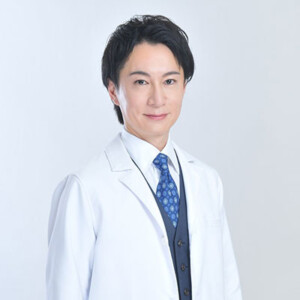
Dr. Jun Karibe
MD
Director
Education & Career
Certifications
Awards
MEDICAL REVIEW