Stem Cell vs Exosome vs Supernatant Therapy in Tokyo: How Do They Compare?
If you have been researching regenerative medicine in Tokyo, you have likely come across three terms that sound similar but are not the same thing:
stem cell therapy, exosome therapy, and stem cell culture supernatant therapy.
It is completely understandable to feel unsure which one, if any, applies to your goals — the marketing language across clinics is often inconsistent, and the regulatory picture in Japan is still evolving. This article explains what each treatment actually is, how they differ biologically and legally, and what realistic expectations look like.
What you’ll learn in this article:
- The biological difference between stem cells, culture supernatant, and exosomes
- How each treatment is regulated (or not regulated) under Japanese law
- Realistic expected results and what published research actually shows
- Typical cost ranges in Tokyo and what affects them
- Who is, and is not, a suitable candidate
Have a question about this treatment?
Message us on LINE or WhatsApp — our English-speaking team usually replies the same day.
What Is Regenerative Medicine? Stem Cells, Exosomes and Culture Supernatant Explained
“Regenerative medicine” is an umbrella term for treatments that use biological material — cells or the substances cells produce — to try to repair tissue, calm inflammation, or stimulate skin and hair renewal. In Tokyo’s aesthetic medicine market, the three most commonly offered variants are stem cell therapy, culture supernatant therapy, and exosome therapy. They are related but distinct.
Stem Cell Therapy
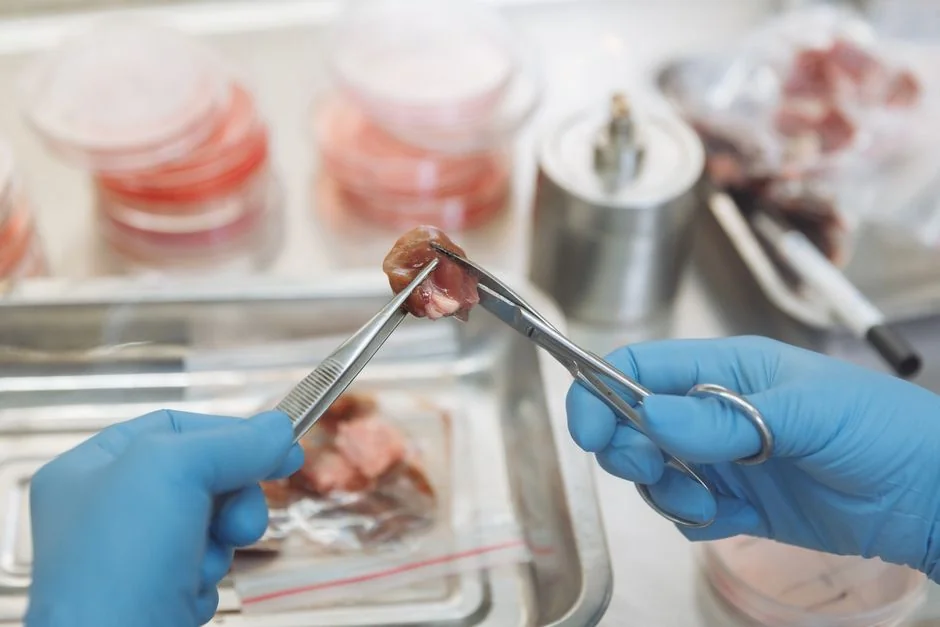
This involves collecting a patient’s own cells (most commonly adipose-derived, i.e. taken from fat tissue) or, less often, donor-derived stem cells, which are then processed and reintroduced into the body. Because live cells are being administered, this category is directly regulated in Japan under the Act on the Safety of Regenerative Medicine (再生医療等の安全性の確保等に関する法律).
Culture Supernatant Therapy
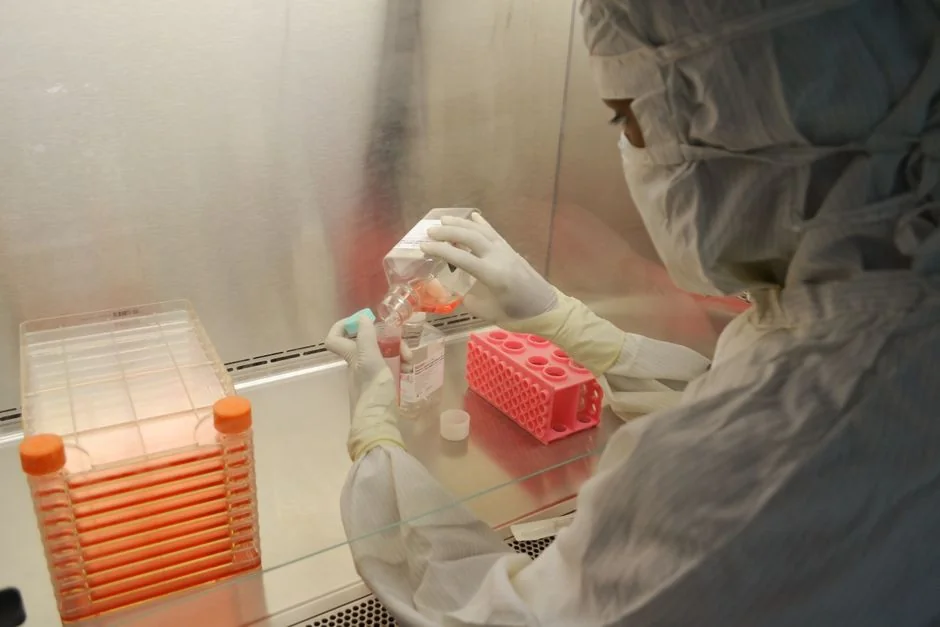
When stem cells are grown in a laboratory culture, the surrounding liquid accumulates hundreds of substances the cells secrete — cytokines, growth factors, proteins, and exosomes. Once the cells themselves are filtered out, what remains is the “culture supernatant.” Because no living cells are present in the final product, this has generally sat outside the scope of Japan’s cell-therapy regulation, though that is changing (see below).
Exosome Therapy
Exosomes are a specific component isolated from that supernatant: extremely small extracellular vesicles, roughly 30–150 nanometres in diameter, that cells use to send biochemical “instructions” to other cells. Exosome preparations are typically concentrated and more purified than raw supernatant, marketed as a more targeted version of the same underlying biology.
Regulatory Status and Insurance Coverage in Japan
This is the section readers most often get wrong, so it is worth being precise.
Under Japan’s Act on the Safety of Regenerative Medicine, treatments using live stem cells are classified by risk into Class I (highest risk — e.g. iPS/ES cells or another person’s stem cells), Class II (e.g. a patient’s own tissue-derived stem cells), and Class III (lower-risk cell-based procedures). Class I and II treatments require review by a specially accredited committee before being submitted to the Ministry of Health, Labour and Welfare (MHLW); Class III requires review by an accredited committee before MHLW submission.
Culture supernatant and exosome products, by contrast, contain no living cells, so they have generally fallen outside this Act. In July 2024, the MHLW issued administrative notices addressing both the oversight of exosome-related reagents and the clinical use of stem cell culture supernatant and exosome products, and a December 2024 mid-term report from a related MHLW council discussed whether extracellular vesicles (the broader category that includes exosomes) should eventually require management similar to regulated cell products.
The Japan Society for Regenerative Medicine has also published clinical-application guidance for extracellular vesicles and has stated that regulation is expected to be extended to these products by 2026. As of this writing, no exosome or supernatant product has full pharmaceutical approval in Japan for demonstrated efficacy and safety, and the same is true internationally: the U.S. FDA has stated there are currently no FDA-approved exosome products for any medical use, and has issued a public safety alert plus multiple warning letters regarding unapproved stem cell and exosome products marketed with unsubstantiated disease claims.
On insurance: none of these three treatments — stem cell, supernatant, or exosome therapy — are covered by Japanese national health insurance when used for cosmetic or general wellness purposes. They are provided as self-pay (自由診療) medicine, which means the government has not reviewed and confirmed their efficacy or safety in the way it does for insurance-covered drugs, and the full cost is borne by the patient.
Common Misconceptions About Regenerative Medicine
Misconception 1: “Exosomes are basically the same as stem cells.”
They are not. Exosomes are cell-free vesicles isolated from what stem cells secrete, not living cells themselves — this distinction is precisely why they have been regulated differently in Japan up to now, and it is a common source of confusion patients bring into consultations.
Misconception 2: “Because it’s cell-free, it must be lower-risk and effectively unregulated by design.”
The absence of cells is a genuine biological difference, but it does not mean quality and safety oversight are unnecessary — this is exactly why the MHLW and the Japan Society for Regenerative Medicine issued 2024 notices flagging the need for quality management of culture supernatant and exosome products, and why regulatory extension is expected by 2026.
Expected Results and What the Research Shows
Clinical reports on mesenchymal stem cell (MSC) therapy suggest a generally favourable safety profile, though the evidence base for aesthetic use specifically remains far smaller than for medical indications. A 2012 systematic review and meta-analysis pooling 36 clinical trials and 1,012 participants found no statistically significant increase in infection, death, or malignancy associated with MSC therapy compared with control groups, though it did find a significantly higher rate of transient fever after infusion (occurring in around 39% of participants in uncontrolled trials) and the authors concluded that larger, more rigorous studies were still needed.
For culture supernatant and exosome treatments specifically, robust long-term outcome data in aesthetic settings is still limited, and results are typically described in terms of skin texture, tone, or hair density rather than guaranteed transformation. Any clinic should be transparent that outcomes vary between individuals and that no specific result can be promised in advance.
Cost of Regenerative Medicine in Tokyo
Pricing depends heavily on which treatment, the treatment area, and the number of sessions recommended.
As an illustration, one Tokyo clinic in this group lists full-scalp stem cell culture supernatant injection therapy (a treatment sometimes used alongside hair-restoration protocols) at a per-session rate, with roughly five sessions at two-to-four-week intervals typically recommended before assessing results, while concentrated exosome drip or localised injection therapy is priced per session or per treatment site at a substantially higher rate given the additional processing involved in isolating and concentrating exosomes. Stand-alone stem cell therapy (involving cell harvesting and culturing) generally carries a higher cost still, reflecting the additional regulatory and laboratory steps required. Please see the clinic’s official price page or contact us for a current quote, as prices are reviewed periodically and vary by treatment area and protocol. For an accurate quote, please book a consultation.
Have a question about this treatment?
Message us on LINE or WhatsApp — our English-speaking team usually replies the same day.
What to Expect: Before, During and After Treatment
Before: A consultation and medical history review are essential, since these treatments are not appropriate for everyone. For stem cell therapy specifically, cell harvesting (often a small-volume fat extraction) and laboratory culturing take place in advance of administration.
During: Supernatant and exosome products are typically delivered by injection (localised or full-area) or intravenous drip, depending on the goal. Sessions are generally outpatient and do not require general anaesthesia.
After: Mild injection-site redness, swelling, bruising, or tenderness are the most commonly reported reactions; transient fever has also been reported after MSC infusion in some studies, as noted above. Rare allergic reactions are possible with any injected biological product. Most patients resume normal activity the same day, though clinics generally advise avoiding strenuous exercise or sun exposure for a short period after treatment.
Who Is a Good Candidate? Where to Get Treatment in Tokyo
Good candidates are generally adults in reasonable general health who understand that these are self-pay treatments without a government-confirmed efficacy or safety review, and who have realistic expectations about gradual, individual-dependent results. At BIOTOPE CLINIC in Shirokanedai, we frequently see patients who are drawn to regenerative options after trying topical skincare or more conventional injectables without the results they hoped for, and who want to discuss whether a cell-free option like supernatant or exosome therapy fits their goals before committing to anything more invasive.
These treatments are not suitable for everyone. Pregnant or breastfeeding individuals, people with active infections or uncontrolled autoimmune disease, those with a history of malignancy (given the still-incomplete long-term safety data), and anyone with a known allergy to biological injectable products should discuss alternatives with a physician rather than proceeding. This is a treatment available at BIOTOPE CLINIC in Shirokanedai — feel free to ask about it during a consultation with Dr. Karibe.
Within our clinic group, both BIOTOPE CLINIC (Shirokanedai, Minato-ku) and Kojimachi Dermatology & Plastic Surgery Clinic (Ichigaya, Chiyoda-ku) offer English-language consultation with Dr. Jun Karibe’s team. Regenerative medicine — including stem cell, culture supernatant, and exosome therapy — is handled at BIOTOPE CLINIC (Shirokanedai), while Kojimachi Dermatology & Plastic Surgery Clinic remains the group’s main office for insurance-covered general dermatology and general/aesthetic plastic surgery. Bookings and enquiries in English: LINE or WhatsApp.
Frequently Asked Questions
- Q. Is exosome therapy legal in Japan?
- It is currently provided as self-pay medicine outside the direct scope of the Act on the Safety of Regenerative Medicine, since exosome and supernatant products contain no living cells. However, the Ministry of Health, Labour and Welfare has signalled intent to extend oversight to these products, so the regulatory picture is actively evolving.
- Q. Is stem cell or exosome therapy covered by health insurance in Japan?
- No. All three treatment types discussed here — stem cell, supernatant, and exosome therapy — are self-pay (自由診療) when used for aesthetic or general wellness purposes, and the full cost is borne by the patient.
- Q. What is the difference between stem cell culture supernatant and exosome therapy?
- Supernatant is the broader liquid left after culturing stem cells, containing hundreds of secreted substances including exosomes. Exosome therapy uses a more concentrated, purified extract of just the extracellular vesicle component, which some clinics describe as more targeted but is also typically more expensive to produce.
- Q. How many sessions are typically needed?
- This varies by treatment and goal; some protocols recommend a course of several sessions spaced weeks apart before evaluating results, while others are used as a single session. Your physician should set expectations specific to your case during consultation.
Have a question about this treatment?
Message us on LINE or WhatsApp — our English-speaking team usually replies the same day.
Summary
Stem cell, culture supernatant, and exosome therapies are related but biologically distinct approaches within regenerative medicine, and Japan currently regulates them differently: stem cell therapy falls under the Act on the Safety of Regenerative Medicine, while supernatant and exosome products are self-pay treatments that sit outside that Act for now, with regulatory extension expected by 2026. None of these treatments are covered by insurance, none can be guaranteed to produce a specific result, and candidacy should always be discussed individually with a physician.
If you have questions about stem cell, exosome, or culture supernatant therapy, both BIOTOPE CLINIC (Shirokanedai, Minato-ku) and Kojimachi Dermatology & Plastic Surgery Clinic (Ichigaya, Chiyoda-ku) offer English-language consultation with Dr. Karibe and his team. Regenerative medicine is primarily handled at BIOTOPE CLINIC. English enquiries: LINE or WhatsApp.
24/7 Consultation & Booking
Book a Consultation or Treatment
Our English-speaking team responds via LINE or WhatsApp — usually the same day.
References
- Ministry of Health, Labour and Welfare (Japan). Act on the Safety of Regenerative Medicine (再生医療等の安全性の確保等に関する法律), as amended, effective May 2025. 2025.
- Japan Society for Regenerative Medicine. Guidance on the Clinical Application of Extracellular Vesicles; administrative notices on stem cell culture supernatant and exosome treatments. 2024.
- U.S. Food and Drug Administration. Public Safety Alert Due to Marketing of Unapproved Stem Cell and Exosome Products. 2019.
- Lalu MM, McIntyre L, Pugliese C, Fergusson D, Winston BW, Marshall JC, Granton J, Stewart DJ. Safety of Cell Therapy with Mesenchymal Stromal Cells (SafeCell): A Systematic Review and Meta-Analysis of Clinical Trials. PLOS ONE. 2012;7(10):e47559.
Related Articles
You may also find these articles useful.
- Stem Cells vs Exosomes vs Supernatant in Tokyo
- Stem Cell vs Exosome vs Supernatant Tokyo
- Autologous Stem Cell Therapy Tokyo: Skin Rejuvenation
- Autologous Cultured Stem Cell Therapy Tokyo
- Exosome Therapy Tokyo: Skin Rejuvenation Guide
SUPERVISED BY
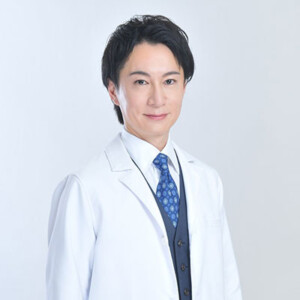
Dr. Jun Karibe
MD
Director
Education & Career
Certifications
Awards
MEDICAL REVIEW