Eczema Treatment in Tokyo: A Practical Guide for Foreign Residents and Visitors
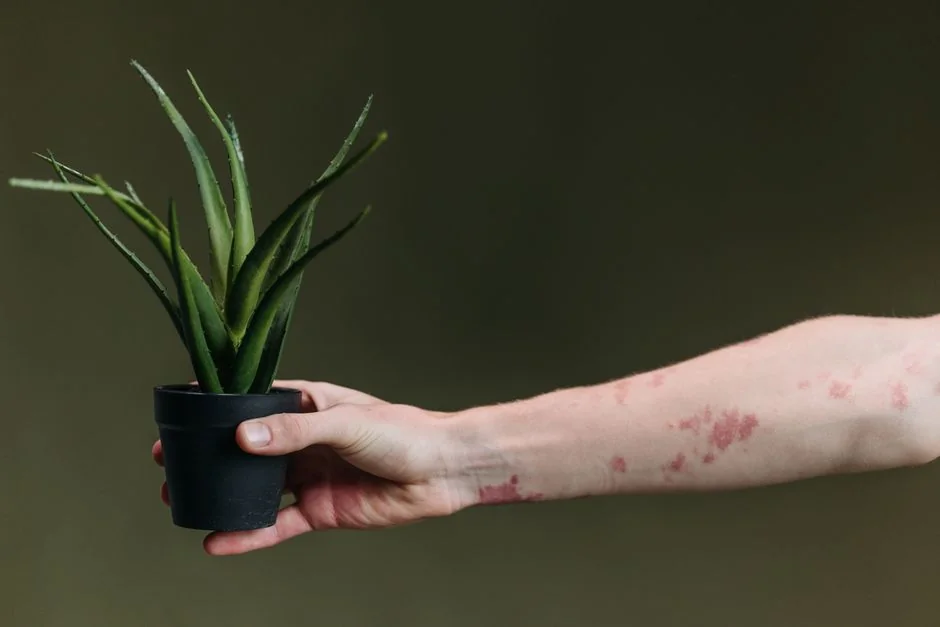
Living with eczema — medically known as atopic dermatitis — is challenging under any circumstances, but managing a flare-up in a foreign country adds an extra layer of stress. For English-speaking expatriates, medical tourists, and short-term visitors in Tokyo, navigating the Japanese healthcare system without language support can delay treatment and worsen symptoms.
This guide explains what eczema is, what treatment options are available in Tokyo, how costs compare across different care pathways, and how to access English-speaking dermatology support in the city.
What you’ll learn in this article:
- What eczema is and why Tokyo’s climate and environment can trigger flare-ups
- The full spectrum of treatment options — from prescription medications to advanced in-clinic therapies
- Realistic cost expectations for eczema care in Tokyo
- Common misconceptions that delay effective treatment
- How to book an English-speaking dermatology consultation in Tokyo
Have a question about this treatment?
Message us on LINE or WhatsApp — our English-speaking team usually replies the same day.
What Is Eczema and Why Does Tokyo Trigger It?
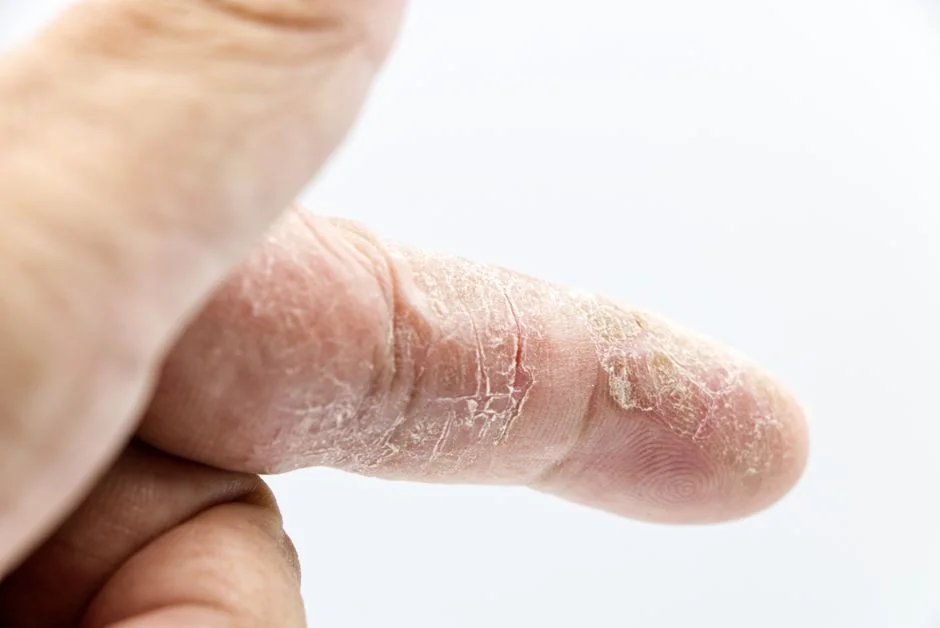
Eczema is a chronic inflammatory skin condition characterised by intense itching, dryness, redness, and in moderate-to-severe cases, weeping or crusted skin lesions. It is not contagious, but it is highly responsive to environmental triggers — and Tokyo presents several of them in concentrated form.
The city’s climate shifts dramatically between dry, cold winters and hot, humid summers. Indoor air-conditioning and heating further strip moisture from the skin. High concentrations of urban particulate matter, pollen seasons (particularly cedar and cypress between February and May), and dietary changes that accompany relocation can all destabilise previously well-managed skin.
Stress — which is a well-documented eczema trigger — is also common among expatriates adjusting to a new working and social environment.
Studies suggest that psychological stress upregulates inflammatory cytokines, contributing directly to eczema flare severity. A 2020 review published in Frontiers in Immunology noted that the Th2-skewed immune response characteristic of atopic dermatitis is highly sensitive to both environmental and psychological stressors, with approximately 30–40% of patients reporting stress as a consistent flare trigger.
Eczema Treatment Options Available in Tokyo
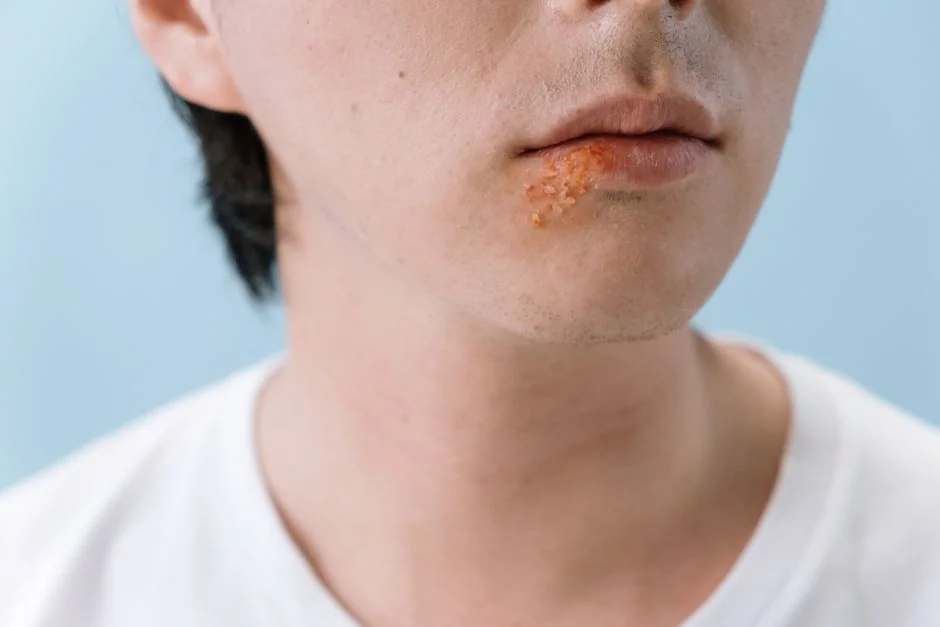
Effective eczema management typically involves a layered approach, combining daily skincare habits with medical therapies tailored to disease severity. Below is an overview of the main treatment categories available to patients in Tokyo.
Standard Medical Treatments (Prescription-Based)
For mild-to-moderate eczema, the international standard of care involves topical corticosteroids, and Japan follows the same clinical guidelines. Topical steroids reduce inflammation rapidly and remain the most commonly prescribed first-line therapy. They are available in multiple potencies, and a dermatologist will select the appropriate strength based on the affected area and severity.
Topical calcineurin inhibitors — such as tacrolimus (Protopic) — are a non-steroidal alternative particularly useful for sensitive areas such as the face and eyelids. Antihistamines (oral) are frequently prescribed to manage nocturnal itching, which disrupts sleep and perpetuates the itch-scratch cycle.
For more severe or widespread disease, systemic immunosuppressants such as cyclosporine may be considered. In recent years, biologic therapies (dupilumab) have transformed the management of moderate-to-severe atopic dermatitis globally; dermatologists in Japan also prescribe this treatment. Insurance coverage for biologics requires a confirmed diagnosis and referral pathway — a dermatology consultation is the essential first step.
Narrowband UVB Phototherapy
Narrowband UVB phototherapy is a well-established, evidence-backed treatment for moderate-to-severe eczema that has not responded adequately to topical treatments alone. The patient is exposed to a carefully calibrated wavelength of ultraviolet light (311–313 nm), which suppresses the overactive immune response in the skin without the systemic side-effect profile of oral immunosuppressants.
Clinical reports indicate that narrowband UVB achieves clinically meaningful reductions in eczema severity (EASI score) in approximately 50–70% of patients who complete a full course of treatment, typically 20–30 sessions administered two to three times per week. This therapy is available at the group’s sister clinic, Kojimachi Dermatology and Plastic Surgery Clinic, which operates as the group’s main office for insurance-covered dermatology in Ichigaya, Chiyoda-ku. However, consultations there are conducted in Japanese; English-speaking patients should begin with a consultation at BIOTOPE CLINIC, where referral pathways can be discussed in English.
Skincare Optimisation and Barrier Repair
Modern understanding of eczema positions skin barrier dysfunction — specifically, defects in the protein filaggrin — as central to the disease mechanism. Restoring the skin’s outer protective layer through consistent, appropriate moisturisation is not optional background care; it is an active treatment component.
Medical-grade skincare lines formulated for compromised skin can make a measurable difference between flares. At BIOTOPE CLINIC, the Zo Skin Health range is available for patients who want professional-grade skincare guidance as part of a comprehensive skin health plan — this is particularly useful for expatriates who have relied on specific products from their home country that may be unavailable in Japan.
Advanced In-Clinic Options for Skin Recovery
For patients whose eczema has left behind post-inflammatory pigmentation, textural irregularities, or scarring — particularly following severe flares — cosmetic dermatology can play a supportive role once the active eczema is under control. Treatments such as low-energy laser therapy or RF microneedling (Morpheus8) may be considered selectively in stable, non-active phases, under careful physician assessment.
These cosmetic options are available at BIOTOPE CLINIC in Shirokanedai or Kojimachi Dermatology and Plastic Surgery Clinic, and any suitability assessment would need to confirm that eczema is in remission before proceeding. This is a conversation best held directly with Dr. Karibe during a consultation.
Dr. Karibe’s Note
Many of our international patients arrive at BIOTOPE CLINIC having self-managed eczema for months — often using skincare products purchased online or relying on advice from friends — because they were unsure how to navigate a Japanese dermatology clinic without a Japanese speaker. A common question I receive is whether it is safe to use their home-country prescription steroid creams in Japan. The short answer is: it depends on the formulation and the body area involved, and it is always safer to have a dermatologist confirm your current regimen is appropriate. Please do not delay a consultation out of concern about the language barrier — our team at BIOTOPE is here to help in English.
Cost of Eczema Treatment in Tokyo
Cost varies significantly depending on whether treatment is accessed through Japan’s national health insurance system or through a private (self-pay) clinic.
Insurance-Covered Pathway
Foreigners who are enrolled in Japan’s national health insurance (Kokumin Kenko Hoken) or employer-sponsored health insurance (Shakai Hoken) are entitled to the same insurance coverage as Japanese nationals. Under this system, standard dermatology consultations, prescription topical steroids, antihistamines, and phototherapy sessions are covered at 30% of the standard fee (for most working-age adults), meaning out-of-pocket costs remain modest — typically a few hundred to two thousand yen per visit depending on treatments administered.
Visitors and tourists who are not enrolled in Japanese health insurance will pay full private rates, which differ by clinic.
Private / Self-Pay Pathway at BIOTOPE CLINIC
At BIOTOPE CLINIC in Shirokanedai, initial consultations are priced at ¥3,300, and a surgical or specialist consultation with Dr. Karibe is ¥2,200. Cosmetic skincare or medical-grade skincare products (such as Zo Skin Health) are self-pay items priced according to the product selected.
If adjunctive cosmetic treatments are considered after eczema stabilisation — for example, addressing post-inflammatory pigmentation with a PicoWay laser session — pricing at BIOTOPE CLINIC for pico laser treatments ranges from ¥11,000 to ¥98,000 depending on the area and number of sessions. Dermapen treatments, which may support skin texture recovery, range from ¥9,800 to ¥220,000.
For an accurate quote tailored to your specific skin condition and treatment goals, a consultation is the recommended first step.
| Treatment | Insurance Pathway (estimate, 30% co-pay) | Private / Self-Pay (approximate) | Availability in English |
|---|---|---|---|
| Initial dermatology consultation | ¥500–¥1,500 | ¥3,300 (BIOTOPE) | BIOTOPE CLINIC only |
| Topical steroids / antihistamines (prescription) | ¥300–¥1,000 per prescription | Self-pay varies by product | BIOTOPE CLINIC (English), Kojimachi (Japanese) |
| Narrowband UVB phototherapy (per session) | Approx. ¥500–¥1,500 (with insurance) | ¥3,000–¥8,000 (self-pay estimate) | Kojimachi (Japanese-language); discuss at BIOTOPE |
| Systemic immunosuppressants / biologics | Insurance-covered with qualifying diagnosis | High if self-pay (specialist referral needed) | Discuss at BIOTOPE CLINIC |
| Medical-grade skincare (e.g. Zo Skin Health) | Not covered | Product-dependent | BIOTOPE CLINIC |
| Post-eczema pigmentation laser (PicoWay) | Not covered (cosmetic) | ¥11,000–¥98,000 | BIOTOPE CLINIC |
Have a question about this treatment?
Message us on LINE or WhatsApp — our English-speaking team usually replies the same day.
Common Misconceptions About Eczema Treatment
Misconception 1: “Steroid creams are dangerous and should be avoided”
Steroid phobia — the avoidance of topical corticosteroids due to exaggerated fear of side effects — is one of the most clinically significant barriers to effective eczema management worldwide. Studies suggest that a substantial proportion of patients either under-apply or discontinue topical steroids prematurely, leading to undertreated disease and worsening flares.
When prescribed and used correctly under dermatologist supervision — appropriate potency, appropriate body area, appropriate duration — topical steroids are safe and effective. The risks associated with long-term misuse on sensitive skin areas are real, but they are avoidable with proper guidance. A trained dermatologist will advise on safe use; self-limiting treatment based on online information without medical input carries its own risks.
Misconception 2: “Eczema is a food allergy and eliminating foods will cure it”
Food allergy and eczema are related conditions that frequently co-occur, particularly in children, but one does not cause the other in a simple, direct way. Eliminating foods without professional allergy testing and dietetic guidance can lead to nutritional deficiencies and does not reliably resolve eczema in adults.
Certain foods may act as triggers for some individuals, and allergy testing can be a useful component of a holistic management plan. However, identifying and addressing skin barrier dysfunction and immune dysregulation remains the primary treatment objective. At BIOTOPE CLINIC, gut microbiome analysis and nutritional assessment are available as part of the preventive medicine and orthomolecular therapy programme — these may offer additional insight for patients who suspect gut-skin interactions are contributing to their symptoms.
What to Expect: Seeking Eczema Care in Tokyo as a Foreigner
At an Insurance-Covered Dermatology Clinic
Japanese dermatology clinics (皮膚科, hifuka) are widely available across Tokyo. However, the vast majority operate exclusively in Japanese, and consultations are typically brief. Bringing a written description of your symptoms, current medications, and medical history in Japanese (or translated) is strongly advisable if you attend a non-English-speaking clinic.
At BIOTOPE CLINIC (English-Language Care)
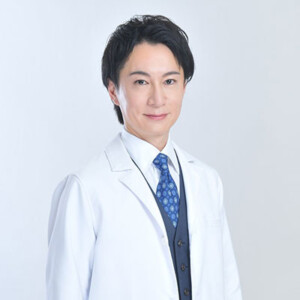
At BIOTOPE CLINIC/ Kojimachi Dermatology and Plastic Surgery Clinic, English-speaking patients can consult directly with Dr. Jun Karibe, a board-certified plastic and reconstructive surgeon with a clinical interest in skin health. The initial consultation is unhurried, comprehensive, and conducted in English. Dr. Karibe can review existing treatment regimens, recommend adjustments, prescribe appropriate topical or systemic treatments, and advise on referral to the group’s sister clinic — Kojimachi Dermatology and Plastic Surgery Clinic — for insurance-covered services such as phototherapy where appropriate.
In Dr. Karibe’s clinical experience at BIOTOPE CLINIC, international patients often arrive with partially treated or undertreated eczema because they were reluctant to negotiate a Japanese-only clinic system. Early intervention consistently leads to better outcomes than prolonged self-management.
Where to Get English-Speaking Eczema Care in Tokyo
Within the clinic group, English-speaking consultations are handled at BIOTOPE CLINIC in Shirokanedai (Minato-ku, Tokyo) by Dr. Jun Karibe. The sister clinic, Kojimachi Dermatology and Plastic Surgery Clinic, in Ichigaya (Chiyoda-ku), is the group’s main office for insurance-covered dermatology and operates in Japanese. English-speaking patients seeking eczema consultation, skincare assessment, or referral guidance should book through BIOTOPE CLINIC. Bookings and enquiries in English are accepted via LINE or WhatsApp.
Frequently Asked Questions
- Q. Can I get eczema treatment in Tokyo if I am not enrolled in Japanese health insurance?
- Yes. Private (self-pay) consultations are available at BIOTOPE CLINIC in Shirokanedai without any insurance enrolment requirement. Prescription medications can also be provided on a self-pay basis. Visitors and short-term tourists are welcome to book a consultation directly.
- Q. Will my prescription topical steroids from home be accepted or available in Japan?
- Japan has its own pharmaceutical approval system, and some specific branded formulations from other countries may not be stocked here. However, equivalent products with the same active ingredient and potency classification are generally available. A consultation with Dr. Karibe can review your current prescription and identify an appropriate Japanese equivalent if needed.
- Q. Is phototherapy (narrowband UVB) available through this clinic group?
- Narrowband UVB phototherapy is available at the group’s sister clinic, Kojimachi Dermatology and Plastic Surgery Clinic in Ichigaya, which handles insurance-covered dermatology procedures. As that clinic operates in Japanese, English-speaking patients are encouraged to first consult at BIOTOPE CLINIC, where referral options and logistics can be discussed with Dr. Karibe in English.
- Q. Can stress really make eczema worse, and is there anything a clinic can do about that?
- The link between psychological stress and eczema flares is well-supported by clinical evidence. While stress management itself involves lifestyle and psychological support, addressing the skin inflammation directly — and reducing the discomfort and sleep disruption that eczema causes — can itself reduce the stress burden. At BIOTOPE CLINIC, nutritional therapy and gut microbiome analysis are available as complementary approaches for patients interested in a holistic assessment.
- Q. How quickly can I get an appointment at BIOTOPE CLINIC?
- Appointment availability varies, and the clinic recommends contacting the English-speaking team via LINE or WhatsApp to confirm current scheduling. Urgent or acute flares may warrant same-week appointments where capacity allows.
Have a question about this treatment?
Message us on LINE or WhatsApp — our English-speaking team usually replies the same day.
Summary
Eczema is a manageable condition, but managing it well requires prompt access to qualified medical care and a treatment plan tailored to your individual triggers, severity, and lifestyle. For English-speaking residents and visitors in Tokyo, the language barrier should not be a reason to delay or avoid dermatology care.
Treatment options in Tokyo range from insurance-covered prescription therapy and phototherapy to private skincare consultations and cosmetic adjunctive treatments for post-eczema skin recovery. Understanding which pathway suits your situation — and having a bilingual physician guide that decision — makes a genuine difference to outcomes.
If you have questions about eczema treatment in Tokyo, English-speaking consultations are handled at BIOTOPE CLINIC or Kojimachi Dermatology and Plastic Surgery Clinicin Shirokanedai (Minato-ku, Tokyo) by Dr. Jun Karibe. Our sister clinic, Kojimachi Dermatology and Plastic Surgery Clinic in Ichigaya (Chiyoda-ku), handles Japanese-language insurance dermatology. English enquiries: LINE or WhatsApp.
24/7 Consultation & Booking
Book a Consultation or Treatment
Our English-speaking team responds via LINE or WhatsApp — usually the same day.
References
- Weidinger S, Beck LA, Bieber T, et al. Atopic dermatitis. Nature Reviews Disease Primers. 2018.
- Chu DK, Schneider L, Asiniwasis RN, et al. Atopic dermatitis (eczema) guidelines: A 2023 systematic review and GRADE recommendation. Journal of Allergy and Clinical Immunology. 2023.
- Kabashima K, Nomura T, Kabashima R. Intersection of the skin and immune systems in atopic dermatitis. Frontiers in Immunology. 2020.
- Garritsen FM, Brouwer MW, Limpens J, Spuls PI. Photo(chemo)therapy in the management of atopic dermatitis: an updated systematic review with implications for practice and research. British Journal of Dermatology. 2014.
- Silverberg JI. Comorbidities and the impact of atopic dermatitis. Annals of Allergy, Asthma and Immunology. 2019.
Related Articles
You may also find these articles useful.
- English-Speaking Dermatologist Tokyo for Eczema
- English-Speaking Dermatologist Tokyo: Acne Treatment Options
- English-Speaking Dermatologist Tokyo: Fees & Costs
- English-Speaking Dermatologist Tokyo for Rosacea
SUPERVISED BY
Dr. Jun Karibe
MD
Director
Education & Career
Certifications
Awards
MEDICAL REVIEW