AGA vs Finasteride and Minoxidil: Regenerative Alternatives in Tokyo
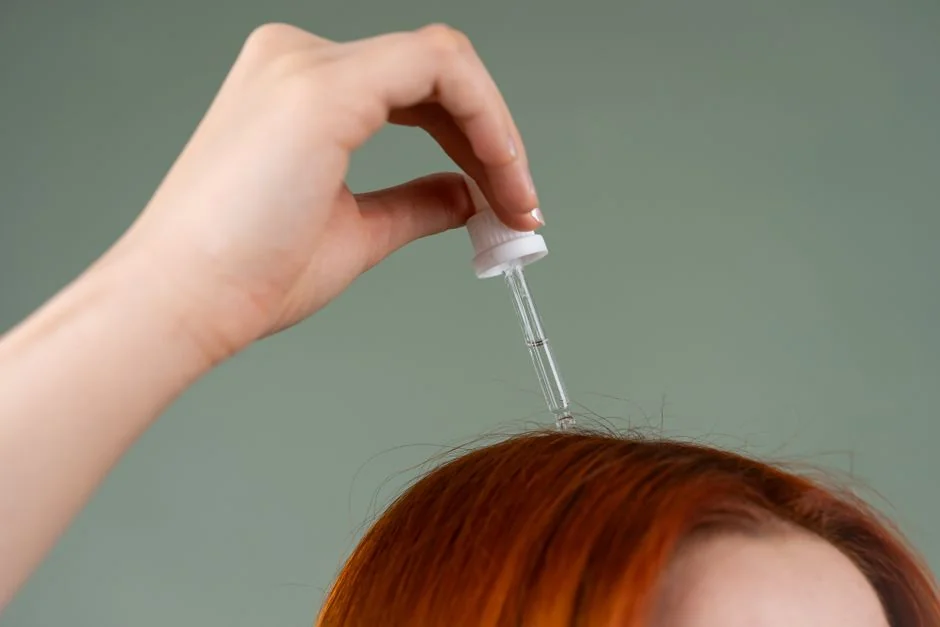
If you have noticed your hairline receding at the temples or your crown thinning in photographs, being told simply to “take finasteride and use minoxidil” can feel unsatisfying — especially if you are worried about side effects or about committing to a daily medicine indefinitely.
This article explains what androgenetic alopecia (AGA, male-pattern hair loss) actually is, what the standard medicines do and do not do, and how the newer regenerative options offered in Tokyo compare in evidence, regulatory status and cost.
What you’ll learn in this article:
- How AGA differs from the drugs used to treat it — and why the two are often confused
- What Japanese guidelines and package-insert data actually report for finasteride, dutasteride and topical minoxidil
- Where PRP, growth-factor and exosome-type “regenerative” treatments sit in Japanese law and in the published evidence
- Realistic costs in Tokyo, downtime, and who is and is not a good candidate
- Where English-speaking consultations are available within our clinic group
Have a question about this treatment?
Message us on LINE or WhatsApp — our English-speaking team usually replies the same day.
Why Patients Ask About Alternatives to Finasteride and Minoxidil
A common source of confusion is the phrase “AGA vs finasteride and minoxidil”. AGA is the condition; finasteride, dutasteride and minoxidil are the drugs used against it. The real question most readers are asking is: are there alternatives to the standard drugs?
In Japan, that question has a practical edge. The Japanese Dermatological Association notes on its public Q&A that because male-pattern hair loss is interpreted as a form of age-related change rather than a disease, most effective treatments cannot be received under health insurance — they are self-pay (自由診療).
At BIOTOPE CLINIC in Shirokanedai, we frequently see patients who have already read about these medicines online and want to understand what else exists before starting, or who have concerns about taking a hormone-pathway drug long term.
What the Standard Medicines Do — and What They Do Not Do
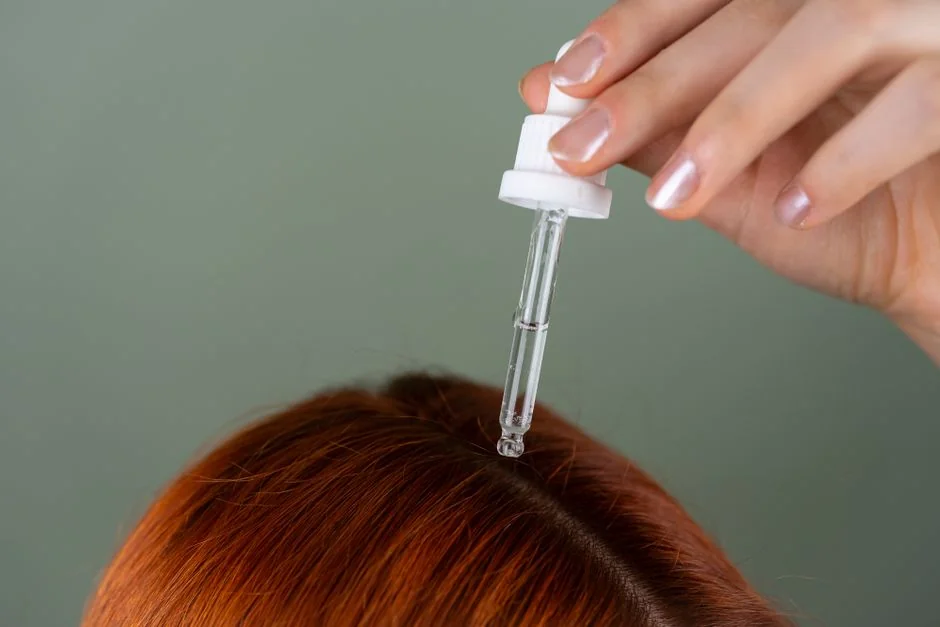
Finasteride and dutasteride (oral 5-alpha-reductase inhibitors)
These tablets block the enzyme that converts testosterone into dihydrotestosterone (DHT), the androgen that gradually miniaturises genetically susceptible hair follicles. They address the driver of AGA rather than stimulating hair directly.
The Japanese package insert for Propecia (finasteride) reports a domestic 48-week double-blind study in 414 Japanese men aged 24–50, in which photographic assessment rated 58.3% improved on 1 mg and 54.2% on 0.2 mg, versus 5.9% on placebo. Sexual dysfunction — chiefly reduced libido and erectile difficulty — was reported in 2.9% (1 mg) and 1.5% (0.2 mg), and the insert notes post-marketing reports of symptoms persisting after discontinuation.
Dutasteride, approved in Japan in 2015 as the country’s second oral drug for male-pattern hair loss, inhibits both type 1 and type 2 forms of the enzyme. Importantly, the 2017 Japanese guidelines state that oral finasteride and dutasteride are contraindicated for female-pattern hair loss.
Topical minoxidil
Minoxidil applied to the scalp works through a different mechanism — it prolongs the growth (anagen) phase and improves follicular blood supply. In Japan, 5% minoxidil is sold as an over-the-counter Class 1 medicine, supplied with a pharmacist’s explanation rather than a prescription.
The 2017 Japanese Dermatological Association guidelines list finasteride 1 mg daily, dutasteride 0.5 mg daily and topical 5% minoxidil twice daily as first-line treatments for male-pattern hair loss, and topical 1% minoxidil twice daily for female-pattern hair loss.
Oral minoxidil — a common misunderstanding
Oral minoxidil tablets are frequently marketed online as a “stronger” version. They are not approved in Japan for hair loss, and the 2017 Japanese guidelines state plainly that oral administration of minoxidil should not be performed. The same guidelines also advise against artificial (prosthetic) hair implantation.
Regenerative Alternatives Offered in Tokyo
PRP (platelet-rich plasma)
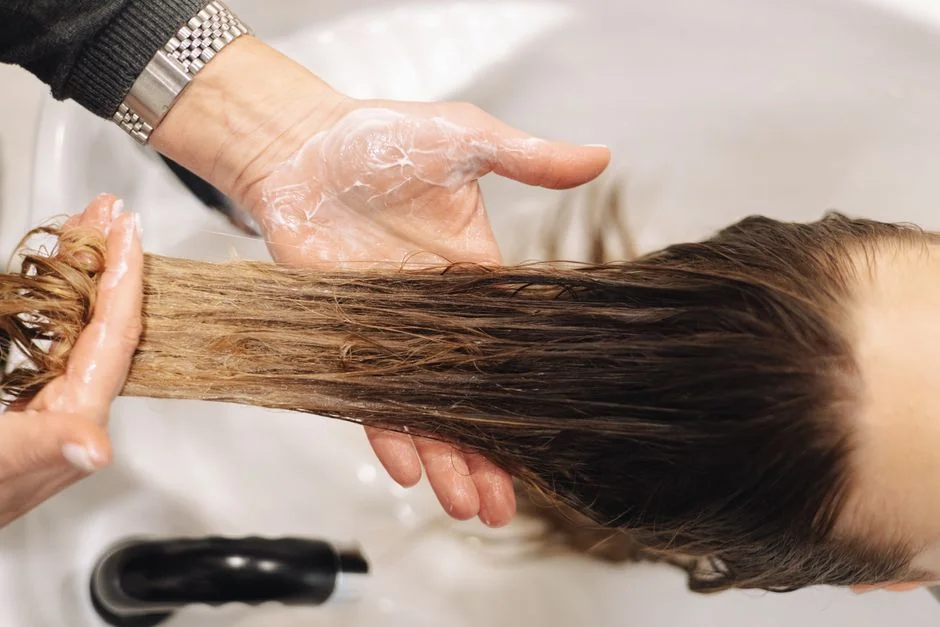
PRP uses a small volume of your own blood, spun in a centrifuge to concentrate platelets, which is then injected into the scalp to deliver growth factors around the follicles. Sessions are typically spaced over several months, with results assessed over half a year or more.
The evidence is genuinely mixed. A 2024 systematic review and meta-analysis of 13 randomised trials (431 participants) reported a mean difference of 27.55 hairs/cm² (95% CI 14.04–41.06) favouring PRP over placebo, but the authors classed this as low-quality evidence with high heterogeneity (I² ≈ 96%) and evident publication bias. A larger 2025 meta-analysis of 43 randomised trials (1,877 participants) concluded that moderate evidence supports PRP for improving hair density and reducing hair loss, while finding no significant effect on hair thickness.
In Japan, autologous PRP for hair is regulated: clinics must file a regenerative medicine provision plan with the health authorities before providing it, and providing such treatment without a filed plan carries penalties under the Act on the Safety of Regenerative Medicine. Plans for hair-growth PRP appear in the Ministry of Health, Labour and Welfare’s public database — a useful thing for patients to ask about.
Stem-cell culture supernatant and “exosome” therapies
These treatments inject the liquid fraction left after culturing stem cells, which contains secreted factors and extracellular vesicles (often marketed as exosomes), into the scalp. This is the fastest-growing category in Tokyo — and the one where regulatory literacy matters most.
An administrative notice issued by the Ministry of Health, Labour and Welfare on 31 July 2024 stated that no medicine using stem-cell culture supernatant or the exosomes it may contain has demonstrated efficacy and safety and obtained marketing approval, in Japan or abroad. Because these preparations contain no cells, they currently fall outside the scope of the Act on the Safety of Regenerative Medicine, and the ministry asked providers to follow the Japanese Society for Regenerative Medicine’s guidance on extracellular vesicles. Related notices instructed authorities to crack down on “exosome reagents” advertised with medicinal claims as unapproved, unlicensed drugs.
Scalp injection of stem-cell culture supernatant is a treatment available within our clinic group at BIOTOPE CLINIC in Shirokanedai — feel free to ask about its current evidence base and limitations during a consultation with Dr. Karibe.
Hair transplantation
Autologous hair transplantation — moving DHT-resistant follicles from the back of the scalp — is recommended in the 2017 Japanese guidelines. It is surgical, involves real recovery time, and is generally considered once medical treatment has stabilised shedding.
| Option | Status in Japan | Evidence position | Downtime | Key cautions |
|---|---|---|---|---|
| Finasteride / dutasteride (oral) | Approved for male AGA; self-pay | First-line in 2017 JDA guidelines | None | Sexual side effects reported; contraindicated in women |
| Topical minoxidil 5% | OTC Class 1 medicine | First-line in 2017 JDA guidelines | None | Scalp irritation; twice-daily application required |
| Oral minoxidil | Not approved for hair loss | Guidelines state it should not be performed | None | Cardiovascular and hypertrichosis risks |
| PRP (autologous) | Regulated; provision plan must be filed | Low-to-moderate quality evidence for density | Hours to 1–2 days | Protocols vary widely between clinics |
| Culture supernatant / exosome | No approved product; outside the Act | Evidence not established | Hours to 1–2 days | Quality and source of material vary; ask before consenting |
| Hair transplantation | Self-pay surgery | Recommended in 2017 JDA guidelines | Days to weeks | Donor supply is finite; medical therapy usually still needed |
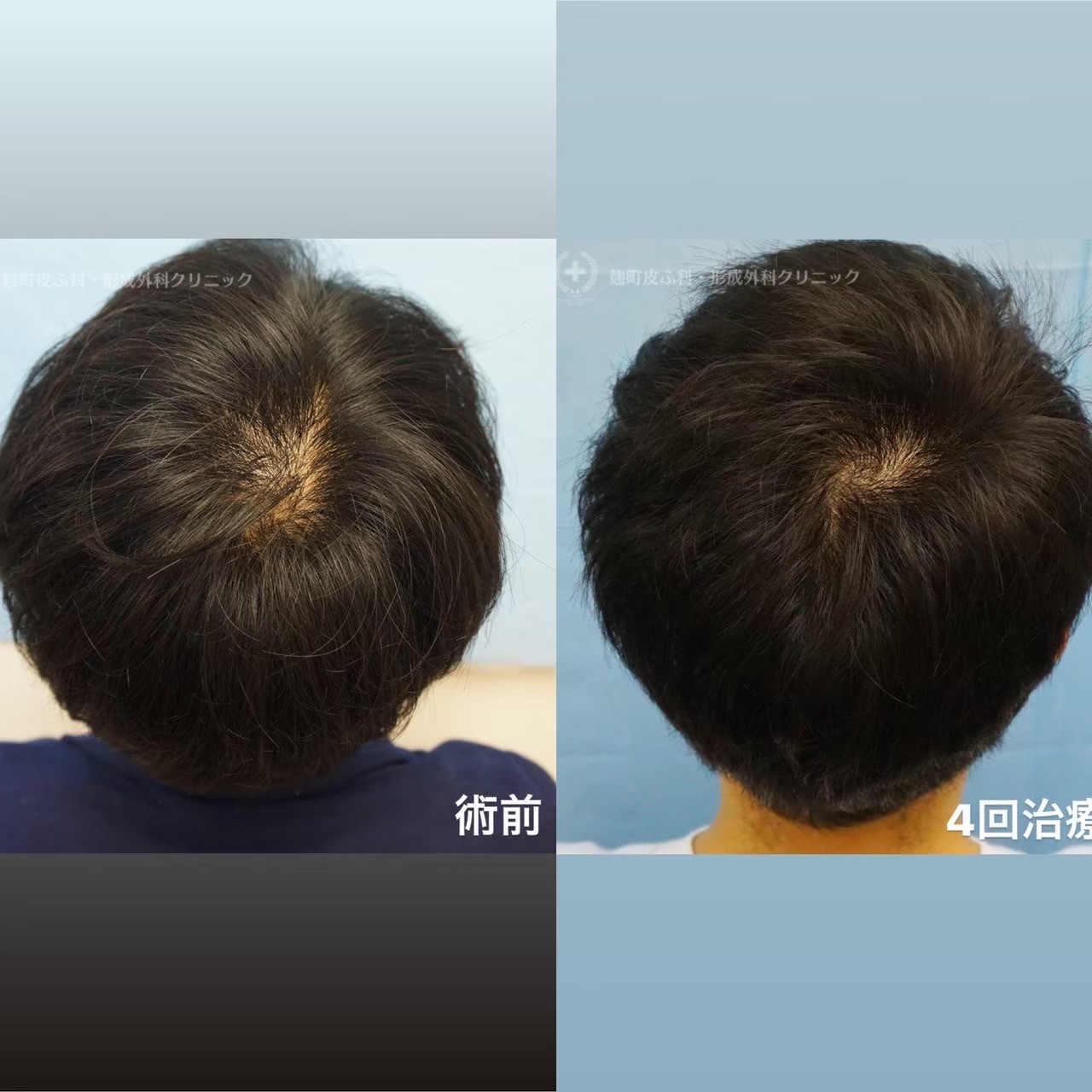
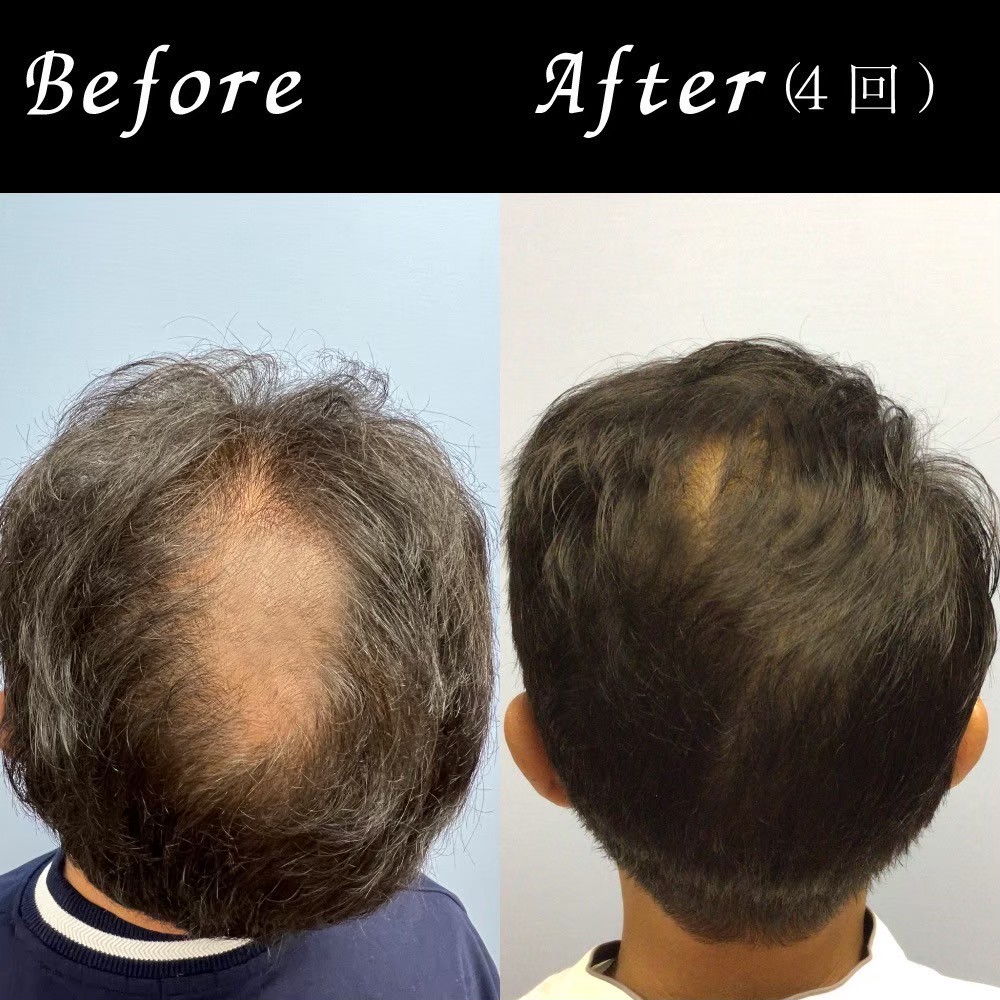
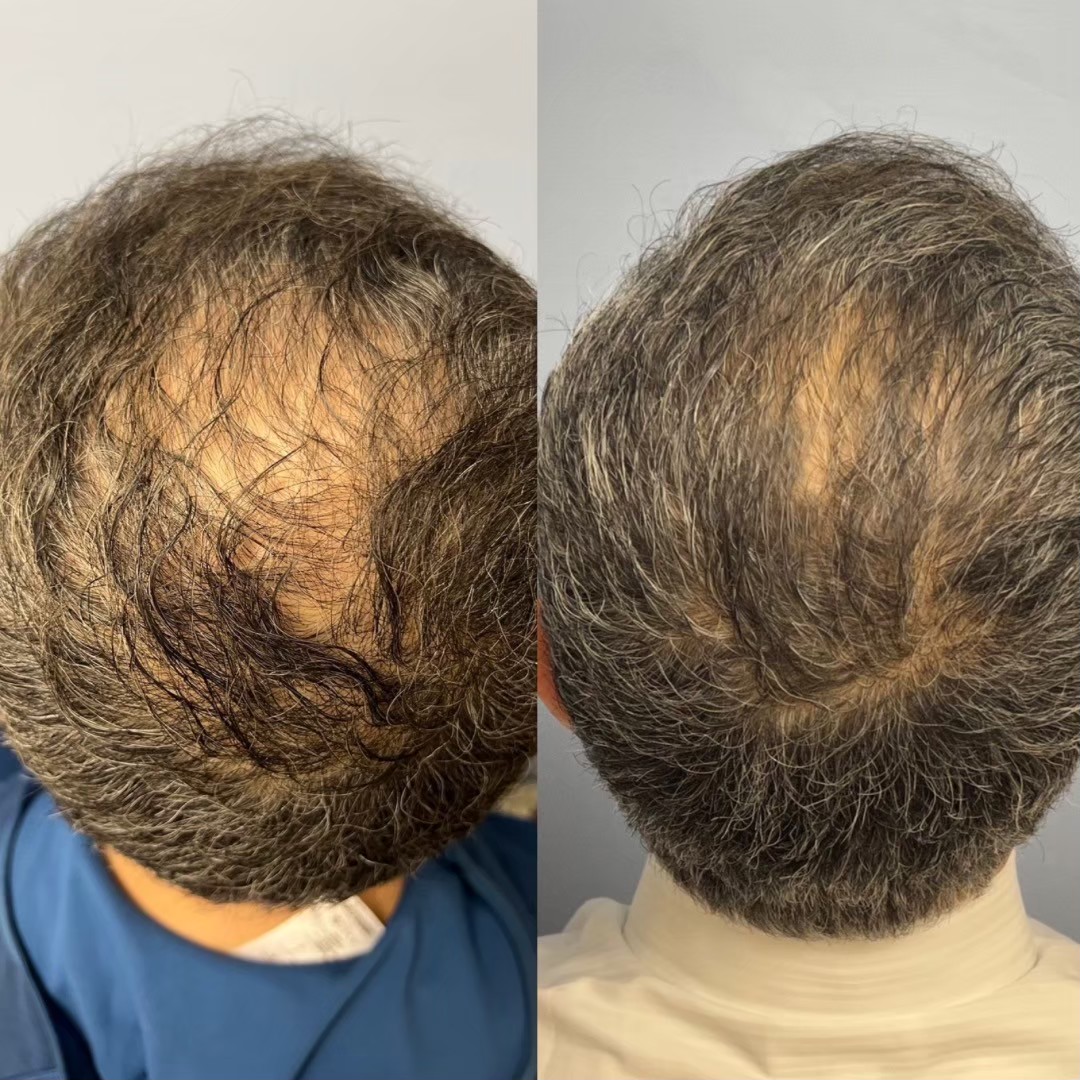
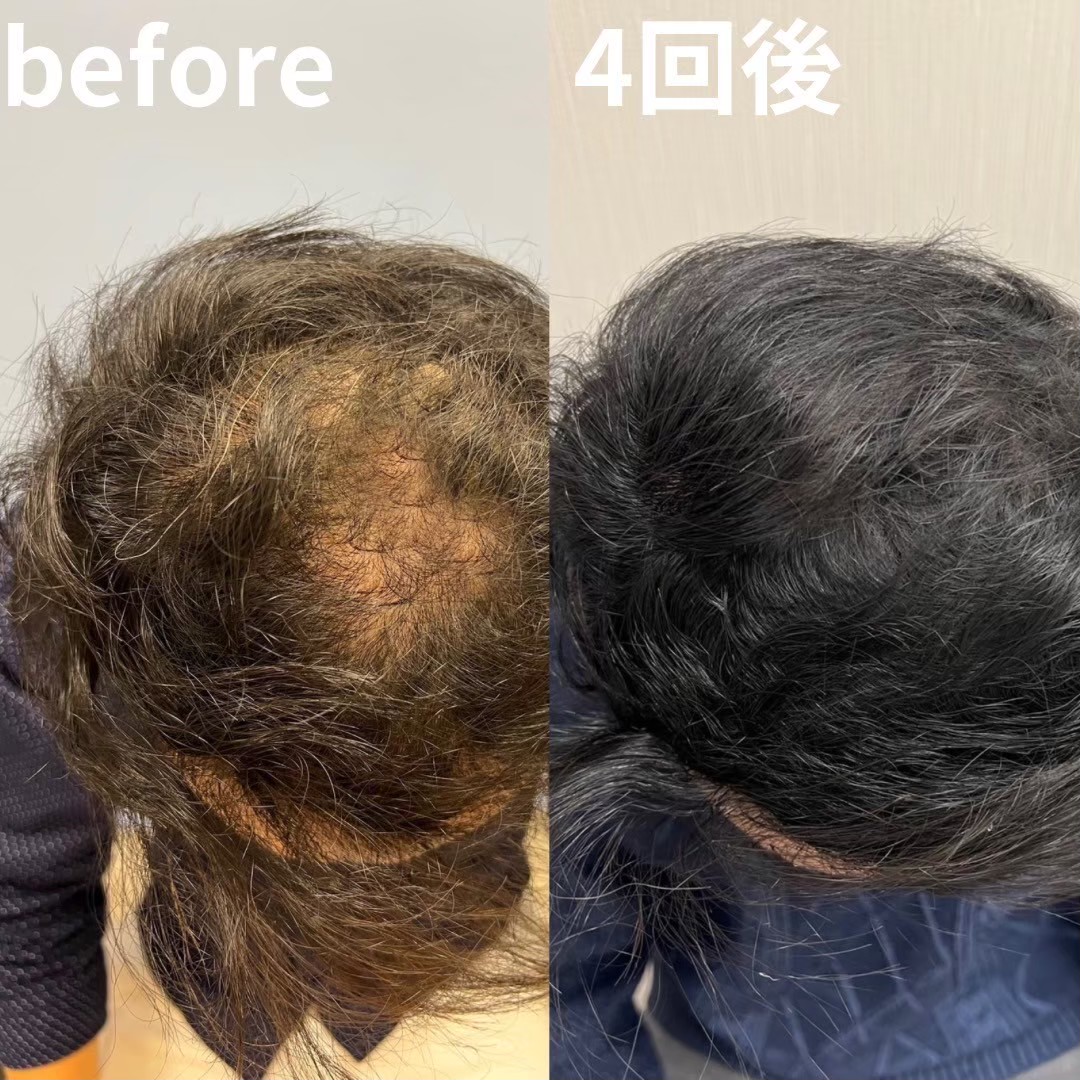
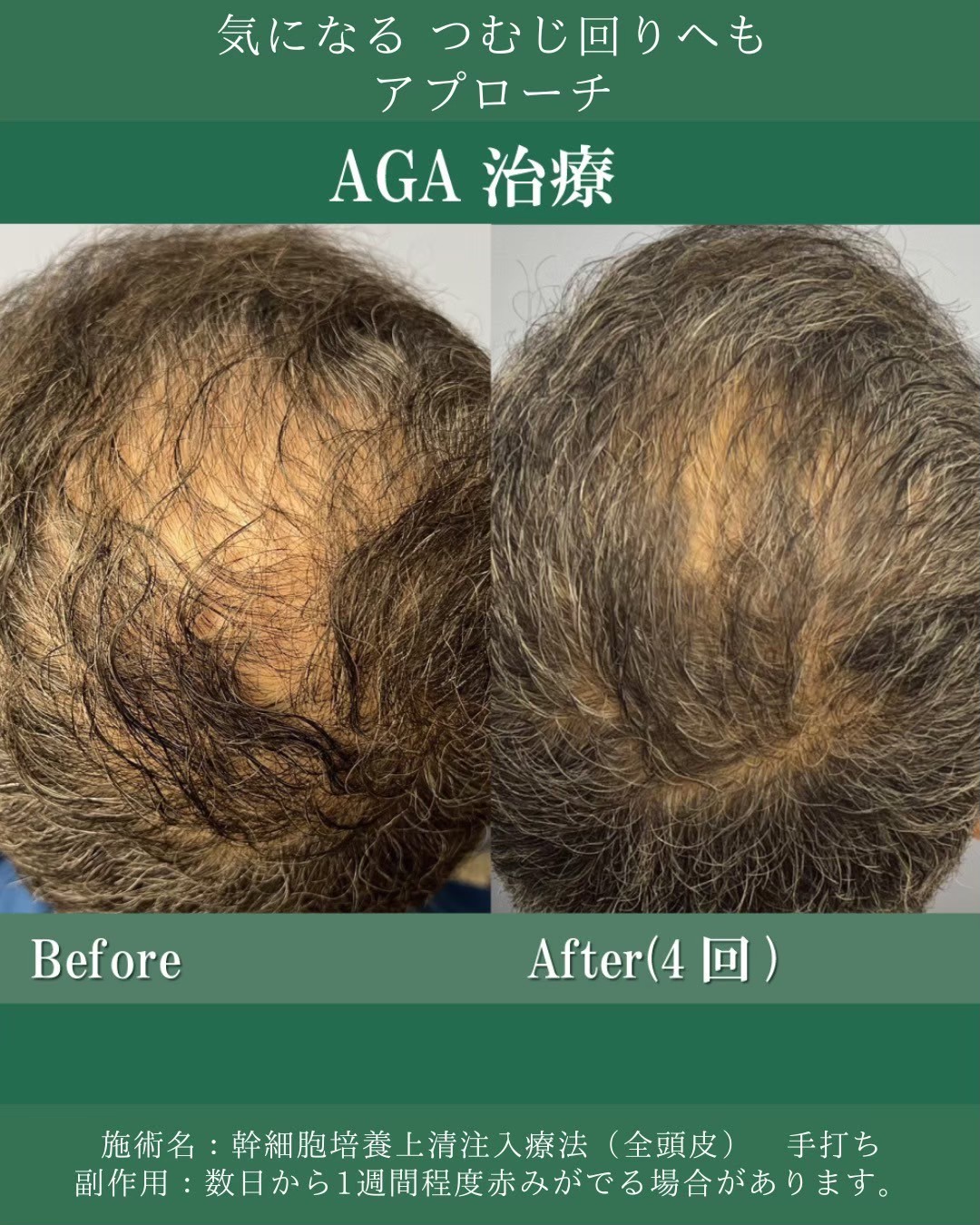
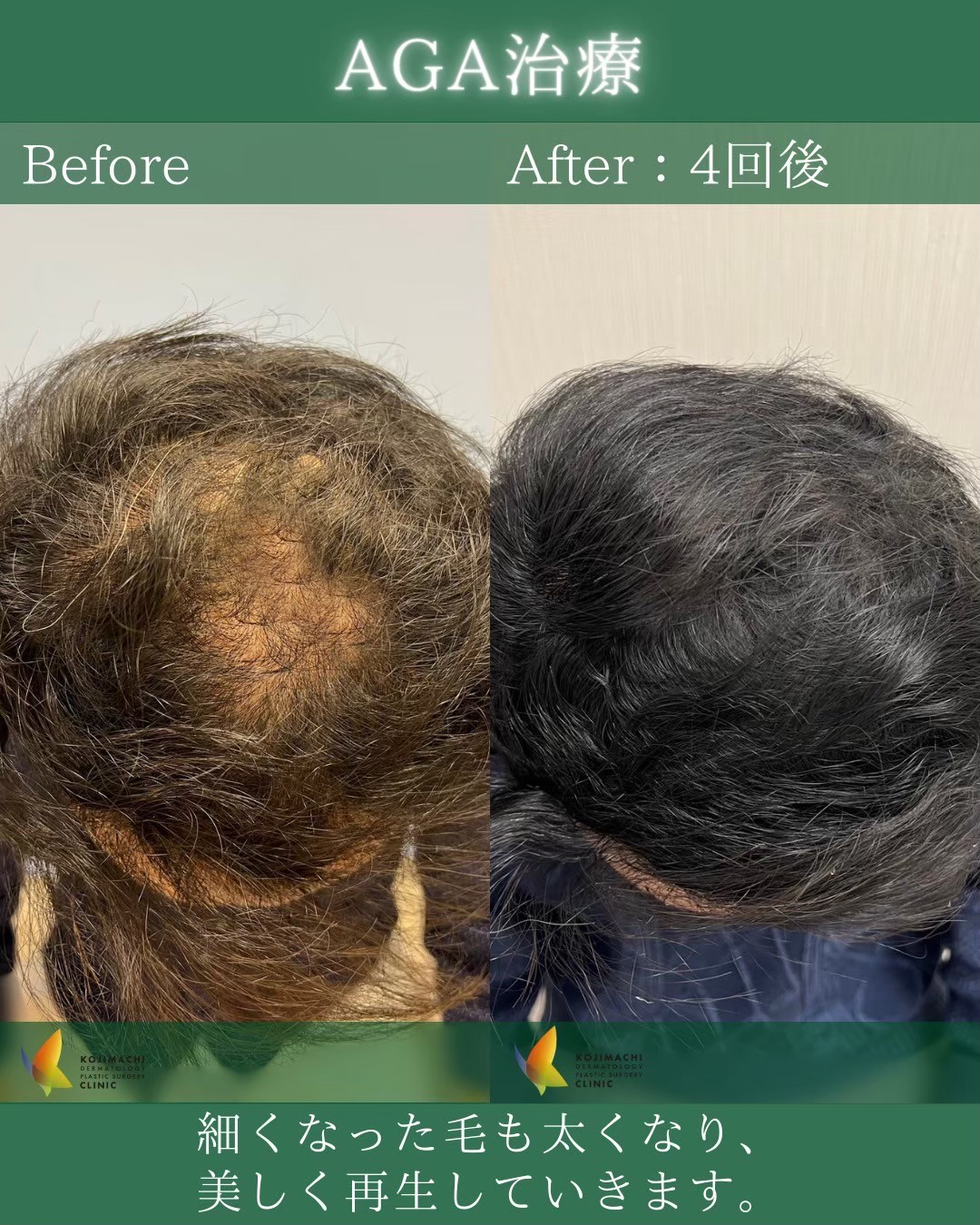
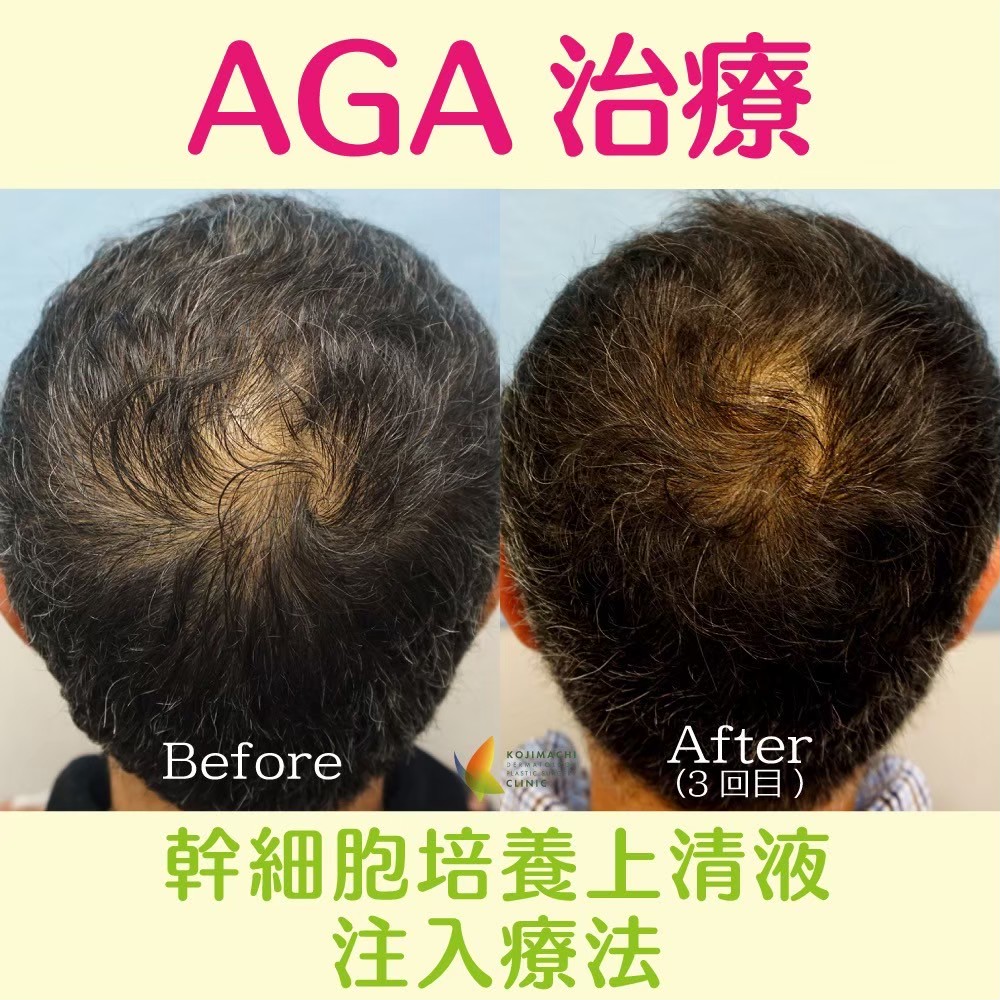
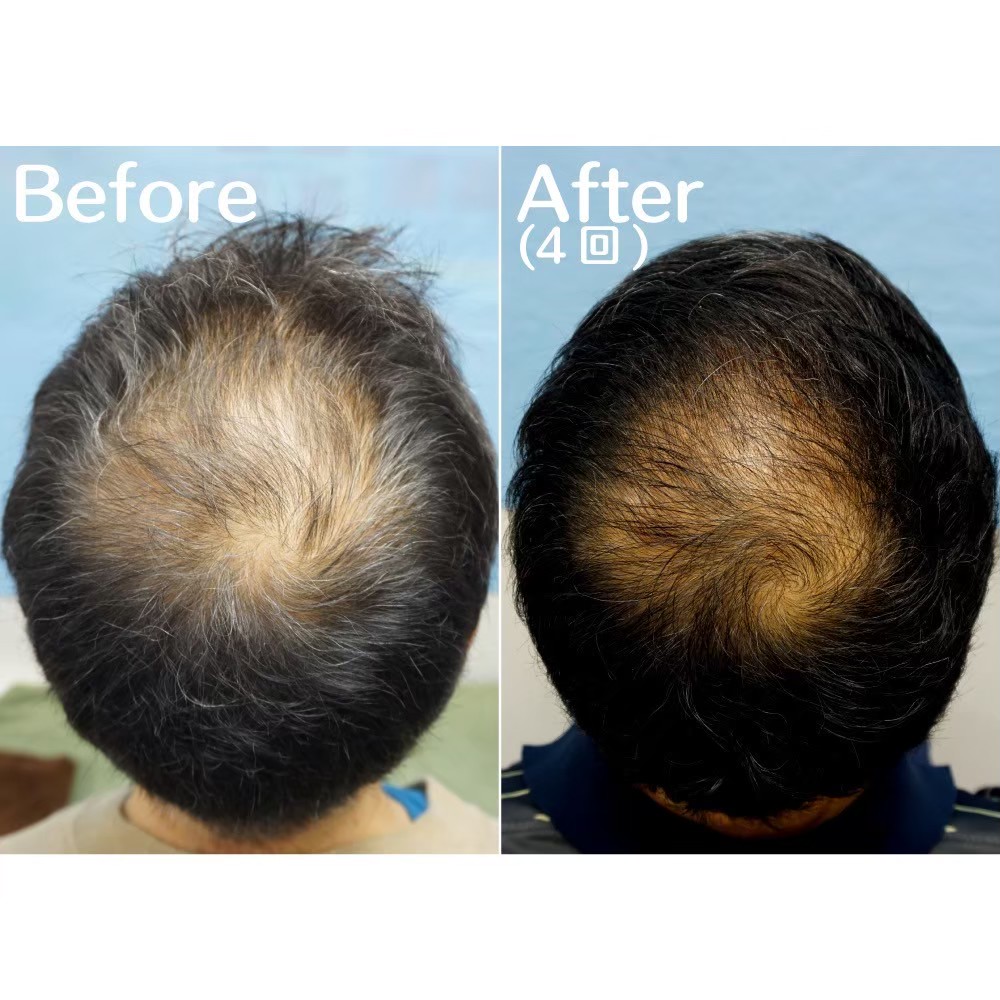
Real Patient AGA Treatment Results — Before & After
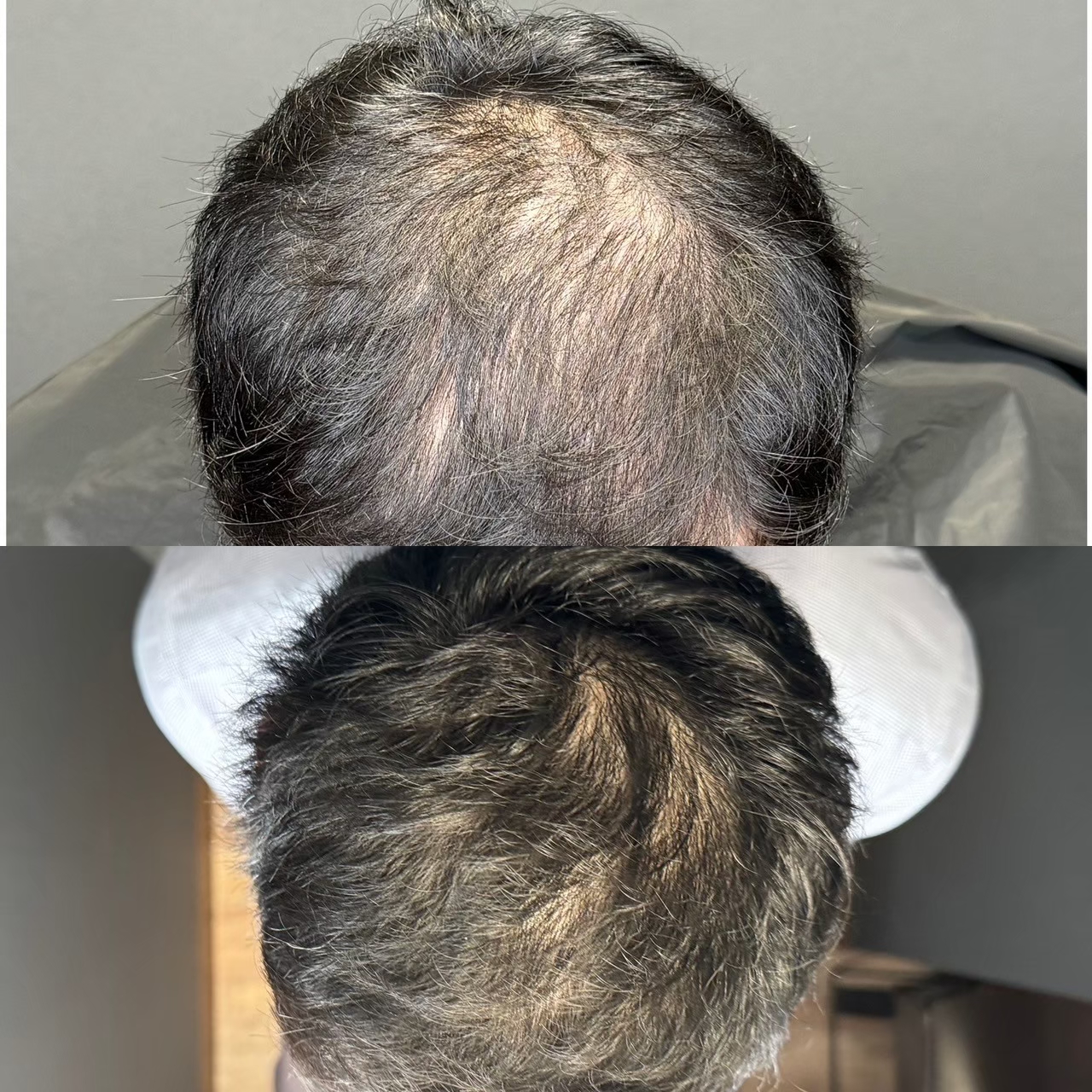
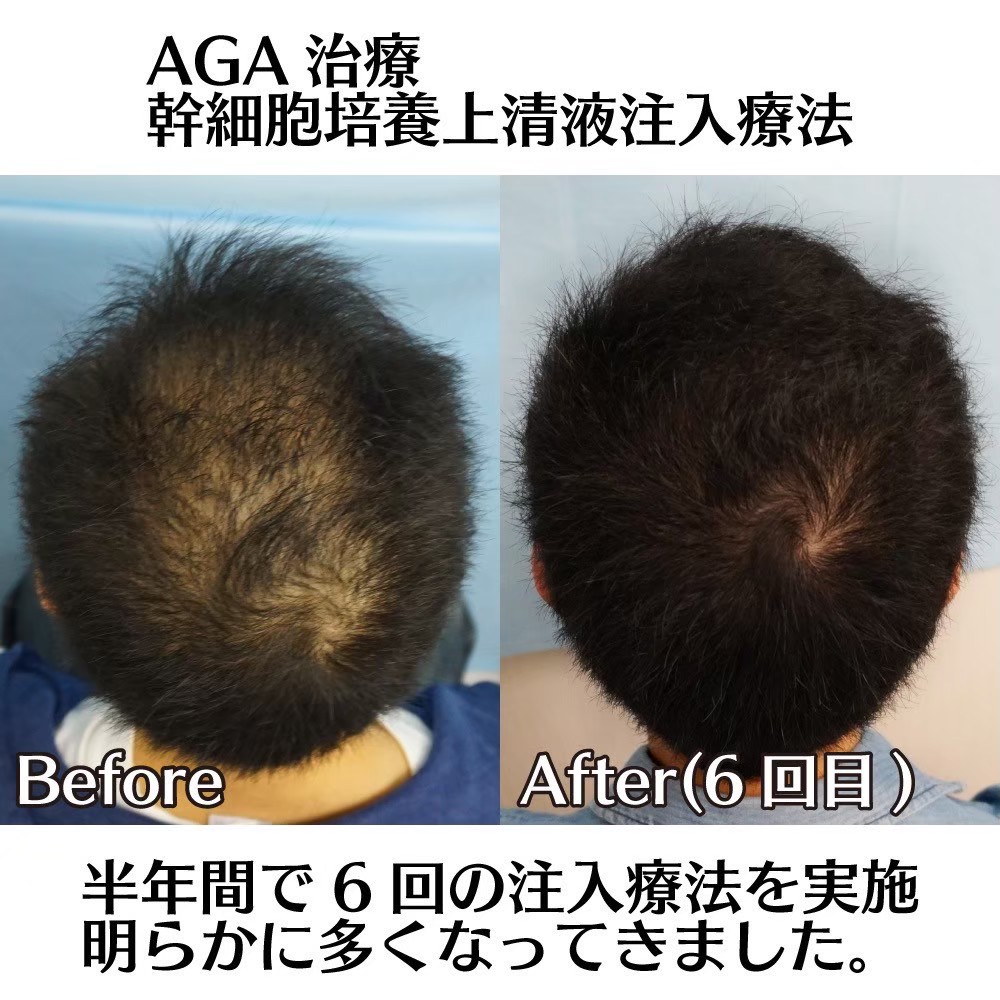
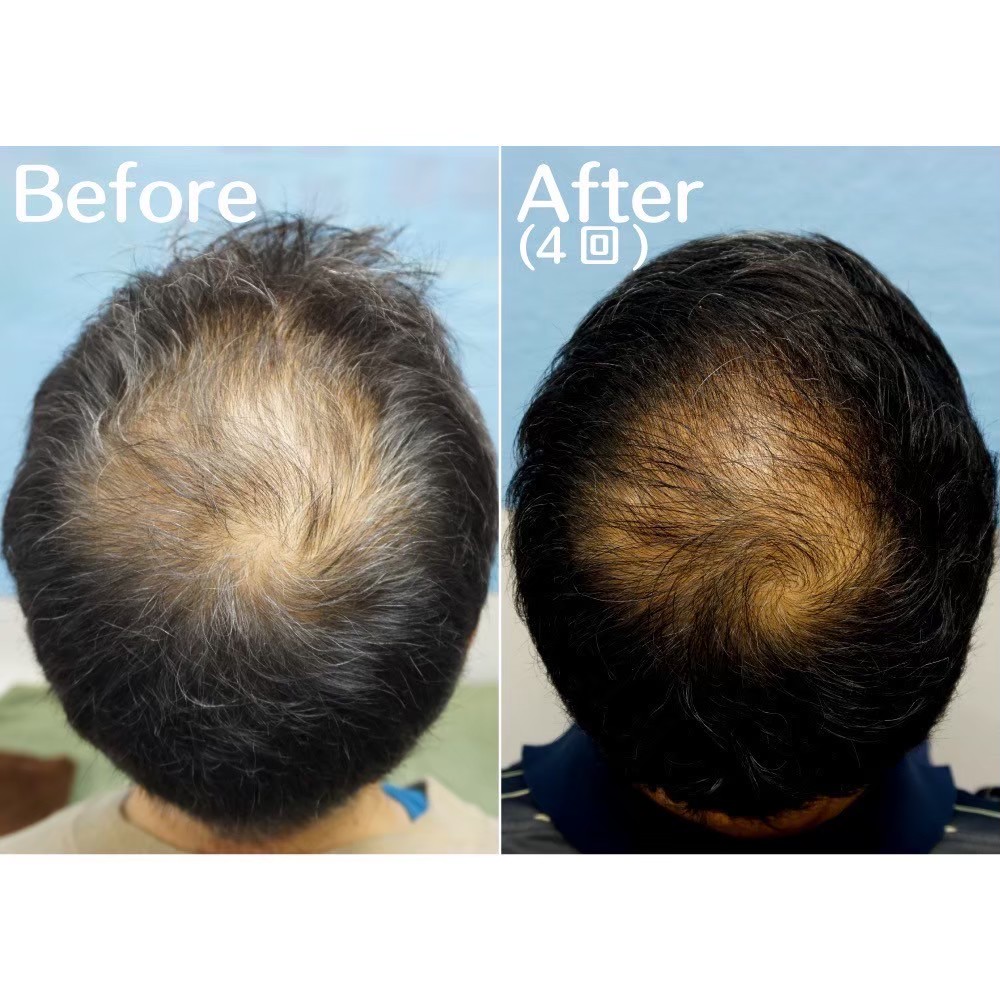
The following are actual AGA (androgenetic alopecia) treatment results from patients at Kojimachi Dermatology & Plastic Surgery Clinic and its sister clinic BIOTOPE CLINIC (Shirokanedai, Minato-ku, Tokyo), both directed by Dr. Jun Karibe. Photos are shared with patient permission. Individual results vary depending on age, hair loss stage, adherence to medication, and treatment plan. Tap each case to view the full treatment disclosure required by the Japanese Medical Advertising Guidelines.
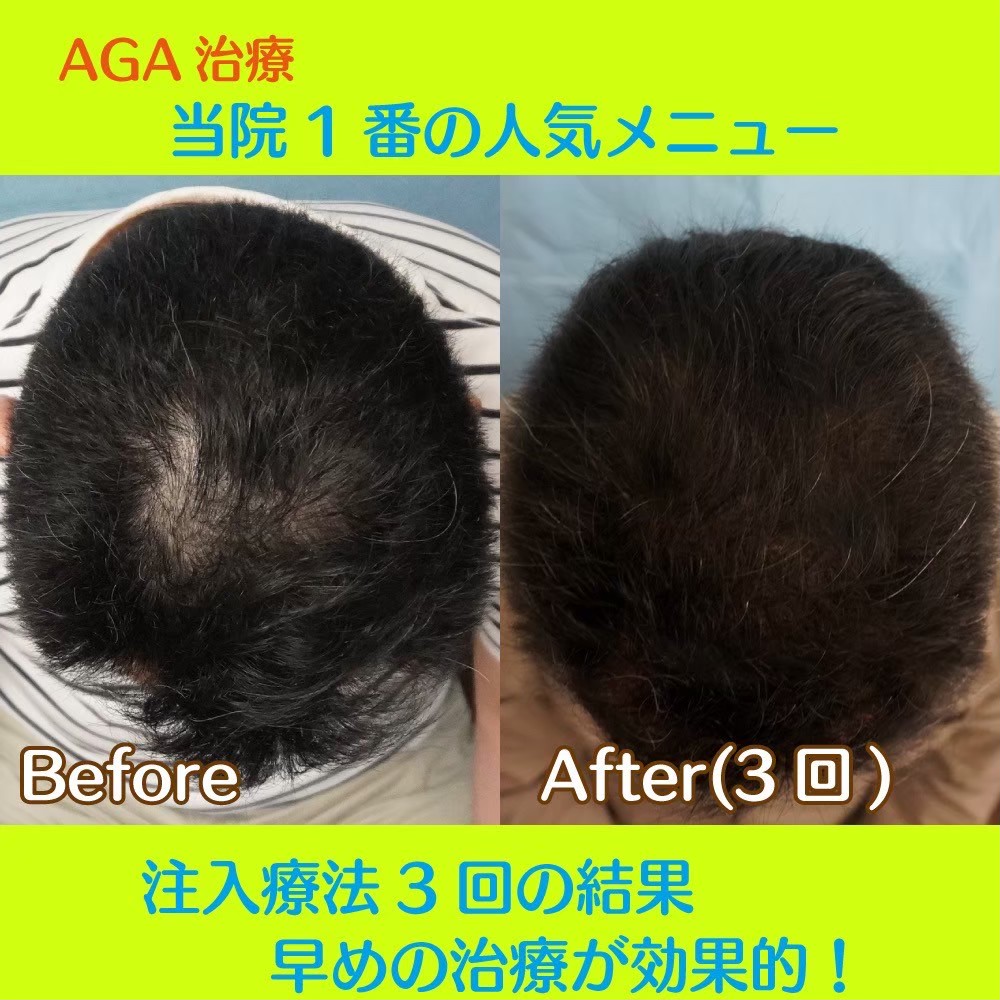
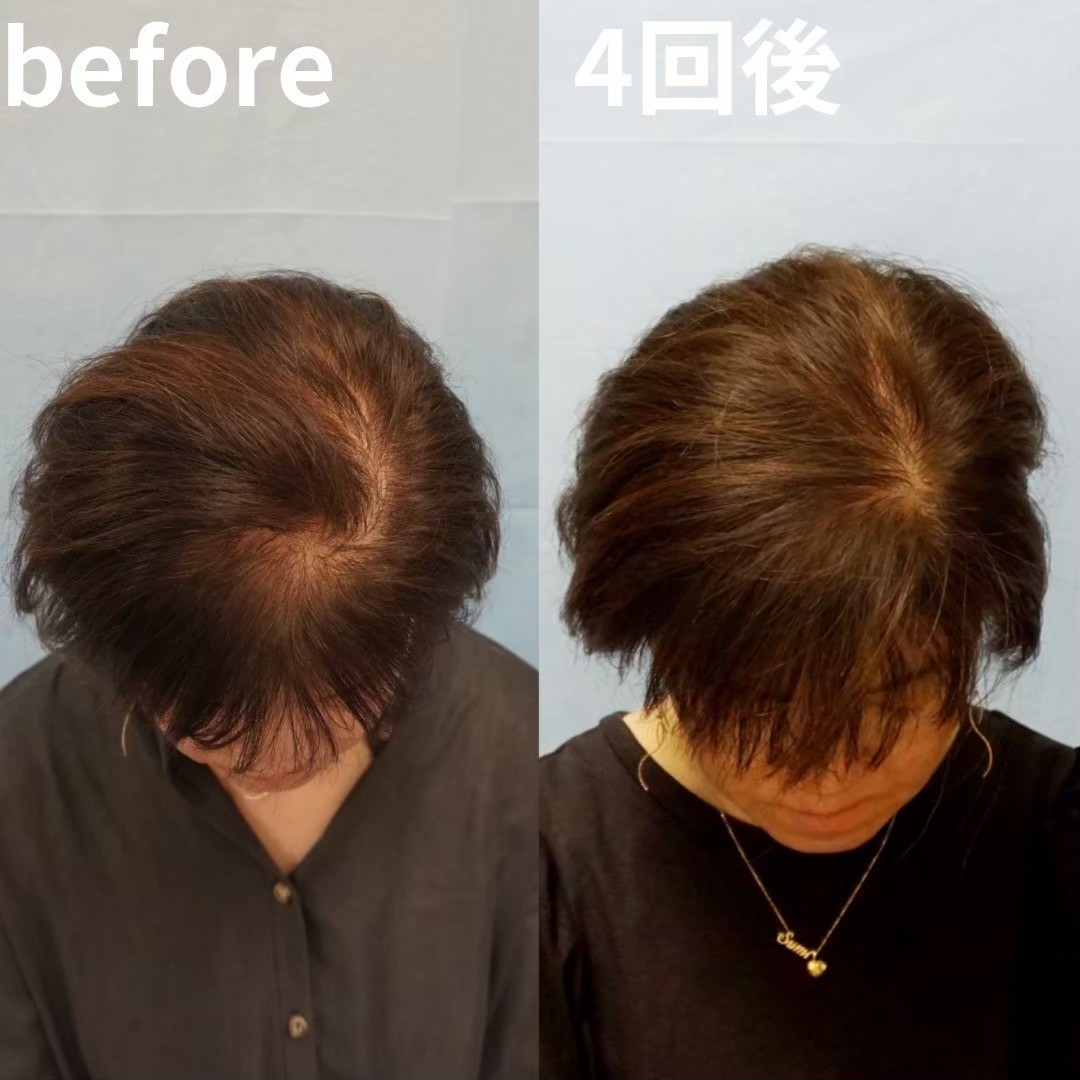
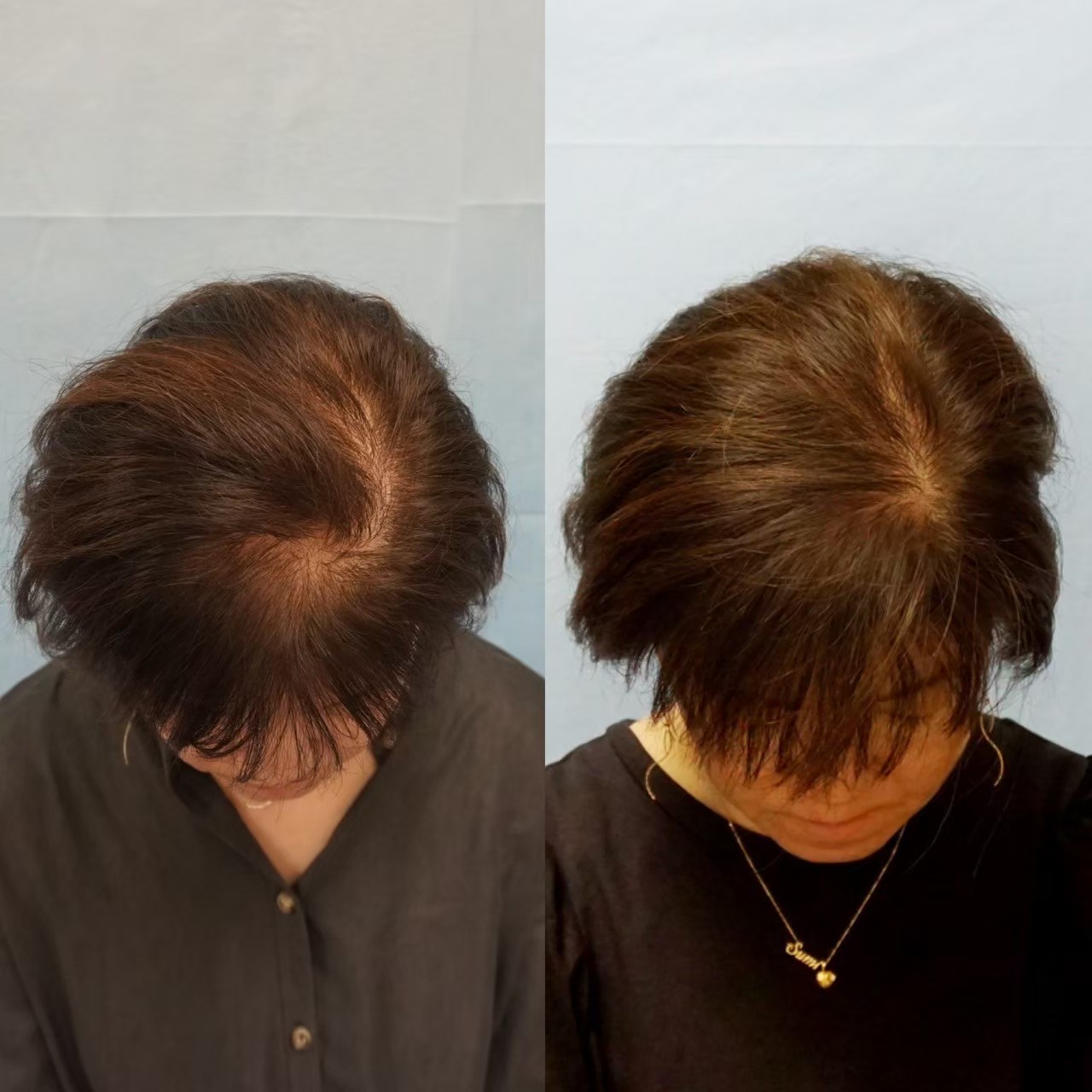
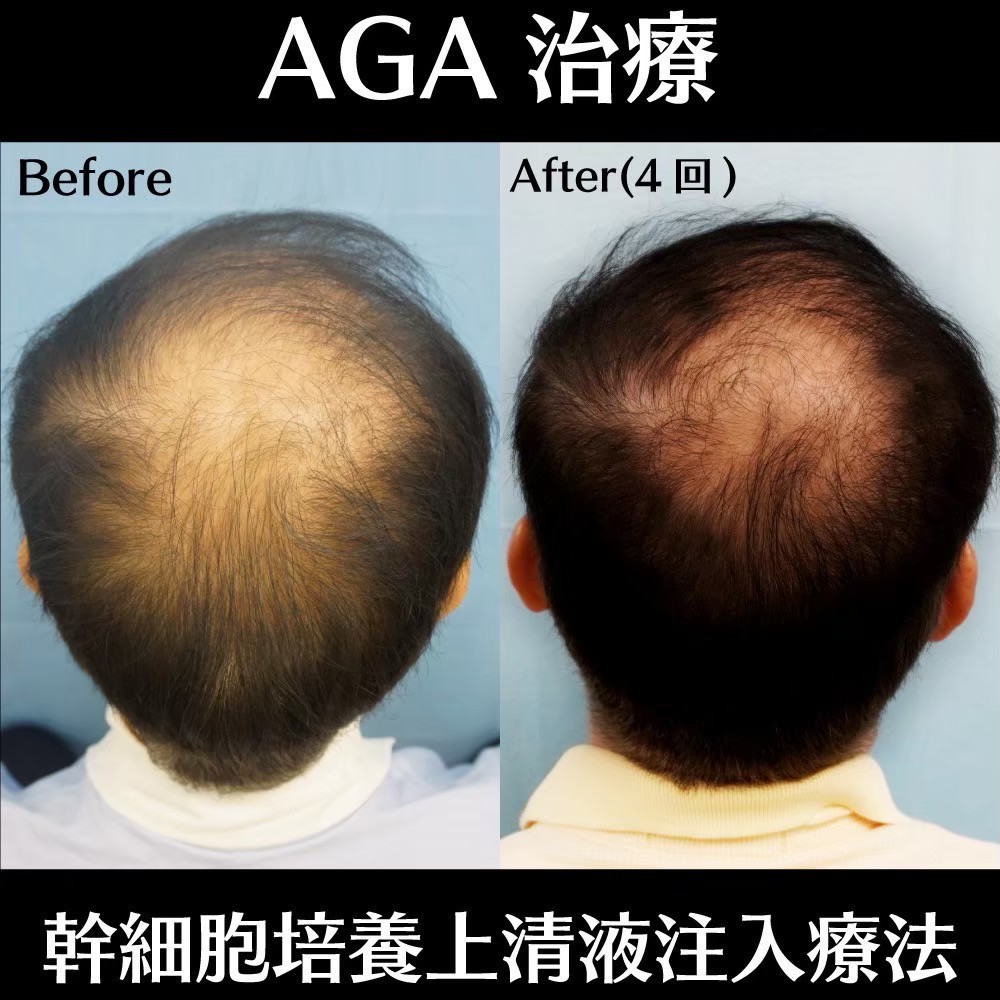
Case 1 — Treatment disclosure
Individual results vary. The information below is provided per the Japanese Medical Advertising Guidelines.
- Treatment category
- AGA (androgenetic alopecia) treatment — oral 5-alpha-reductase inhibitors (finasteride, dutasteride), topical or oral minoxidil, and optional regenerative scalp injection therapy.
- How it works
- Finasteride / dutasteride block DHT, the hormone that drives follicular miniaturization. Minoxidil prolongs the growth (anagen) phase and increases scalp blood flow. Stem-cell culture supernatant injections stimulate follicular regeneration. Visible improvement is typically observed after 3–6 months of continuous use.
- Number of sessions / duration
- Oral medications: daily use, results assessed at 3, 6, and 12 months.
Injection courses: typically 5 sessions.
Continued use is generally required to maintain results. - Main side effects
-
Finasteride / dutasteride: sexual dysfunction (decreased libido, erectile dysfunction, ejaculatory disorder), liver dysfunction, mood changes; dutasteride may also cause gastrointestinal symptoms.
Minoxidil: scalp irritation, itching, unwanted body hair; oral minoxidil may cause palpitations, dizziness, and lower-limb edema. Initial shedding may occur in the first 1–2 months.
Injection therapy: in rare cases, swelling, warmth, pain, or allergic reactions may occur; these typically subside over time. - Precautions & contraindications
- Finasteride and dutasteride must not be used by women — especially those pregnant, potentially pregnant, or breastfeeding — even physical contact with crushed or broken tablets should be avoided. Not for use in children. Patients with hepatic dysfunction, active prostate cancer, or a history of hypersensitivity should not use these medications. Oral minoxidil requires cardiovascular assessment before starting.
- Fees (Kojimachi Clinic / BIOTOPE CLINIC, tax included)
-
Oral medications (per box):
• Finasteride, 28 tablets: ¥4,800
• Zagallo (dutasteride), 30 capsules: ¥9,000
• Minoxidil (in-clinic formulation), 28 tablets: ¥8,800
Regenerative injection therapy (stem-cell culture supernatant, whole scalp):
• Single session: ¥80,000
• 5-session course: ¥300,000
Overall fee range: ¥80,000–¥300,000 for injection therapy. Oral medications add ¥4,800–¥9,000 per box. The exact plan and fee for each patient are confirmed at consultation. - Insurance
- Not covered by Japanese public health insurance. AGA treatment is an elective self-pay treatment. Prices may change — please confirm at consultation.
Case 2 — Treatment disclosure
Individual results vary. The information below is provided per the Japanese Medical Advertising Guidelines.
- Treatment category
- AGA (androgenetic alopecia) treatment — oral 5-alpha-reductase inhibitors (finasteride, dutasteride), topical or oral minoxidil, and optional regenerative scalp injection therapy.
- How it works
- Finasteride / dutasteride block DHT, the hormone that drives follicular miniaturization. Minoxidil prolongs the growth (anagen) phase and increases scalp blood flow. Stem-cell culture supernatant injections stimulate follicular regeneration. Visible improvement is typically observed after 3–6 months of continuous use.
- Number of sessions / duration
- Oral medications: daily use, results assessed at 3, 6, and 12 months.
Injection courses: typically 5 sessions.
Continued use is generally required to maintain results. - Main side effects
-
Finasteride / dutasteride: sexual dysfunction (decreased libido, erectile dysfunction, ejaculatory disorder), liver dysfunction, mood changes; dutasteride may also cause gastrointestinal symptoms.
Minoxidil: scalp irritation, itching, unwanted body hair; oral minoxidil may cause palpitations, dizziness, and lower-limb edema. Initial shedding may occur in the first 1–2 months.
Injection therapy: in rare cases, swelling, warmth, pain, or allergic reactions may occur; these typically subside over time. - Precautions & contraindications
- Finasteride and dutasteride must not be used by women — especially those pregnant, potentially pregnant, or breastfeeding — even physical contact with crushed or broken tablets should be avoided. Not for use in children. Patients with hepatic dysfunction, active prostate cancer, or a history of hypersensitivity should not use these medications. Oral minoxidil requires cardiovascular assessment before starting.
- Fees (Kojimachi Clinic / BIOTOPE CLINIC, tax included)
-
Oral medications (per box):
• Finasteride, 28 tablets: ¥4,800
• Zagallo (dutasteride), 30 capsules: ¥9,000
• Minoxidil (in-clinic formulation), 28 tablets: ¥8,800
Regenerative injection therapy (stem-cell culture supernatant, whole scalp):
• Single session: ¥80,000
• 5-session course: ¥300,000
Overall fee range: ¥80,000–¥300,000 for injection therapy. Oral medications add ¥4,800–¥9,000 per box. The exact plan and fee for each patient are confirmed at consultation. - Insurance
- Not covered by Japanese public health insurance. AGA treatment is an elective self-pay treatment. Prices may change — please confirm at consultation.
Case 3 — Treatment disclosure
Individual results vary. The information below is provided per the Japanese Medical Advertising Guidelines.
- Treatment category
- AGA (androgenetic alopecia) treatment — oral 5-alpha-reductase inhibitors (finasteride, dutasteride), topical or oral minoxidil, and optional regenerative scalp injection therapy.
- How it works
- Finasteride / dutasteride block DHT, the hormone that drives follicular miniaturization. Minoxidil prolongs the growth (anagen) phase and increases scalp blood flow. Stem-cell culture supernatant injections stimulate follicular regeneration. Visible improvement is typically observed after 3–6 months of continuous use.
- Number of sessions / duration
- Oral medications: daily use, results assessed at 3, 6, and 12 months.
Injection courses: typically 5 sessions.
Continued use is generally required to maintain results. - Main side effects
-
Finasteride / dutasteride: sexual dysfunction (decreased libido, erectile dysfunction, ejaculatory disorder), liver dysfunction, mood changes; dutasteride may also cause gastrointestinal symptoms.
Minoxidil: scalp irritation, itching, unwanted body hair; oral minoxidil may cause palpitations, dizziness, and lower-limb edema. Initial shedding may occur in the first 1–2 months.
Injection therapy: in rare cases, swelling, warmth, pain, or allergic reactions may occur; these typically subside over time. - Precautions & contraindications
- Finasteride and dutasteride must not be used by women — especially those pregnant, potentially pregnant, or breastfeeding — even physical contact with crushed or broken tablets should be avoided. Not for use in children. Patients with hepatic dysfunction, active prostate cancer, or a history of hypersensitivity should not use these medications. Oral minoxidil requires cardiovascular assessment before starting.
- Fees (Kojimachi Clinic / BIOTOPE CLINIC, tax included)
-
Oral medications (per box):
• Finasteride, 28 tablets: ¥4,800
• Zagallo (dutasteride), 30 capsules: ¥9,000
• Minoxidil (in-clinic formulation), 28 tablets: ¥8,800
Regenerative injection therapy (stem-cell culture supernatant, whole scalp):
• Single session: ¥80,000
• 5-session course: ¥300,000
Overall fee range: ¥80,000–¥300,000 for injection therapy. Oral medications add ¥4,800–¥9,000 per box. The exact plan and fee for each patient are confirmed at consultation. - Insurance
- Not covered by Japanese public health insurance. AGA treatment is an elective self-pay treatment. Prices may change — please confirm at consultation.
Case 4 — Treatment disclosure
Individual results vary. The information below is provided per the Japanese Medical Advertising Guidelines.
- Treatment category
- AGA (androgenetic alopecia) treatment — oral 5-alpha-reductase inhibitors (finasteride, dutasteride), topical or oral minoxidil, and optional regenerative scalp injection therapy.
- How it works
- Finasteride / dutasteride block DHT, the hormone that drives follicular miniaturization. Minoxidil prolongs the growth (anagen) phase and increases scalp blood flow. Stem-cell culture supernatant injections stimulate follicular regeneration. Visible improvement is typically observed after 3–6 months of continuous use.
- Number of sessions / duration
- Oral medications: daily use, results assessed at 3, 6, and 12 months.
Injection courses: typically 5 sessions.
Continued use is generally required to maintain results. - Main side effects
-
Finasteride / dutasteride: sexual dysfunction (decreased libido, erectile dysfunction, ejaculatory disorder), liver dysfunction, mood changes; dutasteride may also cause gastrointestinal symptoms.
Minoxidil: scalp irritation, itching, unwanted body hair; oral minoxidil may cause palpitations, dizziness, and lower-limb edema. Initial shedding may occur in the first 1–2 months.
Injection therapy: in rare cases, swelling, warmth, pain, or allergic reactions may occur; these typically subside over time. - Precautions & contraindications
- Finasteride and dutasteride must not be used by women — especially those pregnant, potentially pregnant, or breastfeeding — even physical contact with crushed or broken tablets should be avoided. Not for use in children. Patients with hepatic dysfunction, active prostate cancer, or a history of hypersensitivity should not use these medications. Oral minoxidil requires cardiovascular assessment before starting.
- Fees (Kojimachi Clinic / BIOTOPE CLINIC, tax included)
-
Oral medications (per box):
• Finasteride, 28 tablets: ¥4,800
• Zagallo (dutasteride), 30 capsules: ¥9,000
• Minoxidil (in-clinic formulation), 28 tablets: ¥8,800
Regenerative injection therapy (stem-cell culture supernatant, whole scalp):
• Single session: ¥80,000
• 5-session course: ¥300,000
Overall fee range: ¥80,000–¥300,000 for injection therapy. Oral medications add ¥4,800–¥9,000 per box. The exact plan and fee for each patient are confirmed at consultation. - Insurance
- Not covered by Japanese public health insurance. AGA treatment is an elective self-pay treatment. Prices may change — please confirm at consultation.
Case 5 — Treatment disclosure
Individual results vary. The information below is provided per the Japanese Medical Advertising Guidelines.
- Treatment category
- AGA (androgenetic alopecia) treatment — oral 5-alpha-reductase inhibitors (finasteride, dutasteride), topical or oral minoxidil, and optional regenerative scalp injection therapy.
- How it works
- Finasteride / dutasteride block DHT, the hormone that drives follicular miniaturization. Minoxidil prolongs the growth (anagen) phase and increases scalp blood flow. Stem-cell culture supernatant injections stimulate follicular regeneration. Visible improvement is typically observed after 3–6 months of continuous use.
- Number of sessions / duration
- Oral medications: daily use, results assessed at 3, 6, and 12 months.
Injection courses: typically 5 sessions.
Continued use is generally required to maintain results. - Main side effects
-
Finasteride / dutasteride: sexual dysfunction (decreased libido, erectile dysfunction, ejaculatory disorder), liver dysfunction, mood changes; dutasteride may also cause gastrointestinal symptoms.
Minoxidil: scalp irritation, itching, unwanted body hair; oral minoxidil may cause palpitations, dizziness, and lower-limb edema. Initial shedding may occur in the first 1–2 months.
Injection therapy: in rare cases, swelling, warmth, pain, or allergic reactions may occur; these typically subside over time. - Precautions & contraindications
- Finasteride and dutasteride must not be used by women — especially those pregnant, potentially pregnant, or breastfeeding — even physical contact with crushed or broken tablets should be avoided. Not for use in children. Patients with hepatic dysfunction, active prostate cancer, or a history of hypersensitivity should not use these medications. Oral minoxidil requires cardiovascular assessment before starting.
- Fees (Kojimachi Clinic / BIOTOPE CLINIC, tax included)
-
Oral medications (per box):
• Finasteride, 28 tablets: ¥4,800
• Zagallo (dutasteride), 30 capsules: ¥9,000
• Minoxidil (in-clinic formulation), 28 tablets: ¥8,800
Regenerative injection therapy (stem-cell culture supernatant, whole scalp):
• Single session: ¥80,000
• 5-session course: ¥300,000
Overall fee range: ¥80,000–¥300,000 for injection therapy. Oral medications add ¥4,800–¥9,000 per box. The exact plan and fee for each patient are confirmed at consultation. - Insurance
- Not covered by Japanese public health insurance. AGA treatment is an elective self-pay treatment. Prices may change — please confirm at consultation.
Case 6 — Treatment disclosure
Individual results vary. The information below is provided per the Japanese Medical Advertising Guidelines.
- Treatment category
- AGA (androgenetic alopecia) treatment — oral 5-alpha-reductase inhibitors (finasteride, dutasteride), topical or oral minoxidil, and optional regenerative scalp injection therapy.
- How it works
- Finasteride / dutasteride block DHT, the hormone that drives follicular miniaturization. Minoxidil prolongs the growth (anagen) phase and increases scalp blood flow. Stem-cell culture supernatant injections stimulate follicular regeneration. Visible improvement is typically observed after 3–6 months of continuous use.
- Number of sessions / duration
- Oral medications: daily use, results assessed at 3, 6, and 12 months.
Injection courses: typically 5 sessions.
Continued use is generally required to maintain results. - Main side effects
-
Finasteride / dutasteride: sexual dysfunction (decreased libido, erectile dysfunction, ejaculatory disorder), liver dysfunction, mood changes; dutasteride may also cause gastrointestinal symptoms.
Minoxidil: scalp irritation, itching, unwanted body hair; oral minoxidil may cause palpitations, dizziness, and lower-limb edema. Initial shedding may occur in the first 1–2 months.
Injection therapy: in rare cases, swelling, warmth, pain, or allergic reactions may occur; these typically subside over time. - Precautions & contraindications
- Finasteride and dutasteride must not be used by women — especially those pregnant, potentially pregnant, or breastfeeding — even physical contact with crushed or broken tablets should be avoided. Not for use in children. Patients with hepatic dysfunction, active prostate cancer, or a history of hypersensitivity should not use these medications. Oral minoxidil requires cardiovascular assessment before starting.
- Fees (Kojimachi Clinic / BIOTOPE CLINIC, tax included)
-
Oral medications (per box):
• Finasteride, 28 tablets: ¥4,800
• Zagallo (dutasteride), 30 capsules: ¥9,000
• Minoxidil (in-clinic formulation), 28 tablets: ¥8,800
Regenerative injection therapy (stem-cell culture supernatant, whole scalp):
• Single session: ¥80,000
• 5-session course: ¥300,000
Overall fee range: ¥80,000–¥300,000 for injection therapy. Oral medications add ¥4,800–¥9,000 per box. The exact plan and fee for each patient are confirmed at consultation. - Insurance
- Not covered by Japanese public health insurance. AGA treatment is an elective self-pay treatment. Prices may change — please confirm at consultation.
Case 7 — Treatment disclosure
Individual results vary. The information below is provided per the Japanese Medical Advertising Guidelines.
- Treatment category
- AGA (androgenetic alopecia) treatment — oral 5-alpha-reductase inhibitors (finasteride, dutasteride), topical or oral minoxidil, and optional regenerative scalp injection therapy.
- How it works
- Finasteride / dutasteride block DHT, the hormone that drives follicular miniaturization. Minoxidil prolongs the growth (anagen) phase and increases scalp blood flow. Stem-cell culture supernatant injections stimulate follicular regeneration. Visible improvement is typically observed after 3–6 months of continuous use.
- Number of sessions / duration
- Oral medications: daily use, results assessed at 3, 6, and 12 months.
Injection courses: typically 5 sessions.
Continued use is generally required to maintain results. - Main side effects
-
Finasteride / dutasteride: sexual dysfunction (decreased libido, erectile dysfunction, ejaculatory disorder), liver dysfunction, mood changes; dutasteride may also cause gastrointestinal symptoms.
Minoxidil: scalp irritation, itching, unwanted body hair; oral minoxidil may cause palpitations, dizziness, and lower-limb edema. Initial shedding may occur in the first 1–2 months.
Injection therapy: in rare cases, swelling, warmth, pain, or allergic reactions may occur; these typically subside over time. - Precautions & contraindications
- Finasteride and dutasteride must not be used by women — especially those pregnant, potentially pregnant, or breastfeeding — even physical contact with crushed or broken tablets should be avoided. Not for use in children. Patients with hepatic dysfunction, active prostate cancer, or a history of hypersensitivity should not use these medications. Oral minoxidil requires cardiovascular assessment before starting.
- Fees (Kojimachi Clinic / BIOTOPE CLINIC, tax included)
-
Oral medications (per box):
• Finasteride, 28 tablets: ¥4,800
• Zagallo (dutasteride), 30 capsules: ¥9,000
• Minoxidil (in-clinic formulation), 28 tablets: ¥8,800
Regenerative injection therapy (stem-cell culture supernatant, whole scalp):
• Single session: ¥80,000
• 5-session course: ¥300,000
Overall fee range: ¥80,000–¥300,000 for injection therapy. Oral medications add ¥4,800–¥9,000 per box. The exact plan and fee for each patient are confirmed at consultation. - Insurance
- Not covered by Japanese public health insurance. AGA treatment is an elective self-pay treatment. Prices may change — please confirm at consultation.
Case 8 — Treatment disclosure
Individual results vary. The information below is provided per the Japanese Medical Advertising Guidelines.
- Treatment category
- AGA (androgenetic alopecia) treatment — oral 5-alpha-reductase inhibitors (finasteride, dutasteride), topical or oral minoxidil, and optional regenerative scalp injection therapy.
- How it works
- Finasteride / dutasteride block DHT, the hormone that drives follicular miniaturization. Minoxidil prolongs the growth (anagen) phase and increases scalp blood flow. Stem-cell culture supernatant injections stimulate follicular regeneration. Visible improvement is typically observed after 3–6 months of continuous use.
- Number of sessions / duration
- Oral medications: daily use, results assessed at 3, 6, and 12 months.
Injection courses: typically 5 sessions.
Continued use is generally required to maintain results. - Main side effects
-
Finasteride / dutasteride: sexual dysfunction (decreased libido, erectile dysfunction, ejaculatory disorder), liver dysfunction, mood changes; dutasteride may also cause gastrointestinal symptoms.
Minoxidil: scalp irritation, itching, unwanted body hair; oral minoxidil may cause palpitations, dizziness, and lower-limb edema. Initial shedding may occur in the first 1–2 months.
Injection therapy: in rare cases, swelling, warmth, pain, or allergic reactions may occur; these typically subside over time. - Precautions & contraindications
- Finasteride and dutasteride must not be used by women — especially those pregnant, potentially pregnant, or breastfeeding — even physical contact with crushed or broken tablets should be avoided. Not for use in children. Patients with hepatic dysfunction, active prostate cancer, or a history of hypersensitivity should not use these medications. Oral minoxidil requires cardiovascular assessment before starting.
- Fees (Kojimachi Clinic / BIOTOPE CLINIC, tax included)
-
Oral medications (per box):
• Finasteride, 28 tablets: ¥4,800
• Zagallo (dutasteride), 30 capsules: ¥9,000
• Minoxidil (in-clinic formulation), 28 tablets: ¥8,800
Regenerative injection therapy (stem-cell culture supernatant, whole scalp):
• Single session: ¥80,000
• 5-session course: ¥300,000
Overall fee range: ¥80,000–¥300,000 for injection therapy. Oral medications add ¥4,800–¥9,000 per box. The exact plan and fee for each patient are confirmed at consultation. - Insurance
- Not covered by Japanese public health insurance. AGA treatment is an elective self-pay treatment. Prices may change — please confirm at consultation.
Case 9 — Treatment disclosure
Individual results vary. The information below is provided per the Japanese Medical Advertising Guidelines.
- Treatment category
- AGA (androgenetic alopecia) treatment — oral 5-alpha-reductase inhibitors (finasteride, dutasteride), topical or oral minoxidil, and optional regenerative scalp injection therapy.
- How it works
- Finasteride / dutasteride block DHT, the hormone that drives follicular miniaturization. Minoxidil prolongs the growth (anagen) phase and increases scalp blood flow. Stem-cell culture supernatant injections stimulate follicular regeneration. Visible improvement is typically observed after 3–6 months of continuous use.
- Number of sessions / duration
- Oral medications: daily use, results assessed at 3, 6, and 12 months.
Injection courses: typically 5 sessions.
Continued use is generally required to maintain results. - Main side effects
-
Finasteride / dutasteride: sexual dysfunction (decreased libido, erectile dysfunction, ejaculatory disorder), liver dysfunction, mood changes; dutasteride may also cause gastrointestinal symptoms.
Minoxidil: scalp irritation, itching, unwanted body hair; oral minoxidil may cause palpitations, dizziness, and lower-limb edema. Initial shedding may occur in the first 1–2 months.
Injection therapy: in rare cases, swelling, warmth, pain, or allergic reactions may occur; these typically subside over time. - Precautions & contraindications
- Finasteride and dutasteride must not be used by women — especially those pregnant, potentially pregnant, or breastfeeding — even physical contact with crushed or broken tablets should be avoided. Not for use in children. Patients with hepatic dysfunction, active prostate cancer, or a history of hypersensitivity should not use these medications. Oral minoxidil requires cardiovascular assessment before starting.
- Fees (Kojimachi Clinic / BIOTOPE CLINIC, tax included)
-
Oral medications (per box):
• Finasteride, 28 tablets: ¥4,800
• Zagallo (dutasteride), 30 capsules: ¥9,000
• Minoxidil (in-clinic formulation), 28 tablets: ¥8,800
Regenerative injection therapy (stem-cell culture supernatant, whole scalp):
• Single session: ¥80,000
• 5-session course: ¥300,000
Overall fee range: ¥80,000–¥300,000 for injection therapy. Oral medications add ¥4,800–¥9,000 per box. The exact plan and fee for each patient are confirmed at consultation. - Insurance
- Not covered by Japanese public health insurance. AGA treatment is an elective self-pay treatment. Prices may change — please confirm at consultation.
Case 10 — Treatment disclosure
Individual results vary. The information below is provided per the Japanese Medical Advertising Guidelines.
- Treatment category
- AGA (androgenetic alopecia) treatment — oral 5-alpha-reductase inhibitors (finasteride, dutasteride), topical or oral minoxidil, and optional regenerative scalp injection therapy.
- How it works
- Finasteride / dutasteride block DHT, the hormone that drives follicular miniaturization. Minoxidil prolongs the growth (anagen) phase and increases scalp blood flow. Stem-cell culture supernatant injections stimulate follicular regeneration. Visible improvement is typically observed after 3–6 months of continuous use.
- Number of sessions / duration
- Oral medications: daily use, results assessed at 3, 6, and 12 months.
Injection courses: typically 5 sessions.
Continued use is generally required to maintain results. - Main side effects
-
Finasteride / dutasteride: sexual dysfunction (decreased libido, erectile dysfunction, ejaculatory disorder), liver dysfunction, mood changes; dutasteride may also cause gastrointestinal symptoms.
Minoxidil: scalp irritation, itching, unwanted body hair; oral minoxidil may cause palpitations, dizziness, and lower-limb edema. Initial shedding may occur in the first 1–2 months.
Injection therapy: in rare cases, swelling, warmth, pain, or allergic reactions may occur; these typically subside over time. - Precautions & contraindications
- Finasteride and dutasteride must not be used by women — especially those pregnant, potentially pregnant, or breastfeeding — even physical contact with crushed or broken tablets should be avoided. Not for use in children. Patients with hepatic dysfunction, active prostate cancer, or a history of hypersensitivity should not use these medications. Oral minoxidil requires cardiovascular assessment before starting.
- Fees (Kojimachi Clinic / BIOTOPE CLINIC, tax included)
-
Oral medications (per box):
• Finasteride, 28 tablets: ¥4,800
• Zagallo (dutasteride), 30 capsules: ¥9,000
• Minoxidil (in-clinic formulation), 28 tablets: ¥8,800
Regenerative injection therapy (stem-cell culture supernatant, whole scalp):
• Single session: ¥80,000
• 5-session course: ¥300,000
Overall fee range: ¥80,000–¥300,000 for injection therapy. Oral medications add ¥4,800–¥9,000 per box. The exact plan and fee for each patient are confirmed at consultation. - Insurance
- Not covered by Japanese public health insurance. AGA treatment is an elective self-pay treatment. Prices may change — please confirm at consultation.
Case 11 — Treatment disclosure
Individual results vary. The information below is provided per the Japanese Medical Advertising Guidelines.
- Treatment category
- AGA (androgenetic alopecia) treatment — oral 5-alpha-reductase inhibitors (finasteride, dutasteride), topical or oral minoxidil, and optional regenerative scalp injection therapy.
- How it works
- Finasteride / dutasteride block DHT, the hormone that drives follicular miniaturization. Minoxidil prolongs the growth (anagen) phase and increases scalp blood flow. Stem-cell culture supernatant injections stimulate follicular regeneration. Visible improvement is typically observed after 3–6 months of continuous use.
- Number of sessions / duration
- Oral medications: daily use, results assessed at 3, 6, and 12 months.
Injection courses: typically 5 sessions.
Continued use is generally required to maintain results. - Main side effects
-
Finasteride / dutasteride: sexual dysfunction (decreased libido, erectile dysfunction, ejaculatory disorder), liver dysfunction, mood changes; dutasteride may also cause gastrointestinal symptoms.
Minoxidil: scalp irritation, itching, unwanted body hair; oral minoxidil may cause palpitations, dizziness, and lower-limb edema. Initial shedding may occur in the first 1–2 months.
Injection therapy: in rare cases, swelling, warmth, pain, or allergic reactions may occur; these typically subside over time. - Precautions & contraindications
- Finasteride and dutasteride must not be used by women — especially those pregnant, potentially pregnant, or breastfeeding — even physical contact with crushed or broken tablets should be avoided. Not for use in children. Patients with hepatic dysfunction, active prostate cancer, or a history of hypersensitivity should not use these medications. Oral minoxidil requires cardiovascular assessment before starting.
- Fees (Kojimachi Clinic / BIOTOPE CLINIC, tax included)
-
Oral medications (per box):
• Finasteride, 28 tablets: ¥4,800
• Zagallo (dutasteride), 30 capsules: ¥9,000
• Minoxidil (in-clinic formulation), 28 tablets: ¥8,800
Regenerative injection therapy (stem-cell culture supernatant, whole scalp):
• Single session: ¥80,000
• 5-session course: ¥300,000
Overall fee range: ¥80,000–¥300,000 for injection therapy. Oral medications add ¥4,800–¥9,000 per box. The exact plan and fee for each patient are confirmed at consultation. - Insurance
- Not covered by Japanese public health insurance. AGA treatment is an elective self-pay treatment. Prices may change — please confirm at consultation.
Case 12 — Treatment disclosure
Individual results vary. The information below is provided per the Japanese Medical Advertising Guidelines.
- Treatment category
- AGA (androgenetic alopecia) treatment — oral 5-alpha-reductase inhibitors (finasteride, dutasteride), topical or oral minoxidil, and optional regenerative scalp injection therapy.
- How it works
- Finasteride / dutasteride block DHT, the hormone that drives follicular miniaturization. Minoxidil prolongs the growth (anagen) phase and increases scalp blood flow. Stem-cell culture supernatant injections stimulate follicular regeneration. Visible improvement is typically observed after 3–6 months of continuous use.
- Number of sessions / duration
- Oral medications: daily use, results assessed at 3, 6, and 12 months.
Injection courses: typically 5 sessions.
Continued use is generally required to maintain results. - Main side effects
-
Finasteride / dutasteride: sexual dysfunction (decreased libido, erectile dysfunction, ejaculatory disorder), liver dysfunction, mood changes; dutasteride may also cause gastrointestinal symptoms.
Minoxidil: scalp irritation, itching, unwanted body hair; oral minoxidil may cause palpitations, dizziness, and lower-limb edema. Initial shedding may occur in the first 1–2 months.
Injection therapy: in rare cases, swelling, warmth, pain, or allergic reactions may occur; these typically subside over time. - Precautions & contraindications
- Finasteride and dutasteride must not be used by women — especially those pregnant, potentially pregnant, or breastfeeding — even physical contact with crushed or broken tablets should be avoided. Not for use in children. Patients with hepatic dysfunction, active prostate cancer, or a history of hypersensitivity should not use these medications. Oral minoxidil requires cardiovascular assessment before starting.
- Fees (Kojimachi Clinic / BIOTOPE CLINIC, tax included)
-
Oral medications (per box):
• Finasteride, 28 tablets: ¥4,800
• Zagallo (dutasteride), 30 capsules: ¥9,000
• Minoxidil (in-clinic formulation), 28 tablets: ¥8,800
Regenerative injection therapy (stem-cell culture supernatant, whole scalp):
• Single session: ¥80,000
• 5-session course: ¥300,000
Overall fee range: ¥80,000–¥300,000 for injection therapy. Oral medications add ¥4,800–¥9,000 per box. The exact plan and fee for each patient are confirmed at consultation. - Insurance
- Not covered by Japanese public health insurance. AGA treatment is an elective self-pay treatment. Prices may change — please confirm at consultation.
Case 13 — Treatment disclosure
Individual results vary. The information below is provided per the Japanese Medical Advertising Guidelines.
- Treatment category
- AGA (androgenetic alopecia) treatment — oral 5-alpha-reductase inhibitors (finasteride, dutasteride), topical or oral minoxidil, and optional regenerative scalp injection therapy.
- How it works
- Finasteride / dutasteride block DHT, the hormone that drives follicular miniaturization. Minoxidil prolongs the growth (anagen) phase and increases scalp blood flow. Stem-cell culture supernatant injections stimulate follicular regeneration. Visible improvement is typically observed after 3–6 months of continuous use.
- Number of sessions / duration
- Oral medications: daily use, results assessed at 3, 6, and 12 months.
Injection courses: typically 5 sessions.
Continued use is generally required to maintain results. - Main side effects
-
Finasteride / dutasteride: sexual dysfunction (decreased libido, erectile dysfunction, ejaculatory disorder), liver dysfunction, mood changes; dutasteride may also cause gastrointestinal symptoms.
Minoxidil: scalp irritation, itching, unwanted body hair; oral minoxidil may cause palpitations, dizziness, and lower-limb edema. Initial shedding may occur in the first 1–2 months.
Injection therapy: in rare cases, swelling, warmth, pain, or allergic reactions may occur; these typically subside over time. - Precautions & contraindications
- Finasteride and dutasteride must not be used by women — especially those pregnant, potentially pregnant, or breastfeeding — even physical contact with crushed or broken tablets should be avoided. Not for use in children. Patients with hepatic dysfunction, active prostate cancer, or a history of hypersensitivity should not use these medications. Oral minoxidil requires cardiovascular assessment before starting.
- Fees (Kojimachi Clinic / BIOTOPE CLINIC, tax included)
-
Oral medications (per box):
• Finasteride, 28 tablets: ¥4,800
• Zagallo (dutasteride), 30 capsules: ¥9,000
• Minoxidil (in-clinic formulation), 28 tablets: ¥8,800
Regenerative injection therapy (stem-cell culture supernatant, whole scalp):
• Single session: ¥80,000
• 5-session course: ¥300,000
Overall fee range: ¥80,000–¥300,000 for injection therapy. Oral medications add ¥4,800–¥9,000 per box. The exact plan and fee for each patient are confirmed at consultation. - Insurance
- Not covered by Japanese public health insurance. AGA treatment is an elective self-pay treatment. Prices may change — please confirm at consultation.
Case 14 — Treatment disclosure
Individual results vary. The information below is provided per the Japanese Medical Advertising Guidelines.
- Treatment category
- AGA (androgenetic alopecia) treatment — oral 5-alpha-reductase inhibitors (finasteride, dutasteride), topical or oral minoxidil, and optional regenerative scalp injection therapy.
- How it works
- Finasteride / dutasteride block DHT, the hormone that drives follicular miniaturization. Minoxidil prolongs the growth (anagen) phase and increases scalp blood flow. Stem-cell culture supernatant injections stimulate follicular regeneration. Visible improvement is typically observed after 3–6 months of continuous use.
- Number of sessions / duration
- Oral medications: daily use, results assessed at 3, 6, and 12 months.
Injection courses: typically 5 sessions.
Continued use is generally required to maintain results. - Main side effects
-
Finasteride / dutasteride: sexual dysfunction (decreased libido, erectile dysfunction, ejaculatory disorder), liver dysfunction, mood changes; dutasteride may also cause gastrointestinal symptoms.
Minoxidil: scalp irritation, itching, unwanted body hair; oral minoxidil may cause palpitations, dizziness, and lower-limb edema. Initial shedding may occur in the first 1–2 months.
Injection therapy: in rare cases, swelling, warmth, pain, or allergic reactions may occur; these typically subside over time. - Precautions & contraindications
- Finasteride and dutasteride must not be used by women — especially those pregnant, potentially pregnant, or breastfeeding — even physical contact with crushed or broken tablets should be avoided. Not for use in children. Patients with hepatic dysfunction, active prostate cancer, or a history of hypersensitivity should not use these medications. Oral minoxidil requires cardiovascular assessment before starting.
- Fees (Kojimachi Clinic / BIOTOPE CLINIC, tax included)
-
Oral medications (per box):
• Finasteride, 28 tablets: ¥4,800
• Zagallo (dutasteride), 30 capsules: ¥9,000
• Minoxidil (in-clinic formulation), 28 tablets: ¥8,800
Regenerative injection therapy (stem-cell culture supernatant, whole scalp):
• Single session: ¥80,000
• 5-session course: ¥300,000
Overall fee range: ¥80,000–¥300,000 for injection therapy. Oral medications add ¥4,800–¥9,000 per box. The exact plan and fee for each patient are confirmed at consultation. - Insurance
- Not covered by Japanese public health insurance. AGA treatment is an elective self-pay treatment. Prices may change — please confirm at consultation.
Case 15 — Treatment disclosure
Individual results vary. The information below is provided per the Japanese Medical Advertising Guidelines.
- Treatment category
- AGA (androgenetic alopecia) treatment — oral 5-alpha-reductase inhibitors (finasteride, dutasteride), topical or oral minoxidil, and optional regenerative scalp injection therapy.
- How it works
- Finasteride / dutasteride block DHT, the hormone that drives follicular miniaturization. Minoxidil prolongs the growth (anagen) phase and increases scalp blood flow. Stem-cell culture supernatant injections stimulate follicular regeneration. Visible improvement is typically observed after 3–6 months of continuous use.
- Number of sessions / duration
- Oral medications: daily use, results assessed at 3, 6, and 12 months.
Injection courses: typically 5 sessions.
Continued use is generally required to maintain results. - Main side effects
-
Finasteride / dutasteride: sexual dysfunction (decreased libido, erectile dysfunction, ejaculatory disorder), liver dysfunction, mood changes; dutasteride may also cause gastrointestinal symptoms.
Minoxidil: scalp irritation, itching, unwanted body hair; oral minoxidil may cause palpitations, dizziness, and lower-limb edema. Initial shedding may occur in the first 1–2 months.
Injection therapy: in rare cases, swelling, warmth, pain, or allergic reactions may occur; these typically subside over time. - Precautions & contraindications
- Finasteride and dutasteride must not be used by women — especially those pregnant, potentially pregnant, or breastfeeding — even physical contact with crushed or broken tablets should be avoided. Not for use in children. Patients with hepatic dysfunction, active prostate cancer, or a history of hypersensitivity should not use these medications. Oral minoxidil requires cardiovascular assessment before starting.
- Fees (Kojimachi Clinic / BIOTOPE CLINIC, tax included)
-
Oral medications (per box):
• Finasteride, 28 tablets: ¥4,800
• Zagallo (dutasteride), 30 capsules: ¥9,000
• Minoxidil (in-clinic formulation), 28 tablets: ¥8,800
Regenerative injection therapy (stem-cell culture supernatant, whole scalp):
• Single session: ¥80,000
• 5-session course: ¥300,000
Overall fee range: ¥80,000–¥300,000 for injection therapy. Oral medications add ¥4,800–¥9,000 per box. The exact plan and fee for each patient are confirmed at consultation. - Insurance
- Not covered by Japanese public health insurance. AGA treatment is an elective self-pay treatment. Prices may change — please confirm at consultation.
Cost in Tokyo
Because AGA care is self-pay, prices are set by each clinic and vary considerably across Tokyo. The figures below are taken from our group's official Japanese price page (in effect from 1 October 2023) and are subject to change.
- Finasteride — ¥5,280 per box of 28 tablets
- Dutasteride — ¥7,700 per month; branded Zagallo ¥11,000 per box of 30 capsules
- Minoxidil 5% topical solution — ¥5,500
- Stem-cell culture supernatant scalp injection — ¥88,000 per session, or ¥396,000 for a course of five
Please see the clinic's official price page or contact us for a current quote, since medication pricing and course structures are periodically revised. Regenerative options are typically an order of magnitude more expensive per year than tablets, which is worth weighing against the strength of the evidence behind each. For an accurate quote, please book a consultation.
Have a question about this treatment?
Message us on LINE or WhatsApp — our English-speaking team usually replies the same day.
What People Often Get Wrong
"Regenerative treatments can replace finasteride and minoxidil." They are not positioned that way in Japan. The 2017 Japanese Dermatological Association guidelines name finasteride, dutasteride and topical minoxidil as first-line therapy; hair-regeneration approaches were reviewed as emerging treatments, not substitutes. In practice, regenerative options are usually discussed as an addition for people already on — or unable to take — the standard drugs.
"Exosome therapy is government-approved regenerative medicine." It is not. The ministry's July 2024 notice is explicit that no such product holds marketing approval, and because these preparations are cell-free they sit outside the Act that governs regenerative medicine. That is not a reason to dismiss the field, but it does mean the burden of explanation sits with the clinic — and you are entitled to ask.
Who Is a Good Candidate — and Where to Get Treatment in Tokyo
Good candidates for standard medical therapy are men with visible but not complete miniaturisation who can commit to daily treatment and are comfortable with the reported side-effect profile. Women should not take finasteride or dutasteride, and are generally managed with topical minoxidil at the concentration appropriate for female-pattern hair loss.
Regenerative options are more reasonably considered by people who cannot tolerate or do not wish to take oral 5-alpha-reductase inhibitors, or who have plateaued on medication — provided they accept that the evidence is less mature. Anyone with sudden, patchy or scarring hair loss should be assessed first, because that pattern suggests a different diagnosis altogether. A consultation at BIOTOPE CLINIC can also include nutritional (orthomolecular) assessment and genetic testing where a contributing factor is suspected.
Within our clinic group, English-speaking consultations are handled at BIOTOPE CLINIC in Shirokanedai (Minato-ku, Tokyo) by Dr. Jun Karibe. Our sister clinic Kojimachi Dermatology & Plastic Surgery Clinic in Ichigaya handles Japanese-language insurance dermatology. Bookings and enquiries in English: LINE or WhatsApp.
Frequently Asked Questions
- Q. Is AGA treatment covered by Japanese health insurance?
- No. The Japanese Dermatological Association's public Q&A states that most effective treatments for male-pattern hair loss cannot be received under insurance. Expect all AGA care in Tokyo to be self-pay.
- Q. Can I stop finasteride once my hair improves?
- These drugs suppress the hormonal driver rather than curing it, so benefit is generally maintained only while treatment continues. Any change to your regimen should be discussed with the prescribing doctor.
- Q. Does PRP actually work for hair loss?
- Meta-analyses suggest PRP can increase hair density compared with placebo, but the 2024 review graded this as low-quality evidence with high heterogeneity and publication bias. It is best framed as an adjunct with uncertain magnitude of benefit, not a replacement for first-line therapy.
- Q. I am a visitor to Tokyo — can I start treatment on a short trip?
- An initial consultation, diagnosis and prescription can usually be arranged within one visit, but injection-based courses are designed around repeated sessions over months. Discuss your travel schedule at the consultation so a realistic plan can be made.
Have a question about this treatment?
Message us on LINE or WhatsApp — our English-speaking team usually replies the same day.
Summary
Finasteride, dutasteride and topical minoxidil remain the first-line treatments for male-pattern hair loss under current Japanese guidelines, with domestic trial data behind them and a defined approval status.
Regenerative approaches — PRP, growth factors, culture supernatant and exosome preparations — are legitimate areas of research and are widely offered in Tokyo, but they differ sharply from the standard drugs in both evidence quality and regulatory footing.
The most useful thing a consultation can do is confirm the diagnosis, rule out reversible contributors, and set expectations honestly before you spend money on any of it.
If you have questions about AGA treatment and regenerative alternatives, English-speaking consultations are handled at BIOTOPE CLINIC in Shirokanedai (Minato-ku, Tokyo) by Dr. Karibe. Our sister clinic Kojimachi Dermatology & Plastic Surgery Clinic in Ichigaya (Chiyoda-ku) handles Japanese-language insurance dermatology. English enquiries: LINE or WhatsApp.
24/7 Consultation & Booking
Book a Consultation or Treatment
Our English-speaking team responds via LINE or WhatsApp — usually the same day.
References
- Manabe M, Tsuboi R, Itami S, Osada S, Amoh Y, Ito T, et al. Guidelines for the diagnosis and treatment of male-pattern and female-pattern hair loss, 2017 version. The Journal of Dermatology. 2018;45(9):1031–1043.
- Kieling L, Konzen AT, Zanella RK, Valente DS. Is autologous platelet-rich plasma capable of increasing hair density in patients with androgenic alopecia? A systematic review and meta-analysis of randomized clinical trials. Anais Brasileiros de Dermatologia. 2024;99(6):847–862.
- Anitua E, Tierno R, Alkhraisat MH. Platelet-Rich Plasma in the Management of Alopecia: A Systematic Review and Meta-Analysis of Clinical Evidence. Dermatology and Therapy. 2025;15:3213–3252.
- Ministry of Health, Labour and Welfare (Japan). Administrative notice: medical care using human stem cell culture supernatant and secreted extracellular vesicles (exosomes), and surveillance guidance on exosome reagents. 31 July 2024.
- Japanese Dermatological Association. Dermatology Q&A, Alopecia Q7: What treatments exist for male-pattern hair loss? (accessed 2026).
Related Articles
You may also find these articles useful.
- Hair Loss Treatment Tokyo: AGA Options for Expats
- FAGA Treatment Tokyo: Regenerative Options for Hair Loss
- English-Speaking Dermatologist Tokyo: Hair Loss & AGA
- Hair Mesotherapy Tokyo: Manual vs Hydro-Injector
- Female Hair Thinning Treatment Tokyo
SUPERVISED BY
Dr. Jun Karibe
MD
Director
Education & Career
Certifications
Awards
MEDICAL REVIEW