By Dr. Jun Karibe, MD — BIOTOPE Clinic Shirokanedai, Tokyo · Reviewed August 2026
An expat woman in her mid-thirties comes into our clinic in Shirokanedai carrying two things:
a positive pregnancy test taken that morning, and a plastic bag full of prenatal vitamins purchased at three different pharmacies over the past year. One bottle is a Japanese pharmacy-brand prenatal built around folic acid and iron.
One is a familiar American brand her sister shipped from home. One is a boutique prenatal she found at an English-speaking wellness shop in Omotesando. She wants to know which one she should actually be taking. She also wants to know whether the obstetrician she is about to book will run any of the tests she has read about on international pregnancy forums, or whether she will need to advocate for them herself.
This is a common consultation for us, and the honest answer is that no single bottle on her desk quite covers what a modern preconception and prenatal protocol should look like, and that Japanese antenatal care — while excellent at obstetric surveillance — will not, by default, run the nutritional workup she has read about. This guide is written for the woman in that consultation and for the many expat women in Tokyo who are trying to plan a pregnancy, or navigating an early one, with a foot in two medical cultures.
What follows is a physician’s overview of prenatal nutrition specifically for expat women in Tokyo. It covers the key nutrients that matter in preconception and pregnancy, how Japanese antenatal care differs from Western functional-medicine practice, when to test what, what to look for in a prenatal supplement, how to think about fish and mercury in a country where fish is a dietary staple, and where standard Japanese care needs to be actively supplemented by the patient.
It is not a substitute for care from your obstetrician or midwife, and it is not a diagnosis of any specific condition — it is a framework for making informed nutritional decisions during one of the most consequential windows of your life.
How Japanese antenatal care differs from what you may be used to
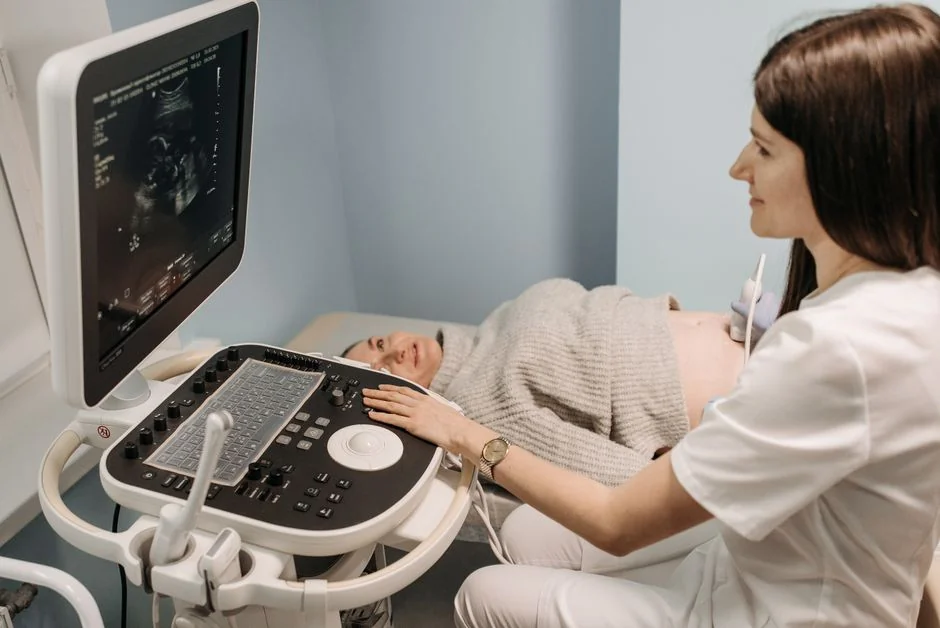
Japanese obstetric care is, on almost every metric that matters most, excellent.
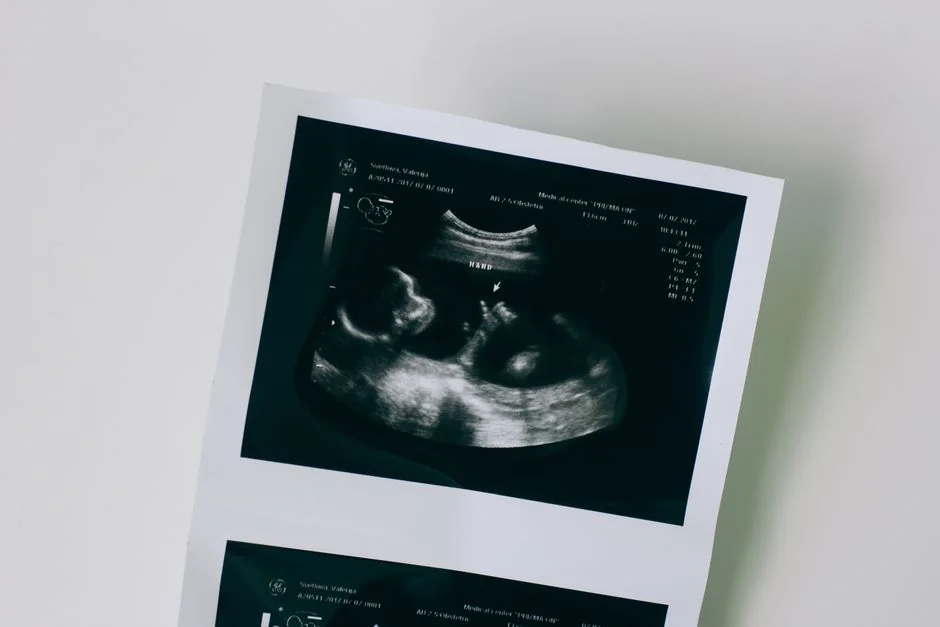
Maternal mortality is among the lowest in the world. Neonatal outcomes are outstanding. Ultrasound frequency and detail exceed what most Western systems provide as standard. The medical infrastructure that surrounds pregnancy in Japan is thorough, careful and safe.
Where the system is systematically thin, in our experience, is nutritional assessment and counselling. There are three specific gaps that matter for expat women.
The routine antenatal blood panel is narrow. A standard Japanese antenatal workup measures haemoglobin, blood type and Rh, hepatitis B and C, syphilis, HIV, rubella immunity, and blood glucose. Iron status beyond haemoglobin — meaning ferritin, transferrin saturation and total iron-binding capacity — is not routine. Vitamin D is not measured. Vitamin B12, folate status, thyroid function beyond a screening TSH, iodine and zinc are not measured. If a nutrient is not measured, a deficiency cannot be found, and the patient will be told her pregnancy blood work is normal.
Nutritional counselling is generic. Japanese antenatal counselling typically covers weight gain targets, avoidance of raw fish and undercooked meat, cautionary advice about alcohol and smoking, and a reminder to take folic acid. The concept of a structured 45-minute conversation about micronutrient status, prenatal supplement composition and dietary adequacy is not embedded in the standard care pathway. This is not because Japanese obstetricians are careless. It is because the consultation model does not include the time or the diagnostic scaffolding for that conversation.
The prenatal vitamin market is under-regulated and often under-dosed. Prenatal supplements sold at Japanese drugstores are not held to the therapeutic-dose standards that would be considered baseline in the United States, the United Kingdom or Australia. Folic acid doses in Japanese OTC prenatals often meet the daily minimum but not the therapeutically useful preconception dose. Iron content varies widely. Choline, iodine, DHA and vitamin D are often absent or present in token quantities. There is no equivalent of the US FDA Nutrition Facts framework, and label reading requires effort.
These gaps are not fatal to a healthy pregnancy — most Japanese women deliver healthy babies without a broad nutritional workup, because most Japanese women are not deficient in the nutrients that matter most. Where they matter is at the margin, and expat women often sit at the margin: dietary patterns that differ from the Japanese norm, less sun exposure, later maternal age, and often a history of hormonal contraception, restrictive dieting or long-distance travel that has depleted specific nutrients.
Preconception: the window that matters most
The most impactful window for prenatal nutrition is the three to six months before conception, not the twelve weeks after. This is the period in which the follicle that will become your egg is maturing, the endometrial lining is preparing, and — critically — your own nutrient stores are being brought to the level from which the pregnancy will draw for the next nine months and beyond.
The 1000 Days framework, formalised by the international nutrition community and now embedded in WHO maternal nutrition guidance, frames the 270 days of pregnancy plus the first 730 days of the child’s life as the window during which nutrition most powerfully shapes long-term health. What the framework often understates for the individual mother is how much of the maternal contribution is set before conception. A 2024 review of preconception nutritional status and pregnancy outcomes concluded that maternal folate, iron, vitamin D and iodine status at conception are more predictive of first-trimester outcomes than the same measures taken at the first prenatal visit.[1]
In practical terms, this means the following. If you are planning a pregnancy in the next six to twelve months, the most valuable thing you can do is not to purchase a better prenatal after your positive test. It is to have your baseline biochemistry measured now, correct any deficiencies over three to six months of active repletion, and enter conception with your stores full. The neural tube closes by day 28 of pregnancy — usually before a woman has confirmed the pregnancy — which is why folate status at conception, not after, is what matters.
For patients already pregnant, this window has passed for the current pregnancy, but the principles of active repletion still apply and become more urgent. The remaining window is smaller and the stakes are higher. We tend to work with these patients on the fastest safe correction of the deficiencies that carry ongoing risk (particularly iron, vitamin D, DHA, iodine and B12) and defer the more nuanced pre-conception work (methylation status, gut microbiome, mineral balance) to the postpartum period.
The nutrients that matter in preconception and pregnancy

The list below is not exhaustive. It is the shortlist we work through with every preconception and prenatal patient in our clinic, and it is the set of nutrients where the gap between Japanese standard care and modern functional-medicine practice is widest.
Folate — and why the form matters
Folate reduces the risk of neural tube defects by a well-documented margin and supports methylation, cell division and red blood cell production throughout pregnancy. This is the one prenatal nutrient about which Japanese antenatal care is unambiguous — 400 micrograms of folic acid daily from the preconception period onwards is the standard recommendation, aligned with international guidance.
The nuance that Japanese standard practice does not typically engage with is form. Folic acid, the synthetic form found in the great majority of prenatal supplements including Japanese OTC brands, must be converted through several enzymatic steps to the active form the body actually uses — 5-methyltetrahydrofolate, or methylfolate. Two common genetic variants of the MTHFR enzyme (C677T and A1298C) reduce the efficiency of this conversion by roughly 30 to 70 percent depending on genotype. In populations where MTHFR variants are studied, roughly 40 to 60 percent of individuals carry at least one variant allele, and roughly 10 to 25 percent are homozygous for a variant with meaningfully reduced enzyme activity.[2]
For a woman with reduced MTHFR activity, high-dose folic acid supplementation can lead to accumulation of unmetabolised folic acid in the serum, which is metabolically inert and, in some analyses, associated with masking of B12 deficiency and possible epigenetic effects on the developing fetus. A 2024 review of methylfolate versus folic acid in pregnancy concluded that methylfolate (as 5-MTHF or the calcium salt L-methylfolate) is at least as effective as folic acid at raising red-cell folate, is not affected by MTHFR variants, and does not accumulate as unmetabolised folic acid.[3]
Our default in clinic is to recommend methylfolate at 400 to 800 micrograms daily for preconception and pregnancy, combined with methylated B12 (methylcobalamin) at 500 to 1,000 micrograms. Testing MTHFR genotype is not routinely necessary — we simply prescribe the methylated forms, which work regardless of genotype and do not carry the folic acid accumulation concern. For patients who insist on knowing their genotype, MTHFR testing is available privately in Tokyo through several international-facing laboratories.
Iron
Iron requirements roughly double during pregnancy to support maternal blood volume expansion, placental development and fetal iron stores. Iron deficiency in early pregnancy is associated with increased risk of preterm birth, low birth weight and impaired infant neurodevelopment, and is the single most common nutritional deficiency in pregnancy globally.
Japanese antenatal care checks haemoglobin routinely. It does not check ferritin. A woman with a haemoglobin of 11.8 g/dL in the second trimester will be told her blood is normal, even if her ferritin is 8 ng/mL and she has entered pregnancy with essentially no iron reserve. As we describe in our guide to iron deficiency in women living in Japan, this gap between haemoglobin-only screening and full iron status assessment is one of the most consequential omissions in Japanese standard practice for women.
Our approach in preconception is to check ferritin, transferrin saturation and TIBC at least four months before planned conception, and to bring ferritin into the 70 to 100 ng/mL range before pregnancy begins where possible. In an ongoing pregnancy, ferritin above 30 ng/mL is a reasonable minimum by the second trimester, with active repletion below that threshold. Iron bisglycinate at 25 to 50 mg elemental iron on alternate mornings is well-tolerated and takes advantage of the alternate-day absorption benefit demonstrated in recent iron pharmacology research. Where oral iron is insufficient or poorly tolerated, intravenous iron via referral to an obstetric service in Tokyo is a well-established option.
Iodine — a Japanese-specific complication
Iodine is required for fetal thyroid development and neurocognitive maturation. Iodine requirements rise from approximately 150 micrograms daily in non-pregnant adults to 220 to 250 micrograms daily in pregnancy and 250 to 290 micrograms daily in lactation. Severe iodine deficiency in pregnancy is one of the leading preventable causes of intellectual disability worldwide, and even mild-to-moderate deficiency has been associated with subtle reductions in child cognitive outcomes.
Japan is a special case for iodine. The traditional Japanese diet, built around seaweed (particularly kombu, wakame and nori) and seafood, delivers iodine at levels that are among the highest in the world. A single serving of kombu dashi can contain many milligrams of iodine — orders of magnitude above the pregnancy requirement. This has produced two distinct clinical patterns in our patients.
Iodine excess in Japanese-diet-adherent expats. An expat woman who has enthusiastically adopted a traditional Japanese diet with daily kombu dashi, generous nori consumption and regular seaweed salads can easily exceed the tolerable upper intake for iodine, which is 1,100 micrograms daily for adults. Chronic iodine excess in pregnancy can precipitate transient neonatal hypothyroidism and, in mothers with underlying thyroid autoimmunity, can trigger or worsen thyroid dysfunction. Japanese neonatal screening picks up frank cases, but subclinical effects go undetected.
Iodine deficiency in Western-diet-adherent expats. An expat woman who cooks primarily from a Western repertoire — European or American recipes, minimal seaweed, non-iodised salt, no daily miso — can easily fall below the pregnancy requirement, particularly in a country where iodised salt is not the norm and dairy iodine content is variable. Japanese table salt is generally not iodised, in contrast to the United States, where iodised salt is a major dietary iodine source.
Our default is to ask about seaweed consumption at every preconception and prenatal consultation, and to test urinary iodine spot testing where the dietary picture is ambiguous or where thyroid antibodies are positive. Supplementation, when indicated, is capped at 150 to 250 micrograms daily and is used cautiously in patients with positive anti-TPO antibodies. In most cases the more useful intervention is dietary calibration — a modest daily intake of nori or wakame usually meets requirements without approaching the excess range.
Vitamin D
Vitamin D deficiency in pregnancy has been associated with increased risk of preeclampsia, gestational diabetes, low birth weight and childhood asthma. It is close to universal in reproductive-age women in Tokyo. A 2019 study of pregnant Japanese women documented vitamin D insufficiency in the great majority of the cohort, associated with UV avoidance and low dietary vitamin D intake.[4] A more recent 2023 blood survey in Tokyo found that 98 percent of adults tested were below the sufficiency threshold.[5] Japanese obstetric care generally does not screen for vitamin D deficiency and does not routinely recommend supplementation above the small dose in a standard prenatal.
Our approach is to test 25-hydroxyvitamin D in preconception and, where possible, in early pregnancy, and to target the 40 to 60 ng/mL functional range. Cholecalciferol at 2,000 to 5,000 IU daily is safe throughout pregnancy and lactation and is often necessary to reach the target range in expat women living in Tokyo. Vitamin K2 (MK-7) at 100 to 200 micrograms is often co-administered for calcium partitioning, though the pregnancy-specific evidence for K2 is thinner than for vitamin D itself.
DHA and long-chain omega-3 fatty acids
DHA is preferentially transferred to the fetal brain in the third trimester and continues to be transferred through breast milk throughout lactation. Maternal DHA status typically drops sharply across pregnancy without adequate intake. Prenatal DHA supplementation at 200 to 1,000 mg daily has been associated with modestly reduced risk of preterm birth, improved infant visual and cognitive markers, and better maternal mood outcomes.
In a Japanese diet built around white fish and rice, DHA intake is often adequate. In an expat diet built around Western staples with limited oily fish, it frequently is not. Our default recommendation is 500 to 1,000 mg DHA daily from a purity-tested fish oil or algal oil source throughout preconception, pregnancy and lactation. Mercury and heavy metal purity testing on the label matters — see the fish and mercury section below.
Choline
Choline is essential for fetal brain development, neural tube closure (alongside folate), and membrane synthesis. Requirements rise to approximately 450 mg daily in pregnancy and 550 mg daily in lactation. Most Japanese prenatal supplements contain little or no choline, and most Western prenatals contain a token dose well below requirement. A 2024 review of choline in pregnancy and lactation reiterated that intakes below approximately 480 mg per day are common and are associated with measurable effects on infant cognitive markers.[6]
Dietary sources are efficient — three eggs per day meet most of the choline requirement of pregnancy. Where dietary intake is insufficient (aversion to eggs is common in early pregnancy), alpha-glycerophosphocholine at 300 to 600 mg daily or CDP-choline at 250 to 500 mg daily are both compatible with pregnancy. Choline bitartrate is cheaper but less well-absorbed.
Vitamin B12
B12 is efficiently transferred across the placenta and into breast milk. Maternal B12 deficiency in pregnancy is associated with increased risk of neural tube defects independent of folate, and with infant B12 deficiency at birth. Deficiency is particularly common in vegetarian and vegan mothers, in patients on long-term proton pump inhibitors or metformin, and in patients with a history of gastric surgery.
Japanese antenatal care does not screen for B12 deficiency. We recommend testing serum B12 with homocysteine in preconception, targeting B12 above 500 pg/mL and homocysteine below 8 micromol/L. Methylcobalamin at 500 to 1,000 micrograms daily is our default supplementation form, alongside the methylfolate discussed above.
Zinc
Zinc is required for fetal growth, immune function and wound healing. Marginal zinc status in pregnancy is common and is associated with reduced birth weight and impaired immune development. Zinc status is not routinely checked in Japanese antenatal care. Supplementation at 15 to 25 mg elemental daily is safe throughout pregnancy, ideally taken in the evening away from iron. Copper monitoring is advisable for longer courses.
Magnesium
Magnesium supports muscle relaxation, sleep quality and glucose homeostasis. Pregnancy demand rises and marginal insufficiency is common. Magnesium bisglycinate at 200 to 300 mg elemental at bedtime is well-tolerated in pregnancy and often reduces leg cramps, constipation and sleep fragmentation. Magnesium citrate is a reasonable alternative but is more likely to loosen the stool at higher doses.
The prenatal supplement problem: what to look for on the label
Prenatal supplements are one of the most heavily marketed categories in the maternal health space, and the gap between what is on the shelf and what a physiologically adequate prenatal actually contains is substantial. The following is our checklist for evaluating any prenatal, whether purchased in Japan, shipped from home, or ordered through international functional-medicine sourcing channels.
Folate form and dose
Look for methylfolate (5-MTHF or L-methylfolate) at 400 to 800 micrograms rather than folic acid. If the label lists folic acid, the product is not adequate for a patient with MTHFR variants, and given the prevalence of these variants we prefer methylated forms as a default.
B12 form
Look for methylcobalamin rather than cyanocobalamin. Cyanocobalamin is cheap and stable but requires conversion in the body and is generally considered a less optimal form for prenatal use.
Iron form and dose
Iron bisglycinate or iron chelate at 18 to 45 mg elemental is well-tolerated. Ferrous sulphate at high doses is a common cause of the nausea and constipation that leads women to abandon their prenatal. If the label does not specify the form, assume ferrous sulphate.
Iodine content
150 micrograms of iodine is the standard for a prenatal in most Western markets. Japanese prenatals often contain none. Check the label. If the prenatal contains no iodine, consider the dietary picture — a woman who eats seaweed daily may not need supplementation, while a woman on a Western diet needs it.
Vitamin D
A meaningful prenatal contains at least 1,000 IU of cholecalciferol (vitamin D3). Many contain 400 IU or less, which is inadequate for a woman entering pregnancy already deficient.
Choline
Choline content in most prenatals is either absent or a token 50 to 100 mg. A prenatal containing 300 mg or more of choline is unusual and worth looking for. In practice, most patients will need to supplement choline separately or meet it through diet.
What to avoid
Prenatals containing preformed vitamin A (retinol) above 3,000 IU carry a theoretical teratogenic risk at higher doses — look for beta-carotene instead, or preformed vitamin A capped at 2,500 IU. Prenatals containing herbal blends without pregnancy safety data (raspberry leaf, ashwagandha, blue-green algae, unspecified “herbal complexes”) are generally best avoided in the first trimester and used with caution thereafter.
Our clinical practice is that no single off-the-shelf prenatal, in the Japanese market or elsewhere, quite meets the standard we would design. We typically build a prenatal stack from a well-formulated base prenatal (containing methylfolate, methylcobalamin, iodine, zinc, iron in a bioavailable form and beta-carotene) plus separate DHA, vitamin D, choline and often magnesium. This is more work at the pharmacy but produces a more physiologically appropriate result.
Fish and mercury in Japan

The question of fish intake in pregnancy is unusually consequential in Japan because fish is a dietary staple. The Japanese Ministry of Health, Labour and Welfare publishes specific guidance for pregnant women that limits certain fish species due to mercury content. This guidance is important and often not translated for expat patients.
The general framework is that most fish species commonly eaten in Japan — including cod, salmon, tuna in small amounts, mackerel, sardines, whitefish and skipjack — are safe in pregnancy at moderate consumption. The species that require limitation are those higher in the food chain, which accumulate methylmercury. The Ministry’s specific guidance recommends limiting the following:
- Bigeye tuna, bluefin tuna and swordfish: approximately 80 grams per week (one small serving).
- Southern bluefin tuna, kinmedai (splendid alfonsino) and mekajiki (swordfish): approximately 80 grams per week.
- Some deep-sea species (kinki, muro-aji dried): limited intake.
- Whale meat (including bandō-iruka products) and some shark: limit or avoid.
Skipjack tuna (katsuo), yellowfin tuna, canned light tuna, salmon, mackerel and sardines are not on the restricted list at typical Japanese dietary intake. Sushi and sashimi carry a separate consideration around foodborne illness risk (Listeria, parasites) that most Japanese obstetricians will discuss during the first prenatal visit. Cooked fish and shellfish that have been through the standard cooking process are safe.
For DHA supplementation specifically, the choice between fish oil and algal oil matters here. Fish oil from small, short-lived species (anchovies, sardines) is generally very low in mercury and heavy metals when third-party tested, and is our default recommendation. Algal DHA is entirely plant-based, avoids mercury concerns by construction, and is a good choice for patients who prefer to avoid animal products or who have concerns about fish oil sustainability.
For patients who want to maintain a substantial fish intake through pregnancy for the omega-3 benefit, our default is to encourage salmon, mackerel, sardines and skipjack (all lower on the mercury profile), limit bigeye and bluefin tuna to the Ministry-recommended threshold, and avoid swordfish and shark entirely. Sushi restaurants in Tokyo generally accommodate requests to substitute higher-mercury species with lower-mercury alternatives.
What to test and when: a preconception and pregnancy timeline
The following is the framework we use with patients planning a pregnancy or in early pregnancy. Individual timing varies with clinical picture, prior deficiencies and how much of the preconception window is still available.
Preconception — 6 to 12 months before planned conception
Full nutritional panel including ferritin with transferrin saturation and TIBC, 25-hydroxyvitamin D, vitamin B12 with homocysteine, folate (RBC folate where available), full thyroid panel including anti-TPO and anti-thyroglobulin antibodies, zinc, copper, HbA1c and fasting insulin, comprehensive metabolic panel. Where dietary or symptomatic picture suggests, add urinary iodine spot testing and omega-3 index. This is the point at which the most work can be done — deficiencies identified now can typically be corrected in three to six months of active repletion.
Preconception — 3 months before conception
Confirmation retest of any markers that were deficient at baseline. Confirm ferritin is at 70 to 100 ng/mL, vitamin D is at 40 to 60 ng/mL, B12 is above 500 pg/mL, homocysteine is below 8 micromol/L. Begin methylfolate at 400 to 800 micrograms daily if not already started. Discontinue hormonal contraception at this stage or earlier per clinical judgement.
First trimester — weeks 4 to 12
Standard Japanese antenatal blood work at the first prenatal visit. If preconception panel was not done, add ferritin, 25-hydroxyvitamin D, B12, homocysteine and TSH with free T4 to the initial obstetric workup. Continue prenatal supplementation. If nausea is limiting oral intake, prioritise fluid, small frequent meals and a prenatal that can be taken with food — split dosing across the day is often better tolerated than a single large dose.
Second trimester — weeks 13 to 27
Retest ferritin at approximately 20 weeks. Iron requirements rise steeply in the second half of pregnancy and even a woman who entered pregnancy with adequate iron may drop below the ferritin threshold requiring supplementation. Consider retesting 25-hydroxyvitamin D if the initial level was borderline.
Third trimester — weeks 28 to 40
Standard obstetric surveillance. Continue prenatal supplementation. DHA becomes particularly relevant in the third trimester as fetal brain accumulation accelerates — if DHA has been intermittent, this is the time to consolidate. Prepare for the postpartum period by having postpartum supplementation planned rather than assembling it while sleep-deprived with a newborn.
Postpartum
See our companion guide to postpartum depletion recovery, which covers the twelve-month repletion window that follows delivery.
Where to source what
Sourcing high-quality prenatal supplements in Japan is more work than it should be. The Japanese market carries the mainstream domestic brands (Bayer Elevit is available; several pharmacy-brand prenatals are widely stocked), but the boutique functional-medicine brands most commonly recommended in Western obstetric-nutrition literature — Klaire Labs, Thorne, Pure Encapsulations, Seeking Health, Metagenics — are not typically stocked in Japanese pharmacies.
Our patients typically source these through one of three channels: iHerb Japan shipping (which we discuss in our iHerb sourcing guide), direct international shipping from the manufacturer or from US or European online retailers, or through a Japan-based functional-medicine clinic that stocks a curated range. Dr.JUN’s Store, our own clinic-linked supplement line, carries several Klaire Labs products including Complete Biotic Powder and other functional-medicine-tier formulations that are relevant to preconception gut and immune preparation.
For readers building a preconception or pregnancy stack from scratch, our detailed guide to where to buy Klaire Labs in Japan covers the specific sourcing pathways for the higher-tier prenatal-relevant supplements, including customs considerations, shipping timeframes and cost comparison.
Dr. Karibe’s Choice
Complete Biotic Powder
Broad-spectrum multi-strain probiotic used in our preconception protocol for maternal gut microbiome preparation.
Format: Powder, mixes into water or into a smoothie
Maternal gut microbiome status at conception is a documented determinant of neonatal microbiome seeding at birth and influences infant immune development. We include a well-formulated multi-strain probiotic in our preconception protocol for patients with a history of antibiotic exposure, restrictive dieting or gut symptoms.
View at Dr.JUN’s Store →
·
Also available in-clinic at BIOTOPE
Common preconception scenarios in our clinic
The following patient profiles come up repeatedly in our preconception consultations. If one resembles your situation, the workup that follows is likely to be relevant.
The 35-plus first-time expat mother
A professional in her mid to late thirties, often on hormonal contraception for a decade or more, often having relocated to Tokyo within the last five years, planning a first pregnancy. Common findings on preconception panel include low ferritin (particularly in vegetarians and in women with heavy menstrual bleeding), vitamin D insufficiency, borderline B12 in vegetarians and in women on long-term proton pump inhibitors, and occasional thyroid antibody positivity that has never been screened.
The second-pregnancy mother still depleted from the first
A mother whose first child is 18 months to three years old, considering a second pregnancy. Postpartum repletion from the first pregnancy was never actively done. Common findings include persistently low ferritin, still-depleted vitamin D, ongoing borderline B12 particularly if breastfeeding continued into the second year, and occasional postpartum thyroiditis that has evolved into stable subclinical hypothyroidism. Correcting these deficiencies before the next pregnancy is far easier than trying to do so during it.
The vegetarian or vegan patient
A patient whose diet is plant-forward or fully plant-based. This dietary pattern is compatible with a healthy pregnancy but requires deliberate attention to B12 (essentially always requires supplementation), iron (bioavailability from plant sources is lower and often needs supplementation particularly with heavy menstrual bleeding), DHA (algal DHA supplementation), choline (higher plant intake or supplementation) and zinc. See our companion guide to B12 deficiency in vegans and vegetarians in Japan for detail on this specific pattern.
The patient with a prior pregnancy loss
A patient with a history of one or more pregnancy losses, often already receiving obstetric investigation for recurrent loss. Nutritional workup complements rather than replaces the standard recurrent-loss investigation but often identifies contributory factors: low vitamin D, low B12 with elevated homocysteine, thyroid antibody positivity, or metabolic dysregulation. We coordinate with the treating obstetrician rather than duplicating their workup.
The patient with polycystic ovary syndrome or a history of gestational diabetes
Metabolic preconception preparation matters. Fasting insulin, HbA1c and where indicated an oral glucose tolerance test give a picture of insulin sensitivity. Myo-inositol at 2 grams twice daily is well-supported by preconception trials in PCOS. Vitamin D repletion, adequate magnesium and structured dietary carbohydrate management usually form the core of the preconception plan for this group.
What Japanese antenatal care does well that expat patients should not skip
It would be a mistake to read this article as an indictment of Japanese antenatal care. There are several things Japanese obstetric practice does well that expat patients sometimes underuse.
Ultrasound surveillance. Japanese antenatal care includes more frequent and more detailed ultrasound than most Western systems. This is genuinely reassuring and diagnostically valuable. Take full advantage of it.
Group B strep and gestational diabetes screening. Both are done at the standard intervals and both are important. Do not defer or decline these.
Postnatal blood pressure and weight surveillance. The one-month postnatal visit picks up postpartum preeclampsia and other complications reliably.
Structured maternal weight tracking. Japanese antenatal care tracks weight gain against the standard curve carefully. Expat patients occasionally read this as excessive scrutiny; it is genuinely valuable and reflects a Japanese cultural pattern of active weight management in pregnancy that produces good outcomes.
Delivery and immediate postnatal care. Japanese obstetric delivery is safe, highly professionalised and generally excellent. The postpartum stay is typically longer than in the West and provides a genuinely useful period of lactation support and physical recovery.
Our own consultations sit alongside rather than in place of standard obstetric care. We coordinate with the treating obstetrician, share our findings on request, and do not intervene in obstetric decision-making. The nutritional layer is additive.
Frequently asked questions
Should I switch from folic acid to methylfolate if I am already pregnant?
Yes, this is safe and often preferable. Methylfolate at 400 to 800 micrograms daily is at least as effective as folic acid at raising red-cell folate and avoids the unmetabolised folic acid concern. If you are already taking a folic-acid-based prenatal without any adverse effect, there is no harm in continuing it, but for a new stack we default to methylfolate.
Do I need MTHFR testing?
Not routinely. Because methylfolate works regardless of MTHFR genotype, testing rarely changes management. We test only in patients with a strong family history of neural tube defects, recurrent pregnancy loss with confirmed hyperhomocysteinemia, or a patient who specifically wants the information for reasons of their own.
Is it safe to take a Western prenatal purchased from iHerb or shipped from home?
Generally yes, provided you read the label against the criteria in this article and confirm the vitamin A form is beta-carotene or a low-dose retinol. Well-formulated Western prenatals are often superior to Japanese OTC options for expat patients. Confirm any iodine content against your dietary picture.
How much fish is safe in pregnancy in Japan?
Most commonly eaten fish species in Japan are safe at moderate consumption. The species requiring specific limitation are bigeye and bluefin tuna, swordfish, kinmedai and whale meat, which should be limited to approximately 80 grams per week or less. Salmon, mackerel, sardines and skipjack are not on the restricted list at typical intake. Sushi and sashimi carry a separate foodborne-illness consideration that your obstetrician will discuss.
Do I need to supplement DHA if I eat fish regularly?
If you eat oily fish (salmon, mackerel, sardines) at least three times a week, dietary DHA is often adequate. If your fish intake is lower or is predominantly white fish, we recommend DHA supplementation at 500 to 1,000 mg daily throughout pregnancy and lactation.
My obstetrician says my blood work is normal. Why would I need this?
Japanese antenatal blood work measures the markers required for obstetric safety and screening. It does not include ferritin, vitamin D, B12, homocysteine, thyroid antibodies or iodine. A woman can be told her blood work is normal while remaining deficient in nutrients that shape the pregnancy and her postpartum recovery. The two workups answer different questions.
Can I have this consultation while I am pregnant?
Yes. Our preconception and prenatal consultations use the same ¥22,000 nutritional panel described in our orthomolecular nutrition therapy pillar, with the interpretation and supplement protocol calibrated to pregnancy. We coordinate with your obstetrician and share findings on request.
Is Japanese national insurance going to cover any of this?
No. Standard antenatal care in Japan is covered through the pregnancy voucher system. A broad preconception or prenatal nutritional panel is classified as jihi shinryo (private-fee care) and is not reimbursed. The ¥22,000 consultation fee is paid at the clinic.
What if I have a chronic condition (thyroid disease, diabetes, autoimmune condition)?
Preconception nutritional workup is particularly valuable in this group, but should be coordinated with the treating specialist. We do not manage the underlying condition — that stays with your endocrinologist, rheumatologist or GP — but we identify and correct the nutritional layer that often runs alongside chronic disease. Bring your existing medication list and recent blood work to the consultation.
How this fits into a nutrition therapy consultation at BIOTOPE CLINIC
Preconception and prenatal nutrition is one of the highest-leverage windows in a woman’s life to invest in nutritional biochemistry.
The response to correct diagnosis and appropriate repletion is often meaningful, and the downstream effect on pregnancy, delivery and postpartum recovery is substantial. Our orthomolecular nutrition therapy consultation at ¥22,000 includes the preconception and prenatal-specific markers described above within the standard 60-plus nutritional panel, with a written protocol calibrated to the pregnancy stage and the specific dietary logistics of life in Tokyo. Consultations are in English, coordinate with your treating obstetrician on request, and results appointments can be done by secure video call for patients whose first-trimester nausea makes travel difficult.
Orthomolecular Nutrition Therapy at BIOTOPE Tokyo
¥22,000 (approximately US$150) — a complete personalised programme built around your blood biochemistry.
- Preconception and prenatal panel — ferritin, vitamin D, B12, homocysteine, full thyroid, iodine, zinc — within the 60+ marker workup
- Interpretation by Dr. Jun Karibe, MD using functional-medicine reference ranges
- Written prenatal supplement protocol using methylated forms and physician-selected products
- Dietary plan calibrated to Japanese food environment and pregnancy fish/mercury considerations
- English-language consultation and written report; coordinates with your obstetrician on request
BIOTOPE Clinic Shirokanedai · 5 minute walk from Shirokanedai Station
References
- Stephenson J, Heslehurst N, Hall J, et al. Before the beginning: nutrition and lifestyle in the preconception period and its importance for future health, updated 2024 review. Lancet Preconception Series and follow-up reviews. Link
- Liew SC, Gupta ED. Methylenetetrahydrofolate reductase (MTHFR) C677T polymorphism: epidemiology, metabolism and the associated diseases. Reviewed with updated 2024 data on prevalence. Eur J Med Genet. Link
- Servy EJ, Menezo Y. The methylfolate/folic acid controversy in prenatal supplementation: updated evidence and clinical implications 2024. Reprod Biol Endocrinol. Link
- Kurihayashi AY, Aoyama M, Yasuda J, et al. High frequency of vitamin D deficiency in current pregnant Japanese women associated with UV avoidance and hypo-vitamin D diet. PLOS One 2019. Link
- Nishimura A, Kudo H, et al. Study of blood tests in Tokyo finds 98% as having vitamin D deficiencies. Japan Today, 2023. Link
- Korsmo HW, Jiang X, Caudill MA. Choline: exploring the growing science on its benefits for moms and babies. Nutrients 2024 review. Link
- Japanese Ministry of Health, Labour and Welfare. Advisory on fish and mercury for pregnant women (updated guidance). Link
- WHO. Nutritional interventions update: multiple micronutrient supplements during pregnancy. 2024 update. Link
Educational content. Not individual medical advice. Preconception and prenatal supplementation decisions should be made in coordination with your treating obstetrician, midwife or physician. If you are pregnant and have concerns about a specific symptom, contact your obstetric provider directly.
Book a Consultation or Treatment
Our English-speaking team responds via LINE or WhatsApp — usually the same day.
Related Articles
- Postpartum Depletion in Japan: Recovery Plan
- Fertility Nutrition for Couples in Tokyo
- Iron Deficiency in Women Living in Japan
- Vitamin D Deficiency in Tokyo: The 98% Problem
SUPERVISED BY
Dr. Jun Karibe
MD
Director
Education & Career
Certifications
Awards
MEDICAL REVIEW