Preparing for Volnewmer in Tokyo: Consultation, Contraindications, and Pre-Treatment Care
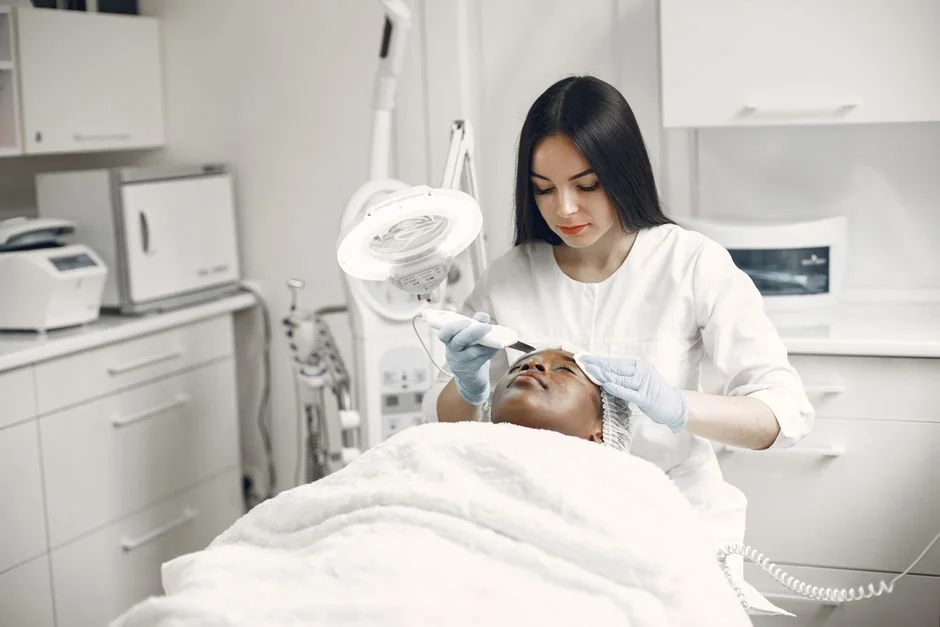
Deciding to pursue a skin-rejuvenation treatment is an important step, and it is entirely natural to want thorough, reliable information before your first appointment — especially when navigating a medical system in a second language.
This guide explains everything you need to know about preparing for Volnewmer treatment in Tokyo: what the procedure involves, who is suitable, what absolute and relative contraindications exist, and how to care for your skin in the weeks leading up to your session.
What you’ll learn in this article:
- What Volnewmer is and how it differs from other radiofrequency skin treatments
- Who is and is not a suitable candidate, including specific contraindications
- Step-by-step pre-treatment preparation guidelines
- What to expect during the consultation process at a Tokyo clinic
- Realistic cost ranges for Volnewmer in Tokyo
Have a question about this treatment?
Message us on LINE or WhatsApp — our English-speaking team usually replies the same day.
What Is Volnewmer?
The fundamental mechanism is collagen remodelling. RF energy heats the dermis (the middle layer of skin) to a therapeutic temperature range — typically between 40°C and 45°C — without burning the epidermis above it. This controlled thermal stress causes existing collagen fibres to contract and simultaneously stimulates fibroblast cells to produce new collagen and elastin over the following weeks and months. The result is progressive skin tightening, improved texture, and a reduction in laxity.
Volnewmer is particularly noted for its ability to treat larger surface areas efficiently, making it a practical option for full-face rejuvenation, neck laxity, and body areas such as the abdomen and inner arms. It is considered a comfort-focused treatment, as many configurations incorporate real-time temperature monitoring and impedance feedback to maintain consistent energy delivery while minimising discomfort.
How Volnewmer Differs from Comparable RF Treatments
Patients researching skin tightening in Tokyo will encounter several RF-based options, and understanding the distinctions helps set realistic expectations.
| Feature | Volnewmer | Morpheus8 (RF Microneedling) | HIFU (Ultherapy-type) |
|---|---|---|---|
| Energy modality | Radiofrequency (contact, non-invasive) | Radiofrequency + microneedles (minimally invasive) | High-intensity focused ultrasound |
| Skin penetration | None (intact skin surface) | Yes (needle depth 0.5–4 mm) | None (focused below surface) |
| Primary target | Dermis and superficial subcutaneous layer | Deep dermis and subcutaneous fat | SMAS layer (deep facial fascia) |
| Downtime | Minimal (mild redness, 24–48 h) | Moderate (redness, pinpoint marks, 3–5 days) | Minimal to none (occasional swelling/tingling) |
| Suitable for darker skin tones | Generally yes | Generally yes (insulated needles protect surface) | Generally yes |
| Pain level (typical) | Low to moderate | Moderate (topical anaesthetic used) | Moderate to high (no anaesthetic usually required) |
| Collagen stimulation onset | 4–8 weeks post-treatment | 4–6 weeks post-treatment | 2–6 months post-treatment |
Morpheus8 RF microneedling is also available at the Ichigaya clinic; if you are unsure which approach best suits your skin type and concerns, this comparison is something the clinic’s consultation team can discuss in detail during your appointment.
What to Expect During the Consultation
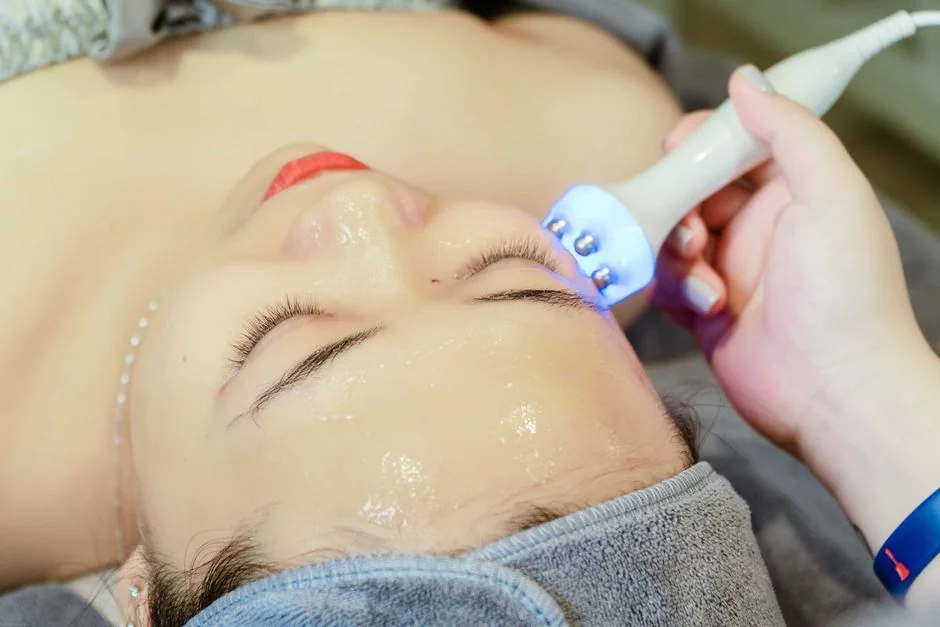
A thorough pre-treatment consultation is not a formality — it is a clinical necessity for a procedure that delivers thermal energy into living tissue.
At BIOTOPE CLINIC or Kojimachi Dermatology & Plastic Surgery Clinic, the initial consultation fee is ¥3,300, and a dedicated consultation with Dr. Karibe for surgical or more complex cosmetic concerns is ¥2,200.
What the Consultation Covers
During your first appointment, the treating physician will review your complete medical history, with particular attention to any implanted devices, autoimmune or inflammatory skin conditions, current medications, and recent cosmetic procedures. The skin in the target area will be assessed visually and, where relevant, with a dermatoscope or skin analyser to document baseline condition.
Your aesthetic goals will be discussed candidly. The physician will explain what degree of improvement is realistic based on your skin laxity, age, and Fitzpatrick skin type, and will outline the likely number of sessions required. This is also the opportunity to ask questions about the device settings, energy levels, and how Volnewmer compares with alternative options on the clinic’s treatment menu.
In our clinical experience at Kojimachi Dermatology & Plastic Surgery Clinic, many international patients appreciate receiving written consultation notes in English summarising the recommended protocol, contraindications identified, and pre-care instructions — this removes ambiguity and supports informed consent.
Photographs and Baseline Documentation
Standardised clinical photographs are taken before any energy-based treatment. These serve as your personal baseline record and enable an objective comparison at follow-up appointments. Without pre-treatment photography, it is genuinely difficult to appreciate the gradual collagen-stimulating changes that unfold over several months — a point worth keeping in mind when evaluating your results.
Contraindications: Who Should Not Undergo Volnewmer
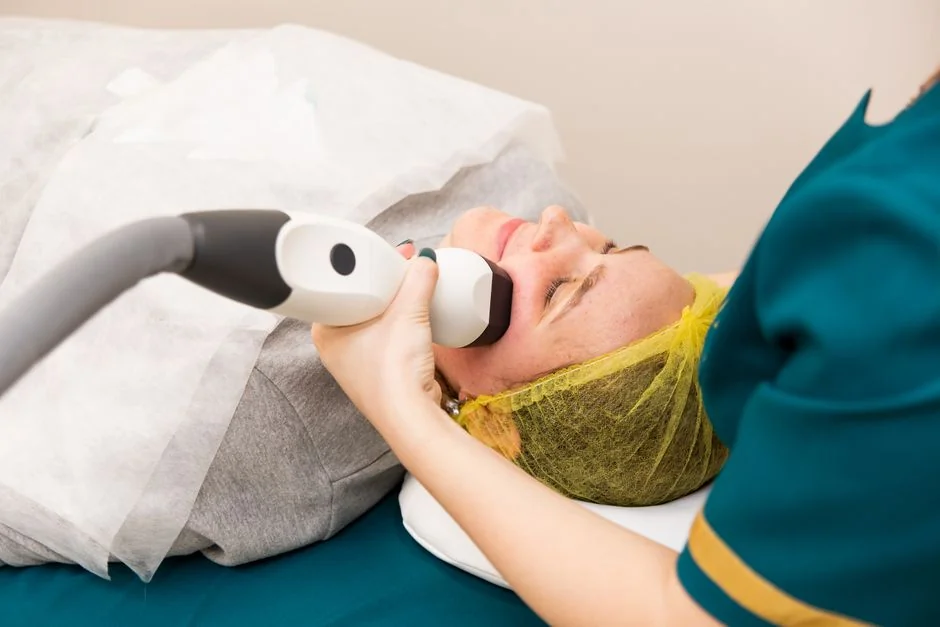
Understanding contraindications is essential before committing to any energy-based treatment. The following list reflects standard clinical guidelines for RF-based devices; some items are absolute contraindications (treatment must not proceed), while others are relative contraindications (treatment may be possible after further evaluation or modification).
Absolute Contraindications
- Implanted electronic devices: Cardiac pacemakers, implantable cardioverter-defibrillators (ICDs), cochlear implants, and neurostimulators can be disrupted by RF fields. Treatment is not appropriate for patients with these devices.
- Metal implants in or near the treatment area: Metal plates, screws, or joint replacements within the intended treatment zone can concentrate RF energy unpredictably, causing thermal injury to surrounding tissue.
- Pregnancy: The safety of RF energy devices during pregnancy has not been established. Treatment is contraindicated throughout all trimesters.
- Active infection or open wounds in the treatment area: Treating over active acne pustules, open lesions, herpes simplex outbreaks, or broken skin risks spreading infection and impairing healing.
- Active skin cancer or suspected malignancy in the treatment zone: RF energy should never be applied over a lesion of uncertain or known malignant nature.
- Severe or unstable systemic illness: Patients with poorly controlled diabetes, bleeding disorders, or significant cardiovascular disease require physician clearance before any elective cosmetic procedure.
Relative Contraindications and Cautions
- Recent cosmetic injectables: Hyaluronic acid fillers placed within four to six weeks before treatment may be inadvertently displaced or degraded by heat. Discuss the timing and location of any recent filler injections during your consultation.
- Isotretinoin use: Patients currently taking or who have recently completed a course of isotretinoin (a vitamin A–derived oral acne medication) may have impaired wound-healing capacity. A waiting period of six to twelve months is commonly recommended, depending on the treating physician’s assessment.
- Autoimmune skin conditions: Lupus erythematosus, scleroderma, and similar conditions may increase the risk of adverse responses to thermal energy. Treatment requires individual evaluation.
- Fitzpatrick skin types V–VI with very superficial settings: While RF energy itself is colour-blind (unlike laser light), incorrect parameter selection can still cause post-inflammatory hyperpigmentation (darkening after inflammation) in patients with higher melanin concentrations. Experienced operator technique is important.
- Severe skin laxity: Patients with very significant tissue ptosis (sagging) may achieve only modest benefit from non-invasive RF and could be better served by a surgical approach such as a thread lift or, in appropriate cases, surgical blepharoplasty or other procedures. The clinic’s team can provide honest guidance on whether a non-surgical or combined approach is most suitable.
Dr. Karibe’s Note
Many of our international patients are surprised to learn that even a relatively minor recent procedure — such as hyaluronic acid filler placed six weeks prior — can affect the timing and parameters of their Volnewmer session. The consultation is specifically designed to uncover these details. I encourage patients to bring a complete list of any injectables, supplements, or medications they are currently taking, even if they seem unrelated to the skin. This information allows us to create the safest and most effective treatment plan.
Common Misconceptions About Volnewmer
A significant amount of misinformation circulates online about RF skin treatments, and it is worth addressing two of the most frequently encountered misunderstandings directly.
Misconception 1: “Non-invasive means no risk.” The absence of needles or incisions does not mean a treatment carries no risk of adverse effects. Volnewmer delivers genuine thermal energy into tissue; when applied by an inadequately trained operator at incorrect parameters, it can cause erythema (persistent redness), oedema, blistering, or — in rare cases — paradoxical fat loss in areas where energy penetrates too deeply into the subcutaneous layer. Risk is minimised, not eliminated, by choosing a clinic with qualified medical supervision.
Misconception 2: “One session is enough.” A single Volnewmer session initiates a biological process of collagen remodelling, but this process unfolds over weeks and months. Most published treatment protocols and clinical observations suggest that a course of three to six sessions, spaced four to six weeks apart, produces more consistent and sustained results than a single treatment. Studies suggest that the majority of collagen neogenesis (new collagen formation) occurs between four and twelve weeks after each session, meaning patience is an integral part of the treatment plan.
Pre-Treatment Care: Preparing Your Skin
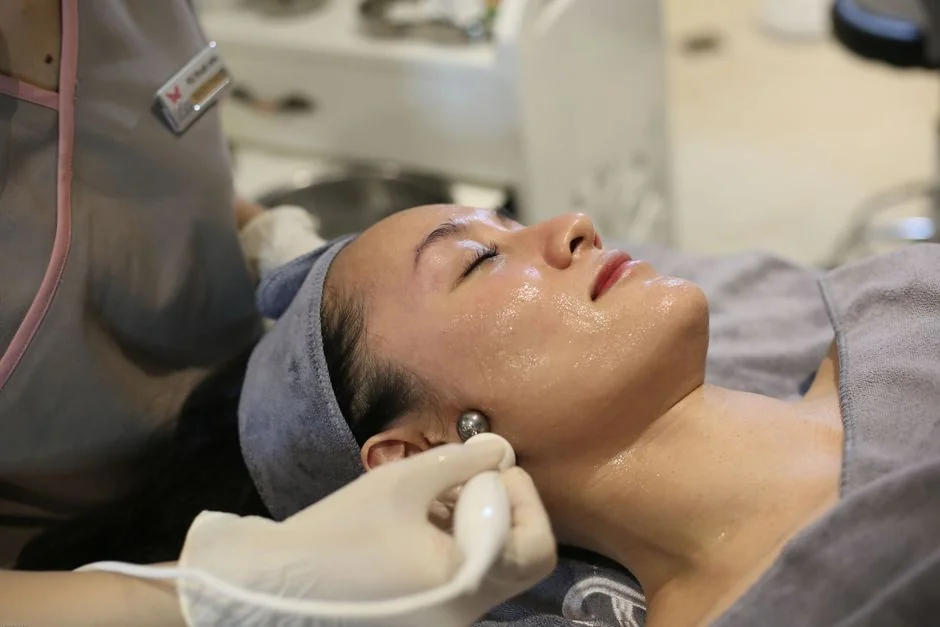
Proper preparation in the two to four weeks before a Volnewmer session can meaningfully improve both the safety and the outcome of treatment. The following guidelines reflect standard clinical recommendations; your treating physician may adjust these based on your individual skin assessment.
Skincare Adjustments
- Discontinue exfoliating actives: Stop using retinoids (retinol, tretinoin), alpha-hydroxy acids (glycolic, lactic), beta-hydroxy acids (salicylic acid), and physical exfoliants at least five to seven days before treatment. These agents thin the epidermal barrier and increase the risk of sensitivity reactions.
- Avoid professional chemical peels or laser treatments: Allow a minimum of two to four weeks of recovery after any prior ablative or semi-ablative procedure before undergoing Volnewmer on the same area.
- Maintain a simple, hydrating routine: In the week before treatment, focus on gentle cleansing, a fragrance-free moisturiser, and broad-spectrum SPF 30 or higher applied daily. Well-hydrated skin transmits RF energy more uniformly.
- Do not use self-tanning products: Artificial tan on the skin surface can interfere with treatment parameters; avoid self-tanners for at least one week before your appointment.
Lifestyle and Medical Considerations
- Sun exposure: Avoid deliberate sun tanning for at least two weeks before your session. Sunburned or recently sun-damaged skin should not receive RF treatment until it has fully recovered.
- Herpes simplex prophylaxis: Patients with a known history of cold sores (herpes simplex virus type 1) around the mouth should inform the clinic in advance. A short prophylactic course of antiviral medication may be prescribed to prevent an outbreak triggered by the heat stimulus. Antiviral prescriptions are available through the clinic’s dermatology department.
- Blood-thinning supplements: High-dose fish oil, vitamin E, ginkgo biloba, and similar supplements can increase bruising risk. Discuss these with the treating physician at least one week before treatment.
- Hydration: Arrive at your appointment well-hydrated. Adequate hydration supports tissue conductivity and overall comfort during the procedure.
- Arrive with clean skin: On the day of treatment, come to the clinic with no makeup, sunscreen, or skincare products on the treatment area. The clinic will provide a cleanse prior to the procedure, but arriving with product-free skin saves time and reduces the risk of residue affecting the applicator contact.
Cost of Volnewmer in Tokyo
At Kojimachi Dermatology & Plastic Surgery Clinic, Volnewmer is priced between ¥66,000 and ¥165,000 per session, depending on the treatment area (face only, face and neck, body areas) and the number of passes included in the protocol.
A full-face course of three sessions will therefore typically fall in the range of ¥198,000 to ¥495,000, though package pricing may be discussed during consultation.
It is worth noting that the initial consultation fee of ¥3,300 is charged separately and applies regardless of whether you proceed with treatment. Patients are under no obligation to book a treatment session following their consultation. For an accurate quote based on your specific treatment area and goals, we recommend booking a consultation.
Have a question about this treatment?
Message us on LINE or WhatsApp — our English-speaking team usually replies the same day.
What to Expect: Before, During, and After Your Session
Understanding the full arc of a Volnewmer session — from the moments before treatment begins to the weeks following — helps patients arrive with realistic expectations and reduces post-treatment anxiety.
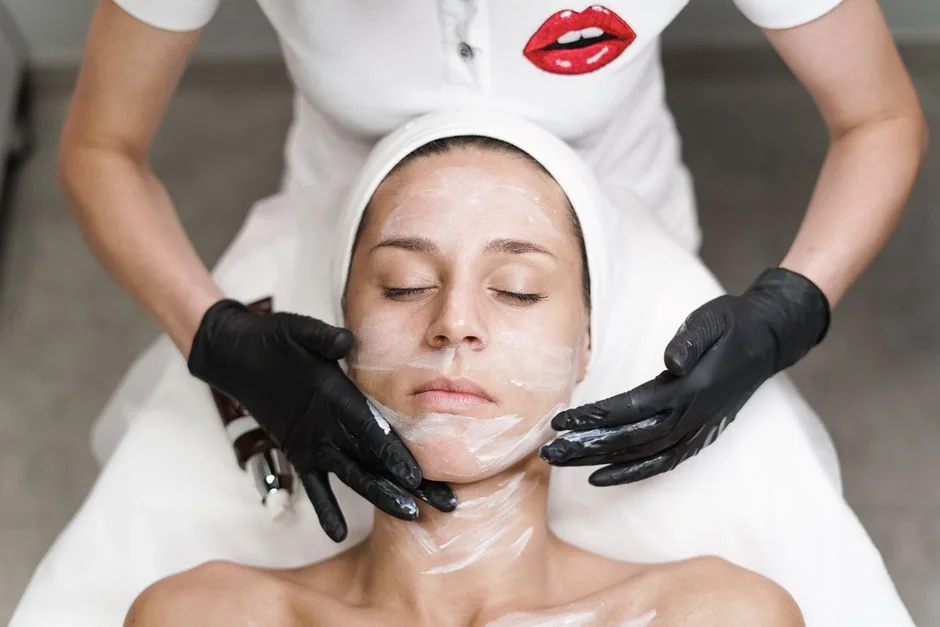
Before: A nurse or technician will cleanse the treatment area and take pre-treatment photographs. A coupling gel or conductive medium is applied to the skin to facilitate smooth applicator movement and consistent energy delivery. Topical anaesthetic is not routinely required for Volnewmer, though it may be offered to patients with lower pain tolerance or when treating sensitive areas.
During: The handpiece is moved in slow, overlapping passes across the treatment zone. Patients typically describe a warming sensation that intensifies slightly with each pass but does not become acutely painful. Real-time thermal feedback ensures the skin surface remains within a safe temperature window. A full-face session typically takes 30 to 60 minutes.
Immediately after: The skin will appear pink to moderately red — similar in appearance to a mild sunburn — and may feel warm to the touch. This is an expected acute inflammatory response and generally subsides within 24 to 48 hours. Some patients experience mild oedema (tissue swelling) around the eyes or cheeks, which typically resolves within 48 hours.
In the following weeks: Clinical reports indicate that the most noticeable improvement in skin firmness and texture tends to emerge approximately four to eight weeks after each session, as new collagen continues to remodel and mature. Final results are generally assessed at three months following the last session in a course.
At our clinic in Ichigaya, Tokyo, we frequently see patients who return for a follow-up appointment four to six weeks after their first session and are pleased to notice early improvements in skin tone and texture, even before their collagen remodelling is complete — which reinforces the importance of scheduling and attending follow-up appointments as planned.
Who Is a Good Candidate for Volnewmer?
Volnewmer tends to produce the most satisfying results in patients who present with the following characteristics:
- Mild to moderate skin laxity on the face, neck, jawline, décolleté, abdomen, or inner arms
- Patients in their mid-thirties to mid-sixties who retain reasonable baseline skin quality
- Those seeking skin tightening without the recovery time associated with surgical or RF microneedling procedures
- Patients with Fitzpatrick skin types I–VI, provided treatment parameters are calibrated appropriately
- Individuals who prefer a gradual, progressive improvement rather than an immediate visible change
- Those who are not pregnant, do not have implanted electronic or metal devices in the treatment zone, and do not have active inflammatory or infectious skin conditions
Patients with severe skin laxity, significant subcutaneous fat excess, or very deep rhytides (wrinkles) may benefit more from combining Volnewmer with complementary treatments such as HIFU for deeper tissue lifting or hyaluronic acid filler for volume restoration. HIFU is available at the Ichigaya clinic across a range of intensities and focal depths — feel free to ask about a combined approach during your consultation.
Frequently Asked Questions
- Q. How many Volnewmer sessions will I need?
- Most treatment protocols recommend between three and six sessions spaced four to six weeks apart, depending on the target area and degree of laxity. A single session initiates collagen remodelling, but clinical reports consistently indicate that a course of multiple sessions produces more durable and visible outcomes. Your treating physician will recommend a protocol suited to your individual assessment.
- Q. Is there any downtime after Volnewmer?
- Downtime is minimal for most patients. Redness and warmth lasting 24 to 48 hours are common; mild swelling around the eyes or cheeks may persist for up to 48 hours. Most patients return to work or normal activities the following day. Strenuous exercise, saunas, and direct sun exposure are typically advised against for 48 to 72 hours post-treatment.
- Q. Can Volnewmer be combined with other treatments on the same day?
- In many cases, yes — combining Volnewmer with complementary non-ablative treatments on the same visit can be efficient and clinically synergistic. However, Volnewmer should generally not be performed on the same area as ablative laser resurfacing, RF microneedling, or chemical peels on the same day, as cumulative thermal load increases adverse-event risk. Your consulting physician will design a staged treatment schedule if combination therapy is appropriate for your goals.
- Q. Does Volnewmer treatment hurt?
- Most patients describe the sensation as a deep warmth or moderate heat that is tolerable without anaesthesia. The intensity can vary depending on the treatment area (bony prominences such as the forehead and jawline tend to feel more intense), the energy settings used, and individual pain tolerance. Topical anaesthetic can be applied prior to treatment for patients who prefer additional comfort.
- Q. How long do Volnewmer results last?
- The collagen produced in response to Volnewmer treatment is genuine new tissue, and studies suggest that results may persist for one to two years following a full course of treatment. However, the natural ageing process continues after treatment; most patients choose to maintain their results with one or two annual maintenance sessions. Individual variation in longevity is influenced by sun exposure habits, skincare routine, lifestyle factors, and rate of intrinsic ageing.
- Q. Is the consultation at BIOTOPE CLINIC or Kojimachi Dermatology & Plastic Surgery Clinic available in English?
- Yes. The clinic offers consultations in English for international patients. The initial consultation fee is ¥3,300. Patients are encouraged to bring a complete list of medications, supplements, and any prior cosmetic treatment records to their first appointment.
Have a question about this treatment?
Message us on LINE or WhatsApp — our English-speaking team usually replies the same day.
Summary
Volnewmer is a well-tolerated, non-invasive radiofrequency treatment that addresses skin laxity and texture through controlled collagen remodelling of the dermis. Its minimal downtime and suitability for a broad range of skin types make it a practical option for patients seeking gradual, progressive rejuvenation without surgery or significant recovery time.
Preparation is the foundation of a safe and effective outcome. A thorough consultation is essential to identify contraindications — particularly implanted electronic devices, pregnancy, active infections, or recent cosmetic procedures — and to calibrate treatment parameters to your individual skin. In the weeks before your session, discontinuing exfoliating actives, protecting your skin from sun exposure, managing herpes prophylaxis if relevant, and arriving with clean, well-hydrated skin all contribute meaningfully to the quality of your result.
Realistic expectations are equally important. Volnewmer does not replicate the immediate visible lifting of surgery, and it works best as part of a considered, multi-session protocol. Patients who understand and accept this timeline tend to be the most satisfied with their outcomes.
If you have questions about preparing for Volnewmer in Tokyo, our team at BIOTOEP CLINIC or Kojimachi Dermatology & Plastic Surgery Clinic in Tokyo would be happy to help. We offer consultations in English.
24/7 Consultation & Booking
Book a Consultation or Treatment
Our English-speaking team responds via LINE or WhatsApp — usually the same day.
References
- Sadick NS, Nassar AH, Dorizas AS, Alexiades-Armenakas M. Bipolar and multipolar radiofrequency. Dermatologic Surgery. 2014;40(S12):S174–S179.
- Anolik R, Thompson H, Hobgood T. Radiofrequency tissue remodeling: evidence-based outcomes and patient considerations. Journal of Drugs in Dermatology. 2020;19(2):151–157.
- Fabi SG. Noninvasive skin tightening: focus on new ultrasound techniques. Clinical, Cosmetic and Investigational Dermatology. 2015;8:47–52.
- Weiss RA, Weiss MA, Beasley KL, Munavalli G. Monopolar radiofrequency facial tightening: a retrospective analysis of efficacy and safety in over 600 treatments. Journal of Drugs in Dermatology. 2006;5(8):707–712.
- Dierickx CC. The role of deep heating for noninvasive skin rejuvenation. Lasers in Surgery and Medicine. 2006;38(9):799–807.
Related Articles
You may also find these articles useful.
- Volnewmer Recovery: Downtime, Side Effects & Aftercare
- Volnewmer Cost Tokyo 2026: Sessions, Pricing Guide
- Volnewmer vs Thermage vs HIFU: RF Comparison
- Volnewmer Tokyo: Monopolar RF Skin Tightening 2026
- Skin Tightening Treatment Tokyo: Options and Cost
SUPERVISED BY
Dr. Jun Karibe
MD
Director
Education & Career
Certifications
Awards
MEDICAL REVIEW