What Is Exosome Hair Therapy?
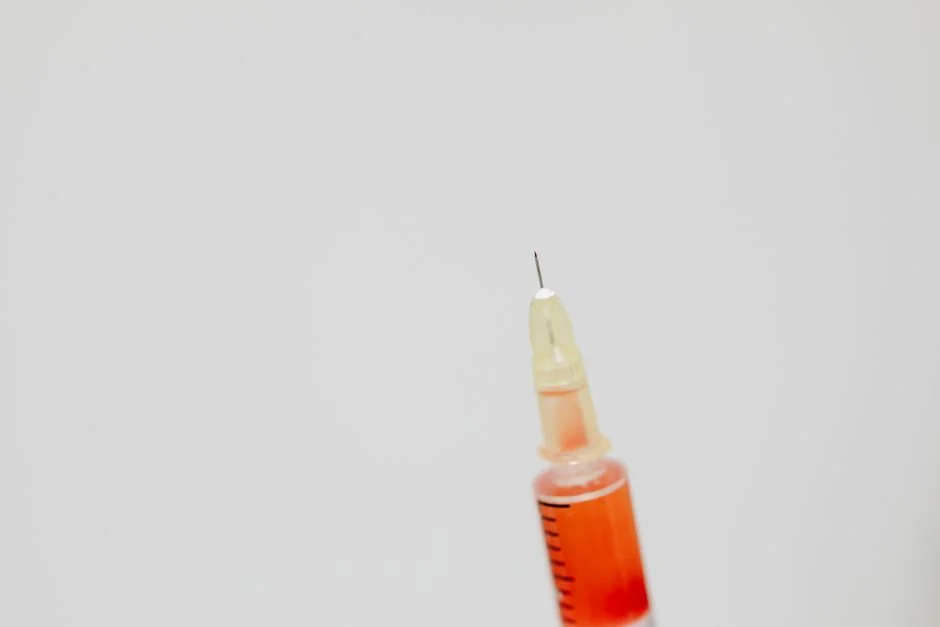
Exosomes are microscopic vesicles released by cells, including stem cells, that carry proteins, growth factors, and genetic signalling material.
In hair treatments, exosomes are typically derived from cultured mesenchymal stem cells and are applied to the scalp by injection or after microneedling, with the aim of signalling to dormant hair follicles and supporting the tissue environment around them.
It is worth being precise about terminology here, because it affects both safety and price.
Many products marketed in Japan and elsewhere as “exosome” treatments are, more accurately, stem cell culture supernatant — the full fluid left over after growing stem cells in a lab, which contains exosomes along with a broader mixture of secreted proteins. A small number of specialised products are purified and concentrated to isolate exosomes specifically. Ask your clinic which type of product they use, since this affects both the science and the price.
How Exosome Therapy Differs From PRP and Mesotherapy
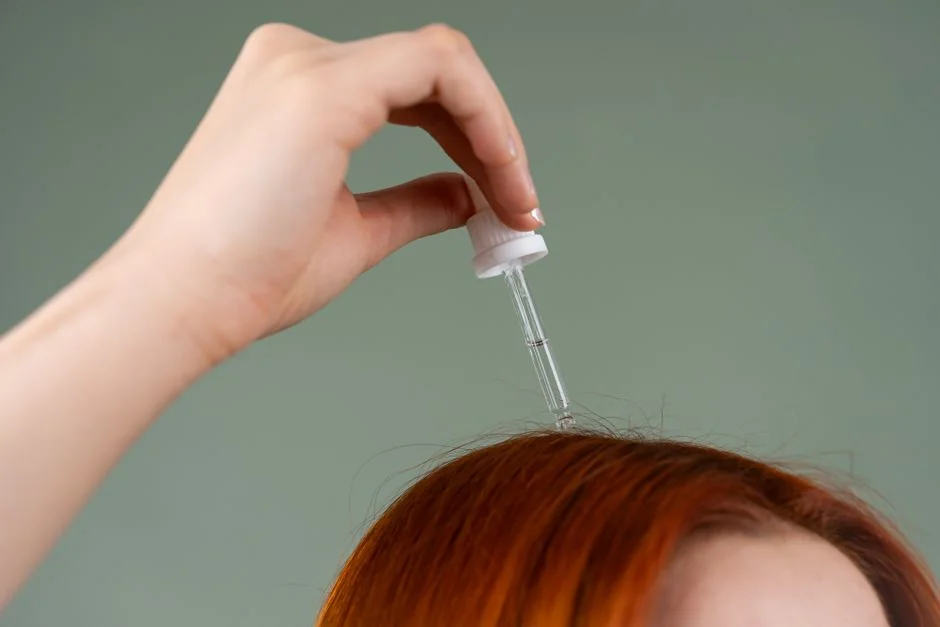
All three treatments deliver biologically active substances to the scalp, but the source material and mechanism differ meaningfully.
PRP (Platelet-Rich Plasma)
PRP is prepared from the patient’s own blood, which is drawn, spun in a centrifuge to concentrate platelets, and then injected into the scalp. The platelets release their own growth factors on activation. Because PRP uses the patient’s own blood, it carries a well-established safety profile and the strongest overall clinical evidence base of the three approaches.
Exosome Therapy
Exosome-based products are typically derived from donor stem cell cultures rather than the patient’s own blood, so there is no blood draw required. A 2025 systematic review comparing all three treatments for androgenetic alopecia found that studied exosome protocols produced hair density gains ranging from roughly 13 to 67 additional hairs per square centimetre over six to twelve weeks, though the researchers noted wide variation between products and study designs (Darwish et al., 2025).
Mesotherapy
Mesotherapy involves a series of shallow micro-injections, usually delivering a mixture of vitamins, amino acids, and growth factors such as PDGF and FGF into the mid-layer of the scalp skin. It typically requires more sessions than exosome or PRP protocols — commonly six to ten treatments — spaced from weekly to monthly. A 2024 systematic review of mesotherapy protocols reported high patient-reported satisfaction, though it also noted that a minority of patients experienced complications ranging from mild irritation to, rarely, scalp abscess or contact dermatitis (Aledani et al., 2024).
| Feature | Exosome Therapy | PRP | Mesotherapy |
|---|---|---|---|
| Source material | Cultured stem cells (donor-derived) | Patient’s own blood | Manufactured vitamin/growth factor solution |
| Blood draw required | No | Yes | No |
| Typical sessions | 1 to a small course | 3 to 6, then maintenance | 6 to 10 initially |
| Regulatory status in Japan | Not classed as a cell product; regulatory grey area | Autologous blood product, established use | Not classed as a cell product |
| Clinical evidence base | Emerging, smaller trials | More extensive and longer-standing | Established, mixed-quality studies |
Expected Results
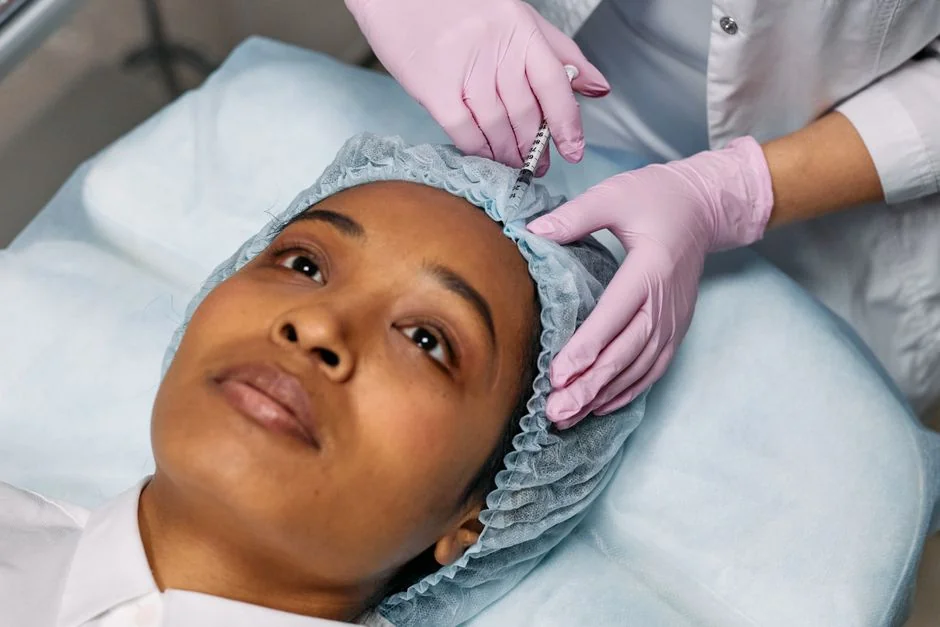
A 2026 meta-analysis in the Aesthetic Surgery Journal pooled 13 clinical studies of exosome therapy for hair and reported an average hair density improvement of 23.6% and an average thickness improvement of 18.0% across the pooled patient groups (Stack et al., 2026). The authors were careful to note that study protocols varied considerably in product type, delivery method, and follow-up length, which limits how directly these figures translate to any individual patient.
Clinical reports generally describe visible change appearing gradually over several months rather than immediately, consistent with the normal hair growth cycle.
At BIOTOPE CLINIC in Shirokanedai, we frequently see patients who are looking for an injectable option because they have not tolerated or responded well to topical minoxidil alone — for this group, a regenerative injection approach is sometimes considered as an adjunct rather than a replacement for first-line medical therapy.
Cost in Tokyo
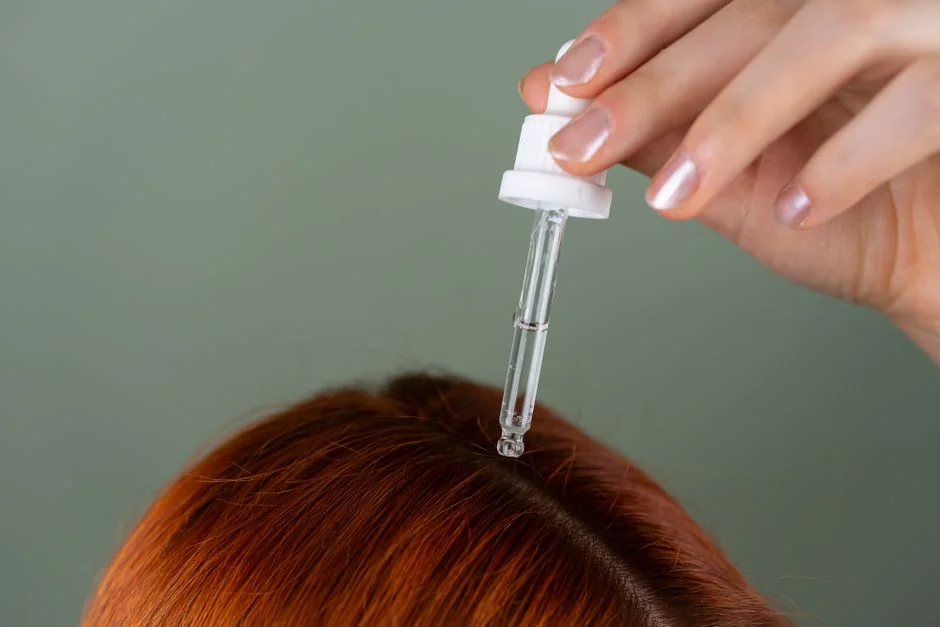
Pricing for regenerative scalp injections in Tokyo varies by the specific product used, whether it is a purified exosome product or a broader stem cell culture supernatant, and the number of sessions in a course. As a reference point, stem cell culture supernatant injection therapy for the full scalp at our clinic group is currently listed at 88,000 yen per session, or 396,000 yen for a course of five sessions. Please see the clinic’s official price page or contact us for a current quote, as pricing across the wider Tokyo market for exosome-labelled products varies significantly by provider and product source. For an accurate quote, please book a consultation.
Have a question about this treatment?
Message us on LINE or WhatsApp — our English-speaking team usually replies the same day.
What to Expect: Before, During and After Treatment
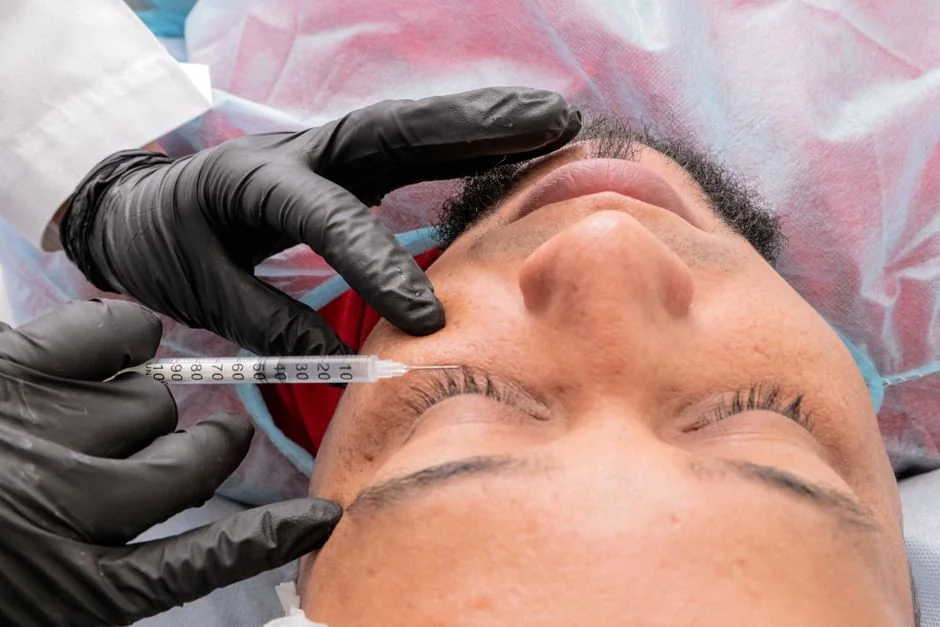
Before
A consultation typically includes a scalp examination, a discussion of your hair loss pattern and history, and screening for conditions that might make injectable treatments unsuitable, such as active scalp infection or certain bleeding disorders.
During
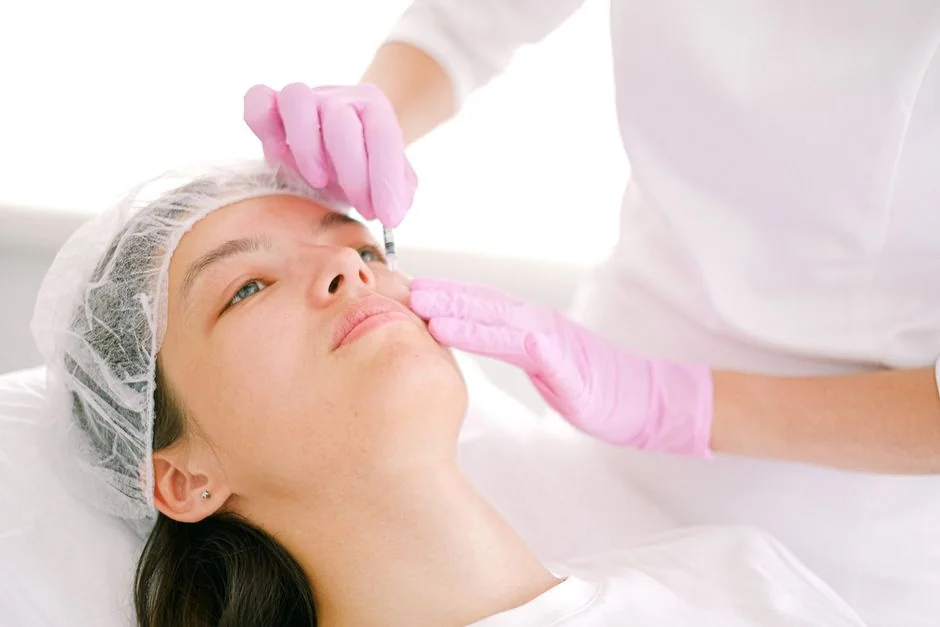
The scalp is usually numbed with a topical anaesthetic first. The product is then delivered by a series of fine injections across the treatment area, sometimes combined with microneedling to improve penetration. Sessions commonly take 30 to 60 minutes.
After
Mild redness, tenderness, or scalp sensitivity for a day or two is common and generally resolves without intervention. Most patients can return to normal activities the same day, though clinics typically advise avoiding hair washing or strenuous exercise for the first 24 hours.
Who Is a Good Candidate?
People with early-to-moderate androgenetic alopecia who still have some viable follicles in the treatment area tend to be the most realistic candidates, since regenerative injections work by supporting existing follicles rather than creating new ones.
Those who have not responded to, or cannot tolerate, first-line treatments such as topical minoxidil or oral finasteride sometimes consider this as a next step, ideally alongside rather than instead of established therapies.
This approach is generally not appropriate for patients with completely bald, scarred areas with no follicular activity, active scalp infections, known allergies to the specific product components, or significant bleeding disorders. Pregnant or breastfeeding patients are usually advised to wait, and anyone currently exploring donor-derived cell products should discuss product sourcing and safety data candidly with their physician before proceeding.
Common Misconceptions About Exosome Hair Therapy
One widespread misunderstanding is that exosome therapy is an approved, standardised “regenerative medicine” treatment in Japan in the same way that, say, a licensed pharmaceutical is approved. In fact, because exosomes are not classified as cells, they fall outside Japan’s Act on the Safety of Regenerative Medicine, and physicians are not required to seek regulatory approval before offering them.
A 2025 report from Kyoto University’s Center for iPS Cell Research and Application noted that more than 600 medical institutions in Japan currently offer exosome or stem cell culture supernatant treatments — a market far larger than in Europe or North America — while cautioning that robust scientific validation for many of these products is still lacking (CiRA, Kyoto University, 2025).
A second common misconception is that all “exosome” products sold under that name are equivalent. As noted earlier, many are unpurified culture supernatant rather than isolated exosomes, and the U.S. FDA has separately confirmed that no exosome products are currently approved for any therapeutic use, warning of serious adverse events, including infections, associated with unapproved products in the unregulated market (U.S. FDA, 2019). This does not mean every clinic offering these treatments is operating irresponsibly, but it does mean patients should ask specific questions about product sourcing, manufacturing standards, and the physician’s own clinical experience before proceeding.
Where to Get Exosome Hair Therapy in Tokyo
Within our clinic group, both BIOTOPE CLINIC (Shirokanedai, Minato-ku) and Kojimachi Dermatology & Plastic Surgery Clinic (Ichigaya, Chiyoda-ku) offer English-language consultation with Dr. Jun Karibe’s team. Regenerative scalp injection treatments, including stem cell culture supernatant therapy, are handled at BIOTOPE CLINIC, where our men’s health and cosmetic dermatology services are based. Kojimachi remains our main office for insurance-covered general dermatology and general or aesthetic plastic surgery. Bookings and enquiries in English: LINE or WhatsApp.
Nutritional status can also influence hair health, and this is a treatment available at BIOTOPE CLINIC in Shirokanedai — feel free to ask about orthomolecular (nutritional) therapy during a consultation with Dr. Karibe if you are interested in addressing dietary or micronutrient factors alongside a scalp treatment plan.
Frequently Asked Questions
- Q. Is exosome hair therapy approved by Japanese authorities?
- No specific approval exists because exosomes are not classified as cells under Japan’s regenerative medicine law, which creates a regulatory grey area rather than a formal approval pathway. Physicians can offer these treatments without seeking regulatory sign-off, so patients should ask directly about product sourcing and safety data.
- Q. How many sessions of exosome therapy are typically needed?
- Protocols vary by product and provider, ranging from a single session to a short course, in contrast to mesotherapy, which usually requires six to ten sessions. Your clinician will recommend a specific number based on your hair loss pattern and the product being used.
- Q. Is exosome therapy better than PRP for hair loss?
- Neither is definitively superior; PRP has a longer, more established clinical evidence base since it uses the patient’s own blood, while exosome-based approaches are an emerging option with promising but still-developing research. The right choice depends on your hair loss stage, budget, and how you weigh the trade-off between an established treatment and a newer one.
- Q. What are the side effects of exosome hair therapy?
- Reported side effects in clinical studies are generally mild and transient, such as scalp tenderness or redness lasting a day or two. Because the wider unregulated market includes unapproved products, choosing a licensed physician who can explain the product’s origin and manufacturing standards matters for minimising risk.
Have a question about this treatment?
Message us on LINE or WhatsApp — our English-speaking team usually replies the same day.
Summary
Exosome hair therapy, PRP, and mesotherapy all aim to support existing hair follicles through different delivery mechanisms, and current research suggests each can offer meaningful, though individually variable, improvements in hair density and thickness.
Exosome-based treatments remain an emerging option in a regulatory grey area in Japan, so understanding exactly what product you are being offered, and choosing a licensed physician who can explain its sourcing, matters as much as the treatment choice itself.
If you have questions about exosome hair therapy, both BIOTOPE CLINIC (Shirokanedai, Minato-ku) and Kojimachi Dermatology & Plastic Surgery Clinic (Ichigaya, Chiyoda-ku) offer English-language consultation with Dr. Karibe and his team. This treatment is primarily handled at BIOTOPE CLINIC. English enquiries: LINE or WhatsApp.
24/7 Consultation & Booking
Book a Consultation or Treatment
Our English-speaking team responds via LINE or WhatsApp — usually the same day.
References
- Stack ER, Spongberg C, Braud SC, Stanton WN, Elway M. Clinical Advances in Exosome-Based Therapies for Aesthetic Medicine: A Systematic Review and Meta-analysis of Human Clinical Trials. Aesthetic Surgery Journal. 2026.
- Darwish R, Zakhary M, Wingate K, Ayoubi N, Ghafoor F, Ejaz B. From Cells to Strands: A Systematic Review Comparing Exosome Therapy, Platelet-Rich Plasma, and Minoxidil for Androgenetic Alopecia Treatment. Cureus. 2025.
- Aledani et al. Mesotherapy as a Promising Alternative to Minoxidil for Androgenetic Alopecia: A Systematic Review. Cureus. 2024.
- U.S. Food and Drug Administration. Public Safety Alert Regarding the Marketing of Unapproved Stem Cell and Exosome Products. 2019. https://www.fda.gov/
- Center for iPS Cell Research and Application (CiRA), Kyoto University. The Expanding Field of Exosome Therapy: Challenges of an Unregulated Market. 2025.
Related Articles
You may also find these articles useful.
- Hair Mesotherapy Tokyo: Manual vs Hydro-Injector AGA
- Stem Cells vs Exosomes vs Supernatant in Tokyo
- Exosome Therapy Tokyo: Skin Rejuvenation Guide
- FAGA Treatment Tokyo: Regenerative Hair Loss Solutions
- AGA vs Finasteride & Minoxidil: Tokyo Regenerative Care
SUPERVISED BY
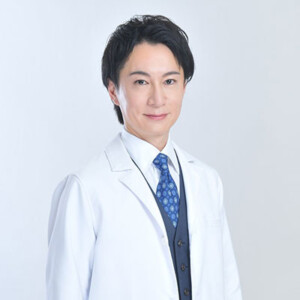
Dr. Jun Karibe
MD
Director
Education & Career
Certifications
Awards
MEDICAL REVIEW