Travel insurance for a Japan trip covers more than most first-time visitors realise, and less than many expect.
It is one of the least glamorous items on the pre-trip checklist, but the one where a small upfront decision genuinely affects how a bad situation unfolds. This guide walks through what standard travel insurance covers when you visit Japan, what to look for when comparing policies, and how to think about cover if your trip includes elective medical treatment.
Do You Actually Need Travel Insurance for Japan?

Japan is a low-risk destination on almost every measure — low crime, high public safety, a highly capable healthcare system, and clean, safe food. What travel insurance protects you from is not risk of Japan; it is the cost of the small number of things that do go wrong.
The concrete risks that make travel insurance worthwhile:
- Unexpected medical emergency: A slip on stairs, a sudden appendicitis, an allergic reaction, or a road traffic accident. Foreign visitors are billed at private-pay rates and cannot use Japanese National Health Insurance.
- Trip cancellation or interruption: A family emergency, a company recall, or a personal illness before departure can cost a significant portion of your flight and hotel bookings.
- Flight delay and missed connection: Japan’s weather (typhoons, snowstorms) can cause significant seasonal disruption, particularly October to March.
- Lost or delayed baggage: Rare on domestic Japanese carriers, more common on international connections.
- Personal liability: Cover if you accidentally damage property or cause injury to someone.
For a leisure trip of one to two weeks, a basic travel insurance policy typically costs USD 30 to 80 depending on age and country of origin. This is a small line item compared to the potential exposure from any single one of the above events.
What Standard Travel Insurance Covers in Japan
Coverage varies by provider and policy tier, but a typical mid-range travel medical policy sold in North America, Europe, or Australia includes:
- Emergency medical and dental: USD 100,000 to 1,000,000 depending on tier. Covers hospital admission, ambulance, prescription medication, and emergency dental for unrelated events.
- Emergency medical evacuation: USD 250,000 to 1,000,000. Covers repatriation to your home country if medically necessary.
- Trip cancellation: Typically reimburses non-refundable trip cost up to a defined limit, only for covered reasons (illness, family emergency, employer requirement, etc.).
- Trip interruption: Covers additional accommodation, alternative transport, and unused portions of the trip if you have to cut short.
- Travel delay: Reimburses reasonable expenses (hotel, meals) after a defined delay threshold (usually 6 to 12 hours).
- Baggage delay and loss: Coverage per bag with per-item sub-limits.
- 24/7 assistance service: Multilingual helpline for medical referrals, translation, and coordination.
The 24/7 assistance service is often more valuable in practice than the raw coverage limits — a Japan-based clinician on the phone in your language, at 2 AM, when you need to know which Tokyo hospital to go to, is worth a great deal.
What Standard Travel Insurance Does Not Cover

Common exclusions to check before you buy:
- Elective or planned procedures: Cosmetic surgery, dental work, fertility treatment, weight-loss surgery, and their complications.
- Pre-existing medical conditions: Unless declared and specifically covered at underwriting, most policies exclude conditions you knew about before purchase.
- High-risk activities: Backcountry skiing, motorcycling, scuba diving beyond a certain depth, mountaineering. Ski cover for Niseko or Hakuba typically needs an add-on.
- Alcohol- and drug-related events: Injuries sustained under the influence.
- Mental health emergencies: Often excluded or capped separately.
- Pregnancy beyond a certain gestational age: Usually excluded from 26 or 28 weeks.
- Trip disruption without a “covered reason”: Change of mind, work project extending, or fear of political unrest generally not covered without add-ons like “Cancel For Any Reason” (CFAR).
How to Compare Travel Insurance Policies
Rather than fixating on the headline coverage limit, compare policies on these dimensions:
1. Deductible / excess
The out-of-pocket amount you pay before insurance kicks in. USD 100 to 250 is common; some policies have no deductible on medical claims.
2. Medical evacuation limit
This is where budget policies show their limits. An air-ambulance evacuation from Tokyo to North America can cost USD 200,000 to 400,000. If your policy caps evacuation at USD 50,000, you would owe the difference. USD 500,000 to 1,000,000 is a sensible minimum for trans-Pacific travellers.
3. Cashless direct billing
Some insurers have direct-billing arrangements with major Japanese hospitals; others require you to pay upfront and claim reimbursement. Cashless arrangements matter when a bill is USD 20,000+ and appears immediately.
4. Time-window for claims
Most policies require you to notify the insurer within 24 to 48 hours of a covered event. Miss this window and coverage may lapse.
5. Sub-limits on medical categories
Watch for sub-limits within the overall medical figure — dental sub-limits (often USD 500 to 1,000), specific illness sub-limits, and follow-up care sub-limits.
6. Age-based pricing and coverage cap
Premiums rise sharply past age 65 to 70, and some policies cap coverage or refuse to insure over age 75 to 80. Senior-focused travel insurance is a distinct product category.
Special Cases
Visitors on business trips
Corporate travel policies through your employer may already cover the trip. Verify what the corporate policy includes and only add personal cover for gaps (personal trip extension, family joining you, etc.).
Long-term visitors and expatriates
Standard travel insurance is designed for trips of 30 to 90 days. Longer stays require expatriate health insurance or global health insurance products, which are structured differently and cost meaningfully more.
Visitors with pre-existing conditions
Full disclosure at underwriting is essential. Some insurers offer coverage with a small premium loading; others exclude specific conditions but cover everything else. A policy that “covers” a pre-existing condition after you failed to declare it will decline the claim when the medical records are reviewed.
Visitors planning elective medical treatment
See our separate guide on travel insurance for cosmetic surgery in Japan. Elective treatment is excluded from standard travel policies and requires a specialised medical tourism policy if you want that specific cover.
Have a question about this treatment?
Message us on LINE or WhatsApp — our English-speaking team usually replies the same day.
What to Do If Something Happens During Your Trip
1. Call the assistance line first
Even before going to hospital, call the 24/7 assistance line printed on your policy. They coordinate hospital selection, direct-billing arrangements, and translation. Trying to solve everything yourself and claiming later is riskier and usually more expensive.
2. Save every receipt
Hospital bills, pharmacy receipts, taxi rides to medical appointments, additional hotel nights. Take photos of everything immediately in case originals are lost.
3. Get medical records in a claimable format
Japanese hospitals will provide records on request. For international insurance claims, English-language discharge summaries and itemised bills are usually required. Ask before you leave the hospital rather than trying to obtain them later.
4. File a police report for theft or loss
For any stolen or lost item, file a police report at the nearest kōban (police box) or police station. Japan’s system for lost items is exceptionally effective and the report is usually required for baggage insurance claims.
Japan-Specific Travel Insurance Considerations
Earthquake and natural disaster cover
Standard policies vary on earthquake and natural disaster cover. Given Japan’s seismic activity, verify what happens if a major event affects your trip — most policies cover trip interruption due to a declared natural disaster, but the definitions can be narrow.
Typhoon season (August to October)
Typhoons can cancel flights, close airports, and disrupt rail service. Cover for weather-related trip delay and interruption matters more for autumn visitors than summer or winter.
Snow season (December to March)
Winter ski travel in Hokkaido or Nagano warrants specific ski cover with off-piste protection if you plan to leave marked runs. Backcountry skiing is often excluded from standard ski add-ons.
Rural travel
Medical facilities in rural Japan are less well-resourced than in Tokyo, Osaka, or Kyoto. Evacuation to a major-city hospital is sometimes necessary and expensive; higher evacuation cover is worth considering for rural itineraries.
What About Credit Card Travel Insurance?
Premium credit cards (American Express Platinum, JCB Platinum, Visa Infinite, and equivalents) frequently include complimentary travel insurance when the trip is charged to the card. Coverage typically includes:
- Overseas travel medical coverage (varies by card, often USD 100,000 to 500,000)
- Trip cancellation and interruption
- Baggage delay and loss
- Rental car damage waiver
Two important caveats:
- Card cover generally follows the same exclusion pattern as standalone policies — elective medical treatment is excluded.
- Some cards require that the trip be fully paid on the card; a trip paid partly on the card and partly via other means may not trigger coverage.
Read the certificate of insurance issued by the card issuer, not the marketing summary on the card benefits page. The certificate is what governs claims.
Common Misconceptions
“Japan is safe, I do not need travel insurance.”
Safety and cost are different things. A single hospital admission for an unrelated cause can outweigh the premium for the entire trip.
“My home health insurance covers me overseas.”
Domestic health insurance in most countries does not extend to elective care abroad and often has limited emergency-abroad cover with significant deductibles.
“I can buy travel insurance after something happens.”
No. Policies exclude events that occurred before the policy inception date. Purchase before you leave.
“Group travel insurance from my employer covers everything.”
Often it covers business-related travel only, or has coverage caps that are lower than a good personal policy. Check the certificate.
Frequently Asked Questions
How much does travel insurance for Japan cost?
For a healthy adult on a 1- to 2-week trip: USD 30 to 80. For seniors, longer trips, or those with declared pre-existing conditions: USD 100 to 400.
Can I buy travel insurance after I arrive in Japan?
Some providers allow it, but coverage typically has waiting periods and excludes any event that occurred before purchase. Buy before departure whenever possible.
Do I need travel insurance if I have a good credit card?
Verify the card certificate first. Card cover is often narrower than a dedicated policy, particularly for evacuation limits.
Does travel insurance cover my cosmetic surgery in Japan?
No. See our separate guide on travel insurance for cosmetic surgery in Tokyo.
What if I extend my trip while in Japan?
Most policies allow extension by contacting the insurer directly. Some card-based cover cannot be extended.
Does travel insurance cover COVID-19 or other infectious disease?
Most modern policies (2023+) include infectious disease cover for treatment abroad, though quarantine costs and pre-departure test failures are often excluded. Verify specifically.
Summary — The Realistic Plan
For most visitors to Japan, a mid-tier travel insurance policy purchased before departure covers what genuinely matters: unexpected medical emergency, trip disruption, and lost property. Watch particularly for the evacuation limit (aim for USD 500,000+ for trans-Pacific travellers) and the exclusion of elective medical treatment. If your trip includes cosmetic surgery, injectables, or other elective care, that requires a separate specialised policy.
If you have specific questions about the medical side of a Tokyo trip — whether that is planning around a scheduled procedure, or coordinating care if something unrelated happens — our English-speaking team at BIOTOPE CLINIC in Shirokanedai (Minato-ku), directed by Dr. Jun Karibe, board-certified plastic surgeon, is reachable by LINE and WhatsApp for pre-trip questions and during your stay.
24/7 Consultation & Booking
Book a Consultation or Treatment
Our English-speaking team responds via LINE or WhatsApp — usually the same day.
References
- Ministry of Foreign Affairs of Japan. Advice for Foreign Visitors to Japan. https://www.mofa.go.jp/j_info/visit/index.html
- Japan National Tourism Organization. Emergency Contact Information and Medical Guide. https://www.japan.travel/en/plan/emergency/
- US Department of State. Japan International Travel Information. https://travel.state.gov/content/travel/en/international-travel/International-Travel-Country-Information-Pages/Japan.html
- UK Foreign, Commonwealth & Development Office. Japan Travel Advice. https://www.gov.uk/foreign-travel-advice/japan
SUPERVISED BY
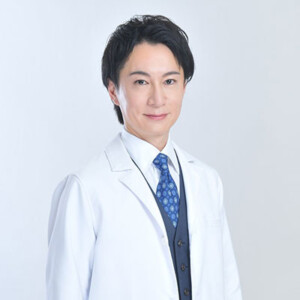
Dr. Jun Karibe
MD
Director
Education & Career
Certifications
Awards
MEDICAL REVIEW