Finding an English-Speaking Dermatologist in Tokyo: A Complete Guide for Expatriates and Visitors
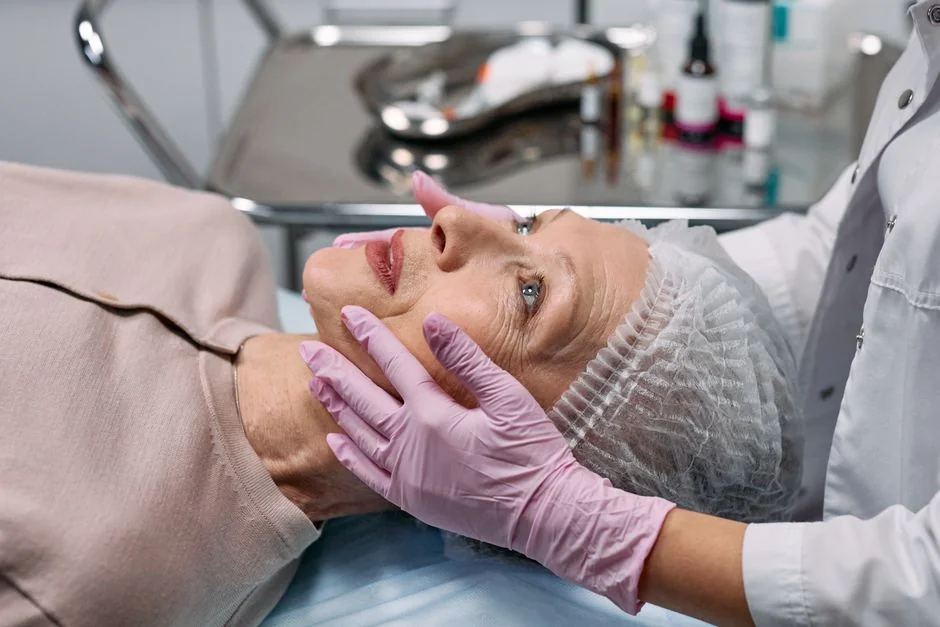
Navigating Japan’s healthcare system as a non-Japanese speaker can feel daunting — particularly when you have a skin concern that requires accurate diagnosis and ongoing care. Whether you have arrived in Tokyo as an expatriate, are visiting for work, or are planning a medical trip to address a specific condition, finding a qualified dermatologist who can communicate with you clearly in English is genuinely challenging.
This guide explains how dermatology care is structured in Japan, what to expect during a consultation, how to find a clinic with English-speaking doctors, and what skin treatments and procedures are typically available in Tokyo — including realistic cost ranges and candidacy information.
What you’ll learn in this article:
- How Japanese dermatology is structured (insurance versus cosmetic) and why it matters for English speakers
- What qualifications to look for when choosing a dermatologist or plastic surgeon in Tokyo
- What skin conditions and cosmetic treatments are available, with realistic cost ranges
- Common misconceptions English speakers have about Japanese dermatology clinics
- Where to book an English-speaking dermatology or cosmetic consultation in Tokyo
Have a question about this treatment?
Message us on LINE or WhatsApp — our English-speaking team usually replies the same day.
How Dermatology Is Organised in Japan
Japanese medicine draws a clear administrative line between insurance-covered dermatology (皮膚科, hifuka) and cosmetic or aesthetic medicine (美容皮膚科 / 形成外科). Understanding this distinction will help you find the right clinic for your needs.
Insurance-covered dermatology
Conditions such as eczema, atopic dermatitis, psoriasis, urticaria (hives), contact dermatitis, fungal infections, herpes zoster, acne (when medically diagnosed), and skin cancer screening are handled under Japan’s national health insurance (NHI) system. Treatment at an insurance clinic typically costs a fraction of its private equivalent. However, most insurance-covered dermatology clinics in Tokyo operate entirely in Japanese.
Cosmetic dermatology and plastic surgery
Treatments such as laser resurfacing, HIFU skin lifting, anti-ageing injectables (Botox, hyaluronic acid filler), pigmentation correction, and surgical procedures such as blepharoplasty or mole removal are almost always self-pay (cash or card). English-language services tend to be concentrated in this cosmetic sector, where clinics have historically served an international clientele.
Why English-language access is limited
Japan’s medical licensing system is conducted entirely in Japanese. Most dermatologists and plastic surgeons trained domestically have limited conversational English, even if they read English-language research fluently. Clinics that do offer English-speaking consultations are the exception rather than the rule, making it important to verify language availability before booking.
Qualifications to Look for in a Tokyo Skin Clinic
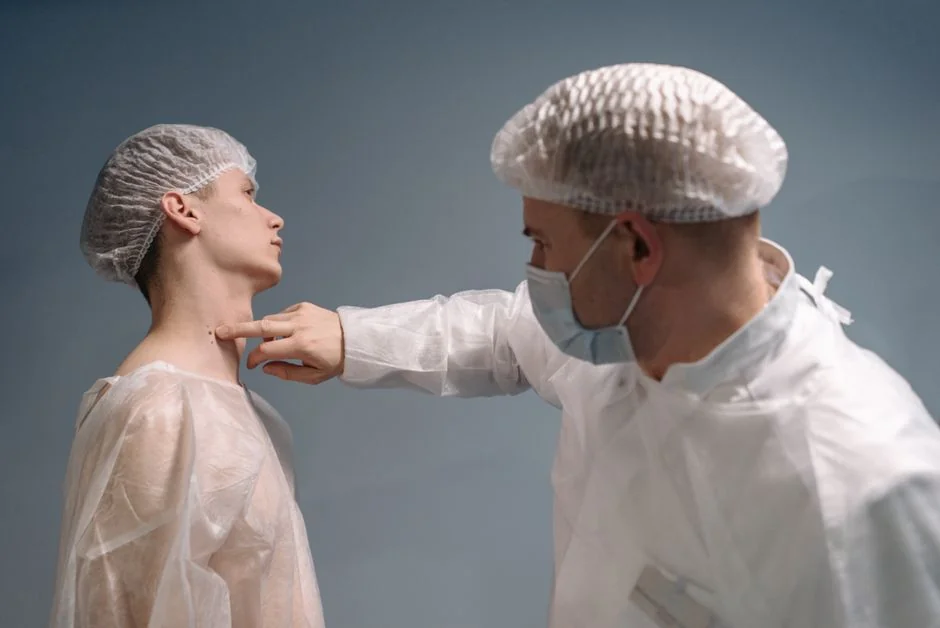
When evaluating any clinic, there are several credentials worth confirming. Japan does not have a single “dermatology board” equivalent to the American Board of Dermatology; instead, specialist certification is issued by professional societies.
- Japan Society of Plastic and Reconstructive Surgery (日本形成外科学会) — board certification for plastic and reconstructive surgeons, relevant when a procedure involves incisions, tissue manipulation, or surgical reconstruction.
- Japan Dermatological Association (日本皮膚科学会) — the principal academic and certifying body for dermatology in Japan.
- Medical licence issued by the Japanese Ministry of Health, Labour and Welfare — the baseline requirement for any practitioner treating patients in Japan.
It is reasonable to ask a clinic directly about their lead physician’s board certifications before booking, particularly for surgical or procedural treatments. Reputable clinics will provide this information willingly.
Dr. Karibe’s Note
Many of our international patients are surprised to learn that Japan does not have a combined “cosmetic dermatology” board — dermatologists and plastic surgeons hold separate certifications, and a plastic surgeon will often be better positioned for procedures involving incisions or structural tissue changes. At BIOTOPE CLINIC, a common question I receive from new English-speaking patients is whether their concern falls under dermatology or plastic surgery. In practice, that distinction shapes the treatment plan significantly, which is why a proper consultation — not just a price enquiry — is always the right starting point.
Common Misconceptions About Dermatology Clinics in Tokyo
Misconception 1: “Any clinic labelled ‘beauty clinic’ (美容クリニック) has English-speaking staff”
The growing popularity of cosmetic medicine in Japan has led to a large number of beauty clinics in central Tokyo, many of which market aggressively online. However, the presence of English-language website copy does not automatically mean an English-speaking doctor is on staff.
Some clinics rely on medical interpreters, translation apps, or staff with basic hospitality English. When a procedure involves medical history-taking, allergy disclosure, and informed consent, this level of language support may be insufficient. Always confirm that the consulting physician — not just front-desk staff — can communicate with you directly in English.
Misconception 2: “Insurance-covered clinics cannot treat expatriates”
Expatriates who are enrolled in Japan’s National Health Insurance (NHI) or in their employer’s social insurance (shakai hoken) are entitled to use insurance-covered dermatology clinics on the same terms as Japanese residents. The barrier is not legal eligibility but language: most insurance dermatology clinics are not equipped to conduct consultations in English. If you need insurance dermatology care and are not confident in Japanese, it is worth seeking a bilingual support service or a clinic that has experience with international patients.
What Skin Conditions and Treatments Are Available in English in Tokyo
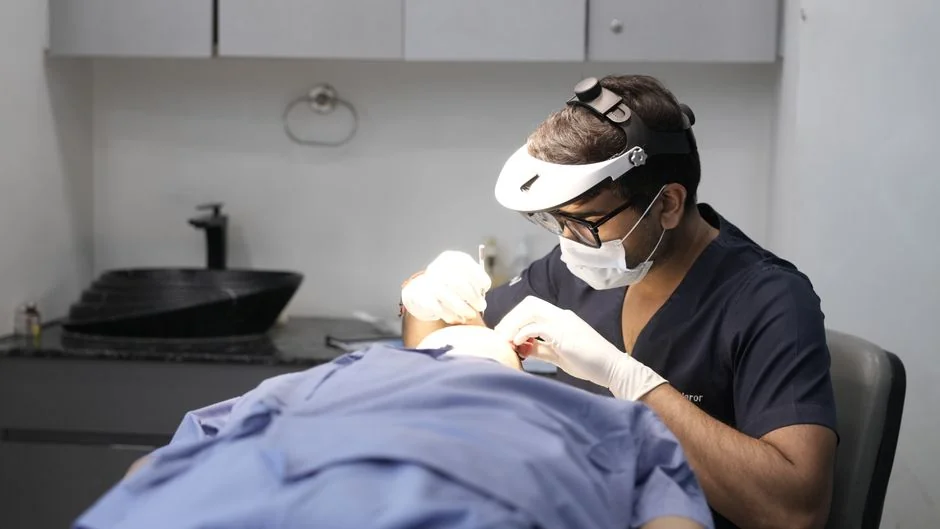
At BIOTOPE CLINIC in Shirokanedai, Dr. Karibe and the English-speaking team regularly consult on a wide range of skin concerns. These span from medical skin conditions to cosmetic enhancement.
Medical skin concerns
Common presentations from international patients include acne (including adult-onset acne), eczema and atopic dermatitis, contact dermatitis from cosmetic or occupational exposure, pigmentation disorders (melasma, post-inflammatory hyperpigmentation), rosacea, and sebaceous cysts. Where insurance coverage is applicable, the clinic can advise on next steps, including referral pathways where relevant.
Cosmetic dermatology treatments
Available at BIOTOPE CLINIC in Shirokanedai, the following treatments are among the most commonly requested by English-speaking patients:
- HIFU (High-Intensity Focused Ultrasound) — non-surgical skin lifting and tightening for the face, jowl, and neck. Clinical studies suggest that a single HIFU session can produce measurable collagen remodelling with results persisting up to 12 months in well-selected candidates.
- PicoWay laser — picosecond-pulse laser for pigmentation correction, melasma, sun damage, and tattoo removal.
- CO2 fractional laser — resurfacing for acne scars, enlarged pores, and skin texture irregularities.
- Botox (Allergan and Korean brands) — neuromodulator injections for wrinkle reduction, facial slimming (masseter), and hyperhidrosis (excessive sweating).
- Hyaluronic acid filler — volume restoration and contouring for the cheeks, lips, tear trough, and chin area.
- Morpheus8 / Embrace RF / POTENZA — radiofrequency microneedling for skin tightening and textural improvement.
- Dermapen — microneedling for acne scars and general skin renewal.
- Fat-dissolving injections — non-surgical reduction of localised submental (under-chin) or facial fat.
Plastic surgery procedures
Surgical consultations with Dr. Karibe at BIOTOPE CLINIC cover procedures including double eyelid surgery (suture method), transconjunctival blepharoplasty for under-eye bags, ptosis correction, mole and cyst removal, scar revision, thread lifts, and liposuction of the cheek and jawline area. These require pre-operative blood work and an anaesthesia assessment.
Cost of Dermatology and Cosmetic Treatments in Tokyo
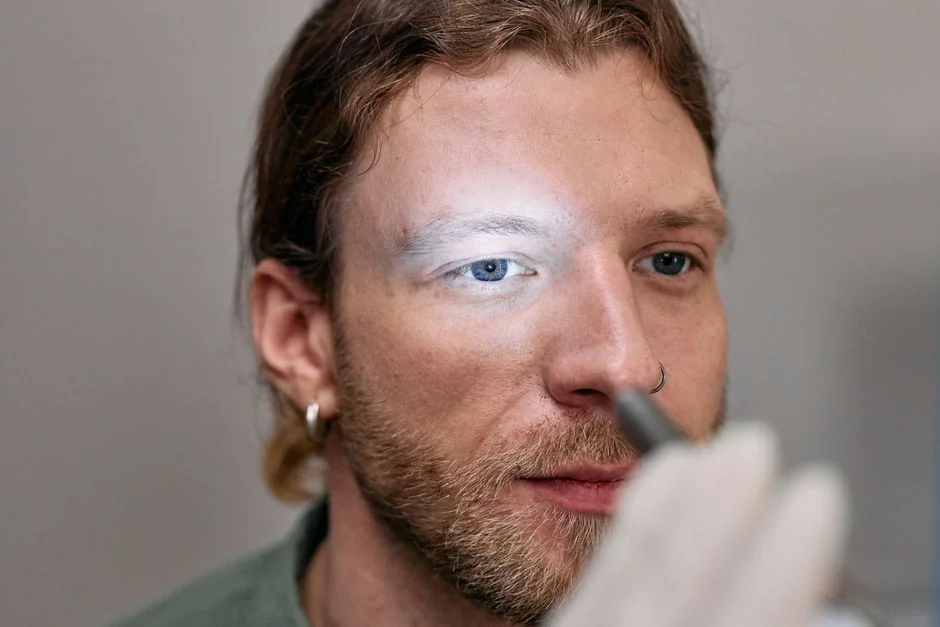
Costs in Tokyo vary considerably depending on the treatment, the device or product used, and the area treated. The following figures reflect the current treatment menu at BIOTOPE CLINIC in Shirokanedai and are intended as a realistic reference point.
| Treatment | Approximate Cost Range (JPY) | Notes |
|---|---|---|
| Initial consultation | ¥5,500 | Dr. Karibe surgical consultation ¥2,200 |
| HIFU (skin lifting) | ¥25,000 – ¥110,000 | Varies by area and number of shots |
| Botox (Allergan) | ¥22,000 – ¥148,000 | Depends on area and units required |
| Hyaluronic acid filler | ¥66,000 – ¥88,000 per syringe | Number of syringes varies by treatment area |
| PicoWay laser | ¥11,000 – ¥98,000 | Pigmentation, tattoo removal |
| CO2 fractional laser | ¥11,000 – ¥66,000 | Acne scars, enlarged pores |
| Dermapen | ¥9,800 – ¥220,000 | Session scope varies widely |
| Double eyelid surgery (suture, 2-point) | ¥66,000 – ¥110,000 | 4-point and 6-point variants available |
| Transconjunctival blepharoplasty | ¥280,000 – ¥428,000 | Pre-op blood work ¥11,000 + anaesthesia additional |
| Thread lift (Tesslift, per thread) | ¥48,000 per thread | Number of threads varies by area |
| Liposuction (cheek/jawline, per area) | ¥280,000 per area | Pre-op assessment required |
Clinical reports indicate that the average cost of non-surgical cosmetic treatments in urban Japan has risen approximately 15–20% over the past five years, partly driven by yen-denominated device import costs and demand for premium devices. For visitors from countries with stronger currencies, treatment costs in Tokyo may still represent good value relative to home-country equivalents.
For an accurate quote, we recommend booking a consultation.
Have a question about this treatment?
Message us on LINE or WhatsApp — our English-speaking team usually replies the same day.
What to Expect: Before, During, and After a Consultation in Tokyo
Before your appointment
Prepare a brief written summary of your skin concern, including how long you have had it, any treatments tried previously, known allergies, and current medications. Many Tokyo clinics — including BIOTOPE CLINIC — accept this information in written English before the appointment, which helps the doctor prepare. Bring your residence card (if you are an expatriate) or passport (if visiting as a tourist) for registration.
During the consultation
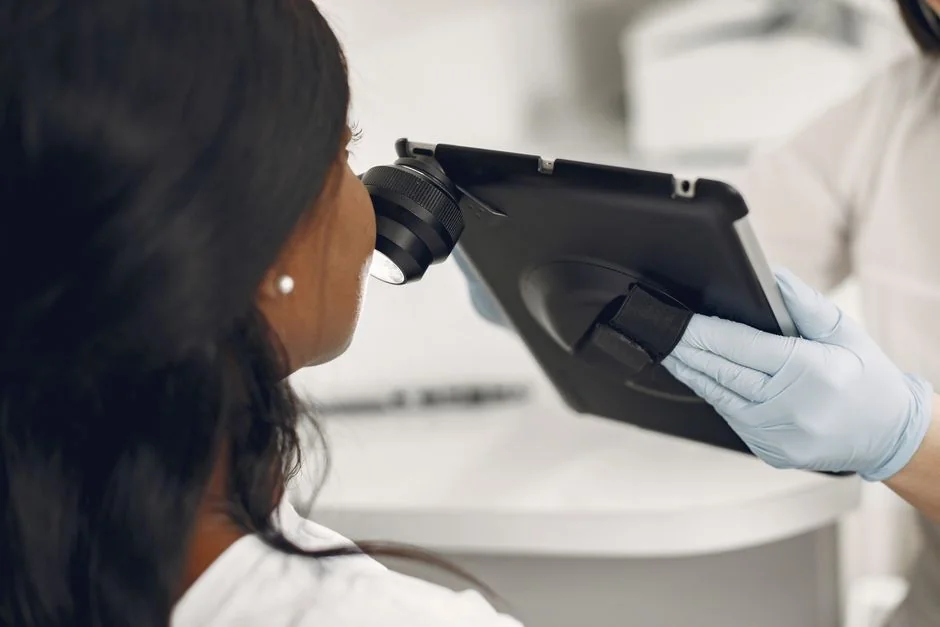
At BIOTOPE CLINIC in Shirokanedai, consultations with Dr. Karibe are conducted directly in English. Expect the doctor to take a thorough medical history, examine the area of concern using dermoscopy or clinical assessment, and discuss treatment options with explanations in plain language. Informed consent documents for any procedure will be reviewed with you before treatment commences.
After treatment
Post-treatment care instructions at BIOTOPE CLINIC are provided in English. For laser and energy-based treatments, this typically includes sun protection guidance and temporary activity restrictions. For surgical procedures, a follow-up schedule will be arranged. Recovery timelines vary considerably: non-invasive treatments such as HIFU or injectables generally involve minimal downtime of one to three days (minor swelling or redness), while surgical procedures such as blepharoplasty may require two to three weeks before visible bruising resolves fully.
In Dr. Karibe’s clinical experience at BIOTOPE CLINIC, international patients who plan surgical procedures tend to benefit from building at least two weeks of flexibility into their Tokyo itinerary post-operatively, particularly if they have long-haul flights scheduled.
Where to Get an English-Speaking Dermatology or Cosmetic Consultation in Tokyo
Within our clinic group, English-speaking consultations are handled at BIOTOPE CLINIC in Shirokanedai (Minato-ku, Tokyo) by Dr. Jun Karibe, a board-certified plastic surgeon certified by the Japan Society of Plastic and Reconstructive Surgery.
Dr. Karibe and the BIOTOPE CLINIC team consult in English on the full range of skin, cosmetic dermatology, and plastic surgery concerns described in this guide. Our sister clinic, Kojimachi Dermatology and Plastic Surgery Clinic (麹町皮ふ科・形成外科クリニック) in Ichigaya, Chiyoda-ku, handles Japanese-language insurance-covered dermatology and serves as the group’s main office — it does not currently offer English-speaking doctor consultations. Bookings and enquiries in English: LINE or WhatsApp.
Frequently Asked Questions
- Q. Do I need to speak Japanese to see a dermatologist in Tokyo?
- Not if you choose a clinic that specifically offers English-speaking consultations. Most standard insurance dermatology clinics in Tokyo operate in Japanese only, but cosmetic clinics serving international patients — such as BIOTOPE CLINIC in Shirokanedai — can conduct the full consultation, treatment discussion, and aftercare in English. It is always advisable to confirm language availability directly with the clinic before your appointment.
- Q. Can tourists access dermatology care in Tokyo without Japanese health insurance?
- Yes. Cosmetic and self-pay dermatology treatments require no insurance and are available to visitors and tourists on exactly the same basis as residents. For insurance-covered treatments (such as eczema or acne diagnosed under NHI), you would need to be enrolled in Japan’s insurance system — which visitors typically are not. BIOTOPE CLINIC operates on a self-pay basis for cosmetic and aesthetic treatments, making it accessible to international visitors without insurance.
- ]
- Q. How do I know if my skin concern needs a dermatologist or a plastic surgeon?
- In broad terms, dermatologists manage conditions affecting the skin’s health (rashes, infections, pigmentation disorders, acne) while plastic surgeons focus on structural or cosmetic concerns involving tissue, shape, or surgical correction (eyelid surgery, scar revision, mole excision). In practice, the distinction is not always clear-cut, and many cosmetic clinics bridge both disciplines. At BIOTOPE CLINIC, Dr. Karibe — as a board-certified plastic surgeon — can advise during the initial consultation on the most appropriate treatment pathway for your specific concern.
- Q. Are laser and cosmetic treatments in Tokyo safe for all skin tones?
- Device selection and parameter settings must be calibrated carefully for darker or more melanin-rich skin tones to minimise the risk of post-inflammatory hyperpigmentation. Studies suggest that picosecond-pulse laser platforms (such as PicoWay) carry a lower risk of unwanted pigment changes in Fitzpatrick skin types IV–VI compared with older nanosecond devices. A thorough consultation that includes skin-type assessment is essential before any laser or energy-based treatment.
- Q. How far in advance should I book if I am visiting Tokyo specifically for a treatment?
- For non-surgical treatments (injectables, laser, HIFU), booking one to two weeks in advance is generally sufficient, though availability during peak travel seasons may be tighter. For surgical procedures, considerably more lead time is advisable: pre-operative blood work must be completed before any incisional procedure, and recovery time needs to be factored into your travel schedule. Contacting the clinic via LINE or WhatsApp in advance allows the team to advise on scheduling based on your specific plans.
Have a question about this treatment?
Message us on LINE or WhatsApp — our English-speaking team usually replies the same day.
Summary
Finding a qualified, English-speaking dermatologist in Tokyo is achievable, but it requires knowing where to look. Japan’s healthcare system divides skin care sharply between insurance-covered dermatology (typically Japanese-language) and self-pay cosmetic medicine (where English services are more available).
Verifying a physician’s board certification — particularly certification by the Japan Society of Plastic and Reconstructive Surgery or the Japan Dermatological Association — is a meaningful safeguard when choosing a clinic for any procedural treatment.
Realistic cost awareness, appropriate candidacy assessment, and clear communication during the consultation are the foundations of a good outcome. Clinical studies suggest that modern non-surgical treatments such as picosecond laser and HIFU can produce clinically meaningful improvements in pigmentation, skin laxity, and texture when correctly selected and administered — but no treatment is without limitations, and individual results depend on skin type, lifestyle, and adherence to aftercare.
If you have questions about finding an English-speaking dermatologist or cosmetic treatment in Tokyo, English-speaking consultations are handled at BIOTOPE CLINIC in Shirokanedai (Minato-ku, Tokyo) by Dr. Karibe.
Our sister clinic, Kojimachi Dermatology and Plastic Surgery Clinic in Ichigaya (Chiyoda-ku), handles Japanese-language insurance dermatology. English enquiries: LINE or WhatsApp.
24/7 Consultation & Booking
Book a Consultation or Treatment
Our English-speaking team responds via LINE or WhatsApp — usually the same day.
References
- Wollina U, Goldman A. Picosecond lasers for the treatment of tattoos and benign pigmented lesions — a systematic review. Journal of Cosmetic Dermatology. 2020.
- Fabi SG. Noninvasive skin tightening: focus on new ultrasound techniques. Clinical, Cosmetic and Investigational Dermatology. 2015.
- Alexiades-Armenakas MR, Dover JS, Arndt KA. The spectrum of laser skin resurfacing: nonablative, fractional, and ablative laser resurfacing. Journal of the American Academy of Dermatology. 2008.
- Imokawa G, Ishida K. Biological mechanisms underlying the ultraviolet radiation-induced formation of skin wrinkling and sagging. International Journal of Molecular Sciences. 2015.
- Ministry of Health, Labour and Welfare, Japan. Medical Institution Survey (Iryou Shisetsu Chousa). 2023. Available at: https://www.mhlw.go.jp/
Related Articles
You may also find these articles useful.
- English Speaking Dermatologist Tokyo: Complete Guide
- English Speaking Dermatologist Tokyo: First Visit Guide
- English-Speaking Dermatologist Tokyo: Fees & Costs
- English Speaking Dermatologist Tokyo: Insurance Coverage
- English-Speaking Dermatologist Tokyo: Acne Treatment Options
SUPERVISED BY
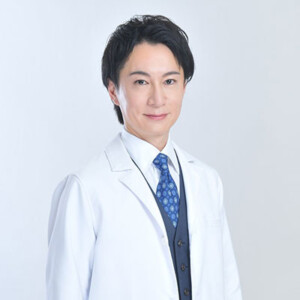
Dr. Jun Karibe
MD
Director
Education & Career
Certifications
Awards
MEDICAL REVIEW