Hairline Artmake in Tokyo: A Guide to Forehead Reduction and Density
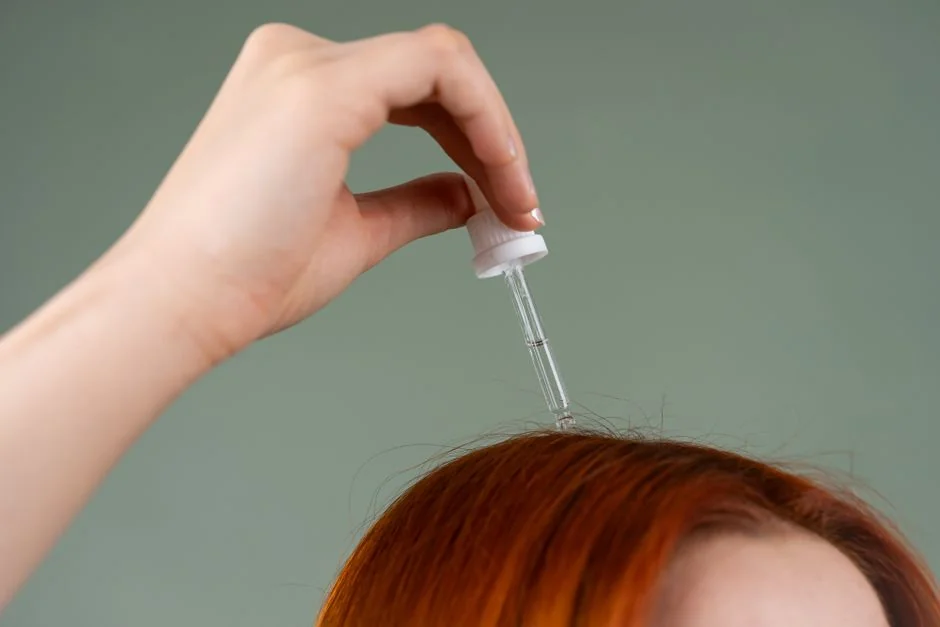
A high or receding hairline is one of those features people notice in every photograph, in every mirror, and in the wind on the way to work — and it is often the reason someone starts searching for “hairline artmake Tokyo” in the first place.
If you are living in or visiting Japan and wondering whether cosmetic pigmentation can make your forehead look shorter and your hairline look denser, the honest answer is that it can do a great deal visually, within clear limits.
This guide explains what hairline artmake actually is, how the technique works, what it costs in Tokyo, how healing proceeds, and who tends to be a suitable candidate. It is written for English-speaking readers navigating Japan’s cosmetic medical system, where artmake is regulated differently from the way it is in many other countries.
What you’ll learn in this article:
- What hairline artmake is, and why it is legally a medical procedure in Japan
- How practitioners create the impression of a lower hairline and greater density
- Realistic cost ranges for hairline artmake in Tokyo, and how sessions are typically packaged
- Healing timelines, aftercare rules, and the risks worth understanding before booking
- Where artmake is performed within the Kojimachi Clinic group, and how to arrange an English consultation
Have a question about this treatment?
Message us on LINE or WhatsApp — our English-speaking team usually replies the same day.
What Is Hairline Artmake?
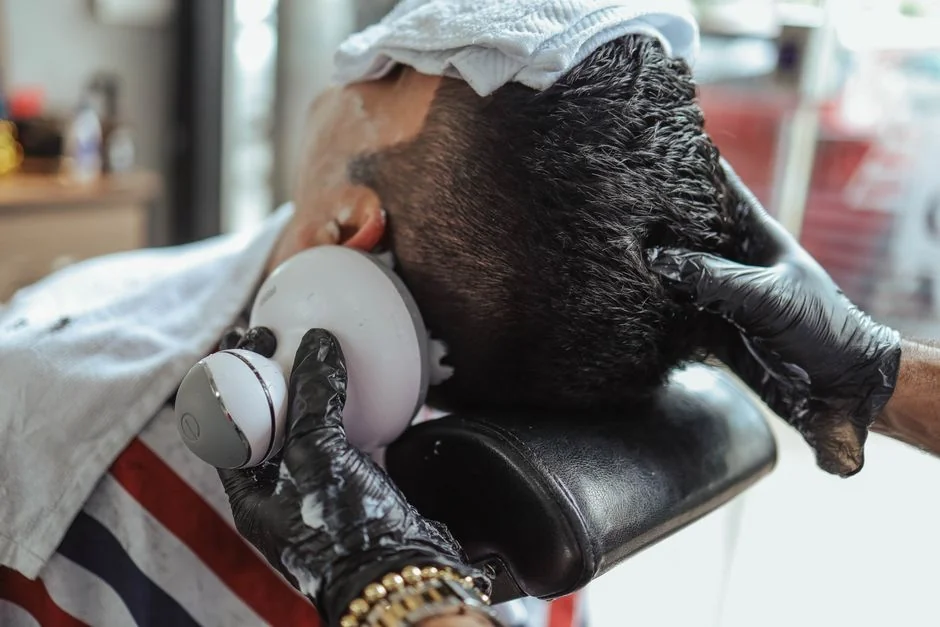
Artmake — the Japanese term for medical cosmetic pigmentation, and closely related to what is called scalp micropigmentation (SMP) internationally — involves depositing very small dots of pigment into the upper layers of the skin using fine needles.
On the hairline, the goal is to mimic the shadow of hair follicles and fine baby hairs so that the scalp reads as fuller and the forehead reads as shorter.
Published technical descriptions place the ideal pigment depth above the dermal papillary layer and below the basal layer of the epidermis, and describe a “zero-bleeding” standard in which visible bleeding signals that the needle has gone too deep. That shallow, controlled placement is what separates a soft hair-like effect from a hard, spreading mark.
What “Forehead Reduction” Means in This Context
Hairline artmake does not physically move your hairline. It reduces the apparent height of the forehead by filling the recessed corners and softening the frontal border with pigment, so the visual boundary between skin and hair sits lower and looks less abrupt.
Surgical hairline lowering, by contrast, physically advances the hairline by excising a strip of forehead skin. The two approaches address the same complaint but are entirely different in invasiveness, recovery, and reversibility.
Artmake Is a Medical Act in Japan
This point surprises many international patients. Japan’s Ministry of Health, Labour and Welfare, in its notice on the handling of aesthetic medical care (医政発0815第21号, issued 15 August 2025), states that inserting pigment into the skin to depict anatomical structures that would naturally exist at that site — eyebrows, hair, areolae — or to substitute for makeup constitutes a medical act under Article 17 of the Medical Practitioners Act, and therefore requires a physician’s licence.
Hairline artmake falls squarely inside that definition, because it depicts hair. Practically, this means the procedure should be carried out in a medical setting under physician supervision, not in a salon.
How the Procedure Works
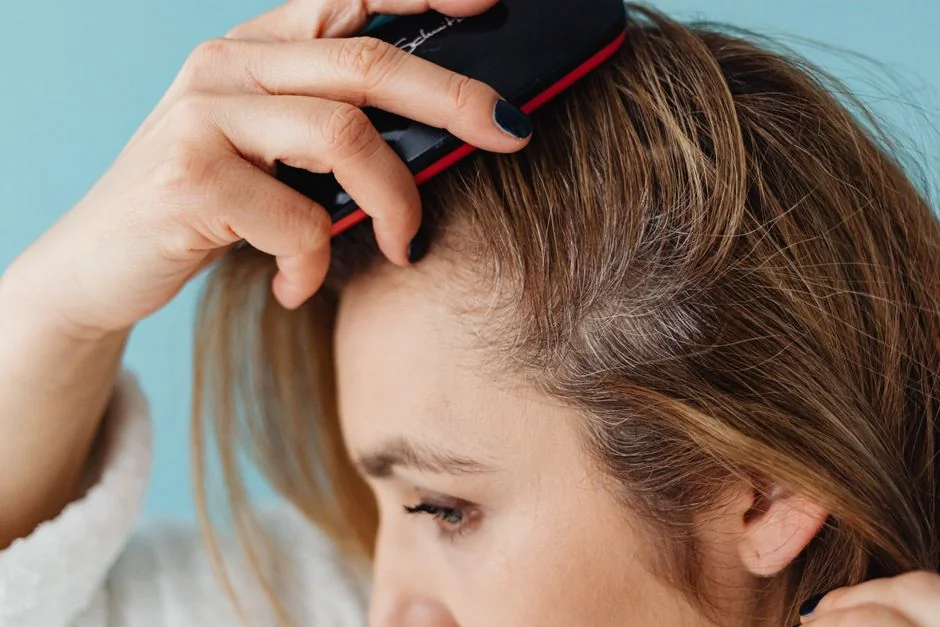
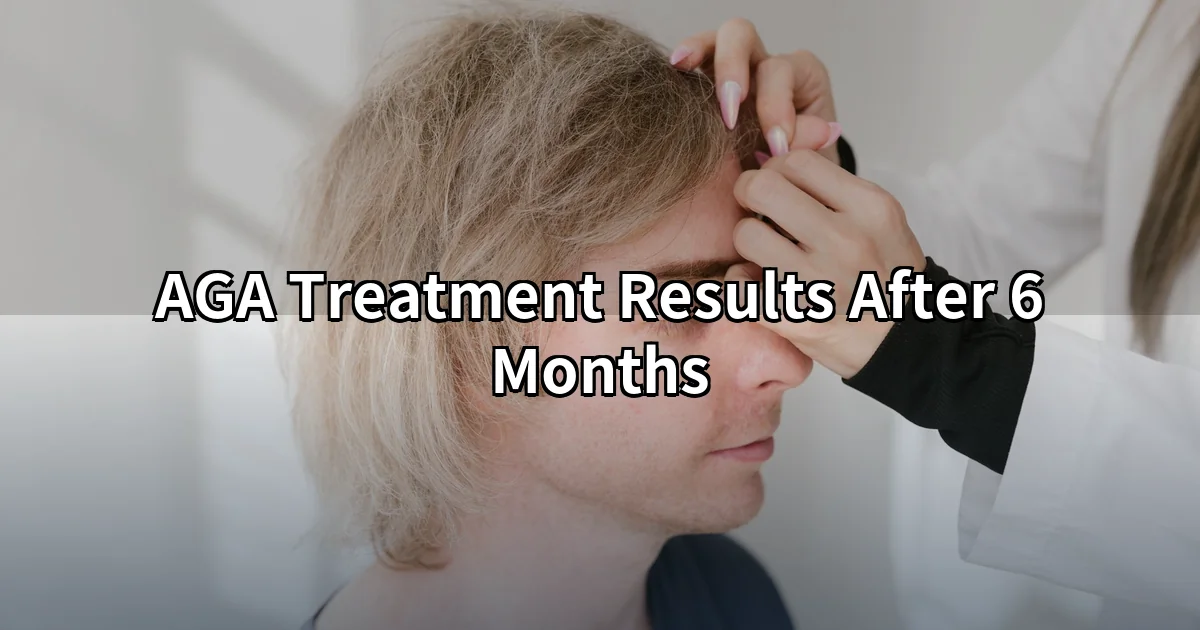
A consultation comes first: assessment of your existing hairline shape, hair density, skin type, and the degree of recession, followed by a drawn design that you approve before any needle is used. Topical anaesthetic is generally applied to reduce discomfort, though sensation varies between individuals and no procedure of this kind can be described as free of discomfort.
Sessions and Pigment Density
Hairline work is built up gradually rather than completed in one sitting. A published three-session protocol for scalp micropigmentation describes progressive density — approximately 40 dots per square centimetre in the first session, 60 in the second, and 80 to 100 in the third — with pigment placed in a deliberately random distribution, since a uniform grid pattern looks artificial.
Intervals between sessions vary by protocol and by how your skin retains pigment; general patient guidance from Cleveland Clinic describes three or more treatments spaced several weeks apart, with individual sessions lasting up to several hours depending on the area treated. Most Tokyo providers publish hairline artmake as a two- or three-session course for this reason.
What Results Realistically Look Like
Immediately after a session the pigment appears darker and sharper than the final result; it softens as the skin heals and some pigment is shed. Colour also fades over time — in one 2025 case series of ten patients, mean visual density scores declined from 8.7 to 7.7 (on a 10-point scale) over six months, with greater fading in scarring alopecia than in androgenetic cases.
Comparing the Three Main Approaches
| Approach | What it does | Typical downtime | How long it lasts | Main limitation |
|---|---|---|---|---|
| Hairline artmake / scalp micropigmentation | Deposits pigment dots to simulate follicles; makes the forehead look shorter and the hairline denser | Around one week of surface healing | Commonly quoted as 2–3 years before top-up; general patient guidance cites up to 4 years or longer | No real hair is added; colour fades and requires maintenance |
| Hair transplantation | Relocates the patient’s own follicles to the hairline | Weeks; transplanted hairs shed before regrowth | Long-term, as the grafted hair is living tissue | Surgical, donor-supply limited, considerably longer recovery |
| Surgical hairline lowering (forehead reduction) | Excises a strip of forehead skin to physically advance the hairline | Weeks, with a hairline incision | Structural and lasting | Surgery with a scar at the hairline; depends on scalp laxity |
Cost of Hairline Artmake in Tokyo
Artmake is a self-pay (自由診療) cosmetic procedure in Japan and is not covered by national health insurance. Pricing is set per session and usually depends on the treated area — a small point correction costs far less than a full frontal hairline.
Reviewing publicly listed price pages of Tokyo artmake providers in August 2026, single-session fees generally sit somewhere between roughly ¥44,000 for a small defined area and about ¥90,000 for a full hairline, with two-session courses commonly published in the ¥140,000–¥170,000 range and later maintenance top-ups around ¥40,000–¥60,000. These are market observations from other providers, not our clinic group’s fees.
Please see the BIOTOPE CLINIC official price page or contact us via LINE / WhatsApp for a current quote. The most reliable way to know what your own treatment will cost is to book a consultation with BIOTOPE CLINIC, where the design, number of sessions, and final price are confirmed together.
Have a question about this treatment?
Message us on LINE or WhatsApp — our English-speaking team usually replies the same day.
Healing and Aftercare
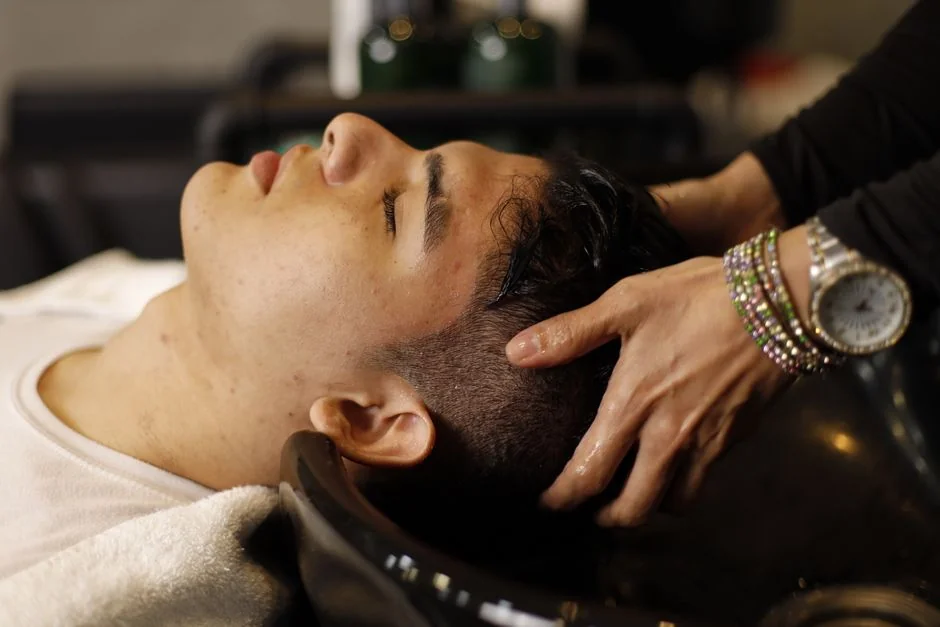
Surface healing after hairline artmake is usually short, since no incision is made. Expect mild redness and a darker, crisper appearance for the first several days, followed by light flaking as the skin turns over.
Standard aftercare guidance for scalp micropigmentation is to avoid getting the treated scalp wet, hot showers and steam, heavy exercise and sweating, and direct sun exposure for the first several days, and not to wash the area until your practitioner confirms it is safe. Picking or scrubbing flaking skin during this window is the most common reason pigment retention comes out patchy.
Sun protection matters beyond the healing phase too, since ultraviolet exposure accelerates fading. Most patients are advised to plan a review appointment before deciding on any refinement.
Who Is a Good Candidate, and What Are the Risks?
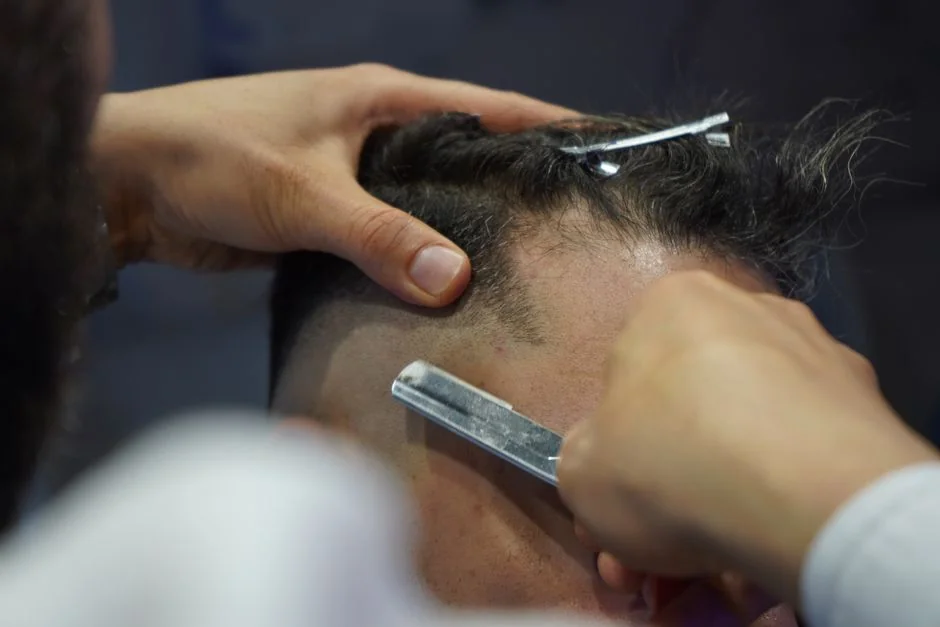
Hairline artmake tends to suit people with a naturally high forehead, receded temporal corners, diffuse thinning at the frontal hairline, or visible scalp scarring, who want a non-surgical option with short downtime. It also suits people who want to soften the appearance of a hair-transplant scar or add the impression of density between other treatments.
It is less appropriate if you have active scalp inflammation or infection, a known allergy to pigments, a tendency to keloid scarring, or if you are pregnant. Rapidly progressing hair loss also complicates the design, because a hairline drawn today may not match your hair pattern in two years.
Documented risks of pigment procedures include allergic and delayed hypersensitivity reactions, foreign-body granuloma, infection, and cutaneous reactions during MRI. A 2024 review in the Journal of Clinical Medicine notes that allergic reactions are the most prevalent complication of tattoo and permanent-makeup pigments, that red pigments carry the highest reported incidence, and that reactions may appear immediately or years later. Aesthetic complications — pigment migration, colour change, and an unnatural design — are also well described.
Common Misconceptions
Misconception 1: “Artmake is just a cosmetic tattoo, so any studio can do it.” In Japan these are legally distinct. The Supreme Court’s Second Petty Bench held on 16 September 2020 that decorative tattooing by a non-physician does not constitute a medical act, whereas the Ministry of Health, Labour and Welfare’s 2025 notice confirms that pigmenting the skin to depict hair or eyebrows does. The clinical consequence is visible in the literature: in a 2025 study of 120 patients who required corrective treatment after unsatisfactory scalp micropigmentation, 89.2% of the original procedures had been performed in beauty salons rather than medical clinics.
Misconception 2: “Once it is done, it is permanent and unchanging.” Pigment fades and can shift in tone. A 2025 survey of 131 dermatology outpatients in Korea found that among the small group who had undergone the procedure, the most frequently reported problem was change in the shape and colour of the pigmentation. Planning for periodic maintenance is part of choosing this treatment, not a sign that something went wrong.
Where to Get Artmake in Tokyo (Our Sister Clinic, BIOTOPE)
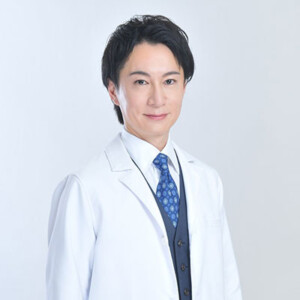
Within our clinic group, artmake is performed at BIOTOPE CLINIC in Shirokanedai (Minato-ku), directed by Dr. Jun Karibe. Our English-speaking team covers both clinics and handles all English enquiries.
Kojimachi Dermatology & Plastic Surgery Clinic in Ichigaya, Chiyoda-ku, is the group’s main clinic and handles dermatology and plastic surgery, but it does not perform artmake. Dr. Karibe is a board-certified plastic surgeon, and consultations, examinations, and treatment explanations are provided directly in English, so no interpreter is required.
BIOTOPE CLINIC is located at Green Leaves 2F, 4-9-10 Shirokanedai, Minato-ku, Tokyo, about one minute from Shirokanedai Station Exit 1. Enquiries and bookings can be made by LINE or WhatsApp.
Frequently Asked Questions
- Q. Does hairline artmake actually make my forehead smaller?
- No — it changes how tall the forehead looks, not how tall it is. Pigment fills the recessed border so the visual hairline sits lower, whereas only surgical hairline lowering physically advances the hairline itself.
- Q. How many sessions will I need?
- Hairline work is normally built over two to three sessions, with pigment density increased at each visit. The exact number depends on how your skin retains pigment and how large an area is being treated, and is confirmed at consultation.
- Q. Can it be removed if I change my mind?
- Correction is possible but not simple. Published revision cases were managed with laser tattoo removal, hair transplantation, or a combination, which is why conservative design and an experienced medical setting matter from the outset.
- Q. Is it covered by Japanese health insurance?
- No. Artmake is a self-pay cosmetic procedure, so the full cost is paid directly by the patient.
Have a question about this treatment?
Message us on LINE or WhatsApp — our English-speaking team usually replies the same day.
Summary
Hairline artmake is a non-surgical way to make a high or receding hairline look lower and denser, using shallow deposits of pigment that imitate follicles. It is built up over several sessions, heals at the surface within about a week, and fades gradually, so maintenance is part of the plan rather than a failure of it.
In Japan the procedure is legally a medical act, and the published evidence on corrective cases shows why that distinction is worth respecting when choosing where to have it done. Costs in Tokyo vary with the treated area, and the only figure that matters for your own case is the one confirmed at consultation.
If you would like to discuss whether hairline artmake suits your hairline pattern, our English-speaking team can arrange a consultation at BIOTOPE CLINIC in Shirokanedai.
24/7 Consultation & Booking
Book a Consultation or Treatment
Our English-speaking team responds via LINE or WhatsApp — usually the same day.
References
- Liu Q, Sun M, Zhang J, Zhao H. Scalp Micropigmentation Is an Effective Treatment for Localized Alopecia: Technical Analysis and a Series of Ten Case Reports. Journal of Cosmetic Dermatology. 2025.
- Park et al. Revision for Unsatisfactory Outcomes of Scalp Micropigmentation. International Journal of Dermatology. 2025;64(1):136–141.
- Kim MJ, Kim HS. Perceptions and Experiences of Scalp Micropigmentation Among Dermatology Outpatients With Hair Loss: A Survey-Based Study. Annals of Dermatology. 2025.
- Bălăceanu-Gurău B, et al. Cutaneous Adverse Reactions Associated with Tattoos and Permanent Makeup Pigments. Journal of Clinical Medicine. 2024.
- Ministry of Health, Labour and Welfare, Japan. Notice on the Handling of Aesthetic Medical Care (医政発0815第21号). 15 August 2025.
- Supreme Court of Japan, Second Petty Bench. Decision of 16 September 2020 (Medical Practitioners Act violation case).
Related Articles
You may also find these articles useful.
- Hairline Artmake Tokyo: Forehead Reduction Guide
- Artmake vs Microblading vs Tattoo: Tokyo Guide
- Artmake Aftercare Guide: Healing Timeline and What to Avoid
- Artmake for Foreigners in Tokyo: English-Speaking Clinic
- Female Hair Thinning Treatment Tokyo
SUPERVISED BY
Dr. Jun Karibe
MD
Director
Education & Career
Certifications
Awards
MEDICAL REVIEW