What Is Forehead Botox?
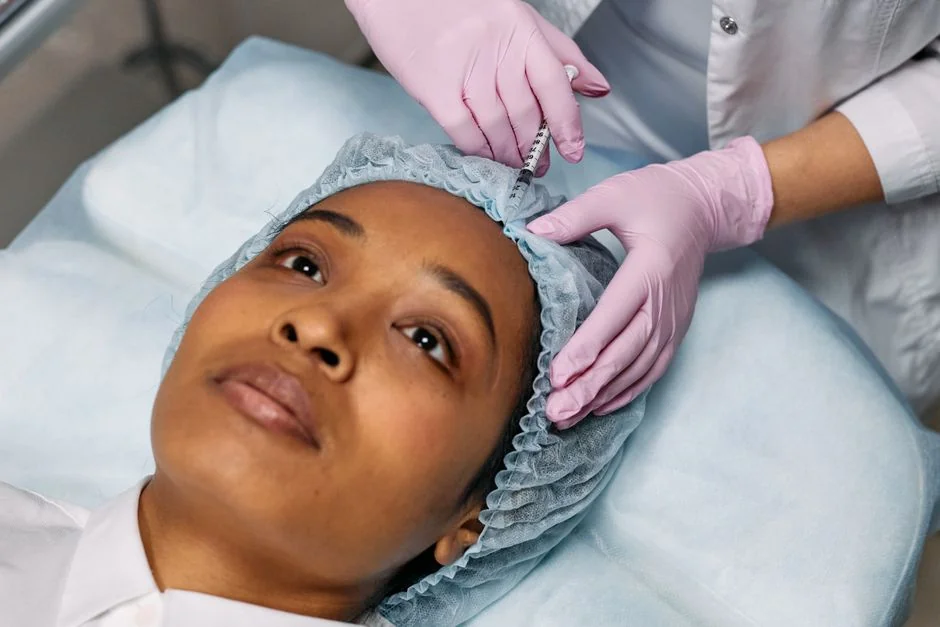
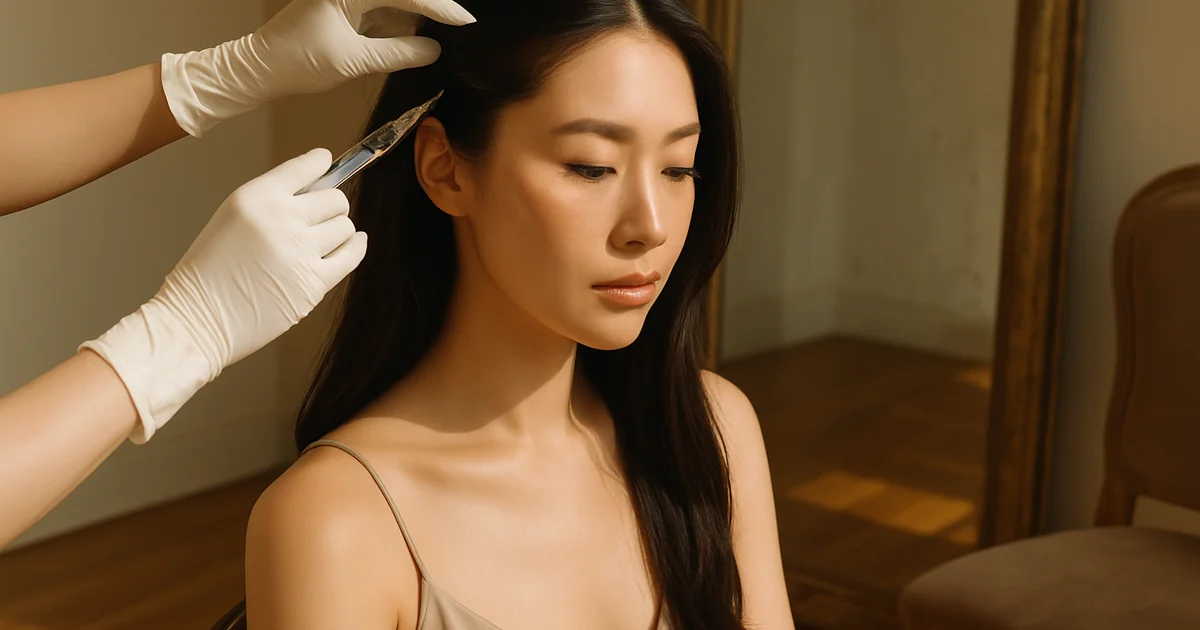
Forehead Botox is a non-surgical cosmetic injection of purified botulinum toxin type A into the frontalis muscle — the broad, flat muscle running across the forehead that contracts every time you raise your brows or show surprise. By temporarily reducing that muscle’s ability to contract, the treatment softens the horizontal lines etched into the overlying skin.
The effect is not permanent. After three to four months, the muscle gradually regains its activity and lines return to their pre-treatment appearance. Maintaining results requires repeat sessions, typically scheduled every three to four months depending on how long the effect lasts for each individual.
Two product options are available at the clinic: Allergan Vista (onabotulinumtoxinA), the long-established formulation licensed by Japan’s Ministry of Health, Labour and Welfare, and a Korean botulinum toxin product approved by the Korean Ministry of Food and Drug Safety (MFDS). Both share the same mechanism of action and a similar duration of effect.
How Forehead Botox Works
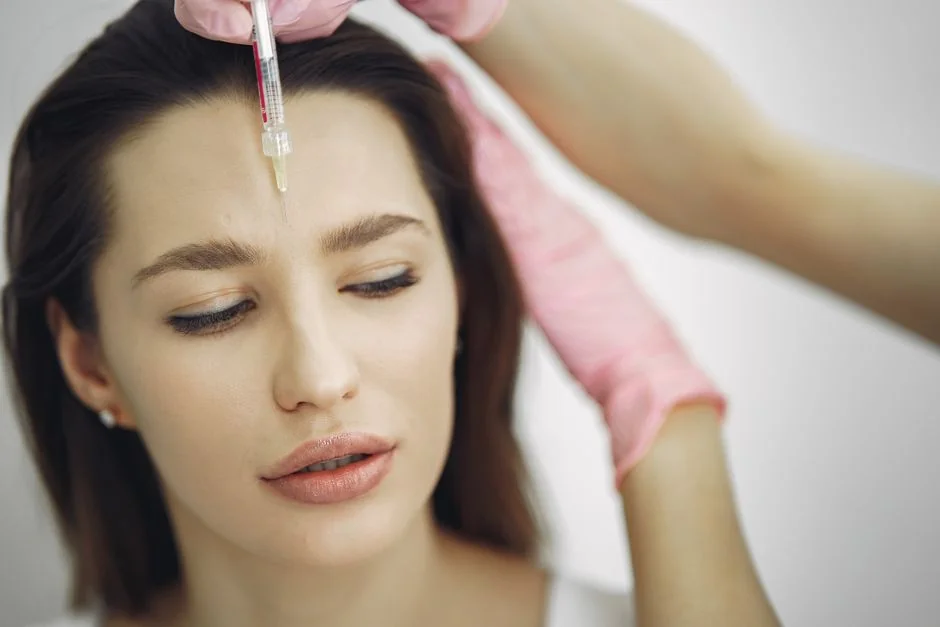
Botulinum toxin acts at the neuromuscular junction — the point where a nerve signals a muscle to contract. The toxin temporarily blocks the release of acetylcholine, the chemical messenger that triggers frontalis contraction. With that signal reduced, the muscle cannot pull the skin upward as forcefully, and the repeated creasing that forms horizontal lines is substantially diminished.
An experienced injector distributes the product across several points, typically in two to three rows across the forehead. Dosage precision matters considerably here: too little, and lines remain prominent; too much, and the brow may feel heavy or drop toward the upper eyelid. Preserving the ability to raise the brows naturally while softening the lines is the hallmark of skilled injection technique.
BIOTOPE CLINIC in Shirokanedai sees patients at many stages of familiarity with the treatment — from those having their first-ever injection to experienced patients fine-tuning their regular dose. In Dr. Karibe’s clinical practice at BIOTOPE CLINIC, the most consistently positive outcomes come from beginning conservatively and reviewing results at two weeks, then adjusting at the next session if needed.
Expected Results and How Long They Last
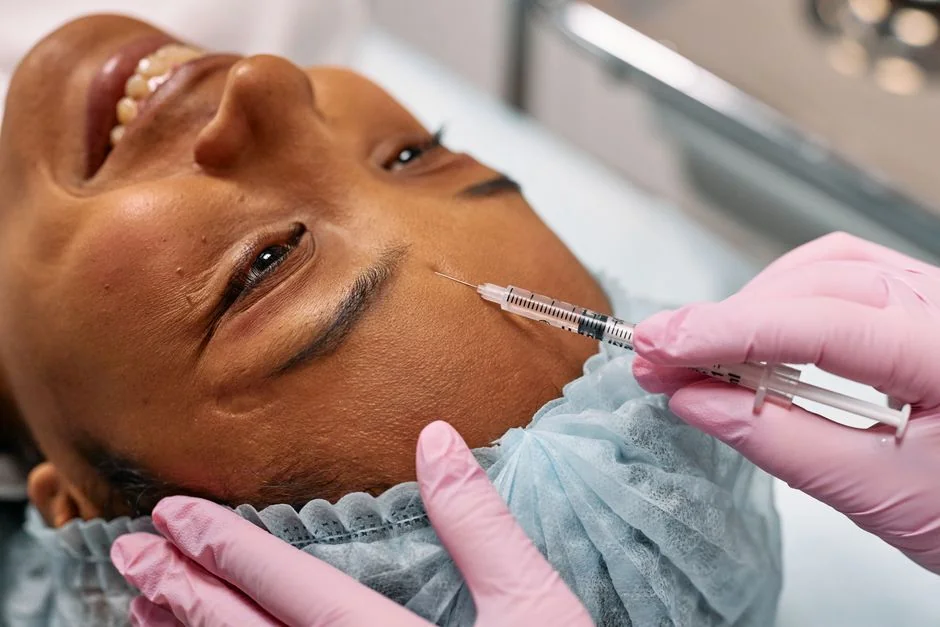
Results are not immediate. Most patients notice visible smoothing within three to seven days, with peak effect at approximately two weeks after injection.
In two randomised, double-blind, placebo-controlled studies of BOTOX Cosmetic (onabotulinumtoxinA) for forehead lines — involving 921 treated subjects — 61% of patients achieved a ≥2-grade composite improvement by Day 30 with a 40-unit dose, compared with 0% in the placebo group. Patient satisfaction was high: in Study 1, 90% of treated patients reported being “Very Satisfied” or “Mostly Satisfied”, versus 1% in the placebo group. Response rates remained consistent across multiple treatment cycles over one year.
A 2025 systematic review and meta-analysis of cosmetic botulinum toxin A injections to the upper face (PMC12783872) found that most botulinum toxin A formulations demonstrate a notable effect lasting between four and six months, with a recommendation for re-treatment every three to four months to maintain results. The overall pooled patient satisfaction odds ratio was 10.22, reflecting a strongly positive patient-reported experience across studies.
Deep static lines — those visible even without muscle movement — respond less completely than dynamic lines. A physician consultation will help set realistic expectations based on the depth and character of your specific lines.
Forehead Botox Cost in Tokyo
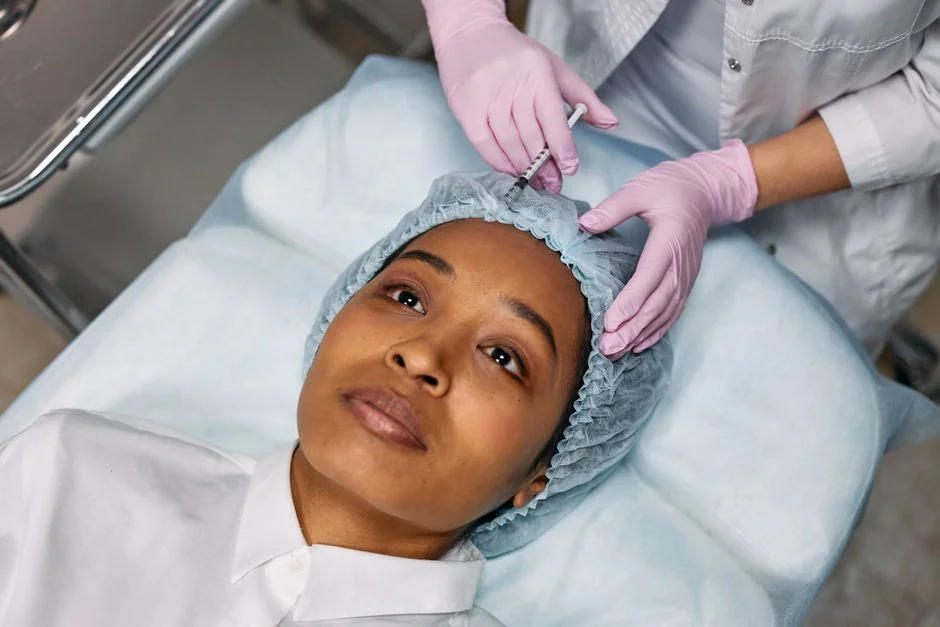
The clinic group publishes its prices transparently. The forehead Botox prices below were verified from the clinic’s current price page during the preparation of this article.
| Product | Forehead (per area, tax included) | Origin | Typical Duration |
|---|---|---|---|
| Allergan Vista (onabotulinumtoxinA) | ¥22,000 | USA — AbbVie / Allergan | 3–4 months |
| Korean botulinum toxin (MFDS-approved) | ¥9,900 | Korea | 3–4 months |
These prices are per treatment area for the forehead alone. If you plan to treat additional areas in the same visit — for example, the glabellar frown lines between the eyebrows, or crow’s feet — each area is priced separately. Treating multiple upper-face areas in a single appointment is common and can produce a more balanced result overall.
Within central Tokyo, forehead Botox prices vary widely depending on clinic tier, product brand, and injector credentials. The prices above represent the clinic’s published rates; individual treatment plans may differ based on consultation findings.
For an accurate quote reflecting your anatomy and treatment goals, please book a consultation.
Have a question about this treatment?
Message us on LINE or WhatsApp — our English-speaking team usually replies the same day.
What to Expect: Before, During and After
Before your appointment
No elaborate preparation is required. The clinic advises avoiding aspirin, ibuprofen, and fish-oil supplements for several days before injection to reduce bruising risk. Arrive with a clean face — no foundation or make-up on the forehead area. If you are taking prescription anticoagulants or have any relevant medical history, inform the clinic when booking.
During the procedure
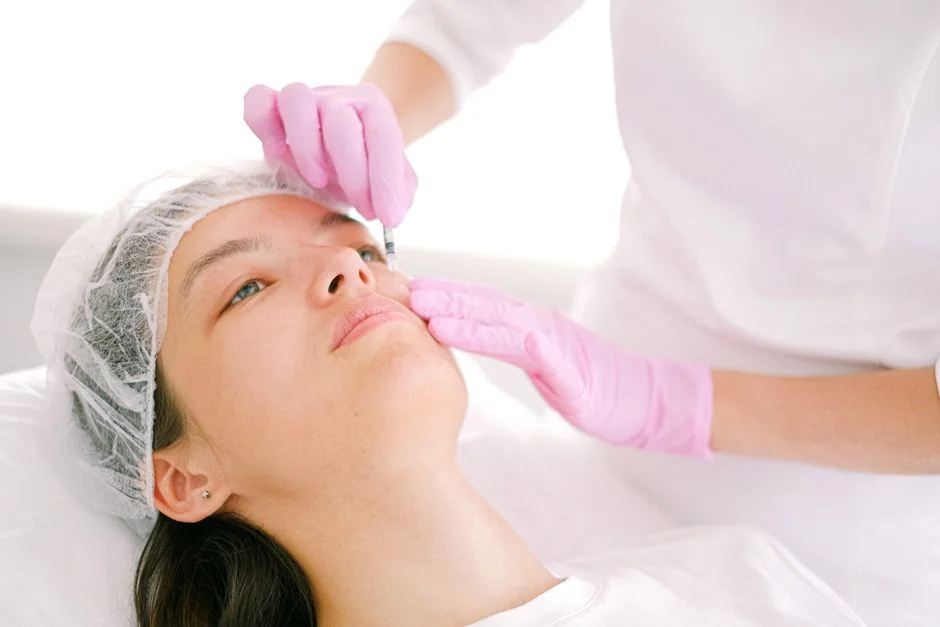
The appointment is short: typically 15 to 30 minutes from consultation to completion. The physician cleanses the skin, marks the injection sites, and administers the product using a fine-gauge needle. Most patients describe the sensation as a brief, mild sting at each point. Topical numbing cream is available for those who are sensitive to needles.
After the procedure
There is no significant downtime. Most patients return to normal activities on the same day, including office work. Standard post-treatment guidance includes remaining upright for four hours, avoiding vigorous exercise and alcohol for 24 hours, and not rubbing or massaging the forehead on the day of injection. Small raised marks or mild localised redness at injection sites typically resolve within one to two hours.
Who Is a Good Candidate — and Who Should Avoid It?
Suitable candidates
- Adults with moderate to severe dynamic horizontal forehead lines — lines caused primarily by frontalis muscle movement
- Patients in good general health with no relevant contraindications
- Adults under 65 years of age (Allergan Vista’s prescribing information in Japan does not recommend use in patients aged 65 and older)
- Those who have undergone the treatment previously without adverse reactions
Those who should exercise caution or avoid treatment
- Pregnant or breastfeeding women
- Patients with neuromuscular disorders such as myasthenia gravis or Lambert-Eaton syndrome
- Those currently using aminoglycoside antibiotics or other agents that may potentiate neuromuscular blockade
- Anyone with a known allergy to botulinum toxin or human albumin
- Patients with active infection or inflammation at the planned injection site
- Individuals with a very small forehead-to-brow distance, who may be at elevated risk of brow ptosis (drooping) from frontalis treatment
A physician consultation is the essential first step to confirm individual suitability before proceeding.
Common Misconceptions About Forehead Botox
Misconception: “Botox will freeze my face and remove all expression.” This is the concern raised most often during first consultations, and it is understandable given how the treatment is sometimes portrayed. In practice, clinical studies consistently show that appropriate dosing of the frontalis — typically 10–20 units calibrated to the individual’s muscle strength, forehead height, and existing brow position — relaxes horizontal lines while preserving enough movement for natural brow elevation and expression. The “frozen” appearance associated with older media images reflects excessive dosing, not an inherent quality of the treatment itself. Beginning conservatively and reviewing results at two weeks is standard practice to avoid this outcome.
Misconception: “If I stop having Botox, my wrinkles will be worse than before.” Clinical evidence does not support this. When the toxin’s effect wears off after three to four months, the muscle returns to its pre-treatment level of activity and lines return to their original baseline appearance — not a deteriorated one. The reverse misconception — that the face will “age faster” after stopping — is also unsupported. Some patients who have maintained consistent treatment over several years report that their lines appear slightly less prominent between sessions, which is attributed to gradually reduced habitual muscle contraction over time.
Where to Get Forehead Botox in Tokyo
Within the clinic group led by Dr. Jun Karibe — a board-certified plastic surgeon certified by the Japan Society of Plastic and Reconstructive Surgery — both locations offer English-language consultation.
BIOTOPE CLINIC (Shirokanedai, Minato-ku) is the group’s cosmetic dermatology and cosmetic surgery branch, and is where Dr. Karibe personally consults. Forehead Botox and all cosmetic injectable treatments are handled here. Patients interested in complementary treatments — such as hyaluronic acid filler for volume and contour, HIFU for non-surgical skin lifting, or Morpheus8 RF microneedling for skin texture — are welcome to ask about these during their consultation with Dr. Karibe’s team at BIOTOPE CLINIC.
Kojimachi Dermatology & Plastic Surgery Clinic (Ichigaya, Chiyoda-ku) is the group’s main office, focusing on insurance-covered general dermatology and general plastic surgery. Both clinics accept English-language enquiries.
Forehead Botox is handled at BIOTOPE CLINIC in Shirokanedai, Minato-ku. Bookings and English enquiries: LINE or WhatsApp.
Frequently Asked Questions
- Q. How many units of Botox does the forehead typically need?
- The frontalis muscle varies considerably between individuals in size, thickness, and activity level. A common starting range is 10–20 units for the forehead alone, though some patients with strong or large muscles require more to achieve adequate softening of deep lines. Your physician will assess your specific anatomy and muscle movement before recommending a dose.
- Q. Can I treat the forehead and frown lines in the same visit?
- Yes. Treating the forehead and glabellar area (the vertical frown lines between the eyebrows) in the same appointment is common practice and can produce a more naturally balanced upper-face result. Each area is priced separately; your physician can outline a combined treatment plan during the consultation.
- Q. Is botulinum toxin approved in Japan for forehead lines?
- In Japan, Allergan Vista (onabotulinumtoxinA) is licensed by the Ministry of Health, Labour and Welfare for glabellar lines (frown lines between the eyebrows), crow’s feet, and masseter reduction. Treatment of horizontal forehead lines with botulinum toxin is a widely performed off-label application at cosmetic clinics across Japan — a common medical practice for cosmetic injectables. Your physician will explain this and answer any questions about applicability to your case at consultation.
- Q. How soon can I return to work after forehead Botox?
- Most patients return to desk work on the same day. Any minor redness or raised marks at injection sites typically resolve within one to two hours. Strenuous exercise and alcohol should be avoided for 24 hours after treatment, but normal daily activities can resume immediately.
- Q. What is the practical difference between Allergan Vista and the Korean botulinum toxin option?
- Allergan Vista (onabotulinumtoxinA) carries more than 30 years of global clinical data and is the only botulinum toxin product holding Japanese Ministry approval for cosmetic indications. Korean botulinum toxin products such as Nabota (daxibotulinumtoxinA) or Coretox are approved by the Korean MFDS and have extensive clinical use across East Asia. Both formulations have a comparable mechanism of action and similar duration. The main practical differences are price and the depth of long-term safety data; your physician can help you decide based on your clinical history and preferences.
Have a question about this treatment?
Message us on LINE or WhatsApp — our English-speaking team usually replies the same day.
Summary
Forehead Botox is a well-established, non-surgical treatment for dynamic horizontal forehead lines. Clinical trials of onabotulinumtoxinA report a 90% “Very Satisfied” or “Mostly Satisfied” rate among treated patients, with 61% achieving a ≥2-grade improvement by Day 30. Studies suggest results last on average three to four months, and up to six months in some patients, with consistent response across repeat treatment cycles.
The procedure itself takes 15 to 30 minutes with no significant downtime. At our Tokyo clinic, current prices are ¥9,900 per area for the Korean botulinum toxin option and ¥22,000 per area for Allergan Vista — both tax-inclusive and confirmed from the clinic’s current price list.
If you have questions about forehead Botox, both BIOTOPE CLINIC (Shirokanedai, Minato-ku) and Kojimachi Dermatology & Plastic Surgery Clinic (Ichigaya, Chiyoda-ku) offer English-language consultation with Dr. Karibe and his team. Forehead Botox is handled at BIOTOPE CLINIC in Shirokanedai. English enquiries: LINE or WhatsApp.
24/7 Consultation & Booking
Book a Consultation or Treatment
Our English-speaking team responds via LINE or WhatsApp — usually the same day.
References
- AbbVie Inc. BOTOX Cosmetic (onabotulinumtoxinA) Full US Prescribing Information. AbbVie Inc.; 2024.
- AbbVie Inc. BOTOX Cosmetic Upper Forehead Lines — Clinical Study Design and Results. Allergan Aesthetics / AbbVie; 2024. Accessed via botoxcosmetichcp.com, October 2026.
- Cosmetic Botulinum Toxin A Injections to the Upper Face: A Systematic Review and Meta-Analysis of Clinical Studies. PubMed Central; 2025. PMC12783872.
- Pharmaceuticals and Medical Devices Agency (PMDA), Japan. ボトックスビスタ注用50単位 (Botox Vista 50U) — Japanese Package Insert. Tokyo: PMDA. Accessed via pmda.go.jp, October 2026.
Related Articles
You may also find these articles useful.
- Botox in Tokyo: Areas, Pricing and What to Expect
- Botox for Crow’s Feet in Tokyo: Cost, Results & Safety
- Jawline Slimming Botox Tokyo: Masseter Results & Costs
- Neck Botox Tokyo: Nefertiti Lift Guide for Platysma Bands
- Anti-Aging Treatments Tokyo: Complete Guide for Expats
SUPERVISED BY
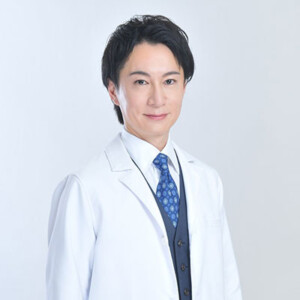
Dr. Jun Karibe
MD
Director
Education & Career
Certifications
Awards
MEDICAL REVIEW