What Is PicoWay Laser?
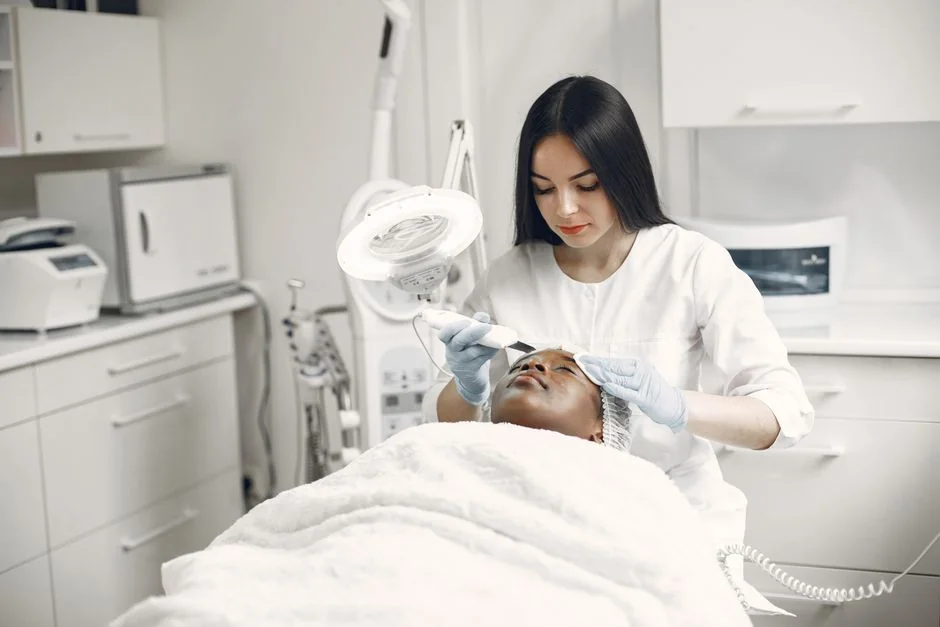
PicoWay is a picosecond laser system manufactured by Candela Medical. The “pico” in its name refers to picoseconds — trillionths of a second — describing the ultra-short duration of each laser pulse the device fires. This distinguishes it from older Q-switched nanosecond devices, whose pulses are roughly 100 to 1,000 times longer.
The mechanism of action is primarily photoacoustic rather than photothermal. Instead of heating pigment particles, ultra-short pulses create a rapid pressure wave — comparable in principle to a miniature shockwave — that physically shatters pigment into microscopic fragments. The immune system then clears those fragments gradually over the weeks following treatment. Because less thermal energy is deposited in surrounding tissue, the risk of collateral damage and post-inflammatory hyperpigmentation is lower than with longer-pulse technologies.
The system operates at four wavelengths — 1064 nm, 785 nm, 730 nm, and 532 nm — each absorbed preferentially by different pigment colours and at different tissue depths. A Resolve applicator adds a fractional micro-beam delivery mode that enables collagen remodelling applications such as acne scar treatment, though that falls outside the focus of this article.
What PicoWay Can Treat
Pigmented skin concerns
The 1064 nm and 532 nm wavelengths reach melanin deposits at various depths in the skin, making PicoWay suitable for sun spots (solar lentigines), age spots, café au lait macules, Nevus of Ota, and melasma. Superficial epidermal lesions such as lentigines may clear in one to two sessions. Melasma, which involves both epidermal and dermal melanin, is more complex. The 1064 nm wavelength at low fluence — a technique often called “pico toning” in Japanese aesthetic practice — is used to gradually reduce melasma pigmentation while minimising the risk of rebound darkening. Multiple sessions spaced several weeks apart are the standard approach.
Tattoo ink removal
PicoWay’s four wavelengths cover a broader spectrum of tattoo ink colours than single-wavelength devices. The 1064 nm wavelength targets black and dark grey inks; 785 nm and 730 nm address blue and green; 532 nm targets warmer colours including red, orange, yellow, and pink. This multiwavelength capability is particularly relevant for multicolour tattoos, where a device limited to one or two wavelengths would leave certain pigments incompletely fragmented.
| Wavelength | Primary ink colours targeted | Fitzpatrick skin types |
|---|---|---|
| 1064 nm | Black, dark grey, dark blue-black | I–VI |
| 785 nm / 730 nm | Blue, green, purple | II–IV |
| 532 nm | Red, orange, yellow, pink | I–III |
Expected Results — What the Evidence Shows
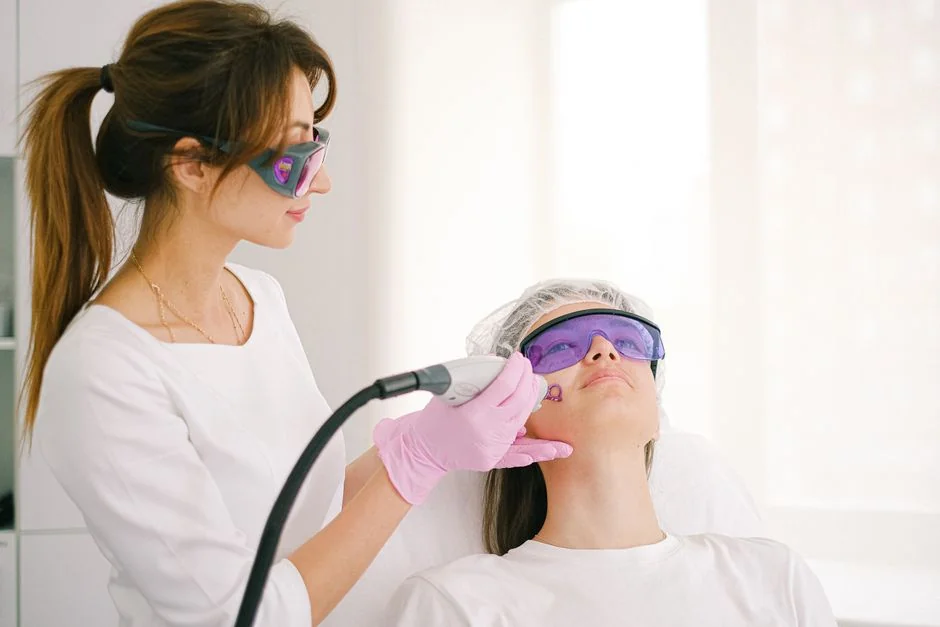
Clinical data published by Candela Medical from studies of the PicoWay system indicate that 96% of treated pigmented discolorations showed measurable improvement, with approximately 50% clearance achieved after two sessions. For tattoo removal, the same dataset reports that 86% of patients achieved at least 50% clearance of their tattoos after three PicoWay sessions. Complete clearance of professional-grade tattoos typically requires between four and ten sessions spaced six to eight weeks apart, depending on ink density, colour range, tattoo age, skin location, and the patient’s individual immune response.
A 2018 study published in PLOS ONE (Choi et al.) compared picosecond and nanosecond laser performance across multiple wavelengths in an animal model. The researchers found that picosecond pulses produced less epidermal damage and faster recovery than their nanosecond equivalents, with the 1064 nm picosecond mode achieving 92.60% pigmentation reduction for green tattoo pigment in the study model. While animal-model data do not translate directly to human clinical outcomes, the findings support the mechanistic rationale for preferring shorter pulse durations.
A 2024 bibliometric analysis published in the Journal of Cosmetic Dermatology (Zyoud) reviewed 318 scientific articles on laser tattoo removal published between 1978 and 2023 and documented a clear research shift toward picosecond technology after 2014 — attributed to the more efficient pigment fragmentation achievable with ultra-short pulse durations. Studies suggest this shift reflects genuine therapeutic advantage, not merely marketing positioning.
Cost of PicoWay Laser in Tokyo
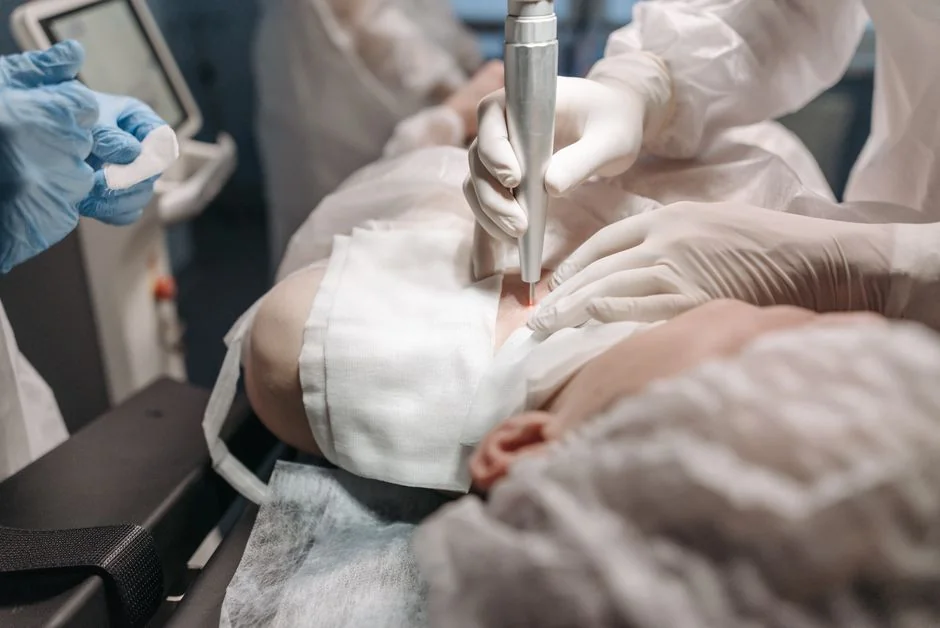
Pricing for PicoWay treatment in Tokyo varies across clinics and depends on several factors: the size and nature of the concern (a single spot versus full-face toning versus tattoo removal), the number of sessions required, and the level of physician involvement during treatment. Tattoo removal is generally priced by tattoo dimensions and ink complexity. Pigmentation treatments may be priced per lesion or per treatment area, with full-face protocols carrying different fees from localised spot treatment.
It is worth noting that an upfront per-session price does not capture the full cost of treatment — patients with complex concerns or multicolour tattoos should factor in the likely total number of sessions when comparing options. A physician’s assessment in person is the only reliable basis for a cost estimate tailored to your individual case.
Please see the clinic’s official price page or contact us for a current quote.
Have a question about this treatment?
Message us on LINE or WhatsApp — our English-speaking team usually replies the same day.
What to Expect — Before, During and After Treatment
Preparation
Avoid direct sun exposure for at least two weeks before your appointment and apply broad-spectrum SPF 30–50 daily in the lead-up to treatment. If you are using prescription retinoids, AHA or BHA exfoliants, or other photosensitising topicals, your physician may advise a temporary pause. Inform your doctor of any personal history of herpes simplex infection in or near the treatment area, as laser energy can trigger reactivation in susceptible individuals.
The session
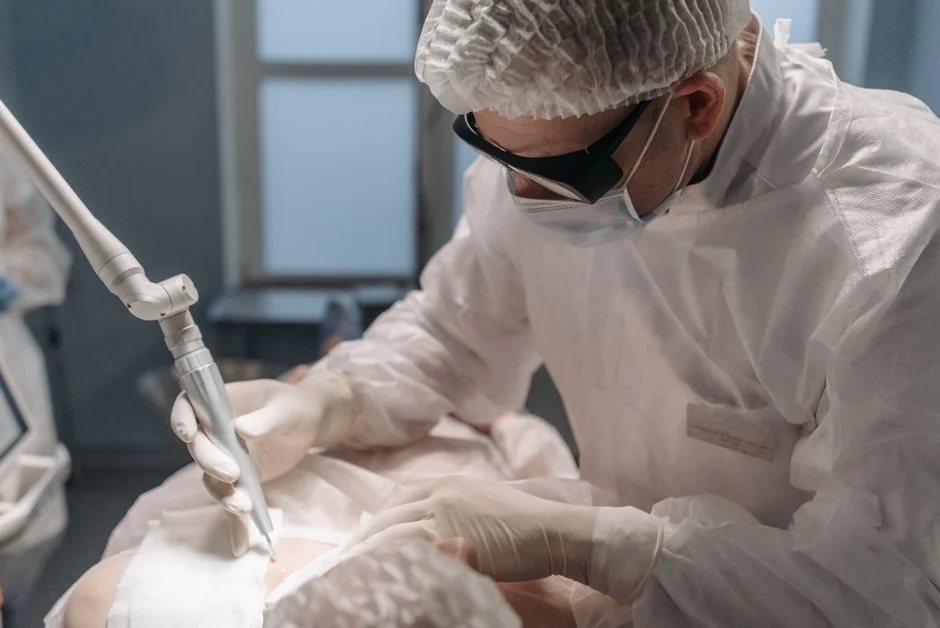
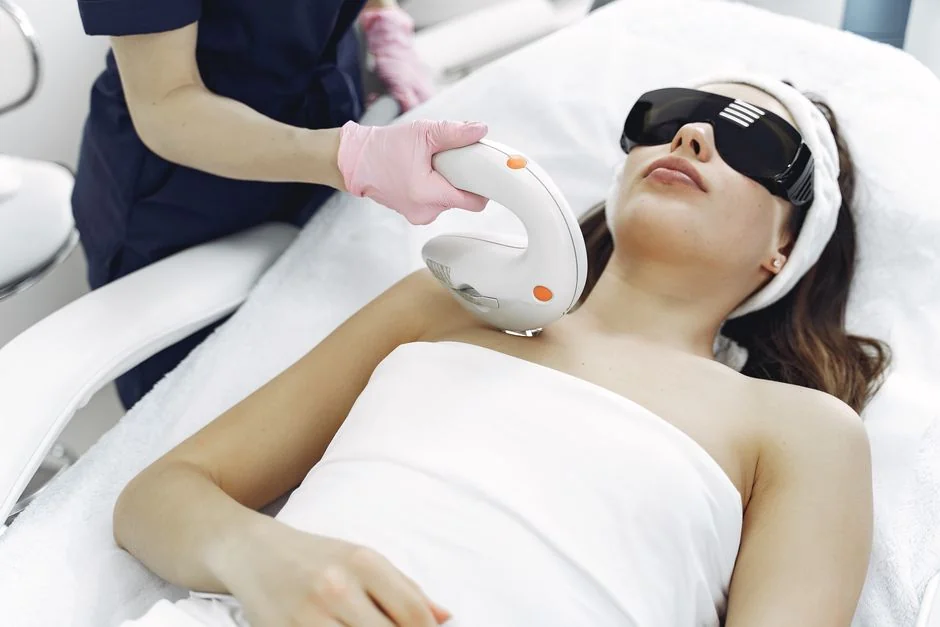
A typical PicoWay session lasts approximately 15–20 minutes. Topical anaesthetic cream is applied beforehand and allowed to take effect for 20–30 minutes. During the procedure, patients feel a sharp snapping or stinging sensation with each pulse. The experience is noticeable but generally manageable with topical anaesthesia alone for most patients. Protective eyewear is worn throughout.
Recovery and aftercare
After the session, mild redness, slight swelling, and in some cases temporary darkening of treated pigmentation or fine crusting are normal responses. These typically resolve within hours to several days. Consistent, daily sunscreen application is essential during the healing phase; UV exposure at this stage can stimulate new pigmentation in the treated area. Avoid picking at any crusting, which increases the risk of post-inflammatory hyperpigmentation or scarring.
Who Is a Good Candidate — and Who Should Wait?
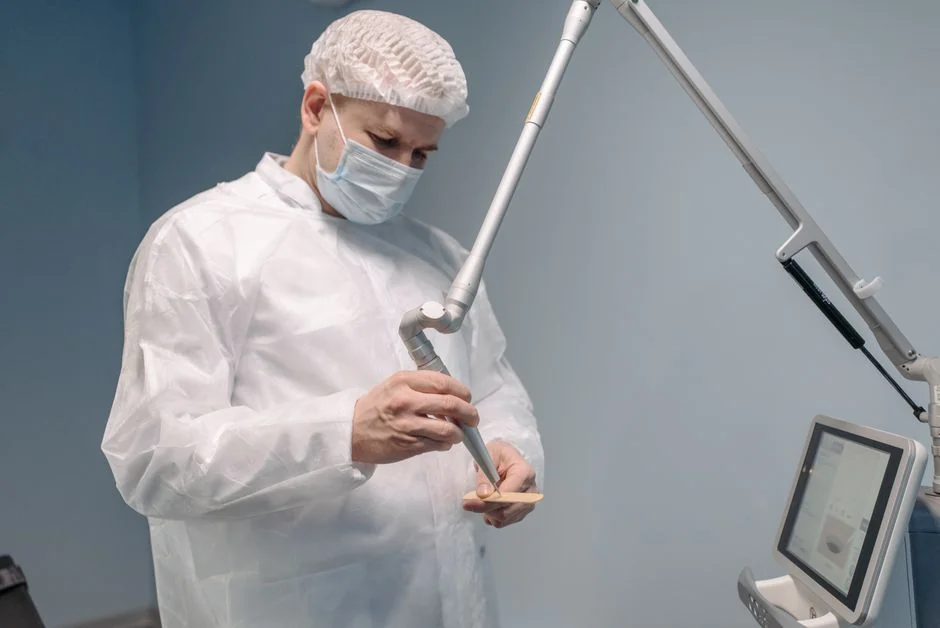
PicoWay is suitable for a wide range of skin types. The 1064 nm wavelength can be used on Fitzpatrick types I–VI, making it appropriate for the full spectrum of skin tones common in a Tokyo patient population. Shorter wavelengths carry a higher risk of pigment changes in darker skin types and are generally reserved for Fitzpatrick types I–III. The appropriate wavelength and settings for your skin tone will be determined by your physician at the consultation.
Strong candidates include people with clearly defined epidermal or dermal pigmented lesions — lentigines, age spots, café au lait macules, Nevus of Ota — and those seeking significant fading or full removal of unwanted tattoos. Patients with melasma may benefit from a pico toning protocol, provided they maintain consistent photoprotection between sessions; melasma is a chronic condition that can recur without ongoing sun management.
When to wait or seek additional review
Elective laser procedures should be deferred during pregnancy and breastfeeding. A personal or family history of keloid scarring warrants a thorough pre-treatment discussion with your physician. Active skin infections, open wounds, or a fresh tan in the treatment area are contraindications for that session. Patients completing a course of oral isotretinoin are typically advised to wait a minimum of six months after finishing the medication before undergoing laser treatment.
What people often get wrong about PicoWay
Misconception 1: Picosecond lasers are painless. This claim circulates widely in patient forums and some clinic marketing materials. In practice, each PicoWay pulse produces a noticeable snapping or stinging sensation. Topical anaesthetic substantially reduces discomfort, but the procedure is not pain-free. Individual tolerance varies; a realistic conversation with your treating physician beforehand prevents disappointment on the day.
Misconception 2: Tattoo removal is complete within one or two sessions. Amateur tattoos with sparse, shallow ink may fade significantly after two to three sessions, but professional tattoos with dense or multicolour ink typically require between four and ten sessions spaced six to eight weeks apart. Light-blue, white, and fluorescent inks are among the most resistant. Tattoos on extremities — feet, fingers, and ankles — often require more sessions due to slower lymphatic clearance. An in-person assessment of the tattoo is the only meaningful basis for predicting the number of sessions needed.
Getting PicoWay Laser in Tokyo
Within the clinic group, both BIOTOPE CLINIC (Shirokanedai, Minato-ku) and Kojimachi Dermatology & Plastic Surgery Clinic (Ichigaya, Chiyoda-ku) offer English-language consultation with Dr. Jun Karibe’s team. PicoWay laser for pigmentation and tattoo removal is handled at BIOTOPE CLINIC in Shirokanedai. Bookings and enquiries in English: LINE or WhatsApp.
BIOTOPE CLINIC also offers CO2 fractional laser for acne scars and enlarged pores, and Morpheus8 RF microneedling for skin texture improvement and tightening — both of which may be recommended alongside PicoWay depending on the patient’s individual concern. If your skin issue falls under insurance-covered dermatology — such as a medically indicated mole removal, atypical pigmented lesion requiring biopsy, or inflammatory skin condition — the Kojimachi Dermatology & Plastic Surgery Clinic is the appropriate first point of contact and also offers consultations in English.
Frequently Asked Questions
- Q. How many PicoWay sessions will I need for pigmentation removal?
- The number of sessions depends on the type and depth of the pigmentation. Superficial lesions such as solar lentigines may clear in one to two sessions. Deeper conditions such as Nevus of Ota or melasma typically require more sessions over a longer period. A direct consultation with a physician is the only way to receive a meaningful estimate for your specific concern.
- Q. Will PicoWay work safely on darker Asian skin tones?
- PicoWay was designed with a range of skin tones in mind. The 1064 nm wavelength is appropriate for Fitzpatrick types I–VI, including the darker skin tones common across East and Southeast Asian populations. Shorter wavelengths require more careful parameter selection for darker tones, and your physician will choose settings accordingly at the initial assessment.
- Q. Is PicoWay the same as PicoSure?
- No. PicoSure (by Cynosure) and PicoWay (by Candela Medical) are distinct picosecond laser platforms from different manufacturers, with different primary wavelengths, pulse characteristics, and applicator options. PicoSure operates primarily at 755 nm, while PicoWay offers four wavelengths spanning 532 nm to 1064 nm. The clinical appropriateness of each device depends on the concern being treated and should be assessed by a physician rather than selected based on brand name alone.
- Q. How long do pigmentation results last?
- Cleared lesions such as solar lentigines may remain clear long-term with consistent sun protection. However, new spots can develop with continued UV exposure, and melasma commonly recurs if photoprotection lapses. Maintenance sessions and a daily broad-spectrum SPF routine are the most reliable way to preserve results over time.
Have a question about this treatment?
Message us on LINE or WhatsApp — our English-speaking team usually replies the same day.
Summary
PicoWay is a multiwavelength picosecond laser that can address a broad range of pigmented skin concerns — including sun spots, age spots, melasma, café au lait macules, and Nevus of Ota — as well as tattoo removal across a wide spectrum of ink colours. Its photoacoustic mechanism allows for effective pigment fragmentation with less thermal burden on surrounding tissue than older nanosecond devices. Clinical evidence indicates meaningful improvement rates for pigmented lesions and significant tattoo clearance after multiple sessions, though individual outcomes vary considerably depending on the concern, skin type, ink characteristics, and treatment adherence. Realistic expectations, professional physician assessment, and consistent aftercare — particularly sun protection — are the cornerstones of a successful outcome.
If you have questions about PicoWay laser for pigmentation or tattoo removal, both BIOTOPE CLINIC (Shirokanedai, Minato-ku) and Kojimachi Dermatology & Plastic Surgery Clinic (Ichigaya, Chiyoda-ku) offer English-language consultation with Dr. Karibe and his team. PicoWay laser treatment is primarily handled at BIOTOPE CLINIC in Shirokanedai. English enquiries: LINE or WhatsApp.
24/7 Consultation & Booking
Book a Consultation or Treatment
Our English-speaking team responds via LINE or WhatsApp — usually the same day.
References
- Choi MS, Seo HS, Kim JG, Choe SJ, Park BC, Kim MH, Hong SP. Effects of picosecond laser on the multi-colored tattoo removal using Hartley guinea pig: a preliminary study. PLOS ONE. 2018.
- Zyoud SH. A global look at laser tattoo removal research: key areas and emerging trends revealed through bibliometric and visualization analysis. Journal of Cosmetic Dermatology. 2024.
- Candela Medical. PicoWay: clinical results and product specifications. Candela Medical product documentation. 2023.
Related Articles
You may also find these articles useful.
- Dark Spot Removal Tokyo: Laser Treatment Options
- Melasma Treatment in Tokyo: Causes and Real Solutions
- Acne Scar Laser Treatment Tokyo: Cost and Real Results
- Laser Skin Treatment Tokyo: English-Speaking Clinic Guide
- Artmake Removal Tokyo: Laser and Revision Options Guide
SUPERVISED BY
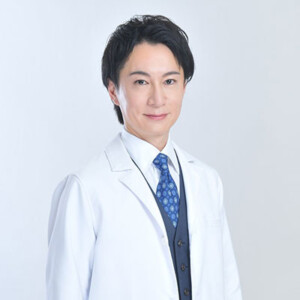
Dr. Jun Karibe
MD
Director
Education & Career
Certifications
Awards
MEDICAL REVIEW