Anti-Aging Treatments in Tokyo: A Complete Guide for Expats
Finding anti-aging care in a foreign country can feel daunting. The language is different, the price lists are unfamiliar, and it is hard to tell a medical clinic from a beauty salon. This guide explains the main anti-aging treatments available in Tokyo, how they work, what the evidence says, what they cost, and how to choose safely.
What you’ll learn in this article:
- The difference between preventive, injectable and energy-based anti-aging treatments
- What clinical data and official Japanese product information say about results and risks
- Current published prices for common treatments at our clinic group in Tokyo
- Who is a good candidate, and who should avoid certain treatments
- Common misconceptions, including why where you have HIFU done matters
Have a question about this treatment?
Message us on LINE or WhatsApp — our English-speaking team usually replies the same day.
What Counts as an “Anti-Aging Treatment” in Tokyo?
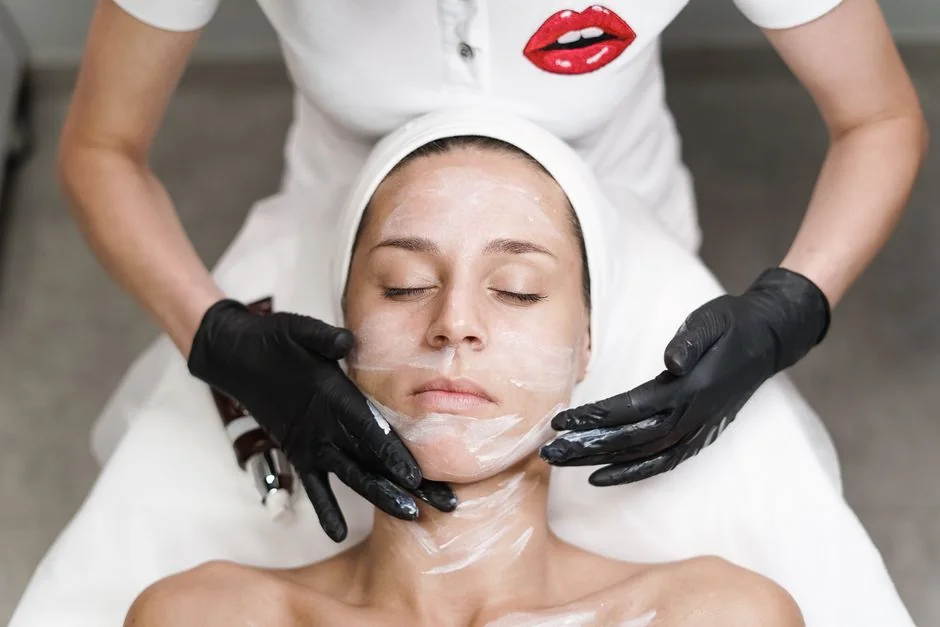
“Anti-aging” is a broad term. In a dermatology or plastic surgery clinic, it usually covers treatments that reduce wrinkles, restore lost volume, tighten loose skin, or even out pigmentation. It also covers the day-to-day habits that slow visible aging in the first place.
Researchers describe skin aging as a combination of natural (chronological) aging and photoaging, which is damage caused by years of sun exposure. The authors of a large Australian trial note that most of the changes linked to skin aging come from photoaging layered on top of chronological aging. That is why good anti-aging care usually starts with sun protection, before any procedure.
An important point for expats: insurance does not cover it
Japan’s Ministry of Health, Labour and Welfare (MHLW) published a report on cosmetic medicine in November 2024. It describes cosmetic medicine as self-pay care (“free medical care”, or jiyu shinryo) that public health insurance does not cover. Expect to pay the full cost of anti-aging procedures yourself, whatever insurance you have in Japan.
How the Main Treatments Work
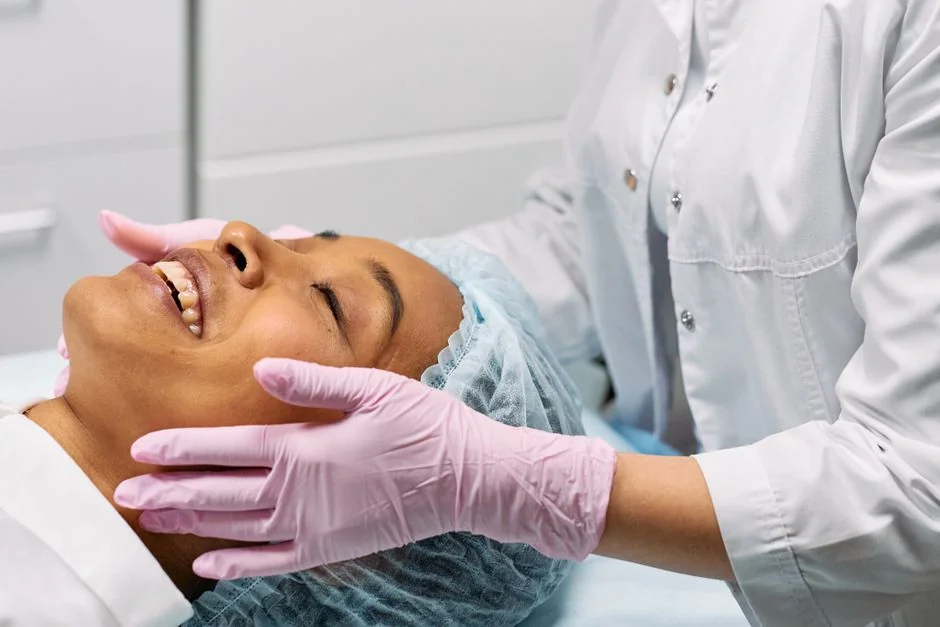
Most clinical anti-aging treatments fall into three groups: injectables, energy-based devices, and skin-resurfacing treatments. Each works on a different layer of the face.
Botulinum toxin (Botox)
Botulinum toxin is injected into specific muscles to relax them temporarily. This softens “expression lines”, the wrinkles that form when you frown or smile. In Japan, Allergan’s cosmetic product Botox Vista was approved for frown lines between the eyebrows in 2009. Approval for crow’s feet followed on 23 May 2016.
The current Japanese package insert (the official prescribing document, revised August 2026) lists these uses for adults under 65: frown lines, crow’s feet, and a prominent jaw muscle (masseter). It states that the effect usually wears off within 3 to 4 months and that repeat injections should not be given within 3 months.
Hyaluronic acid filler
Hyaluronic acid is a gel-like substance that occurs naturally in the skin. Injected as a filler, it restores volume in areas that have hollowed with age, such as the mid-face and temples. One example, Juvéderm Vista Voluma XC, received Japanese regulatory approval on 9 September 2016. It is approved for adding volume to the mid-face, jawline area and temples in adults.
Energy-based devices: HIFU and radiofrequency
HIFU (high-intensity focused ultrasound) focuses ultrasound energy to heat tissue beneath the skin’s surface. The aim is to tighten and lift. Radiofrequency (RF) devices, including RF microneedling such as Morpheus8, use radiofrequency heat for a similar tightening effect. HIFU is available at BIOTOPE CLINIC in Shirokanedai. Feel free to ask about it during a consultation with Dr. Karibe.
Lasers and microneedling
Picosecond lasers such as PicoWay use extremely short pulses of light to break up pigment, so they are often used for sun spots and uneven tone. CO2 fractional lasers and Dermapen microneedling create tiny controlled injuries that prompt the skin to repair itself. They are commonly used for texture, pores and acne scars.
| Treatment | Main target | How it works (in plain terms) | Key safety point from official sources |
|---|---|---|---|
| Botulinum toxin | Frown lines, crow’s feet | Temporarily relaxes the muscles that cause expression lines | Drooping eyelid and injection-site pain are listed among the more common side effects |
| Hyaluronic acid filler | Volume loss, hollows | Gel restores lost volume under the skin | Injection into a blood vessel can block blood flow; the Japanese insert warns of possible visual impairment or blindness |
| HIFU | Sagging, laxity | Focused ultrasound heats deeper tissue | Burns and nerve injury have been reported after treatment at beauty salons |
| RF / RF microneedling | Laxity, texture | Radiofrequency heat tightens the skin | Settings and technique should be chosen by a physician |
| Pico laser, CO2 laser, Dermapen | Pigmentation, texture, scars | Light energy or micro-injuries trigger skin repair | Redness and recovery vary with settings; the doctor should explain this in advance |
Expected Results: What the Evidence Suggests
Results vary with age, skin type, lifestyle and technique, so no treatment can promise a specific outcome. Published data does give some useful benchmarks.
For prevention, a randomised trial in Nambour, Australia followed 903 adults under 55 for 4.5 years. Skin aging was 24% less in the group that applied a broad-spectrum SPF 15+ sunscreen every morning than in the group that used sunscreen at their own discretion (relative odds 0.76; 95% CI 0.59 to 0.98). Studies suggest that this simple daily habit supports every other anti-aging treatment.
For fillers, Allergan Japan reported that 67.1% of patients treated with Voluma XC still had at least a one-point improvement on a mid-face volume scale at 24 months. That figure comes from the manufacturer’s clinical data. Results in any individual may differ.
For botulinum toxin, the official Japanese information makes clear that results are temporary. The effect usually fades within 3 to 4 months, and ongoing results require repeat treatment.
Cost of Anti-Aging Treatments in Tokyo
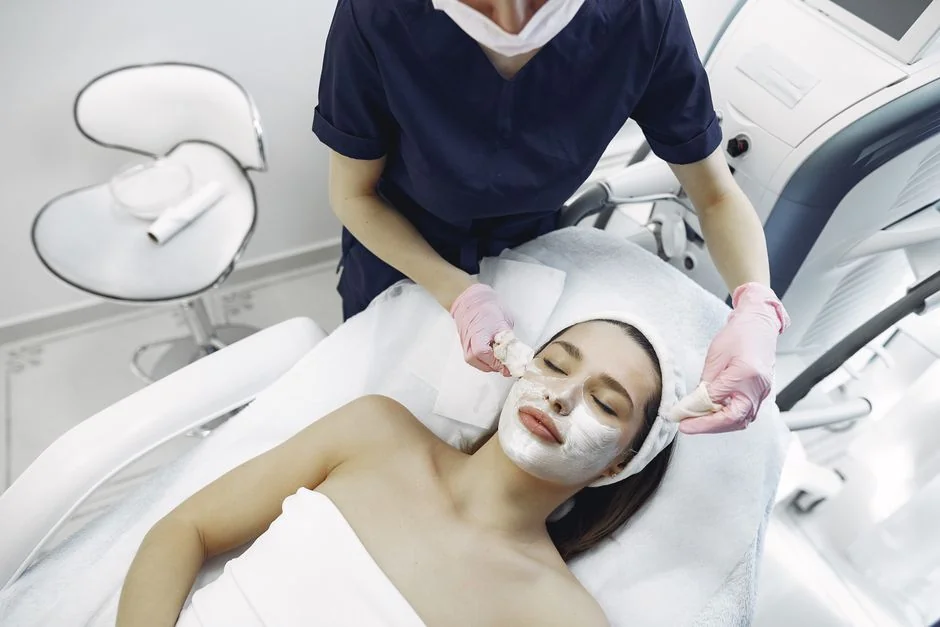
Because cosmetic treatments are self-pay in Japan, prices vary between clinics. The figures below come from our group’s published price list, effective from 1 October 2023. All prices include tax.
| Treatment | Published price (tax included) |
|---|---|
| Botulinum toxin (Allergan), frown lines, crow’s feet or forehead | 22,000 yen per area |
| Hyaluronic acid filler (Allergan range), first syringe | 110,000 yen |
| HIFU, full face plus under-chin, one session | 110,000 yen |
| HIFU Shower, full face, one session | 25,000 yen |
| Volnewmer (RF), 200 / 300 shots | 66,000 yen / 99,000 yen |
| Pico toning, full face, one session | 25,000 yen |
| Dermapen, full face, one session | 19,000 yen |
The price list also includes lower-priced Korean-made botulinum toxin and filler options. Products differ in their regulatory status in Japan, so ask the doctor which product will be used and whether it is approved in Japan. For treatments not listed above, such as Morpheus8 or IV drips, please see the clinic’s official price page or contact us for a current quote.
For an accurate quote, please book a consultation.
Have a question about this treatment?
Message us on LINE or WhatsApp — our English-speaking team usually replies the same day.
What to Expect and Who Is a Good Candidate
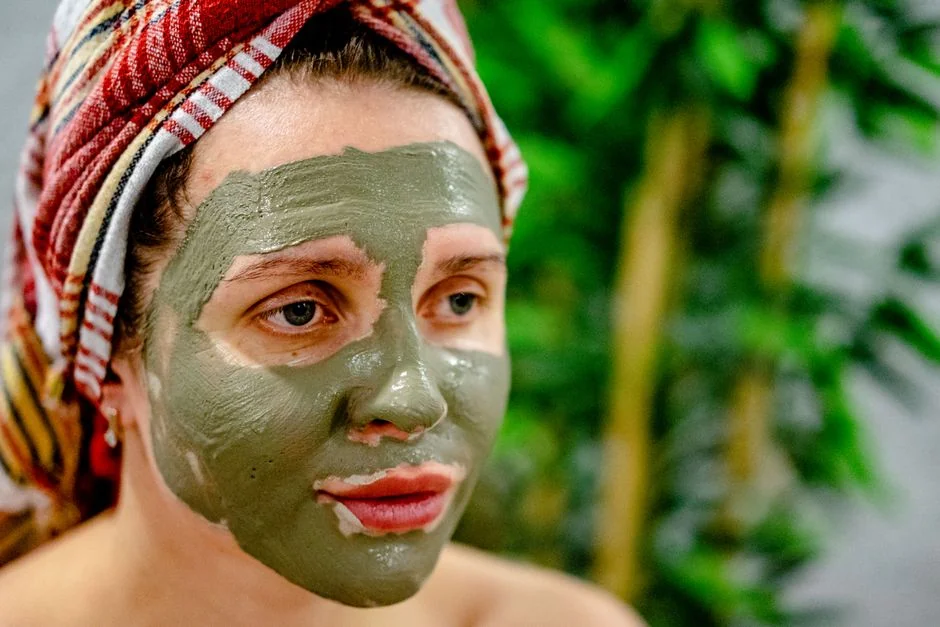
Before treatment
The MHLW’s 2024 report flagged a problem: some patients agreed to treatment after talking only to a non-medical “counsellor”, without discussing side effects with a doctor. Make sure your consultation is with a physician. That physician should explain the expected results, the common side effects and the rare but serious risks before you agree to anything.
Bring a list of your medications, any past cosmetic treatments and any allergies. Records from treatments you had in your home country are also helpful.
During and after treatment
Injectable treatments are usually quick, while device treatments take longer depending on the area. After filler, the Japanese package insert for Voluma XC lists swelling, tenderness, bruising, pain and redness among the frequently reported reactions in clinical trials. Plan social and work commitments with this in mind.
Who may be a good candidate
- Adults in good general health with realistic expectations
- People bothered by expression lines, volume loss, mild sagging or sun spots
- People willing to protect their skin from the sun every day
Who should avoid or postpone certain treatments
- Botulinum toxin: The Japanese package insert rules it out during pregnancy, possible pregnancy or breastfeeding. It also rules it out for people with generalised neuromuscular junction disorders such as myasthenia gravis, Lambert-Eaton syndrome or ALS.
- Hyaluronic acid filler (Voluma XC): Not suitable for anyone who has reacted to its ingredients, to amide-type local anaesthetics (the lidocaine family), or to certain bacterial proteins.
- Anyone with an active skin infection or an undiagnosed skin lesion should have it assessed first.
Common Misconceptions About Anti-Aging Treatments
Misconception 1: “Anti-aging starts with procedures or supplements”
In the Australian trial described above, daily sunscreen measurably slowed skin aging. The same trial found that β-carotene supplements (an antioxidant) had no overall effect on skin aging. Procedures can add to a good daily routine, but they cannot replace one.
Misconception 2: “HIFU is the same wherever you have it”
In March 2017, Japan’s National Consumer Affairs Center warned about HIFU treatment at beauty salons. Reported injuries included burns that took six months to heal and nerve damage with partial loss of sensation. In 2023, Japan’s Consumer Safety Investigation Commission concluded that some HIFU procedures count as medical acts under the Medical Practitioners’ Act. That means they should not be performed without a physician’s medical judgement and skill. Choose a medical clinic, not a salon.
Frequently Asked Questions
- Q. Does Japanese National Health Insurance cover anti-aging treatments?
- No. The MHLW describes cosmetic medicine as self-pay care that public insurance does not cover. Medical skin conditions such as eczema or suspicious moles are a separate matter and may be covered.
- Q. How long does Botox last?
- The Japanese package insert for Botox Vista states that the effect usually wears off within 3 to 4 months. It also advises against repeat injections within 3 months.
- Q. Can I have filler if I am visiting Tokyo for a short trip?
- It may be possible, but swelling and bruising are commonly reported afterwards. Allow time to follow up with the clinic before you fly home. Discuss your travel dates with the doctor at your consultation.
- Q. Is the consultation available in English?
- Yes. Both clinics in our group offer English-language consultation, so you can discuss risks and expected results clearly before agreeing to treatment.
Have a question about this treatment?
Message us on LINE or WhatsApp — our English-speaking team usually replies the same day.
Summary: Where to Get Anti-Aging Treatments in Tokyo
Effective anti-aging care combines daily sun protection with carefully chosen treatments. Choose a doctor who explains the evidence and the risks honestly. Injectables such as botulinum toxin and hyaluronic acid filler are approved products in Japan with clearly defined uses. Energy-based treatments such as HIFU should only be performed in a medical setting.
Within our clinic group, both BIOTOPE CLINIC (Shirokanedai, Minato-ku) and Kojimachi Dermatology & Plastic Surgery Clinic (Ichigaya, Chiyoda-ku) offer English-language consultation with Dr. Jun Karibe’s team. Anti-aging treatments such as Botox, hyaluronic acid filler, HIFU and RF skin tightening are handled at BIOTOPE CLINIC in Shirokanedai. Insurance-covered skin concerns such as eczema, acne or moles are seen at Kojimachi Dermatology & Plastic Surgery Clinic in Ichigaya. Bookings and enquiries in English: LINE or WhatsApp.
If you have questions about anti-aging treatments in Tokyo, both BIOTOPE CLINIC (Shirokanedai, Minato-ku) and Kojimachi Dermatology & Plastic Surgery Clinic (Ichigaya, Chiyoda-ku) offer English-language consultation with Dr. Karibe and his team. Anti-aging treatments are primarily handled at BIOTOPE CLINIC in Shirokanedai. English enquiries: LINE or WhatsApp.
24/7 Consultation & Booking
Book a Consultation or Treatment
Our English-speaking team responds via LINE or WhatsApp — usually the same day.
References
- Hughes MCB, Williams GM, Baker P, Green AC. Sunscreen and prevention of skin aging: a randomized trial. Annals of Internal Medicine. 2013;158(11):781-790.
- Ministry of Health, Labour and Welfare, Japan. Report of the Study Group on the Appropriate Practice of Cosmetic Medicine (Biyo Iryo no Tekisetsu na Jisshi ni Kansuru Kentokai Hokokusho). 22 November 2024.
- National Consumer Affairs Center of Japan. Press release: Troubles arising from HIFU treatment at beauty salons, including burns and nerve damage. 2 March 2017. See also Consumer Safety Investigation Commission report on HIFU accidents at beauty salons, 2023.
- Allergan Japan. Press release: Botox Vista 50 units receives approval for crow’s feet lines. 23 May 2016; and AbbVie GK. Botox Vista package insert (Japan), revised August 2026.
- Allergan Japan. Press release: Launch of Juvéderm Vista Voluma XC. 2016; and Juvéderm Vista Voluma XC package insert (Japan), August 2023.
Related Articles
You may also find these articles useful.
- Non-Surgical Facelift Tokyo: Embrace RF for 40s & 50s
- Skin Tightening Treatment Tokyo: Options and Cost
- Botox in Tokyo: Areas, Pricing and What to Expect
- Collagen Booster Treatment Tokyo: Costs, Results & Risks
- Exosome Therapy Tokyo: Skin Rejuvenation Guide
SUPERVISED BY
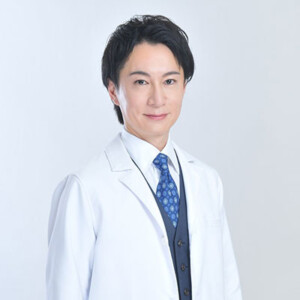
Dr. Jun Karibe
MD
Director
Education & Career
Certifications
Awards
MEDICAL REVIEW