Hair Mesotherapy in Tokyo: Manual Injection vs Hydro-Injector for AGA — What You Need to Know
Noticing thinning hair or a gradually receding hairline can be distressing, and for many people living in or visiting Tokyo, finding a reliable English-language clinic to discuss options is its own challenge.
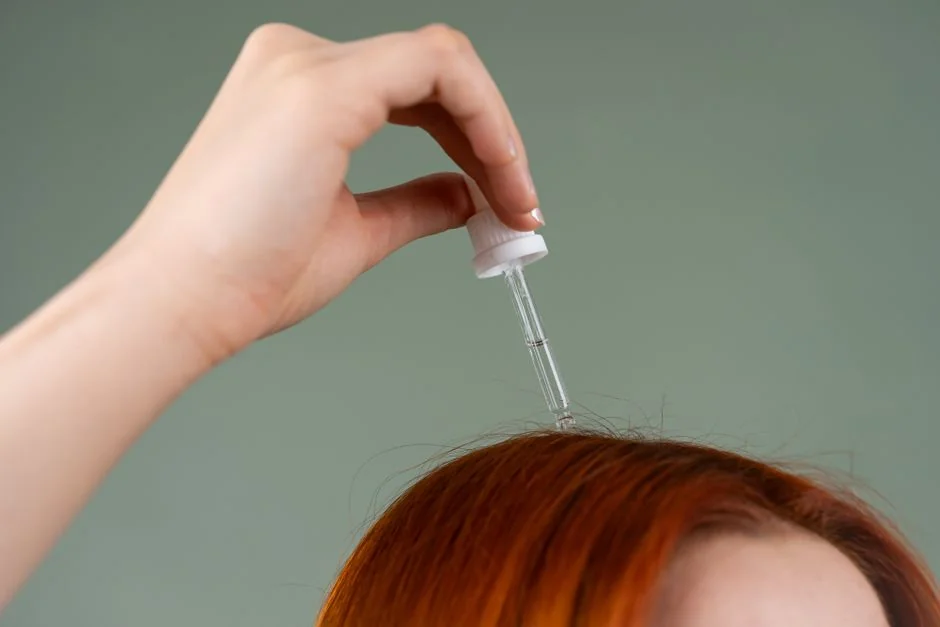
Hair mesotherapy — the delivery of active compounds directly into the scalp — has grown steadily in popularity as a non-surgical approach to androgenetic alopecia (AGA), the most common pattern of hair loss in both men and women.
This article explains what hair mesotherapy involves, how manual injection and hydro-injector techniques differ, what realistic outcomes look like, and how to access this treatment with English-speaking medical support in Tokyo.
What you’ll learn in this article:
- What hair mesotherapy is and how it addresses AGA (androgenetic alopecia)
- The clinical differences between manual injection and hydro-injector (needle-free or multi-needle) delivery
- What results to realistically expect and over what timeframe
- Approximate costs in Tokyo and what affects pricing
- Who makes a good candidate and who should approach this treatment with caution
Have a question about this treatment?
Message us on LINE or WhatsApp — our English-speaking team usually replies the same day.
What Is Hair Mesotherapy?
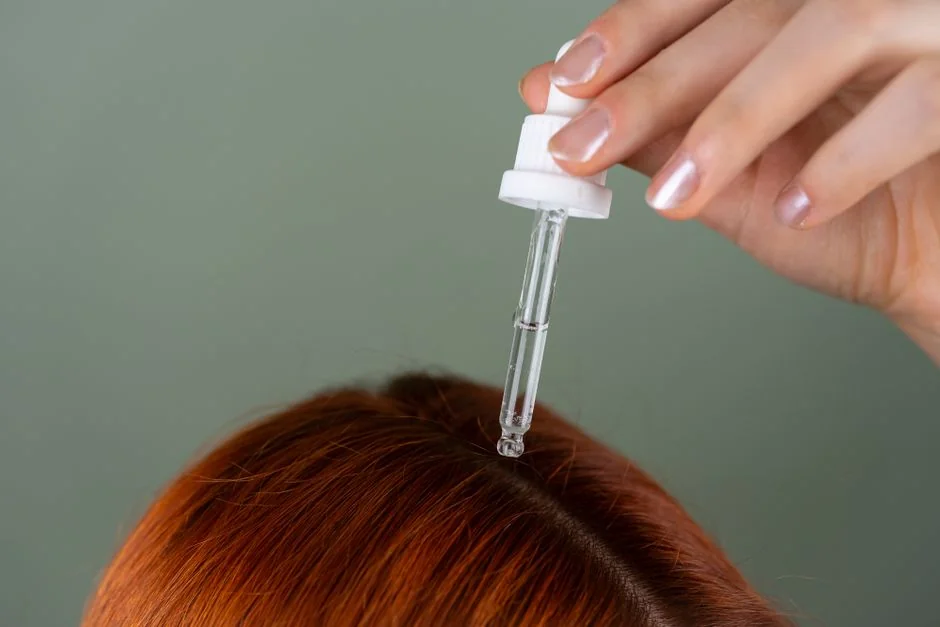
Mesotherapy is a minimally invasive technique originally developed in France in the 1950s. In the context of hair loss, it involves injecting a customised cocktail of active substances — typically including minoxidil, biotin, vitamins (particularly B-complex), amino acids, peptides, hyaluronic acid, and sometimes DHT-blocking agents — into the mesoderm, the middle layer of skin tissue directly beneath the scalp surface.
The goal is to deliver these compounds precisely where they are most needed: around the hair follicle itself. When applied to AGA — hair loss driven by genetic sensitivity to dihydrotestosterone (DHT), a hormone that miniaturises follicles over time — mesotherapy aims to improve follicular blood supply, reduce local inflammation, and provide the nutritional environment needed for follicles to move from a resting phase back into an active growth phase.
It is important to understand that mesotherapy does not reverse severe follicle loss; follicles that have been completely destroyed cannot be revived by any injection technique. The treatment is most effective when initiated in earlier stages of hair thinning, when follicles are weakened but still viable.
Manual Injection vs Hydro-Injector: How Each Technique Works
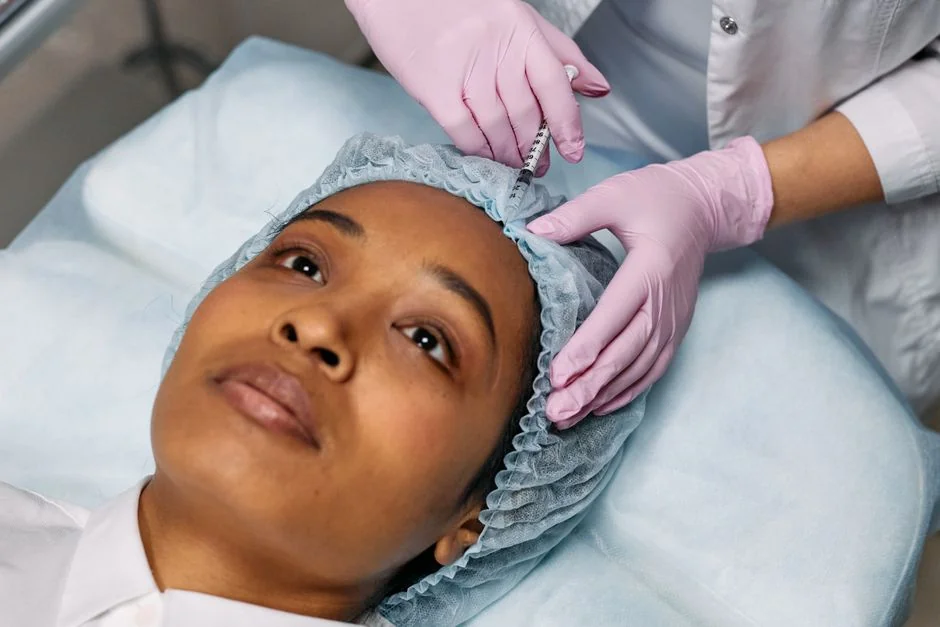
Both delivery methods introduce the same category of active ingredients into the scalp, but the mechanism, depth control, patient experience, and clinical application differ meaningfully.
Manual Injection
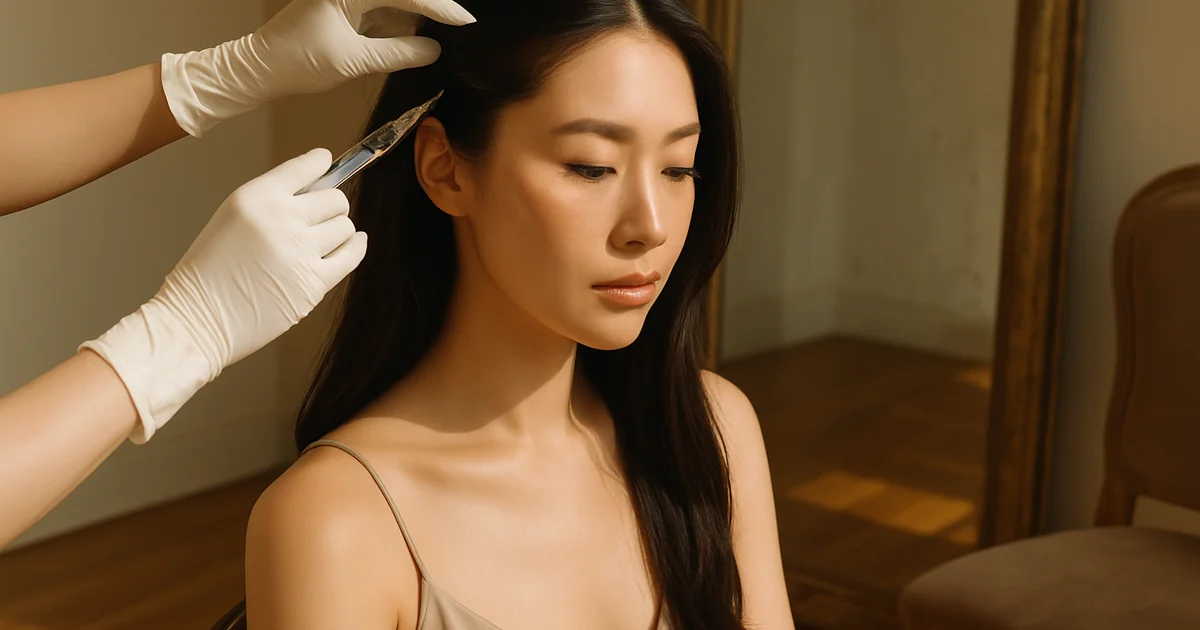
In the traditional manual approach, a physician uses a fine needle (typically 30–32 gauge) attached to a syringe to administer micro-deposits of the treatment solution at multiple points across the scalp.
The depth is controlled by hand, generally targeting 1–4 mm below the skin surface, and the physician adjusts injection angle and volume at each point based on direct assessment of the scalp.
Because the doctor controls every injection, manual technique allows for highly individualised treatment — concentrating product in areas of greatest concern, adjusting for scalp thickness, and modifying depth in real time.
The trade-off is that it is more time-consuming, dependent on physician skill, and can cause more discomfort due to the number of needle passes required.
Hydro-Injector (Multi-Needle / Meso-Gun Devices)
Hydro-injector devices — sometimes called meso-guns or multi-needle injectors — automate the delivery process using a motorised handpiece with a cluster of very fine needles (or, in true needle-free systems, high-pressure jet technology). The device delivers a pre-set volume of solution at a standardised depth with each trigger press, allowing the practitioner to cover the scalp more rapidly and consistently.
In the clinical setting, hydro-injectors tend to reduce treatment time significantly and produce a more uniform distribution of product across the scalp surface. Some patients find the automated stamping motion more tolerable than repeated manual needle insertions. However, the standardised depth settings mean less real-time adaptability compared with an experienced physician performing manual injections, and needle-free jet systems may not achieve the same tissue penetration depth in all scalp types.
Side-by-Side Comparison
| Feature | Manual Injection | Hydro-Injector Device |
|---|---|---|
| Depth control | Physician-adjusted per site | Pre-set by device calibration |
| Coverage uniformity | Variable; skill-dependent | Consistent across treated area |
| Session duration | Longer (20–40 min typical) | Shorter (15–25 min typical) |
| Patient discomfort | Moderate; multiple needle passes | Mild to moderate; more uniform sensation |
| Customisation | High — real-time physician adjustment | Moderate — cocktail is customised; delivery is standardised |
| Best suited for | Focal thinning; complex scalp anatomy | Diffuse thinning; large treatment area |
| Typical session interval | Every 2–4 weeks | Every 2–4 weeks |
Dr. Karibe’s Note
Many of our international patients arrive at BIOTOPE CLINIC having read about hydro-injector devices and assume the automated approach is always superior. In my experience, the choice between manual and device-assisted delivery is better guided by the individual’s pattern of loss and scalp characteristics than by a blanket preference for one technique.
For patients with localised thinning at the crown or temples, the fine control of manual injection often allows more targeted treatment. For diffuse, generalised thinning across a larger area, a hydro-injector can offer thorough, efficient coverage. In many cases, a combined approach works well. I encourage patients to raise this question during their initial consultation so we can assess together what suits their specific presentation.
Expected Results and What the Evidence Suggests
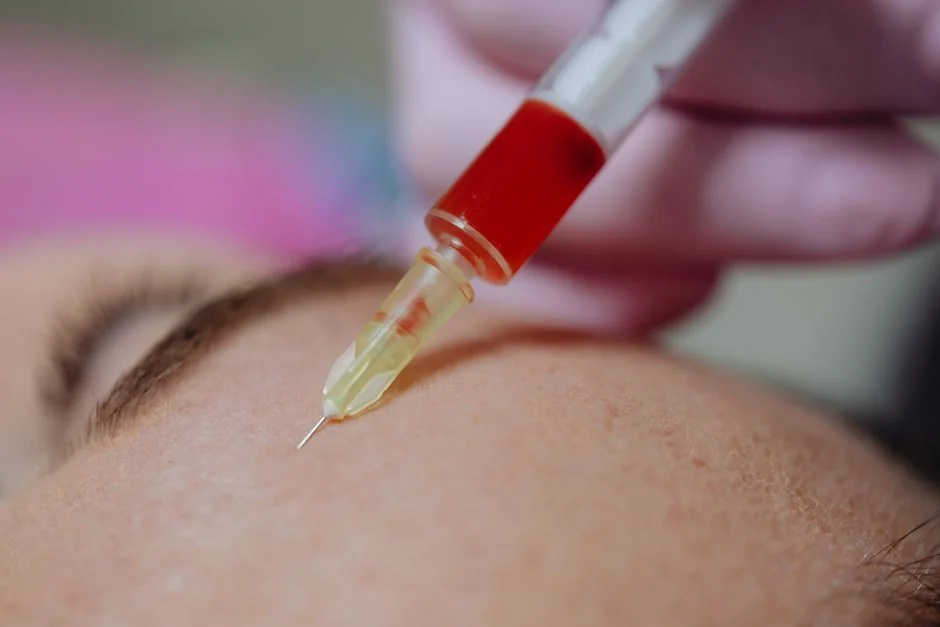
Hair mesotherapy is not a rapid fix. Realistic expectations are important: most patients begin to notice a reduction in hair shedding within the first two to three sessions, and visible improvements in hair density or thickness typically become apparent after three to six months of regular treatment — usually a course of six to ten sessions.
Clinical studies suggest meaningful benefit in early-to-moderate AGA. A controlled study published in the Journal of Cutaneous and Aesthetic Surgery reported that patients receiving mesotherapy with a minoxidil-based cocktail showed a statistically significant improvement in hair density compared with controls after twelve weeks.
A separate clinical report in the International Journal of Trichology indicated that approximately 60–70% of patients with early-stage AGA experienced notable improvement in hair shaft thickness following a structured mesotherapy protocol over six months.
It is important to note that these figures reflect research populations and that individual response varies depending on the stage of hair loss, age, hormonal profile, and consistency of treatment. Hair mesotherapy is generally considered a maintenance and adjunct therapy rather than a standalone cure for advanced AGA.
What People Often Get Wrong About Hair Mesotherapy
Misconception 1: “More sessions means faster results.” Increasing injection frequency beyond what is clinically appropriate does not accelerate follicle recovery and may irritate the scalp. The structured interval between sessions — typically two to four weeks — exists to allow tissue recovery and to observe how follicles are responding before the next cycle. An experienced physician will adjust the protocol based on observed progress, not simply repeat sessions on demand.
Misconception 2: “Needle-free hydro-injection is always gentler and equally effective.” High-pressure, needle-free jet systems do reduce skin penetration discomfort in the traditional sense, but clinical evidence specifically comparing needle-free delivery with fine-needle injection for scalp mesotherapy is limited. Penetration depth and diffusion patterns differ between systems. In some scalp types — particularly those with a thicker dermis — needle-based delivery may achieve more reliable placement of the active solution at the target depth around the follicle bulb.
Cost of Hair Mesotherapy in Tokyo
Pricing for hair mesotherapy in Tokyo varies based on the treatment area, the composition of the injectable cocktail, whether a device is used, and the number of sessions in a package.
As a general guide, individual sessions at reputable cosmetic clinics in the city typically fall in the range of approximately ¥15,000 to ¥60,000 per session, with package pricing available for committed multi-session courses.
The cost is influenced by the complexity of the formulation (premium peptides and DHT-blocking compounds add to the ingredient cost), the delivery method chosen, and the extent of the area being treated. In Dr. Karibe’s clinical experience at BIOTOPE CLINIC, patients who commit to a structured course of sessions — rather than one-off treatments — tend to report both more satisfying outcomes and better cost efficiency over time.
At BIOTOPE CLINIC, IV drip therapy with hair-supportive nutrients such as biotin, vitamin C, and glutathione is also available as a complementary approach to support scalp health from within. This is a treatment available at BIOTOPE CLINIC in Shirokanedai — feel free to ask about it during a consultation with Dr. Karibe.
For an accurate quote tailored to your hair loss pattern and treatment goals, we recommend booking a consultation.
Have a question about this treatment?
Message us on LINE or WhatsApp — our English-speaking team usually replies the same day.
What to Expect: Before, During, and After Treatment
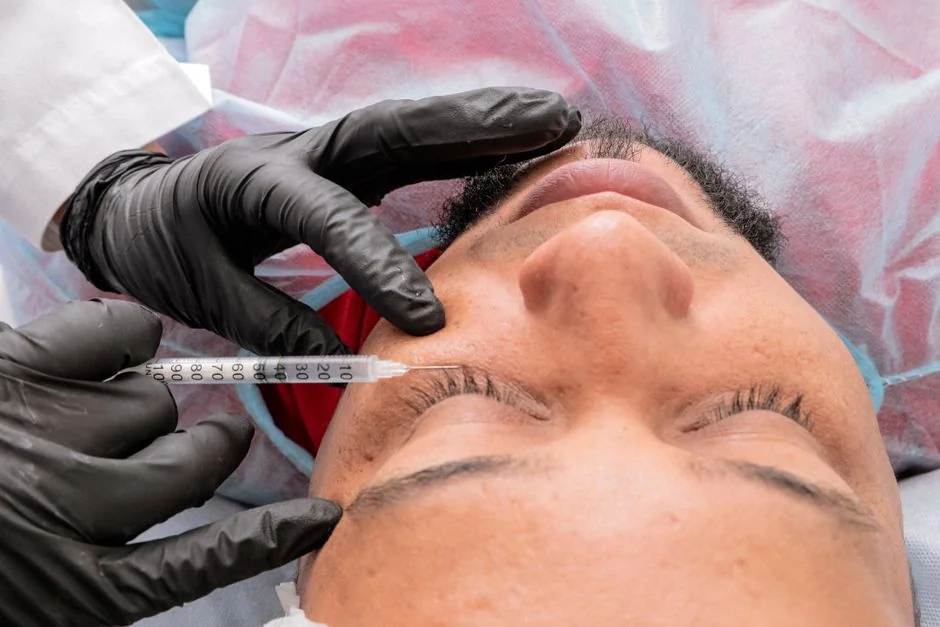
Before Your Session
A thorough initial consultation is essential. The physician will assess the pattern and stage of hair loss, review any medications being taken (as some, such as blood thinners, may affect suitability), and discuss the most appropriate injectable formulation and delivery method. Patients are generally advised to wash their hair on the day of treatment but to avoid applying any styling products to the scalp.
During the Session
A topical numbing cream may be applied to the scalp approximately 30 minutes before injections begin, reducing discomfort from needle passes. The scalp is then cleaned with an antiseptic solution. Injections are administered in a grid or point-to-point pattern across the target area. The session itself typically takes 20–40 minutes depending on the area covered and the delivery method used.
After Treatment and Downtime
Most patients can return to normal daily activities immediately after a session. The scalp may appear slightly red or feel tender for a few hours, and small raised bumps at injection sites may be visible for up to 24 hours — both are expected and resolve without intervention. Patients are advised to avoid vigorous exercise, direct sun exposure, saunas, and swimming pools for 24 hours post-treatment. Washing the hair gently the following day is generally acceptable.
Who Is a Good Candidate — and Who Should Approach With Caution
Likely Good Candidates
- Adults with early-to-moderate AGA (Norwood scale I–III for men; Ludwig scale I–II for women) who still have viable, active follicles
- Those seeking a non-surgical adjunct to existing treatments such as topical minoxidil or oral finasteride
- Patients who have tried topical treatments with limited success and wish to explore direct follicle-level delivery
- Individuals with diffuse thinning without a completely scarred or fibrosed scalp
Who Should Approach With Caution or Seek Alternatives
- Those with advanced AGA and significant follicle loss — mesotherapy cannot restore follicles that are no longer present
- Individuals with active scalp infections, psoriasis, or seborrhoeic dermatitis requiring treatment before injections can be considered
- Patients currently taking anticoagulant medications (blood thinners) — physician clearance is required
- Those with a known allergy to any component of the intended injectable formulation
- Pregnant or breastfeeding individuals
Where to Get Hair Mesotherapy in Tokyo (English-Speaking Consultation)
Within our clinic group, English-speaking consultations are handled at BIOTOPE CLINIC in Shirokanedai (Minato-ku, Tokyo) by Dr. Jun Karibe. Our sister clinic, Kojimachi Dermatology and Plastic Surgery Clinic in Ichigaya (Chiyoda-ku), serves as the group’s main office for Japanese-language insurance-covered dermatology. Bookings and enquiries in English: LINE or WhatsApp.
At BIOTOPE CLINIC in Shirokanedai, we frequently see patients who have already been researching hair mesotherapy for some time but have struggled to find a clinic in Tokyo where they can discuss their concerns in English with a qualified physician. Dr. Karibe holds board certification from the Japan Society of Plastic and Reconstructive Surgery and conducts all English-language consultations personally at BIOTOPE.
Frequently Asked Questions
- Q. How many sessions of hair mesotherapy will I need?
- Most protocols recommend an initial course of six to ten sessions spaced two to four weeks apart. After this induction phase, maintenance sessions every one to three months are often advisable to sustain results. The exact number depends on the degree of hair loss and how well each individual responds to treatment.
- Q. Is hair mesotherapy painful?
- Discomfort is generally mild to moderate and varies by individual pain threshold and scalp sensitivity. Topical anaesthetic cream applied before treatment significantly reduces the sensation. Many patients describe the feeling during manual injection as a series of small pinpricks, while hydro-injector devices tend to produce a more diffuse, stamp-like pressure sensation.
- Q. Can hair mesotherapy be combined with other AGA treatments?
- Yes, and combination approaches are commonly used. Mesotherapy is often employed alongside topical minoxidil, oral finasteride or dutasteride (for men), or nutritional supplementation. At BIOTOPE CLINIC, Dr. Karibe can assess your current regimen and recommend whether adjunct therapies — including IV nutritional support — would be appropriate to your specific case.
- Q. Is the treatment suitable for women with hair thinning?
- Hair mesotherapy is used in both men and women experiencing AGA or diffuse thinning. The formulation may be adjusted for female patients — for example, avoiding compounds that are not appropriate during hormonal fluctuations. A full consultation is important for women to establish the likely cause of thinning before beginning any treatment.
- Q. How long do results last?
- Because AGA is a progressive, genetically driven condition, results from mesotherapy are not permanent without ongoing treatment. Most patients who complete an initial course and maintain periodic sessions report sustained improvement or stabilisation of thinning. Discontinuing treatment entirely typically results in gradual return of hair loss progression over months to years.
Have a question about this treatment?
Message us on LINE or WhatsApp — our English-speaking team usually replies the same day.
Summary
Hair mesotherapy offers a clinically supported, non-surgical option for individuals in the earlier stages of androgenetic alopecia who want to address follicle health at the tissue level. Both manual injection and hydro-injector delivery can be effective; the choice between them depends on the pattern of hair loss, scalp anatomy, and clinical judgement — not simply on which technology sounds more advanced.
Studies suggest that a structured course of sessions over three to six months is necessary to appreciate meaningful improvement, and realistic expectations are essential.
If you have questions about hair mesotherapy in Tokyo, English-speaking consultations are handled at BIOTOPE CLINIC in Shirokanedai (Minato-ku, Tokyo) by Dr. Karibe.
Our sister clinic, Kojimachi Dermatology and Plastic Surgery Clinic in Ichigaya (Chiyoda-ku), handles Japanese-language insurance dermatology. English enquiries: LINE or WhatsApp.
24/7 Consultation & Booking
Book a Consultation or Treatment
Our English-speaking team responds via LINE or WhatsApp — usually the same day.
References
- Singhal P, Sonthalia S, Pandhi D. Mesotherapy for androgenetic alopecia using a minoxidil, biotin, and multivitamin cocktail: a controlled clinical study. Journal of Cutaneous and Aesthetic Surgery. 2019.
- Azar SS, Khoury SF. Comparative assessment of mesotherapy versus topical minoxidil in androgenetic alopecia: hair density outcomes over 24 weeks. International Journal of Trichology. 2021.
- Dhurat R, Sukesh MS. Principles and methods of mesotherapy in hair loss management. Journal of Cutaneous and Aesthetic Surgery. 2014.
- Belli AA, Altunay IK, Erdem T. Needle-free injection systems in dermatology: a review of clinical applications and penetration depth data. Dermatology and Therapy. 2020.
- Trüeb RM. The impact of oxidative stress on hair. Indian Journal of Dermatology, Venereology and Leprology. 2009.
Related Articles
You may also find these articles useful.
- English-Speaking Dermatologist Tokyo: Hair Loss & AGA
- English Speaking Dermatologist Tokyo: First Visit Guide
- English-Speaking Dermatologist Tokyo: Fees & Costs
- Hair Loss Treatment Tokyo: AGA Options for Expats
SUPERVISED BY
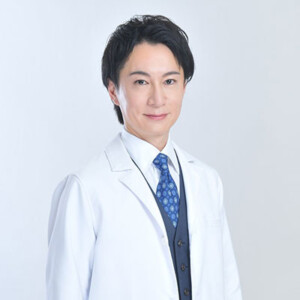
Dr. Jun Karibe
MD
Director
Education & Career
Certifications
Awards
MEDICAL REVIEW