What Is AGA, and Why Does It Progress Without Treatment?
AGA is caused by dihydrotestosterone (DHT) shortening the hair follicle growth cycle in genetically susceptible individuals, producing progressive miniaturisation that is essentially permanent without intervention.
Testosterone is converted into DHT by the enzyme 5-alpha reductase. DHT then binds to androgen receptors in hair follicles, gradually shrinking them. Each successive growth cycle produces a shorter, finer hair until the follicle stops producing visible strands entirely. The process follows predictable patterns in men — frontal recession and vertex (crown) thinning — typically staged using the Norwood-Hamilton scale.
The practical implication is straightforward: because follicle miniaturisation is progressive and cumulative, the earlier a patient begins treatment, the larger the follicle pool available to respond. Waiting is not neutral — it narrows the therapeutic window for every available approach, pharmacological or regenerative.
Finasteride and Minoxidil: What the Evidence Shows
Finasteride and minoxidil are the two pharmacological agents with the most robust clinical evidence for AGA. Both are available in Japan as self-pay treatments, and both require continued use to maintain results.
Finasteride
Finasteride (1 mg daily) blocks 5-alpha reductase type II, reducing DHT levels in the scalp and serum by approximately 60–70%. A 2025 review in the Annals of Dermatology (Shin & Huh) reported that 85.7% of male patients showed measurable improvement over five years of treatment, with the vertex area responding more favourably than the frontal hairline. Benefits typically become visible within six months, and sustained outcomes have been documented at the ten-year mark.
Finasteride was approved in Japan by the Ministry of Health, Labour and Welfare in 2005 (marketed as Propecia), and generic formulations have been widely available since 2015. It is a self-pay treatment — it falls outside Japan’s national health insurance scheme. The most discussed risk is sexual side effects (reduced libido, erectile difficulty). A pooled analysis found the relative risk of sexual dysfunction at 1.66 (95% CI, 1.20–2.30), though the absolute incidence is low and most side effects are reversible upon discontinuation.
Minoxidil — Topical and Oral
Minoxidil is a vasodilator that prolongs the anagen (active growth) phase of the hair cycle. The topical 5% formulation has been a first-line option for decades. A 2025 review in the Annals of Dermatology confirmed that 5% foam applied once daily is non-inferior to the classic 2% solution applied twice daily — an important practical improvement for adherence.
Low-dose oral minoxidil (typically 0.625–2.5 mg daily in men) is an off-label but increasingly evidence-supported option. A randomised clinical trial published in JAMA Dermatology in 2024 found that oral and topical formulations produce comparable improvements in hair density. The main trade-off with oral administration is a higher rate of hypertrichosis (unwanted body hair growth), occurring in approximately 10–20% of patients at higher doses, as well as occasional lightheadedness and fluid retention.
The Combined Approach
A 12-month retrospective service evaluation published in the British Journal of Dermatology reviewed 502 men using combined low-dose oral minoxidil and oral finasteride. It found that 92.4% were stable or improved and 57.4% demonstrated overt regrowth — results notably stronger than those reported for either drug used alone. Combined pharmacotherapy is a practical first-line pathway for men presenting with moderate-to-advanced AGA who want the most robust pharmacological response.
Regenerative Alternatives for AGA Available in Tokyo
Regenerative approaches — most notably platelet-rich plasma (PRP) and exosome therapy — aim to stimulate dormant follicles using biological signals derived from the patient’s own blood or from stem-cell-conditioned material, without the systemic hormone-modulating effects of 5-alpha reductase inhibitors.
Platelet-Rich Plasma (PRP) Therapy
PRP therapy involves drawing a small volume of the patient’s blood, centrifuging it to concentrate platelets and their associated growth factors (including PDGF, VEGF, and IGF-1), then injecting the resulting preparation into the scalp. These growth factors stimulate dermal papilla cells, prolong the anagen phase, and are thought to improve scalp vascularity.
A comprehensive evaluation published in Cureus in January 2025 — drawing on more than a dozen controlled studies — found that PRP increased mean hair density by approximately 28 hairs/cm². Patient satisfaction rates across reviewed trials ranged from 78% to 92%, with one included study reporting that 91.4% of PRP-treated patients noted clinical improvement. Standard protocols involve 3–6 monthly sessions, often followed by maintenance injections every three to six months. Because PRP uses the patient’s own blood, the risk of systemic side effects is minimal; mild scalp tenderness for 24–48 hours after injection is the most commonly reported response.
Exosome and Stem-Cell-Derived Therapy
Exosome therapy is a newer modality in which nanoparticles derived from mesenchymal stem cells — containing messenger RNA, proteins, and signalling molecules — are applied to or injected into the scalp. Exosomes are understood to activate the Wnt/β-catenin pathway and stimulate dermal papilla cells, two processes central to hair follicle cycling and regeneration.
A 2025 systematic review of 11 studies (including two randomised trials) reported gains of approximately 9.5–35 hairs/cm² following exosome treatment for AGA. The evidence base is earlier-stage than that for PRP, and no approved exosome product for hair loss currently exists in Japan or internationally. In Japan, these treatments are conducted under the Act on the Safety of Regenerative Medicine (再生医療等安全性確保法), which requires clinics to file a provision plan with the Ministry of Health, Labour and Welfare. For patients unwilling to use hormonal agents or seeking to combine biological regeneration with pharmacotherapy, exosome therapy represents an evolving option — particularly for early-stage hair loss where the follicle pool is still active.
Pharmacotherapy vs Regenerative Approaches: A Side-by-Side Comparison

No single treatment suits every patient. The comparison below summarises the key practical differences to help guide an informed discussion with your physician.
| Factor | Finasteride (oral) | Minoxidil (topical / oral) | PRP | Exosome Therapy |
|---|---|---|---|---|
| Primary mechanism | Blocks DHT via 5-alpha reductase inhibition | Vasodilator; prolongs anagen phase | Growth factor stimulation of dermal papilla | Stem-cell-derived Wnt/β-catenin activation |
| Japan regulatory status | MHLW-approved; self-pay | Topical: OTC available; oral: prescription, off-label | Procedure; no specific drug approval required | Under MHLW regenerative medicine provision plan |
| Key efficacy signal | 85.7% improvement over 5 years | Comparable to finasteride; 92.4% stable/improved in combination | +28 hairs/cm² mean; 78–92% patient satisfaction | +9.5–35 hairs/cm²; evidence still emerging |
| Main side-effect risk | Sexual dysfunction (RR 1.66; reversible) | Hypertrichosis (oral); scalp irritation (topical) | Minimal — autologous origin; mild tenderness 24–48 h | Mild redness / itching at injection site |
| Treatment frequency | Daily pill, indefinite | Daily application or tablet, indefinite | 3–6 initial sessions; maintenance every 3–6 months | Variable; protocols vary by provider |
| Best suited for | Moderate to advanced AGA, Norwood II–VI | All stages; first-line or adjunct | Early to moderate AGA; adjunct to pharmacotherapy | Early AGA; patients avoiding hormonal agents |
AGA Treatment Costs in Tokyo
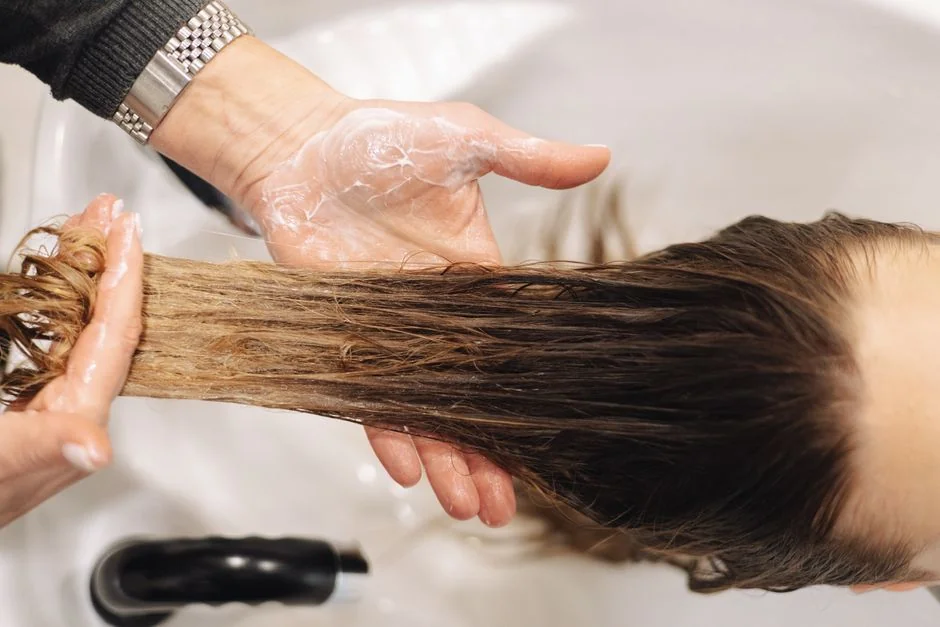
All AGA pharmacotherapy in Japan is self-pay — none of it is covered by national health insurance — and in-clinic regenerative procedures carry separate per-session fees that vary between providers and protocols.
Generic finasteride is widely available in Japan at a significantly lower cost than the original branded Propecia, making long-term pharmacotherapy more accessible than it was a decade ago. Topical minoxidil is sold over the counter at pharmacies; oral minoxidil requires a physician prescription. Medication costs should be confirmed at the time of prescription, as prices fluctuate.
PRP and exosome sessions are priced on a per-session basis in Tokyo, with multi-session packages commonly offered to cover the initial treatment course. Fees differ based on the preparation technique, the volume of growth-factor concentrate used, and whether adjunct treatments such as microneedling are combined.
Please see the clinic’s official price page or contact us for a current quote. For an accurate quote tailored to your specific hair loss stage and treatment goals, please book a consultation.
Have a question about this treatment?
Message us on LINE or WhatsApp — our English-speaking team usually replies the same day.
Who Is and Is Not a Good Candidate for Regenerative AGA Treatment?

Regenerative approaches work best in patients with active but miniaturised follicles — that is, early to moderate hair loss where follicles are still present and potentially responsive to growth-factor stimulation.
What BIOTOPE CLINIC Sees Most Often Among Patients Enquiring About Regenerative Options
Patients consulting at BIOTOPE CLINIC in Shirokanedai about regenerative AGA treatment typically fall into one of three profiles: those who have been using finasteride for one to two years and want to enhance or accelerate their results; those who are unwilling to use 5-alpha reductase inhibitors due to concerns about sexual side effects; and those at an early Norwood stage who want to intervene before pharmacotherapy becomes indispensable.
The team uses the initial consultation to assess the stage of hair loss, review medical history, and determine whether the patient’s remaining follicle pool is a realistic substrate for regenerative stimulation. Patients who are not well-suited to regenerative-only approaches include those with advanced-stage hair loss (Norwood V–VII) where the follicular reserve is severely depleted, those with active scalp inflammatory conditions (which should be treated first), patients on anticoagulant medications (relevant for PRP), and anyone expecting immediate or guaranteed regrowth. The realistic timeline for measurable regenerative response spans six to twelve months.
At BIOTOPE CLINIC, orthomolecular (nutritional) therapy and IV drip therapy — including high-dose vitamin C and glutathione infusions — are available within the clinic’s preventive medicine programme as a supportive measure to optimise the cellular environment for follicle recovery. These are not primary AGA therapies, but they can complement both pharmacological and regenerative pathways in patients where nutritional status may be a contributing factor. Ask about these options during a consultation with Dr. Karibe’s team.
Common Misconceptions About AGA Treatment
Several widespread misunderstandings lead patients to delay treatment, choose the wrong approach, or abandon an effective therapy too soon.
Misconception: Stopping finasteride will accelerate hair loss beyond the natural baseline. This fear is not supported by clinical evidence. Studies indicate that hair loss following finasteride discontinuation returns to approximately the trajectory it would have followed had treatment never started — not to an accelerated or worsened state. The concern likely arises from the contrast between years of stabilisation and the visible resumption of loss, but no rebound beyond the natural progression rate has been demonstrated in published trials (Shin & Huh, Annals of Dermatology, 2025). That said, any regrowth or density gained during treatment will be gradually lost if the hormonal driver (DHT) is no longer suppressed.
Misconception: PRP is a one-time cure for AGA. PRP is not a single-treatment solution, nor does it address the underlying genetic susceptibility of follicles to DHT. Maintenance sessions — typically every three to six months after the initial course — are needed to sustain results. Patients who discontinue all treatment, whether pharmacological or regenerative, should expect the natural progression of their AGA to resume over time.
Frequently Asked Questions
- Q. Can I combine finasteride or minoxidil with PRP?
- Yes. Combination approaches are well-supported in clinical literature. Pharmacotherapy addresses the hormonal driver (DHT suppression or vascular stimulation), while PRP provides growth factor stimulation to the follicle environment. Studies suggest that adding PRP to standard medications improves hair density and thickness more than either intervention alone. Your physician at BIOTOPE CLINIC can advise on scheduling and protocols for your specific situation.
- Q. How long before I see results from PRP for hair loss?
- Most patients in clinical trials noticed measurable improvement at three to six months after their first session. Because hair cycles are inherently slow — the anagen phase for scalp hair lasts two to six years — the full response to an initial course of three to four monthly sessions is typically evaluated at six to nine months. Visible change before twelve weeks is uncommon, and patience is an essential part of the process.
- Q. Is exosome therapy for AGA covered by Japan’s health insurance?
- No. Exosome and stem-cell-derived treatments are conducted in Japan under the Act on the Safety of Regenerative Medicine and fall entirely outside the national health insurance scheme. They are self-pay, and costs should be confirmed with the treating clinic at consultation. This is true for all AGA pharmacotherapy as well — finasteride and minoxidil are also self-pay in Japan.
- Q. I am a woman experiencing hair thinning. Are these treatments relevant?
- Female-pattern hair loss (FAGA) has a distinct hormonal profile from male AGA, and oral finasteride is not indicated for women of childbearing potential in Japan. Topical minoxidil does have evidence in female-pattern loss, and PRP has also been studied in female patients with encouraging results. A consultation at BIOTOPE CLINIC will help determine which options are appropriate for your specific presentation and history.
Have a question about this treatment?
Message us on LINE or WhatsApp — our English-speaking team usually replies the same day.
Where to Get AGA Treatment in Tokyo
Within our clinic group, both BIOTOPE CLINIC (Shirokanedai, Minato-ku) and Kojimachi Dermatology & Plastic Surgery Clinic (Ichigaya, Chiyoda-ku) offer English-language consultation with Dr. Jun Karibe’s team. AGA — including both pharmacotherapy and regenerative options — is handled at BIOTOPE CLINIC in Shirokanedai, the group’s dedicated cosmetic, plastic surgery, and men’s health branch. Bookings and enquiries in English: LINE or WhatsApp.
BIOTOPE CLINIC in Shirokanedai, Minato-ku, is Dr. Karibe’s primary base for men’s health consultations including AGA. The team can guide patients through the full spectrum of options: finasteride and minoxidil (including generic availability), regenerative in-clinic procedures, and supportive preventive medicine. English-language appointments are available, and no Japanese-language ability is required.
Kojimachi Dermatology & Plastic Surgery Clinic in Ichigaya, Chiyoda-ku, is the group’s main office and focuses on insurance-covered general dermatology and plastic surgery. If your concern involves a scalp condition that may warrant an insurance-eligible assessment — such as alopecia areata, seborrhoeic dermatitis, or inflammatory scalp disease — that clinic is the appropriate starting point and also offers English-language consultation.
Summary
AGA is progressive, but the range of treatment options available in Tokyo in 2026 is broader and more evidence-based than ever. Finasteride and minoxidil remain the most robust pharmacological options, with decades of data supporting their efficacy, and combination therapy yields the strongest results in this category. Regenerative approaches — particularly PRP and emerging exosome therapy — offer a valuable alternative or adjunct, especially for patients seeking to avoid systemic hormone effects or to enhance their pharmacotherapy results. Neither pathway is a one-time fix; both require a consistent, long-term commitment and realistic expectations about timeline.
If you have questions about AGA or the treatments described in this article, both BIOTOPE CLINIC (Shirokanedai, Minato-ku) and Kojimachi Dermatology & Plastic Surgery Clinic (Ichigaya, Chiyoda-ku) offer English-language consultation with Dr. Karibe and his team. AGA treatment is primarily handled at BIOTOPE CLINIC in Shirokanedai. English enquiries: LINE or WhatsApp.
24/7 Consultation & Booking
Book a Consultation or Treatment
Our English-speaking team responds via LINE or WhatsApp — usually the same day.
References
- Shin J-W, Huh C-H. Updates in Treatment for Androgenetic Alopecia. Annals of Dermatology. 2025.
- Lopes-Silva et al. Platelet-Rich Plasma Effectiveness in Treating Androgenetic Alopecia: A Comprehensive Evaluation. Cureus. 2025.
- Walsh L et al. Pharmacological efficacy of low-dose oral minoxidil–finasteride combination for hair growth and stability in male androgenetic alopecia: a 12-month retrospective service evaluation. British Journal of Dermatology. 2025.
- Photiou L et al. Oral Minoxidil vs Topical Minoxidil for Male Androgenetic Alopecia: A Randomized Clinical Trial. JAMA Dermatology. 2024.
- Zhong et al. Research Progress on Platelet-Rich Plasma (PRP) in the Treatment of Androgenetic Alopecia. Journal of Cosmetic Dermatology. 2026.
Related Articles
You may also find these articles useful.
- AGA Treatment Tokyo: Stem Cell Supernatant Hair Regrowth
- Exosome Hair Therapy in Tokyo vs PRP and Mesotherapy
- Dutasteride 0.5 mg in Japan: Dosage, Brands and Prescribing
- AGA Treatment After 6 Months: Realistic Results in Tokyo
- Hair Loss Treatment Tokyo: AGA Options for Expats
SUPERVISED BY
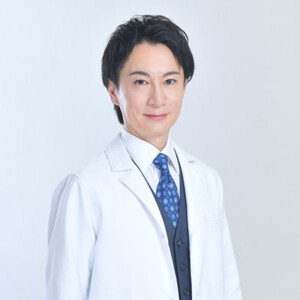
Dr. Jun Karibe
MD
Director
Education & Career
Certifications
Awards
MEDICAL REVIEW