Mole Removal in Tokyo: What to Expect, How It Works, and What It Costs
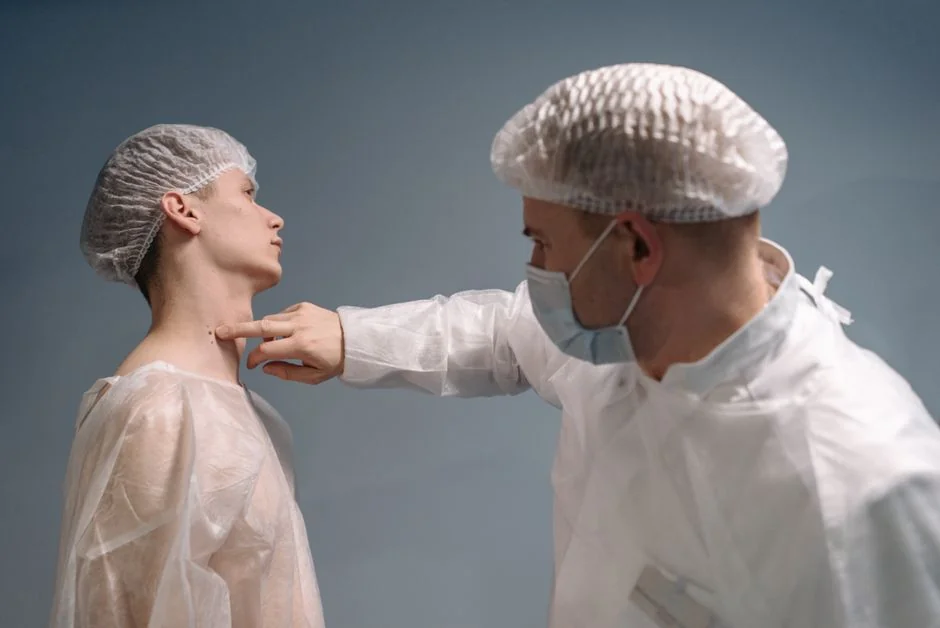
Finding a reliable clinic for mole removal in Tokyo — especially one that offers consultations in English — can feel daunting for international residents and visitors.
Whether you are concerned about the appearance of a mole, have been advised by a doctor to have one assessed, or simply want a clearer understanding of your options, this article walks you through everything you need to know before booking an appointment.
What you’ll learn in this article:
- What mole removal involves and which methods are used in Japan
- How to prepare for a procedure and what recovery looks like
- Realistic cost ranges for mole removal in Tokyo
- Who is and is not a suitable candidate
- Common misconceptions that could affect your decision
Have a question about this treatment?
Message us on LINE or WhatsApp — our English-speaking team usually replies the same day.
What Is Mole Removal?
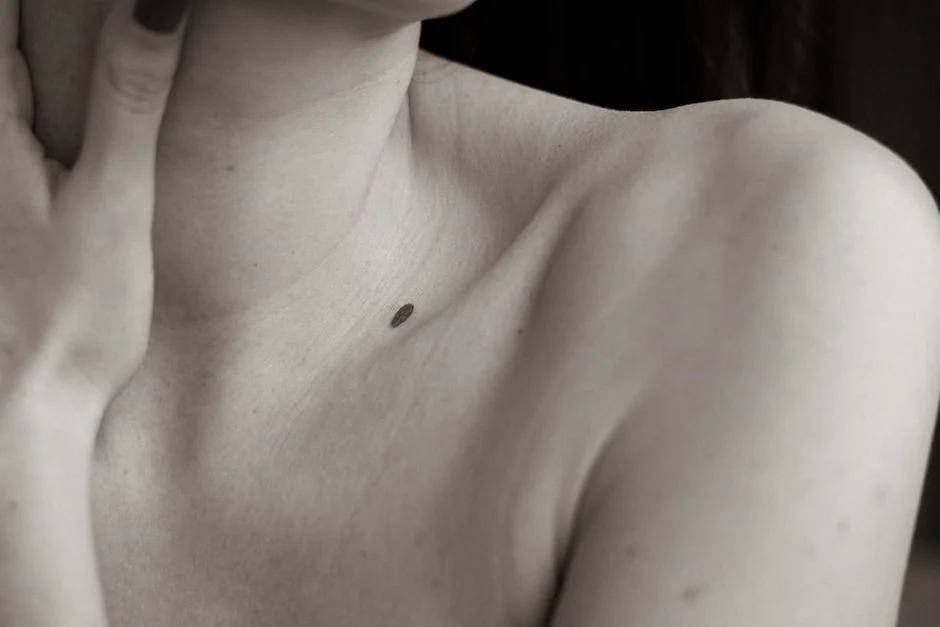
A mole — known medically as a melanocytic naevus — is a pigmented growth that forms when melanin-producing skin cells cluster together. Most moles are entirely benign, but people choose to have them removed for cosmetic reasons, because of irritation from clothing or jewellery, or because a dermatologist has flagged a change in appearance that warrants closer examination.
Mole removal is a minor surgical procedure performed under local anaesthetic. Depending on the size, depth, and location of the mole, a surgeon will select the most appropriate technique to excise or ablate the growth while minimising visible scarring.
When Should a Mole Be Assessed?
Clinicians commonly use the ABCDE criteria to evaluate moles: Asymmetry, Border irregularity, Colour variation, Diameter greater than 6 mm, and Evolution (change over time). A mole displaying any of these features should be assessed by a qualified doctor before any cosmetic removal is considered. At Kojimachi Dermatology & Plastic Surgery Clinic in Ichigaya, Tokyo, a consultation with Dr. Karibe includes a clinical assessment to determine whether a mole is suitable for straightforward cosmetic excision or requires further investigation first.
How Mole Removal Works: Techniques Used at a Japanese Clinic
The method chosen depends on the mole’s characteristics — its size, whether it is raised or flat, how deeply the cells extend into the skin, and where on the body it sits. Two primary approaches are used in practice.
Surgical Excision
For deeper or larger moles, the surgeon removes the full mole along with a small surrounding margin of normal skin using a scalpel. The wound is then carefully closed with fine sutures. This method allows the excised tissue to be sent for pathological examination — a step that provides reassurance or flags any unexpected findings.
Sutures are typically removed within 5 to 14 days, depending on the location. Facial moles generally heal faster and are closed with finer sutures to minimise scarring.
Shave Excision
Raised, dome-shaped moles that do not extend deeply into the dermis are often suitable for shave excision. The surgeon uses a fine blade to shave the mole flush with — or just below — the surface of the surrounding skin. The wound heals as an open surface without sutures, leaving a small, flat mark that typically fades significantly over several months.
Laser Removal
Laser treatment — including CO2 fractional laser — can be appropriate for certain superficial, flat pigmented lesions. However, laser ablation does not allow tissue to be sent for pathological analysis, which is why surgeons first confirm the lesion is clinically benign. This is an important distinction that patients should understand before choosing a laser-only approach.
Dr. Karibe’s Note
Many of our international patients are surprised to find that the method of mole removal really does matter beyond just the cosmetic result.
A common question I receive is: “Can’t you just laser it off?” In most cases, if the mole has any raised component or if there is any clinical uncertainty, surgical excision is the safer and more thorough option — partly because it gives us a tissue sample we can send to the laboratory. I always recommend a proper clinical assessment first, regardless of how straightforward a mole may appear.
Mole Removal Methods Compared
| Method | Best suited for | Tissue analysis possible? | Typical downtime | Scarring potential |
|---|---|---|---|---|
| Surgical excision (with sutures) | Deeper or larger moles; any mole requiring pathology | Yes | 5–14 days (suture removal) | Fine linear scar, fades over months |
| Shave excision | Raised, dome-shaped, superficial moles | Yes | 7–14 days (surface healing) | Small flat mark, generally fades well |
| CO2 fractional laser ablation | Confirmed benign, flat pigmented lesions | No | 5–10 days | Low if performed correctly |
Cost of Mole Removal in Tokyo
Cost is one of the most common questions from international patients. In Japan, cosmetic mole removal is not covered by national health insurance (Koken Hoken), so the fee is paid out of pocket. Prices vary depending on the size of the mole, the technique required, and the surgeon’s level of expertise.
Clinic Fee Reference
At Kojimachi Dermatology & Plastic Surgery Clinic, mole removal is performed as a surgical procedure by Dr. Karibe, a board-certified plastic surgeon. The following additional costs apply to all surgical procedures:
- Initial consultation: ¥3,300 / Dr. Karibe surgical consultation: ¥2,200
- Anaesthesia (local): ¥2,200–¥77,000 depending on complexity
- Pre-operative blood work: ¥11,000
The cost of the mole removal procedure itself will be determined at consultation based on size, location, and the technique most appropriate for your case. Pricing in Tokyo for cosmetic mole removal at reputable plastic surgery clinics generally ranges from approximately ¥10,000 to ¥50,000 or more per mole, with multiple moles sometimes eligible for combined-session pricing. Larger or more complex cases may fall outside this range.
For an accurate quote, we recommend booking a consultation.
Have a question about this treatment?
Message us on LINE or WhatsApp — our English-speaking team usually replies the same day.
What to Expect: Before, During, and After the Procedure
Before the Procedure
A consultation and clinical assessment is the essential first step. During this appointment, Dr. Karibe will examine the mole, discuss your concerns and expectations, explain the most appropriate technique, and outline the likely cosmetic outcome. Pre-operative blood work is required before any surgical procedure.
Patients are advised to avoid blood-thinning medications such as aspirin, ibuprofen, and certain supplements (including high-dose vitamin E and fish oil) for approximately one week before the procedure, subject to medical advice from their own physician. Sun exposure to the treatment area should also be minimised in the weeks prior.
During the Procedure
Mole removal under local anaesthetic is typically completed within 20 to 45 minutes, depending on the method and number of moles treated. The local anaesthetic injection may cause a brief stinging sensation, but the excision itself should be painless. Most patients are able to travel home independently after the procedure.
After the Procedure and Recovery
A small dressing will be applied, and written aftercare instructions will be provided. Patients should keep the wound clean and dry for the first few days, and avoid strenuous physical activity — particularly anything that raises blood pressure or causes sweating near the wound — for approximately one week.
Some redness, mild swelling, and temporary pigmentation changes around the site are expected. Clinical reports indicate that post-inflammatory hyperpigmentation (darkening of the skin after a wound heals) is more common in individuals with darker skin tones and in areas with greater sun exposure; consistent use of a broad-spectrum SPF 50 sunscreen is strongly recommended throughout the healing period. A follow-up appointment is standard to check healing, remove sutures if applicable, and assess the final result.
Common Misconceptions About Mole Removal
Misconception 1: “Removing a mole will cause cancer to spread”
This is one of the most persistent myths surrounding mole removal, and it has no basis in clinical evidence.
Complete surgical excision of a benign mole does not cause malignant transformation, nor does it cause melanoma cells to “spread” if the mole happens to contain early abnormal cells. In fact, studies suggest that prompt, complete surgical excision of dysplastic (abnormal) naevi significantly reduces the risk of progression. If pathology results after excision indicate any abnormal cell changes, your surgeon will advise on appropriate next steps.
Misconception 2: “Laser removal is always better because it leaves no scar”
Laser treatments — including the CO2 fractional laser available at the clinic — are effective for the right type of lesion, but they do not universally produce superior cosmetic results to surgical techniques.
For deeper or larger moles, laser ablation may be insufficient to remove all pigment cells, potentially leading to recurrence. Surgical excision by a skilled plastic surgeon, performed with meticulous wound closure, can produce a very fine, well-healed scar that becomes difficult to detect over time. The best technique is always the one most suited to the individual mole and patient.
Who Is a Good Candidate for Mole Removal?
Most adults in good general health with a clinically assessed benign mole are suitable candidates. In our clinical experience at Kojimachi Dermatology & Plastic Surgery Clinic, international patients often seek removal for moles on the face, neck, or areas prone to irritation from clothing.
Good candidates typically:
- Have a mole that has been assessed and confirmed as benign
- Are motivated by cosmetic improvement or functional discomfort (e.g. a mole that catches on clothing)
- Have realistic expectations about post-procedure scarring and healing time
- Are not pregnant (elective cosmetic procedures are generally deferred until after delivery)
- Do not have active skin infections, keloid-prone skin history, or uncontrolled systemic conditions that may impair healing
Who Should Exercise Caution or Defer Treatment
Individuals with a personal or family history of keloid (raised, thickened scar) formation should discuss this with their surgeon before proceeding, as certain body areas carry a higher risk of abnormal scarring. Anyone taking anticoagulant medications should seek their prescribing physician’s guidance before any surgical procedure. A mole that has shown recent changes in size, colour, border, or texture should be assessed dermoscopically and, if indicated, sent for pathological analysis before or during removal — this is standard clinical practice at our Ichigaya clinic.
Frequently Asked Questions
- Q. Will mole removal leave a permanent scar?
- Any incision into the skin will leave some degree of mark during healing. In most cases, with proper surgical technique and good aftercare, scars from mole removal become pale, flat, and considerably less noticeable over 6 to 12 months. The final appearance depends on factors including the technique used, the location of the mole, the patient’s skin type, and how well aftercare instructions are followed.
- Q. Can I have multiple moles removed in one session?
- In many cases, yes. Treating several moles in a single session is often practical and cost-efficient, provided they are in an area that can be managed conveniently under local anaesthetic. Your surgeon will assess whether this is appropriate based on the number, size, and locations involved, and advise accordingly during consultation.
- Q. Is mole removal painful?
- The procedure itself is performed under local anaesthetic and should not be painful. The injection of local anaesthetic may cause a brief stinging or pressure sensation lasting a few seconds. Some mild discomfort or tenderness in the area is normal in the days following the procedure and is generally manageable with standard over-the-counter pain relief.
- Q. How do I know whether my mole needs to be removed for medical reasons?
- A clinical consultation with a qualified doctor is the only reliable way to assess this. Studies suggest that dermoscopy — a non-invasive skin surface microscopy technique — significantly improves the accuracy of benign versus malignant lesion classification compared to the naked eye alone. At our clinic, Dr. Karibe performs a thorough clinical assessment before any removal procedure is recommended.
- Q. Is the procedure available in English at your clinic?
- Yes. BIOTOPE CLINIC or Kojimachi Dermatology & Plastic Surgery Clinic offers consultations in English for international patients, including expatriates and medical tourists visiting Tokyo. The clinic is conveniently located in Ichigaya, within walking distance of Kojimachi, Hanzomon, and Nagatacho stations.
Have a question about this treatment?
Message us on LINE or WhatsApp — our English-speaking team usually replies the same day.
Summary
Mole removal in Tokyo is a well-established minor surgical procedure available at plastic surgery and dermatology clinics across the city. The most appropriate technique — surgical excision, shave excision, or laser ablation — depends on the individual characteristics of the mole and should always be preceded by a proper clinical assessment. Recovery is generally straightforward, with most patients returning to normal activity within one to two weeks.
Cost varies based on mole size, complexity, and technique, with additional clinic fees for consultation, anaesthesia, and pre-operative blood work applying to surgical cases. For an accurate quote, a consultation is always recommended.
If you have questions about mole removal in Tokyo, our team at BIOTOPE CLINIC or Kojimachi Dermatology & Plastic Surgery Clinic in Tokyo would be happy to help. We offer consultations in English.
24/7 Consultation & Booking
Book a Consultation or Treatment
Our English-speaking team responds via LINE or WhatsApp — usually the same day.
References
- Haenssle HA, Hoffmann S, Holter S, et al. Dermoscopy of naevi and melanoma: current state of knowledge and future developments. Journal of the German Society of Dermatology. 2016.
- Tannous ZS, Mihm MC Jr, Sober AJ, Duncan LM. Congenital melanocytic nevi: clinical and histopathologic features, risk of melanoma, and clinical management. Journal of the American Academy of Dermatology. 2005.
- Bichakjian CK, Halpern AC, Johnson TM, et al. Guidelines of care for the management of primary cutaneous melanoma. Journal of the American Academy of Dermatology. 2011.
- Kim JY, Kozlow JH, Mittal B, et al. Guidelines of care for the management of basal cell carcinoma. Journal of the American Academy of Dermatology. 2018.
- Goodson AG, Grossman D. Strategies for early melanoma detection: approaches to the patient with nevi. Journal of the American Academy of Dermatology. 2009.
Related Articles
You may also find these articles useful.
- Dark Spot Removal Tokyo: Laser Treatment Options Guide
- Acne Scar Laser Treatment Tokyo: Cost & Results
- English Speaking Dermatologist Tokyo: Complete Guide
SUPERVISED BY
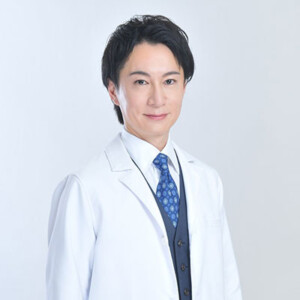
Dr. Jun Karibe
MD
Director
Education & Career
Certifications
Awards
MEDICAL REVIEW