Under-Eye Bags Surgery in Tokyo: A Complete Guide to Transconjunctival Blepharoplasty
Persistent puffiness or swelling beneath the eyes is one of the most common cosmetic concerns among adults, and it can be surprisingly resistant to creams, sleep adjustments, or any amount of hydration.
If you have been researching surgical solutions and wondering what your options look like in Tokyo, this guide is written with you in mind.
Below, you will find a thorough explanation of transconjunctival blepharoplasty — the procedure most surgeons recommend for under-eye bags caused by protruding fat — including how the surgery works, what recovery involves, realistic costs in Tokyo, and how to determine whether you are a suitable candidate.
- What transconjunctival blepharoplasty is and how it differs from traditional lower eyelid surgery
- How the procedure is performed and what results are realistically achievable
- Cost of under-eye bags surgery in Tokyo, including the figures at BIOTOPE Clinic or Kojimachi Dermatology & Plastic Surgery Clinic
- Recovery timeline and what to expect before, during, and after surgery
- Who is and is not a suitable candidate for this procedure
Have a question about this treatment?
Message us on LINE or WhatsApp — our English-speaking team usually replies the same day.
What Are Under-Eye Bags, and What Causes Them?
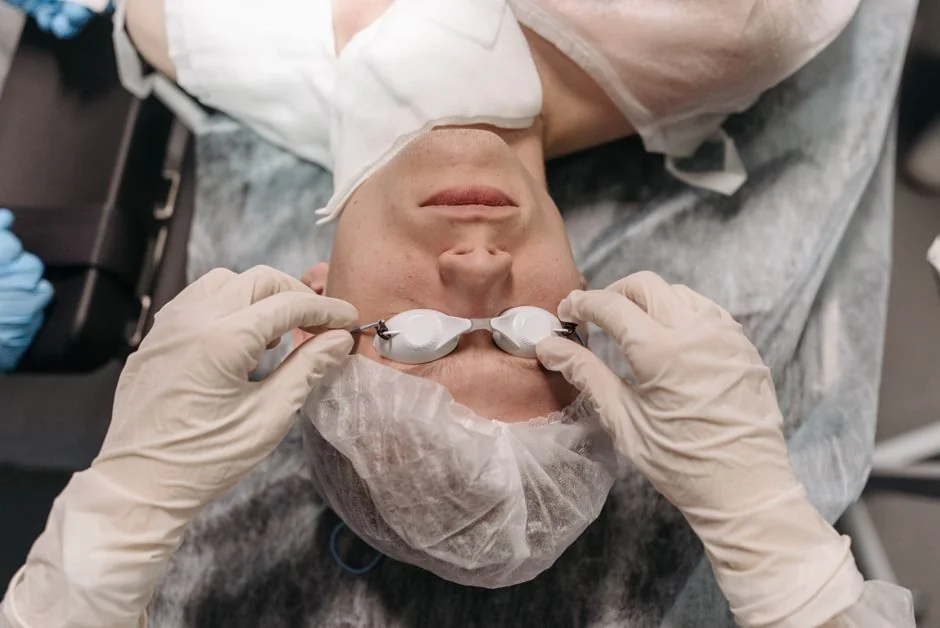
The term “under-eye bags” refers to a mild swelling or fullness that appears directly beneath the lower eyelids. In most cases, the root cause is not water retention or poor sleep, but rather the forward displacement of orbital fat — the natural cushioning that surrounds the eyeball — through a weakened membrane called the orbital septum.
This weakening is primarily age-related, though genetics also play a significant role. Some people develop noticeable under-eye bags in their twenties or early thirties entirely due to hereditary factors. Because the underlying cause is structural and anatomical, topical products and lifestyle changes rarely produce meaningful improvement in these cases.
What Is Transconjunctival Blepharoplasty?
Transconjunctival blepharoplasty is a surgical technique designed to address under-eye bags by accessing the orbital fat through the inner surface of the lower eyelid — the conjunctiva — rather than through an external skin incision. The word “transconjunctival” simply means “through the conjunctiva.”
Because no external cut is made in the skin, this approach leaves no visible scar on the outer eyelid. The surgeon either removes a precise volume of the protruding fat, repositions it to smooth the transition between the lower eyelid and the cheek (a technique known as fat repositioning), or uses a combination of both strategies depending on the patient’s anatomy.
Transconjunctival vs. Transcutaneous (External Incision) Lower Blepharoplasty
The alternative technique — transcutaneous blepharoplasty — involves an incision just below the lash line on the outside of the eyelid.
While this approach may be more appropriate when significant excess skin needs to be removed alongside the fat, it carries a higher risk of visible scarring and a complication called lower eyelid retraction (where the eyelid is pulled downward).
Studies suggest that the transconjunctival approach is associated with a lower rate of eyelid position complications in appropriately selected patients.
| Feature | Transconjunctival Blepharoplasty | Transcutaneous (External) Blepharoplasty |
|---|---|---|
| Incision location | Inside the lower eyelid (no external scar) | Below the lash line (external scar possible) |
| Scar visibility | None visible externally | Usually fades but may remain |
| Best suited for | Fat prolapse with good skin tone | Fat prolapse plus significant excess skin |
| Risk of eyelid retraction | Lower | Higher |
| Typical recovery | 1–2 weeks for most swelling | 2–3 weeks or more |
| Anaesthesia | Local (often with sedation option) | Local or general |
How the Procedure Works

The surgery typically takes between 45 minutes and 90 minutes and is performed under local anaesthesia, often with an optional oral or intravenous sedative to help patients remain comfortable and relaxed. General anaesthesia is not routinely required.
Once the area is numb, the surgeon makes a small incision on the inner surface of the lower eyelid, roughly 5–10 mm in length. Through this opening, the herniated fat pockets — there are typically three distinct compartments — are carefully visualised, and the appropriate volume is either excised or repositioned. The internal incision is then closed with fine absorbable sutures that dissolve on their own, so there is no suture removal appointment needed.
Fat Removal vs. Fat Repositioning
Fat removal alone is appropriate for patients who have true fat excess with good cheek volume. Fat repositioning — where the fat is transferred downward to fill the hollow groove (known as the tear trough) that often accompanies under-eye bags — is preferred when there is both a bulge above and a depression below. Clinical reports indicate that repositioning techniques tend to produce a more natural, harmonious result in patients who also have a visible tear trough deformity.
Dr. Karibe’s Note
Many of our international patients are surprised to learn that this procedure leaves absolutely no visible scar on the outside of the eyelid.
A common concern I hear during consultations is, “Will people be able to tell I have had surgery?” In the vast majority of cases, once the swelling resolves, the result looks entirely natural — friends and colleagues often simply comment that the person looks more rested.I also encourage patients to bring reference photographs if possible; this helps us tailor the surgical plan to their individual anatomy and aesthetic goals.
Expected Results
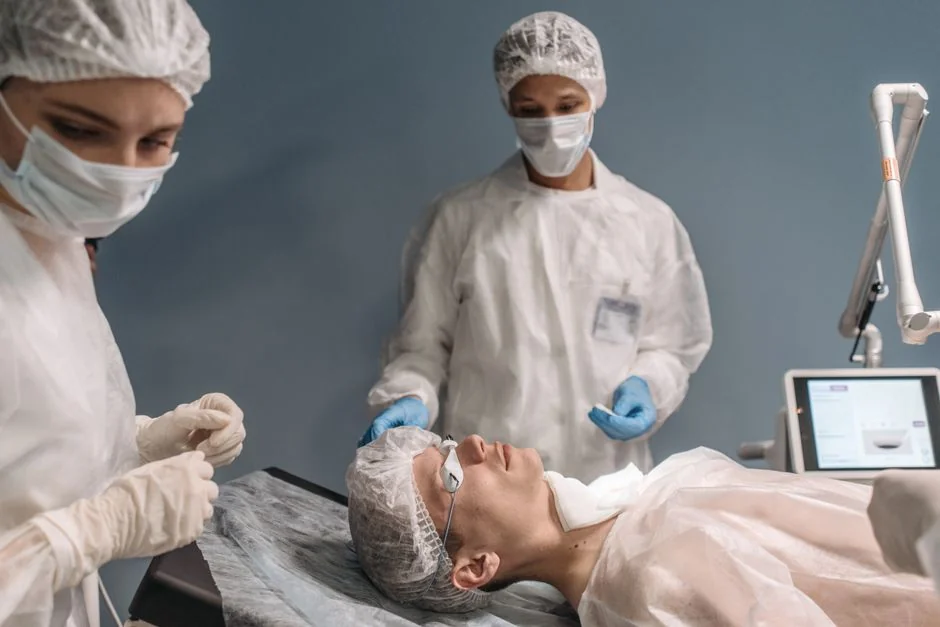
Most patients notice a meaningful reduction in under-eye puffiness once the initial post-operative swelling resolves — typically within two to four weeks.
The final result, including the complete resolution of any residual bruising and subtle swelling, is generally visible around six to twelve weeks after surgery.
Results are considered long-lasting; the fat that is removed or repositioned does not regenerate. However, the natural ageing process continues, meaning skin laxity, fine lines, or new changes in facial volume may develop over time. Some patients choose to combine transconjunctival blepharoplasty with complementary non-surgical treatments to address these factors.
At our clinic in Tokyo, we frequently see patients who achieve an excellent improvement in the under-eye area through surgery and later ask about hyaluronic acid filler for the tear trough or HIFU (high-intensity focused ultrasound) to address mild skin laxity on the cheeks and lower face.
These are treatments available at our clinic — feel free to ask about them during a consultation.
What to Expect: Before, During and After Surgery
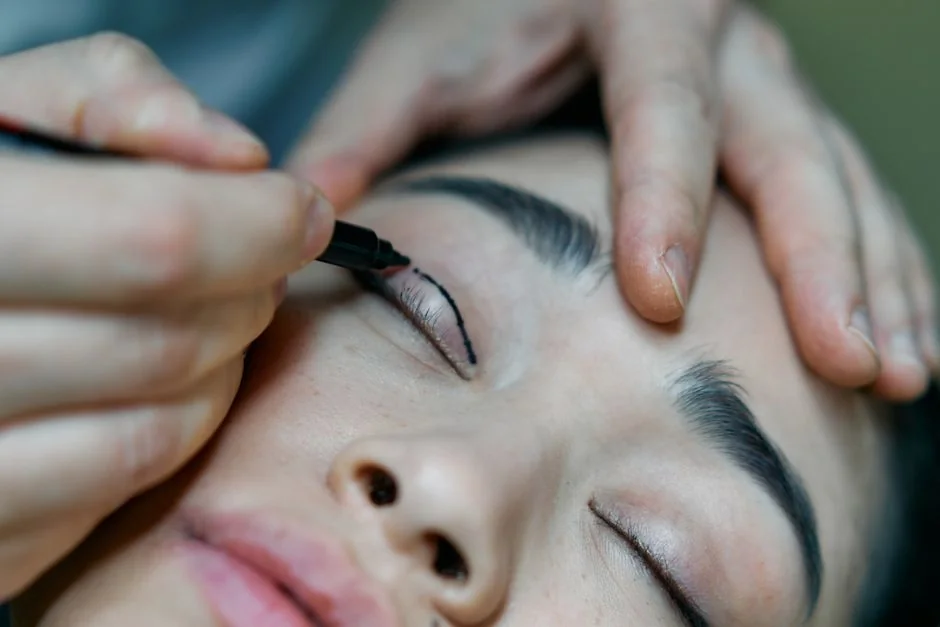
Before the Procedure
All surgical patients are required to undergo pre-operative blood work (¥11,000) to assess general health and confirm there are no contraindications to anaesthesia. During the consultation, the surgeon will examine your lower eyelid anatomy, skin tone, and fat distribution to determine which technique is most appropriate for you.
Patients are typically advised to stop blood-thinning medications and supplements (such as aspirin, ibuprofen, fish oil, and vitamin E) at least one to two weeks before the procedure, as these can increase bruising. Smoking should also be avoided in the weeks preceding surgery.
During the Procedure
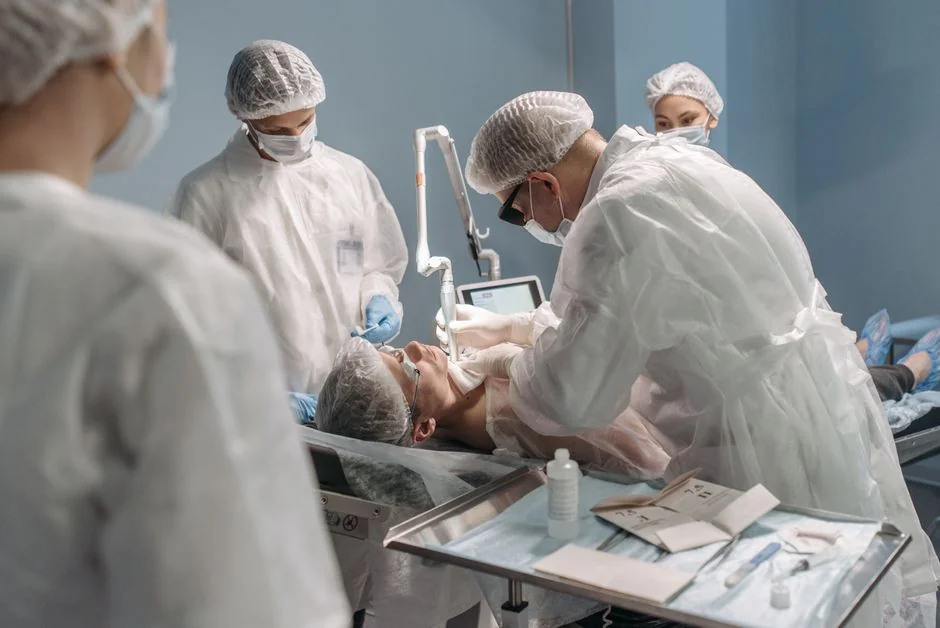
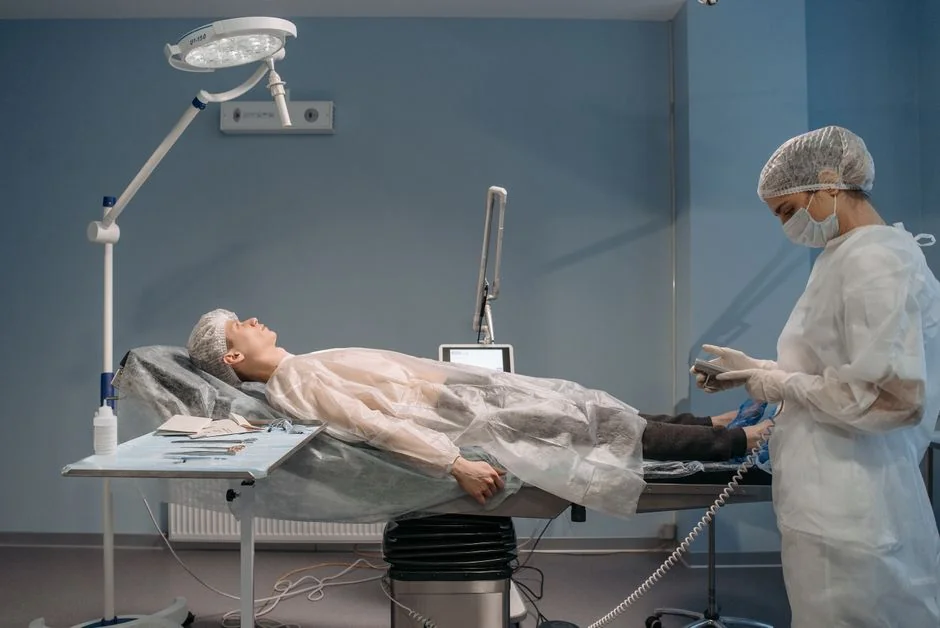
The treatment room is prepared for a sterile surgical environment. Local anaesthetic drops and injections are administered to numb the eye area thoroughly. Most patients report that, apart from the initial injection, the procedure itself is not painful. The entire session from preparation to completion usually lasts under two hours.
After the Procedure and Recovery Timeline
Swelling and bruising around the eyes are expected in the first week and are a normal part of healing. Cold compresses applied gently (not pressing directly on the eye) can help reduce swelling in the first 48 hours. Most patients feel comfortable returning to desk work or light activity within five to seven days, though physical exertion, heavy lifting, and alcohol should be avoided for at least two weeks.
Contact lens wear is generally paused for one to two weeks following surgery. Makeup around the eye area should also be avoided until the surgeon confirms that healing is progressing well. Sun protection is important throughout the recovery period.
Cost of Under-Eye Bags Surgery in Tokyo
At Biotope clinic or Kojimachi Dermatology & Plastic Surgery Clinic, transconjunctival blepharoplasty is priced at ¥280,000 to ¥428,000, depending on the complexity of the case and the specific technique employed (fat removal only vs. fat repositioning).
In addition to the surgical fee, patients should budget for the following:
- Pre-operative blood work: ¥11,000
- Anaesthesia fee: ¥2,200 to ¥77,000 (depending on type and duration)
- Surgical consultation with Dr. Karibe: ¥2,200
- Initial consultation (if separate): ¥3,300
As a point of reference, under-eye bag surgery in Tokyo generally sits in the range of ¥250,000 to ¥600,000 or more across the market, with significant variation depending on surgeon experience, facility standards, and technique.
It is worth noting that this procedure is considered cosmetic in Japan and is therefore not covered by the national health insurance (Koken Hoken).
For an accurate quote, we recommend booking a consultation.
Have a question about this treatment?
Message us on LINE or WhatsApp — our English-speaking team usually replies the same day.
Who Is a Good Candidate?
Transconjunctival blepharoplasty is generally well-suited to adults — men and women — who have noticeable under-eye bags caused by protruding orbital fat, with reasonably good lower eyelid skin tone. It is effective across a wide age range, from patients in their late twenties to those in their sixties and beyond, provided the skin has not lost significant elasticity.
Ideal candidates are in good general health, have realistic expectations about outcomes, and understand that surgery addresses structural fat prolapse rather than superficial skin texture, pigmentation (such as dark circles caused by melanin), or vascular discolouration.
It is also important that candidates do not have active dry eye disease or certain other ocular conditions — the surgeon will assess these during consultation.
Who Should Approach This Procedure With Caution
Patients with significant excess skin laxity on the lower eyelid may be better served by a transcutaneous technique, or by a combination approach. Those with a history of keloid scarring, severe dry eye syndrome, glaucoma, or thyroid eye disease should discuss these conditions openly with the surgeon before proceeding.
Individuals who are pregnant, breastfeeding, or have uncontrolled systemic conditions such as hypertension or diabetes will generally need to postpone elective surgery until those conditions are well managed.
Common Misconceptions About Under-Eye Bag Surgery
Misconception 1: “Dark circles will be resolved by blepharoplasty.”
This is one of the most frequent misunderstandings seen in practice. Dark circles under the eyes have multiple causes — including thin skin through which underlying blood vessels are visible, post-inflammatory hyperpigmentation, or the shadow cast by a prominent fat bulge.
Transconjunctival blepharoplasty directly addresses only the fat bulge; if dark circles are primarily caused by pigmentation or vascular factors, additional treatments may be needed.
Patients with pigmentation concerns may benefit from a separate discussion about laser options such as the PicoWay laser available at the clinic.
Misconception 2: “This is a minor procedure with no meaningful recovery.”
While transconjunctival blepharoplasty is less invasive than many surgical procedures, it is still a surgical intervention involving the delicate periorbital area. Bruising and swelling are expected, and the eyes may feel sensitive or appear puffy for one to two weeks. Planning around social or professional commitments is strongly advisable.
Frequently Asked Questions
- Q. Is transconjunctival blepharoplasty performed under general anaesthesia?
- In most cases, the procedure is performed under local anaesthesia, which means the patient remains awake but the area is completely numb. An oral or intravenous sedative can be offered to help patients feel relaxed. Full general anaesthesia is not typically required for this procedure, which also contributes to a shorter overall recovery.
- Q. How long do the results of under-eye bag surgery last?
- The fat that is removed does not return, so the correction is considered permanent in that respect. However, the face continues to age naturally — skin may gradually lose elasticity, and facial volume changes over time. Studies suggest that the majority of patients remain satisfied with their results at five or more years post-operatively. Maintaining a healthy lifestyle and appropriate sun protection supports the longevity of the outcome.
- Q. Can I combine this surgery with other procedures on the same day?
- Combination procedures are sometimes appropriate — for example, double eyelid surgery (suture method) or ptosis correction may be discussed at the same time if there are concurrent concerns with the upper eyelids. Whether combining procedures on the same day is suitable depends on individual anatomy, planned anaesthesia duration, and the surgeon’s assessment. This is best discussed thoroughly during a pre-operative consultation.
- Q. I am visiting Tokyo temporarily. Is it realistic to have this surgery as a medical tourist?
- It is possible, but it requires careful planning. The surgeon will need at least one in-person consultation before the procedure, and at least one follow-up visit is strongly recommended within the first week post-operatively. Patients should plan to remain in Tokyo for a minimum of ten to fourteen days following surgery. The clinical team at BIOTOPE CLINIC or Kojimachi Dermatology & Plastic Surgery Clinic is experienced in supporting English-speaking patients with logistical planning.
- Q. Will I need to have the sutures removed after surgery?
- No. The internal incision used in transconjunctival blepharoplasty is closed with fine absorbable sutures that dissolve naturally over one to two weeks. There is no requirement for a separate suture removal appointment for the internal closure.
Have a question about this treatment?
Message us on LINE or WhatsApp — our English-speaking team usually replies the same day.
Summary
Transconjunctival blepharoplasty is a well-established surgical technique for addressing under-eye bags caused by protruding orbital fat.
By accessing the fat through the inner surface of the lower eyelid, the procedure avoids visible external scarring and is associated with a favourable safety profile when performed by a qualified surgeon on appropriately selected patients.
In Tokyo, the procedure is performed at BIOTOPE CLINIC or Kojimachi Dermatology & Plastic Surgery Clinic by Dr. Jun Karibe, a board-certified plastic surgeon certified by the Japan Society of Plastic and Reconstructive Surgery.
The clinic is conveniently located in Minato-ku,Ichigaya, Chiyoda-ku, and is easily accessible from Kojimachi, Hanzomon, and Nagatacho stations.
In our clinical experience at BIOTOPE CLINIC or Kojimachi Dermatology & Plastic Surgery Clinic, patients who approach this procedure with a clear understanding of what it can and cannot address — and who have been properly evaluated for candidacy — tend to report a high degree of satisfaction with their results.
A thorough consultation remains the most important first step.
If you have questions about under-eye bags surgery in Tokyo, our team at BIOTOPE CLINIC or Kojimachi Dermatology & Plastic Surgery Clinic in Tokyo would be happy to help. We offer consultations in English.
24/7 Consultation & Booking
Book a Consultation or Treatment
Our English-speaking team responds via LINE or WhatsApp — usually the same day.
References
- Goldberg RA, Mancini R, Demer JL. The transconjunctival approach: technique and comparative analysis with external blepharoplasty. Ophthalmic Plastic and Reconstructive Surgery. 2007.
- Rohrich RJ, Coberly DM, Fagien S, Stuzin JM. Current concepts in aesthetic upper blepharoplasty and related lower eyelid surgery. Plastic and Reconstructive Surgery. 2004.
- Lambros V. Observations on periorbital and midface aging. Plastic and Reconstructive Surgery. 2007.
- Hirmand H. Anatomy and nonsurgical correction of the tear trough deformity. Plastic and Reconstructive Surgery. 2010.
- Pacella SJ, Codner MA. Minor complications after blepharoplasty: dry eyes, chemosis, granulomas, ptosis, and scleral show. Plastic and Reconstructive Surgery. 2008.
Related Articles
You may also find these articles useful.
- Botox for Crow’s Feet Tokyo: Cost, Results & Safety
- English Speaking Dermatologist Tokyo: Complete Guide
SUPERVISED BY

Dr. Jun Karibe
MD
Director
Education & Career
Certifications
Awards
MEDICAL REVIEW