Under Eye Filler in Tokyo: Risks, Benefits, and What to Expect

Dark circles, hollowness beneath the eyes, and that perpetual look of tiredness — these are concerns that affect people of all ages and backgrounds, and they are among the most common aesthetic complaints seen at cosmetic clinics across Tokyo. If you have been researching under eye filler as a potential solution, you likely want an honest, thorough overview before making any decisions. This article explains how the treatment works, what results are realistic, how much it costs in Tokyo, and — just as importantly — who may not be a suitable candidate.
What you’ll learn in this article:
- What under eye filler (tear trough filler) is and how hyaluronic acid is used
- The realistic benefits and key risks of the procedure
- Current pricing for under eye filler at a Tokyo clinic
- Who is and is not a good candidate for this treatment
- How under eye filler compares to surgical alternatives
Have a question about this treatment?
Message us on LINE or WhatsApp — our English-speaking team usually replies the same day.
What Is Under Eye Filler?

Under eye filler — also referred to as tear trough filler or periorbital filler — involves the injection of a dermal filler into the hollow groove that runs between the lower eyelid and the upper cheek. This groove, known medically as the nasojugal sulcus or tear trough, can deepen with age, fat loss, or genetic predisposition, creating a sunken or shadowed appearance beneath the eyes.
The most widely used filler substance for this area is hyaluronic acid (HA), a naturally occurring sugar molecule found in skin and connective tissue. HA-based fillers attract and retain moisture, physically restoring lost volume and softening the shadow that causes the appearance of dark circles or fatigue. Because hyaluronic acid is naturally broken down by the body over time, the results are not permanent — this is both a safety feature and a limitation worth understanding before treatment.
How the Procedure Works
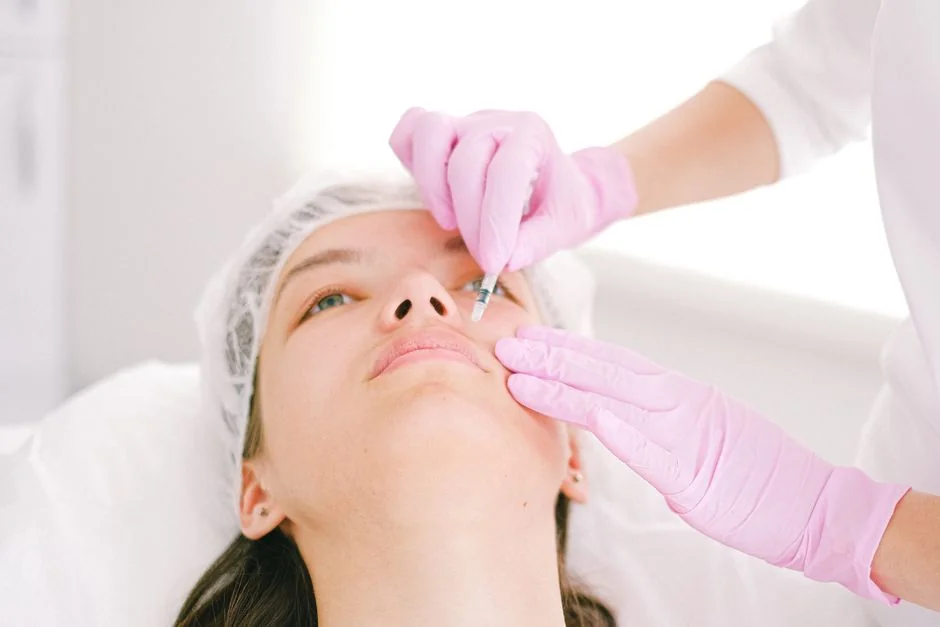
The injection technique
The tear trough is an exceptionally delicate area. The skin here is among the thinnest on the face, and the underlying anatomy includes important blood vessels and the orbicularis oculi muscle (the ring-shaped muscle surrounding the eye). For these reasons, the technique used by the injecting physician matters greatly.
Filler is typically placed using either a fine needle or a blunt-tipped cannula (a flexible tube). Many experienced practitioners favour the cannula approach in this zone, as it is associated with fewer vascular complications.
A small amount of topical anaesthetic cream is applied beforehand to minimise discomfort. The entire appointment, including consultation and aftercare instructions, generally takes 30 to 60 minutes.
What filler is used?
Not all hyaluronic acid fillers are identical. For the tear trough, physicians typically select a softer, low-viscosity formulation that integrates smoothly with the surrounding tissue and is less likely to appear blue or lumpy beneath the thin under-eye skin — a phenomenon known as the Tyndall effect.
The choice of product and the depth of placement are technical decisions that should be made by a qualified, experienced injector.
Dr. Karibe’s Note
Many of our international patients are surprised to learn that the tear trough is considered one of the highest-risk areas for filler injections on the entire face. This does not mean the procedure should be avoided — when performed carefully by a physician with a thorough understanding of periorbital anatomy, results can be very natural and satisfying.
However, it does mean that the injector’s qualifications matter far more here than in other areas. I always recommend patients ask specifically about their practitioner’s experience with this particular zone, not simply their general filler experience.
Benefits of Under Eye Filler
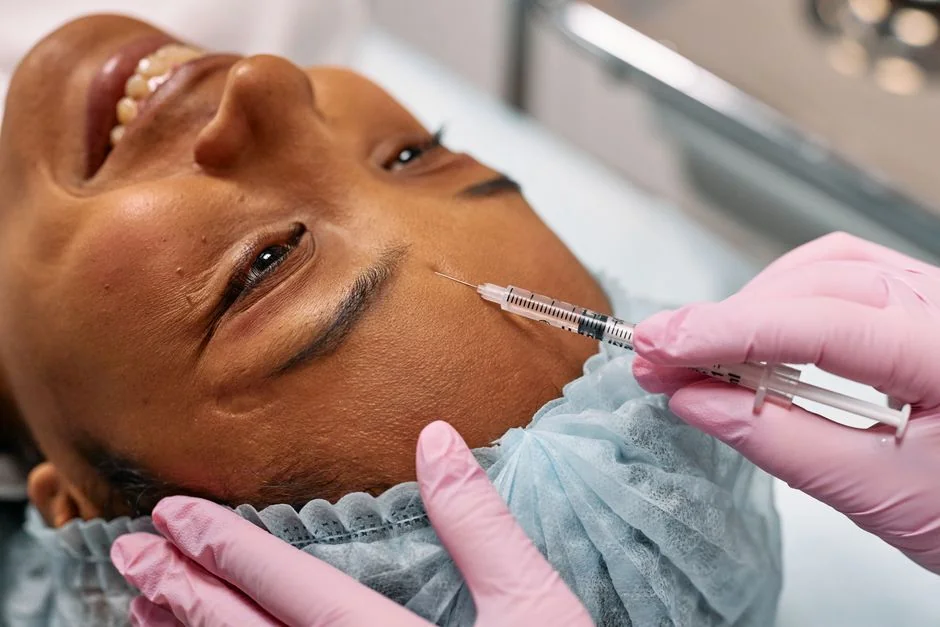
When performed appropriately, under eye filler may offer several meaningful aesthetic improvements. Clinical reports indicate that the majority of patients who are well-selected for the procedure report a reduction in the appearance of under-eye hollowness and fatigue immediately after treatment, with refinement continuing as any initial swelling settles over one to two weeks.
Key potential benefits include:
- Reduced shadowing: Filling the hollow diminishes the shadow responsible for the appearance of dark circles caused by volume loss (as distinct from pigmentation).
- Improved skin support: Restored volume can reduce the creased appearance of thin under-eye skin.
- Minimal downtime: Most patients return to normal activities within one to two days.
- Reversibility: Hyaluronic acid filler can be dissolved using an enzyme called hyaluronidase if results are unsatisfactory or a complication arises.
- Longevity: Results in the tear trough area typically last 9 to 18 months, though individual variation is significant.
Risks of Under Eye Filler

No injectable procedure is without risk, and the under-eye area carries specific concerns that every patient should understand before consenting to treatment.
Common, expected side effects
- Bruising and swelling: These are the most frequent side effects and generally resolve within five to ten days.
- Tenderness: Mild soreness at the injection site is normal for the first day or two.
Less common but clinically significant risks
- Tyndall effect: If filler is placed too superficially, it can create a bluish or grey discolouration visible through the thin skin. This can generally be corrected with hyaluronidase.
- Lumpiness or irregularity: Uneven product distribution may create visible or palpable lumps, particularly with firmer filler formulations.
- Prolonged swelling: Some patients experience oedema (fluid retention) that persists longer than expected, particularly if there is pre-existing lymphatic congestion in the area.
- Vascular occlusion: This is the most serious potential complication. If filler is inadvertently injected into or compresses a blood vessel, it can impair circulation to surrounding tissue. Although rare, this risk underscores the importance of treatment by an experienced physician like me, in a clinical setting equipped to manage emergencies.
- Vision changes: Extremely rare but documented in the medical literature, vascular occlusion affecting ophthalmic vessels can in rare cases affect vision. Studies published in aesthetic medicine journals estimate this complication at a very low frequency — approximately 0.001% of filler procedures overall — but the severity means it must be discussed.
A study published in the journal Aesthetic Surgery Journal reviewing periorbital filler complications across multiple centres found that the vast majority of adverse events were mild and manageable, but reinforced that anatomical knowledge and appropriate product selection by the injector were the most important risk-reduction factors.
What People Often Get Wrong About Under Eye Filler
Misconception 1: Filler fixes all dark circles
Dark circles have multiple causes. Volume loss and shadowing respond well to filler. Pigmentation — caused by melanin deposits, post-inflammatory hyperpigmentation, or visible blood vessels showing through thin skin — does not respond to filler at all. If pigmentation is the primary cause, treatments such as the PicoWay picosecond laser or topical brightening protocols may be more appropriate. In our clinical experience at Kojimachi Dermatology & Plastic Surgery Clinic, correctly identifying the cause of under-eye discolouration before recommending a treatment is one of the most important steps in the initial consultation.
Misconception 2: Any clinic offering filler is equally safe
The tear trough requires a level of anatomical precision that goes beyond general filler experience. Board-certified plastic surgeons and dermatologists with specific training in periorbital anatomy are best placed to perform this procedure and to manage complications if they arise. Patients should not select a provider based on price alone in this particular area.
Under Eye Filler vs. Surgical Alternatives: A Comparison

| Factor | Hyaluronic Acid Filler | Transconjunctival Blepharoplasty (Surgery) |
|---|---|---|
| Procedure type | Non-surgical injectable | Surgical (incision inside lower eyelid) |
| Target concern | Volume loss / hollow tear trough | Excess fat pockets / puffy lower lids |
| Duration of results | 9–18 months (approx.) | Long-lasting (often permanent fat removal) |
| Downtime | 1–3 days (bruising possible) | 1–2 weeks |
| Reversibility | Yes — dissolvable with hyaluronidase | No — surgical changes are permanent |
| Approximate cost in Tokyo | From ¥66,000 per syringe | From ¥280,000 |
| Anaesthesia | Topical only | Local or sedation anaesthesia |
| Best suited for | Mild to moderate hollowness, good skin tone | Moderate to significant fat herniation, skin laxity |
Transconjunctival blepharoplasty — an under-eye revision surgery performed through the inner surface of the lower eyelid, leaving no visible external scar — is available at Kojimachi Dermatology & Plastic Surgery Clinic and is performed by Dr. Karibe. For patients whose primary concern is protruding fat pads rather than volume loss, this surgical option may be worth discussing during a consultation.
Cost of Under Eye Filler in Tokyo
At BIOTOPE CLINIC or Kojimachi Dermatology & Plastic Surgery Clinic, hyaluronic acid filler is priced at ¥66,000–¥88,000 per syringe. The number of syringes required depends on the degree of hollowness and the patient’s anatomy; many patients require one syringe divided between both sides, while others with more pronounced tear troughs may need additional volume.
If a previous filler treatment elsewhere requires correction or dissolution, hyaluronidase (the dissolving enzyme) is available at ¥11,000–¥22,000.
An initial consultation is ¥3,300, and a surgical consultation with Dr. Karibe specifically is ¥2,200. Patients who subsequently decide to explore transconjunctival blepharoplasty should budget from ¥280,000–¥428,000 for the procedure, with additional anaesthesia fees (¥2,200–¥77,000) and pre-operative blood work (¥11,000) required.
For an accurate quote tailored to your anatomy and goals, we recommend booking a consultation.
Have a question about this treatment?
Message us on LINE or WhatsApp — our English-speaking team usually replies the same day.
Who Is a Good Candidate?
Under eye filler tends to produce the most natural results in patients who:
- Have a clearly defined, hollow tear trough as the primary cause of their under-eye concern
- Have relatively good skin thickness and tone (very thin or crepey skin may make filler results less predictable)
- Are in good general health with no active skin infections in the treatment area
- Have realistic expectations and understand that results are temporary
- Are not pregnant or breastfeeding
Who should approach with caution or avoid the treatment
- Patients with significant lower eyelid fat herniation (protruding bags) — filler may worsen this appearance; surgery is often the more appropriate option
- Patients with a history of severe allergies or anaphylaxis, particularly to hyaluronic acid products
- Patients on blood-thinning medications (bruising risk is significantly higher)
- Patients with autoimmune conditions affecting connective tissue (discuss with your physician)
- Patients who have already received multiple rounds of filler in this area without allowing previous product to fully dissolve — cumulative filler can cause progressive swelling and distortion over time
At our BIOTOPE CLINIC in Minto-ku, Tokyo, we frequently see patients who have had previous filler treatments elsewhere and are seeking assessment or correction. A thorough evaluation of what has been injected previously, and where, is an important part of the consultation before any additional filler is placed.
What to Expect: Before, During, and After
Before treatment
Patients are typically advised to avoid blood-thinning supplements (such as high-dose fish oil, vitamin E, and aspirin, unless medically prescribed) for approximately one week before treatment to reduce bruising risk. Alcohol should be avoided in the 24 hours prior.
A thorough consultation with the injecting physician should cover medical history, previous treatments, and a review of the under-eye anatomy.
During the procedure
Topical numbing cream is applied for 20–30 minutes before the injection. The injection itself takes only a few minutes per side. Patients may feel mild pressure but the area should be reasonably comfortable. Light massage may be performed immediately after to distribute the product evenly.
After treatment
Swelling and possibly bruising may appear within hours and typically peak at 48–72 hours before improving. Cold compresses (not directly on the skin) may help in the first 24 hours. Patients are generally advised to avoid strenuous exercise, saunas, and lying face-down for 24–48 hours.
Final results become clearer once initial swelling resolves, usually within one to two weeks. Follow-up assessment at two weeks is standard practice to evaluate the result and determine whether any fine-tuning is appropriate.
Frequently Asked Questions
- Q. Is under eye filler painful?
- Topical anaesthetic cream is applied before the procedure, making most patients comfortable throughout. Some degree of pressure or mild discomfort is possible, but significant pain is uncommon. The thin skin in this area means that any sensation tends to be brief.
- Q. How long does under eye filler last?
- Results in the tear trough area commonly last between 9 and 18 months, though some patients find the product lasts longer due to the relatively low movement in this zone. Individual metabolism, product type, and volume used all influence longevity. Maintenance treatments are typically recommended annually or when hollowness begins to return.
- Q. Can under eye filler be reversed if I do not like the result?
- Yes. Hyaluronic acid filler can be dissolved using hyaluronidase, an enzyme that breaks down the filler relatively quickly. This is one of the primary safety advantages of HA-based products. Hyaluronidase is available at our Ichigaya clinic should it be required.
- Q. I am not sure whether I need filler or surgery. How do I decide?
- The answer depends primarily on the underlying anatomy. Hollowness without significant fat protrusion usually responds well to filler. If there are pronounced under-eye bags caused by fat herniation, surgical intervention — such as transconjunctival blepharoplasty — tends to produce more lasting and appropriate results. A consultation with Dr. Karibe, who is experienced in both approaches, can help clarify which option suits your specific presentation.
- Q. Is it safe to have under eye filler in Japan as a foreign visitor?
- Yes, provided you choose a qualified, medically supervised clinic. It is important to allow adequate time in Tokyo for a follow-up appointment, typically one to two weeks after treatment, to assess the result and address any concerns. Patients travelling internationally should discuss their timeline honestly during the initial consultation so the physician can advise accordingly.
Have a question about this treatment?
Message us on LINE or WhatsApp — our English-speaking team usually replies the same day.
Summary
Under eye filler using hyaluronic acid is a well-established, non-surgical option for addressing the hollow tear trough that often creates the appearance of tiredness or dark circles. When performed by an experienced physician with a thorough understanding of periorbital anatomy, results can be natural, immediate, and reversible. However, it is not a universal solution for all under-eye concerns — correct diagnosis of the cause (volume loss versus pigmentation versus fat herniation) is essential before any treatment is recommended.
The primary risks — bruising, swelling, the Tyndall effect, and the rare but serious risk of vascular occlusion — are manageable and significantly reduced by choosing a qualified practitioner and a medically equipped clinic. Cost in Tokyo typically starts from ¥66,000 per syringe for hyaluronic acid filler, with surgical alternatives available for patients whose anatomy is better served by that approach.
If you have questions about under eye filler in Tokyo, our team at BIOTOPE CLINIC or Kojimachi Dermatology & Plastic Surgery Clinic in Minto-ku, Tokyo would be happy to help. We offer consultations in English.
24/7 Consultation & Booking
Book a Consultation or Treatment
Our English-speaking team responds via LINE or WhatsApp — usually the same day.
References
- Goldberg RA, Fiaschetti D. Filling the periorbita. Seminars in Plastic Surgery. 2007.
- Chatrath V, Banerjee PS, Goodman GJ, Rahman E. Soft-tissue filler-associated blindness: a systematic review of case reports and case series. Plastic and Reconstructive Surgery — Global Open. 2019.
- Funt D, Pavicic T. Dermal fillers in aesthetics: an overview of adverse events and treatment approaches. Clinical, Cosmetic and Investigational Dermatology. 2013.
- Berros P, Lax L, Lucchesi R. Hyalurostructure treatment — clinical evaluation of a new injectable hyaluronic acid for tear trough and periorbital rejuvenation. Aesthetic Surgery Journal. 2020.
- Kim JH, Lee W, Yoon JH, et al. Periorbital anatomy and practical considerations for tear trough filler injection: reducing the risk of vascular complications. Archives of Aesthetic Plastic Surgery. 2021.
SUPERVISED BY

Dr. Jun Karibe
MD
Director
Education & Career
Certifications
Awards
MEDICAL REVIEW