HIFU in Tokyo: Non-Surgical Skin Tightening Explained
If you have started to notice softening along the jawline, heaviness around the brows, or skin that no longer springs back the way it used to, you are not imagining it — and you are probably not ready for surgery either.
HIFU (high-intensity focused ultrasound) is one of the most frequently requested non-surgical lifting treatments in Tokyo, but the information available in English is often marketing copy rather than evidence.
This guide explains what HIFU actually does to the skin, what the published clinical data does and does not support, what it costs in Tokyo, and — importantly for anyone living in or visiting Japan — the legal rules that changed here in 2024.
What you’ll learn in this article:
- How HIFU works at the tissue level, and which depths it targets
- What clinical studies suggest about results, satisfaction and discomfort
- Realistic cost of HIFU in Tokyo and what affects the price
- Japan’s 2024 rule that HIFU may only be performed in a medical setting
- Who is a suitable candidate, and who should consider something else
Have a question about this treatment?
Message us on LINE or WhatsApp — our English-speaking team usually replies the same day.
What Is HIFU?
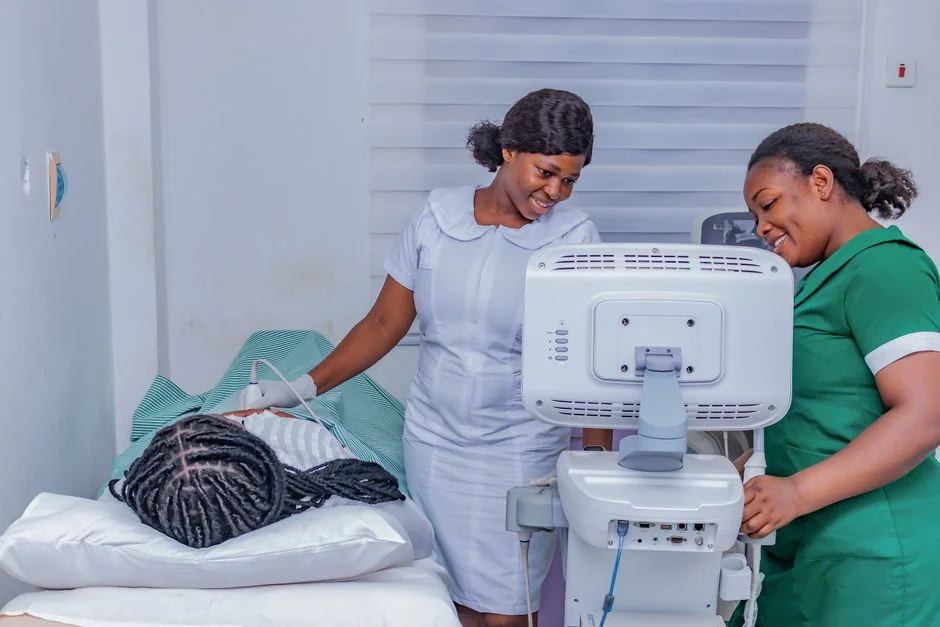
HIFU stands for high-intensity focused ultrasound. In aesthetic medicine, sound-wave energy is focused to a precise point beneath the skin surface, where it generates heat without cutting or breaking the skin.
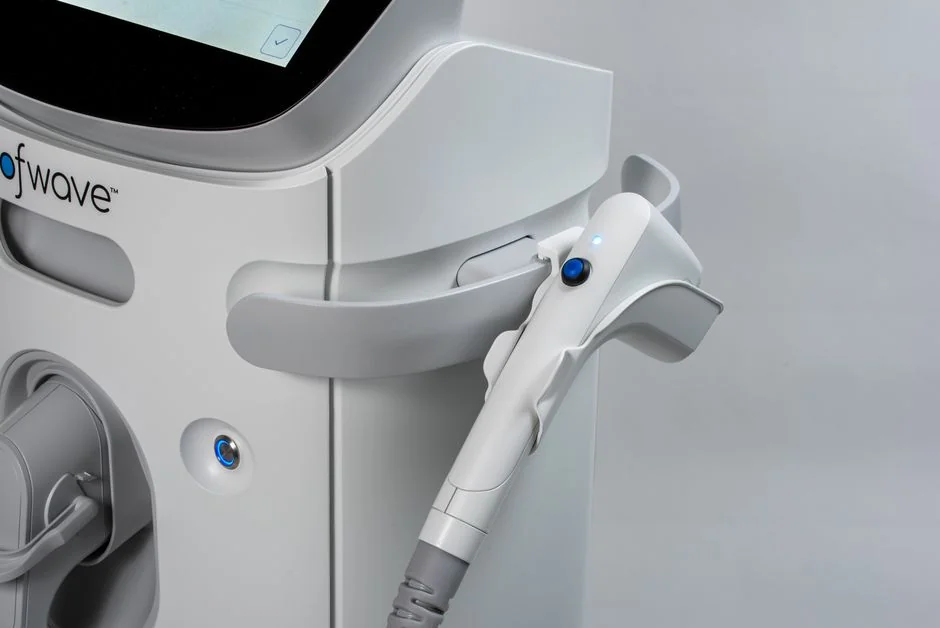
The best-studied version of the technology is microfocused ultrasound with visualisation (MFU-V), which adds real-time ultrasound imaging so the practitioner can see the tissue layers before delivering energy. According to the manufacturer’s public information for the Ultherapy system, US FDA clearance covers lifting of the eyebrow, the neck and the skin under the chin, improvement of lines and wrinkles on the décolleté, and skin laxity on the abdomen, arms and knees.
An important distinction for readers in Japan: US FDA clearance is not the same as Japanese regulatory approval, and cosmetic HIFU is not covered by Japan’s national health insurance. It is a self-pay (自由診療) treatment.
How HIFU Works
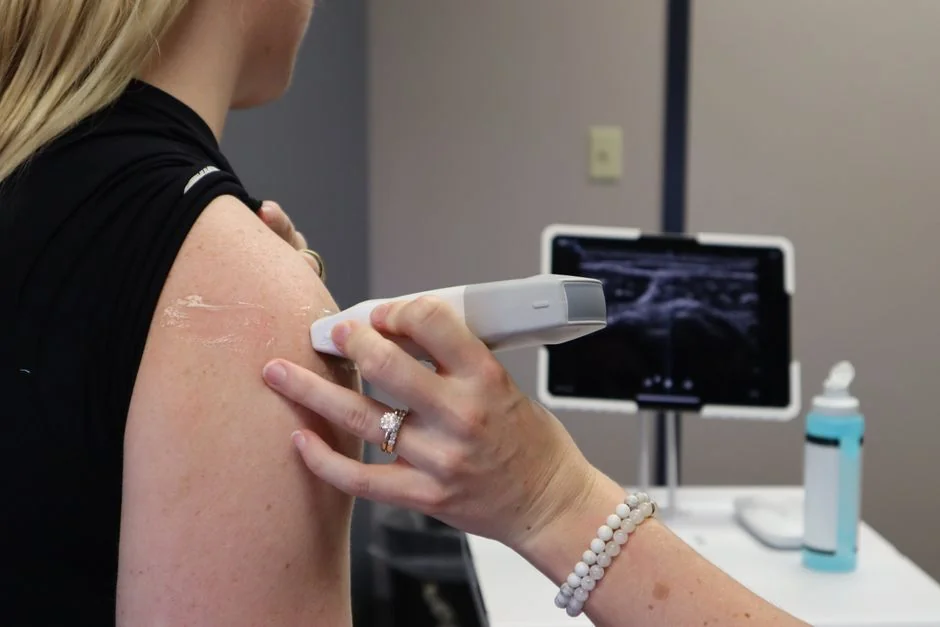
Focused ultrasound energy creates tiny zones of controlled thermal injury deep in the skin, known as thermal coagulation points. In the Pan-Asian expert consensus published in The Journal of Clinical and Aesthetic Dermatology (2021), these are described as roughly 1 mm³ inverted cone-shaped microthermal lesions.
The same consensus reports that tissue at these points is heated to approximately 60–70°C. That causes immediate collagen denaturation and contraction, followed by a wound-healing response that stimulates new collagen formation (neocollagenesis) over a period of up to about one year.
The three treatment depths
MFU-V transducers deliver energy at three set depths: 4.5 mm, 3.0 mm and 1.5 mm below the skin surface. The deepest setting targets the SMAS layer — the fibromuscular sheet that a surgical facelift repositions — while the shallower settings address the dermis.
The consensus authors note that patients of Asian descent tend to have a denser SMAS, distinct deep fascia connections and thinner skin, which is precisely why imaging and individualised settings matter rather than a fixed protocol applied to everyone.
Expected Results: What the Evidence Shows
A systematic review and meta-analysis of MFU-V published in Aesthetic Surgery Journal (2024) screened over 4,000 references and included 42 studies. Across the pooled data, investigators judged that 89% of patients (95% CI: 81–94%, n = 411) showed some degree of global aesthetic improvement.
Patient-reported outcomes in the same analysis were similar: 84% of patients reported improvement (n = 312), and 84% expressed satisfaction (n = 326). Notably, satisfaction was higher for facial and neck treatment (93%) than for other body areas (63%), and dropped to 62% when “neutral” was offered as an answer option — a useful reminder that satisfaction figures depend heavily on how the question is asked.
Timing matters. The Pan-Asian consensus describes results appearing progressively, with visible improvement by around 90 days after treatment, effects documented at 180 days and in some reports up to two years, and maintenance sessions typically suggested every 12–18 months.
HIFU is a tightening and lifting treatment, not a volume treatment. Studies suggest meaningful improvement in mild to moderate laxity; they do not support it as a replacement for surgical lifting in advanced skin looseness.
What People Often Get Wrong About HIFU
Misconception 1: “HIFU is a facelift without surgery”
The energy does reach the SMAS layer, which is why the comparison is made — but the meta-analysis measured degrees of improvement, not surgical-equivalent repositioning of tissue. For patients with significant skin excess or heavy jowls, HIFU may soften the appearance without addressing the underlying cause.
Misconception 2: “It’s a beauty-salon treatment, so it must be low-risk”
This is the misunderstanding with the most serious consequences in Japan. On 7 June 2024, Japan’s Ministry of Health, Labour and Welfare issued notice 医政医発0607第1号, stating that irradiating tissue in a way capable of causing thermal coagulation of cells is an act that risks harm to health unless performed by a physician, and that performing it as a business without a medical licence violates Article 17 of the Medical Practitioners Act.
The notice followed an investigation report by Japan’s Consumer Safety Investigation Commission, published on 29 March 2023, into HIFU accidents at aesthetic salons. The ministry notice refers to a substantial number of reported injuries including acute cataract and nerve paralysis. In practical terms: in Japan, HIFU must now be carried out within a medical facility, by or under the direction of a physician.
How HIFU Compares With Other Tightening Options
| Option | Energy / method | Typically suited to | Downtime |
|---|---|---|---|
| HIFU (MFU-V) | Focused ultrasound to fixed depths (1.5 / 3.0 / 4.5 mm) | Mild to moderate laxity; jawline, brow, submental area | Usually minimal; redness or swelling possible |
| RF microneedling (e.g. Morpheus8) | Radiofrequency delivered through fine needles | Skin texture, pores, acne scarring alongside firmness | Short; pinpoint marks and redness common |
| Minimally invasive RF (Embrace RF / FaceTite) | RF applied under the skin via a small cannula | Lower face and submental laxity with some fatty fullness | Longer; swelling expected, local anaesthesia required |
| Surgical lifting | Tissue repositioning and skin excision | Advanced laxity and skin excess | Substantial; weeks of recovery |
This comparison is a general orientation only. Which option fits depends on skin thickness, fat distribution and goals, and is best decided in a face-to-face assessment.
Cost of HIFU in Tokyo
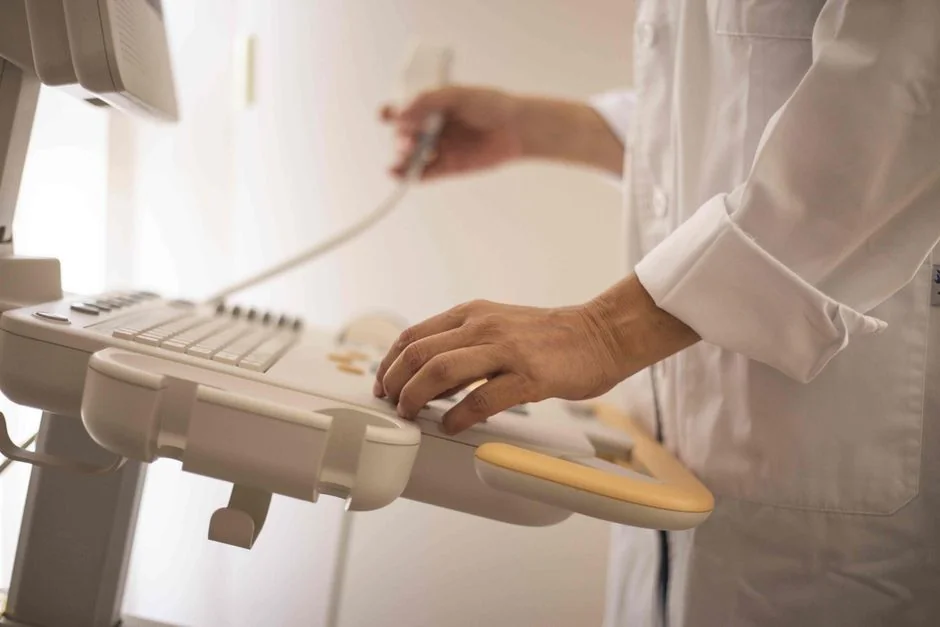
Pricing in Tokyo varies widely with the device used, the number of energy lines or “shots” delivered, the treatment area, and whether a physician performs the procedure personally.
On our clinic group’s current official price list, HIFU for the full face plus under-chin area is listed at ¥110,000 per session (tax included), and HIFU Shower for the full face at ¥25,000 per session (tax included). Where the procedure is performed by a physician, an additional ¥11,000 applies. Prices are subject to change — please see the clinic’s official price page or contact us for a current quote.
Be cautious of unusually low advertised prices. Since the 2024 notice, HIFU offered outside a medical facility is not lawful in Japan, and very low pricing may also reflect a sharply reduced shot count.
For an accurate quote, please book a consultation.
Have a question about this treatment?
Message us on LINE or WhatsApp — our English-speaking team usually replies the same day.
What to Expect: Before, During and After
A consultation should include an assessment of skin thickness and laxity, a discussion of realistic outcomes, and a review of your medical history. At BIOTOPE CLINIC in Shirokanedai, we frequently see patients who arrive expecting an immediate lift and benefit most from understanding the collagen timeline before booking.
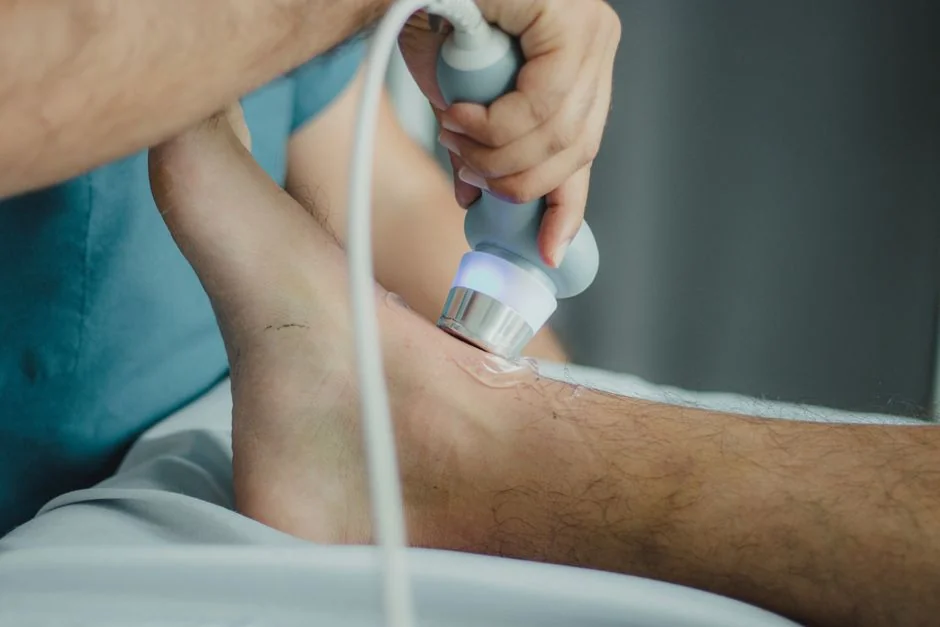
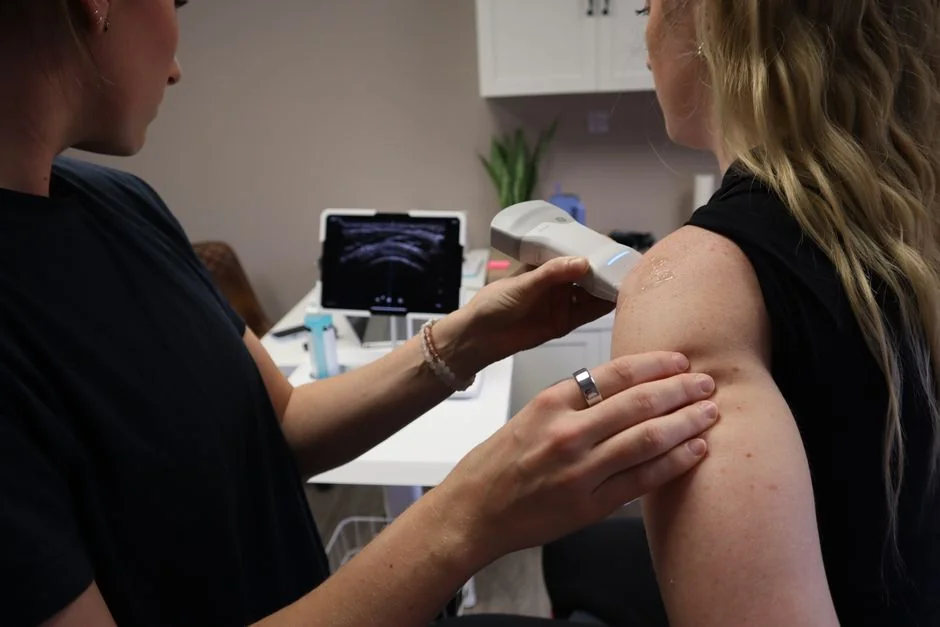
During treatment, ultrasound gel is applied and the transducer is moved across the treatment area in lines. Discomfort is real but generally manageable: the 2024 meta-analysis reported a mean pain score of 4.85 out of 10 (95% CI: 4.35–5.35) — moderate, with facial and neck treatment (4.62) rated lower than other body regions (5.58).
Afterwards, most people return to normal activities the same day. Reported side effects in the pooled studies were commonly erythema, oedema, swelling, bruising and tenderness, described as mild to moderate; the review noted that the included studies reported no acute skin damage or long-term sequelae such as nerve or muscle dysfunction, scarring, ulceration or pigment change.
Who is a good candidate?
HIFU tends to suit adults with mild to moderate early laxity — a softening jawline, slight brow heaviness, or looseness under the chin — who want gradual change without downtime. Patients seeking prevention and maintenance in their thirties and forties are a common group.
It is generally less appropriate where there is substantial skin excess, very thin or fragile skin, or an expectation of surgical-level change. HIFU is also not advised during pregnancy or breastfeeding, over active skin infection or inflammation in the treatment area, or without careful discussion if you have implanted electronic devices, significant filler or thread placement, or a history of keloid scarring. These points should be reviewed individually with your doctor.
Where to Get HIFU in Tokyo
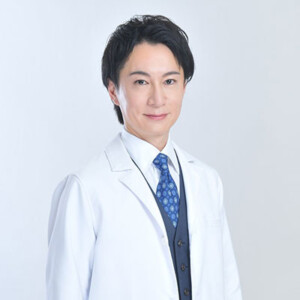
Within our clinic group, English-speaking consultations are handled at BIOTOPE CLINIC in Shirokanedai (Minato-ku, Tokyo) by Dr. Jun Karibe. Our sister clinic Kojimachi Dermatology & Plastic Surgery Clinic in Ichigaya handles Japanese-language insurance dermatology. Bookings and enquiries in English: LINE or WhatsApp.
HIFU is a treatment available at BIOTOPE CLINIC or Kojimachi Dermatology & Plastic Surgery Clinic — feel free to ask about it during a consultation with Dr. Karibe. If assessment suggests that energy delivered at a different depth would suit you better, related options such as RF microneedling or Embrace RF are also available and can be discussed at the same visit.
Japan’s Ministry of Health, Labour and Welfare further tightened expectations for cosmetic medicine in notice 医政発0815第21号 (15 August 2025), which requires that treatment decisions be made by physicians rather than non-medical counsellors, and that clinics maintain formal safety-management guidelines. Asking who will assess you — and who will operate the device — is a fair and reasonable question at any clinic.
Frequently Asked Questions
- Q. How soon will I see results from HIFU?
- Some tightening may be noticeable early, but published consensus guidance describes progressive improvement becoming visible by around 90 days as new collagen forms. Assessment at roughly three months is more informative than judging the result in the first week.
- Q. How often should HIFU be repeated?
- The Pan-Asian expert consensus suggests maintenance treatment approximately every 12–18 months, adjusted by age and individual response. Younger patients may go longer between sessions; older patients may benefit from shorter intervals.
- Q. Is HIFU painful?
- Pooled data from 18 studies reported a mean score of 4.85 on a 0–10 scale, indicating moderate discomfort, with facial and neck treatment rated lower than body areas. Settings can often be adjusted, so tell your doctor if the sensation is difficult.
- Q. Can I have HIFU as a visitor to Tokyo?
- Yes, HIFU is commonly performed as a single session with minimal downtime, which suits shorter stays. Bear in mind that the main visible change develops over the following months, after you have returned home.
Have a question about this treatment?
Message us on LINE or WhatsApp — our English-speaking team usually replies the same day.
Summary
HIFU uses focused ultrasound to heat precise points at 1.5, 3.0 and 4.5 mm beneath the skin, prompting collagen contraction and gradual remodelling over several months. Pooled clinical data indicate high rates of investigator-assessed improvement and patient satisfaction for facial and neck treatment, with mostly mild, short-lived side effects.
It is best understood as a maintenance and early-intervention treatment for mild to moderate laxity — not a substitute for surgery. In Japan, it must be performed in a medical setting under physician responsibility, which is a meaningful safety consideration when comparing providers.
If you have questions about HIFU in Tokyo, English-speaking consultations are handled at BIOTOPE CLINIC in Shirokanedai (Minato-ku, Tokyo) by Dr. Karibe. Our sister clinic Kojimachi Dermatology & Plastic Surgery Clinic in Ichigaya (Chiyoda-ku) handles Japanese-language insurance dermatology. English enquiries: LINE or WhatsApp.
24/7 Consultation & Booking
Book a Consultation or Treatment
Our English-speaking team responds via LINE or WhatsApp — usually the same day.
References
- Amiri M, Ajasllari G, Llane A, Casabona G, Pavicic T, Sevi J, Spada J, Vachiramon V, Vasconcelos R, Wah ST, Muka T, Fabi SG. Microfocused Ultrasound With Visualization (MFU-V) Effectiveness and Safety: A Systematic Review and Meta-Analysis. Aesthetic Surgery Journal. 2024.
- Park JY, et al. Customized Treatment Using Microfocused Ultrasound with Visualization for Optimized Patient Outcomes: A Review of Skin-tightening Energy Technologies and a Pan-Asian Adaptation of the Expert Panel’s Gold Standard Consensus. The Journal of Clinical and Aesthetic Dermatology. 2021;14(5):E70–E79.
- Ministry of Health, Labour and Welfare, Japan. Notice 医政医発0607第1号: Procedures using high-intensity focused ultrasound performed by persons without a medical licence. 7 June 2024. https://www.mhlw.go.jp/
- Consumer Safety Investigation Commission, Consumer Affairs Agency, Japan. Accident Cause Investigation Report under Article 23(1) of the Consumer Safety Act: Accidents Caused by HIFU at Aesthetic Salons and Similar Facilities. 29 March 2023. https://www.caa.go.jp/
- Ministry of Health, Labour and Welfare, Japan. Notice 医政発0815第21号: Handling of cosmetic medical treatment. 15 August 2025. https://www.mhlw.go.jp/
Related Articles
You may also find these articles useful.
- HIFU vs RF Microneedling: Treat Facial Sagging
- Embrace RF vs HIFU vs Deep Plane Facelift Tokyo
- Volnewmer vs Thermage vs HIFU: RF Comparison
- Skin Tightening Treatment Tokyo: Options and Cost
- Xerf Combined with HIFU or Thread Lift Tokyo
SUPERVISED BY
Dr. Jun Karibe
MD
Director
Education & Career
Certifications
Awards
MEDICAL REVIEW