Finding an English-Speaking Plastic Surgeon in Tokyo: A Complete Guide for Expats and Visitors
Navigating the Japanese healthcare system can feel daunting — especially when you are considering a cosmetic or plastic surgery procedure and are not confident that your concerns will be fully understood in English. Language barriers can make it difficult to ask detailed questions about risks, recovery, or realistic outcomes, and the fear of miscommunication in a medical setting is entirely reasonable.
This guide is written specifically for English-speaking expatriates, medical tourists, and visitors to Tokyo who are looking for a qualified, English-communicating plastic surgeon — and who want to understand exactly what to expect before booking a consultation.
- What qualifications to look for in a plastic surgeon in Japan, and why board certification matters
- Which procedures are commonly sought by international patients in Tokyo
- Realistic costs for the most popular surgical and non-surgical treatments
- How to prepare for a consultation in English and what questions to ask
- What distinguishes reputable clinics from less reliable options in the Tokyo cosmetic medicine market
Why Choosing a Qualified Plastic Surgeon in Japan Matters
Japan has a well-developed cosmetic medicine sector, but the regulatory landscape is more complex than many visitors realise. In Japan, the term “cosmetic surgery clinic” (美容外科) does not legally require a surgeon to hold a board certification in plastic surgery.
This means that not every practitioner performing surgical procedures has completed the formal training pathway required to become a certified plastic and reconstructive surgeon.
The Japan Society of Plastic and Reconstructive Surgery (日本形成外科学会) is the country’s leading professional body for the specialty. Surgeons certified by this society have completed a structured residency, passed rigorous examinations, and met continuing education requirements. When selecting a clinic, verifying whether the operating surgeon holds this specific certification is an important first step.
For English-speaking patients, the ability to communicate directly — without relying solely on a translator — adds another layer of safety and confidence. Being able to describe your medical history accurately, discuss your aesthetic goals in nuance, and understand post-operative instructions clearly is not a luxury; it is a component of good medical care.
What Procedures Do International Patients Commonly Seek in Tokyo?
In our clinical experience at BIOTOPE CLINIC or Dermatology & Plastic Surgery Clinic, international patients tend to arrive with a broad range of concerns — from surgical procedures they have researched for years to non-surgical treatments they wish to try during a stay in Japan, where the quality of cosmetic medicine is internationally respected.
Surgical Procedures
Eyelid surgery remains one of the most requested procedures among both Asian and non-Asian international patients. Double eyelid surgery (suture method), ptosis correction (lifting a drooping upper eyelid), and transconjunctival blepharoplasty — a technique for removing under-eye fat through the inner surface of the lower eyelid, leaving no visible external scar — are all commonly performed. Other frequently requested surgeries include mole removal, cyst excision, and scar revision.
Non-Surgical and Device-Based Treatments
Many visitors to Tokyo take advantage of their stay to undergo non-surgical skin treatments that may be more affordable or more accessible than in their home countries. These include HIFU (high-intensity focused ultrasound for skin lifting and tightening), RF microneedling, PicoWay laser for pigmentation and spot removal, Botox injections, and hyaluronic acid fillers. CO2 fractional laser for acne scars and enlarged pores is also particularly popular among patients of all backgrounds.
Dr. Karibe’s Note
Many of our international patients are surprised to find that a thorough consultation — in English — changes what they ultimately choose to have done. They may arrive with one procedure in mind and, after a proper discussion of their anatomy and goals, we agree together on a plan that better suits their needs. The consultation is not a formality; it is genuinely the most important part of the process. I always encourage patients to prepare a list of questions beforehand, however basic they may seem.
How to Evaluate a Clinic Before Booking
Credentials and Certification
As noted above, look specifically for certification by the Japan Society of Plastic and Reconstructive Surgery. This credential indicates a surgeon who has trained within the specialty of plastic and reconstructive surgery, not simply a general practitioner who has moved into cosmetic procedures. You may also look for membership of international societies such as the International Society of Aesthetic Plastic Surgery (ISAPS).
Transparency Around Risks and Outcomes
A trustworthy clinic will be candid about the limitations of any procedure. No ethical surgeon guarantees a specific outcome. Studies suggest that patient satisfaction in cosmetic surgery is closely correlated with thorough pre-operative counselling — a 2021 review published in Plastic and Reconstructive Surgery found that patients who received detailed risk discussions reported significantly higher satisfaction scores, regardless of the technical result. What this means practically is that a clinic that takes time to explain risks, alternatives, and realistic expectations is likely to deliver better overall care.
English Language Support
There is a difference between a clinic that offers a staff member who “speaks some English” and one where the operating physician can conduct a full clinical consultation in English. For surgical procedures in particular, the ability of the surgeon themselves to communicate directly with the patient — rather than through a staff intermediary — reduces the risk of important details being lost.
Comparing Common Treatments: A Quick Reference
| Treatment | Surgical / Non-Surgical | Target Concern | Approximate Cost at Our Clinic | Downtime |
|---|---|---|---|---|
| Double eyelid surgery (suture method) | Surgical (minor) | Creating or defining an eyelid crease | ¥66,000–¥341,000 (varies by number of points) | 3–7 days (swelling) |
| Transconjunctival blepharoplasty | Surgical | Under-eye bags / fat removal | ¥280,000–¥428,000 | 1–2 weeks |
| Botox injection (Allergan) | Non-surgical | Wrinkles, jaw slimming, brow lift | ¥22,000–¥148,000 | None to minimal |
| Hyaluronic acid filler | Non-surgical | Volume loss, contouring | ¥66,000–¥88,000 per syringe | 1–3 days (possible bruising) |
| HIFU (skin lifting) | Non-surgical (device) | Facial laxity, skin tightening | ¥25,000–¥110,000 | None to minimal |
| CO2 fractional laser | Non-surgical (device) | Acne scars, enlarged pores | ¥11,000–¥66,000 | 3–7 days (redness) |
| Mole removal | Surgical (minor) | Unwanted moles | Consultation required | Minimal |
All prices are approximate and subject to variation based on area treated, product used, and individual assessment. For an accurate quote, we recommend booking a consultation.
What to Expect: Consultation, Procedure, and Recovery
Before Your Consultation
Prepare a clear summary of your medical history, including any medications you take, allergies, and any previous cosmetic procedures. Bring photographs if you have specific reference images in mind — surgeons find these helpful for understanding a patient’s aesthetic preferences. Write down your questions in advance: no question is too basic, and the consultation is the appropriate time to ask them.
At BIOTOPE Clinic, an initial consultation is priced at ¥3,300, and a surgical consultation with Dr. Karibe specifically is ¥2,200. For surgical procedures, pre-operative blood test (¥11,000) is also required.
During the Procedure
For non-surgical treatments such as Botox, fillers, or laser sessions, procedures are typically completed within 30–60 minutes with no general anaesthesia required. Minor surgical procedures such as mole removal or double eyelid surgery (suture method) are performed under local anaesthesia in a clinic setting.
More involved surgeries require anaesthesia (priced at ¥2,200–¥77,000 depending on the type and duration), and patients should arrange for a companion or private transport home.
Recovery and Follow-Up
Recovery timelines vary considerably by procedure. Non-surgical treatments generally involve little to no downtime, though some redness or minor bruising may occur with injectables or laser treatments. Surgical procedures require more careful post-operative management. Patients travelling to Tokyo from abroad should factor in sufficient time before their return flight — for most surgical procedures, a minimum of one week in Tokyo post-operation is advisable, and some procedures warrant longer.
Who Is a Good Candidate for Plastic Surgery in Tokyo?
Most healthy adults with realistic expectations and a clearly defined aesthetic concern are reasonable candidates for consultative evaluation. Good candidates are those who seek improvement rather than perfection, who understand that surgical outcomes involve a healing process, and who are transparent with their surgeon about their medical history.
Certain conditions may affect eligibility. Active skin infections, bleeding disorders, autoimmune conditions, and some medications (including blood thinners and certain supplements) may need to be disclosed and managed before a procedure can proceed safely. Pregnancy and breastfeeding are contraindications for most cosmetic procedures. A thorough pre-operative assessment is always conducted to ensure patient safety.
Common Misconceptions About Plastic Surgery in Japan
Misconception 1: “Japanese clinics only perform procedures suited to Asian facial features”
This is a common concern among non-Asian international patients. In reality, skilled plastic surgeons are trained to assess and operate on a wide range of facial structures and skin types. Procedures such as rhinoplasty, blepharoplasty, and scar revision are routinely performed on patients of diverse ethnicities. The approach is tailored to the individual’s anatomy and goals, not to a single aesthetic template. At our clinic in Ichigaya, Tokyo, we frequently see patients from Europe, North America, South Asia, and Southeast Asia, each with distinct anatomical considerations that are discussed openly during consultation.
Misconception 2: “Non-surgical treatments are risk-free because they are not surgery”
Non-surgical does not mean without risk. Injectable treatments such as dermal fillers, if administered incorrectly, carry potential complications including vascular occlusion — a rare but serious event in which filler material blocks a blood vessel. Clinical reports in the literature emphasise that the skill and anatomical knowledge of the injector are the primary determinants of safety. Choosing a clinic where injectables are administered or directly supervised by a qualified physician, rather than a non-medical aesthetician, significantly reduces this risk.
Frequently Asked Questions
- Q. Do I need to speak Japanese to receive treatment at a Tokyo plastic surgery clinic?
- Not at all clinics. Some clinics in central Tokyo — including Kojimachi Dermatology & Plastic Surgery Clinic — offer consultations conducted in English. It is advisable to confirm directly with the clinic before booking whether the surgeon themselves speaks English, or whether translation is provided by a staff member.
- Q. How do I know if a cosmetic surgeon in Japan is properly qualified?
- Look for certification by the Japan Society of Plastic and Reconstructive Surgery (日本形成外科学会). This is the most rigorous specialty certification available for plastic surgeons in Japan and requires completion of a formal residency programme and examination. Asking directly about the surgeon’s credentials during the consultation process is entirely appropriate.
- Q. Is it safe to undergo surgery as a tourist in Tokyo and fly home shortly afterwards?
- For minor non-surgical treatments, flying within a day or two is generally reasonable, though individual guidance should be sought. For surgical procedures, most surgeons recommend remaining in the city for at least one week to allow for follow-up assessment and early management of any post-operative concerns. Extended recovery time should be factored into travel planning before booking.
Summary
Finding a qualified, English-speaking plastic surgeon in Tokyo requires a little research, but it is entirely achievable. The key steps are: verifying the surgeon’s board certification with the Japan Society of Plastic and Reconstructive Surgery, confirming that English-language consultations are genuinely available, and ensuring that your chosen clinic provides transparent information about risks, realistic outcomes, and costs before any procedure begins.
Tokyo offers a high standard of cosmetic and reconstructive surgical care, and international patients can access treatments ranging from non-surgical injectables and laser devices to more involved surgical procedures — all within a modern, medically regulated environment. Preparation, realistic expectations, and open communication with your surgeon remain the most important factors in any positive outcome.
If you have any questions about finding an English-speaking plastic surgeon in Tokyo, our team at Kojimachi Dermatology & Plastic Surgery Clinic in Ichigaya, Tokyo would be happy to help. We offer consultations in English.
References
- Alderman AK, Chung KC. Measuring outcomes in plastic surgery: body image and quality of life in cosmetic procedures. Plastic and Reconstructive Surgery. 2008;121(1):312e–321e. PubMed
- Pusic AL, et al. Development of a new patient-reported outcome measure for breast surgery: the BREAST-Q. Plastic and Reconstructive Surgery. 2009;124(2):345–353. (Foundational study on the relationship between patient counselling and satisfaction outcomes.) PubMed
- Beleznay K, et al. Avoiding and treating blindness from fillers: a review of the world literature. Dermatologic Surgery. 2015;41(10):1097–1117. (Evidence base for vascular complication risk with dermal fillers.) PubMed
- Rohrich RJ, Nguyen AT, Kenkel JM. Lexicon of ethics in plastic surgery. Plastic and Reconstructive Surgery. 2008;121(4):1481–1488. PubMed
- Herruer JM, et al. Negative predictors for satisfaction in patients seeking facial cosmetic surgery. Plastic and Reconstructive Surgery. 2015;135(6):1596–1605. (Documents the role of pre-operative counselling in patient satisfaction.) PubMed
SUPERVISED BY
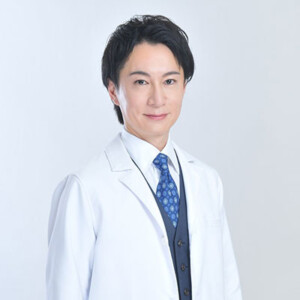
Dr. Jun Karibe
MD
Director
Education & Career
Certifications
Awards
This article is for general informational purposes only and does not constitute medical advice or a diagnosis. Please consult a qualified physician for any health concerns.
24/7 Consultation & Booking
Book a Consultation or Treatment
Our English-speaking team responds via LINE or WhatsApp — usually the same day.
MEDICAL REVIEW