Morpheus8 RF Microneedling in Tokyo: What It Is, What It Costs, and What to Expect
If you are considering a non-surgical skin-tightening or scar-improvement treatment in Tokyo, you have likely come across Morpheus8 — one of the most discussed radiofrequency (RF) microneedling devices in aesthetic medicine today. With so much information available online, it can be difficult to separate realistic expectations from marketing claims, especially when you are navigating a foreign healthcare system. This article covers everything an English-speaking patient needs to know: how Morpheus8 works, what results are realistic, how much it costs in Tokyo, and whether it is appropriate for your skin concerns.
What you’ll learn in this article:
- What Morpheus8 RF microneedling is and how it differs from standard microneedling
- What clinical evidence says about its effectiveness for skin laxity, acne scars, and body contouring
- Realistic cost ranges for Morpheus8 in Tokyo
- Who is a good candidate — and who should approach this treatment with caution
- What recovery and downtime look like in practice
What Is Morpheus8?
Morpheus8 is a medical device that combines two established technologies: microneedling (the controlled creation of micro-channels in the skin using fine needles) and radiofrequency (RF) energy (heat delivered deep into the dermis and subdermal tissue). The device is manufactured by InMode, an Israeli medical technology company, and is cleared for use in multiple regulatory markets. It is designed to remodel collagen, tighten the skin, and improve surface texture by delivering RF energy at programmable depths, ranging from 1 mm to 8 mm, which is notably deeper than most comparable devices.
Unlike basic microneedling — which works primarily by triggering the skin’s wound-healing response near the surface — Morpheus8 uses fractional bipolar RF energy to heat the deeper layers of the dermis and the fibrous septae beneath it. This stimulates neocollagenesis (the production of new collagen) and causes subdermal adipose remodelling (a reorganisation of the fatty tissue layer beneath the skin), which is responsible for the mild contouring effect that patients often notice in the jawline and lower face.
The device can be used on the face, neck, abdomen, thighs, and other body areas. The tip configurations vary — a standard 24-pin tip is used for most facial applications, while a larger surface tip (Morpheus8 Body) is available for larger treatment zones.
How Morpheus8 Works: The Science Behind RF Microneedling
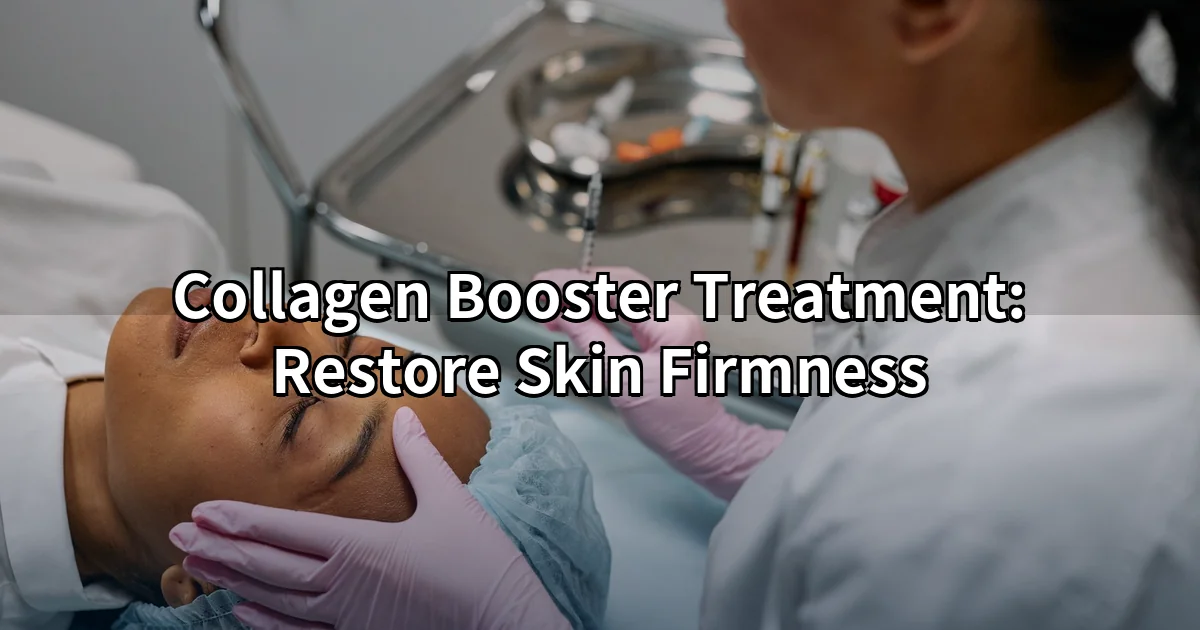
During a Morpheus8 treatment session, a topical anaesthetic cream is applied to the treatment area and left for approximately 30–60 minutes to minimise discomfort. The handpiece, fitted with an array of ultra-fine gold-coated needles, is then pressed against the skin in a stamping motion. As the needles penetrate to the preset depth, radiofrequency energy is discharged from their tips, generating controlled thermal (heat) zones within the dermis and subcutaneous layer.
The key biological mechanism is the heat-induced denaturation and subsequent remodelling of collagen fibres. When dermal tissue is heated to between approximately 40 °C and 70 °C, existing collagen contracts and new collagen synthesis is triggered over the following weeks and months. The fractional nature of the treatment — meaning only a fraction of the skin surface is directly treated at each pass — allows surrounding healthy tissue to support faster healing compared with fully ablative (surface-removing) procedures.
Because the RF energy is delivered via insulated needles, the heat is concentrated at the needle tips rather than at the skin surface. This reduces the risk of post-inflammatory hyperpigmentation (PIH), which is a darkening of the skin that can occur with surface-heating technologies, making Morpheus8 one of the options more commonly discussed for patients with medium to darker skin tones (Fitzpatrick skin types III–VI), though individual assessment remains essential.
What Results Can Patients Realistically Expect?
Clinical studies suggest that RF microneedling can produce meaningful improvements in skin laxity, acne scarring, and overall skin texture. A prospective study published in the Journal of Cosmetic Dermatology reported statistically significant improvements in skin laxity scores following a series of three RF microneedling treatments, with most subjects showing continued improvement at a three-month follow-up assessment. Clinical reports also indicate improvement rates of 50–70% in acne scar severity scores (as measured by standardised grading scales) following multiple treatment sessions, though individual outcomes vary considerably depending on scar type, skin type, and treatment parameters.
Patients commonly report noticing initial skin firmness within two to four weeks as immediate collagen contraction occurs, with the most visible improvements appearing between one and three months post-treatment, as new collagen matures. A course of two to three sessions is typically recommended for facial skin tightening and mild contouring; acne scarring often requires three or more sessions spaced four to six weeks apart.
It is important to be candid: Morpheus8 is not a surgical facelift alternative. It works best for patients with mild to moderate skin laxity. Significant sagging or excess skin — such as a well-defined jowl or pronounced neck wattle — may not respond sufficiently to RF microneedling alone, and a surgical consultation may be more appropriate in those cases. At Kojimachi Dermatology & Plastic Surgery Clinic, Dr. Karibe is able to assess whether a non-surgical approach, a surgical approach, or a combination is most suitable for your goals.
Dr. Karibe’s Note
Many of our international patients arrive expecting Morpheus8 to deliver dramatic lifting that would otherwise require surgery. What I often explain is that the treatment excels at quality-of-skin improvements — firmness, texture, mild contour refinement — rather than repositioning truly descended tissue. A common question I receive is whether one session is enough: for most patients seeking meaningful collagen remodelling, a series of two to three sessions gives the most reliable outcome. We always assess the face as a whole during consultation, because combining Morpheus8 with a complementary treatment — such as HIFU for deeper structural tightening — can produce results neither treatment achieves as effectively on its own.
Before Your Morpheus8 Session
Before receiving Morpheus8 in Tokyo, a consultation is essential.
During your consultation, your clinician will review:
- Your skin type
- Acne scar history
- Degree of skin laxity
- Previous cosmetic treatments
- Current skincare routine
- Medications
- History of keloid scarring
- Pigmentation tendency
- Your aesthetic goals
This step is important because RF microneedling settings should be customized for each patient.
At Kojimachi Dermatology & Plastic Surgery Clinic in Ichigaya, Tokyo, standardized photographs may also be taken before treatment. These photos help track improvement over time, especially because Morpheus8 results develop gradually.
How to Prepare Before Morpheus8
Most patients are advised to avoid certain triggers before treatment.
For approximately 5–7 days before treatment, you may be asked to avoid:
- Direct sun exposure
- Tanning
- Retinol
- Tretinoin
- Strong exfoliating acids
- AHA products
- BHA products
- Harsh scrubs
- Aggressive facial treatments
You should also tell your clinician if you are taking:
- Anticoagulants
- Blood-thinning medications
- Isotretinoin
- Immunosuppressive medication
- Steroids
- Photosensitizing medication
This information helps reduce the risk of bruising, irritation, delayed healing, or pigmentation problems.
During the Morpheus8 Procedure
Before treatment begins, the skin is cleansed thoroughly.
Then, topical anaesthetic cream is applied for approximately:
30–60 minutes
This helps reduce discomfort during treatment.
Once the skin is numb, the Morpheus8 or RF microneedling handpiece is applied systematically across the treatment area.
The device delivers fine needles into the skin while radiofrequency energy heats the deeper dermal layers.
Most patients describe the sensation as:
- Warm
- Prickling
- Pressure-like
- Mildly sharp in sensitive areas
A full-face treatment usually takes approximately:
20–40 minutes
after the numbing period.
Sensitive areas such as the jawline, upper lip, neck, or around the eyes may feel stronger.
If you are concerned about discomfort, discuss this during consultation.
Immediately After Morpheus8
Immediately after treatment, it is normal to experience:
- Redness
- Swelling
- Warmth
- Tenderness
- Pinpoint marks
- Mild micro-crusting
- Temporary rough texture
These effects are expected and usually improve over several days.
The skin may look sunburned or flushed at first.
This does not mean the skin has been damaged excessively. It reflects the controlled inflammatory response that stimulates healing and collagen production.
Morpheus8 Recovery Timeline
First 24 Hours
During the first day, redness and swelling are usually most noticeable.
You may feel heat, tightness, or sensitivity.
Avoid touching the treated area unnecessarily.
24–72 Hours
Redness and swelling gradually improve.
Some patients may notice pinpoint crusting or tiny marks where the needles entered the skin.
Most patients can return to desk-based work within:
48–72 hours
depending on treatment intensity.
Days 3–7
The skin may feel slightly rough, dry, or tight.
Micro-crusting usually improves during this period.
Do not scrub or pick the skin.
Gentle skincare is important.
Weeks 2–4
Early improvement in firmness and texture may begin.
Some patients notice that the skin feels smoother or slightly tighter.
Months 1–3
This is when collagen remodeling becomes more visible.
Patients may see improvement in:
- Skin firmness
- Fine lines
- Acne scars
- Pores
- Texture
- Mild laxity
Months 3–6
Collagen remodeling may continue.
For many patients, the best results appear gradually over several months.
Morpheus8 Downtime
Downtime depends on treatment depth, energy settings, and individual skin response.
In general:
|
Treatment Intensity |
Typical Downtime |
|---|---|
|
Light treatment |
1–3 days |
|
Moderate treatment |
2–5 days |
|
Strong acne scar or tightening treatment |
5–7 days or longer |
Social downtime is often shorter than patients expect.
However, aggressive settings may require longer recovery.
At consultation, treatment intensity can be adjusted according to your skin goals, schedule, and tolerance for downtime.
Morpheus8 Aftercare
Proper aftercare helps reduce irritation and supports healing.
For the first few days after treatment, avoid:
- Vigorous exercise
- Saunas
- Hot baths
- Alcohol
- Swimming
- Heavy sweating
- Strong sun exposure
- Scrubs
- Retinoids
- AHA or BHA acids
- Harsh cleansers
- Picking or rubbing the skin
Use simple skincare such as:
- Gentle cleanser
- Barrier-repair moisturizer
- Mineral sunscreen
- Hydrating serum if approved by your clinic
Sun protection is especially important.
UV exposure after RF microneedling can increase the risk of post-inflammatory hyperpigmentation.
When Can You Wear Makeup After Morpheus8?
Makeup should generally be avoided immediately after treatment.
Many clinics advise waiting at least:
24–48 hours
before applying makeup.
If makeup is needed after this period, mineral makeup is often preferred because it is less likely to irritate healing skin.
Your clinician will provide specific instructions based on treatment intensity.
Morpheus8 vs Comparable Treatments
Morpheus8 is one of several options for skin tightening and scar improvement.
The best treatment depends on whether your main concern is skin laxity, acne scars, pores, texture, pigmentation, or facial sagging.
Morpheus8 vs HIFU
HIFU uses high-intensity focused ultrasound.
It targets deeper tissue layers and is often used for facial lifting and jawline tightening.
Morpheus8 focuses more on dermal remodeling, skin texture, acne scars, and mild tightening.
|
Feature |
Morpheus8 |
HIFU |
|---|---|---|
|
Technology |
RF microneedling |
Focused ultrasound |
|
Main Target |
Dermis and subdermal tissue |
Deep support layers / SMAS |
|
Best For |
Texture, pores, acne scars, mild laxity |
Lifting, jawline, neck tightening |
|
Surface Impact |
Needle entry points |
No surface disruption |
|
Typical Downtime |
2–5 days |
Minimal |
|
Combination Potential |
Excellent with HIFU |
Excellent with RF microneedling |
Many patients benefit from both treatments because they work at different tissue depths.
Morpheus8 vs CO₂ Fractional Laser
CO₂ fractional laser is a resurfacing treatment.
It is excellent for acne scars, pores, and skin texture.
However, it affects the skin surface more directly and may involve more downtime.
|
Feature |
Morpheus8 |
CO₂ Fractional Laser |
|---|---|---|
|
Technology |
RF microneedling |
Ablative fractional laser |
|
Main Target |
Dermis and deeper tissue |
Skin surface and dermis |
|
Best For |
Laxity, scars, pores, texture |
Scars, wrinkles, resurfacing |
|
Downtime |
Usually 2–5 days |
Often 5–10 days |
|
PIH Risk |
Lower with proper settings |
Higher, especially in darker skin |
|
Surface Wound |
Minimal fractional punctures |
Fractional ablation |
For Asian skin types, treatment choice should be made carefully because pigmentation risk matters.
Morpheus8 vs Dermapen
Dermapen is mechanical microneedling without RF energy.
It can improve mild texture and stimulate collagen.
However, it does not deliver deep thermal energy.
|
Feature |
Morpheus8 |
Dermapen |
|---|---|---|
|
Technology |
Microneedling + RF heat |
Mechanical microneedling |
|
Depth |
Deeper tissue remodeling |
Superficial to mid-dermis |
|
Skin Tightening |
Stronger |
Mild |
|
Acne Scars |
Often stronger |
Useful for mild scars |
|
Downtime |
2–5 days |
1–3 days |
|
Cost |
Usually higher |
Usually lower |
Dermapen may be suitable for patients who want lighter treatment with shorter downtime.
Morpheus8 may be preferred for stronger remodeling.
Morpheus8 vs Thread Lift
Thread lift physically repositions tissue using absorbable sutures.
Morpheus8 improves skin quality and mild firmness.
|
Feature |
Morpheus8 |
Thread Lift |
|---|---|---|
|
Main Effect |
Collagen remodeling |
Mechanical lifting |
|
Best For |
Skin quality and mild laxity |
Jowls and tissue descent |
|
Result Timing |
Gradual |
More immediate |
|
Downtime |
2–5 days |
3–7 days |
|
Longevity |
Depends on collagen response |
Usually 12–24 months |
If sagging is mainly due to descended tissue, thread lift may provide more visible lifting than Morpheus8.
Who Is a Good Candidate for Morpheus8?
Morpheus8 may be suitable for adults who want non-surgical improvement in skin quality, scars, or mild laxity.
Good candidates include patients with:
- Mild to moderate skin laxity
- Early jowling
- Loose skin on the neck
- Acne scars
- Enlarged pores
- Uneven texture
- Fine lines
- Mild crepey skin
- Post-weight-loss skin laxity
- Desire for collagen stimulation without surgery
It may also be suitable for patients with Fitzpatrick skin types III–VI who may not be ideal candidates for aggressive laser resurfacing.
However, individual assessment remains essential.
Who Should Avoid or Approach Morpheus8 With Caution?
Morpheus8 may not be appropriate for everyone.
Patients should approach treatment with caution if they have:
- Active acne flare
- Active rosacea flare
- Active eczema
- Open wounds
- Skin infection
- History of keloid scarring
- Uncontrolled diabetes
- Pregnancy
- Breastfeeding
- Implanted electronic devices such as pacemakers
- Current anticoagulant therapy
- Recent isotretinoin use
- Severe melasma tendency
- Significant facial sagging requiring surgery
If you have any of these conditions, consultation is essential before treatment.
Morpheus8 for Darker Skin and Asian Skin
A common misconception is that Morpheus8 is only suitable for Caucasian skin.
This is not true.
RF microneedling may be suitable for many skin tones, including Asian skin and Fitzpatrick skin types III–VI.
Because RF energy is delivered through needles rather than primarily across the skin surface, the surface heat burden may be lower than with some laser treatments.
However, this does not eliminate risk.
Possible pigmentation-related side effects include:
- Post-inflammatory hyperpigmentation
- Temporary darkening
- Prolonged redness
- Uneven tone
Therefore, careful settings, conservative treatment planning, and strict sun protection remain essential.
Common Misconceptions About Morpheus8
Misconception 1: Morpheus8 Is Only for Caucasian Skin
Morpheus8 may be used in a variety of skin tones when settings are chosen appropriately.
However, treatment must be individualized.
No device is completely risk-free for every skin type.
Misconception 2: Results Appear Immediately After One Session
Morpheus8 stimulates collagen remodeling.
This is a biological process.
Although some firmness may appear early, the main results usually develop over:
2–3 months
Most patients need multiple sessions.
Misconception 3: Stronger Settings Always Give Better Results
More aggressive settings are not always better.
Excessive depth or energy may increase:
- Swelling
- Bruising
- PIH
- Irritation
- Prolonged downtime
The best settings balance improvement with safety.
Misconception 4: Morpheus8 Replaces Facelift Surgery
Morpheus8 improves skin firmness.
It does not reposition deep facial tissues.
Patients with advanced sagging may need facelift, neck lift, or another surgical option.
Frequently Asked Questions
Is Morpheus8 painful?
Most patients describe the treatment as warm, prickling pressure.
With topical anaesthetic, it is tolerable for most people.
Sensitive areas such as the jawline, neck, and under-eye region may feel more intense.
How many Morpheus8 sessions will I need?
Most patients need:
2–3 sessions
for skin tightening.
Acne scars may require:
3 or more sessions
depending on depth and severity.
Sessions are usually spaced:
4–6 weeks apart
Can Morpheus8 be combined with other treatments?
Yes.
Morpheus8 may be combined with:
- HIFU
- Hyaluronic acid filler
- Botox
- CO₂ fractional laser
- Chemical peels
- Thread lift
However, treatments are usually scheduled with proper intervals.
Your clinician will recommend safe timing.
Is Morpheus8 suitable for visitors to Tokyo?
Yes, in many cases.
However, timing matters.
If you are visiting Tokyo for a limited period, discuss your travel schedule during consultation.
You may need several days for visible redness and swelling to improve.
Does Morpheus8 have permanent results?
Morpheus8 stimulates new collagen formation.
The collagen improvement can be long-lasting.
However, ageing continues.
Most patients benefit from maintenance treatment approximately once a year.
Can Morpheus8 treat acne scars?
Yes.
RF microneedling is commonly used for acne scar improvement.
It is especially useful for rolling scars, mild boxcar scars, enlarged pores, and uneven texture.
Deep scars may require combination therapy.
When can I exercise after Morpheus8?
Most clinics recommend avoiding vigorous exercise for:
48–72 hours
after treatment.
Sweating may increase irritation and infection risk during early healing.
When can I use retinol after Morpheus8?
Retinol and tretinoin should usually be paused during early healing.
Your clinician will advise when to restart, often after the skin barrier has recovered.
Dr. Karibe’s Final Advice
Morpheus8 can be an excellent treatment for improving skin quality, acne scars, pores, and mild laxity. However, it should not be treated as a universal solution for every ageing concern.
The most important step is diagnosis. If the issue is skin texture, RF microneedling may be very useful. If the issue is deep tissue sagging, HIFU, thread lift, or surgery may be more appropriate. If the issue is volume loss, filler may be needed.
In aesthetic medicine, the right treatment depends on anatomy, not trends.
That is why consultation matters.
— Dr. Jun Karibe
Board-Certified Plastic Surgeon
Kojimachi Dermatology & Plastic Surgery Clinic, Tokyo
Summary
Morpheus8 RF microneedling in Tokyo is a non-surgical treatment designed to improve skin firmness, acne scars, enlarged pores, texture, and mild laxity.
The treatment combines microneedling with radiofrequency energy to stimulate collagen remodeling in the dermis and deeper tissue layers.
Recovery usually involves redness, swelling, and pinpoint marks for several days. Most patients return to desk-based work within 48–72 hours.
Morpheus8 may be suitable for patients with mild to moderate skin laxity, acne scars, enlarged pores, early ageing, or texture concerns. It may also be considered for many Asian and darker skin types when settings are chosen carefully.
However, it is not a facelift replacement. Patients with significant sagging may require HIFU, thread lift, filler, or surgical evaluation.
At Bitope Clinic, Tokyo, English-speaking patients can receive consultation for RF microneedling, HIFU, and other non-surgical or surgical facial rejuvenation options.
If you are considering Morpheus8 in Tokyo, the first step is a consultation to determine whether RF microneedling is the right treatment for your skin and facial anatomy.
Focus Keyphrase
Morpheus8 Tokyo
Secondary Keywords
- RF Microneedling Tokyo
- Morpheus8 cost Tokyo
- Morpheus8 downtime Tokyo
- Acne scar treatment Tokyo
- Skin tightening Tokyo
- Non-surgical facelift Tokyo
- English-speaking cosmetic clinic Tokyo
- HIFU vs Morpheus8 Tokyo
24/7 Consultation & Booking
Book a Consultation or Treatment
Our English-speaking team responds via LINE or WhatsApp — usually the same day.
References
- Alexiades M, Berube D. Randomized, blinded, 3-arm clinical trial assessing optimal temperature and technique for radiofrequency and 1064-nm Nd:YAG combination treatment of rhytides and laxity. Dermatologic Surgery. 2015.
- Gentile RD, Kinney BM, Sadick NS. Radiofrequency technology in face and neck rejuvenation. Facial Plastic Surgery Clinics of North America. 2018.
- Gold MH, Biron JA. Treatment of acne scars by fractional bipolar radiofrequency energy. Journal of Cosmetic Dermatology. 2012.
- Hantash BM, Ubeid AA, Chang H, Kafi R, Renton B. Bipolar fractional radiofrequency treatment induces neoelastogenesis and neocollagenesis. Lasers in Surgery and Medicine. 2009.
- Fatemi Naeini F, Abtahi-Naeini B, Pourazizi M, Nilforoushzadeh MA, Mirmohammadkhani M. Fractionated microneedle radiofrequency for treatment of primary axillary hyperhidrosis: a sham control study. Australasian Journal of Dermatology. 2015.
Related Articles
You may also find these articles useful.
- How to Treat Facial Sagging: HIFU, RF Microneedling, Fillers, and Facelift Options Explained
- English Speaking Dermatologist Tokyo: Complete Guide
SUPERVISED BY
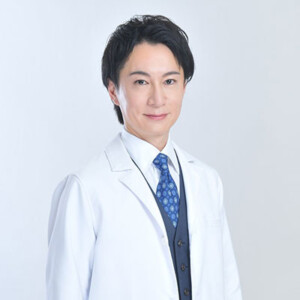
Dr. Jun Karibe
MD
Director
Education & Career
Certifications
Awards
MEDICAL REVIEW