Eyebrow Artmake in Tokyo: Cost, Procedure and Clinic Guide
If you are living in Tokyo or visiting Japan and considering eyebrow artmake, navigating the options — especially as a non-Japanese speaker — can feel daunting. Questions about safety, technique, cost and where to go for a reliable English-speaking consultation are all completely reasonable. This guide answers those questions clearly, so you can approach any artmake decision with confidence and realistic expectations.
What you’ll learn in this article:
- What artmake is and how it differs from a conventional tattoo
- How the eyebrow artmake procedure is performed, step by step
- Realistic cost ranges for the Tokyo market
- Healing, aftercare and how long results typically last
- Where English-speaking patients can access artmake within a supervised medical setting in Tokyo
What Is Artmake?
Artmake (アートメイク) is the Japanese term for semi-permanent cosmetic pigmentation applied to the skin using fine needles. The most popular application is the eyebrows, where it can fill sparse areas, redefine shape, or create the appearance of natural hair strokes. It is widely performed in Japan within medical clinic settings, reflecting a regulatory environment in which the procedure is classified as a medical act.
Unlike daily makeup, artmake requires no daily application and does not wash off with water or sweat. Because the pigment is deposited into the upper layers of the dermis (the second layer of skin, just below the surface), the result gradually fades over time rather than remaining indefinitely. This distinguishes artmake from traditional body tattooing in a clinically meaningful way.
Eyebrow artmake has become particularly popular among people with thinning brows due to ageing, over-plucking, alopecia, or those undergoing medical treatment. It is also valued by people with active lifestyles who find conventional makeup impractical.
How Artmake Works: Techniques and the Procedure
Common Eyebrow Techniques
There are several techniques used for eyebrow artmake, and a skilled practitioner will recommend the most appropriate one based on your skin type, existing brow hair and aesthetic goal.
- Hair-stroke method (毛並み法): Fine individual strokes are drawn to mimic natural eyebrow hairs. This is well suited to those who want a natural, textured appearance.
- Powder method (パウダー法): The pigment is applied in a soft, diffused manner resembling a filled-in brow drawn with powder. This tends to suit oilier skin types and gives a more defined, made-up look.
- Combination method: Hair strokes and powder shading are blended together for a fuller, more dimensional result. This is currently one of the most requested techniques in Tokyo clinics.
What Happens During a Session
A standard artmake appointment begins with a detailed design consultation, during which the practitioner maps out the brow shape using measurements and markings before any needlework begins. A topical anaesthetic cream is typically applied to the brow area and left for a set period to reduce discomfort; most patients describe the sensation as mild scratching or a faint stinging rather than sharp pain, though individual tolerance varies.
The actual pigmentation process uses a device with ultra-fine needles that deposit medical-grade pigment at a controlled, shallow depth in the skin. A single session generally takes between 60 and 120 minutes, including design time and anaesthetic preparation. Because the skin naturally expels some pigment during the initial healing phase, two sessions spaced four to eight weeks apart are standard practice — the second session (often called a “touch-up”) refines and stabilises the result.
Expected Results and Longevity
Immediately after a session, the eyebrows will appear noticeably darker and more defined than the intended healed result. This is entirely normal. Over the following one to two weeks, the treated area forms a light crust that gradually flakes away, revealing softer, more natural-looking colour underneath. The final result is typically assessed after the skin has fully settled — usually around four to six weeks post-treatment.
Artmake pigment fades progressively because it sits in the upper dermis, where the skin naturally turns over. Most patients find that eyebrow artmake lasts approximately one to three years before significant fading occurs, though this varies considerably with skin type (oilier skin tends to fade faster), sun exposure, skincare habits and the specific pigments used. Annual or biennial maintenance sessions are commonly recommended to sustain the result.
It is important to have realistic expectations: results can be refined but cannot be precisely predicted for every individual, and colour perception under clinic lighting may differ slightly from how the brows appear in natural daylight.
Cost of Eyebrow Artmake in Tokyo
Pricing in Tokyo reflects the skill level of the practitioner, the clinic environment, the pigment quality and whether or not a physician is medically supervising the procedure. Because artmake in Japan is classified as a medical act under the Medical Practitioners Act, it is legally required to be performed within a medical institution — a factor that distinguishes reputable Tokyo clinics from unlicensed providers and contributes to the cost structure.
In the Tokyo market, eyebrow artmake sessions are typically priced in the range of ¥60,000–¥150,000 per session. As two sessions are generally recommended for a complete result, the total investment for a first-time patient often falls in the range of ¥120,000–¥300,000, depending on the clinic and technique chosen. Some clinics offer package pricing that covers both the initial session and the touch-up at a combined rate.
For context, other artmake areas carry the following approximate Tokyo market ranges:
| Treatment Area | Approximate Tokyo Market Range (per session) | Typical Sessions |
|---|---|---|
| Eyebrows | ¥60,000 – ¥150,000 | 2 sessions recommended |
| Eyeliner (upper) | ¥40,000 – ¥90,000 | 2 sessions recommended |
| Eyeliner (upper + lower) | ¥50,000 – ¥110,000 | 2 sessions recommended |
| Full lip | ¥80,000 – ¥180,000 | 2 sessions recommended |
| Hairline | ¥100,000 – ¥250,000 | 2+ sessions recommended |
| Areola (medical reconstruction) | ¥60,000 – ¥180,000 | Variable |
| Artmake removal (laser or saline) | ¥30,000 – ¥80,000 | Multiple sessions usually required |
These figures are provided as general market reference points only. For an accurate quote, we recommend booking a consultation with BIOTOPE CLINIC via LINE or WhatsApp.
Have a question about this treatment?
Message us on LINE or WhatsApp — our English-speaking team usually replies the same day.
Healing and Aftercare After Eyebrow Artmake
Eyebrow Artmake Healing Timeline
Understanding the healing process after eyebrow artmake in Tokyo helps patients avoid unnecessary worry.
The colour and texture of the brows change significantly during the first few weeks.
Immediately after treatment, the eyebrows usually look darker, sharper, and more defined than expected.
This is normal.
The final healed result should not be judged until the skin has fully settled.
Days 1–3: Darkest Colour Phase
During the first few days, the brows usually appear darkest.
Patients may notice:
- Darker pigment
- More defined brow shape
- Mild redness
- Slight swelling
- Tenderness
- Tightness
- Minor sensitivity
This phase can feel dramatic, especially for patients who requested a natural result.
However, the brows will soften as healing progresses.
Days 4–7: Flaking and Peeling
Light flaking or peeling usually begins during this stage.
This is part of normal healing.
Do not:
- Pick
- Scratch
- Rub
- Peel
- Scrub
the treated area.
Picking can pull pigment out unevenly and increase the risk of infection, scarring, or patchy colour retention.
Days 7–14: The “Ghost Phase”
After the first week, most visible crusting begins to resolve.
The brow colour may suddenly look much lighter than expected.
This is commonly called the ghost phase.
Patients sometimes worry that the pigment has disappeared.
In most cases, this is temporary.
The skin is still healing, and pigment becomes more visible again as the deeper layers settle.
Weeks 4–6: True Healed Colour
By around four to six weeks, the true healed colour becomes easier to assess.
At this stage, the practitioner can evaluate:
- Colour retention
- Brow symmetry
- Shape balance
- Hair-stroke clarity
- Powder density
- Areas needing refinement
This is the appropriate timing to plan the second session or touch-up.
Why the Second Session Matters
Most eyebrow artmake treatments require two sessions.
The second session is usually performed after:
4–8 weeks
This session allows the practitioner to refine:
- Colour density
- Small gaps
- Symmetry
- Shape details
- Pigment retention
- Brow tail definition
- Front brow softness
A touch-up is a normal part of eyebrow artmake, not a sign that the first treatment failed.
Eyebrow Artmake Aftercare Instructions
Proper aftercare is essential for safe healing and good pigment retention.
Your clinic will provide specific instructions, but general aftercare usually includes the following.
Keep the Brows Dry Initially
For the first several days, avoid excessive moisture on the treated area.
Avoid:
- Swimming
- Hot springs
- Saunas
- Steam rooms
- Long hot baths
- Heavy sweating
Moisture and sweat may affect pigment retention and increase irritation.
Avoid Makeup on the Brows
Do not apply eyebrow pencil, powder, foundation, or concealer directly over the treated area during healing.
Makeup can introduce bacteria and interfere with healing.
Wait until the clinic confirms that makeup is safe to resume.
Do Not Pick or Scratch
This is one of the most important rules.
Even if the skin feels itchy or flaky, do not pick it.
Allow flakes to come off naturally.
Picking can cause:
- Patchy pigment loss
- Infection
- Scarring
- Uneven colour
- Longer healing time
Avoid Strong Skincare Ingredients
During healing, avoid applying active skincare near the brows.
Avoid:
- Retinoids
- Retinol
- Tretinoin
- AHA acids
- BHA acids
- Peeling products
- Scrubs
- Strong acne treatments
- Brightening creams near the brows
These products may irritate the area and accelerate pigment fading.
Protect the Brows from Sun Exposure
UV exposure can fade pigment faster.
During healing, avoid direct sun exposure.
After healing, regular sun protection helps maintain results.
Patients should consider:
- Hats
- Sunglasses
- Shade
- Daily sunscreen around the area, once fully healed
Dr. Karibe’s Note
A common question from international patients at BIOTOPE CLINIC is whether the healing process will interfere with work or travel plans.
In most cases, visible redness and initial darkening settle within about one week. Many patients are comfortable returning to office environments or light social commitments within two to three days.
However, for patients visiting Tokyo specifically for treatment, I recommend allowing at least 10 days before any high-profile events or long-haul flights.
This gives the skin time to stabilise comfortably.
Healing rates vary, and we discuss this carefully during the pre-treatment consultation.
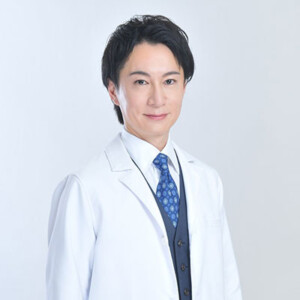
— Dr. Jun Karibe
Board-Certified Plastic Surgeon
Director of Kojimachi Dermatology & Plastic Surgery Clinic and BIOTOPE CLINIC
Who Is a Good Candidate for Eyebrow Artmake?
Eyebrow artmake may be suitable for a wide range of patients.
Good candidates are usually adults in good general health who want natural-looking, semi-permanent brow enhancement.
The treatment may be helpful for people with:
- Sparse eyebrows
- Thin brows
- Asymmetrical brows
- Over-plucked brows
- Age-related brow thinning
- Alopecia
- Brow loss after chemotherapy
- Difficulty applying eyebrow makeup
- Busy lifestyles
- Active lifestyles
- Makeup that smudges easily
- Very light brows
- Uneven brow shape
Eyebrow artmake may also be considered for patients with medical or dermatological concerns affecting brow appearance, but suitability must be assessed individually.
Who Should Avoid or Delay Eyebrow Artmake?
Eyebrow artmake may not be appropriate for everyone.
Treatment may need to be delayed or avoided if you:
- Are pregnant
- Are breastfeeding
- Have active eczema in the brow area
- Have psoriasis in the treatment area
- Have dermatitis around the brows
- Have active infection
- Have open wounds near the brows
- Have uncontrolled diabetes
- Have a history of keloid scarring
- Are taking certain blood-thinning medications
- Have known pigment allergies
- Have allergies to numbing agents
- Recently used isotretinoin
- Recently had laser treatment near the brows
Patients should disclose all medications, supplements, allergies, and medical history during consultation.
A medically supervised clinic can determine whether treatment is appropriate.
Risks and Side Effects
Eyebrow artmake is generally safe when performed in a medically supervised setting, but it still involves skin puncture.
Possible side effects include:
- Redness
- Swelling
- Tenderness
- Itching
- Flaking
- Uneven pigment retention
- Temporary darkening
- Colour changes over time
- Infection, rarely
- Allergic reaction, rarely
- Scarring, very rarely
Careful consultation, sterile technique, appropriate pigment choice, and proper aftercare reduce these risks.
Common Misconceptions About Eyebrow Artmake
Misconception 1: Artmake Is the Same as a Regular Tattoo
This is one of the most common misunderstandings.
Both artmake and tattooing involve pigment and needles.
However, they differ in depth, purpose, pigment behaviour, and longevity.
Eyebrow artmake places pigment more superficially than a conventional tattoo.
It is designed to fade gradually over:
1–3 years
Conventional tattoos are placed deeper and are intended to last much longer.
In Japan, artmake is also legally classified as a medical procedure.
This means it must be performed by, or under the supervision of, a licensed physician.
Misconception 2: Eyebrow Artmake Is Completely Painless
Topical anaesthetic cream is used before treatment and significantly reduces discomfort.
However, eyebrow artmake is not always completely painless.
Patients may feel:
- Mild scratching
- Stinging
- Pressure
- Vibration
- Sensitivity near the brow bone
Most patients describe the sensation as tolerable.
Pain tolerance varies, so concerns should be discussed during consultation.
Misconception 3: Eyebrow Artmake Looks Artificial
Modern eyebrow artmake can look very natural.
The final result depends on:
- Design
- Colour matching
- Technique
- Skin type
- Practitioner skill
- Healing response
- Patient preference
A conservative design is often best for first-time patients.
You can always add more definition at a touch-up, but overly strong brows can be harder to correct.
Misconception 4: One Session Is Enough
Some patients may see good results after one session.
However, most patients need two sessions for a complete result.
The second session improves:
- Colour retention
- Symmetry
- Density
- Hair-stroke definition
- Shape refinement
This is standard practice.
Where to Get Eyebrow Artmake in Tokyo
BIOTOPE CLINIC in Shirokanedai
For English-speaking patients seeking eyebrow artmake in Tokyo, our clinic group provides a clear pathway.
Within our group, eyebrow artmake is performed at:
BIOTOPE CLINIC in Shirokanedai, Minato-ku, Tokyo
BIOTOPE CLINIC is directed by:
Dr. Jun Karibe, Board-Certified Plastic Surgeon
The clinic provides medically supervised artmake and English-language support for international patients.
Important Location Note
Please note:
Eyebrow artmake is not performed at Kojimachi Dermatology & Plastic Surgery Clinic in Ichigaya.
Kojimachi Dermatology & Plastic Surgery Clinic provides dermatology and plastic surgery services.
All artmake consultations and treatments within our group are directed to BIOTOPE CLINIC in Shirokanedai.
However, the English-speaking intake team supports both clinics and can guide patients appropriately.
English-Speaking Support
International patients can contact the clinic group via:
- LINE
- Website enquiry form
The English-speaking team can assist with:
- Initial questions
- Appointment booking
- Treatment explanation
- Design discussion
- Aftercare instructions
- Follow-up communication
You do not need to speak Japanese to begin the enquiry process.
Why Choose a Medically Supervised Clinic?
Eyebrow artmake involves puncturing the skin and placing pigment into the skin.
Therefore, it should be performed in a safe medical environment.
A medically supervised clinic provides:
- Sterile single-use needles
- Medical screening
- Proper hygiene protocols
- Safe topical anaesthetic use
- Pigment safety consideration
- Aftercare support
- Management of complications if needed
In Japan, artmake is legally classified as a medical procedure.
Patients should avoid unlicensed providers, even if pricing seems attractive.
Frequently Asked Questions
How long does eyebrow artmake last?
Most patients find that eyebrow artmake remains visible for:
1–3 years
Longevity depends on skin type, sun exposure, skincare routine, pigment choice, and aftercare.
Oily skin may fade faster.
Maintenance sessions are often recommended every one to two years.
Is artmake legal in Japan?
Yes.
Artmake is legal in Japan, but it is classified as a medical procedure.
It must be performed by, or under the supervision of, a licensed physician within a medical setting.
Can eyebrow artmake be removed?
Yes, but removal is not instant.
Options may include:
- Laser removal
- Saline removal
- Natural fading over time
Multiple sessions are usually required.
In the Tokyo market, removal sessions typically range from:
¥30,000–¥80,000 per session
Complete removal cannot always be guaranteed.
I have very sparse eyebrows. Am I still a candidate?
Possibly, yes.
Many patients with sparse or absent brows due to alopecia, chemotherapy, over-plucking, or other causes benefit from eyebrow artmake.
However, medical history and skin condition must be reviewed before treatment.
Can I get eyebrow artmake if I have oily skin?
Yes, but technique selection matters.
Oily skin may cause hair strokes to blur or fade more quickly.
Powder brows or combination brows may be more suitable for some oily skin types.
Your practitioner will recommend the best approach during consultation.
Can I receive eyebrow artmake at Kojimachi Dermatology & Plastic Surgery Clinic?
No.
Eyebrow artmake is not performed at Kojimachi Dermatology & Plastic Surgery Clinic in Ichigaya.
Artmake procedures are performed at BIOTOPE CLINIC in Shirokanedai.
The English-speaking intake team can direct your enquiry appropriately.
How do I get started if I do not speak Japanese?
You can contact the clinic group via LINE or WhatsApp.
The English-speaking team will help you with:
- Initial enquiry
- Treatment explanation
- Booking
- Consultation guidance
- Aftercare questions
English support is available throughout the process.
How soon before an event should I get eyebrow artmake?
It is best not to schedule eyebrow artmake immediately before an important event.
Although many patients feel socially comfortable within a few days, brows can look darker and more intense during the first week.
For important events or travel, allowing at least:
10 days
is recommended.
For the final healed result, allow:
4–6 weeks
Summary
Eyebrow artmake in Tokyo is a semi-permanent cosmetic pigmentation treatment that can create natural-looking, low-maintenance brow definition.
It may help patients with sparse brows, asymmetry, over-plucked brows, brow hair loss, or difficulty applying makeup.
In Tokyo, eyebrow artmake typically costs:
¥60,000–¥150,000 per session
Most patients require two sessions, usually spaced four to eight weeks apart.
Healing takes time. Brows appear darkest in the first few days, then flake, lighten, and settle over four to six weeks.
Artmake is not the same as a conventional tattoo. It is placed more superficially and fades gradually over one to three years.
In Japan, artmake is legally classified as a medical procedure. Therefore, patients should choose a medically supervised clinic rather than an unlicensed provider.
Within our clinic group, eyebrow artmake is performed at BIOTOPE CLINIC in Shirokanedai, Minato-ku, Tokyo, under the direction of Dr. Jun Karibe. Artmake is not performed at Kojimachi Dermatology & Plastic Surgery Clinic in Ichigaya, but the English-speaking intake team supports both clinics and can direct enquiries appropriately.
If you are considering eyebrow artmake in Tokyo, the best first step is an English consultation to discuss your goals, brow design, skin type, technique, cost, healing timeline, and aftercare.
Recommended Links
- Artmake Tokyo
- Artmake for Foreigners Tokyo
- Eyeliner Artmake Tokyo
- Lip Artmake Tokyo
- Hairline Artmake Tokyo
- Areola Artmake Tokyo
- English-Speaking Cosmetic Clinic Tokyo
- English-Speaking Dermatologist Tokyo
- Plastic Surgeon Tokyo
- Medical Tourism Japan
- Botox Tokyo
- Dark Spot Removal Tokyo
24/7 Consultation & Booking
Book a Consultation or Treatment
Our English-speaking team responds via LINE or WhatsApp — usually the same day.
References
- Kluger N, Koljonen V. Tattoos, inks, and cancer. Lancet Oncology. 2012;13(4):e161–e168.
- Serup J, Hutton Carlsen K, Sepehri M. Tattoo complaints and complications: diagnosis and clinical spectrum. Current Problems in Dermatology. 2017;52:1–9.
- Mataix J, Silvestre JF. Cutaneous adverse reactions to tattoos and permanent makeup: a clinical review. Actas Dermo-Sifiliográficas. 2009;100(8):643–656.
- Japan Ministry of Health, Labour and Welfare. Guidance on the Classification of Tattooing as a Medical Act (医行為該当性に関する通知). 2001. (Japanese regulatory document — text citation only)
- Bäumler W. Absorption, distribution, metabolism and excretion of tattoo colorants and ingredients in mouse and man: the known and the unknown. Current Problems in Dermatology. 2015;48:176–184.
Related Articles
You may also find these articles useful.
- English Speaking Dermatologist Tokyo: Complete Guide
- Beauty Clinic Tokyo English Consultation Guide for Foreigners
- Looking for an English-Speaking Dermatology and Aesthetic Clinic in Tokyo?
- English-Speaking Plastic Surgeon in Tokyo|Natural-Looking Cosmetic Surgery at BIOTOPE CLINIC
SUPERVISED BY
Dr. Jun Karibe
MD
Director
Education & Career
Certifications
Awards
MEDICAL REVIEW