Liposuction with Skin Tightening: Recovery, Side Effects and Downtime
Deciding to undergo liposuction is a significant step, and it is entirely natural to have questions about what happens after the procedure — how long recovery takes, what side effects to expect, and whether the skin will look smooth and firm once the swelling subsides.
This article provides a thorough, honest overview of liposuction combined with skin-tightening techniques, with specific attention to what patients can realistically expect in the Tokyo context.
Whether you are an expatriate living in Japan, a medical tourist, or simply researching your options before booking a consultation, the information below is designed to help you make an informed decision.
What you’ll learn in this article:
- How liposuction and skin-tightening technologies work together
- A realistic timeline for recovery and downtime after the procedure
- Common side effects and how they are managed
- Indicative costs for liposuction in Tokyo, including at BIOTOPE CLINIC or Kojimachi Dermatology & Plastic Surgery Clinic
- Who is a suitable candidate and who should consider alternative treatments
Have a question about this treatment?
Message us on LINE or WhatsApp — our English-speaking team usually replies the same day.
What Is Liposuction with Skin Tightening?
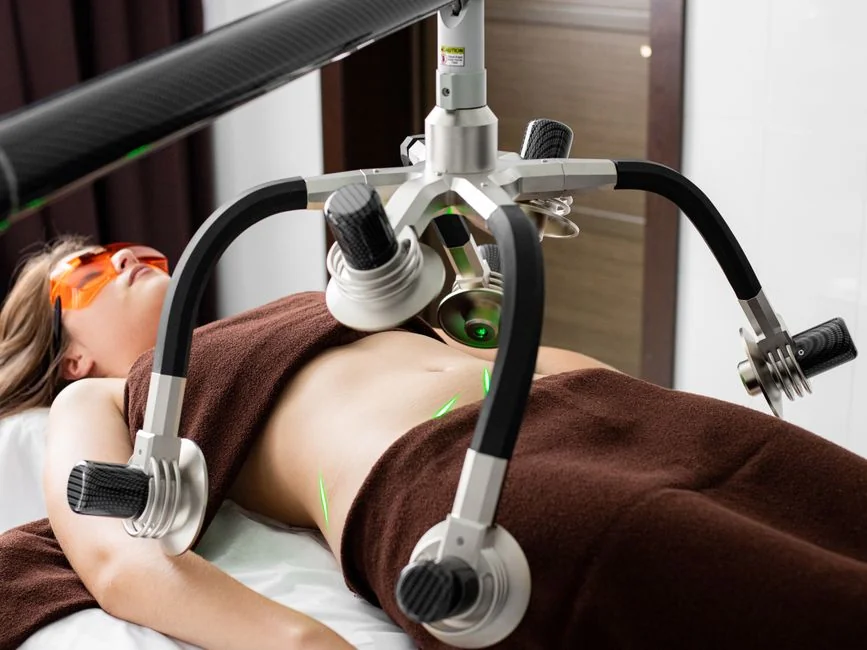
Liposuction is a surgical procedure that removes localised deposits of fat from beneath the skin using a thin, hollow tube called a cannula. The cannula is inserted through small incisions and connected to a suction device that draws out the fat cells. On its own, liposuction addresses volume and contour — but it does not directly stimulate the skin to contract.
When fat is removed from an area, the overlying skin must adapt to the new, reduced volume. In patients with good skin elasticity — typically younger individuals — the skin retracts naturally over several months. In patients with reduced skin laxity, however, the skin may not tighten sufficiently on its own, potentially leading to a loose or irregular appearance.
This is why many clinics and surgeons now pair liposuction with skin-tightening modalities. These can be surgical (such as excising redundant skin at the same time) or energy-based (such as radiofrequency or ultrasound energy delivered internally or externally). The goal is to encourage collagen remodelling and dermal contraction so that the skin adapts more smoothly to the new contour.
Types of Skin Tightening Used Alongside Liposuction
The most common energy-based approaches used in conjunction with liposuction include radiofrequency (RF) energy, laser-assisted lipolysis, and ultrasound-assisted devices.
Each works by delivering controlled thermal energy to the dermis and subcutaneous tissues to stimulate collagen production and fibrous tissue contraction.
Non-surgical skin-tightening treatments — such as High Intensity Focused Ultrasound (HIFU) or RF microneedling — are sometimes recommended as standalone or adjunct therapies for patients who have mild laxity but do not require surgical fat removal, or as a post-operative complement to improve skin quality after liposuction.
At BIOTOPE CLINIC or Kojimachi Dermatology & Plastic Surgery Clinic, treatments such as HIFU (available from approximately ¥25,000 to ¥110,000 depending on the area) and Morpheus8 RF microneedling are offered for patients seeking non-surgical skin tightening.
These are treatments available at our Ichigaya clinic — feel free to ask about them during a consultation.
How Liposuction with Skin Tightening Works
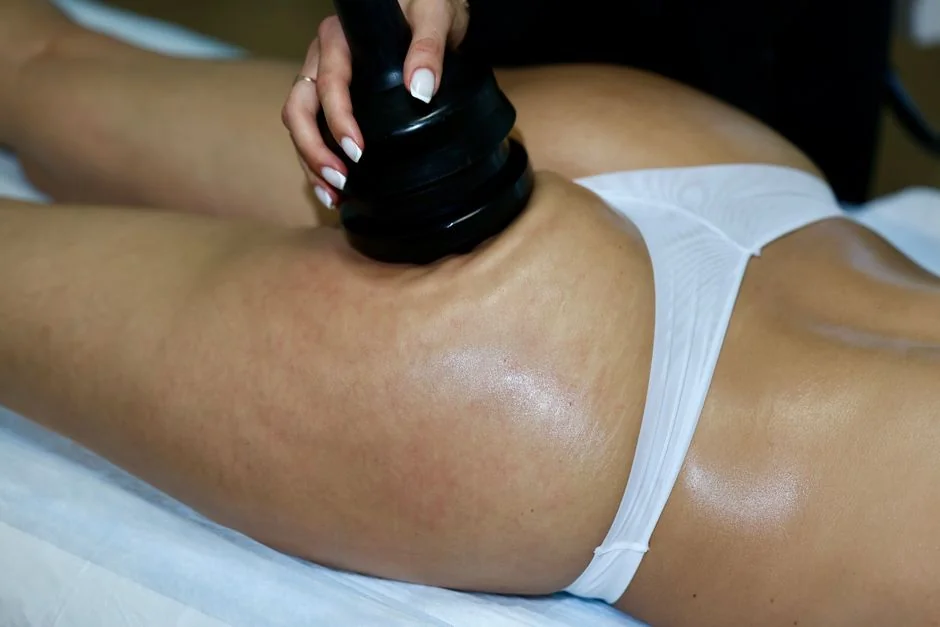
The procedure typically begins with the injection of tumescent fluid — a dilute solution of saline, local anaesthetic, and adrenaline (epinephrine) — into the treatment area.
This fluid reduces bleeding, minimises bruising, and facilitates smoother fat removal. It is a standard technique used in modern liposuction.
Once the tumescent fluid has taken effect, the surgeon uses the cannula to break up and extract fat cells. In energy-assisted liposuction, an additional step involves delivering laser, RF, or ultrasound energy either through the same incision site or via a separate handpiece.
This energy heats the deep dermal and subdermal layers, which denatures collagen fibres and triggers the body’s wound-healing response, leading to new collagen synthesis and tissue contraction over the following weeks and months.
The Biological Process of Collagen Remodelling
Collagen remodelling is not an immediate process. When controlled thermal injury is applied to dermal tissue, the body responds by activating fibroblasts — the cells responsible for producing collagen and elastin. Clinical reports indicate that significant collagen remodelling continues for up to six months following treatment, which is why the full tightening effect of energy-assisted liposuction is not visible immediately after surgery.
Studies suggest that radiofrequency-assisted liposuction can produce measurable improvements in skin laxity compared to traditional liposuction alone.
A study published in the Aesthetic Surgery Journal reported that patients who underwent RF-assisted liposuction demonstrated statistically significant improvements in skin tightening scores at the three- and six-month follow-up assessments, compared to baseline.
It is important to note that individual results vary depending on age, skin quality, treatment area, and the volume of fat removed.
Expected Results and Realistic Outcomes
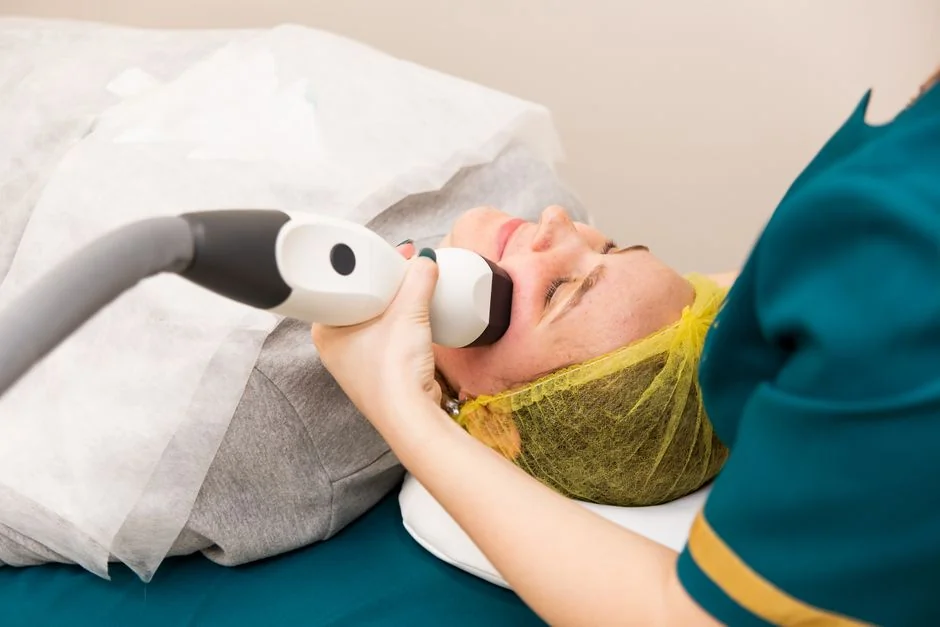
Most patients notice an immediate reduction in the treated area’s volume after liposuction, though this is partly obscured in the early weeks by post-operative swelling.
The visible improvement in contour typically becomes more apparent between four and eight weeks after surgery, as swelling subsides. The skin-tightening effect, driven by collagen remodelling, generally continues to evolve over three to six months.
It is important to understand that liposuction is designed for body contouring — the removal of localised fat deposits — rather than significant weight loss. Suitable candidates generally have pockets of fat that have been resistant to diet and exercise, rather than generalised excess weight.
The skin-tightening component improves the surface quality of the skin but cannot eliminate substantial skin redundancy; patients with significant loose skin following major weight loss may require a separate surgical excision procedure.
Dr. Karibe’s Note
Many of our international patients are surprised to find that the cheek and jawline area responds particularly well to liposuction combined with energy-assisted tightening.
In my long clinical experience, patients who maintain a stable body weight following surgery tend to see more durable long-term results.
I always advise patients during consultation that the procedure removes fat cells permanently from the treated area — but it does not prevent new fat accumulation if body weight increases significantly after surgery. Setting realistic expectations before the procedure is as important as the technical execution itself.
Liposuction with Skin Tightening: Cost in Tokyo
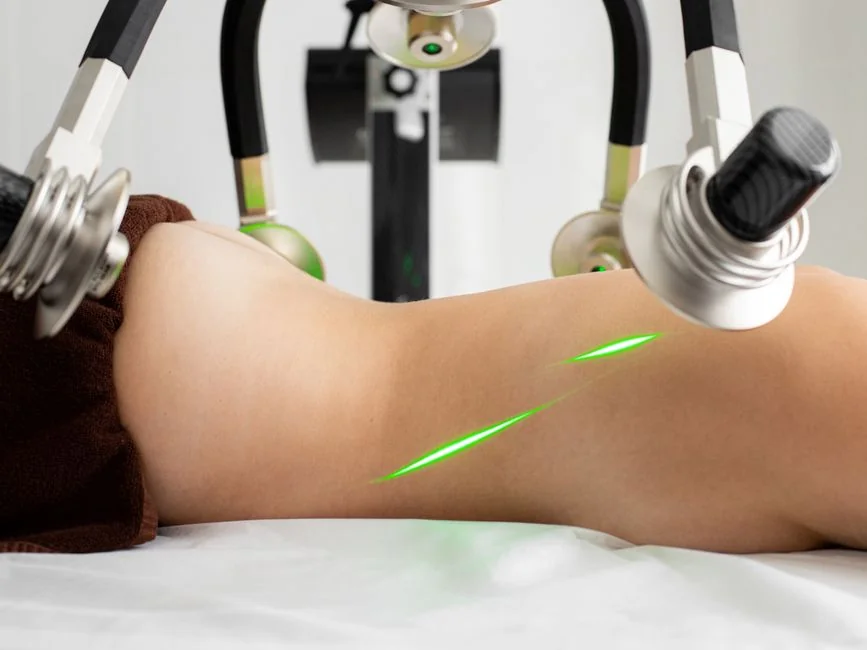
The cost of liposuction in Tokyo varies depending on the treatment area, the technique used, the surgeon’s level of experience, and the clinical setting.
At BIOTOPE CLINIC or Kojimachi Dermatology & Plastic Surgery Clinic, liposuction of the cheek and jawline area is priced at ¥280,000 per area. Additional fees include anaesthesia (¥2,200 to ¥77,000 depending on the type used) and pre-operative blood work (¥11,000).
When skin-tightening energy devices are used as an adjunct to liposuction — whether during the procedure or as a post-operative course of treatment — this will typically add to the overall cost. For example, HIFU sessions at the clinic are priced from ¥25,000 to ¥110,000, and Morpheus8 RF microneedling sessions are available under the Dermapen/RF category at varying price points. The precise cost depends on the treatment plan agreed upon during consultation.
It is worth noting that cosmetic surgical procedures are not covered by Japan’s national health insurance (shaken). All costs outlined above are self-pay. The initial consultation is ¥3,300, and a surgical consultation with Dr. Karibe is ¥2,200. For an accurate quote, we recommend booking a consultation.
Have a question about this treatment?
Message us on LINE or WhatsApp — our English-speaking team usually replies the same day.
What to Expect: Before, During and After the Procedure
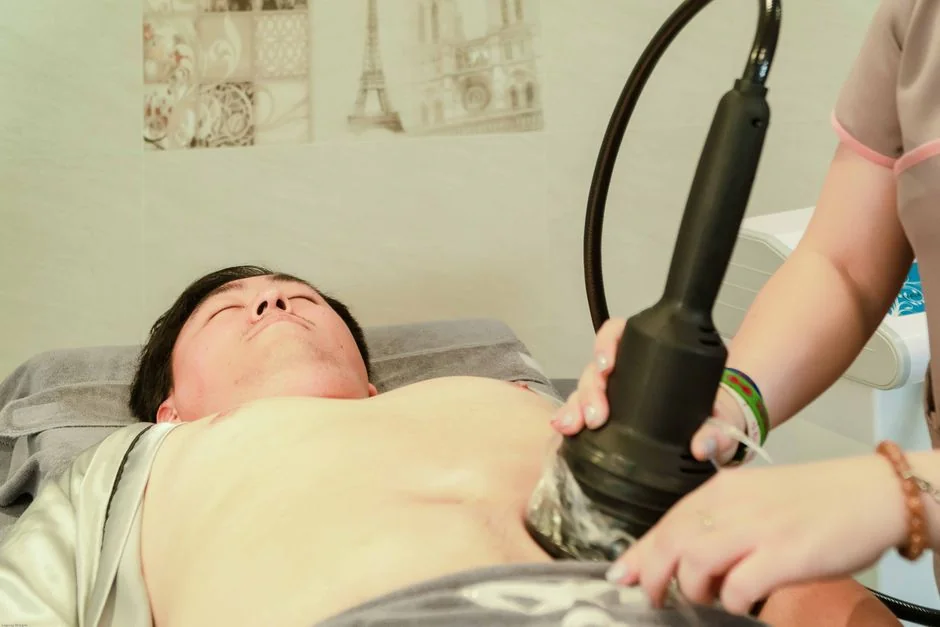
Before the Procedure
Prior to surgery, patients undergo a consultation with Dr. Karibe to assess their anatomy, discuss goals, and determine whether they are suitable candidates.
Pre-operative blood work (¥11,000) is required to check general health parameters. Patients are typically advised to avoid blood-thinning medications — including aspirin, ibuprofen, and certain supplements — for at least one to two weeks before surgery.
Smoking significantly impairs wound healing and collagen synthesis, so patients who smoke are strongly advised to cease smoking for a minimum of four weeks before and after the procedure. A stable body weight at the time of surgery is also important, as weight fluctuations after the procedure can affect the results.
During the Procedure
The procedure is performed under local anaesthesia with or without sedation, depending on the treatment area and patient preference. The duration varies depending on the number of areas being treated, but a single-area liposuction of the cheek and jawline typically takes between one and two hours. The incisions are small — generally a few millimetres — and are placed discreetly within natural skin folds or hairlines where possible.
Recovery and Downtime
Recovery after liposuction with skin tightening follows a broadly predictable timeline, though individual variation is expected. The following table provides a general guide to what patients can anticipate at each stage.
| Timeframe | What to Expect | Activity Level |
|---|---|---|
| Days 1–3 | Moderate swelling, bruising, tenderness. Compression garment worn. Drainage from small incision sites is normal. | Rest. Avoid strenuous activity. |
| Days 4–7 | Swelling peaks around day 3–5 then begins to subside. Bruising shifts colour from purple to yellow-green. Mild discomfort managed with prescribed analgesics. | Light daily activities. Avoid exercise. |
| Weeks 2–4 | Majority of visible bruising resolves. Swelling continues to decrease but residual firmness (from the healing process) is common. Skin surface may feel irregular. | Return to desk work usually possible. Avoid vigorous exercise. |
| Months 2–3 | Significant reduction in swelling. Contour improvements become visible. Skin begins to retract. | Gradual return to exercise as advised by surgeon. |
| Months 4–6 | Collagen remodelling continues. Final skin-tightening results emerge. Residual firmness fully resolves for most patients. | Full activity resumption. |
In our clinical experience at BIOTOPE CLINIC or Kojimachi Dermatology & Plastic Surgery Clinic, patients who follow post-operative compression and aftercare instructions consistently report a smoother recovery and more satisfactory contour outcomes. Adherence to the compression protocol is one of the most impactful things a patient can do during recovery.
Common Side Effects
The following side effects are considered normal and expected as part of the healing process:
- Swelling (oedema): Typically peaks within the first week and gradually subsides over two to three months.
- Bruising (ecchymosis): Usually resolves within two to three weeks.
- Temporary numbness or altered sensation: Caused by minor nerve disruption during the procedure. Sensation generally returns over several weeks to months.
- Skin firmness or induration: A feeling of hardness beneath the skin is normal during collagen remodelling and typically softens within three to four months.
- Itching: Common as the skin heals and nerves regenerate.
Less common complications that should be reported to the treating surgeon promptly include prolonged or worsening swelling, signs of infection (increasing redness, warmth, discharge, or fever), contour irregularities that persist beyond six months, and skin discolouration that does not resolve.
Common Misconceptions About Liposuction with Skin Tightening
Misconception 1: Liposuction is a weight-loss procedure.
This is one of the most widespread misunderstandings. Liposuction removes localised fat deposits that are resistant to diet and exercise, but the volume of fat removed is generally measured in hundreds of millilitres to a small number of litres — not in the kilograms that define meaningful weight loss. Studies suggest that the metabolic and cardiovascular benefits of fat reduction are not reliably achieved through liposuction alone. Patients should be at or near their target weight before undergoing the procedure.
Misconception 2: Energy-assisted skin tightening produces immediate results.
It is tempting to assume that because energy devices heat and contract collagen fibres during the procedure, the tightening effect will be visible immediately. In reality, the post-operative swelling temporarily obscures any early improvement, and the deeper collagen-remodelling response unfolds over three to six months. Patients who expect to see dramatic tightening within the first few weeks are likely to be disappointed — not because the treatment has failed, but because the biological timeline of healing is longer than many expect.
Who Is a Good Candidate?
Ideal candidates for liposuction with skin tightening are generally adults who:
- Have localised, well-defined fat deposits that have not responded to diet and exercise
- Are at a stable and healthy body weight (not significantly overweight)
- Have reasonable skin elasticity — enough to contract over the reduced volume after surgery
- Are non-smokers, or are committed to cessation well in advance of surgery
- Hold realistic expectations about outcomes and understand the recovery timeline
- Are in good general health with no contraindications to surgery or anaesthesia
Those who may be better suited to alternative or complementary approaches include patients with significant skin laxity (who may benefit more from a surgical excision procedure), patients who are substantially overweight (for whom lifestyle modification and medical weight management are more appropriate first steps), and patients seeking a non-surgical approach to fat reduction and skin tightening.
For this last group, energy-based body contouring treatments — including Morpheus8 RF microneedling, available at our Ichigaya clinic — may provide meaningful improvement without the recovery period associated with surgery.
Frequently Asked Questions
- Q. How much downtime should I plan for after facial liposuction in Tokyo?
- For liposuction of the cheek and jawline area, most patients require approximately five to seven days away from social or professional commitments where visible bruising and swelling would be a concern. Return to a sedentary work role is generally possible within one week, though residual swelling may persist for several weeks. Planning for at least one week of social downtime is a reasonable approach.
- Q. Will I need a compression garment after liposuction of the face and jaw?
- Yes. A compression garment or facial wrap is typically recommended for the first one to two weeks following facial liposuction. Consistent use of the compression garment helps to minimise swelling, supports the skin as it retracts, and reduces the risk of contour irregularities during healing. Your surgeon will provide specific guidance on how and when to wear it.
- Q. Can non-surgical skin-tightening treatments be used instead of surgical liposuction?
- For patients with mild fat deposits and good skin elasticity, non-surgical options — such as HIFU or RF microneedling — may provide a meaningful improvement in skin laxity and early-stage fat softening without the recovery time associated with surgery. However, these technologies do not replicate the volume reduction achieved by liposuction. A consultation is the best way to determine which approach is most appropriate for your anatomy and goals.
- Q. Is liposuction permanent? Can fat return after the procedure?
- The fat cells removed during liposuction do not regenerate in the treated area. In that sense, the removal is permanent. However, if a patient gains significant weight after surgery, the remaining fat cells elsewhere in the body — and any residual fat cells in the treated area — can enlarge. Maintaining a stable body weight after the procedure is important for preserving the results long-term.
- Q. Are consultations at Kojimachi Dermatology & Plastic Surgery Clinic available in English?
- Yes. The clinic offers consultations in English and regularly sees international patients including expatriates and medical tourists. The initial consultation fee is ¥3,300, and a surgical consultation with Dr. Karibe is ¥2,200.
Have a question about this treatment?
Message us on LINE or WhatsApp — our English-speaking team usually replies the same day.
Summary
Liposuction combined with skin-tightening technology is a well-established approach to body contouring that addresses both the volume of localised fat deposits and the quality of the overlying skin. The procedure works by removing fat cells via a cannula while energy-based modalities — such as radiofrequency (Embrace RF) or laser — stimulate collagen remodelling and dermal contraction in the treated area.
Recovery follows a predictable timeline: the most noticeable side effects of swelling and bruising typically resolve within two to three weeks, while the full skin-tightening result continues to develop over three to six months.
Side effects are generally manageable with the right post-operative care, and serious complications are uncommon when the procedure is performed by a qualified surgeon following appropriate patient selection.
At BIOTOPE CLINIC / Kojimachi Dermatology & Plastic Surgery Clinic in Tokyo, liposuction of the cheek and jawline is available from ¥280,000 per area, with additional fees for anaesthesia and pre-operative blood work.
For patients who are not ready for surgery, or who wish to complement surgical results, non-surgical options including HIFU and Morpheus8 RF microneedling are also available at the clinic.
If you have questions about liposuction with skin tightening, our team at BIOTOPE CLINIC or Kojimachi Dermatology & Plastic Surgery Clinic in Tokyo would be happy to help. We offer consultations in English.
24/7 Consultation & Booking
Book a Consultation or Treatment
Our English-speaking team responds via LINE or WhatsApp — usually the same day.
References
- Mulholland RS, Paul MD, Chalfoun C. Noninvasive body contouring with radiofrequency, ultrasound, cryolipolysis, and low-level laser therapy. Clinics in Plastic Surgery. 2011;38(3):503–520.
- DiBernardo BE, Reyes J, Chen B. Evaluation of tissue thermal effects from 1064/1320-nm laser-assisted lipolysis and its clinical implications. Journal of Cosmetic and Laser Therapy. 2009;11(2):62–69.
- Weiss RA, Weiss MA, Beasley KL, et al. Operator independent focused high frequency ISM band for surgical applications. Lasers in Surgery and Medicine. 2013;45(4):235–242.
- Blugerman G, Schavelzon D, Paul MD. A safety and feasibility study of a novel radiofrequency-assisted liposuction technique. Plastic and Reconstructive Surgery. 2010;125(3):998–1006.
- Kenkel JM, Brown SA, Love EJ, et al. Hemodynamics, electrolytes, and organ histology of elderly versus young patients undergoing large-volume liposuction. Plastic and Reconstructive Surgery. 2004;114(6):1350–1361.
Related Articles
You may also find these articles useful.
SUPERVISED BY
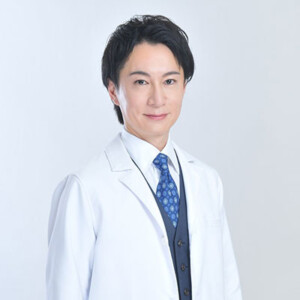
Dr. Jun Karibe
MD
Director
Education & Career
Certifications
Awards
MEDICAL REVIEW