Liposuction Skin Tightening Cost Tokyo 2026: A Complete Pricing Guide
Considering liposuction with skin tightening in Tokyo and wondering what you should realistically expect to pay—and what result you can reasonably anticipate?
You are not alone.
Many English-speaking residents and international visitors find it difficult to compare Japanese clinic websites. Prices may be listed by area, anaesthesia may be charged separately, and terms such as cheek liposuction, jawline liposuction, submental liposuction and skin tightening are not always used consistently.
It is also important to understand that “liposuction skin tightening” is not one standardised procedure.
Liposuction removes fat. Any improvement in skin firmness afterward depends partly on the skin’s natural ability to contract. Some surgeons may also combine liposuction with an energy-assisted device or a separate skin-tightening procedure, but these additions have their own costs, benefits and risks.
A patient with a small amount of superficial fat and good skin elasticity may achieve a cleaner jawline with liposuction alone. A patient with substantial loose skin may need a neck lift or facelift instead. Removing fat without considering skin quality can occasionally make laxity more visible.
This complete 2026 guide explains:
- How facial and submental liposuction work
- How skin contraction occurs after fat removal
- What liposuction can—and cannot—tighten
- How much facial liposuction costs in Tokyo
- What may be included or excluded from the quoted fee
- How long swelling and downtime last
- The risks of cheek, jawline and under-chin liposuction
- How surgery compares with HIFU, RF and Morpheus8
- Who is most likely to benefit
- What international patients should arrange before travelling
What You Will Learn in This Article
- How liposuction and skin contraction work together
- The difference between cheek, jawline and submental liposuction
- Realistic facial liposuction results
- The 2026 liposuction skin-tightening cost in Tokyo
- Additional charges for anaesthesia and blood tests
- A week-by-week recovery timeline
- Common side effects and surgical complications
- How liposuction compares with HIFU and RF treatments
- Who is—and who is not—a suitable candidate
- What questions to ask before choosing a clinic
Have a question about this treatment?
Message us on LINE or WhatsApp — our English-speaking team usually replies the same day.
What Is Liposuction Skin Tightening?
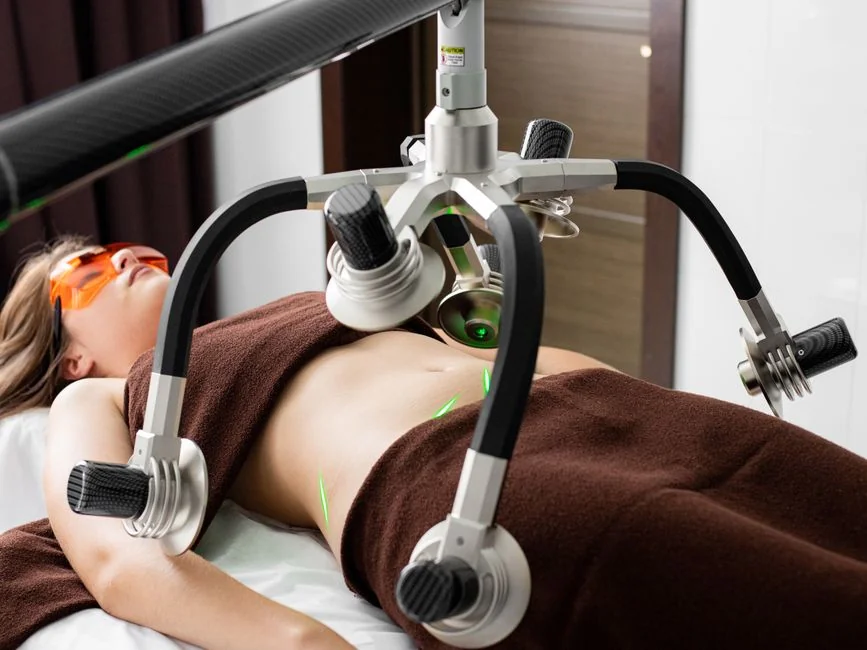
What Is Liposuction Skin Tightening?
Liposuction is a surgical procedure that removes localised subcutaneous fat through a narrow tube called a cannula.
The cannula is introduced beneath the skin through one or more small incisions. The surgeon moves it through the fat layer while suction removes selected fat cells.
When liposuction is performed around the face and neck, the goals may include:
- Reducing fullness beneath the chin
- Improving the chin-to-neck angle
- Creating a clearer jawline
- Reducing lower-cheek fullness
- Smoothing selected jowl-adjacent fat deposits
- Improving facial balance
- Creating a slimmer lower-face contour
The phrase liposuction skin tightening refers to the expectation that the skin will contract and redrape over the reduced fat layer.
However, liposuction itself does not directly remove loose skin.
The eventual result depends on two separate processes:
- Mechanical fat removal
- Postoperative skin and soft-tissue contraction
A patient can have successful fat removal but an unsatisfactory contour if the overlying skin does not contract adequately.
Does Liposuction Automatically Tighten the Skin?
No.
Liposuction primarily removes fat. It does not automatically tighten every patient’s skin.
After surgery, the treated tissue undergoes healing and fibrosis. Collagen remodelling within the subcutaneous tissue and fibrous septa may contribute to gradual contraction over the following months.
The amount of visible tightening varies according to:
- Age
- Genetics
- Baseline skin elasticity
- Skin thickness
- Degree of sun damage
- Smoking history
- Amount of fat removed
- Previous weight loss
- Previous procedures
- Treatment area
- Surgical technique
- Postoperative healing
Patients with firm, elastic skin usually have a better chance of smooth redraping.
Patients with thin, heavily sun-damaged or substantially loose skin have a greater risk of:
- Residual laxity
- Rippling
- Irregular contours
- Visible folds
- A deflated appearance
Professional plastic-surgery guidance lists rippling, loose skin, asymmetry and irregular contours among recognised liposuction risks. (American Society of Plastic Surgeons)
How Does Skin Contraction Occur After Liposuction?
Skin and subcutaneous tissue are connected by fibrous structures sometimes described as fibrous septa.
After fat is removed, the healing process may involve:
- Inflammation
- Fluid accumulation
- Organisation of scar tissue
- Fibroblast activity
- Collagen deposition
- Contraction of the treated tissue
- Gradual adhesion between tissue layers
This process develops over weeks and months rather than immediately.
During the early recovery period, swelling can make the treated area look larger than it did before surgery. The eventual contour only becomes clear after swelling subsides and the tissue begins to redrape.
Skin contraction is not unlimited.
If a patient already has substantial skin excess, the skin may not contract sufficiently after fat removal. In this situation, a skin-excision procedure such as a neck lift or facelift may be more appropriate.
Patients with poor elasticity should be warned about the possibility of suboptimal contraction and contour irregularities. (PMC)
Traditional Liposuction vs Energy-Assisted Liposuction
Standard tumescent liposuction removes fat mechanically.
Energy-assisted procedures introduce an additional energy source before, during or after suction. Examples may include:
- Radiofrequency-assisted liposuction
- Laser-assisted lipolysis
- Ultrasound-assisted liposuction
- Plasma-based subdermal treatments
The intention is usually to:
- Facilitate fat disruption
- Reduce bleeding in selected situations
- Deliver heat beneath the skin
- Encourage additional tissue contraction
- Improve contour in patients with mild laxity
However, not every patient needs an energy-assisted procedure.
Energy-based additions also introduce potential risks, including:
- Thermal burns
- Prolonged swelling
- Skin injury
- Fat necrosis
- Contour irregularity
- Excessive fibrosis
- Nerve injury
A recent systematic review found that reported skin-retraction percentages vary widely among liposuction technologies and that the quality and comparability of the supporting evidence remain inconsistent. (PubMed)
Energy-assisted treatment should therefore not be marketed as a guarantee of skin tightening.
What Is Radiofrequency-Assisted Liposuction?
Radiofrequency-assisted liposuction, often abbreviated as RFAL, uses an internal electrode beneath the skin and an external electrode above the skin.
RF energy passes between the electrodes, generating heat in the intervening tissue.
The intended effects may include:
- Thermal coagulation of soft tissue
- Fat disruption
- Contraction of collagen-rich structures
- Haemostasis
- Additional skin retraction
Published studies support RF-assisted procedures as an option for selected patients with mild to moderate laxity. However, outcomes vary by anatomical area, device, technique and patient selection. (PMC)
RF-assisted liposuction is not the same as non-invasive monopolar RF treatments such as Volnewmer.
Non-Invasive RF
Devices such as Volnewmer:
- Remain on the skin surface
- Do not use a liposuction cannula
- Do not surgically remove fat
- Usually have minimal downtime
- Produce more modest contour changes
RF-Assisted Liposuction
RFAL:
- Involves an incision
- Places an energy-emitting probe beneath the skin
- May be combined with suction
- Requires anaesthesia
- Has surgical downtime
- Can produce more substantial contour change
- Has greater procedural risk
The names may sound similar, but these are different categories of treatment.
Which Facial Areas Can Be Treated?
The terms cheek liposuction, jawline liposuction and chin liposuction are often used interchangeably online. Anatomically, they may refer to different areas.
Submental Liposuction
Submental liposuction removes superficial fat beneath the chin.
It may improve:
- A localised double chin
- The chin-to-neck angle
- Jawline visibility
- Fullness below the mandibular border
It is most effective when the fullness is caused primarily by superficial preplatysmal fat.
It is less effective when the problem is caused by:
- Deep fat beneath the platysma
- A small or retruded chin
- Low hyoid position
- Large submandibular glands
- Prominent digastric muscles
- Loose skin
- Platysmal bands
These deeper anatomical causes cannot always be corrected through superficial liposuction.
Jawline Liposuction
Jawline liposuction generally refers to removal of fat along the mandibular border and adjacent lower face.
Potential benefits include:
- Clearer mandibular definition
- Reduced lower-face heaviness
- Smoother transition into the neck
- Improved lateral facial contour
Aggressive suction directly along the jawline can create irregularities or hollows. A thin, even layer of subcutaneous fat is important for a natural appearance.
Cheek Liposuction
Cheek liposuction targets superficial fat beneath the skin.
It is different from buccal fat-pad removal.
Cheek liposuction may help selected patients with true superficial lower-cheek fat. However, aggressive cheek reduction can create premature hollowing as the face ages.
Jowl Liposuction
A jowl is not simply a pocket of fat.
Jowling may involve:
- Descended facial tissue
- Ligament changes
- Skin laxity
- Prejowl hollowing
- Fat accumulation
- Mandibular bone shape
Removing fat from a true jowl does not necessarily reposition the descended tissue.
In some patients, liposuction may improve heaviness. In others, it can reveal more laxity.
Facial Liposuction vs Buccal Fat Removal
These procedures target different fat compartments.
Facial Liposuction
Facial liposuction removes superficial subcutaneous fat through small skin incisions.
It may target:
- Lower cheeks
- Jawline
- Jowls
- Submental region
Buccal Fat Removal
Buccal fat removal removes part of the buccal fat pad through an incision inside the mouth.
The buccal fat pad lies deeper in the cheek and is anatomically distinct from superficial subcutaneous fat.
Potential buccal fat-removal complications include:
- Haematoma
- Infection
- Trismus
- Facial nerve impairment
- Parotid duct injury
- Over-resection
- Induration
- Asymmetry (PMC)
Neither procedure is automatically preferable.
The correct operation depends on where the fullness is located.
Removing buccal fat from a patient whose fullness is mainly superficial may not produce the desired result. Similarly, superficial liposuction will not remove the deep buccal fat pad.
At our clinics, buccal fat removal is available from approximately ¥350,000 to ¥380,000.
How the Procedure Works: Step by Step
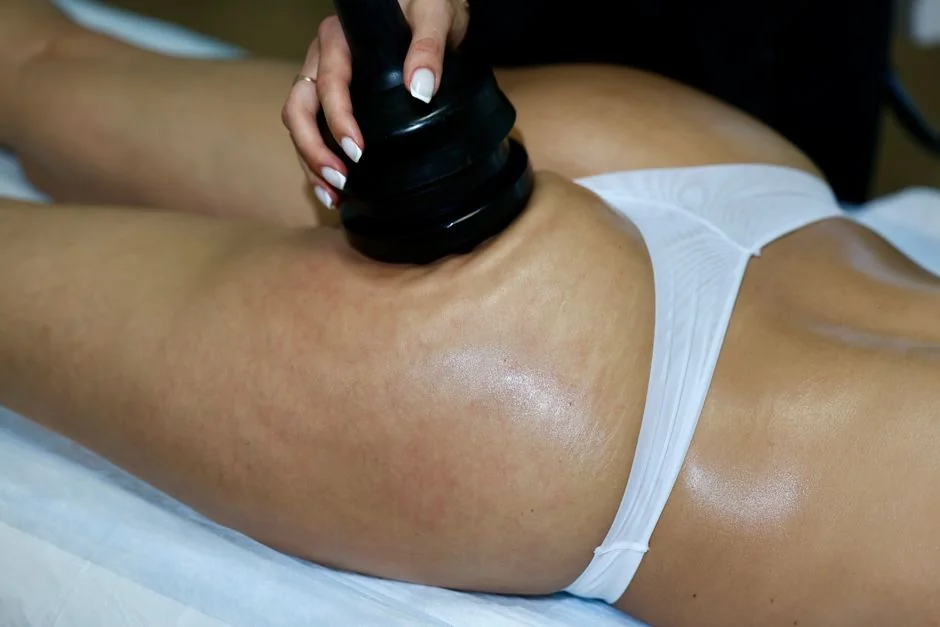
Understanding the procedural sequence helps set realistic expectations about what the experience involves.
- Consultation and assessment: The surgeon evaluates skin laxity, fat distribution, and overall facial anatomy. Pre-operative blood work is required. At Kojimachi Dermatology & Plastic Surgery Clinic, a surgical consultation with Dr. Karibe is available at ¥2,200.
- Pre-operative preparation: The treatment area is marked, and local anaesthetic (tumescent solution) is injected. This fluid causes the tissue to swell, which helps separate fat from surrounding structures and reduces bleeding.
- Fat removal: A small cannula — typically 1–2 mm in diameter for facial work — is inserted through discreet entry points. The surgeon uses controlled, fan-like movements to remove fat evenly.
- Closure and compression: Entry points are closed with fine sutures. Compression garments or tape may be applied to support the tissue as it heals and to minimise swelling.
- Recovery: Most patients experience swelling and mild bruising for 1–2 weeks. Final results generally become visible over 3–6 months as swelling resolves and collagen remodelling takes place.
Dr. Karibe’s Note
A question I frequently receive from international patients is whether the results of facial liposuction look “natural” on non-Japanese faces. Facial fat distribution and structural proportions do vary across ethnicities, and a careful pre-operative assessment is essential to ensure that the amount of fat removed complements the patient’s individual features. Removing too much volume in the wrong area can lead to a hollowed appearance rather than a refined one. This is why I recommend a thorough in-person consultation before any decision is made.
Expected Results: What Liposuction Can and Cannot Do
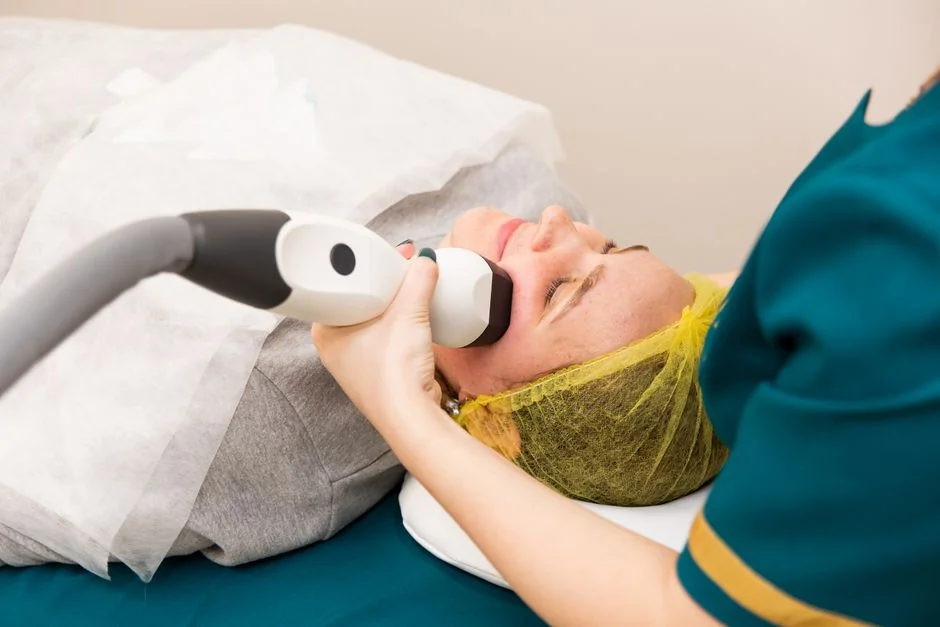
Clinical reports indicate that well-selected patients typically see meaningful contour improvement in the treated area. A review published in the journal Plastic and Reconstructive Surgery noted patient satisfaction rates above 80% for facial liposuction when selection criteria — particularly skin elasticity — were applied rigorously.
Studies also suggest that combining liposuction with energy-based skin-tightening techniques may improve skin contraction rates compared with suction alone, though evidence comparing specific devices remains an active area of research.
Liposuction is not a weight-loss treatment. It is a contouring procedure for localised fat deposits that do not respond adequately to diet and exercise.
Similarly, liposuction does not replace the need for skin-excision surgery (such as a facelift or neck lift) in patients who have significant pre-existing skin laxity. If the skin has lost the elasticity needed to contract after fat removal, the result may include surface irregularities or loose skin.
How Facial Liposuction Is Performed
The exact operation varies according to the surgeon, anaesthesia and areas treated.
A typical procedure includes the following stages.
Step 1: Consultation and Facial Assessment
The surgeon evaluates:
- Location of fat
- Skin elasticity
- Chin projection
- Mandibular structure
- Neck anatomy
- Degree of jowling
- Facial asymmetry
- Previous filler
- Previous energy treatments
- Previous surgery
- Patient expectations
The assessment should determine whether the concern is primarily caused by fat, laxity, muscle, bone or a combination.
Step 2: Preoperative Testing
Preoperative blood tests may be required to evaluate:
- Blood count
- Coagulation
- Liver and kidney function
- Infection-related parameters
- Suitability for anaesthesia
At our clinic, preoperative blood testing is ¥11,000.
Further testing may be required according to medical history, age and anaesthesia plan.
Step 3: Surgical Marking
The surgeon marks the treatment areas while the patient is upright.
This is important because facial fat and skin change position when the patient lies down.
The markings may identify:
- Areas for removal
- Areas where fat should be preserved
- Asymmetries
- Mandibular border
- Chin
- Submental region
- Danger zones
Step 4: Anaesthesia
Facial liposuction may be performed with:
- Local anaesthesia
- Tumescent anaesthesia
- Oral sedation
- Intravenous sedation
- General anaesthesia in selected circumstances
The anaesthesia plan depends on:
- Number of areas
- Patient anxiety
- Procedure duration
- Medical history
- Combination procedures
- Surgeon and facility protocol
Step 5: Tumescent Infiltration
A dilute anaesthetic solution is introduced into the fat layer.
Tumescent fluid may contain:
- Saline
- Local anaesthetic
- Adrenaline
- Other components according to protocol
It helps:
- Provide anaesthesia
- Reduce bleeding
- Separate tissue planes
- Facilitate cannula movement
Step 6: Cannula Insertion
Small incisions are created in discreet locations, which may include:
- Beneath the chin
- Near the earlobe
- Behind the ear
- Other concealed areas
A narrow cannula is introduced through these openings.
Step 7: Fat Removal
The surgeon moves the cannula through the superficial fat layer using controlled strokes.
The objective is not to remove every visible fat cell.
A thin, even layer should usually remain beneath the skin to reduce the risk of:
- Dents
- Rippling
- Adhesions
- Skeletonisation
- Premature facial ageing
Step 8: Closure and Compression
The small entry sites may be:
- Closed with fine sutures
- Left partially open for drainage
- Covered with tape or dressing
A compression garment may be applied around the chin and head.
How Long Does the Procedure Take?
A limited submental liposuction procedure may take approximately 45 to 60 minutes.
More extensive treatment of the cheeks, jawline and neck may take 60 to 120 minutes or longer.
The total time depends on:
- Number of areas
- Anaesthesia
- Previous surgery
- Tissue fibrosis
- Combination procedures
- Surgical complexity
- Time required for preparation and recovery
Patients receiving sedation should not drive themselves home.
A responsible adult may be required to accompany them.
What Results Can Facial Liposuction Realistically Achieve?
Appropriately selected patients may obtain:
- Reduced under-chin fullness
- A clearer chin-to-neck angle
- Better mandibular definition
- A lighter lower face
- Reduced superficial cheek fullness
- Improved profile
- More balanced facial proportions
The result should be judged as an improvement in contour rather than a complete transformation.
Liposuction cannot reliably:
- Tighten substantial loose skin
- Correct a weak chin
- Reposition the SMAS
- Remove deep subplatysmal fat
- Reduce large submandibular glands
- Eliminate platysmal bands
- Correct every jowl
- Replace a facelift or neck lift
- Guarantee facial symmetry
The final appearance remains limited by the patient’s underlying anatomy.
Can Facial Liposuction Create a Sharp Jawline?
It can improve jawline definition when superficial fat is the main reason the jawline appears blurred.
However, a sharp jawline also depends on:
- Chin projection
- Mandibular width
- Mandibular angle
- Neck length
- Skin elasticity
- Hyoid position
- Submandibular glands
- Masseter size
- Deep-neck anatomy
A patient with a small chin may benefit more from chin augmentation than from aggressive fat removal.
A patient with large masseter muscles may benefit from botulinum toxin.
A patient with substantial loose skin may need a lifting procedure.
A consultation should analyse all of these factors before recommending liposuction.
How Much Skin Tightening Should You Expect?
Skin contraction is usually greatest in patients with:
- Good skin elasticity
- Limited sun damage
- Mild or moderate fat excess
- Stable weight
- No history of major weight loss
- Relatively young biological tissue
- Conservative, even fat removal
- Good wound healing
Skin contraction is less predictable in patients with:
- Significant pre-existing laxity
- Thin, crepey skin
- Heavy sun damage
- Smoking history
- Large weight fluctuations
- Major previous weight loss
- Advanced neck ageing
- Previous aggressive liposuction
- Poor wound healing
Older age does not automatically exclude a patient. An older patient with thick, elastic skin may contract better than a younger patient with severe sun damage or major weight loss.
The quality of the tissue matters more than age alone.
When Is a Neck Lift or Facelift More Appropriate?
Liposuction alone may be insufficient when there is:
- Significant loose neck skin
- Advanced jowling
- Platysmal banding
- Deep tissue descent
- Poor cervical contour
- Prominent submandibular glands
- Extensive skin redundancy
- Previous unsuccessful liposuction
A neck lift may include:
- Skin removal
- Platysma tightening
- Deep-fat reduction
- Submandibular-gland management in selected cases
- Direct tissue repositioning
A facelift may additionally reposition lower-face and jowl tissues.
Removing fat from a severely lax neck without addressing the skin may make the looseness more visible. Plastic-surgery guidance similarly cautions that patients with significant laxity may require skin excision rather than fat removal alone. (American Society of Plastic Surgeons)
Facial Liposuction Results Timeline
Healing is gradual.
Days 0–3
Typical findings include:
- Swelling
- Bruising
- Tightness
- Mild drainage
- Numbness
- Tenderness
- Compression-garment use
The face may look larger than before surgery.
This is normal during the early phase.
Days 4–7
Swelling may remain prominent but usually begins to stabilise or improve.
Patients may notice:
- Uneven firmness
- Early lumps
- Numbness
- Tight bands
- Bruising changing colour
These findings do not necessarily represent the final contour.
Weeks 2–4
Bruising usually fades.
Swelling gradually decreases, although the treated area may still feel:
- Firm
- Numb
- Uneven
- Tender
- Tight
Early contour improvement may become visible.
Months 1–3
The majority of visible swelling begins to resolve.
However, residual swelling, fibrosis and asymmetry may still be present.
The skin continues to redrape.
Months 3–6
The contour becomes more reliable.
Fibrosis softens, and tissue contraction continues.
This is often a more useful period for evaluating the overall result.
Months 6–12
Subtle changes may continue as:
- Swelling resolves
- Scars mature
- Sensation recovers
- Fibrosis softens
- Tissue remodelling stabilises
Revision decisions should generally not be made during the early swollen phase unless a true complication requires intervention.
Liposuction Skin Tightening Cost in Tokyo 2026
Pricing for liposuction in Tokyo varies depending on the clinic, the surgeon’s experience, the treatment area, the anaesthesia type, and whether additional skin-tightening technology is incorporated into the procedure. Below are the relevant fee structures at BIOTOPE CLINIC or Kojimachi Dermatology & Plastic Surgery Clinic in Tokyo.
Surgical Fees at Our Ichigaya Clinic
- Liposuction (cheek/jawline): ¥280,000 per area
- Anaesthesia fee: ¥2,200–¥77,000 (varies by type and duration)
- Pre-operative blood work: ¥11,000
- Surgical consultation with Dr. Karibe: ¥2,200
As a general illustration, a patient undergoing single-area cheek liposuction under local anaesthesia might expect a total cost in the region of ¥295,000–¥370,000 when pre-operative tests and anaesthesia are included. Patients requesting bilateral treatment or multiple adjacent areas should confirm exact pricing during consultation, as additional area fees would apply.
How Tokyo Prices Compare to Other Markets
Facial liposuction at reputable surgical clinics in central Tokyo is broadly comparable to pricing at equivalent private surgical facilities in London, Sydney, or Singapore. It tends to be considerably less expensive than equivalent procedures at major private hospitals in the United States, where facility and anaesthesia fees alone can substantially increase the total.
This cost differential is one reason medical tourism to Tokyo has grown steadily among English-speaking patients in recent years.
For an accurate quote tailored to your anatomy and specific treatment goals, we recommend booking a consultation.
Have a question about this treatment?
Message us on LINE or WhatsApp — our English-speaking team usually replies the same day.
Liposuction vs. Non-Surgical Skin Tightening: A Comparison
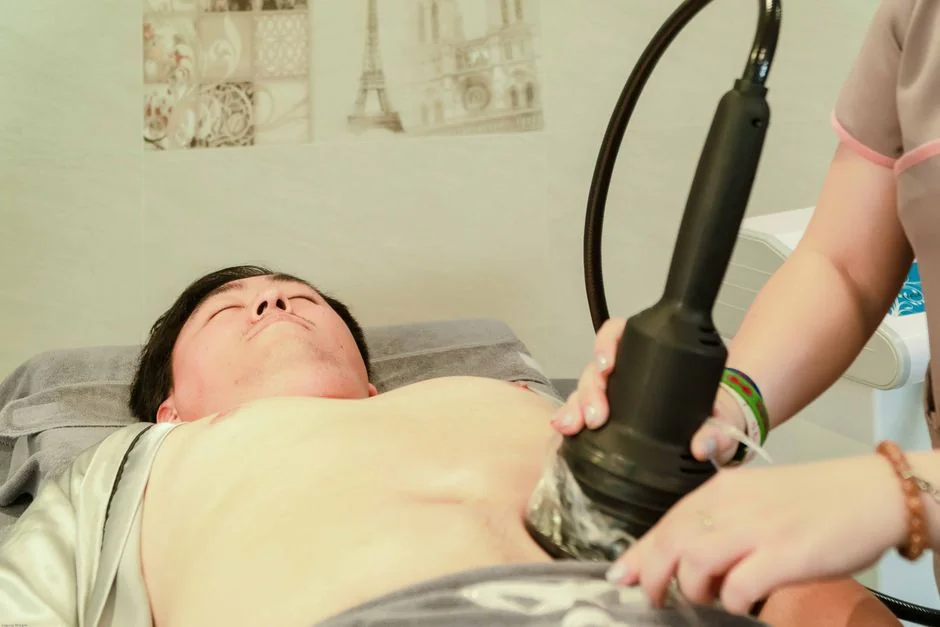
Not every patient who seeks facial slimming or skin tightening is a candidate for surgery, and not every patient needs surgery to achieve a meaningful result. Non-surgical alternatives — particularly HIFU (High-Intensity Focused Ultrasound) and radiofrequency (RF) microneedling — have become increasingly effective options for appropriate candidates.
In our clinical experience at Kojimachi Dermatology & Plastic Surgery Clinic, patients often arrive uncertain about whether they need surgery or whether a non-surgical device treatment would be sufficient. The honest answer depends on the degree of fat excess, the amount of skin laxity, and the patient’s expectations regarding the magnitude and permanence of the result.
| Feature | Facial Liposuction | HIFU (e.g., Ultraformer) | RF Microneedling (Morpheus8) |
|---|---|---|---|
| Primary mechanism | Mechanical fat removal + collagen remodelling | Focused ultrasound energy stimulates SMAS and deep dermis | Radiofrequency heat via microneedles stimulates collagen |
| Fat reduction | Significant and permanent (for removed fat cells) | Mild (limited adipocyte disruption) | Minimal |
| Skin tightening | Moderate to significant (subject to skin elasticity) | Moderate | Moderate to good (particularly superficial laxity) |
| Anaesthesia required | Yes (local or IV sedation) | No (topical numbing cream optional) | Topical anaesthetic cream |
| Downtime | 1–2 weeks (swelling, bruising) | Minimal (redness 1–2 days) | 3–5 days (redness, mild swelling) |
| Result durability | Long-lasting (fat cells do not return) | 12–18 months (repeat sessions advised) | 12–24 months (series recommended) |
| Approximate cost at our clinic | ¥280,000/area + fees | ¥25,000–¥110,000/session | (Morpheus8 available — consult for pricing) |
| Suitable for significant fat excess | Yes | No | No |
| Suitable for mild laxity without fat excess | Less ideal | Yes | Yes |
HIFU treatment is available at our Ichigaya clinic at ¥25,000–¥110,000 per session depending on the area and number of shots delivered. Morpheus8 RF microneedling is also available — feel free to ask about either during a consultation to determine which approach suits your specific anatomy and goals.
Is Facial Liposuction a Weight-Loss Procedure?
No.
Facial liposuction is a contouring procedure for localised fat.
It is not intended to:
- Treat obesity
- Produce significant weight loss
- Replace diet and exercise
- Correct generalised facial swelling
- Treat medical causes of facial fullness
Patients with rapid weight change should generally wait until their weight is stable before undergoing elective contouring.
Liposuction vs HIFU
HIFU uses focused ultrasound to create thermal-coagulation zones at selected tissue depths.
It does not mechanically suction out fat.
Liposuction May Be Better When:
- There is a meaningful amount of superficial fat
- The patient wants a larger contour change
- The fat is localised
- Skin elasticity is adequate
- Surgical downtime is acceptable
HIFU May Be Better When:
- Laxity is mild
- Fat excess is limited
- The patient wants non-invasive treatment
- Downtime must be minimal
- A subtle result is acceptable
Selected HIFU protocols may affect fat, but fat reduction is less predictable and usually less substantial than surgical suction.
Liposuction vs Volnewmer
Volnewmer is a surface-applied monopolar RF treatment.
It does not surgically remove fat.
Liposuction
- Removes selected fat cells
- Requires incisions
- Requires anaesthesia
- Produces swelling and bruising
- Has longer downtime
- Can create a larger contour change
Volnewmer
- Does not use incisions
- Does not remove meaningful fat volume
- Primarily targets firmness and mild laxity
- Usually has minimal downtime
- Produces a subtler change
A patient with both excess fat and mild laxity may be considered for staged or combined treatment, but the sequence must be planned carefully.
Liposuction vs Morpheus8
Morpheus8 combines microneedling with radiofrequency energy.
It is better suited to concerns such as:
- Skin texture
- Enlarged pores
- Acne scars
- Fine wrinkles
- Mild laxity
- Selected subdermal remodelling
It does not remove facial fat in the same controlled mechanical manner as liposuction.
Liposuction May Be Better for:
- Localised fat
- A double chin caused by superficial fat
- Lower-face fullness
- Larger contour change
Morpheus8 May Be Better for:
- Texture
- Pores
- Acne scarring
- Mild skin laxity without significant fat
- Patients avoiding surgery
Some patients may benefit from both, but high-energy treatment should not be added without a clear indication.
Liposuction vs Fat-Dissolving Injections
Fat-dissolving injections are used to damage selected fat cells chemically.
Potential advantages include:
- No cannula surgery
- No surgical incision
- Gradual reduction
- Treatment of small fat deposits
Potential disadvantages include:
- Significant temporary swelling
- Multiple sessions
- Less predictable contouring
- Limited volume reduction
- Potential nerve injury
- Inflammation
- Cost accumulating over several sessions
Liposuction usually offers more immediate and controllable removal for a meaningful superficial fat deposit.
Fat-dissolving treatment may be suitable for a small deposit in a patient unwilling to undergo surgery.
Common Misconceptions
Misconception 1: Liposuction Always Tightens the Skin
Skin contraction is variable.
Patients with poor elasticity may have residual or worsened laxity.
Misconception 2: More Fat Removal Produces a Better Jawline
Aggressive removal can cause hollows, dents and premature ageing.
The goal is selective reduction.
Misconception 3: Liposuction Can Correct Every Double Chin
Some double chins are caused by a small chin, loose skin, deep fat, glands or neck anatomy.
Superficial suction cannot correct all of these causes.
Misconception 4: Energy-Assisted Liposuction Guarantees Tight Skin
Energy devices may increase contraction in selected patients, but they do not guarantee a result and introduce thermal risks.
Misconception 5: Non-Surgical Treatment Produces the Same Result Without Downtime
HIFU and RF can improve mild laxity but cannot mechanically remove the same volume of fat as liposuction.
Misconception 6: Buccal Fat Removal and Cheek Liposuction Are the Same
They treat different anatomical fat compartments.
Misconception 7: Facial Fat Removal Prevents Future Fullness
The face continues to age, and remaining fat can enlarge with weight gain.
Misconception 8: One Week Means Complete Recovery
Many patients return to work in one week, but swelling, fibrosis and numbness may continue for months.
Misconception 9: A Low Advertised Price Is the Final Cost
Anaesthesia, blood tests, garments and follow-up may be charged separately.
Misconception 10: Surgery in Tokyo Requires Fluent Japanese
English-language care is available at selected clinics, but patients should confirm that consent, aftercare and emergency communication can all be provided in English.
Facial Liposuction for International Patients
International patients require additional planning.
How Long Should You Stay in Tokyo?
A stay of at least approximately 10–14 days may be advisable for many facial-liposuction patients.
The required duration depends on:
- Suture type
- Anaesthesia
- Procedure extent
- Swelling
- Follow-up schedule
- Complications
- Flight duration
- Surgeon’s protocol
Patients should not assume that they can undergo surgery and fly home the next day.
Follow-Up Appointments
Follow-up may include:
- Early wound check
- Dressing change
- Suture removal
- Swelling assessment
- Infection screening
- Compression review
- Later result assessment
Online follow-up may be useful, but it cannot replace physical examination when a complication is suspected.
Long-Haul Flights
Surgery, sedation and reduced mobility may affect travel safety.
The surgeon should advise when flying is appropriate.
Patients should consider:
- Swelling
- Dehydration
- Medication
- Mobility
- Venous-thromboembolism risk
- Access to medical care after returning home
Accommodation
Choose accommodation that allows:
- Rest
- Easy access to the clinic
- Food preparation or delivery
- Refrigeration for medication
- A clean environment
- Help from a companion when possible
Questions to Ask Before Booking
Ask the clinic:
- Which exact fat compartment will be treated?
- Is my fullness superficial or deep?
- Is my skin elastic enough to contract?
- Could liposuction make my laxity more visible?
- Would chin augmentation improve the result?
- Do I need a neck lift rather than liposuction?
- What anaesthesia will be used?
- Who administers the sedation?
- What is included in the total fee?
- How many areas will be charged?
- Where will the incisions be placed?
- Will sutures need to be removed?
- How long must I wear compression?
- When can I fly?
- Who should I contact after hours?
- How are complications managed?
- When can I exercise?
- When will the final result be assessed?
- What happens if there is an irregular contour?
- Can I see before-and-after photographs of similar anatomy?
A reputable consultation should explain limitations as clearly as benefits.
Frequently Asked Questions
What Is Liposuction Skin Tightening?
It usually refers to fat removal combined with expected skin contraction, or to liposuction combined with an energy-assisted tightening procedure.
It is not one universally standardised operation.
How Much Does Facial Liposuction Cost in Tokyo?
At our clinic, facial liposuction is approximately ¥280,000 per area, plus anaesthesia, preoperative blood tests and consultation fees.
What Is the Total Expected Cost?
For one area, an illustrative total is approximately ¥295,400–¥370,200, depending largely on anaesthesia.
Multiple areas and combination procedures cost more.
Is the Cheek and Jawline One Area or Two?
This depends on the clinic’s fee structure and the planned operation.
Confirm the number of billable areas in writing before booking.
Is Anaesthesia Included?
Not necessarily.
At our clinic, anaesthesia ranges from approximately ¥2,200 to ¥77,000, depending on the type and duration.
Is Blood Testing Required?
Preoperative blood testing is required under our clinic’s surgical protocol and is priced at ¥11,000.
Additional testing may be necessary for some patients.
Is Facial Liposuction Painful?
The procedure is performed under anaesthesia.
After surgery, patients commonly experience tenderness, tightness, swelling and bruising.
Pain should generally be manageable with prescribed medication.
How Long Does Swelling Last?
The most visible swelling is usually present during the first one to two weeks.
Residual swelling may continue for several months.
When Can I Return to Work?
Many patients with desk-based work return after approximately five to seven days.
Patients concerned about visible swelling may prefer 10–14 days.
When Will I See the Final Result?
A meaningful improvement may be visible within one to three months.
The contour may continue to mature for six months or longer.
Is the Result Permanent?
Removed fat cells do not return in the same number.
However, weight changes and ageing can alter the result.
Will My Skin Tighten After Liposuction?
Possibly.
The amount of tightening depends mainly on baseline skin elasticity and healing.
It cannot be guaranteed.
Can Liposuction Make Loose Skin Worse?
Yes.
Removing fat can make pre-existing laxity more visible when the skin cannot contract adequately.
Can Liposuction Remove Jowls?
It may reduce fatty heaviness in selected patients.
It cannot reliably reposition a true descended jowl.
Can Liposuction Remove a Double Chin?
It can reduce superficial submental fat.
It cannot correct every cause of under-chin fullness.
What Is the Difference Between Jawline and Chin Liposuction?
“Chin liposuction” usually refers to submental fat beneath the chin.
“Jawline liposuction” may include fat along the mandibular border and lower face.
Terminology varies between clinics.
What Is the Difference Between Cheek Liposuction and Buccal Fat Removal?
Cheek liposuction removes superficial fat beneath the skin.
Buccal fat removal excises part of the deeper buccal fat pad through the mouth.
Can Both Procedures Be Combined?
Sometimes, but combining them increases the risk of excessive facial hollowing.
The decision requires careful anatomical assessment.
Is Liposuction Better Than HIFU?
Liposuction is more effective for meaningful superficial fat removal.
HIFU may be more appropriate for mild laxity with little fat excess.
Is Liposuction Better Than Morpheus8?
They address different concerns.
Liposuction removes fat. Morpheus8 primarily improves texture and mild laxity.
Can Volnewmer Replace Liposuction?
No.
Volnewmer can improve mild firmness but does not surgically remove a meaningful volume of fat.
Can I Combine Liposuction With Volnewmer?
Possibly, usually as part of a staged plan.
Timing depends on swelling, healing and the surgeon’s assessment.
Can I Combine Liposuction With HIFU?
Sometimes, but immediate high-energy treatment is not automatically necessary.
The procedures may be staged to assess the surgical result first.
Can I Combine Liposuction With a Thread Lift?
Selected patients may benefit from both fat reduction and tissue support.
However, combining procedures increases swelling and complexity.
Can I Combine Liposuction With Chin Filler?
Yes, in selected patients with inadequate chin projection.
The sequence depends on the surgical plan and any previous filler.
Can I Have Facial Liposuction Under Local Anaesthesia?
Many limited facial procedures can be performed under local or tumescent anaesthesia.
Sedation may be added according to patient needs and procedure extent.
Will I Need General Anaesthesia?
Not always.
The safest anaesthetic approach depends on the number of areas, medical history and combination procedures.
Will I Need Sutures?
Small incisions may be closed with fine sutures.
Some techniques leave selected openings temporarily for drainage.
The surgeon will explain the plan.
Will Scars Be Visible?
Incisions are small and placed discreetly when possible.
Scars generally fade, but no incision is completely scar-free.
How Long Must I Wear Compression?
Protocols vary from several days to several weeks of full-time or part-time wear.
Follow the surgeon’s instructions.
Can I Exercise After Surgery?
Walking is usually encouraged, but strenuous exercise is restricted during early healing.
The surgeon will provide a return-to-exercise schedule.
When Can I Drink Alcohol?
Alcohol should be avoided around surgery and while taking sedating or pain medication.
Follow the clinic’s specific instructions.
When Can I Use a Sauna or Hot Spring?
Avoid saunas, hot springs and intense heat until swelling and incisions have healed and the surgeon approves.
Can I Smoke After Liposuction?
Nicotine impairs circulation and healing.
Patients may be required to stop before and after surgery.
Can I Fly After Facial Liposuction?
Not immediately without surgical approval.
International patients should plan enough time for early follow-up and recovery.
Is Facial Liposuction Safe for Darker Skin?
The procedure can be performed across skin tones.
However, patients with darker skin may have a greater tendency toward post-inflammatory pigmentation or certain scar responses.
Incision placement and scar care remain important.
What Happens if I Develop a Lump?
Early firmness is common and may represent swelling or fibrosis.
Do not aggressively massage it without instructions.
Persistent or worsening lumps should be examined.
What Happens if One Side Looks Different?
Early asymmetry is common because swelling is not identical.
Persistent asymmetry should be assessed after sufficient healing.
Can Liposuction Damage a Nerve?
Nerve irritation or injury is an uncommon but recognised risk.
Report persistent weakness, severe pain or abnormal facial movement promptly.
Is Facial Liposuction Safe for International Patients?
It may be, provided that:
- The patient is medically suitable
- Communication is clear
- Adequate follow-up is arranged
- The patient remains in Tokyo long enough
- Emergency care is accessible
- Long-haul travel is appropriately timed
Is Liposuction Worth It?
It may be worthwhile when localised superficial fat is the main problem and the skin has sufficient elasticity.
It may be disappointing when loose skin, weak bone structure or deep-neck anatomy is the primary concern.
Summary: Liposuction Skin Tightening Cost in Tokyo
Facial liposuction is a surgical contouring procedure that removes selected superficial fat from areas such as the:
- Lower cheeks
- Jawline
- Jowls
- Submental region beneath the chin
The procedure may improve:
- Under-chin fullness
- Jawline definition
- Lower-face heaviness
- Chin-to-neck contour
- Facial proportions
However, liposuction does not automatically tighten the skin.
Postoperative contraction depends on:
- Skin elasticity
- Age and tissue quality
- Sun damage
- Smoking
- Amount of fat removed
- Surgical technique
- Healing response
Patients with significant loose skin may need a neck lift or facelift rather than liposuction alone.
At Kojimachi Dermatology & Plastic Surgery Clinic, the 2026 fee structure is:
- Facial liposuction: ¥280,000 per area
- Anaesthesia: ¥2,200–¥77,000
- Preoperative blood testing: ¥11,000
- Surgical consultation with Dr. Karibe: ¥2,200
An illustrative one-area total is approximately:
¥295,400–¥370,200
The exact amount depends on the treatment area, anaesthesia, additional procedures and postoperative requirements.
Most patients should anticipate:
- Significant swelling during the first week
- Approximately 7–14 days of social downtime
- Gradual improvement over one to three months
- Continued tissue remodelling for six months or longer
Non-surgical treatments such as HIFU, Volnewmer and Morpheus8 may be more appropriate when the main concern is mild laxity without meaningful fat excess.
The safest and most effective choice begins with identifying whether the patient’s concern is caused by:
- Superficial fat
- Deep fat
- Skin laxity
- Muscle
- Bone structure
- Glands
- Tissue descent
- A combination of factors
A face-to-face surgical consultation is the most reliable way to determine whether liposuction, energy-based tightening, filler, Botox, thread lifting or surgery is the appropriate treatment.
Our teams at BIOTOPE CLINIC /Kojimachi Dermatology & Plastic Surgery Clinic in Tokyo provide consultations in English for international patients.
Have a question about liposuction skin-tightening costs in Tokyo?
Message us on LINE or WhatsApp. Our English-speaking team usually replies on the same day.
Have a question about this treatment?
Message us on LINE or WhatsApp — our English-speaking team usually replies the same day.
Summary
Liposuction skin tightening for the face — particularly the cheek, jawline, and submental area — is a well-established surgical option for patients with localised fat deposits and adequate skin elasticity. In Tokyo, the procedure is performed at a comparable standard to leading cosmetic surgical centres internationally, and pricing at clinics such as BIOTOPE CLINIC or Kojimachi Dermatology & Plastic Surgery Clinic reflects that standard of care.
Key figures to keep in mind: facial liposuction is priced at ¥280,000 per area at our clinic, with additional mandatory costs for anaesthesia (¥2,200–¥77,000) and pre-operative blood work (¥11,000). Non-surgical alternatives including HIFU (¥25,000–¥110,000) and RF microneedling (Morpheus8) are available for patients who prefer to avoid surgery or who are not suitable candidates for liposuction.
Choosing the right approach depends on an honest, thorough assessment by a qualified surgeon — not on price comparison alone. Studies suggest that patient satisfaction is highest when candidates are well-selected and have realistic expectations about what surgery can achieve.
If you have questions about liposuction skin tightening cost in Tokyo, our team at BIOTOPE CLINIC or Kojimachi Dermatology & Plastic Surgery Clinic in Ichigaya, Tokyo would be happy to help. We offer consultations in English.
24/7 Consultation & Booking
Book a Consultation or Treatment
Our English-speaking team responds via LINE or WhatsApp — usually the same day.
References
- Rohrich RJ, Beran SJ, Kenkel JM, et al. Extending the role of liposuction in body contouring with ultrasound-assisted liposuction. Plastic and Reconstructive Surgery. 1998.
- Hoyos AE, Millard JA. VASER-assisted high-definition liposculpture. Aesthetic Surgery Journal. 2007.
- Dayan E, Burns AJ, Rohrich RJ, Theodorou S. The use of radiofrequency in aesthetic surgery. Plastic and Reconstructive Surgery Global Open. 2020.
- Murillo WL. Buttock augmentation: case studies of fat injection monitored by magnetic resonance imaging. Plastic and Reconstructive Surgery. 2004. (cited for fat-cell biology and remodelling data)
- Pritzker RN, Hamilton HK, Dover JS. Comparison of different technologies for noninvasive skin tightening. Journal of Cosmetic Dermatology. 2014.
Related Articles
You may also find these articles useful.
- Skin Tightening Treatment Tokyo: Options and Cost
- Popular Non-Surgical Skin Tightening Treatments in Tokyo for International Patients
SUPERVISED BY
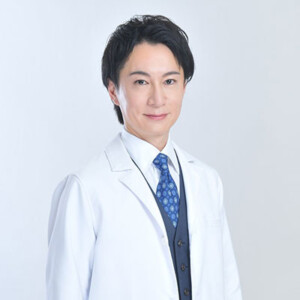
Dr. Jun Karibe
MD
Director
Education & Career
Certifications
Awards
MEDICAL REVIEW