Non-Surgical Facelift in Tokyo: Is Embrace RF Right for You in Your 40s and 50s?
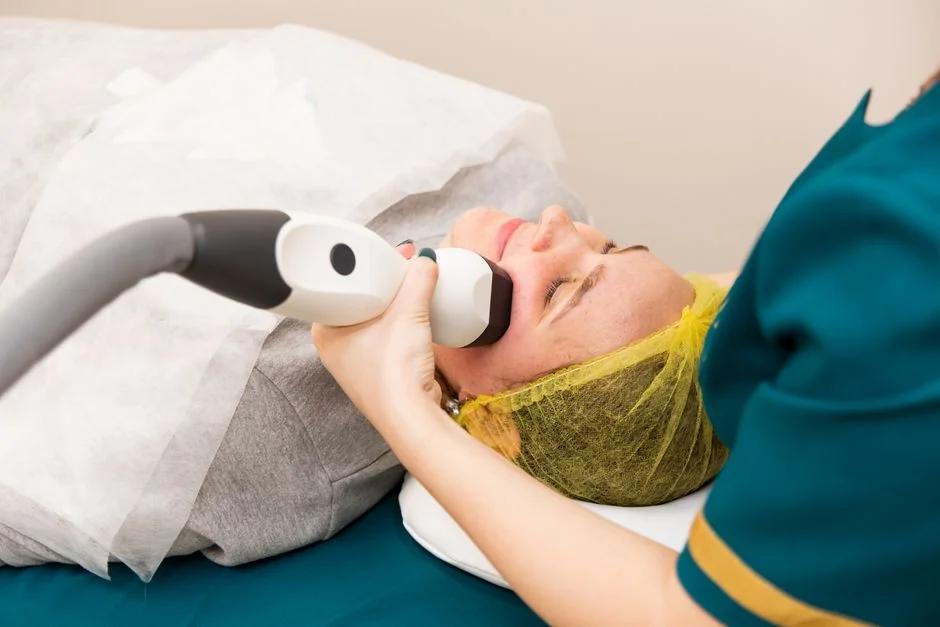
If you have noticed your jawline softening, your jowls beginning to form, or your neck losing the firmness it once had, you are not alone — and you are not imagining it.
For many people in their 40s and 50s, these changes arrive gradually and can feel difficult to address without committing to surgery. This article explains how Embrace RF works, what realistic results look like, how much it costs in Tokyo, and whether it may be a suitable option for your skin at this stage of life.
What you’ll learn in this article:
- What Embrace RF is and how it differs from other non-surgical lifting treatments
- Why patients in their 40s and 50s are often ideal candidates
- Realistic results, downtime, and session planning
- Embrace RF cost range in Tokyo
- How Embrace RF compares with HIFU, thread lifts, and surgical options
Have a question about this treatment?
Message us on LINE or WhatsApp — our English-speaking team usually replies the same day.
What Is Embrace RF?
Embrace RF (BODYTITE) is a minimally invasive body and face contouring system that combines two energy technologies: radiofrequency (RF) energy delivered beneath the skin via small cannulas (thin hollow tubes), and an external BodyTite-style surface applicator that works simultaneously.
The result is a controlled heating of tissue from the inside out, targeting the subdermal fat layer and the fibrous bands that cause skin laxity and jowling.
Unlike fully non-invasive devices such as HIFU or external RF panels, Embrace RF works with micro-incisions — typically 2–3 mm in size — which allows the internal electrode to be placed precisely where the tissue needs heating.
This controlled internal delivery makes it possible to achieve more consistent results in areas such as the jawline, jowls, submental region (under the chin), and neck.
The procedure is performed under local anaesthesia and is carried out in a clinic setting rather than a surgical theatre, which is one reason it attracts patients who want meaningful structural improvement without the recovery period associated with a conventional facelift (rhytidectomy).
Embrace RF vs FaceTite: A Note on Terminology
You may encounter the name FaceTite alongside Embrace RF when researching this topic. FaceTite is the original InMode platform for face and neck contouring, while Embrace RF is InMode’s next-generation system incorporating updated technology and the Morpheus8 module for simultaneous subdermal microneedling RF treatment. In clinical practice, the two names are sometimes used interchangeably; what matters most is confirming with your physician which specific device and handpieces they are using for your anatomy.
How Embrace RF Works: The Science in Plain Language
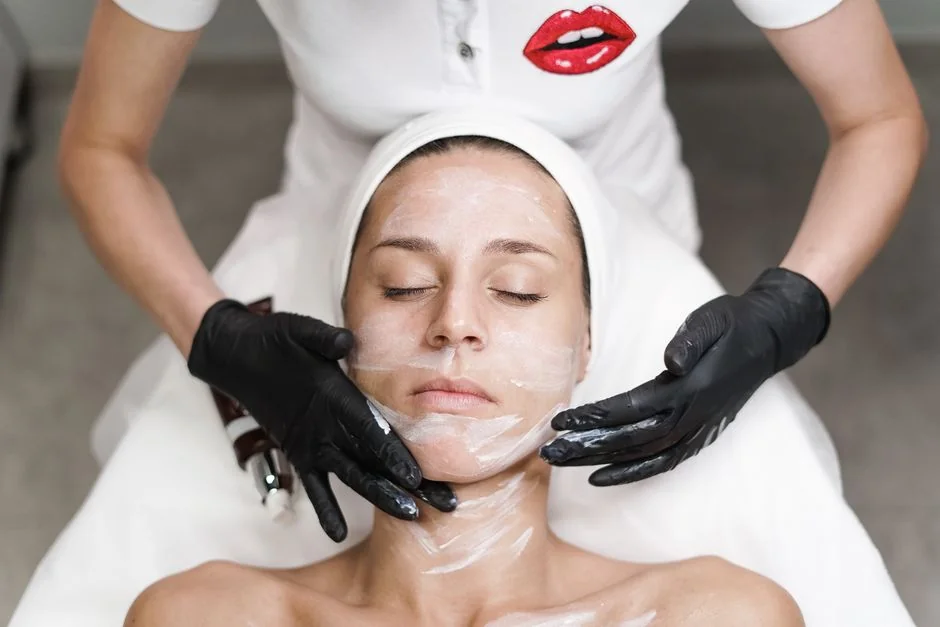
When radiofrequency energy is delivered to tissue, it generates heat through electrical resistance. Collagen fibres — the structural proteins that keep skin firm — begin to contract and remodel when heated to a specific therapeutic temperature range (typically around 40–45 °C at the surface and somewhat higher subdermally). Over the weeks and months following treatment, the body responds by producing new collagen, a process known as neocollagenesis.
What makes Embrace RF distinct is the bipolar circuit formed between the internal cannula electrode and the external surface plate. The energy passes between these two poles through the tissue sandwiched between them, allowing the physician to monitor the thermal endpoint in real time via impedance feedback. This real-time monitoring reduces the risk of undertreating or overheating any area.
The Role of Fibrous Septal Remodelling
Beneath the skin, fat is organised into compartments by fibrous connective tissue called septa.
As we age, these septal structures weaken and allow fat to descend, contributing to jowling and a blurred jawline. The heat delivered by Embrace RF causes these fibrous bands to contract and tighten, providing a structural “internal suspension” effect that complements the surface tightening produced by collagen remodelling.
This dual mechanism — fat-layer remodelling plus fibrous band contraction — is a key reason why the treatment can produce results that look different from purely surface-level energy devices.
Dr. Karibe’s Note
Many of our international patients at BIOTOPE CLINIC in Shirokanedai come to consultations having read extensively about non-surgical facelifts but feeling uncertain about what “minimally invasive” actually means in practice.
A common question I receive is: “Will I be awake during the procedure?” — and the answer is yes, but comfortably so.
Embrace RF is performed under local anaesthesia or sleeping anesthesia , and most patients describe the sensation during treatment as a manageable warmth. The post-procedure swelling is real, but it resolves predictably, and the timeline to see the skin tightening results is typically three to six months. Understanding that timeline in advance makes a significant difference to how patients experience their recovery.
Who Is a Good Candidate for Embrace RF? (and Who Should Consider Alternatives)
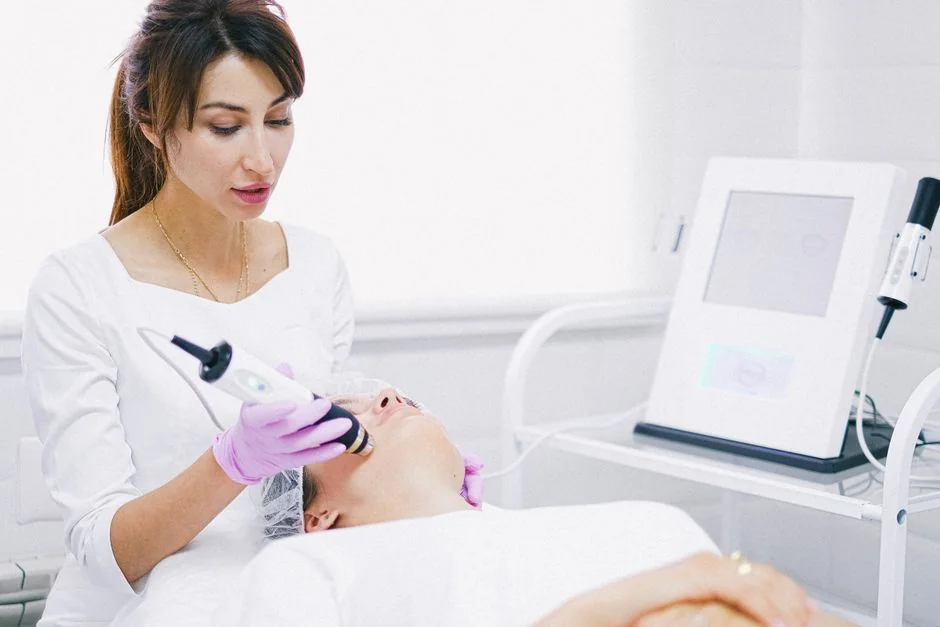
Embrace RF is designed for patients who have visible laxity — loose or drooping skin — but who retain sufficient tissue quality for the treatment to be effective. The 40s and 50s age group often sits in an ideal window: the structural changes are meaningful enough to warrant intervention, but skin elasticity and tissue quality are generally still sufficient to respond well to thermal remodelling.
Characteristics of a Strong Candidate
- Age range approximately 35–65, with early to moderate jowling and submental laxity
- Skin that has begun to loosen but has not yet developed severe ptosis (heavy drooping) that would require surgical repositioning
- Realistic expectations about gradual improvement over three to six months rather than immediate dramatic change
- Preference to avoid general anaesthesia and the recovery period of a surgical facelift
- Good general health, non-smoker or minimal smoking history (smoking impairs wound healing and collagen synthesis)
Who May Need to Consider Alternatives
- Patients with very advanced skin redundancy may find that a surgical facelift (rhytidectomy) remains the most effective option for repositioning descended tissue
- Those with active skin infections, open wounds, or inflammatory skin conditions in the treatment area
- Patients with certain implanted electronic devices (e.g. pacemakers) or metal implants in the treatment zone
- Pregnant or breastfeeding patients
- Those seeking immediate results with no downtime — a single-session HIFU treatment, for example, involves no incisions and essentially no recovery time, though the degree of structural correction is generally more modest
At BIOTOPE CLINIC in Shirokanedai, Dr. Karibe frequently sees patients who have already tried one or more non-invasive devices and are seeking a treatment that can address the areas those devices could not fully reach. A thorough consultation helps determine whether Embrace RF, a combination approach, or a different modality altogether represents the most appropriate path forward.
Expected Results: What the Evidence and Clinical Experience Suggest
Clinical studies and published data on radiofrequency-assisted lipolysis and skin tightening are encouraging, though patients should approach outcome statistics with appropriate perspective, as individual variation is significant. Studies suggest that BodyTite and comparable internal RF systems achieve meaningful skin surface area contraction, with some clinical reports indicating a skin contraction rate of approximately 35–45% at the internal treatment layer in controlled settings — figures cited in peer-reviewed plastic surgery literature examining InMode platforms.
Results typically follow a staged timeline. Immediately after the procedure, swelling and some bruising are normal. At four to six weeks post-treatment, the acute swelling resolves and initial tissue tightening becomes apparent.
The most visible improvements in skin quality and jawline definition tend to appear at the three-month mark, with continued collagen remodelling extending to six months and, in some patients, beyond. Most patients undergo a single treatment session, though those with moderate-to-severe laxity may benefit from discussion of adjunct treatments at the consultation stage.
It is important to note that Embrace RF is not a substitute for surgical repositioning of the SMAS (superficial musculo-aponeurotic system) — the deep structural layer addressed in a conventional facelift. For patients whose primary concern is skin tightening and early jowl reduction rather than significant tissue repositioning, however, the outcomes can be highly satisfying.
Embrace RF Cost in Tokyo
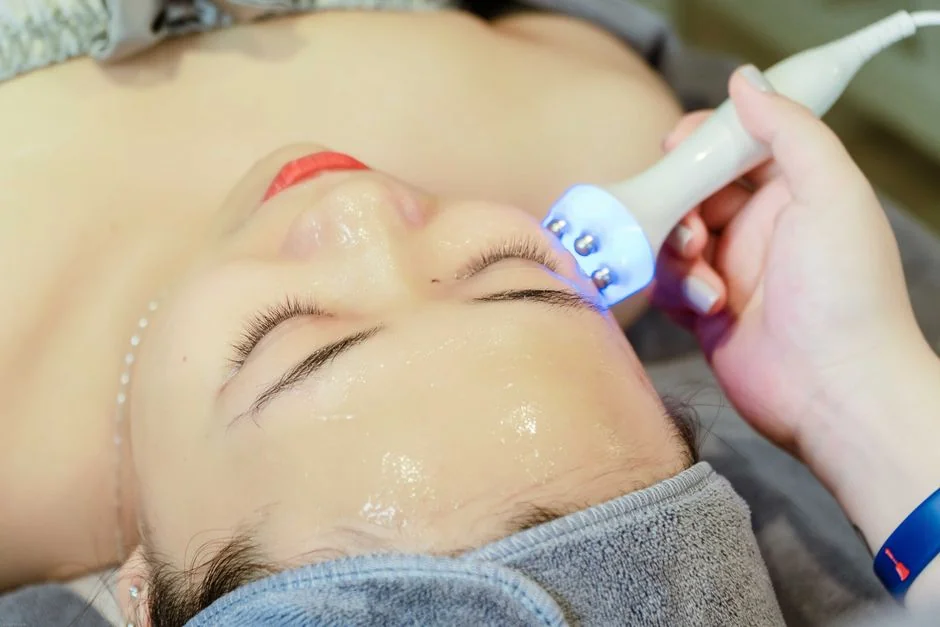
As with most minimally invasive aesthetic procedures, the cost of Embrace RF in Tokyo varies depending on the area or areas treated, the extent of laxity, and the combination of techniques used during the session. Embrace RF is a procedural treatment that requires physician time, specialised equipment, and sterile disposable components, which is reflected in the pricing.
At BIOTOPE CLINIC in Shirokanedai, Embrace RF pricing is determined at consultation based on the specific treatment area and individual anatomy. For reference, related energy-based and minimally invasive treatments in the clinic’s menu include HIFU (skin lifting and tightening, from approximately ¥25,000–¥110,000 depending on the area and number of shots) and Volnewmer (¥66,000–¥165,000), both of which may be discussed as complementary or alternative options during your consultation with Dr. Karibe. Thread lifts using Tesslift threads are also available from ¥48,000 per thread, for patients who want lift with a different mechanism.
Pre-procedure blood work (¥11,000) and any anaesthesia fees (¥2,200–¥77,000 depending on type and duration) are standard additions for procedural treatments. An initial consultation is ¥3,300; a Dr. Karibe surgical consultation is ¥2,200.
For an accurate quote, we recommend booking a consultation.
Have a question about this treatment?
Message us on LINE or WhatsApp — our English-speaking team usually replies the same day.
What to Expect: Before, During, and After Embrace RF
Before the Procedure
A thorough consultation with Dr. Karibe will include a facial assessment, review of your medical history, and a discussion of your goals and concerns. Pre-operative blood work is required. Patients are typically advised to avoid blood-thinning medications (such as aspirin and ibuprofen) and alcohol for a specified period before treatment. Sun protection in the weeks prior to treatment is also recommended.
During the Procedure
Embrace RF is performed under local anaesthesia. Small entry points (approximately 2–3 mm) are made in discreet locations — often within the natural contours of the ear, hairline, or chin area. The internal cannula is introduced through these access points, and the physician moves it methodically through the tissue while monitoring thermal feedback. The external plate is held against the skin simultaneously, completing the bipolar circuit. The procedure duration depends on the number of areas treated but typically ranges from 45 minutes to approximately two hours for a comprehensive jaw and neck treatment.
After the Procedure: Recovery and Downtime
Swelling, bruising, and a feeling of tightness in the treated area are expected in the first one to two weeks. Most patients can return to desk-based work within three to seven days, though strenuous physical activity is generally restricted for two to four weeks. A compression garment is often recommended to support the tissue during initial healing. The small access point marks typically heal with minimal visibility.
Unlike a surgical facelift, there are no large incisions and no suture lines along the hairline or ears, which significantly reduces the social downtime for many patients. Full results should not be judged until at least three months post-treatment, and patients are encouraged to schedule a follow-up appointment to assess progress.
Embrace RF Compared with Other Non-Surgical and Minimally Invasive Options
English-speaking patients researching non-surgical facelifts in Tokyo will encounter a range of treatment names. The following table provides an honest, side-by-side comparison of the most commonly enquired-about options.
| Treatment | Mechanism | Invasiveness | Anaesthesia | Downtime | Depth of Action | Typical Results Timeline |
|---|---|---|---|---|---|---|
| Embrace RF | Internal + external RF (bipolar), fat-layer heating, fibrous band contraction | Minimally invasive (micro-incisions) | Local anaesthesia | 1–2 weeks social downtime | Deep subdermal / fat layer | 3–6 months |
| HIFU | Focused ultrasound, SMAS and deep dermis stimulation | Non-invasive (no incisions) | None (topical numbing optional) | Minimal to none | Deep dermis / SMAS | 2–3 months |
| Thread Lift (Tesslift) | Mechanical lifting via barbed sutures; collagen stimulation | Minimally invasive (needle entry points) | Local anaesthesia | 3–7 days | SMAS / subdermal | Immediate lift; 1–3 months for collagen phase |
| Hyaluronic Acid Filler | Volume replacement, structural support | Minimally invasive (injections) | Topical or none | 1–5 days (bruising) | Dermal / subdermal | Immediate, lasts 12–18 months typically |
| Surgical Facelift (Rhytidectomy) | SMAS repositioning, skin excision | Surgical (general or sedation anaesthesia) | General or IV sedation | 2–4 weeks minimum | SMAS and deeper planes | 6–12 weeks for swelling to resolve; long-lasting |
Each of these treatments addresses different anatomical layers and degrees of laxity. A combination approach — for example, Embrace RF for structural tightening followed by HIFU sessions for surface quality maintenance — is a discussion worth having with Dr. Karibe based on individual anatomy and goals. HIFU is a treatment available at BIOTOPE CLINIC in Shirokanedai, and the two modalities are sometimes considered in sequence; feel free to ask about this combination approach during a consultation.
Common Misconceptions About Embrace RF
Misconception 1: “Minimally Invasive Means the Same as Non-Invasive”
These two terms describe meaningfully different things. Non-invasive treatments such as HIFU or external RF panels require no skin entry whatsoever. Embrace RF is minimally invasive: it requires small access points through which the internal electrode is introduced. This distinction matters not only in terms of downtime expectations but also in terms of the physiological change that is achievable. The internal delivery of energy is precisely what allows Embrace RF to reach the fat compartment and fibrous septa at a depth that surface-only devices cannot consistently access.
Patients who arrive at a consultation expecting an Embrace RF session to feel and recover like a HIFU session may be surprised. It is a procedural treatment with a real, though relatively short, recovery period — and understanding this in advance leads to more satisfying outcomes.
Misconception 2: “The Results Are Immediate”
Initial swelling after Embrace RF can temporarily obscure the improvement, and some patients worry the treatment has not worked when they look in the mirror at day seven. The tightening response is a biological process of collagen remodelling that unfolds over months, not days. Clinical experience consistently shows that the most significant visible improvements appear at the three-month mark. Patients who evaluate their results before this point — particularly in the first two to four weeks while swelling and firmness from the procedure are still present — are not yet seeing a representative outcome. Patience during this period is important, and follow-up appointments exist to provide reassurance and track progress appropriately.
Frequently Asked Questions
- Q. How many sessions of Embrace RF are needed?
- For most patients, Embrace RF for the face and neck is a single-session treatment. Unlike non-invasive devices that typically require a course of sessions, the internal RF delivery achieves a degree of tissue change in one sitting that surface devices may require multiple treatments to approach. Some patients elect to complement their Embrace RF outcome with periodic HIFU or RF microneedling sessions for ongoing skin quality maintenance.
- Q. Is Embrace RF painful?
- The procedure is performed under local anaesthesia, so the treatment area is numbed before the cannula is introduced. Most patients describe a sensation of warmth or pressure during the procedure rather than sharp pain. Post-procedure discomfort in the first few days is typically described as soreness similar to mild bruising, manageable with standard over-the-counter pain relief where appropriate. Individual pain tolerance varies, and this is a topic worth discussing openly during your pre-procedure consultation.
- Q. How long do the results last?
- The collagen remodelling triggered by Embrace RF produces structural changes in the tissue that are considered semi-permanent, in the sense that the treated fat cells and remodelled fibrous structures do not simply revert. However, the ageing process continues after treatment, and maintenance strategies — which may include skincare, non-invasive energy treatments, or injectable treatments — help sustain the result over time. Many patients report satisfaction with their outcome at the one- to two-year mark and beyond.
- Q. Can Embrace RF be combined with other treatments?
- Yes, combination approaches are common and often discussed during consultation. Embrace RF addresses structural laxity and the fat compartment; treatments such as HIFU, Morpheus8 RF microneedling, hyaluronic acid fillers, or Botox address different concerns — skin surface quality, volume, and muscle-related lines, respectively. A staged plan that sequences these treatments appropriately can address multiple aspects of facial ageing simultaneously. Dr. Karibe will advise on the most appropriate combination and timing based on your individual anatomy.
- Q. Is Embrace RF available in English at clinics in Tokyo?
- English-language consultations for Embrace RF in Tokyo are available at BIOTOPE CLINIC in Shirokanedai (Minato-ku), where Dr. Jun Karibe conducts consultations and the team includes English-speaking staff. English enquiries can be directed via LINE or WhatsApp. Confirming language availability before booking at any clinic is advisable, as English-speaking physician consultation is not universally available across Tokyo aesthetic clinics.
- Q. What areas of the face and body can Embrace RF treat?
- For the face and neck, the most commonly treated areas include the jowls, lower face, jawline definition, submental region (under the chin), and the neck. The system can also be applied to body areas such as the abdomen, arms, and inner thighs for skin tightening and contouring, though body applications are a separate clinical discussion from facial rejuvenation. The suitability of each area is assessed individually at consultation.
Have a question about this treatment?
Message us on LINE or WhatsApp — our English-speaking team usually replies the same day.
Summary: Where to Get Embrace RF in Tokyo (English-Speaking Consultation)
Embrace RF occupies a meaningful position between fully non-invasive treatments and conventional surgery. For patients in their 40s and 50s with early to moderate jowling, submental laxity, and a preference to avoid surgical recovery, it offers a pathway to structural tissue tightening through a minimally invasive procedure with a manageable and predictable recovery. Studies suggest that internal RF technologies produce measurable skin contraction and fibrous tissue remodelling, and clinical experience supports the value of the three-to-six-month result timeline as the true measure of outcome.
As with any procedural aesthetic treatment, realistic expectations, a qualified physician, and a thorough pre-procedure consultation are the foundations of a satisfying experience. The treatment is not right for every patient, and an honest assessment of candidacy — including the possibility that a different treatment would serve your goals more effectively — is part of responsible clinical care.
Within the clinic group, English-speaking consultations are handled at BIOTOPE CLINIC in Shirokanedai (Minato-ku, Tokyo) by Dr. Jun Karibe. Our sister clinic, Kojimachi Dermatology & Plastic Surgery Clinic in Ichigaya (Chiyoda-ku), handles Japanese-language insurance dermatology as the group’s main office. Bookings and enquiries in English: LINE or WhatsApp.
If you have questions about non-surgical facelift options including Embrace RF, English-speaking consultations are handled at BIOTOPE CLINIC in Shirokanedai (Minato-ku, Tokyo) by Dr. Karibe. Our sister clinic Kojimachi Dermatology & Plastic Surgery Clinic in Ichigaya (Chiyoda-ku) handles Japanese-language insurance dermatology. English enquiries: LINE or WhatsApp.
24/7 Consultation & Booking
Book a Consultation or Treatment
Our English-speaking team responds via LINE or WhatsApp — usually the same day.
References
- Theodorou SJ, Chia CT. Radiofrequency-Assisted Liposuction for Arm Contouring: Technique under Local Anesthesia. Plastic Reconstructive Surgery Global Open. 2013.
- Mulholland RS, Paul MD, Chalfoun C. Noninvasive Body Contouring with Radiofrequency, Ultrasound, Cryolipolysis, and Low-Level Laser Therapy. Clinics in Plastic Surgery. 2011.
- Dayan E, Burns AJ, Rohrich RJ, Theodorou S. The Role of Radiofrequency in Aesthetic Surgery. Plastic and Reconstructive Surgery Global Open. 2020.
- Badin AZD, Moraes LM, Gondek L, Chiaratti MG, Canta L. Laser lipolysis: flaccidity under control. Aesthetic Plastic Surgery. 2002.
- Paul M, Mulholland RS. A new approach for adipose tissue treatment and body contouring using radiofrequency-assisted liposuction. Aesthetic Plastic Surgery. 2009.
SUPERVISED BY
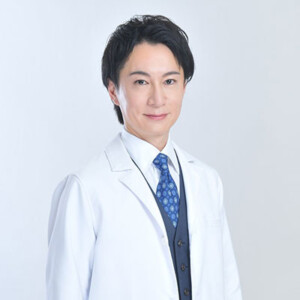
Dr. Jun Karibe
MD
Director
Education & Career
Certifications
Awards
MEDICAL REVIEW