HIFU vs RF Microneedling for Facial Sagging: Which Treatment Is Right for You?
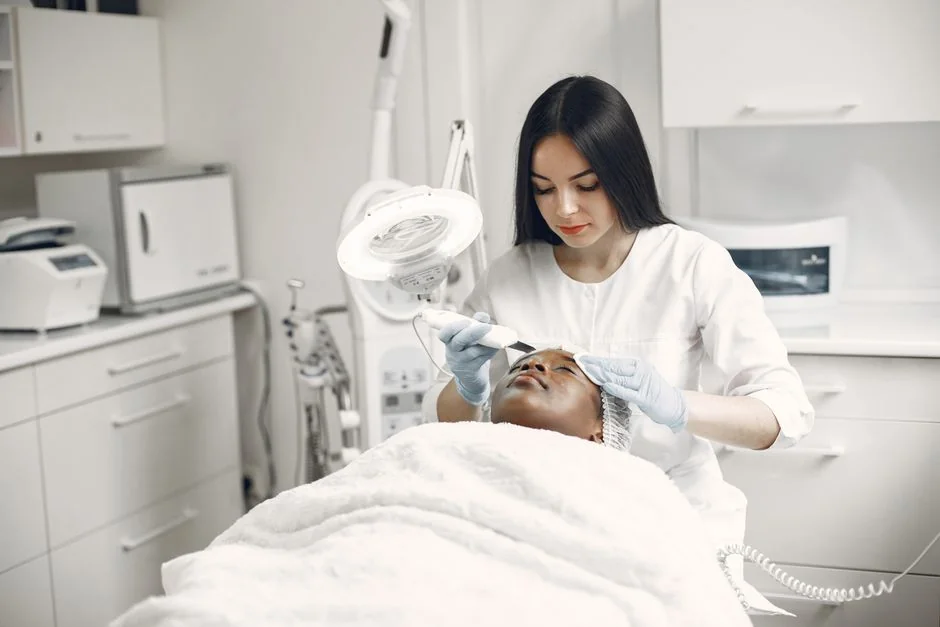
Noticing that your jawline is less defined, or that your cheeks have begun to lose their youthful contour, is something many people find quietly unsettling. The good news is that modern aesthetic medicine offers effective, non-surgical options for addressing facial laxity — and understanding the differences between them can help you make a confident, informed decision.
This article compares two of the most widely used skin-tightening technologies available today:
HIFU (High-Intensity Focused Ultrasound) and RF microneedling (radiofrequency microneedling).
By the end, you will understand how each treatment works, what results are realistic, how much they cost in Tokyo, and which option may suit your skin concerns best.
What you’ll learn in this article:
- How HIFU and RF microneedling each stimulate collagen and tighten skin
- The key differences in depth of treatment, downtime, and ideal candidates
- Realistic results you can expect from each approach
- Current pricing in Tokyo, including at our Ichigaya clinic
- Common misconceptions that could affect your treatment choice
Have a question about this treatment?
Message us on LINE or WhatsApp — our English-speaking team usually replies the same day.
What Is Facial Sagging and Why Does It Happen?
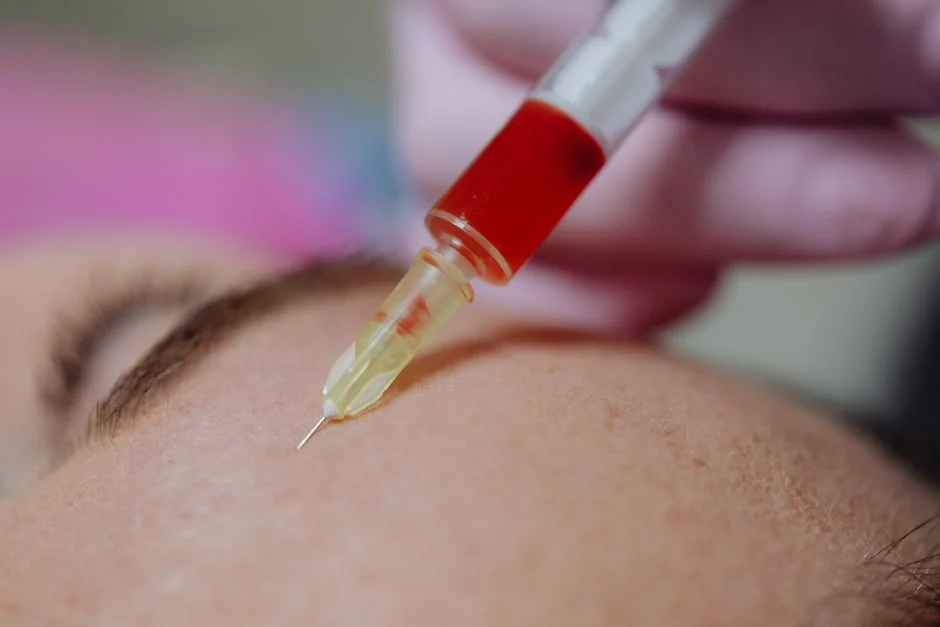
Facial sagging occurs when the structural support beneath the skin gradually diminishes.
From our mid-twenties onward, the body produces progressively less collagen and elastin — the proteins responsible for skin firmness and elasticity. At the same time, the fat pads that give the face its youthful fullness begin to shift downward, and the underlying muscles and ligaments loosen over time.
The result is visible as jowling along the jawline, deepening nasolabial folds (the lines that run from the nose to the corners of the mouth), a less defined neck contour, and a general heaviness to the lower face. Sun exposure, weight fluctuations, and genetic factors can all accelerate the process.
Both HIFU and RF microneedling address these changes by stimulating the body’s own collagen-production mechanisms — but they do so through different technologies and at different tissue depths.
How HIFU Works for Skin Lifting
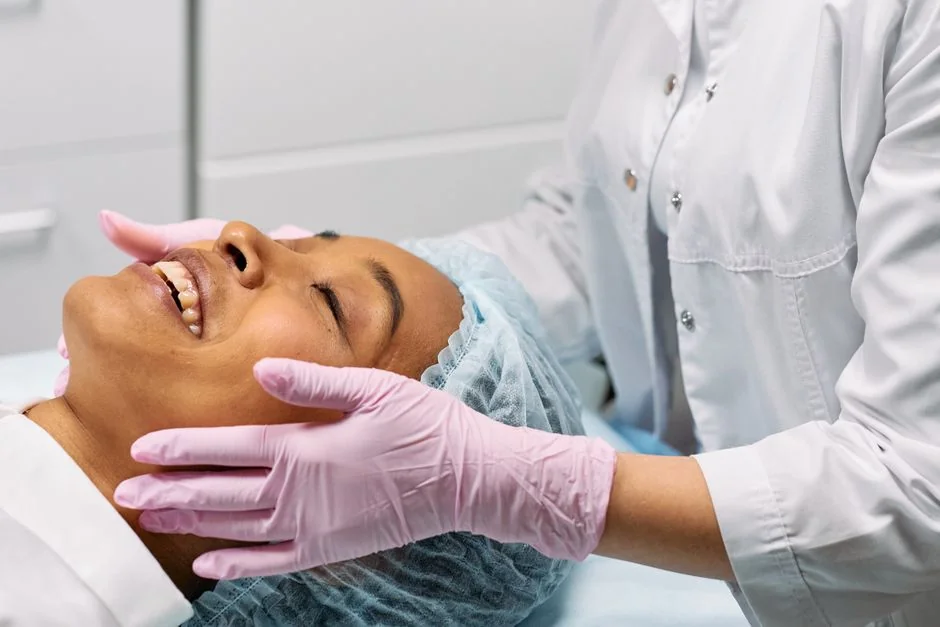
HIFU delivers precisely focused ultrasound energy to specific depths beneath the skin’s surface without damaging the overlying skin. The thermal injury created at those focal points triggers the body’s natural wound-healing response, leading to new collagen formation and, over several months, a measurable tightening and lifting effect.
What sets HIFU apart from most other non-surgical devices is its ability to reach the SMAS layer — the superficial muscular aponeurotic system — which is the same fibromuscular layer that surgeons address during a traditional facelift. This makes HIFU particularly well-suited to treating the jawline, jowls, neck, and brow area.
Typical treatment depths for facial HIFU are 1.5 mm, 3.0 mm, and 4.5 mm, allowing the practitioner to target the dermis, deep dermis, and SMAS in a single session. Treatment time is generally 30 to 60 minutes depending on the area treated.
How RF Microneedling Works for Skin Tightening
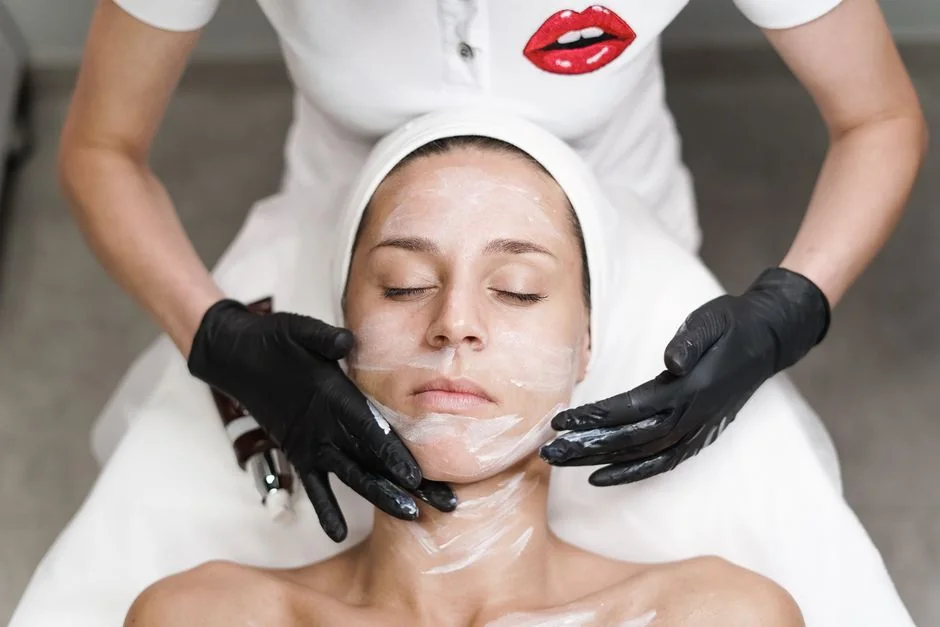
RF microneedling combines two proven technologies: microneedling (the creation of controlled micro-injuries using fine needles) and radiofrequency energy, which is delivered directly into the dermis through those needles.
The combination produces both a mechanical stimulus and a thermal stimulus to collagen remodelling simultaneously.
Because the RF energy is delivered at a precise depth via insulated needles, the surface of the skin is largely protected from heat, allowing more aggressive energy delivery with a relatively favourable side-effect profile. The treatment is highly effective for skin laxity, textural irregularities, enlarged pores, and superficial to moderate acne scarring.
At Kojimachi Dermatology & Plastic Surgery Clinic, the device used for RF microneedling is Morpheus8 — a platform well established in published clinical literature for its depth-adjustable treatment capability (up to 8 mm, or up to 20 mm with the body applicator).
This is a treatment available at our Ichigaya clinic — feel free to ask about it during a consultation.
Dr. Karibe’s Note
Many of our international patients are surprised to find that these two treatments are not mutually exclusive.
A common question I receive is: ‘Which one is better?’ The honest answer is that they work at different tissue depths and address slightly different concerns.
For patients with early jowling and good skin texture, HIFU alone is often very effective.
For patients whose primary concern is skin quality — texture, pore size, and mild laxity together — RF microneedling tends to deliver more comprehensive improvement in those areas. For moderate sagging in multiple layers, combining both in a staged plan can be a worthwhile approach.
The right choice depends on an individual assessment, not a universal ranking.
HIFU vs RF Microneedling: Side-by-Side Comparison
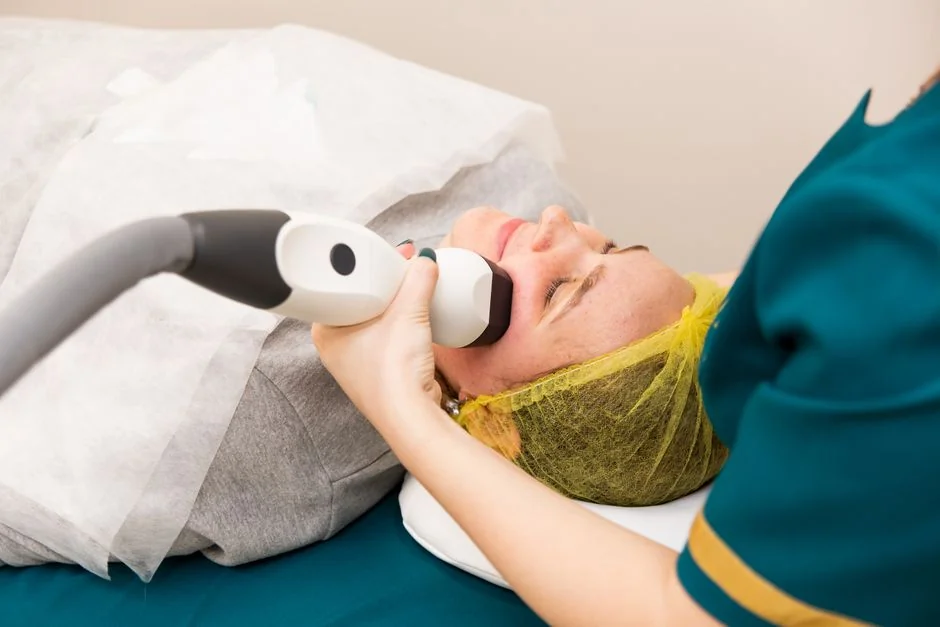
The table below summarises the key clinical differences to help you orient your thinking before a consultation.
| Feature | HIFU | RF Microneedling (Morpheus8) |
|---|---|---|
| Primary mechanism | Focused ultrasound thermal coagulation | Microneedling + radiofrequency thermal energy |
| Tissue depth reached | Up to 4.5 mm (SMAS layer) | Up to 8 mm (deep dermis / subdermal fat) |
| Best suited for | Jawline lifting, jowling, neck, brow | Skin texture, pores, mild–moderate laxity, acne scars |
| Downtime | Minimal (mild redness / swelling, 1–2 days) | Moderate (redness, pinpoint bleeding, 3–5 days) |
| Pain level | Moderate (topical anaesthetic recommended) | Mild–moderate (topical anaesthetic used) |
| Sessions typically needed | 1–2 per year | 1–3 sessions, 4–6 weeks apart |
| Onset of visible results | Gradual over 3–6 months | Texture improvement within weeks; lifting over 3 months |
| Suitable for all skin tones | Yes | Yes (insulated needles protect epidermis) |
| Tokyo price range (approx.) | ¥25,000–¥110,000 per session | ¥35,000–¥49,800 per session (POTENZA RF) |
Expected Results: What Is Realistic?
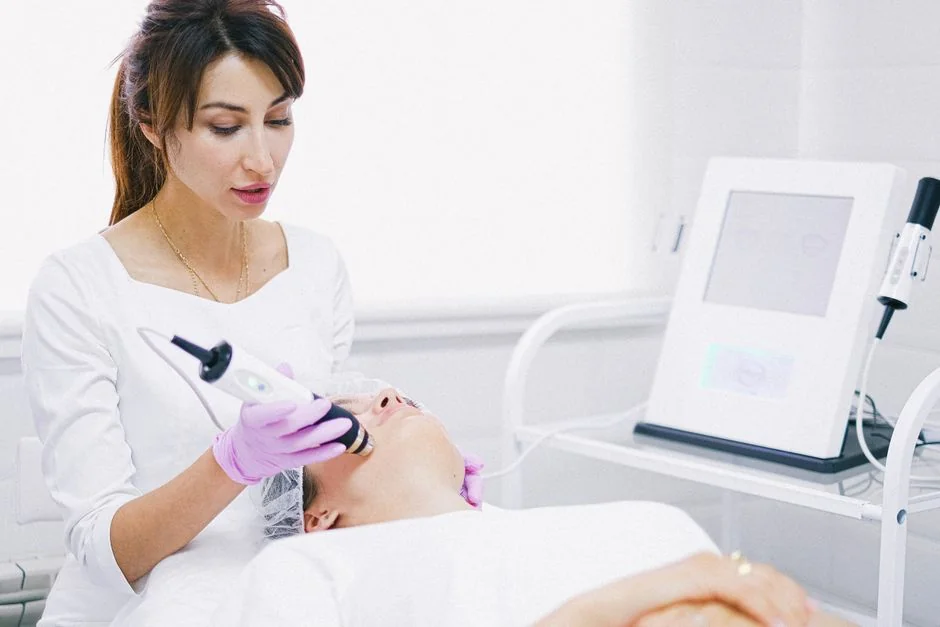
Both treatments produce gradual, not overnight, improvements.
The collagen remodelling process takes time, and the most noticeable changes typically emerge two to three months after the procedure, with continued improvement for up to six months.
Studies suggest that a single HIFU session produces clinically measurable skin lifting in a significant proportion of patients.
A randomised controlled study published in the Journal of the American Academy of Dermatology found statistically significant improvements in brow position and overall facial laxity scores at the three- and six-month follow-up marks.
Clinical reports on RF microneedling — including those specifically on the Morpheus8 platform — indicate meaningful improvements in skin laxity, texture, and pore appearance, with some studies reporting patient satisfaction rates above 80 per cent following a course of three treatments.
It is important to note that neither treatment replicates the degree of lifting achievable with surgical procedures such as a facelift or a thread lift. They are best understood as preventive and corrective tools for mild to moderate laxity, not replacements for surgery in patients with significant tissue redundancy.
Cost in Tokyo
Pricing for energy-based aesthetic treatments in Tokyo varies depending on the device used, the area treated, and the number of shots or passes delivered in a session.
At Kojimachi Dermatology & Plastic Surgery Clinic, the fee ranges are as follows:
- HIFU: ¥25,000 to ¥110,000 per session
- RF microneedling (POTENZA): ¥35,000 to ¥49,800 per session
The wide range within each category reflects the size of the treatment area, the number of transducer lines used (for HIFU), and whether the full face, neck, or targeted zones are included. A full-face HIFU session with neck coverage will naturally carry a higher fee than a targeted jawline-only treatment.
For patients considering a combination approach — HIFU for deep lifting and RF microneedling for surface-level skin quality — the overall cost will reflect both components. It is also worth noting that most patients require more than one session of RF microneedling to achieve optimal results, whereas HIFU is often performed once annually as a maintenance strategy.
For an accurate quote, we recommend booking a consultation.
Have a question about this treatment?
Message us on LINE or WhatsApp — our English-speaking team usually replies the same day.
What to Expect: Before, During, and After Treatment
Before Your Appointment
A topical anaesthetic cream is applied to the treatment area approximately 30 to 45 minutes before the procedure begins. Patients are advised to arrive with clean skin, free of make-up and skincare products. A full medical history review is conducted at the initial consultation to identify any contraindications.
During the Procedure
For HIFU, a gel is applied to the skin and the handpiece is moved methodically across the treatment area in a grid pattern. Patients typically feel a warm, slightly sharp sensation at each energy pulse, which most describe as tolerable with the anaesthetic in place. The full-face session takes approximately 45 to 60 minutes.
For RF microneedling, the device stamps repeatedly across the skin, delivering energy through the needles at a set depth. There is a sensation of pressure and warmth. Pinpoint bleeding is normal and expected during the treatment. Sessions typically last 30 to 45 minutes.
After Treatment and Recovery
Following HIFU, most patients experience mild redness and slight swelling that resolves within one to two days. Return to normal activities is generally possible the same day or the next morning. Following RF microneedling, redness and small pinpoint marks on the skin surface are expected and typically resolve within three to five days. Sun protection is essential during the recovery period for both treatments.
Who Is a Good Candidate?
In our clinical experience at Kojimachi Dermatology & Plastic Surgery Clinic, the patients who tend to respond most favourably to HIFU are those aged roughly 30 to 55, with mild to moderate facial laxity, good baseline skin quality, and realistic expectations about the gradual nature of the results.
HIFU is particularly well-suited to individuals who notice early jowling, a softening jawline, or brow heaviness but are not yet considering surgical intervention.
RF microneedling is an excellent option for patients whose concerns include both skin laxity and texture issues — such as enlarged pores, mild acne scarring, or uneven skin tone alongside early sagging. It is also appropriate for a slightly broader age range, as younger patients in their late twenties may benefit from its skin-quality improvements even before significant laxity develops.
Patients who should exercise caution or may not be suitable candidates include:
- Those with active skin infections, open wounds, or inflammatory skin conditions in the treatment area
- Individuals who are pregnant or breastfeeding
- Patients with implanted electronic devices (pacemakers, defibrillators) — particularly relevant for RF-based treatments
- Those with metal implants in the treatment area (for RF microneedling)
- Patients on blood-thinning medications (specific precautions apply — discuss with the treating physician)
- Individuals with severe skin laxity who may be better served by surgical consultation
What People Often Get Wrong About These Treatments
Misconception 1: More sessions always mean better results
It is a common assumption that repeating HIFU sessions every few months will accelerate or compound lifting results. In practice, the collagen remodelling response triggered by HIFU takes three to six months to complete. Performing sessions too frequently does not accelerate this process and may not provide additional benefit over a well-timed annual treatment. The appropriate interval between sessions should be guided by a physician’s assessment, not by the desire for faster results.
Misconception 2: These treatments work the same regardless of skin thickness or tissue volume
Energy-based devices are not universally interchangeable across all patient types. Patients with very thin facial tissue may experience greater discomfort and more pronounced post-treatment effects with high-energy HIFU. Conversely, patients with thicker skin may require more aggressive settings or additional sessions to achieve equivalent results. At our clinic in Ichigaya, Tokyo, we frequently see patients who have received HIFU elsewhere at generic settings without any tissue-depth assessment — a thorough consultation and skin evaluation beforehand makes a meaningful difference to both safety and outcomes.
Frequently Asked Questions
- Q. Can HIFU and RF microneedling be combined in the same treatment plan?
- Yes, these treatments are often complementary rather than competing. HIFU targets deeper structural layers including the SMAS, while RF microneedling works primarily in the dermis and upper subcutaneous tissue to improve skin quality and texture. Many patients benefit from both within a staged treatment plan, though the timing and sequencing should be determined by a physician based on individual assessment.
- Q. Is there any permanent risk to the skin from repeated energy-based treatments?
- When performed correctly, both HIFU and RF microneedling have well-established safety profiles. However, as with any energy-based device, inappropriate settings or too-frequent treatments can cause adverse effects including prolonged swelling, fat atrophy (loss of volume in treated areas), or irregular texture. Choosing a clinic where the treating physician has specific training in these devices is an important safeguard.
- Q. How soon before a special event should I have treatment?
- For HIFU, a gap of at least two to four weeks before a major event is advisable to allow any residual swelling or flushing to settle. For RF microneedling, given the slightly longer recovery of three to five days, a minimum of two to three weeks is recommended. Keep in mind that the most visible results from both treatments emerge over the following two to three months, so planning ahead is worthwhile.
- Q. Are these treatments suitable for darker skin tones?
- Both HIFU and RF microneedling with insulated needles are considered suitable across the full range of Fitzpatrick skin types. The insulated needle design of devices such as Morpheus8 protects the melanin-rich epidermis from excess heat, reducing the risk of post-inflammatory hyperpigmentation that can occur with some surface-based energy devices. A full skin assessment at consultation will confirm the most appropriate protocol for your skin type.
- Q. Will I need to take time off work?
- For HIFU, most patients are comfortable returning to work the following day, with mild redness as the only visible sign. For RF microneedling, a downtime of three to five days is more typical, during which the skin may appear flushed, slightly swollen, and show small pinpoint marks. Many patients choose to schedule RF microneedling ahead of a long weekend for this reason.
Have a question about this treatment?
Message us on LINE or WhatsApp — our English-speaking team usually replies the same day.
Summary
Both HIFU and RF microneedling are well-evidenced, non-surgical options for addressing facial sagging and skin laxity.
HIFU reaches deeper tissue layers including the SMAS and excels at jawline lifting and jowl reduction. RF microneedling works primarily within the dermis and is particularly effective when skin texture, pore size, or superficial scarring are part of the overall concern alongside laxity.
The right choice — or combination — depends on your specific anatomy, the degree of sagging present, your skin type, and your tolerance for downtime. Neither treatment is a substitute for surgical correction in patients with significant tissue redundancy, but for the right candidate, both can produce meaningful, natural-looking improvements.
If you have questions about HIFU vs RF microneedling for facial sagging, our team at BIOTOPE CLINIC or Kojimachi Dermatology & Plastic Surgery Clinic in Tokyo would be happy to help. We offer consultations in English.
24/7 Consultation & Booking
Book a Consultation or Treatment
Our English-speaking team responds via LINE or WhatsApp — usually the same day.
References
- Fabi SG. Noninvasive skin tightening: focus on new ultrasound techniques. Clinical, Cosmetic and Investigational Dermatology. 2015.
- Alexiades M, Berube D. Randomized, blinded, 3-arm clinical trial assessing optimal temperature and duration for treatment with minimally invasive fractional radiofrequency. Dermatologic Surgery. 2015.
- Suh DH, Shin MK, Lee SJ, et al. Intense focused ultrasound tightening in Asian skin: clinical and pathologic results. Dermatologic Surgery. 2011.
- Weiss R, Weiss M, Beasley K, Munavalli G. Operator independent focused high frequency ISM band for surgical applications of deep tissue heating and collagen tightening. Lasers in Surgery and Medicine. 2014.
- Gold MH, Sensing W, Biron J. Treatment of skin laxity of the lower face and neck in aging skin using 8-pole non-ablative radiofrequency energy. Journal of Drugs in Dermatology. 2012.
Related Articles
You may also find these articles useful.
- HIFU in Tokyo: Non-Surgical Skin Tightening Explained
- Volnewmer vs Thermage vs HIFU: RF Comparison
- Skin Tightening Treatment Tokyo: Options and Cost Guide
SUPERVISED BY
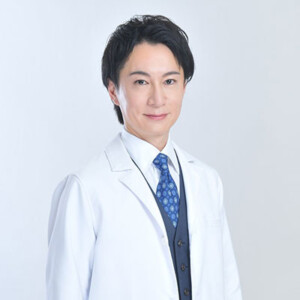
Dr. Jun Karibe
MD
Director
Education & Career
Certifications
Awards
MEDICAL REVIEW