FAGA (Female Pattern Hair Loss) in Tokyo: Regenerative Treatment Options Explained
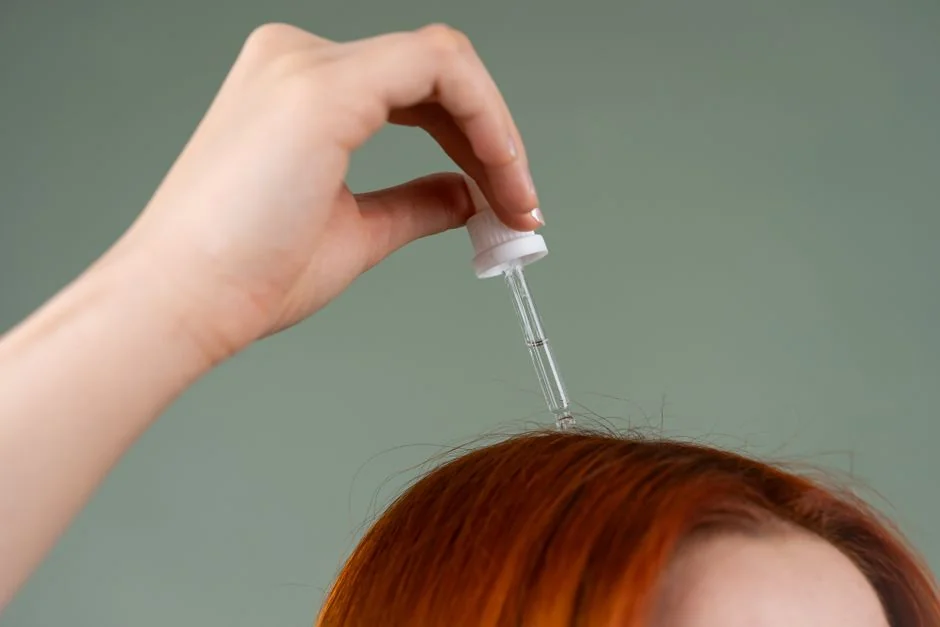
Noticing more hair on your pillow, a widening parting, or a gradual loss of volume can be deeply unsettling — and for many women, it is a concern they feel hesitant to discuss openly.
Female androgenetic alopecia, commonly known as FAGA or female pattern hair loss, is more prevalent than most people realise, and the good news is that effective, evidence-based regenerative options are available in Tokyo.
This article explains what FAGA is, how modern regenerative treatments work, what realistic results look like, and how to find the right approach for your situation.
What you’ll learn in this article:
- What FAGA is and how it differs from other types of hair loss in women
- Which regenerative treatments are used for FAGA in Tokyo clinics
- Realistic expectations for results and timeline
- Approximate costs in Tokyo and what influences pricing
- Who is a suitable candidate and who should proceed with caution
Have a question about this treatment?
Message us on LINE or WhatsApp — our English-speaking team usually replies the same day.
What Is FAGA (Female Androgenetic Alopecia)?
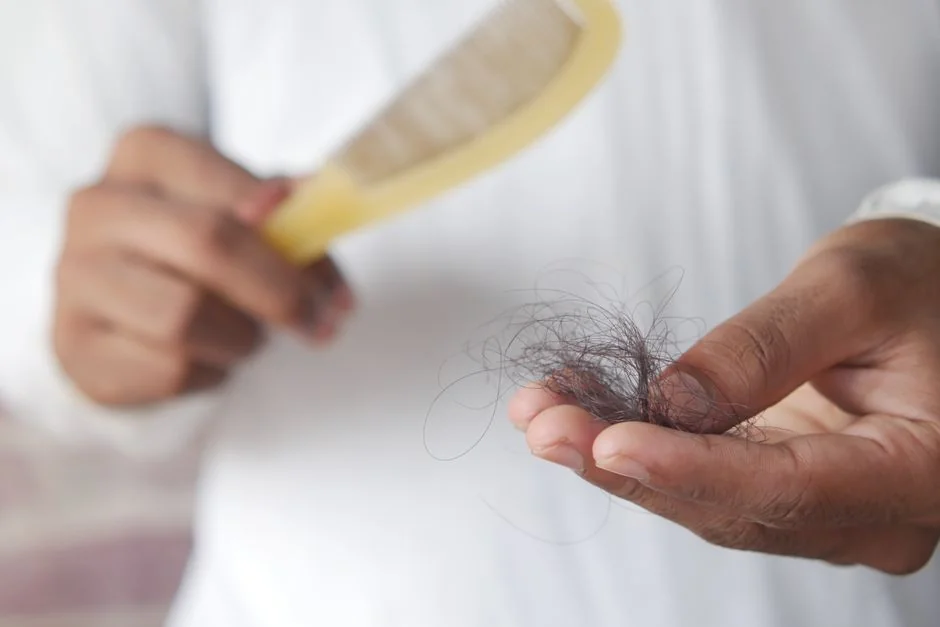
FAGA stands for female androgenetic alopecia — a progressive, hormone-influenced form of hair thinning that predominantly affects the top and crown of the scalp while the frontal hairline is often preserved.
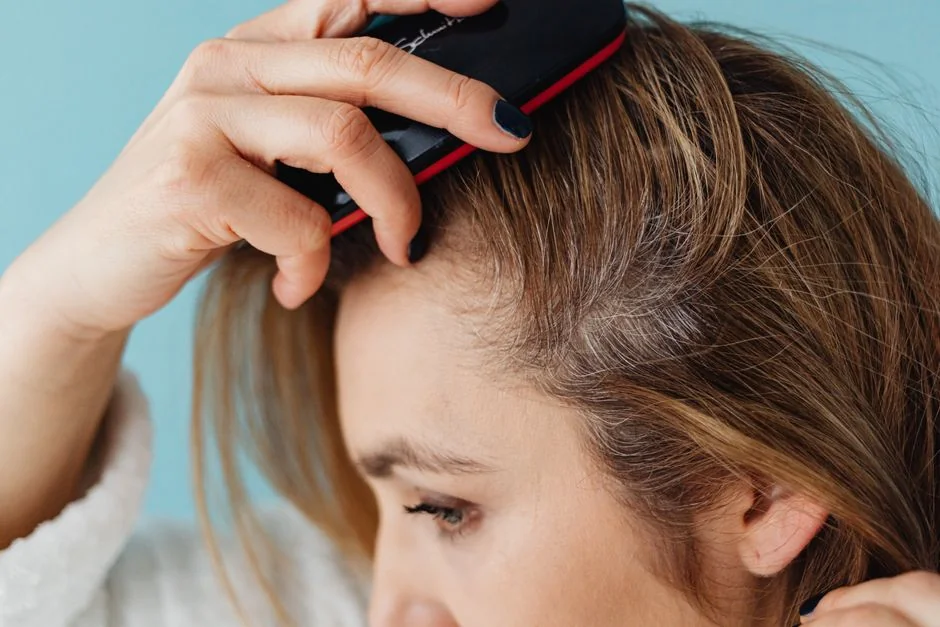
Unlike male pattern baldness, which tends to produce clearly defined bald patches, FAGA typically presents as diffuse thinning across the central scalp, making the parting appear wider over time.
The condition is driven by a combination of genetic predisposition and the action of androgens (male hormones present in small amounts in all women) on hair follicles. The hormone dihydrotestosterone (DHT) shortens the active growth phase of the hair cycle, causing follicles to gradually miniaturise — producing finer, shorter strands until some follicles eventually become dormant.
Studies suggest that FAGA affects approximately 40% of women by the age of 50, making it one of the most common causes of hair loss in adult women worldwide. Despite its prevalence, it remains underdiagnosed, in part because the pattern of loss is subtler than in men and because women are less likely to seek specialist assessment at an early stage.
How FAGA Differs from Other Hair Loss Conditions
Hair loss in women can have many causes — thyroid dysfunction, iron deficiency, post-partum hormonal shifts, autoimmune conditions such as alopecia areata, or acute stress-related shedding (telogen effluvium).
A thorough clinical evaluation, which may include blood tests and trichoscopy (a magnified examination of the scalp), is essential before any treatment is initiated. This is why a consultation with a qualified physician is always the first step.
Regenerative Treatments for FAGA: How They Work
Conventional treatments for FAGA — such as topical minoxidil or oral anti-androgen medications — slow progression and, in some cases, stimulate modest regrowth.
Regenerative approaches go a step further by attempting to reactivate dormant follicles and improve the scalp microenvironment at a cellular level. The most clinically validated regenerative options currently available in Tokyo include the following.
Platelet-Rich Plasma (PRP) Therapy
PRP therapy involves drawing a small amount of the patient’s own blood, processing it in a centrifuge to concentrate the growth factors contained within platelets, and injecting the resulting plasma directly into the scalp.
These growth factors — including platelet-derived growth factor (PDGF) and vascular endothelial growth factor (VEGF) — stimulate blood supply to hair follicles and promote the transition from a resting to an active growth phase.
Clinical reports indicate that a series of PRP sessions can lead to a meaningful increase in hair density and shaft diameter in patients with early-to-moderate FAGA.
One randomised controlled trial published in the Journal of Cosmetic Dermatology found that patients receiving PRP injections showed a statistically significant increase in hair count compared with controls after three monthly sessions. Results, however, vary with the severity of hair loss and individual biological response.
Mesotherapy and Nutritional Scalp Injections
Mesotherapy for hair loss involves microinjections of a customised mixture of vitamins, minerals, amino acids, and sometimes low-dose minoxidil or biotin directly into the scalp dermis. The rationale is that delivering these nutrients in close proximity to the follicle bypasses any absorption barriers present with topical application.
While the evidence base is still developing, clinical reports suggest that mesotherapy can complement PRP or stand-alone pharmacological treatment, particularly in patients whose hair loss is partly attributable to nutritional deficiencies.
Low-Level Laser Therapy (LLLT) and Energy-Based Adjuncts
Low-level laser therapy — also called photobiomodulation — uses specific wavelengths of light to stimulate mitochondrial activity within follicular cells, improving cellular energy production and extending the growth phase of the hair cycle. It is typically used as a supportive treatment alongside injectables rather than as a standalone solution.
The Role of Nutritional Optimisation
Regenerative hair treatments are most effective when the body’s foundational nutritional status is addressed in parallel. Iron, ferritin, zinc, vitamin D, and B vitamins all play documented roles in hair follicle cycling. At our clinic in Tokyo, we frequently see patients who have been pursuing topical treatments for months without significant improvement, only to discover on blood testing that suboptimal ferritin or vitamin D levels have been undermining their progress.
The clinic’s preventive medicine and orthomolecular (nutritional) therapy programme — which includes IV drip therapy and targeted supplementation — can form a valuable adjunct to any regenerative hair treatment plan. This is a service available at BIOTOPE CLINIC or Kojimachi Dermatology & Plastic Surgery Clinic; feel free to ask about it during a consultation.
Dr. Karibe’s Note
Many of our international patients are surprised to find that FAGA treatment is rarely a single-modality decision.
A common question I receive is: ‘Should I do PRP or mesotherapy?’ In practice, the most effective approach is usually a personalised combination — often beginning with a thorough assessment of hormonal and nutritional status before selecting any injectable protocol. Starting treatment earlier in the course of hair loss consistently yields better outcomes, so I encourage women who notice early thinning not to wait and see if it resolves on its own.
Expected Results and Timeline
Regenerative treatments for FAGA are not instant fixes. Hair follicles operate on a slow biological cycle, and meaningful improvement typically becomes visible after three to six months of consistent treatment.
Most protocols involve an initial course of three to four sessions spaced four to six weeks apart, followed by maintenance sessions every three to six months.
Realistic outcomes for a suitable candidate with early-to-moderate FAGA may include a reduction in daily shedding, increased hair shaft diameter (giving the appearance of greater volume), and modest regrowth in areas of thinning. Studies suggest that patients with advanced FAGA — particularly those with long-standing follicular miniaturisation — respond less predictably, as some follicles may be too compromised to reactivate.
It is important to understand that these treatments manage the condition rather than cure it. Without maintenance, the underlying androgenetic process will continue, and shedding may resume over time.
What People Often Get Wrong About FAGA Treatment
Misconception 1: “PRP alone is enough — I do not need to change anything else.” PRP is a clinically supported option, but it works within the body’s existing biological environment. If a patient is iron deficient, chronically stressed, or hormonally imbalanced, the growth factors introduced by PRP have a less favourable environment in which to act. Comprehensive treatment addresses the root causes alongside the local follicular stimulus.
Misconception 2: “Hair loss shampoos and supplements sold online are equivalent to clinic-based regenerative treatment.” Over-the-counter products marketed for hair growth are largely unregulated and supported by minimal clinical evidence. While certain ingredients — such as saw palmetto or ketoconazole shampoo — have some supporting data, they are not comparable in mechanism or documented efficacy to physician-administered PRP or mesotherapy protocols.
Cost of FAGA Regenerative Treatment in Tokyo
The cost of regenerative hair loss treatment in Tokyo varies considerably depending on the treatment type, the number of sessions required, and the extent of the area treated. The following table provides a general reference for the categories of treatment most commonly used for FAGA.
| Treatment Type | Approximate Cost per Session (Tokyo) | Typical Course |
|---|---|---|
| PRP scalp injections | ¥30,000 – ¥80,000 | 3–4 sessions, then maintenance |
| Mesotherapy (scalp) | ¥20,000 – ¥50,000 | 4–6 sessions, then maintenance |
| IV nutritional drip (adjunct) | ¥15,000 – ¥50,000 | As recommended by physician |
| Orthomolecular / nutritional assessment | ¥20,000 – ¥60,000 (initial) | Ongoing supplementation plan |
| Initial consultation | ¥3,300 | One session (required before treatment) |
Prices in Tokyo reflect physician fees, the quality and preparation method of injectables, and clinical overhead. Multi-session packages are often available at a reduced per-session rate. In our clinical experience at BIOTOPE CLINIC or Kojimachi Dermatology & Plastic Surgery Clinic, we find that patients benefit from a personalised treatment plan developed at the first consultation, which allows for accurate cost projection rather than a one-size-fits-all estimate.
For an accurate quote tailored to your hair loss pattern and treatment goals, we recommend booking a consultation.
Have a question about this treatment?
Message us on LINE or WhatsApp — our English-speaking team usually replies the same day.
What to Expect: Before, During and After Treatment
Before Treatment
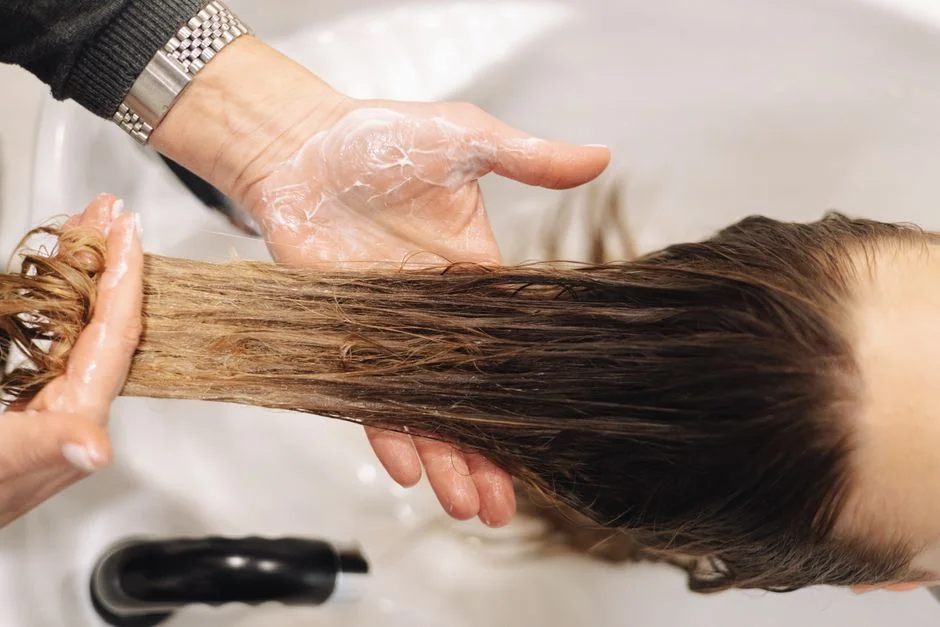
A thorough assessment is essential before any regenerative protocol begins. This typically includes a clinical examination of the scalp, trichoscopy if indicated, and blood tests to assess hormonal status, iron stores, thyroid function, and key nutritional markers. Patients are usually advised to avoid anti-inflammatory medications such as ibuprofen for several days before PRP, as these can reduce platelet activity.
During Treatment
For PRP, a blood draw (typically 10–20 ml) is performed first, the sample is centrifuged for around ten minutes, and the prepared plasma is then injected into the scalp using fine needles. The procedure generally takes 30–60 minutes in total. A topical anaesthetic cream is applied beforehand to minimise discomfort. Mesotherapy sessions follow a similar injection protocol without the blood draw component.
After Treatment
Mild redness, tenderness, and occasional superficial bruising at injection sites are common in the 24–48 hours following treatment. Most patients are able to return to normal activities the same day or the following day. Vigorous exercise, swimming, and application of chemical hair products are generally advised against for 24–48 hours post-procedure. A temporary increase in shedding during the first few weeks is occasionally reported and typically resolves as the follicular growth cycle resets.
Who Is a Good Candidate?
Regenerative treatments for FAGA are generally most suitable for women who:
- Have been diagnosed with early-to-moderate FAGA by a qualified physician
- Are in good general health with no active scalp infections or inflammatory conditions
- Have realistic expectations about the pace and degree of improvement
- Are committed to a course of treatment and maintenance sessions
- Are not pregnant or breastfeeding (treatment is deferred in these cases)
Who Should Proceed with Caution or Avoid Treatment
PRP and mesotherapy are not appropriate for everyone. Women with active autoimmune conditions, blood clotting disorders, or those taking anticoagulant medications should discuss their full medical history with the treating physician before proceeding. Those with severe or long-standing FAGA where extensive follicular fibrosis has occurred may find that regenerative approaches yield limited benefit, and alternative strategies — including pharmacological treatment or, in select cases, hair transplant consultation — may be more appropriate.
Frequently Asked Questions
- Q. How many PRP/Regenetive medicine sessions will I need before I see results?
- Most patients undergo an initial course of three to four sessions spaced approximately four to six weeks apart. Visible improvement in hair density and reduced shedding is typically noticed around the three-to-six-month mark. The timeline varies depending on the severity of hair loss and individual biological response.
- Q. Is FAGA treatment covered by health insurance in Japan?
- Regenerative treatments such as PRP and mesotherapy for hair loss are classified as cosmetic procedures in Japan and are therefore not covered by public health insurance (shakai hoken or kokumin kenko hoken).
- Conventional medical treatments for FAGA — such as certain topical medications — may be prescribable under insurance in some clinical contexts, and this can be discussed at your initial consultation.
- Q. Can I combine FAGA treatment with other cosmetic procedures at the same visit?
- In many cases, yes — combining treatments on the same visit is possible and can be discussed with the physician at consultation. However, certain combinations may require sequencing or a short interval between procedures to allow the scalp to recover. Your treatment plan will take this into account.
- Q. Is PRP safe for women of all ages?
- PRP uses the patient’s own blood components, which minimises the risk of allergic reaction or rejection. It is generally considered a low-risk procedure for healthy adult women. That said, a complete medical history review is conducted before treatment to identify any individual contraindications.
- Q. Will I need to continue treatment indefinitely?
- Because FAGA is a chronic, progressive condition, maintenance sessions are typically recommended every three to six months after the initial course to sustain results. Some patients also continue adjunct nutritional support or topical treatments between sessions to optimise outcomes.
Have a question about this treatment?
Message us on LINE or WhatsApp — our English-speaking team usually replies the same day.
Summary
Female pattern hair loss (FAGA) is a common but often undertreated condition that can have a significant impact on confidence and quality of life. Regenerative approaches — including PRP/Stem cell supertanant scalp injections, mesotherapy, and nutritional optimisation — offer a meaningful addition to conventional treatment, particularly for women in the early-to-moderate stages of hair loss. Results develop gradually over months and are best sustained with a personalised maintenance plan developed in partnership with an experienced physician.
Tokyo offers a range of clinical settings where these treatments are available, and early intervention consistently leads to better outcomes than waiting until loss becomes advanced. A thorough initial assessment — covering hormonal health, nutritional status, and scalp condition — is the essential foundation of any effective treatment programme.
If you have questions about FAGA female pattern hair loss and regenerative treatment options, our team at BIOTOPE CLINIC or Kojimachi Dermatology & Plastic Surgery Clinic in Tokyo would be happy to help. We offer consultations in English.
24/7 Consultation & Booking
Book a Consultation or Treatment
Our English-speaking team responds via LINE or WhatsApp — usually the same day.
References
- Gentile P, Garcovich S, Bielli A, et al. The effect of platelet-rich plasma in hair regrowth: a randomised placebo-controlled trial. Stem Cells Translational Medicine. 2015.
- Trink A, Sorbellini E, Bezzola P, et al. A randomised, double-blind, placebo- and active-controlled, half-head study to evaluate the effects of platelet-rich plasma on alopecia areata. British Journal of Dermatology. 2013.
- Blume-Peytavi U, Hillmann K, Dietz E, et al. A randomised, single-blind trial of 5% minoxidil foam once daily versus 2% minoxidil solution twice daily in the treatment of androgenetic alopecia in women. Journal of the American Academy of Dermatology. 2011.
- Camacho-Martinez FM. Hair loss in women. Seminars in Cutaneous Medicine and Surgery. 2009.
- Shapiro J. Clinical practice: hair loss in women. New England Journal of Medicine. 2007.
Related Articles
You may also find these articles useful.
- Hair Loss Treatment Tokyo: AGA Options for Expats
- Mole Removal Tokyo: Cost and Procedure Guide
- Eczema Treatment Tokyo: Options for Foreigners
- Anti-Aging Treatments Tokyo: Complete Guide for Expats
SUPERVISED BY
Dr. Jun Karibe
MD
Director
Education & Career
Certifications
Awards
MEDICAL REVIEW