Dermal Filler in Tokyo: Prices, What to Expect, and How to Choose a Clinic

Choosing to have dermal filler treatment in Tokyo can feel overwhelming — especially if English is not your first language and you are unfamiliar with Japanese cosmetic clinics. This guide covers everything you need to know before booking: how fillers work, what realistic results look like, how much treatment costs at a reputable Tokyo clinic, and who makes a suitable candidate.
- What dermal fillers are and how hyaluronic acid works in the skin
- Realistic results and how long they tend to last
- Dermal filler prices in Tokyo, including specific figures from our clinic
- What the treatment experience involves — before, during, and after
- Who is a good candidate and who should consider alternatives
Have a question about this treatment?
Message us on LINE or WhatsApp — our English-speaking team usually replies the same day.
What Are Dermal Fillers?
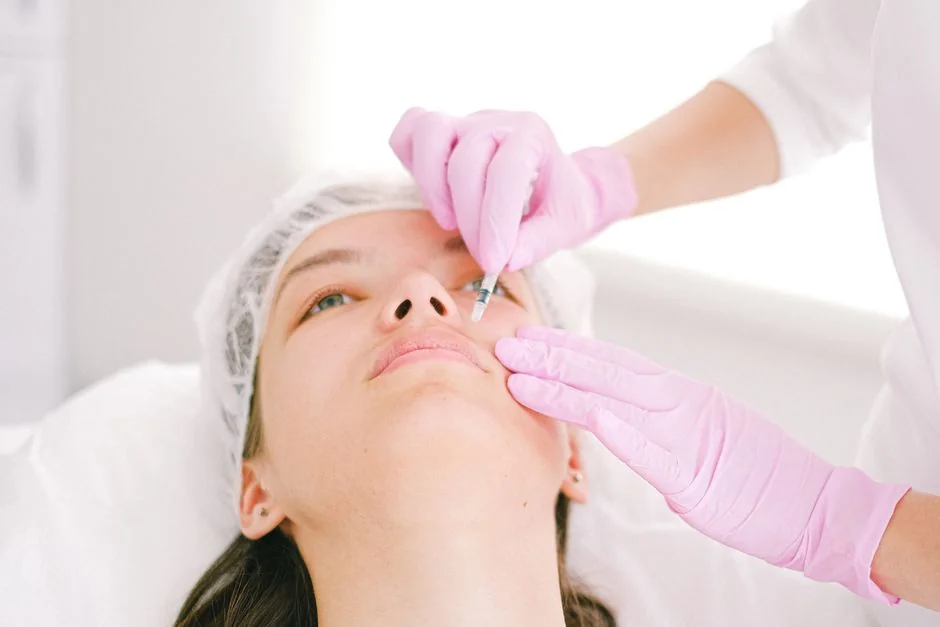
Dermal fillers are injectable substances used to restore volume, smooth lines, and reshape facial contours. The most widely used type is hyaluronic acid (HA) filler — a gel made from a naturally occurring sugar molecule found in human skin and connective tissue. Because HA is biocompatible, the body tolerates it well and it can be dissolved if needed.
Fillers differ from Botox (botulinum toxin), which relaxes muscles to soften expression lines. Fillers physically add volume beneath the skin. Common treatment areas include the nasolabial folds (the lines from nose to mouth), cheeks, lips, chin, jawline, temples, and the tear trough area under the eyes.
Hyaluronic Acid: Why It Works
Hyaluronic acid attracts and retains water molecules — up to 1,000 times its own weight in water, according to published biochemistry literature. As the skin ages, natural HA levels decline, contributing to hollowness, sagging, and fine lines. Injectable HA gel replaces this lost volume directly at the treatment site, producing an immediate lifting or smoothing effect.
Different filler formulations have different thicknesses (rheology). Thicker, more cohesive gels are suited to deeper structural areas such as the chin or cheeks; softer, lighter gels are more appropriate for delicate zones like the lips or tear troughs. The choice of product matters, and should be made by a qualified practitioner during consultation.
How the Treatment Works
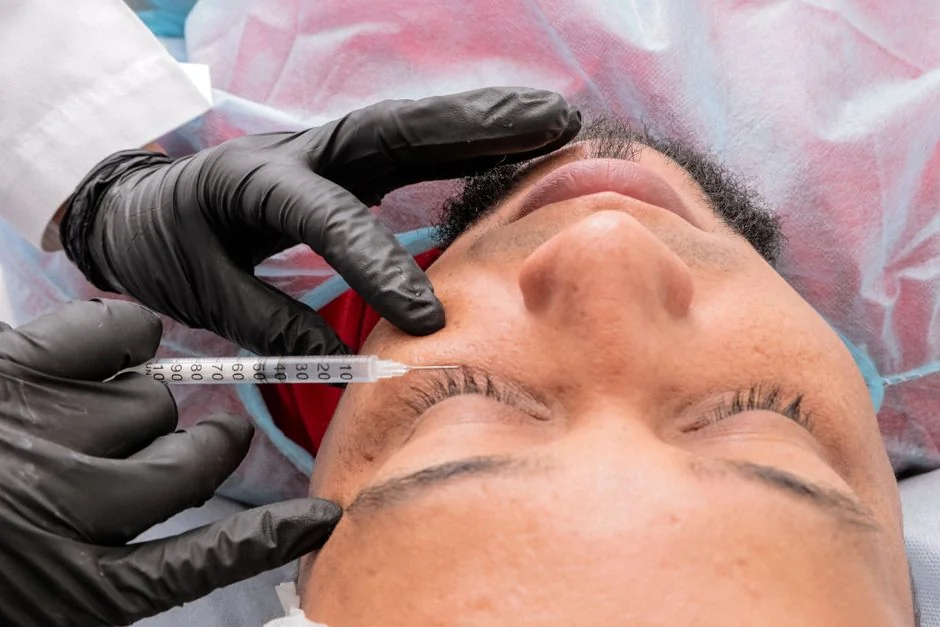
A typical filler session at a cosmetic dermatology or plastic surgery clinic begins with a thorough facial assessment. The practitioner identifies the areas of volume loss, discusses the patient’s goals, and proposes a treatment plan. Photographs are usually taken for comparison.
A topical numbing cream is applied for 20–30 minutes before injection. Most modern filler products also contain lidocaine (a local anaesthetic) to improve comfort during the procedure. The filler is then injected using either a fine needle or a blunt-tipped cannula, depending on the area being treated. The entire procedure commonly takes 30–60 minutes.
What Happens After Injection
Once the gel is placed, the practitioner may gently massage the area to ensure even distribution. Results are visible immediately, though mild swelling can temporarily exaggerate the effect. Final results typically settle within 1–2 weeks as swelling resolves.
Hyaluronic acid filler is not permanent. The body gradually metabolises the gel over time. If a patient is unhappy with the outcome — or if a complication arises — the filler can be dissolved using an enzyme called hyaluronidase, which is an important safety consideration when selecting a clinic.
Expected Results and How Long They Last
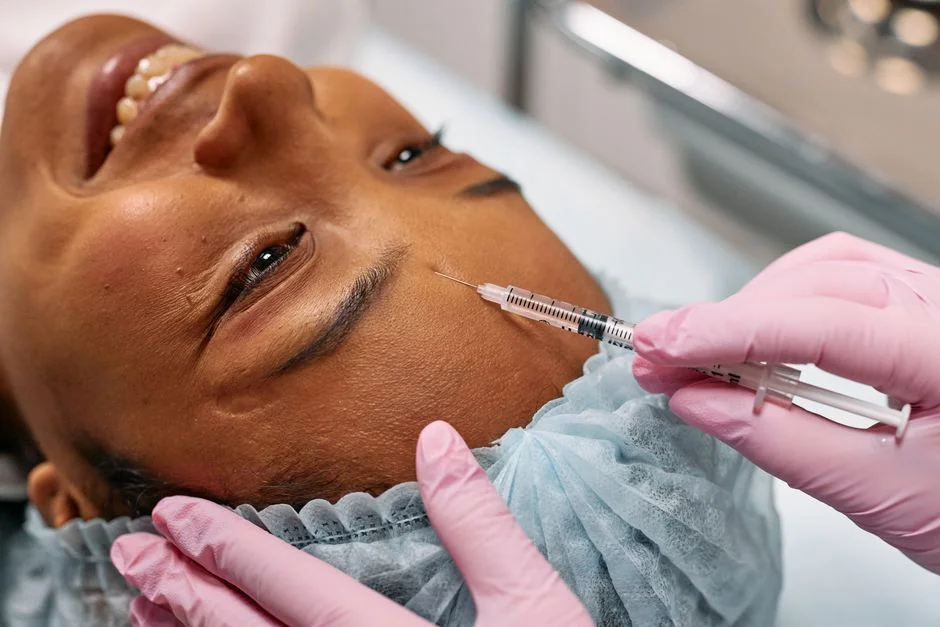
Most patients notice a meaningful improvement in facial volume and contour after a single session. Clinical reports indicate that HA fillers in the mid-face and nasolabial folds typically maintain their effect for 6–18 months, depending on the product used, the area treated, and individual metabolic rate. Areas of high movement — such as the lips — tend to metabolise filler more quickly than less mobile areas like the cheeks or chin.
Studies suggest that repeated treatments over time may have a mild collagen-stimulating effect, meaning some cumulative benefit to skin quality may develop beyond simple volume replacement. However, this secondary benefit varies considerably between individuals and should not be considered the primary purpose of HA filler.
In our clinical experience at BIOTOPE CLINIC or Kojimachi Dermatology & Plastic Surgery Clinic, patients often achieve natural-looking results that are most appreciated by people who know them — rather than an obvious “done” appearance — when treatment is planned conservatively and adjusted in stages.
Dr. Karibe’s Note
Many of our international patients are surprised to learn that more filler does not always mean better results. As a plastic surgeon, my approach is to begin conservatively — particularly for first-time patients — and refine the outcome at a follow-up visit if needed. This reduces the risk of an overfilled appearance and gives patients far greater control over their final look. The ability to dissolve HA filler with hyaluronidase is a genuine safety net, but the goal is always to get the result right from the start.
Common Misconceptions About Dermal Fillers
Misconception 1: Filler and Botox Are the Same Thing
This is one of the most frequent misunderstandings encountered in cosmetic consultations. Botox and dermal filler are entirely different products that work through completely different mechanisms. Botox relaxes the muscles responsible for dynamic expression lines (such as frown lines and crow’s feet). Filler adds physical volume beneath the skin to address static lines, hollows, and contour deficiencies. The two treatments are often used together for complementary results, but they are not interchangeable.
Misconception 2: Filler Is Permanent, or Impossible to Reverse
Hyaluronic acid filler is neither permanent nor irreversible. The body naturally breaks down HA gel over months. Furthermore, an enzyme injection (hyaluronidase) can dissolve HA filler relatively quickly when needed — whether due to patient preference, asymmetry, or a rare vascular complication. This reversibility is a core reason why HA-based fillers remain the most widely recommended type globally. Permanent or semi-permanent fillers do exist, but they carry a different risk profile and are not used at our clinic as a standard offering.
Dermal Filler Prices in Tokyo

Filler pricing in Tokyo varies considerably across clinics, reflecting differences in product brand, practitioner qualifications, clinic overheads, and the amount of product used. The table below provides a broad overview of the treatment landscape, followed by specific figures from Kojimachi Dermatology & Plastic Surgery Clinic.
| Treatment | Price Range at Our Clinic | Typical Session Duration | Longevity |
|---|---|---|---|
| Hyaluronic acid filler (per syringe) | ¥66,000 – ¥88,000 | 30–60 min | 6–18 months |
| Hyaluronidase (dissolving agent) | ¥11,000 – ¥22,000 | 15–30 min | Single session |
| JUVELOOK (polynucleotide skin booster) | ¥11,000 – ¥267,300 | 30–45 min | Multiple sessions recommended |
| Botox (Allergan, for combination planning) | ¥22,000 – ¥148,000 | 15–30 min | 3–6 months |
| Initial consultation | ¥3,300 | — | — |
At Kojimachi Dermatology & Plastic Surgery Clinic, hyaluronic acid filler is priced at ¥66,000 to ¥88,000 per syringe. Many treatment areas — such as the lips or a single nasolabial fold — can be addressed with one syringe. More extensive treatments involving multiple areas may require two or more syringes. The total cost therefore depends heavily on the treatment plan agreed upon during consultation.
Some clinics in Tokyo advertise very low per-syringe prices but use smaller volumes or less established brands. When evaluating cost, it is worth confirming the brand of product used, the volume per syringe (typically 1 ml), and whether hyaluronidase is available on-site in case of complications. For an accurate quote, we recommend booking a consultation.
JUVELOOK — a polynucleotide (PDRN) skin booster that works by stimulating collagen and improving skin quality rather than simply adding volume — is also available at our Ichigaya clinic. It is sometimes used alongside or as an alternative to HA filler for patients whose primary concern is skin texture and radiance rather than structural volume. Feel free to ask about it during a consultation.
Have a question about this treatment?
Message us on LINE or WhatsApp — our English-speaking team usually replies the same day.
What to Expect: Before, During, and After Treatment
Before Your Appointment
At the initial consultation, a practitioner will review your medical history, current medications, and aesthetic goals. It is important to disclose any blood-thinning medications (including aspirin, ibuprofen, and fish oil supplements), as these increase the risk of bruising. A history of cold sores is also relevant if lip filler is being considered, as treatment may trigger a herpes simplex outbreak.
In the days before treatment, patients are typically advised to avoid alcohol, aspirin-based products (unless medically necessary), and other anticoagulants. Strenuous exercise on the day of treatment is generally discouraged.
During the Procedure
After topical anaesthetic cream is applied, the practitioner will mark the injection sites and begin the procedure. Most patients describe the sensation as mild pressure or a brief sting at each injection point. Treatment is generally well tolerated without the need for additional anaesthesia.
After Treatment and Recovery
Some degree of redness, swelling, and tenderness at injection sites is normal and typically resolves within 24–72 hours. Bruising may last up to 7–10 days in some cases. Patients are usually advised to avoid vigorous exercise, alcohol, and excessive heat (saunas, steam rooms) for 24–48 hours post-treatment.
There is no significant downtime with filler — most patients return to work or social activities the same day, although minor swelling may be visible for a few days. Results are generally considered settled at the two-week mark, which is also when a follow-up assessment is typically scheduled.
Who Is a Good Candidate?
Dermal filler is generally suitable for adults who have experienced volume loss, deepening lines, or contour changes associated with ageing, and who are in good general health. It may also be appropriate for younger patients seeking subtle enhancement — for example, lip augmentation or mild chin projection — rather than correction of age-related changes.
At our clinic in Ichigaya, Tokyo, we frequently see patients who are new to aesthetic treatments and primarily want a natural result that does not look “done.” Filler is well suited to this goal when used conservatively by an experienced practitioner.
Who Should Avoid Filler or Exercise Extra Caution
- Pregnant or breastfeeding individuals (insufficient safety data exists; treatment is not recommended)
- Patients with active skin infections, inflammation, or open wounds at the intended treatment site
- Those with known hypersensitivity to hyaluronic acid or lidocaine
- Patients with autoimmune conditions or those on immunosuppressive therapy (requires careful medical review)
- Individuals with a history of severe or anaphylactic allergic reactions
- Patients with certain bleeding disorders or on anticoagulant medications (requires physician assessment)
A thorough consultation with a qualified practitioner — ideally a board-certified plastic surgeon or dermatologist — is the appropriate setting in which to assess candidacy on an individual basis.
Frequently Asked Questions
- Q. Is dermal filler treatment painful?
- Most patients find the procedure tolerable. Topical numbing cream is applied beforehand, and most modern HA fillers contain lidocaine to reduce discomfort during injection. Sensitive areas such as the lips may cause a brief sharp sensation, but this typically subsides quickly. A patient’s individual pain threshold and the specific area being treated both influence the experience.
- Q. Can I combine filler with other treatments at the same appointment?
- This depends on the treatments in question and the practitioner’s clinical judgement. Filler and Botox are frequently combined in a single session, as they address different concerns through different mechanisms. Energy-based treatments such as HIFU or laser are generally not performed on the same day as filler, as they can affect the integrity or placement of the gel. Your practitioner will advise on the safest and most effective sequencing.
- Q. Will the filler look natural?
- When placed correctly and in appropriate volumes, hyaluronic acid filler can produce results that are difficult to detect — you may simply appear more rested or refreshed. Overfilling, incorrect product selection, or poor technique can produce an unnatural appearance, which is why practitioner experience and product knowledge are critical factors. A conservative approach with staged treatment tends to yield the most natural-looking outcomes.
- Q. How do I find an English-speaking filler clinic in Tokyo?
- Look for a clinic where the lead practitioner holds a recognised Japanese medical qualification — ideally board certification in plastic surgery or dermatology — and where English-language consultations are available. Kojimachi Dermatology & Plastic Surgery Clinic, directed by Dr. Jun Karibe, a board-certified plastic surgeon, offers consultations in English at its Ichigaya location.
- Q. What happens if I am not happy with the result?
- Hyaluronic acid filler can be dissolved using hyaluronidase, an enzyme that breaks down HA gel rapidly. At our clinic, hyaluronidase is available at ¥11,000 to ¥22,000 per session. Ensuring that your chosen clinic can provide this service is an important safety consideration before proceeding with treatment.
Have a question about this treatment?
Message us on LINE or WhatsApp — our English-speaking team usually replies the same day.
Summary
Dermal filler — most commonly hyaluronic acid gel — is a well-established, reversible injectable treatment for restoring volume, smoothing lines, and refining facial contours. Clinical evidence supports its effectiveness and safety when administered by a qualified practitioner using appropriate products and technique.
In Tokyo, hyaluronic acid filler typically costs between ¥66,000 and ¥88,000 per syringe at reputable clinics. Results generally last 6–18 months depending on the area treated and the individual patient. There is minimal downtime, though bruising and swelling for a few days is common. The ability to dissolve HA filler with hyaluronidase provides an important safety margin that distinguishes it from permanent alternatives.
Selecting a clinic led by a board-certified specialist — and one that offers English-language consultations — significantly reduces uncertainty for international patients navigating the Tokyo cosmetic medicine landscape.
If you have questions about dermal filler in Tokyo, our team at BIOTOPE CLINIC or Kojimachi Dermatology & Plastic Surgery Clinic , Tokyo would be happy to help. We offer consultations in English.
24/7 Consultation & Booking
Book a Consultation or Treatment
Our English-speaking team responds via LINE or WhatsApp — usually the same day.
References
- Kablik J, Monheit GD, Yu L, Chang G, Gershkovich J. Comparative physical properties of hyaluronic acid dermal fillers. Dermatologic Surgery. 2009.
- Narins RS, Brandt F, Leyden J, Lorenc ZP, Rubin M, Smith S. A randomized, double-blind, multicenter comparison of the efficacy and tolerability of Restylane versus Zyplast for the correction of nasolabial folds. Dermatologic Surgery. 2003.
- Wollina U, Goldman A. Hyaluronic acid fillers in facial aesthetics: an update on technique, safety and dissolving. Journal of Cutaneous and Aesthetic Surgery. 2020.
- Signorini M, Liew S, Sundaram H, et al. Global aesthetics consensus: avoidance and management of complications from hyaluronic acid fillers — evidence- and opinion-based recommendations. Plastic and Reconstructive Surgery. 2016.
- Rohrich RJ, Bartlett EL, Dayan E. Practical approach and safety of hyaluronic acid fillers. Plastic and Reconstructive Surgery — Global Open. 2019.
Related Articles
You may also find these articles useful.
- Botox vs Dermal Fillers: Which Treatment Is Right for You?
- Lip Filler Tokyo: Cost and Treatment Guide for English Speakers
- Natural Filler Treatment in Tokyo for International Patients
- Non-Surgical Facelift Tokyo for Foreigners: Full Guide
- How to Treat Facial Sagging: HIFU, RF Microneedling, Fillers, and Facelift Options Explained
SUPERVISED BY

Dr. Jun Karibe
MD
Director
Education & Career
Certifications
Awards
MEDICAL REVIEW