Masseter Botox in Tokyo: Cost, Effects, and What to Expect
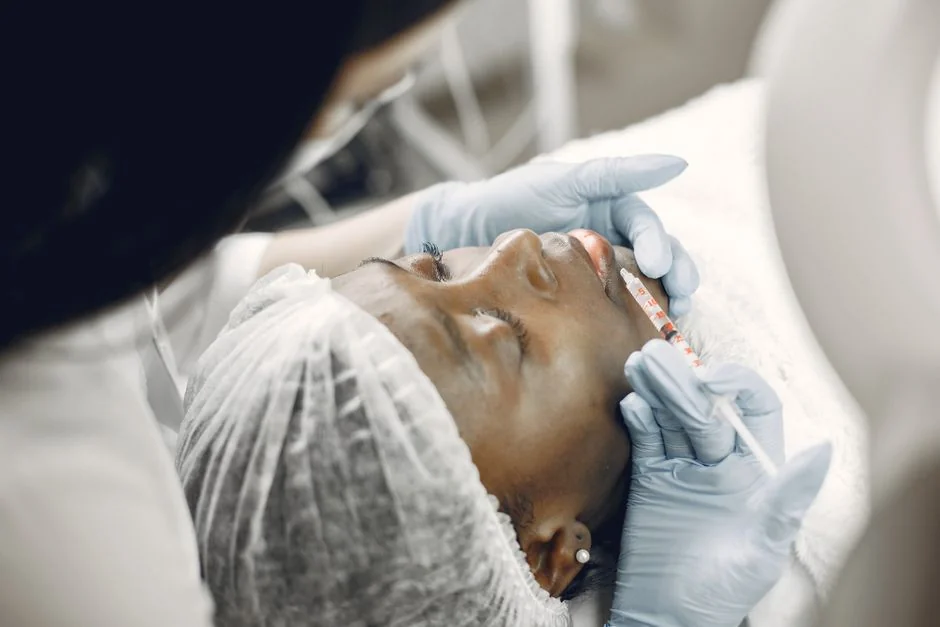
If you have noticed a wide or square-looking jawline and wondered whether there is a non-surgical way to soften it, you are far from alone. Masseter Botox — botulinum toxin injected into the chewing muscles — has become one of the most requested facial-contouring procedures among international patients visiting Tokyo.
]This article explains how the treatment works, what realistic results look like, what it costs in Tokyo, and who is — and is not — a suitable candidate.
What you’ll learn in this article:
- What masseter Botox is and how it slims the jawline
- How long results last and what clinical evidence suggests
- Realistic cost range in Tokyo, including at BIOTOPE CLINIC
- What to expect before, during, and after the procedure
- Who is a good candidate — and who should think carefully before proceeding
Have a question about this treatment?
Message us on LINE or WhatsApp — our English-speaking team usually replies the same day.
What Is Masseter Botox?
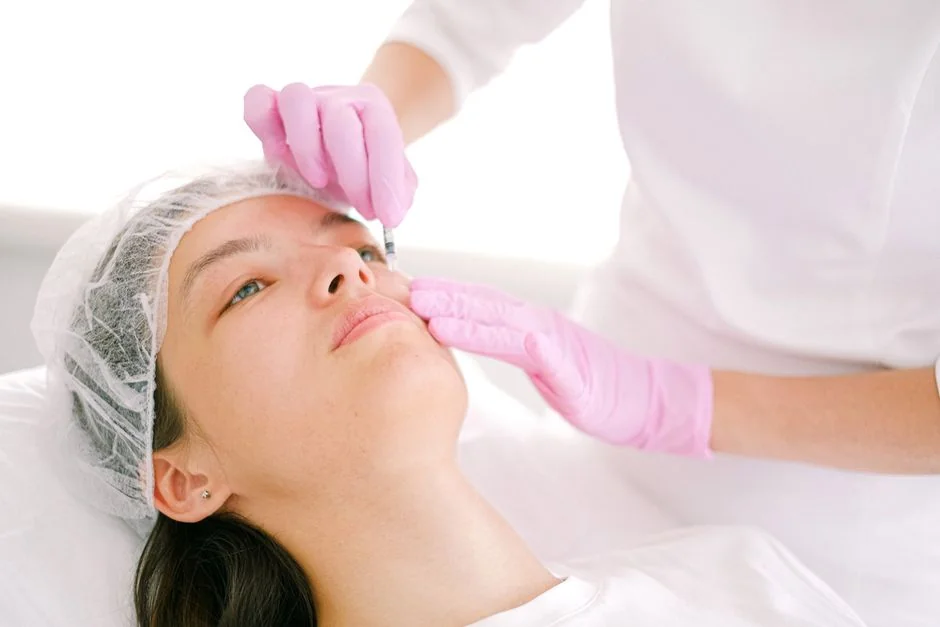
The masseter is a large, powerful muscle located at the angle of the jaw on each side of the face. Its primary function is chewing, but in some individuals — due to genetics, habitual teeth grinding (bruxism), or jaw clenching — it becomes significantly enlarged, giving the lower face a broad, rectangular appearance.
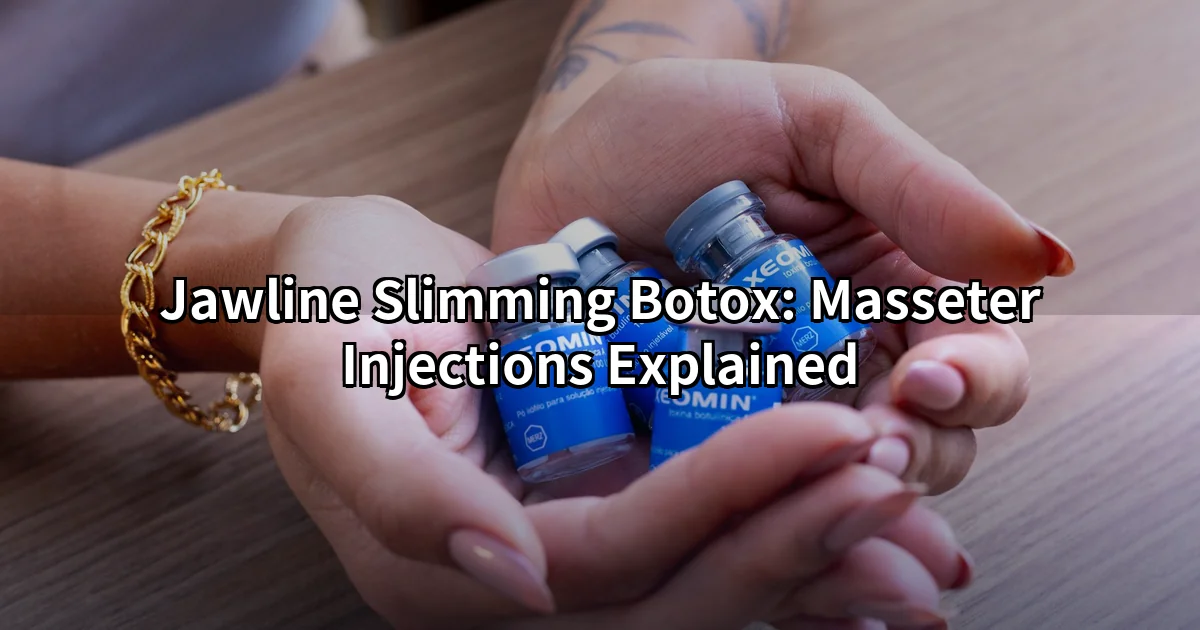
Masseter Botox, sometimes called “jaw slimming” or “face slimming” injections, involves placing small amounts of botulinum toxin type A directly into the masseter muscle.
The toxin temporarily reduces the nerve signals that cause the muscle to contract, which leads the muscle to gradually decrease in bulk over several weeks. The result is a softer, more tapered jawline — without any incisions, anaesthesia, or recovery time.
This is a treatment available at BIOTOPE CLINIC in Shirokanedai — feel free to ask about it during a consultation with Dr. Karibe.
How Masseter Botox Works
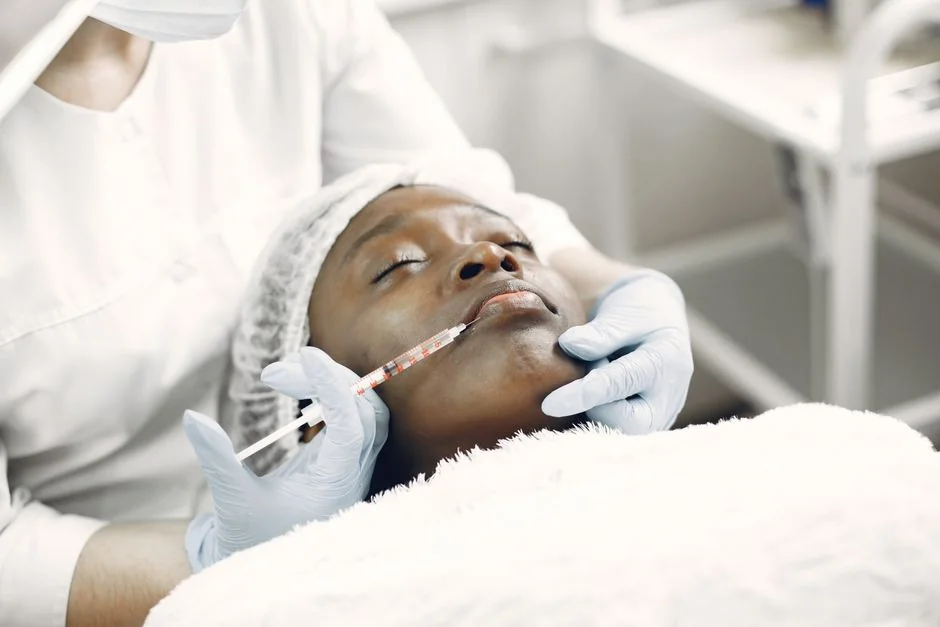
The injection process
During the appointment, the practitioner identifies the masseter by asking the patient to clench their teeth, which makes the muscle visibly prominent.
A series of small injections are placed into the body of the muscle on each side, typically taking five to ten minutes in total. Because the needle gauge used is very fine and the masseter is a deep, robust muscle, most patients describe the sensation as a mild, brief sting rather than significant pain.
How the muscle responds
Botulinum toxin works by blocking acetylcholine release at the neuromuscular junction — in plain terms, it prevents the nerve from telling the muscle to contract at full force. With reduced workload over weeks and months, muscle fibres gradually atrophy (shrink).
The muscle does not disappear; it simply returns to a less hypertrophied state. Clinical reports indicate that meaningful volume reduction is typically visible within four to eight weeks, with peak effect around three months after treatment.
Which Botox products are used
At BIOTOPE CLINIC, both Allergan Botox (the globally established brand) and reputable Korean-brand botulinum toxin products are available. The choice of product can influence both dosing precision and cost, and Dr. Karibe will discuss which is appropriate during the consultation.
Dr. Karibe’s Note
Many of our international patients are surprised to find that masseter Botox requires a higher dose than most other facial injection sites. The masseter is among the largest and most active muscles in the face, so underdosing is a common reason results are disappointing elsewhere.
A thorough assessment of muscle bulk — done by palpation and, where needed, photographic analysis — is essential before deciding on the appropriate unit count for each individual.
Expected Results and How Long They Last
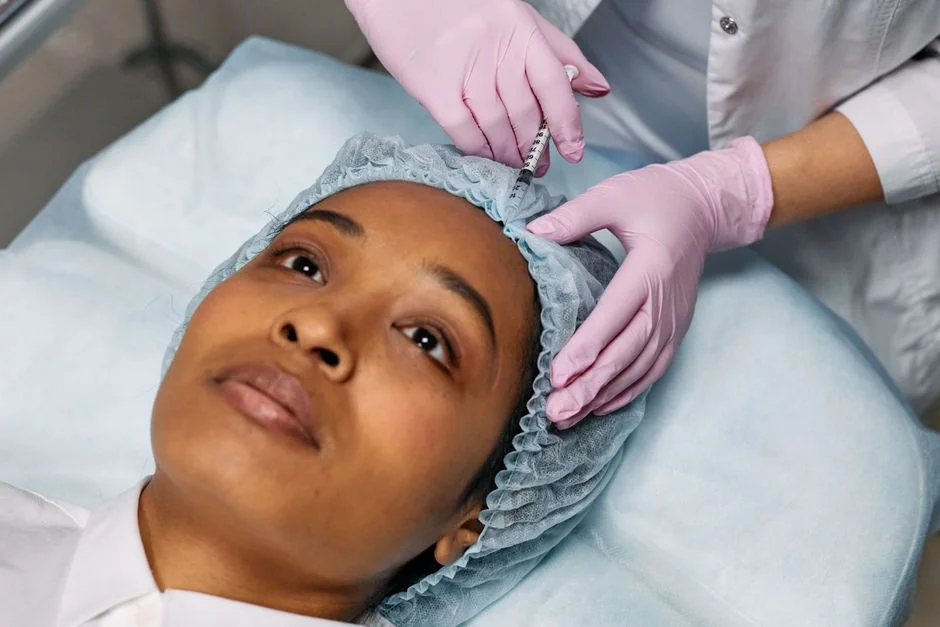
What you can realistically expect
Most patients notice the jawline beginning to soften within four to six weeks.
Full slimming typically becomes apparent at the two- to three-month mark, when muscle atrophy is most pronounced. Studies suggest that the reduction in masseter thickness can reach 20–30% after a single treatment cycle, with some studies reporting up to 31% reduction in masseter cross-sectional area measured by ultrasound after repeated sessions.
Beyond aesthetics, many patients with bruxism report a secondary benefit: reduced jaw tension, fewer morning headaches, and less tooth wear — though these effects are not guaranteed for every individual.
How long do results last?
Results from a single session typically last four to six months, after which nerve function and muscle activity gradually return. With repeated treatments, studies suggest that the interval between sessions may lengthen — some patients maintain satisfactory results with one to two treatments per year after an initial series.
Individual variation in metabolism, muscle activity, and lifestyle factors means timelines differ from person to person.
Common Misconceptions About Masseter Botox
Misconception 1: “Results appear immediately after the injection”
This is one of the most frequent misunderstandings. Unlike hyaluronic acid fillers, which add volume instantly, masseter Botox works by a gradual biological process — muscle atrophy takes weeks. Patients who expect to leave the clinic with a visibly narrower jaw on the same day are likely to be disappointed. The change is subtle at first and becomes clearly visible over six to eight weeks.
Misconception 2: “Masseter Botox changes the bone structure of the jaw”
The procedure acts exclusively on soft tissue — specifically, the masseter muscle. It does not alter the mandible (jaw bone) in any way. Patients with a wide jaw caused primarily by bone structure rather than muscle hypertrophy may find the improvement more modest than they anticipated. This is exactly why a proper in-person assessment matters: distinguishing between muscular and skeletal jaw width is essential for setting realistic expectations. In cases where bone plays a significant role, a surgeon such as Dr. Karibe can discuss complementary options — for example, whether buccal fat removal or other facial-contouring procedures might be appropriate to consider alongside injections.
Masseter Botox Cost in Tokyo
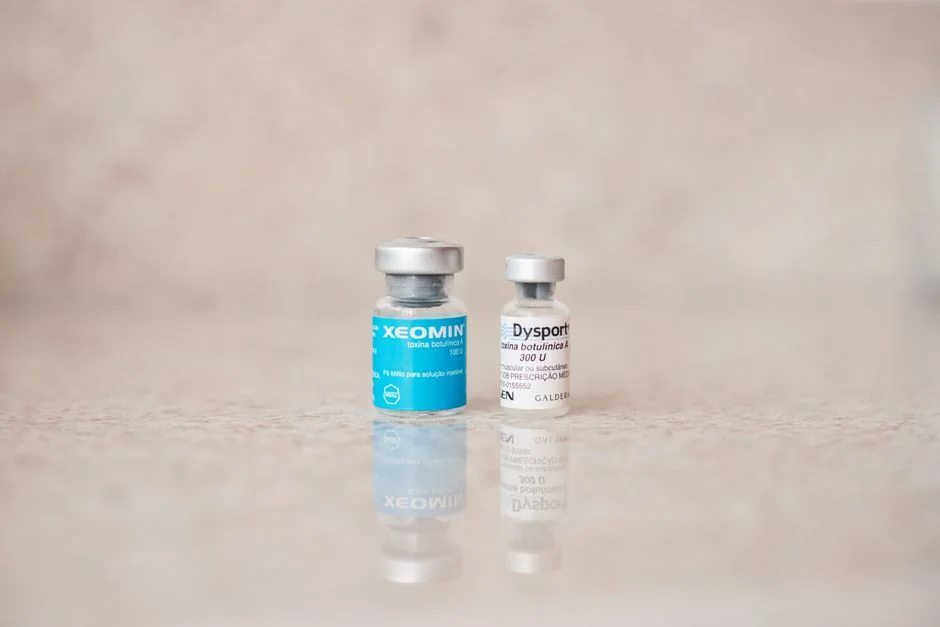
Pricing for masseter Botox in Tokyo varies based on the product brand, the number of units required, and the clinic. At BIOTOPE CLINIC, the following ranges apply:
| Product | Price Range | Notes |
|---|---|---|
| Allergan Botox | ¥22,000 – ¥148,000 | Globally established brand; dosing adjusted per individual |
| Korean-brand botulinum toxin | ¥9,900 – ¥45,000 | Reputable alternatives; suitable for many patients |
| Initial consultation fee | ¥3,300 | Standard initial visit |
| Dr. Karibe surgical consultation | ¥2,200 | Where surgical options are being discussed alongside injectables |
The masseter is a large muscle and typically requires more units than, for example, a glabellar (frown lines) treatment. The total cost for a bilateral (both sides) jaw-slimming session therefore tends to fall toward the mid-to-upper end of the Botox price range. For context, clinics across central Tokyo generally charge between ¥30,000 and ¥80,000 for a standard masseter Botox session, depending on brand and dose, which aligns with BIOTOPE CLINIC’s pricing structure.
For an accurate quote, we recommend booking a consultation.
Have a question about this treatment?
Message us on LINE or WhatsApp — our English-speaking team usually replies the same day.
What to Expect: Before, During, and After

Before the appointment
No special preparation is required in most cases. Patients are generally advised to avoid alcohol for 24 hours prior and to let the practitioner know about any medications — particularly blood thinners such as aspirin, ibuprofen, or anticoagulants — as these can increase bruising.
Patients with a history of neuromuscular disorders, pregnancy, or breastfeeding should disclose this at the time of booking, as botulinum toxin is contraindicated in these situations.
During the procedure
The treatment itself takes around ten to fifteen minutes including preparation. The injection points are marked, the skin is cleaned, and the injections are delivered with a fine needle.
Topical numbing cream is available on request but is rarely considered necessary by patients experienced with injections. Minor swelling or redness at the injection sites is normal and typically fades within a few hours.
After the procedure and recovery
There is no meaningful downtime. Most patients return to work or social activities the same day. It is advisable to avoid vigorous massage of the jaw area, strenuous exercise, and lying face-down for the first four hours. Chewing very hard foods (such as tough meat or hard candy) is best minimised in the first day or two, though normal eating is fine.
In Dr. Karibe’s clinical experience at BIOTOPE CLINIC, the most common post-treatment concern from international patients is not discomfort but impatience — results genuinely take weeks to develop, and a follow-up check at six to eight weeks is standard practice to assess whether a touch-up dose is appropriate.
Who Is a Good Candidate?
Suitable candidates
- Adults with visible masseter hypertrophy (enlarged chewing muscle) confirmed on examination
- Patients who grind their teeth (bruxism) or habitually clench their jaw
- Those seeking a softer, more oval or V-shaped facial contour without surgery
- Patients with realistic expectations about the gradual timeline and the degree of change achievable
Who should proceed with caution or avoid the treatment
- Individuals whose wide jaw is predominantly skeletal (bone-related) rather than muscular — results may be limited
- People with neuromuscular disorders such as myasthenia gravis or Lambert-Eaton syndrome
- Those who are pregnant or breastfeeding
- Patients with known allergy or sensitivity to botulinum toxin or its excipients
- Anyone taking aminoglycoside antibiotics or other drugs that potentiate neuromuscular blockade — discuss with the prescribing physician first
An in-person consultation is the only reliable way to determine whether masseter hypertrophy — rather than bone width, subcutaneous fat, or a combination of factors — is the primary cause of the jawline appearance. This assessment guides both product selection and realistic outcome expectations.
Frequently Asked Questions
- Q. Will masseter Botox affect my ability to chew normally?
- For the vast majority of patients, chewing function is not meaningfully affected. The masseter is one of several muscles involved in mastication, and the dose used for cosmetic purposes reduces bulk without eliminating muscle function. Some patients notice a very mild change in chewing strength in the first two to three weeks, which resolves as the body adapts.
- Q. How many sessions will I need to see a noticeable difference?
- Many patients see satisfying results after a single session, though patients with pronounced hypertrophy may benefit from a second treatment three to four months later to consolidate and deepen the effect. Clinical reports indicate that repeated sessions can extend the duration of results over time, as the muscle gradually adapts to reduced activity.
- Q. Is masseter Botox permanent?
- No. The effects are temporary by nature. Results from a single session last approximately four to six months. Some patients who undergo regular treatments over one to two years do report that their masseter appears permanently smaller even when treatments are paused, possibly due to long-term atrophy — but this varies significantly between individuals and cannot be guaranteed.
- Q. Can I combine masseter Botox with other treatments?
- Yes, in many cases. Masseter Botox is commonly combined with hyaluronic acid fillers (for chin projection or cheek definition), HIFU (for skin tightening along the lower face), or thread lifts to achieve a more comprehensive facial-contouring result. Dr. Karibe can advise on which combinations are appropriate based on individual anatomy during the consultation.
- Q. Is the procedure safe for all skin types and ethnicities?
- Botulinum toxin injections do not carry the same pigmentation risk as certain laser treatments, making them generally suitable across all skin types and ethnicities. The assessment of masseter hypertrophy, however, should be performed by a practitioner experienced with diverse facial anatomies, as ideal outcomes and unit dosing may differ between individuals.
Have a question about this treatment?
Message us on LINE or WhatsApp — our English-speaking team usually replies the same day.
Where to Get Masseter Botox in Tokyo (English-Speaking Consultation)
Within our clinic group, English-speaking consultations are handled at BIOTOPE CLINIC in Shirokanedai (Minato-ku, Tokyo) by Dr. Jun Karibe, a board-certified plastic surgeon certified by the Japan Society of Plastic and Reconstructive Surgery. Our sister clinic, Kojimachi Dermatology & Plastic Surgery Clinic in Ichigaya (Chiyoda-ku), serves as the group’s main office and focuses on Japanese-language, insurance-covered dermatology — it does not currently offer English-speaking doctor consultations.
All English enquiries regarding masseter Botox, facial contouring, or any cosmetic treatment should be directed to BIOTOPE CLINIC via LINE or WhatsApp.
Summary
Masseter Botox is a well-established, non-surgical approach to softening a square or wide jawline by temporarily reducing the bulk of the chewing muscle.
Results develop gradually over four to eight weeks and typically last four to six months per session, with evidence suggesting that repeated treatments can extend and deepen the effect over time. It is not suitable for everyone — particularly those whose jaw width is primarily skeletal — and realistic expectations are best set through a proper in-person assessment.
Pricing at BIOTOPE CLINIC ranges from approximately ¥9,900 to ¥148,000 depending on the botulinum toxin product selected and the number of units required, with an initial consultation fee of ¥3,300. For an accurate quote specific to your anatomy and goals, booking a consultation is recommended.
If you have questions about masseter Botox, English-speaking consultations are handled at BIOTOPE CLINIC in Shirokanedai (Minato-ku, Tokyo) by Dr. Karibe. Our sister clinic Kojimachi Dermatology & Plastic Surgery Clinic in Ichigaya (Chiyoda-ku) handles Japanese-language insurance dermatology. English enquiries: LINE or WhatsApp.
24/7 Consultation & Booking
Book a Consultation or Treatment
Our English-speaking team responds via LINE or WhatsApp — usually the same day.
References
- Ahn J, Horn C, Blitzer A. Botulinum toxin for masseter reduction in Asian patients. Archives of Facial Plastic Surgery. 2004;6(3):188–191.
- Kim NH, Chung JH, Park RH, Park JB. The use of botulinum toxin type A in aesthetic mandibular contouring. Plastic and Reconstructive Surgery. 2005;115(3):919–930.
- Wu WT. Botox facial slimming/facial sculpting: the role of botulinum toxin-A in the treatment of hypertrophic masseteric muscle and parotid enlargement to narrow the lower facial width. Facial Plastic Surgery Clinics of North America. 2010;18(1):133–140.
- Shim KS, Kim JH, Lee SH, Jung YS. Quantitative evaluation of masseter muscle volume change after botulinum toxin type A injection using ultrasonography. Oral Surgery, Oral Medicine, Oral Pathology, Oral Radiology. 2014;117(4):e291–e296.
- Raspaldo H, Niforos FR, Gassia V, et al. Lower-face and neck antiaging treatment and prevention using onabotulinumtoxin A: the 2010 multidisciplinary French consensus — Part 2. Journal of Cosmetic Dermatology. 2011;10(2):131–149.
Related Articles
You may also find these articles useful.
- Forehead Botox Tokyo: Cost, Results & What to Expect
- Botox vs Dermal Fillers: Which Treatment Is Right for You?
- Natural Botox Treatment in Tokyo for International Patients
SUPERVISED BY

Dr. Jun Karibe
MD
Director
Education & Career
Certifications
Awards
MEDICAL REVIEW