Self-Injection ED Therapy in Tokyo: A Patient Guide and Safety Overview
Erectile dysfunction (ED) is a genuinely common medical condition, yet many men find it difficult to raise the subject — particularly in a country and language that is not their own.
If oral ED medications such as sildenafil or tadalafil have not produced the results you were hoping for, intracavernosal injection (ICI) therapy — also known as self-injection therapy — may be the next appropriate step, and it is now available in Tokyo under physician supervision.
This guide explains how ICI therapy works, what the treatment involves, realistic costs in Tokyo, safety considerations, and how to access English-language care.
- What intracavernosal injection (ICI) therapy is and how it differs from oral ED medication
- The medications commonly used (Trimix and Bimix) and how they produce an erection
- Safety profile, side effects, and who should avoid this treatment
- Typical costs and what a supervised self-injection programme looks like in Tokyo
- How and where to access English-speaking men’s health consultations in Tokyo
Have a question about this treatment?
Message us on LINE or WhatsApp — our English-speaking team usually replies the same day.
What Is Intracavernosal Injection (ICI) Therapy?
Intracavernosal injection therapy is a method of treating ED in which a small volume of vasodilating medication is injected directly into the corpus cavernosum — the sponge-like erectile tissue that runs along the shaft of the penis.
Unlike oral PDE5 inhibitors (sildenafil, tadalafil), which rely on sexual stimulation and nitric oxide signalling to work, ICI therapy acts locally and independently of sexual arousal signals, making it effective in cases where oral medications have failed.
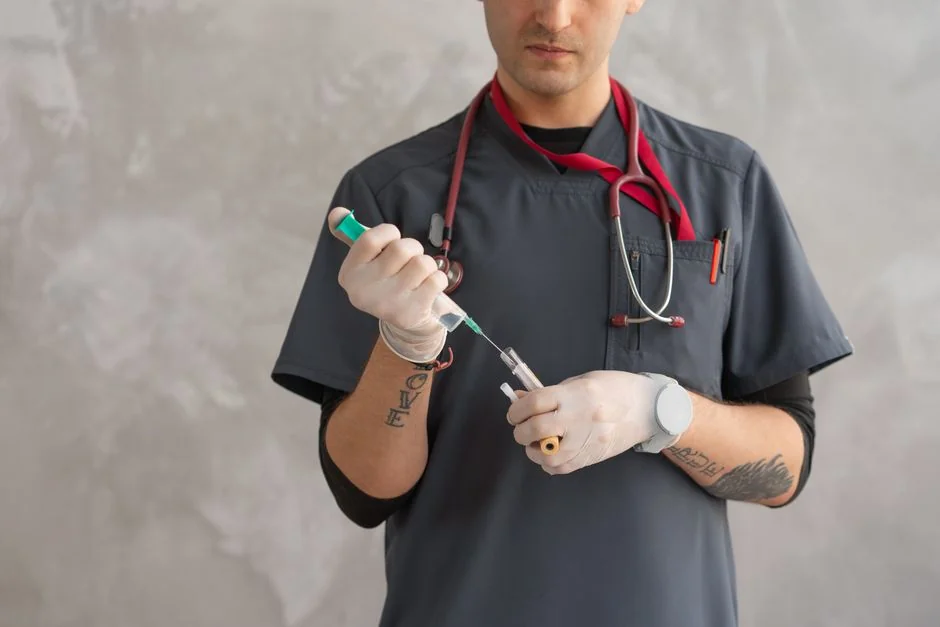
The injection is made using a very fine needle — comparable in gauge to an insulin pen — and most patients report minimal discomfort once they have been trained in the technique. The goal of a supervised self-injection programme is to allow the patient to administer the medication at home with confidence, having learned the correct dose, site, and technique at the clinic.
Trimix and Bimix: What Are They?
Bimix is a combination of two medications — typically papaverine and phentolamine — that cause smooth muscle relaxation in the penile blood vessels, allowing increased blood flow into the erectile tissue. Trimix adds a third agent, alprostadil (a synthetic prostaglandin), which further enhances vasodilation and is generally considered the more potent formulation. Both are compounded medications prepared by a dispensing pharmacy according to the prescribing physician’s specification.
Because the formulations are compounded — meaning they are mixed to order rather than mass-produced — dosing can be individualised. A physician will start a patient on a conservative dose and titrate upward based on response and tolerability, ideally during an in-clinic observation session before home use begins.
How ICI Therapy Works: The Injection Process
The injection is placed into the lateral (side) aspect of the penile shaft, avoiding the urethra (the tube running along the underside) and the visible surface blood vessels. Rotating the injection site between the left and right sides with each use helps minimise the risk of localised tissue changes over time.
After a correctly dosed injection, an erection typically develops within five to fifteen minutes and can last between thirty minutes and one to two hours, depending on the formulation and individual response. The duration and rigidity of response are closely related to dose, and fine-tuning this is one of the key objectives of the supervised training programme.
The Training Programme: What Supervised Self-Injection Involves
At the first clinical appointment, the physician takes a full medical history, reviews any previous ED treatments, and performs a basic physical assessment. If ICI therapy is clinically appropriate, the doctor will explain the injection technique, demonstrate the procedure, and — in many programmes — supervise the patient’s first self-administered injection in clinic.
Subsequent appointments allow dose adjustments and review of any side effects. Patients are provided with clear written instructions (or verbal guidance in English where available) on what to do in the event of a prolonged erection (priapism) — the most important safety scenario to prepare for.
Dr. Karibe’s Note
Many of our international patients are surprised to find that ICI therapy, which sounds daunting at first, quickly becomes routine once the technique has been properly demonstrated.
The needle used is extremely fine, and most men tell me that the psychological barrier before the first injection is far greater than any physical discomfort they actually experience.
Thorough training — and having a physician you can contact if questions arise — makes an enormous practical difference.
That is precisely why we do not simply hand over a prescription and send patients home; the supervised training component is the part that makes self-injection therapy both safe and effective.
Safety Profile, Side Effects, and Contraindications
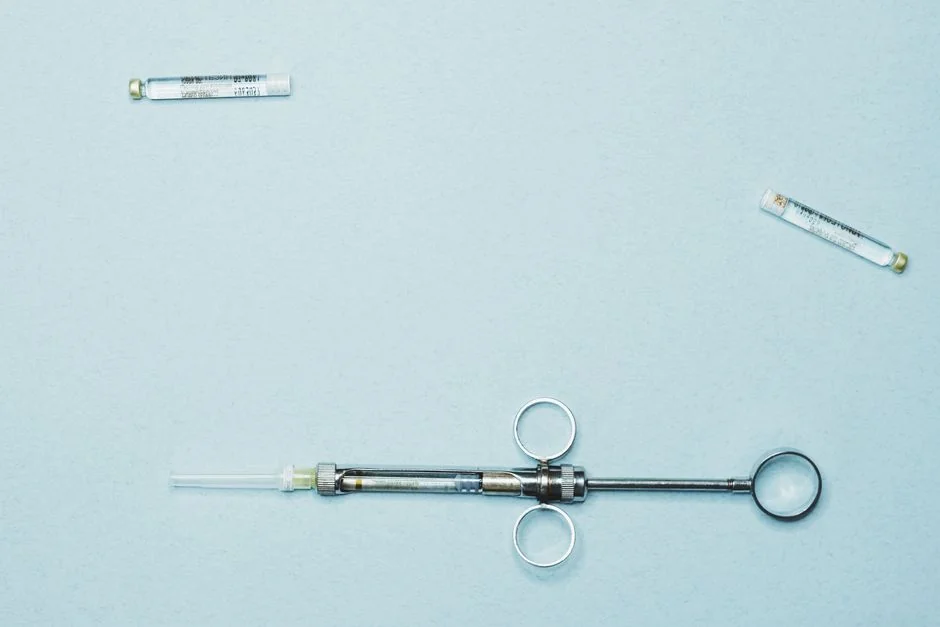
ICI therapy has a well-established safety record when used under appropriate medical supervision. Clinical reports indicate response rates of approximately 70–90% in men who have not responded adequately to oral PDE5 inhibitors, including those with ED related to diabetes, radical prostatectomy, or spinal cord injury — populations for whom oral therapy is frequently ineffective.
A large multicentre study published in the Journal of Urology reported a long-term patient satisfaction rate above 80% among men who continued ICI therapy beyond six months, with the majority citing confidence in dosing and technique as the primary factor in sustained use.
Common Side Effects
- Pain or aching at the injection site: Usually mild and transient; more commonly associated with alprostadil-containing formulations (Trimix) than with Bimix alone.
- Bruising or haematoma: Easily minimised with correct injection technique and appropriate needle gauge.
- Prolonged erection (priapism): An erection lasting more than four hours is a medical emergency requiring prompt treatment. Patients are given clear guidance on recognition and emergency management before beginning home injections.
- Fibrosis or penile scarring: A risk associated with long-term, frequent use; rotating injection sites and following dosing guidelines significantly reduces this risk.
- Hypotension (low blood pressure): Rare with localised injection but possible, particularly in patients on antihypertensive medication.
Who Should Avoid ICI Therapy
- Men with a known tendency to prolonged erections (e.g. sickle cell disease, leukaemia, or polycythaemia)
- Men taking anticoagulant medication (e.g. warfarin, newer oral anticoagulants) — requires individual risk assessment
- Men with anatomical conditions of the penis (e.g. severe Peyronie’s disease) — requires specialist evaluation
- Men who are psychologically unable or unwilling to perform self-injection despite adequate instruction
- Men who have had an allergic reaction to any component of the compounded formulation
Common Misconceptions About Self-Injection ED Therapy
Misconception 1: “Self-injection means I can just buy the medication online and do it without a doctor.”
This is incorrect and potentially dangerous. Trimix and Bimix are compounded prescription medications that require proper medical evaluation, individual dose titration, and training in technique and emergency response. Unsupervised use — particularly without prior assessment for contraindications — carries a real risk of priapism, which, if untreated beyond four to six hours, can cause permanent erectile impairment.
A supervised programme exists precisely to prevent this outcome.
Misconception 2: “If oral pills didn’t work, nothing will.”
Oral PDE5 inhibitors and ICI therapy work through entirely different mechanisms. Studies suggest that ICI therapy achieves clinically meaningful erections in a substantial proportion of men who have not responded to sildenafil or tadalafil, including men with neurological ED following pelvic surgery, diabetic ED, and vascular ED. Oral treatment failure does not predict ICI failure.
Cost of Self-Injection ED Therapy in Tokyo
Men’s health services, including ED treatment, are generally delivered as self-pay (private) services in Japan, as ED is classified as a lifestyle-related condition and not covered under the national health insurance system for most patients.
At BIOTOPE CLINIC in Shirokanedai, an initial consultation fee applies (¥3,300 for a standard initial visit, or ¥2,200 for a Dr. Karibe surgical/specialist consultation). The ongoing cost of ICI therapy is primarily the cost of the compounded medication itself, which varies depending on the formulation (Bimix or Trimix), the concentration prescribed, and the volume dispensed. Medication costs are discussed with the prescribing physician and dispensing pharmacy at the time of prescription.
Patients typically also factor in the cost of follow-up appointments for dose review and any ancillary supplies (needles, syringes, storage materials). Because compounded medications are not standardised commercial products, pricing should be confirmed at consultation rather than assumed from generic online estimates.
For an accurate quote, we recommend booking a consultation.
For patients who have not yet tried oral ED therapy, or who wish to explore all options, BIOTOPE CLINIC also offers PDE5 inhibitors (sildenafil and tadalafil) as part of its men’s health treatment menu — this is available at BIOTOPE CLINIC in Shirokanedai; feel free to ask about it during a consultation with Dr. Karibe.
Have a question about this treatment?
Message us on LINE or WhatsApp — our English-speaking team usually replies the same day.
Comparing ED Treatment Options
| Treatment | Mechanism | Requires Sexual Stimulation | Onset | Suitable After Oral Failure | Self-Administered |
|---|---|---|---|---|---|
| Sildenafil / Tadalafil (oral PDE5 inhibitors) | Enhances nitric oxide signalling; dilates penile blood vessels | Yes | 30–60 minutes (sildenafil); 1–2 hours (tadalafil) | First-line; limited efficacy in neurological/vascular ED | Yes (tablet) |
| Bimix ICI (papaverine + phentolamine) | Direct smooth muscle relaxation in penile tissue | No | 5–15 minutes | Yes — effective in many oral non-responders | Yes (injection, after training) |
| Trimix ICI (papaverine + phentolamine + alprostadil) | Triple-agent vasodilation; strongest local effect | No | 5–15 minutes | Yes — often preferred in refractory cases | Yes (injection, after training) |
Who Is a Good Candidate for ICI Therapy?
ICI therapy is generally considered for men who have an established diagnosis of ED and who have either not responded adequately to oral PDE5 inhibitors or who cannot use them due to contraindications (for example, men taking nitrate medications for heart conditions).
It is also appropriate for men with specific underlying causes of ED — including neurogenic ED following prostate surgery or spinal cord injury, diabetic vasculopathy, and ED related to pelvic radiation therapy — in whom oral agents are less likely to achieve sufficient response.
Good candidates are men who are willing and physically capable of performing self-injection after training, have realistic expectations about outcomes, and are committed to attending follow-up appointments for dose review and safety monitoring. Psychological readiness and good manual dexterity are practical factors the prescribing physician will consider during the initial assessment.
In Dr. Karibe’s clinical experience at BIOTOPE CLINIC, international patients often arrive having already tried oral therapy through an online pharmacy or their home-country physician, and are seeking a more reliable and individually calibrated solution. ICI therapy, when taught properly and tailored to the individual, frequently meets this need.
Where to Access English-Speaking ED Treatment in Tokyo
Within our clinic group, English-speaking consultations are handled at BIOTOPE CLINIC in Shirokanedai (Minato-ku, Tokyo) by Dr. Jun Karibe. Our sister clinic, Kojimachi Dermatology & Plastic Surgery Clinic in Ichigaya (Chiyoda-ku), is the group’s main office and handles Japanese-language insurance-covered dermatology. Bookings and enquiries in English: LINE or WhatsApp.
BIOTOPE CLINIC’s men’s health service is part of a broader private medicine offering that includes general men’s health consultations, oral ED medications, and ICI therapy for appropriate candidates — all conducted in English by a board-certified physician. The clinic is conveniently located in Shirokanedai, Minato-ku, and is accessible from central Tokyo.
Frequently Asked Questions
- Q. Does the injection hurt?
- Most patients describe the discomfort as mild — comparable to a standard blood test, but in an area where anxiety naturally heightens sensitivity. The needles used are very fine-gauge (similar to insulin injection needles), and discomfort typically decreases significantly with practice. Alprostadil-containing formulations (Trimix) may cause a brief aching sensation in some men; this is usually transient.
- Q. How often can I use ICI therapy?
- Most physicians recommend a maximum of two to three injections per week, with at least 24 hours between uses. Exceeding this frequency increases the risk of fibrosis (scar tissue formation) at the injection sites. Your prescribing physician will give specific guidance based on your formulation and individual response.
- Q. What do I do if the erection lasts more than four hours?
- A prolonged erection lasting more than four hours (priapism) is a urological emergency. Patients are given clear instructions before beginning home injections, which typically include applying ice packs, taking a sympathomimetic medication if prescribed, and proceeding immediately to an emergency department if the erection does not resolve. This scenario is relatively uncommon at correctly titrated doses, but preparation for it is an essential part of the supervised training programme.
- Q. Can I get this treatment if I am visiting Tokyo for a short time?
- It is possible to have an initial consultation and assessment during a visit. However, the supervised training component and the initial in-clinic dose titration session require at least two appointments, and some patients require more to reach an optimal dose. If you are a short-term visitor, it is advisable to contact the clinic before your trip to discuss what can realistically be achieved during your stay.
- Q. Is ICI therapy available in English in Tokyo?
- English-speaking consultations for ICI therapy and broader men’s health are available at BIOTOPE CLINIC in Shirokanedai, where Dr. Karibe and the English-speaking team can guide you through assessment, training, and follow-up. Other clinics in Tokyo may offer ICI therapy primarily in Japanese.
Have a question about this treatment?
Message us on LINE or WhatsApp — our English-speaking team usually replies the same day.
Summary
Self-injection ED therapy — using Trimix or Bimix administered intracavernosally — is a well-established, clinically supported treatment for men who have not achieved satisfactory results with oral PDE5 inhibitors.
Studies suggest response rates of 70–90% in men with refractory ED, including those with neurological, diabetic, or vascular causes. The treatment requires proper medical assessment, individualised dose titration, and hands-on training in technique and safety protocols; it is not a therapy that can safely be self-initiated without physician involvement.
For men living in Tokyo or visiting the city, accessing this level of care in English has historically been a challenge.
You have questions about self-injection ED therapy, English-speaking consultations are handled at BIOTOPE CLINIC in Shirokanedai (Minato-ku, Tokyo) by Dr. Karibe. Our sister clinic, Kojimachi Dermatology & Plastic Surgery Clinic in Ichigaya (Chiyoda-ku), handles Japanese-language insurance dermatology. English enquiries: LINE or WhatsApp.
24/7 Consultation & Booking
Book a Consultation or Treatment
Our English-speaking team responds via LINE or WhatsApp — usually the same day.
References
- Porst H, Padma-Nathan H, Giuliano F, Anglin G, Varanese L, Rosen R. Efficacy of tadalafil for the treatment of erectile dysfunction at 24 and 36 hours after dosing: a randomized controlled trial. Urology. 2003;62(1):121–126.
- Montague DK, Jarow J, Broderick GA, et al. Chapter 1: The management of erectile dysfunction: an AUA update. Journal of Urology. 2005;174(1):230–239.
- Shabsigh R, Padma-Nathan H, Gittleman M, McMurray J, Kaufman J, Goldstein I. Intracavernous alprostadil alfadex is more efficacious, better tolerated, and preferred over intraurethral alprostadil plus optional actis: a comparative, randomized, crossover, multicenter study. Urology. 2000;55(1):109–113.
- Bella AJ, Brant WO, Lue TF, Brock GB. Non-arteritic anterior ischemic optic neuropathy (NAION) and phosphodiesterase type-5 inhibitors. Canadian Journal of Urology. 2006;13(5):3233–3238.
- Hatzimouratidis K, Eardley I, Giuliano F, et al. EAU guidelines on penile curvature and erectile dysfunction. European Urology. 2010;57(5):804–814.
SUPERVISED BY

Dr. Jun Karibe
MD
Director
Education & Career
Certifications
Awards
MEDICAL REVIEW