Artmake Pain, Safety and Side Effects: What English-Speaking Patients Should Know
If you are considering artmake — semi-permanent cosmetic pigmentation of the eyebrows, lips, eyeliner, or hairline — it is natural to have questions about discomfort, healing, and safety, especially when navigating a treatment in a country where most clinical information is published only in Japanese. This guide compiles clear, clinically grounded answers for English-speaking patients researching artmake in Tokyo.
What you will learn in this article:
- What artmake is and how it differs from conventional tattooing
- What to expect in terms of pain, healing, and downtime
- The realistic risks and side effects, and how reputable clinics manage them
- Approximate cost ranges in the Tokyo market
- How to access English-language consultations within our clinic group
Have a question about this treatment?
Message us on LINE or WhatsApp — our English-speaking team usually replies the same day.
What Is Artmake?
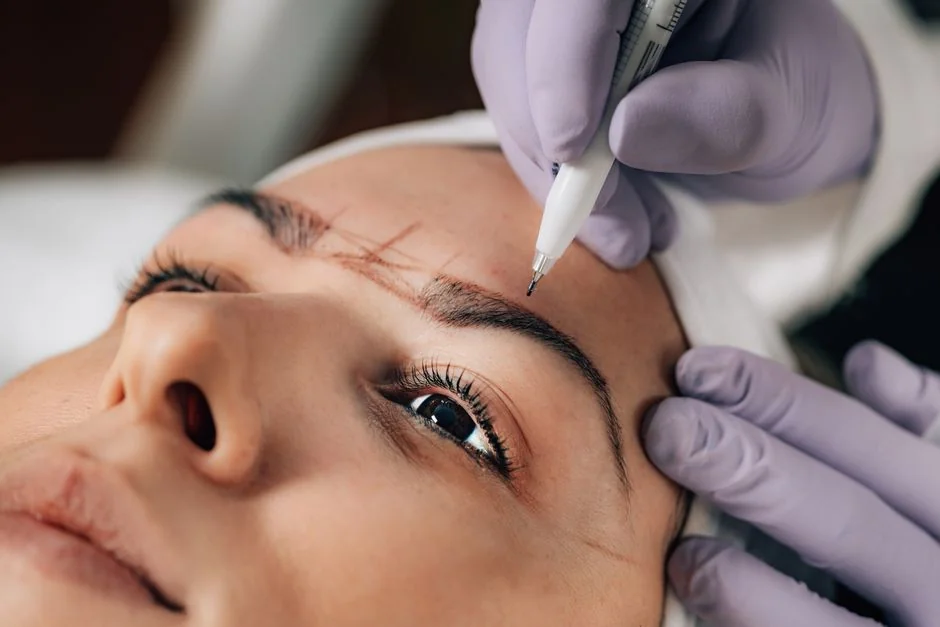
Artmake (アートメイク, sometimes romanised as “art make”) is the Japanese clinical term for semi-permanent cosmetic pigmentation — a procedure in which mineral-based pigment is deposited into the upper layers of the dermis (the skin layer just beneath the surface) using a fine needle or needle array. The result is a softly defined cosmetic enhancement — shaped eyebrows, a more defined lip contour, eyeliner, or a fuller-looking hairline — that gradually fades over one to three years as the skin naturally renews itself.
In Japan, artmake is legally classified as a medical procedure under the Medical Practitioners Act (医師法). This means it must be performed either by a licensed physician or by a registered nurse working under direct physician supervision. This regulatory framework distinguishes Japan from many countries where equivalent procedures are carried out in beauty salons without medical oversight.
Artmake vs Microblading vs Conventional Tattoo
Patients frequently ask how artmake compares to microblading (a manual blade technique popular in Western countries) and conventional tattoos. The table below summarises the key differences.
| Feature | Artmake (Japan) | Microblading | Conventional Tattoo |
|---|---|---|---|
| Pigment depth | Upper dermis (shallow) | Upper dermis (shallow, manual) | Deep dermis |
| Longevity | 1–3 years (fades gradually) | 1–2 years (fades gradually) | Decades (largely permanent) |
| Pigment type | Mineral-based, body-safe inks | Mineral-based inks | Conventional tattoo inks |
| Legal status in Japan | Medical procedure (physician/nurse) | Grey area / salon-performed | Non-medical / tattoo studio |
| Typical pain level | Mild to moderate (topical anaesthetic used) | Mild to moderate | Moderate to significant |
| Removal options | Laser or saline removal | Laser or saline removal | Laser removal (lengthy) |
How Artmake Works: The Procedure Step by Step
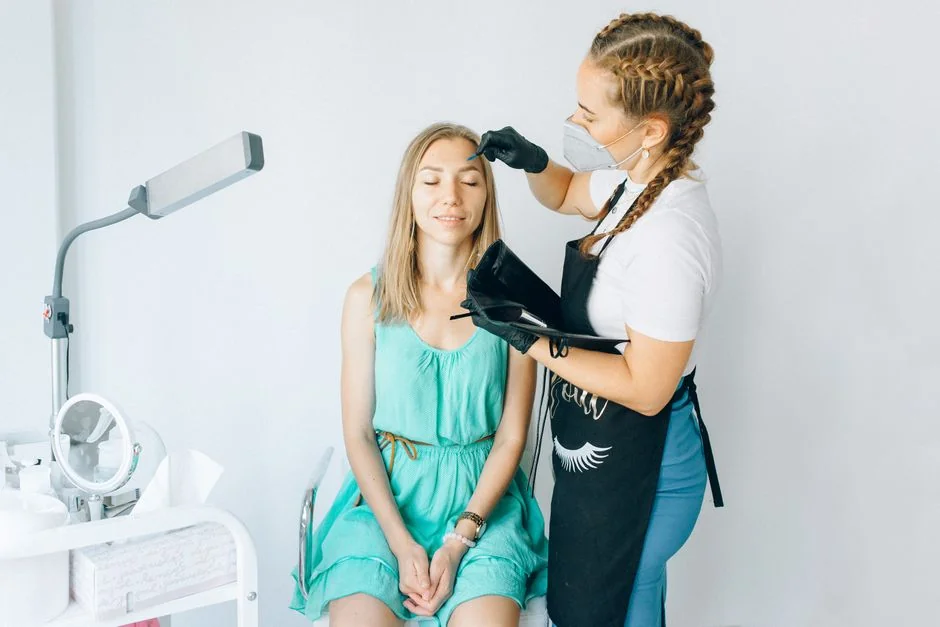
A standard artmake appointment begins with a detailed consultation in which the practitioner assesses skin tone, existing hair or pigmentation, facial symmetry, and the patient’s aesthetic goals. A colour and shape are agreed upon before any needling begins.
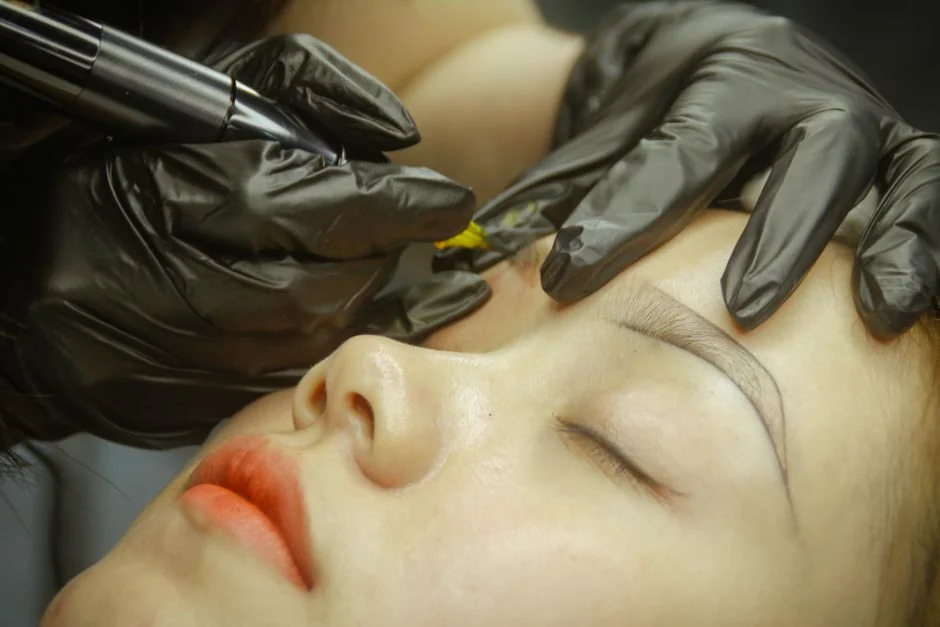
Topical anaesthetic cream is applied to the treatment area and left for approximately 20–30 minutes. This significantly reduces sensation for most patients, though a degree of pressure and mild discomfort during needling is considered normal. Once the area is numb, the practitioner uses a digital machine (or, in some techniques, a manual hand tool) to deposit pigment in precise, repeated strokes.
Session Frequency and Touch-Ups
Most artmake protocols involve an initial session followed by a mandatory touch-up four to eight weeks later, once initial healing is complete.
This second session allows the practitioner to assess colour retention, fill any areas where pigment has shed unevenly, and refine the result. Subsequent maintenance sessions are typically recommended every one to two years depending on skin type, sun exposure, and lifestyle.
Pain, Healing and Downtime: What to Realistically Expect
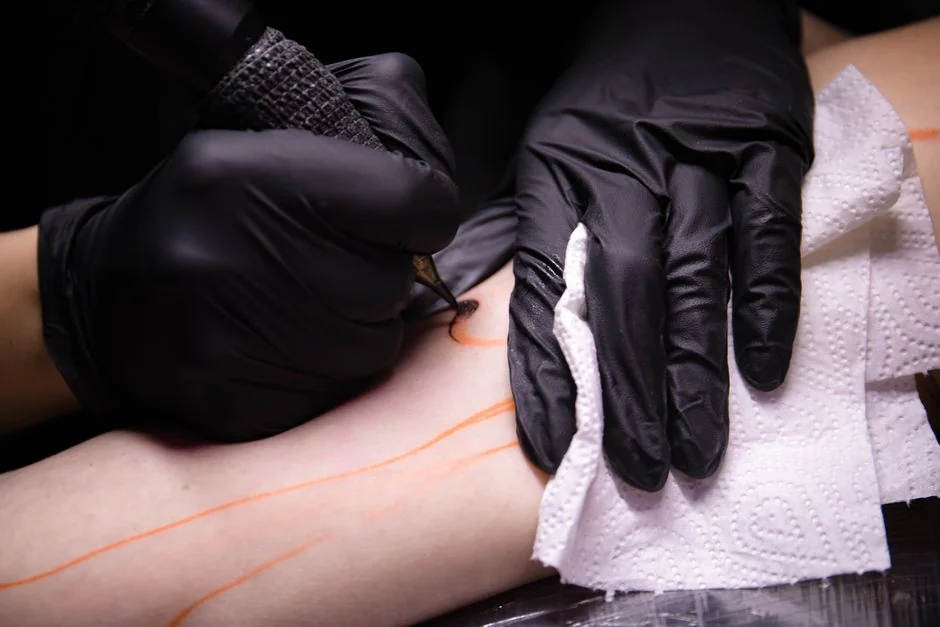
Pain tolerance varies considerably between individuals, and the sensation also differs by treatment area. Lips tend to be more sensitive than eyebrows due to the density of nerve endings in the perioral region (the area around the mouth). Eyeliner artmake, performed close to the eye, can produce a sensation of pressure and tearing that some patients find more unsettling than painful.
With topical anaesthetic properly applied, most patients describe the sensation during eyebrow artmake as similar to light scratching. Lip artmake is more commonly described as stinging or burning. Practitioners at medically supervised clinics can apply additional anaesthetic during the procedure if needed, which is a significant advantage over non-medical settings.
The Healing Timeline
The first 24–48 hours after artmake: the treated area will appear darker, slightly swollen, and possibly red. This is expected and is not a sign of complications. Over the following five to ten days, the superficial layers of skin will flake off — a process sometimes described as “ghosting” — and the colour will appear much lighter or patchy. This temporary fading is normal. By four weeks, the true settled colour becomes visible.
Patients should plan their schedules with this in mind: the first week is not ideal for important social or professional engagements where appearance is a concern. Most patients can return to desk-based work the following day, but outdoor or physically demanding activities should be limited during the initial healing phase.
Common Side Effects
- Redness and mild swelling: Expected for 24–72 hours post-procedure.
- Itching during healing: Common during days 3–7 as the skin repairs. Scratching or picking must be avoided.
- Uneven colour during the peel phase: Normal and temporary; final result is assessed at the touch-up appointment.
- Colour shift over time: Some pigments may shift in hue (e.g. certain brown tones may develop a slightly cooler or warmer cast) as they fade. An experienced practitioner selects pigments to minimise this.
- Herpes simplex reactivation (cold sores): For lip artmake, patients with a history of cold sores should discuss prophylactic antiviral medication with their doctor prior to the session, as trauma to the lip area can trigger an outbreak.
Serious but Rare Risks
- Allergic reaction to pigment: Patch testing is advisable, particularly for patients with a history of skin allergies.
- Infection: Rare when sterile technique is followed in a medical setting. Signs include increasing redness, warmth, pain, or discharge beyond the first 48 hours, and should prompt medical review promptly.
- Granuloma formation: An uncommon immune response in which the body forms a nodule around the pigment particles.
- MRI interference: A small number of cases of transient tingling or warming sensation in tattooed or pigmented areas during MRI scanning have been reported in the literature. Patients should inform radiology staff of any artmake or tattoos before undergoing MRI.
Dr. Karibe’s Note
“A common question from our international patients at BIOTOPE CLINIC is whether artmake in Japan is the same procedure they may have had, or considered, abroad.
What often surprises them is the medical framework here: because artmake is classified as a medical act in Japan, our practitioners — physicians and supervised nurses — are trained to assess skin type, manage topical anaesthesia appropriately, and recognise early signs of adverse reactions in a way that is not always available in a non-clinical beauty setting.
For patients who have had a previous artmake procedure outside Japan that has faded unevenly or shifted in colour, we also recommend a consultation to discuss whether removal or correction is appropriate before proceeding with a new application.”
Common Misconceptions About Artmake
Misconception 1: “Artmake is permanent.”
This is one of the most widespread misunderstandings. Unlike deep-dermis conventional tattooing, artmake pigment is deposited in the upper dermis and is broken down by the skin’s natural cell turnover over time. Most patients see significant fading within one to three years. While traces of pigment can occasionally persist longer in some skin types, artmake is accurately described as semi-permanent, not permanent.
Misconception 2: “The procedure is painless because anaesthetic is used.”
Topical anaesthetic substantially reduces discomfort, but it is not a nerve block. Patients should expect some sensation — described variously as pressure, mild scratching, or stinging — during the procedure, particularly in sensitive areas such as the lips. Clinics that claim the procedure is completely painless may be setting unrealistic expectations. Honest communication about what to expect helps patients feel prepared and cooperative during treatment.
Cost of Artmake in Tokyo
Artmake in Tokyo is priced per session, and because most protocols involve at least two sessions, the total investment should be calculated accordingly. Pricing reflects the practitioner’s qualifications, the clinical setting, and the technique used.
In the Tokyo market, sessions are typically priced in the following ranges:
- Eyebrow artmake: approximately ¥60,000–¥150,000 per session (two sessions are generally recommended)
- Full lip artmake: approximately ¥80,000–¥180,000 per session
- Eyeliner artmake (upper only): approximately ¥40,000–¥90,000 per session; upper and lower combined approximately ¥50,000–¥110,000
- Hairline artmake: approximately ¥100,000–¥250,000 per session
- Areola artmake (medical reconstruction, e.g. post-mastectomy): approximately ¥60,000–¥180,000 per session
- Artmake removal (laser or saline method): approximately ¥30,000–¥80,000 per session; multiple sessions are usually required
These figures represent typical market ranges and are provided for general planning purposes only. Individual pricing will depend on the area treated, the technique selected, and the specific clinical assessment at consultation. For an accurate quote, we recommend booking a consultation with BIOTOPE CLINIC via LINE or WhatsApp.
Have a question about this treatment?
Message us on LINE or WhatsApp — our English-speaking team usually replies the same day.
Who Is a Good Candidate for Artmake?
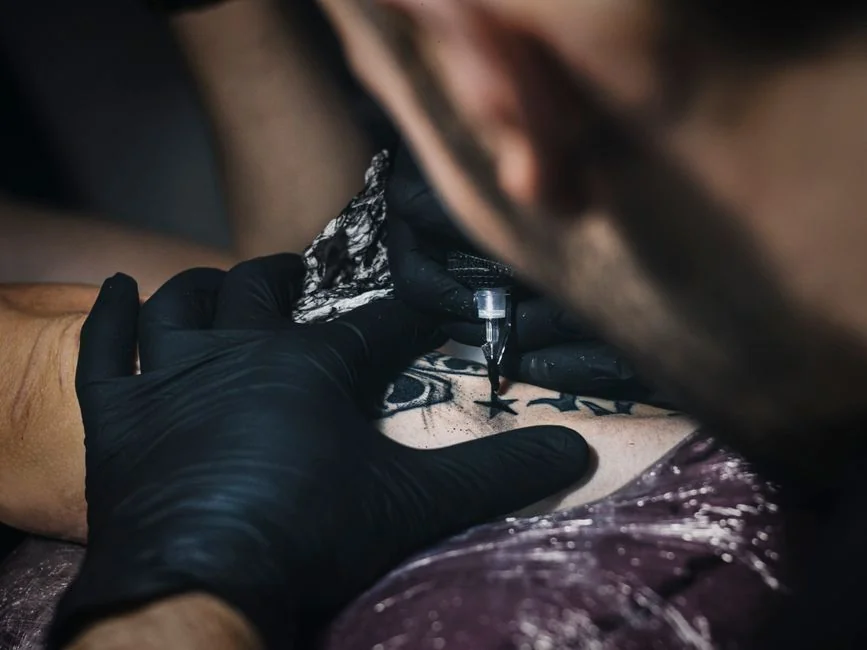
Artmake is suitable for a wide range of patients seeking to enhance or restore facial features with minimal daily maintenance. Common motivations include sparse or asymmetric eyebrows, lip definition loss due to ageing, alopecia-related hair loss, and breast reconstruction following mastectomy (areola artmake).
A good candidate is generally in good overall health, has realistic expectations about the gradual fading process, and is willing to attend the recommended touch-up appointment. Patients with very oily skin may find that pigment retention is shorter than average, which is worth discussing at consultation.
Who Should Exercise Caution or Postpone Treatment
- Patients who are pregnant or breastfeeding (treatment is generally deferred until after this period)
- Patients with active skin conditions — eczema, psoriasis, or acne — in or near the treatment area
- Patients currently using isotretinoin (a medication for acne) or having recently completed a course; a waiting period is typically recommended
- Patients with a known allergy to topical anaesthetics or pigment components (patch testing is advisable)
- Patients with bleeding disorders or those on anticoagulant (blood-thinning) medications should disclose this at consultation
- Patients with a history of keloid scarring should discuss this with the practitioner, as any skin trauma carries some risk of keloid formation
Where to Get Artmake in Tokyo: BIOTOPE CLINIC
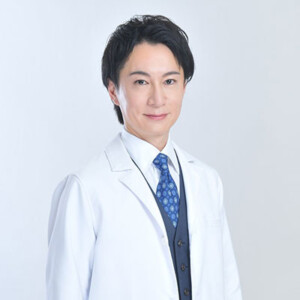
Within our clinic group, artmake is performed at BIOTOPE CLINIC in Shirokanedai (Minato-ku), directed by Dr. Jun Karibe. Our English-speaking team covers both clinics and handles all English enquiries. Kojimachi Dermatology and Plastic Surgery Clinic, located in Ichigaya (Chiyoda-ku), is the main clinic of the group and focuses on dermatology and plastic surgery — artmake consultations and procedures are directed to BIOTOPE CLINIC.
BIOTOPE CLINIC‘s Shirokanedai location is accessible via the Nanboku and Mita subway lines, making it convenient for patients based across central Tokyo. Consultations can be requested in English through the group’s shared LINE or WhatsApp contact, and the intake team can guide international patients through forms, consent documentation, and aftercare instructions in English.
Dr. Karibe is a board-certified plastic surgeon with experience in both surgical and non-surgical facial procedures. Artmake at BIOTOPE CLINIC is performed in a supervised medical setting, in line with Japan’s regulatory requirements for the procedure.
Aftercare: Key Guidelines for Optimal Results
Following aftercare instructions carefully is one of the most important factors in achieving good colour retention and avoiding complications. The principles below reflect standard clinical guidance, though patients should follow the specific written aftercare provided by their practitioner.
- Keep the area dry for the first 24–48 hours: Avoid swimming, saunas, steam rooms, and excessive sweating. Water exposure can disrupt pigment settling.
- Do not pick or peel: Allow any flaking to resolve naturally. Picking can remove pigment unevenly and increase infection risk.
- Apply prescribed ointment: A thin layer of healing balm or petroleum-based ointment keeps the area moist and reduces the risk of scabbing.
- Avoid direct sun exposure: UV radiation accelerates pigment fading. SPF protection is important once the area has healed.
- Avoid retinol and exfoliating products: These accelerate skin cell turnover and can cause premature pigment fading in the treated area.
- Attend the touch-up appointment: The result after a single session alone is considered incomplete in most artmake protocols. The touch-up refines the outcome and is typically included in the quoted treatment plan.
Frequently Asked Questions
- Q. Is artmake safe if I have sensitive skin?
- Sensitive skin is not an absolute contraindication for artmake, but it does warrant additional caution. A patch test for pigment and anaesthetic is advisable, and an experienced practitioner will adjust needle depth and technique to minimise irritation. Discuss your skin history in detail during the consultation.
- Q. How long does a session take?
- A typical eyebrow artmake session, including anaesthetic application time, takes approximately 90 minutes to two hours. Lip artmake may take slightly longer due to the additional anaesthetic time required. First appointments are generally longer than touch-up sessions.
- Q. Can artmake be removed if I am not happy with the result?
- Yes. Artmake can be lightened or removed using laser treatment or a saline-based removal technique, though the process requires multiple sessions and does not guarantee complete clearance in all cases. In the Tokyo market, removal sessions are typically priced in the range of ¥30,000–¥80,000 per session. This underscores the importance of a careful consultation and colour-and-shape agreement before the initial procedure.
- Q. Will artmake look natural?
- In the hands of a skilled practitioner, artmake is intended to produce a natural-looking enhancement rather than a heavily drawn or artificial appearance. Techniques such as the hair-stroke method for eyebrows are designed to mimic individual hairs. Results depend on the practitioner’s skill, the patient’s skin type, and adherence to the agreed design at consultation.
- Q. Is the consultation available in English?
- Yes. The Kojimachi Clinic group’s English-speaking intake team handles enquiries for both Kojimachi Dermatology and Plastic Surgery Clinic and BIOTOPE CLINIC. Patients can reach the team via LINE or WhatsApp to request an English-language consultation at BIOTOPE CLINIC in Shirokanedai.
Have a question about this treatment?
Message us on LINE or WhatsApp — our English-speaking team usually replies the same day.
Summary
Artmake is a semi-permanent cosmetic procedure classified as a medical act in Japan, meaning it is subject to stricter oversight than equivalent treatments in many other countries. When performed in a properly supervised medical setting, it carries a favourable safety profile, though patients should have realistic expectations about discomfort, a multi-week healing phase, and the gradual nature of fading over time.
Key points to carry away: topical anaesthetic reduces but does not eliminate sensation; the first session result is temporary and incomplete until the touch-up is performed; and pigment is expected to fade within one to three years. Candidates with specific medical conditions, skin concerns, or previous artmake from other providers should raise these at consultation before proceeding.
For English-speaking patients in Tokyo seeking artmake in a medically supervised environment, BIOTOPE CLINIC in Shirokanedai (Minato-ku) — the sister clinic of Kojimachi Dermatology and Plastic Surgery Clinic — provides consultations and treatment with English-language support through the group’s shared intake team.
24/7 Consultation & Booking
Book a Consultation or Treatment
Our English-speaking team responds via LINE or WhatsApp — usually the same day.
References
- Kluger N, Koljonen V. Tattoos, inks, and cancer. Lancet Oncology. 2012;13(4):e161–e168.
- Serup J, Hutton Carlsen K, Sepehri M. Patch test study of 90 patients with tattoo reactions: negative outcome of allergy patch test to baseline batteries and 20 top allergens with high relevance for tattooed skin. Contact Dermatitis. 2016;74(4):221–225.
- Forte AJ, Schwarzbich MA, Fan KL, Ciudad P, Manrique OJ, Boczar D, et al. Areola reconstruction after breast surgery: a systematic literature review. Annals of Plastic Surgery. 2018;80(3):330–336.
- Kaur RR, Kirby W, Maibach H. Cutaneous allergic reactions to tattoo ink. Journal of Cosmetic Dermatology. 2009;8(4):295–300.
- European Commission Scientific Committee on Health, Environmental and Emerging Risks (SCHEER). Opinion on the safety of tattoos and permanent make-up. SCHEER. 2020.
Related Articles
You may also find these articles useful.
- Artmake Pain, Safety & Side Effects for English Speakers
- Artmake Pain, Safety and Side Effects in Tokyo
- Artmake for Foreigners in Tokyo: English-Speaking Clinic
- Artmake Aftercare Guide: Healing Timeline and What to Avoid
- Eyebrow Artmake Tokyo: Cost, Procedure & Clinic Guide
SUPERVISED BY
Dr. Jun Karibe
MD
Director
Education & Career
Certifications
Awards
MEDICAL REVIEW