Artmake vs Microblading vs Tattoo: What’s the Difference? A Tokyo Guide
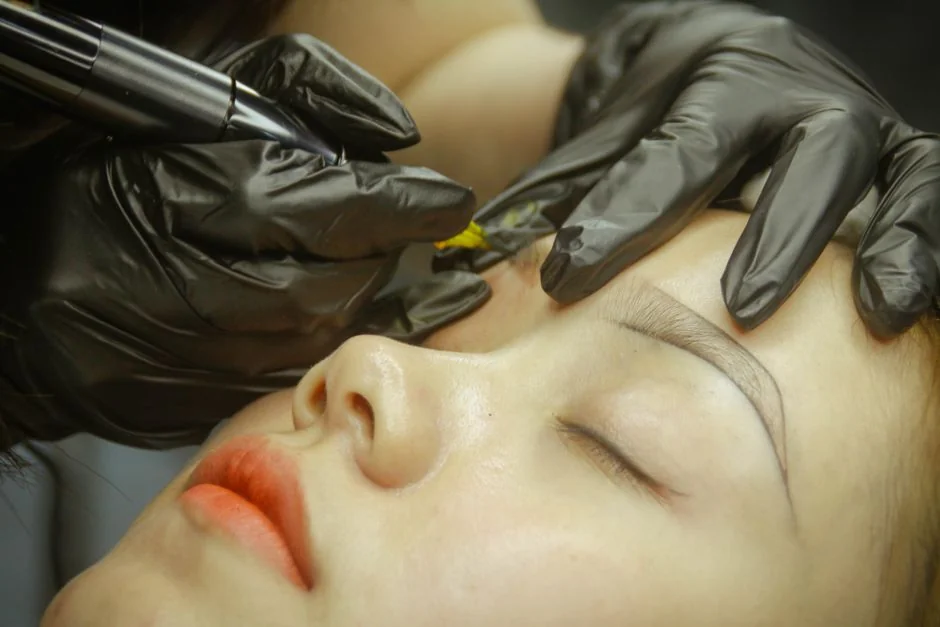
If you are thinking about semi-permanent brows, eyeliner or lip colour in Tokyo, the terms can be confusing. You may see “artmake”, “microblading” and “cosmetic tattoo” used almost interchangeably, and it is natural to worry about what you are actually agreeing to, how long it lasts and whether it is safe.
This guide explains how the three differ, how artmake is regulated in Japan, what healing looks like and what to ask before booking. It draws on regulatory guidance from Japan and the United States and on peer-reviewed dermatology literature.
What you’ll learn in this article:
- What “artmake” means in Japan, and how it relates to microblading and tattoos
- Why artmake is treated as a medical procedure in Japan, while decorative tattooing is not
- How long results tend to last, and why “it just fades away” is an oversimplification
- What healing, aftercare and the main risks look like
- Where artmake is offered within our clinic group in Tokyo
Have a question about this treatment?
Message us on LINE or WhatsApp — our English-speaking team usually replies the same day.
What Is Artmake?
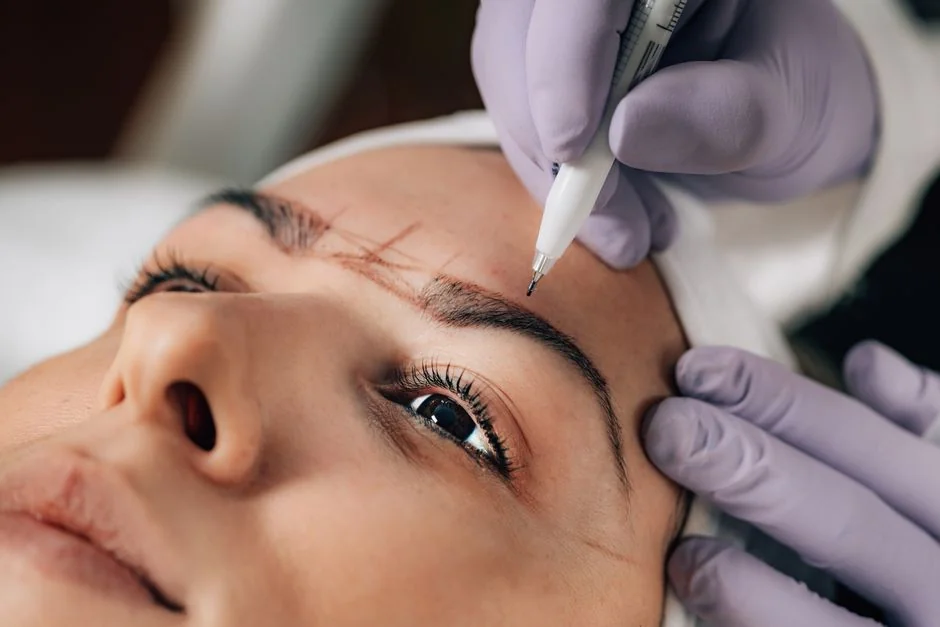
“Artmake” (アートメイク) is the term used in Japan for cosmetic pigment treatments on the eyebrows, eyeline, lips and similar areas. Japan’s Ministry of Health, Labour and Welfare (MHLW) describes artmake as a procedure that settles pigment in a very shallow layer of the skin, and lists it among aesthetic medical treatments.
Outside Japan, the same kind of treatment is usually called “permanent makeup” or “cosmetic tattooing”. The U.S. Food and Drug Administration (FDA) describes permanent makeup as a type of tattoo applied to look like makeup, such as eyeliner, lip liner or eyebrows.
How the technique works
In every version of the treatment, pigment is placed into the skin with fine needles. What varies is the tool and the pattern. There are two broad approaches:
- Machine technique: a motorised device deposits pigment, often producing a soft, filled or shaded look.
- Hand technique (microblading): a handheld tool with a row of tiny needles, called a microblade, draws fine strokes designed to look like individual brow hairs.
In Japan, “artmake” is best understood as the umbrella term. Microblading is one way of performing eyebrow artmake, not a separate category of treatment.
Artmake vs Microblading vs Tattoo: Key Differences
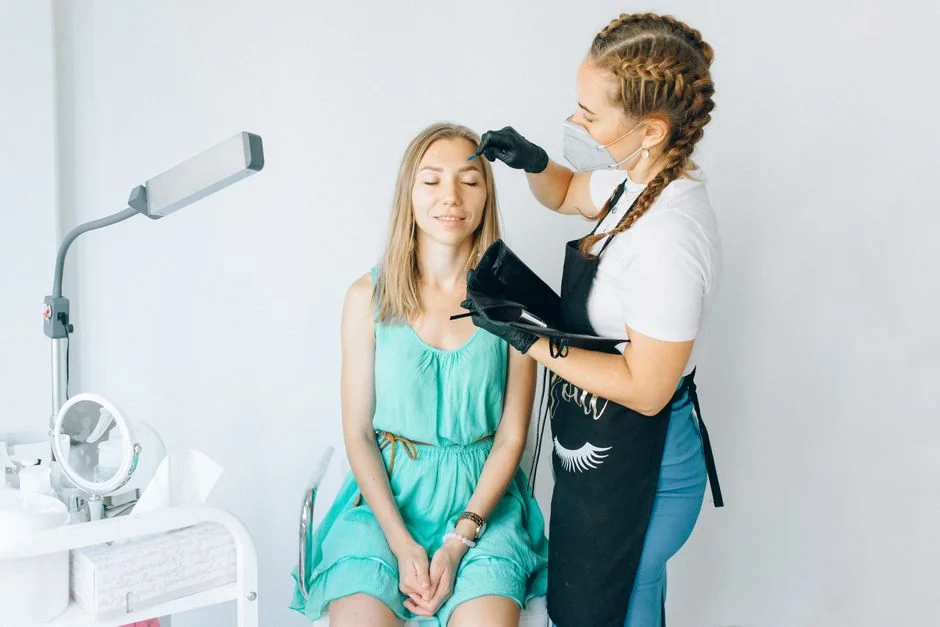
A 2025 review in Skin Appendage Disorders explains that microblading places pigment in the papillary dermis (the upper part of the skin’s second layer). Motorised cosmetic tattooing places it in the superficial dermis. According to the same review, microblading creates hair-like strokes, while conventional tattooed brows tend to look like a uniform patch of colour.
| Feature | Artmake (machine technique) | Microblading (hand technique) | Decorative body tattoo |
|---|---|---|---|
| Tool | Motorised device with fine needles | Handheld microblade | Motorised tattoo machine |
| Where pigment sits | Shallow layers of the skin (superficial dermis) | Upper dermis (papillary dermis) | Within the dermis (“intradermal”, in FDA terms) |
| Typical look | Soft shading or defined lines (brows, eyeliner, lips) | Fine hair-like brow strokes | Artistic designs anywhere on the body |
| Longevity reported in literature | From 2 to 8 years, or even permanently (eyebrow tattooing) | Up to about 3 years, depending on the pigment | Intended to be permanent; removal usually needs several treatments |
| Status in Japan | Medical procedure; illegal for non-physicians to perform as a business | Offered as a form of eyebrow artmake in medical settings | Not a medical act when performed by a tattoo artist (Supreme Court, 2020) |
Why the legal status differs in Japan
In a notice dated 3 July 2023 (医政医発0703第5号), the MHLW confirmed its position. Artmake, such as eyebrow or eyeliner artmake, performed as a business by someone without a medical licence violates Article 17 of the Medical Practitioners’ Act.
The same notice explains why tattoos are treated differently. In 2020, Japan’s Supreme Court held that decorative tattooing by a tattoo artist is not a medical act, because tattooing has historically been practised outside medicine. Artmake, by contrast, has in practice developed within medicine, with doctors, nurses and other licensed staff involved. For readers, this means artmake in Japan should take place in a medical clinic, not a beauty salon.
Common Misconceptions
Misconception 1: “Artmake isn’t a real tattoo, so it simply disappears”
Artmake does fade over time, but this is gradual and varies from person to person. The FDA classes permanent makeup as a type of tattoo. It also notes that if pigment is placed too deeply, it can migrate beyond the intended area and look blurred.
Removal is not straightforward either. The FDA describes tattoo removal as “a painstaking process, usually involving several treatments and considerable expense”. A 2024 review in the Journal of Clinical Medicine warns that inks containing ferric oxide, a type of iron oxide pigment, can darken irreversibly with laser treatment, particularly in permanent makeup. The practical lesson is to choose your shape and colour carefully rather than relying on fading or removal.
Misconception 2: “In Japan, artmake is a beauty-salon service, like lash extensions”
This is not the case. As explained above, the MHLW’s 2023 notice states that artmake performed as a business by non-physicians violates the Medical Practitioners’ Act. If a salon offers artmake without medical staff or a medical clinic setting, that is a significant warning sign.
Cost in Tokyo
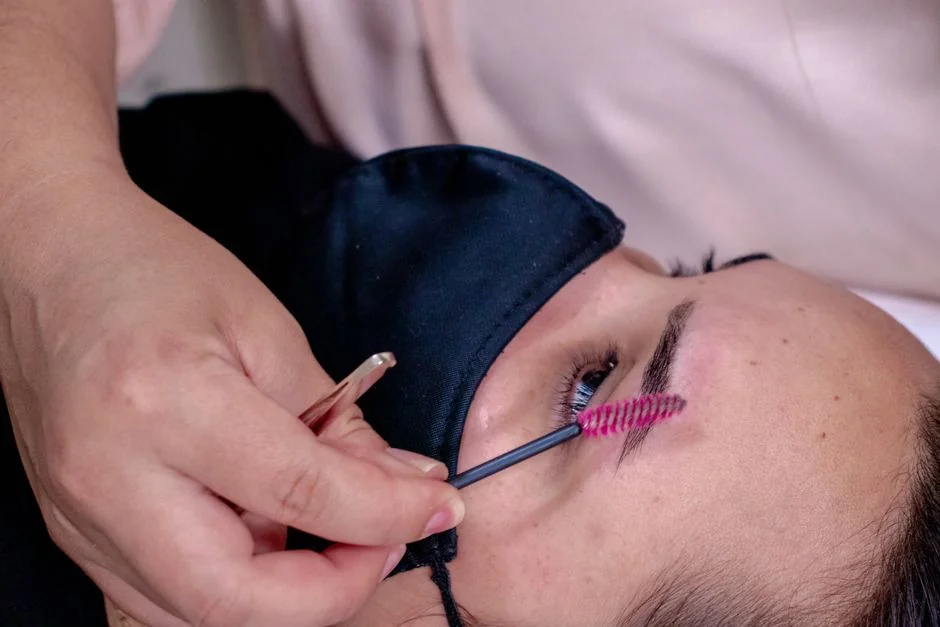
Artmake prices in Tokyo vary widely, and a single headline figure can be misleading. The final cost usually depends on several factors:
- Treatment area: brows, eyeliner and lips are usually priced separately.
- Technique: machine shading, hair-stroke microblading or a combination.
- Number of sessions: pigment retention after the first session is often incomplete, so a touch-up is commonly part of the plan.
- Future maintenance: because results fade, many people choose refresh sessions later.
Cosmetic artmake is offered as aesthetic medicine, which in Japan is generally self-pay (jiyū shinryō) rather than covered by national health insurance. Confirm this at your consultation.
The MHLW’s consumer guidance on aesthetic medicine advises patients to understand the risks as well as the expected effects before agreeing to treatment. It also warns against pressure tactics such as “it’s cheaper if you sign today”.
Please see the BIOTOPE CLINIC official price page or contact us via LINE / WhatsApp for a current quote. Final pricing is confirmed at consultation, so the most reliable next step is to book a consultation with BIOTOPE CLINIC.
Have a question about this treatment?
Message us on LINE or WhatsApp — our English-speaking team usually replies the same day.
Healing, Aftercare and Risks
What healing typically looks like
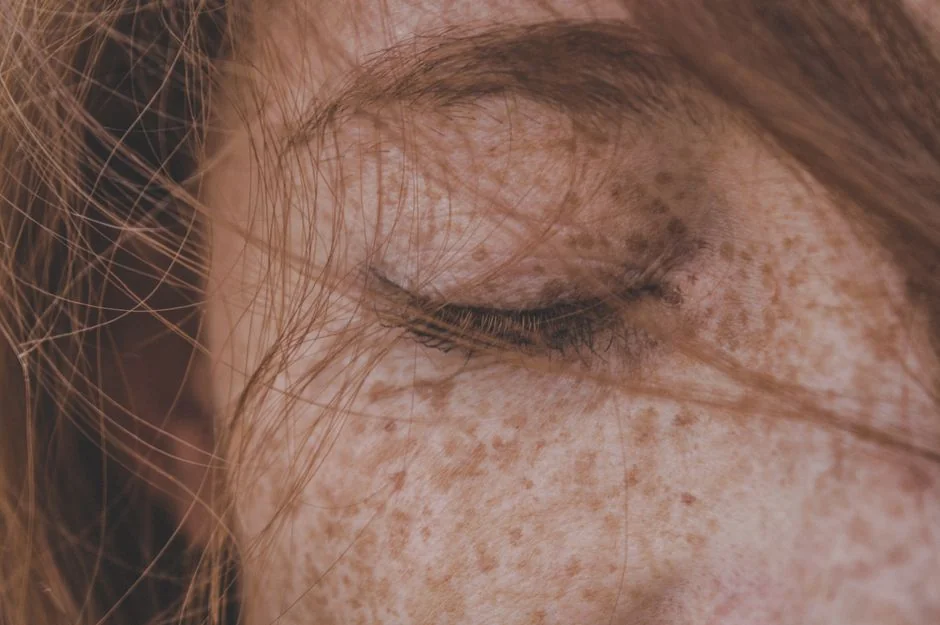
The 2025 microblading review describes an inflammatory phase immediately after treatment. Early flaking follows at around days 3 to 5, and it can be itchy. Some fading is often noticeable early on because pigment retention is incomplete, which is one reason a follow-up session is planned.
Colour usually looks stronger in the first few days and settles as the skin heals. It is sensible to plan around social or work commitments, and your practitioner can advise on timing for your specific treatment area.
Aftercare basics
- Follow your clinic’s written instructions: aftercare differs by area and technique.
- Keep it clean: the review’s authors recommend regular gentle cleansing, twice daily, rather than avoiding washing altogether.
- Avoid adding extra products: the same authors advise against other post-procedure formulations and antioxidant serums because of the risk of skin sensitisation.
- Report itching or swelling: a doctor can assess it and suggest treatment, such as an oral antihistamine where appropriate.
Risks to understand
No cosmetic procedure is risk-free. Regulatory and academic sources describe the following possible complications:
- Infection: the FDA notes that unsterile equipment and needles can transmit infections, including HIV, hepatitis and Staphylococcus aureus skin infections.
- Allergic reactions: the FDA reports that allergic reactions to tattoo pigments have been rare. However, it has received numerous reports of adverse reactions linked to certain shades of permanent makeup ink.
- Granulomas and sarcoidosis: granulomas are small nodules that can form around pigment the body treats as foreign. The 2025 review notes more than 20 reported cases of skin sarcoidosis after cosmetic eyebrow tattooing.
- Keloids: people prone to keloids (raised scars that grow beyond the original wound) are at risk of developing them.
- Colour changes: results may take on a greenish tone, smudge or spread beyond the intended strokes.
- MRI effects: the FDA has received reports of swelling or burning in tattooed or permanent-makeup areas during MRI scans. Metallic pigments may also create image artefacts.
Pigment quality is another consideration. The microblading review notes a lack of standardisation for brow pigments. The MHLW also cautions that materials used in self-pay aesthetic treatments may not be approved under Japan’s Pharmaceuticals and Medical Devices Act. Asking which pigment will be used, and whether it is approved in Japan, is a reasonable question at consultation.
Who is a good candidate?
Artmake may suit people who would like more defined brows, eyeliner or lip colour without applying makeup every day, who have healthy skin in the treatment area and who have realistic expectations. Because results are long-lasting and hard to remove, it helps to be confident about the shape and colour you want.
According to the dermatology literature, extra caution or a different approach may be needed if you have:
- active inflammation or infection in the area
- a history of keloids
- psoriasis, vitiligo or lichen planus, which can flare at sites of skin injury (the Koebner phenomenon)
- scarring-related brow hair loss
- very oily skin, which can reduce pigment retention with microblading
Always tell the clinic about your medical conditions, medications and any pregnancy before treatment.
Where to Get Artmake in Tokyo (Our Sister Clinic BIOTOPE)
Because artmake is a medical procedure in Japan, the first check is simple: make sure treatment takes place at a medical clinic. Beyond that, look for a thorough consultation that covers design, pigment, risks and aftercare, and a clinic that does not pressure you to commit on the day.
Within our clinic group, artmake is performed at BIOTOPE CLINIC in Shirokanedai (Minato-ku), directed by Dr. Jun Karibe. Our English-speaking team covers both clinics and handles all English enquiries.
BIOTOPE CLINIC is a one-minute walk from Exit 1 of Shirokanedai Station. Please note that the Kojimachi Clinic in Ichigaya (Chiyoda-ku) does not perform artmake, but our shared intake team can arrange an artmake consultation at BIOTOPE for you.
Frequently Asked Questions
- Q. Is microblading the same as artmake?
- In Japan, microblading is generally understood as one technique within eyebrow artmake. It uses a handheld blade to draw hair-like strokes, whereas machine artmake uses a motorised device. Both place pigment into the skin, so both are handled as medical procedures in Japan.
- Q. How long does artmake last?
- It varies with the technique, pigment and your skin. One dermatology review reports that microblading lasts up to about three years, while conventional eyebrow tattooing may persist from 2 to 8 years or even permanently. Fading is gradual and not always even.
- Q. Can a beauty salon legally perform artmake in Japan?
- No. The MHLW’s 2023 notice states that artmake performed as a business by someone without a medical licence violates the Medical Practitioners’ Act. Choose a medical clinic for treatment.
- Q. Can I have an MRI scan if I have artmake?
- The FDA has received reports of swelling or burning in tattooed or permanent-makeup areas during MRI, and some pigments can affect image quality. Tell the radiology staff about your artmake before any scan so they can take it into account.
- Q. Does artmake hurt?
- Sensation varies considerably between people and treatment areas, so no clinic can honestly promise a painless procedure. Ask at your consultation what pain-management options are available.
- Q. Can artmake be removed if I don’t like it?
- Removal is possible in some cases but is often difficult, and may need several sessions. Some iron oxide pigments can darken irreversibly with laser treatment, so careful planning before treatment matters more than relying on removal.
Have a question about this treatment?
Message us on LINE or WhatsApp — our English-speaking team usually replies the same day.
Summary
Artmake, microblading and tattoos all place pigment into the skin. The differences lie in the tool, the depth, the look and, in Japan, the legal setting. Artmake is the Japanese umbrella term for cosmetic brow, eye and lip pigmentation, and microblading is one hand technique within it. Unlike decorative tattooing, artmake is regulated as a medical procedure.
Results tend to fade gradually rather than disappear, removal can be difficult, and risks such as infection, allergy, granulomas and MRI effects are documented. A careful consultation in a medical setting is the best way to decide whether artmake is right for you. Within our clinic group, that consultation takes place at BIOTOPE CLINIC in Shirokanedai.
24/7 Consultation & Booking
Book a Consultation or Treatment
Our English-speaking team responds via LINE or WhatsApp — usually the same day.
References
- Shishak M, Kuthial M. Eyebrow Microblading: Science, Art, and Complications. Skin Appendage Disorders. 2025;11(4):355–359.
- Bălăceanu-Gurău B, Apostol E, Caraivan M, et al. Cutaneous Adverse Reactions Associated with Tattoos and Permanent Makeup Pigments. Journal of Clinical Medicine. 2024;13(2):503.
- U.S. Food and Drug Administration. Tattoos & Permanent Makeup: Fact Sheet. Updated 15 October 2024. fda.gov
- Ministry of Health, Labour and Welfare, Japan. Handling of so-called artmake by persons without a medical licence (医師免許を有しない者によるいわゆるアートメイクの取扱いについて), Notice 医政医発0703第5号. 3 July 2023.
- Ministry of Health, Labour and Welfare, Japan. Consumer guidance on aesthetic medicine: その美容医療、ちょっと待って! (Wait before choosing aesthetic treatment).
Related Articles
You may also find these articles useful.
- Eyebrow Artmake Tokyo: Cost, Procedure & Clinic Guide
- Artmake Pain, Safety & Side Effects Guide
- Artmake Removal Tokyo: Laser and Revision Options Guide
- Artmake Aftercare Guide: Healing Timeline & What to Avoid
- Artmake for Foreigners in Tokyo: English Clinic Guide
SUPERVISED BY
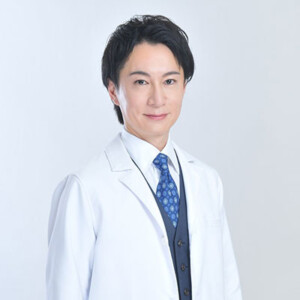
Dr. Jun Karibe
MD
Director
Education & Career
Certifications
Awards
MEDICAL REVIEW